

Free Fremont County Travel Guide & Mobile App
Explore Fremont County with free travel guides. Discover regional history, expert tips, proposed trips, and audio guides on web or mobile app.


Explore Fremont County’s Wind River mountains, high-desert valleys, Indigenous heritage, western towns and outdoor adventures in central Wyoming.
Read more about Fremont County
Getting to and around Fremont County
How to get there
Transportation
Top city travel guides in Fremont County
The cities of Fremont County, and the easiest places to base yourself.
-

-


Swipe for more cities
Destinations in Fremont County
Resorts, valleys and scenic spots worth a trip of their own.
-
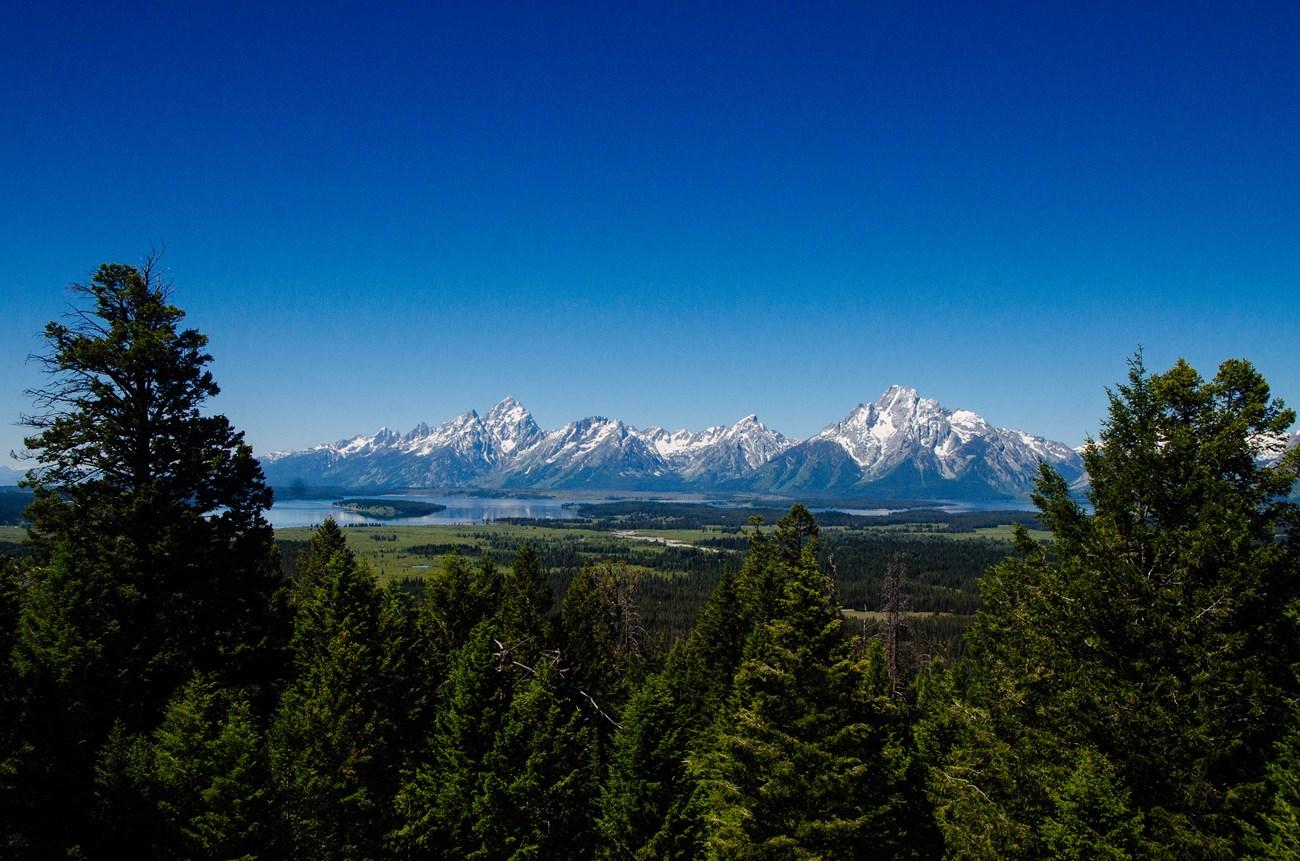 Grand Teton National Park
, Wyoming, pairs jagged peaks, alpine lakes, wildlife-rich valleys, scenic drives and western heritage near Jackson.
-
 Bridger-Teton National Forest
Discover the majesty of Bridger-Teton National Forest, where vast wilderness, diverse wildlife, and outdoor adventures await in the heart of Wyoming.
-

-
 Buffalo Bill State Park
, Wyoming, pairs a mountain reservoir with boating, fishing, camping and Cody’s Old West heritage near Yellowstone’s east gateway.
-

-


Swipe for more destinations
Best attractions in Fremont County
Fremont County’s attractions range from high-mountain recreation to museums and living cultural history. Sinks Canyon State Park, south of Lander, is the county’s best-known natural feature: the Popo Agie River disappears into limestone and reappears downstream, alongside trails, climbing areas and forested canyon scenery. The Wind River Range offers hiking, mountaineering, fishing, camping and wildlife watching, with conditions varying sharply by elevation and season. Around Dubois, the National Museum of Military Vehicles and the Dubois Museum provide substantial historical interpretation, while the surrounding badlands, ranch country and mountain roads supply the scenery. Riverton is a useful base for exploring the central basin, the Wind River and Boysen Reservoir, whose recreation areas extend beyond simple sightseeing. On the Wind River Reservation, Fort Washakie and other communities offer important historical context, but visits should be approached respectfully and according to local access guidance. County attractions are separated by real distances, so a successful itinerary normally combines one town-based cultural day with carefully planned outdoor excursions rather than attempting to cover everything in a single outing.
-
State park
Hot Springs State Park
Explore the natural beauty and therapeutic wonders of Hot Springs State Park, a stunning oasis in Wyoming known for its mineral-rich hot springs and scenic landscapes.
-
Museum
Museum of the American West
Discover the spirit of the American West at this engaging museum in Lander, Wyoming, featuring rich history, artifacts, and captivating exhibits.

Best landmarks in Fremont County
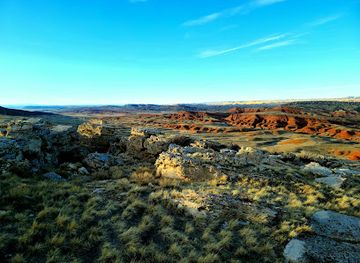
The Wind River Range forms Fremont County’s defining natural landmark, rising dramatically above the basin and containing Gannett Peak, Wyoming’s highest summit, within the broader range. The landscape is best appreciated from established viewpoints and trails because many of its most significant sites require demanding backcountry travel. Near Lander, Sinks Canyon and the disappearance of the Popo Agie River create a landmark of both geological and local cultural importance. Fort Washakie is one of the county’s most significant historic places, associated with the military post, Chief Washakie and the continuing history of the Wind River Reservation; its cemetery and surrounding community should be approached with respect. Dubois is recognised by the eroded red-rock formations and open uplands of the upper Wind River Valley, where ranches and mountain backdrops define the town’s visual identity. The Wind River itself is another organising landmark, linking communities, irrigation landscapes and recreation areas through the county. Boysen Reservoir adds a broad water landscape in the north-east, contrasting with the county’s dry basins and alpine terrain.
-
Museum
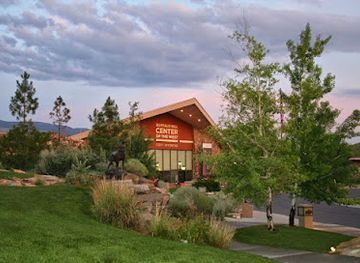
Buffalo Bill Center of the West
Discover the rich heritage of the American West at the Buffalo Bill Center, featuring five unique museums dedicated to history, art, and culture.
-
State park
Curt Gowdy State Park
Discover the beauty of Curt Gowdy State Park in Wyoming, a haven for outdoor activities, stunning landscapes, and serene lakes for fishing and camping.
-
State park
Hot Springs State Park
Experience the healing waters and breathtaking landscapes of Hot Springs State Park in Thermopolis, Wyoming, a true gem for nature lovers and relaxation seekers.
-
Historical landmark
Buffalo Bill Dam & Visitor Center
Explore the Buffalo Bill Dam & Visitor Center, a historical landmark in Cody, Wyoming, offering stunning views and rich history of the American West.


Explore Fremont County on the map
Plan your trip on one map. See where the top cities, national parks and sights are, and book hotels and experiences in a few clicks.
Best hotels in Fremont County
Best restaurants in Fremont County
Dining in Fremont County is practical, informal and closely connected to the scale of its communities. Riverton, Lander and Dubois have the broadest choice, including cafés, diners, independent restaurants, pizzerias, breweries and traditional American fare, while smaller settlements have fewer services and earlier closing patterns. Menus commonly draw on Wyoming and wider Western traditions: beef, burgers, steaks, trout where available, hearty breakfasts, soups, sandwiches and baked goods. In agricultural areas, local produce appears seasonally rather than as a fixed regional cuisine, and visitors may find farmers’ markets or direct sales of meat, preserves and other products at particular times of year. Lander and Dubois support a modest craft-food and drinks scene alongside long-established gathering places, while Riverton offers the greatest range of everyday international and American options. Reservations may be sensible for popular eating times in small towns, and travellers heading towards mountain trailheads should buy provisions before leaving the main settlements.
-
Restaurant
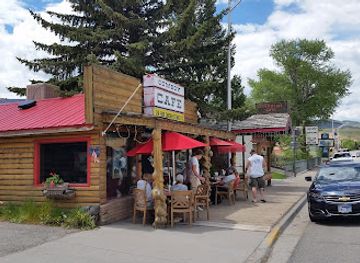
Cowboy Cafe
Experience authentic Western cuisine at Cowboy Cafe in Dubois - where hearty meals meet warm hospitality.
-
Ice Cream
Farson Mercantile
Discover the charm of Farson Mercantile - your go-to destination for ice cream delights, fresh pizza, and cozy coffee moments in Wyoming.
-
Family-friendly
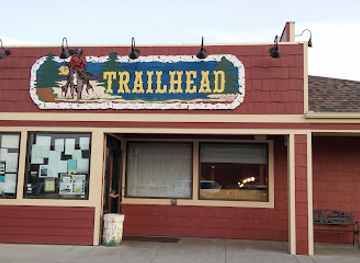
Trailhead Restaurant
Discover family-friendly dining at Trailhead Restaurant in Riverton, offering delicious food and a welcoming atmosphere perfect for all ages.
-
Casino
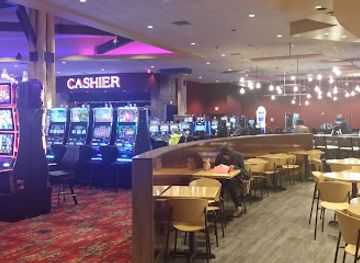
Shoshone Rose Casino & Hotel
Discover gaming excitement and comfortable stays at Shoshone Rose Casino & Hotel in beautiful Lander, Wyoming.

Best bars in Fremont County
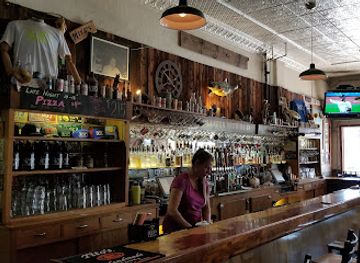
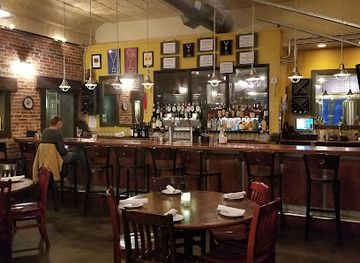
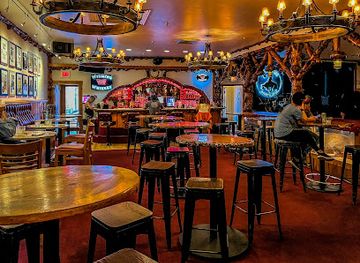
Fremont County’s evening scene is centred on pubs, bars, breweries, restaurants and community venues rather than a large nightclub industry. Riverton and Lander have the widest selection of places for a casual drink, live music or a meal after outdoor activities, while Dubois’s evening culture reflects its small-town western setting and seasonal visitor traffic. Traditional bars may serve as important social spaces, but alcohol is not required to participate in local life; cafés, restaurants, cinemas, cultural programmes and community events provide alternatives. Nightlife can be quiet outside the main towns, and rural distances make driving after drinking particularly hazardous. Check local arrangements rather than expecting late opening hours, extensive public transport or a concentrated entertainment district. Summer brings more activity around recreation and tourism, whereas winter evenings are generally more subdued.
-
Brewpub
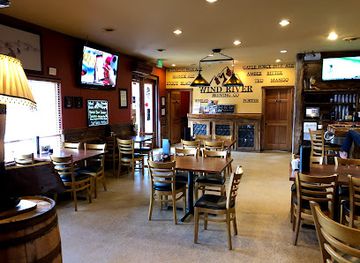
Wind River Brewing Company
Discover the flavors of Wyoming at Wind River Brewing Company, where craft beer meets gourmet dining in a welcoming atmosphere.
-
Bar
Rusty Truck
Experience the best of Riverton at the Rusty Truck, where comfort food meets local flavors in a cozy bar and restaurant setting.
-
American
Gannett Grill
Discover the heart of Lander at Gannett Grill, where American classics meet a cozy, inviting atmosphere for all taste buds.
-
Bar
Cowfish
Experience the vibrant flavors of Cowfish in Lander, Wyoming, where culinary creativity meets a welcoming bar atmosphere for all.
Best nightclubs in Fremont County
-
Bar
Million Dollar Cowboy Bar
Immerse yourself in the lively spirit of the Wild West at the Million Dollar Cowboy Bar, a Jackson, Wyoming icon known for its vibrant nightlife and cowboy charm.
-
Grill
Silver Dollar Bar
Discover the authentic flavors of Wyoming at Silver Dollar Bar, where hearty grill cuisine meets a lively bar atmosphere in Cody.
-
Bar
Cassie's Steakhouse
Experience the best of Cody, Wyoming at Cassie's Steakhouse, where delicious steaks and live music create unforgettable moments.
-
Liquor store
Libations
Discover the finest selection of wines and spirits at Libations, Cody's premier liquor store and wine bar, perfect for all your celebratory needs.


Best shops in Fremont County
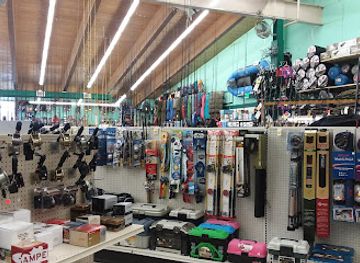
Shopping in Fremont County is focused on useful local services, independent businesses, western wear, books, art, antiques, outdoor equipment and regional food rather than large-scale retail. Riverton has the broadest everyday choice and serves as a commercial centre for the surrounding basin, while Lander and Dubois offer smaller collections of independent shops, galleries, craft outlets and outdoor retailers. Visitors may find locally made jewellery, pottery, leather goods, paintings, photography, books about Wyoming and products associated with ranching or the Wind River landscape. Farmers’ markets and seasonal direct sales can provide produce, baked goods and preserves, but their timing varies and should be checked locally. Shopping connected with the Wind River Reservation should be approached respectfully, with attention to provenance and community guidance; not every Indigenous-designed item sold in the wider region necessarily originates locally. Practical outdoor supplies are easiest to obtain in the main towns, so stock up before heading into remote mountain areas.
-
Outdoor clothing and equipment shop
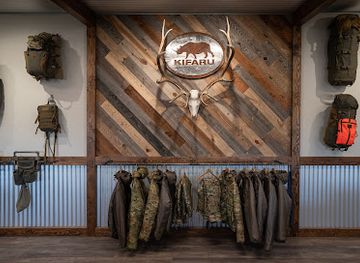
Kifaru International
Discover top-quality outdoor clothing and gear at Kifaru International in Riverton, Wyoming, the ultimate destination for adventurers and explorers.
-
Clothing store
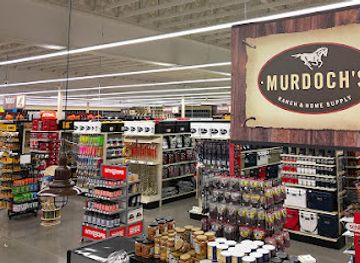
Murdoch's Ranch & Home Supply
Explore Murdoch's Ranch & Home Supply for quality Western apparel, unique home supplies, and exceptional hardware in Riverton, Wyoming.
-
Outdoor sports store
Wind River Outdoor Company
Explore the great outdoors with quality gear from Wind River Outdoor Company, your trusted outdoor sports store in Lander, Wyoming.
-
Gift shop
Rocky Mountain Discount Sports
Explore the essence of the Rocky Mountains at Rocky Mountain Discount Sports, where adventure gear meets unique gifts in Riverton, Wyoming.

Get your free copy of our complete guide to Fremont County, delivered straight to you.
Everything on this page, from attractions and restaurants to essentials and local phrases, in one PDF you can read offline, print or share.
Already have an account? Sign in
Your Fremont County guide is ready.
We'll send it to · Not you? Sign out

Getting your guide ready…
We are putting together a fresh copy of the Fremont County guide. This can take up to a minute.
This can take a few moments. If your browser asks, choose Allow so the download can start. You'll find the guide in your Downloads folder.
Nothing happened? Download it again
Sorry, the guide is taking longer than usual. Please try again in a minute, or get it by email instead.
Fremont County essentials
Currency and Payment
Safety
Emergency Situations
Do's and Don'ts
Local Tips
From Eve
Local phrases worth knowing
You don't need to get them perfect. A few words go a long way, and locals appreciate the effort.
Basics
| English | Local | Say it |
|---|---|---|
| Hello | Howdy | [haʊdi] |
| Goodbye | See ya | [si jə] |
| Yes | Yup | [jʌp] |
| No | Nah | [nɑ] |
| Please/You're welcome | Please | [pliz] |
| Thank you | Thanks | [θæŋks] |
| Excuse me/Sorry | Sorry | [sɔri] |
| How are you? | How ya doin'? | [haʊ jə ˈduɪn] |
| Fine. And you? | Good. You? | [ɡʊd. ju?] |
| Do you speak English? | Do ya speak English? | [du jə spiːk ˈɪŋɡlɪʃ] |
| I don't understand | I don't get it | [aɪ doʊnt ɡɛt ɪt] |
Eating & Drinking
| English | Local | Say it |
|---|---|---|
| I'd like to see the menu, please | Can I see the menu, please? | [kæn aɪ si ðə ˈmɛnjuː pliz] |
| I don't eat meat | I don't eat meat | [aɪ doʊnt iːt miːt] |
| Cheers! | Cheers! | [tʃɪrz] |
| I would like to pay, please | I'd like to settle up, please | [aɪd laɪk tuː ˈsɛtl ʌp pliz] |
Emergencies
| English | Local | Say it |
|---|---|---|
| Help! | Help! | [hɛlp] |
| Go away! | Get lost! | [ɡɛt lɔst] |
| Call the Police! | Call the cops! | [kɔl ðə kɑps] |
| Call a doctor! | Get a doctor! | [ɡɛt ə ˈdɑktər] |
| I'm lost | I'm lost | [aɪm lɔst] |
| I'm ill | I'm not feeling well | [aɪm nɑt ˈfiːlɪŋ wɛl] |
Shopping
| English | Local | Say it |
|---|---|---|
| I'd like to buy... | I want to buy... | [aɪ wɑnt tuː baɪ] |
| I'm just looking | Just browsing | [dʒʌst ˈbraʊzɪŋ] |
| How much is it? | What's the price? | [wʌts ðə praɪs] |
| That's too expensive | That's pricey | [ðæts ˈpraɪsi] |
| Can you lower the price? | Can ya lower the price? | [kæn jə ˈloʊər ðə praɪs] |
Time & Numbers
| English | Local | Say it |
|---|---|---|
| What time is it? | What time is it? | [wʌt taɪm ɪz ɪt] |
| It's one o'clock | It's one o'clock | [ɪts wʌn əˈklɑk] |
| Half past (10) | Half past ten | [hæf pæst tɛn] |
| Morning | Morning | [ˈmɔrnɪŋ] |
| Afternoon | Afternoon | [ˌæftərˈnun] |
| Evening | Evening | [ˈivnɪŋ] |
| Yesterday | Yesterday | [ˈjɛstərdeɪ] |
| Today | Today | [təˈdeɪ] |
| Tomorrow | Tomorrow | [təˈmɔroʊ] |
| 1 | One | [wʌn] |
| 2 | Two | [tu] |
| 3 | Three | [θri] |
| 4 | Four | [fɔr] |
| 5 | Five | [faɪv] |
| 6 | Six | [sɪks] |
| 7 | Seven | [ˈsɛvən] |
| 8 | Eight | [eɪt] |
| 9 | Nine | [naɪn] |
| 10 | Ten | [tɛn] |
Transport & Directions
| English | Local | Say it |
|---|---|---|
| Where's a/the...? | Where's the...? | [wɛrz ðə] |
| What's the address? | What's the address? | [wʌts ði əˈdrɛs] |
| Can you show me (on the map)? | Can ya show me on the map? | [kæn jə ʃoʊ mi ɑn ðə mæp] |
| When's the next (bus)? | When's the next bus? | [wɛn ðə nɛkst bʌs] |
| A ticket (to ....) | One ticket to... | [wʌn ˈtɪkɪt tuː] |
History of Fremont County
Ancient Peoples and Archaeological Landscapes
People have lived in the Wind River region for thousands of years, using its rivers, mountain passes, open grasslands and sheltered valleys for hunting, travel and seasonal settlement. Archaeological evidence across the county reflects long Indigenous histories rather than a single moment of occupation. The Wind River and its tributaries were especially important routes through an otherwise dry landscape. Visitors should understand that these are ancestral and continuing cultural landscapes, and that archaeological objects and sites are protected.
Eastern Shoshone and Northern Arapaho Homelands
The Eastern Shoshone have deep historical connections with the central Rocky Mountain region, while the Northern Arapaho were moved westward during the nineteenth century after sustained pressure and conflict on the Great Plains. The two nations became associated with the Wind River Reservation, the only reservation in Wyoming. Their histories include adaptation, political negotiation, religious life, education and resistance to federal policies. Today, the reservation remains a centre of community life, governance and cultural continuity within Fremont County.
Exploration, Trade and the Mountain West
Trappers, traders, missionaries and government expeditions passed through the Wind River country during the nineteenth century, following routes that connected the Great Plains with mountain valleys and the continental interior. John C. Frémont’s name is associated with the county through his exploration of the broader Rocky Mountain West, although the region’s Indigenous inhabitants already possessed extensive geographical knowledge. The arrival of outsiders intensified competition over resources and routes and helped draw the area into the expanding United States.
Fort Washakie and the Reservation Era
The military post established at the site of Fort Washakie in the 1860s became an important federal presence in the Wind River region. It was later named for Chief Washakie, the Eastern Shoshone leader who negotiated with the United States while seeking to protect his people amid profound territorial pressure. The fort, cemetery and nearby historic places reflect both military administration and the complicated history of reservation policy. Fort Washakie remains one of Fremont County’s most important historical communities.
Ranching, Irrigation and the Founding of Riverton
Open range ranching, farming and irrigation transformed parts of the Wind River Basin in the late nineteenth and early twentieth centuries. Riverton was founded in 1906 near the confluence of waterways and became a commercial centre for agriculture, transport and regional services. The town’s development was connected to federal irrigation projects and to the wider settlement of central Wyoming. Agriculture remains visible in the river valleys, although the county’s economy has diversified considerably.
Dubois and High-Country Western Settlement
Dubois developed in the upper Wind River country amid ranching, timber, hunting and transport routes through a landscape known for its red-rock formations and mountain valleys. Its remote setting encouraged a distinctive western identity shaped by working ranches and seasonal outdoor use. The town and surrounding area preserve links to earlier homesteading and livestock economies, while museums and local collections interpret the region’s military, ranching and frontier past.
Modern Energy, Services and Outdoor Tourism
During the twentieth century, Fremont County combined agriculture and ranching with energy production, public administration, education, retail and tourism. Uranium mining and processing became significant in the region, particularly around the Wind River Basin, while improved roads connected communities and mountain recreation areas. In recent decades, climbing, trekking, fishing, wildlife watching and heritage travel have grown in importance. The county’s modern identity therefore rests on both working landscapes and access to some of Wyoming’s highest and most dramatic mountains.
Fremont County in Photos
Browse through our photo collection highlighting the charm and character of the destination.
Neighbouring regions of Fremont County
The closest regions to Fremont County, if you have time for more than one.
-

-

-

-

-


Swipe for more regions
Explore more

Explore more of Wyoming
Discover Wyoming: A Land of Unspoiled Beauty, Rich History, and Boundless Outdoor Adventures in the Heart of the American West.
Explore Wyoming