

Free Al Hudaydah Travel Guide & Mobile App
Explore Al Hudaydah with free travel guides. Discover regional history, expert tips, proposed trips, and audio guides on web or mobile app.


Explore Al Hudaydah’s Red Sea port, Tihama landscapes and historic Zabid through Yemen’s distinctive coastal heritage and complex modern history.
Read more about Al Hudaydah
When is the best time to visit Al Hudaydah?
Best: December–February · 31–32°C| Month | High (°C) | Rainfall (mm) |
|---|---|---|
| January (best) | 31 | 1 |
| February (best) | 32 | 1 |
| March | 33 | 2 |
| April | 35 | 3 |
| May | 37 | 5 |
| June | 38 | 7 |
| July | 38 | 8 |
| August | 38 | 7 |
| September | 37 | 5 |
| October | 36 | 3 |
| November | 34 | 2 |
| December (best) | 32 | 1 |
Getting to and around Al Hudaydah
How to get there
Transportation
Top city travel guides in Al Hudaydah
The cities of Al Hudaydah, and the easiest places to base yourself.

Swipe for more cities
Destinations in Al Hudaydah
Resorts, valleys and scenic spots worth a trip of their own.
-

-

-


Swipe for more destinations
Best attractions in Al Hudaydah
Al Hudaydah Governorate’s attractions are principally cultural, historical and environmental, but current conflict makes access uncertain and often unsafe. Al Hudaydah city offers insight into Yemen’s Red Sea port culture, with older commercial areas, markets, mosques and maritime industries whose condition and availability should be confirmed locally. Historic Zabid is the governorate’s most important heritage destination, valued for its traditional urban form, religious institutions and association with centuries of Islamic learning. Along the coast, the Tihama landscape includes fishing settlements, salt-influenced shorelines, mangrove habitats in some areas and broad views across the Red Sea, while Kamaran Island has historical and maritime significance. Inland agriculture provides a different perspective, with cultivated plains, palms and villages shaped by heat and limited water. These are not conventional recreational attractions: roads, permissions, unexploded ordnance, military restrictions and conservation concerns may prevent access. Visitors should use authorised guides and treat heritage sites, communities and coastal environments with restraint.
-
Alhudaidah Castel/cornice castel
Discover the historic Alhudaidah Castel in Yemen, a spectacular fortress showcasing rich architectural heritage and stunning coastal views.

Best landmarks in Al Hudaydah
The defining landmark of Al Hudaydah Governorate is the historic city of Zabid, whose mosques, religious schools, traditional houses and compact urban structure express its former importance as a centre of Islamic scholarship and administration. Its significance is architectural and intellectual as much as visual. Al Hudaydah’s port is another powerful symbol: warehouses, harbour infrastructure and the maritime edge represent the governorate’s role in Red Sea commerce and Yemen’s modern supply networks, although port access is restricted and sensitive. The city’s mosques and older streets provide further evidence of the meeting between coastal trade and local building traditions, but photography and entry require permission. Beyond the towns, the flat Tihama plain, date-palm landscapes and Red Sea horizon form the governorate’s principal natural identity. Kamaran Island adds an offshore historical dimension, shaped by maritime routes and changing strategic interests. Because many structures and landscapes have been affected by conflict, environmental pressure and limited maintenance, landmarks should be approached as living heritage rather than simply as sightseeing sites.
-
Historical landmark
Dar AlHajar
Explore Dar AlHajar, Yemen's stunning Rock Palace, a historical landmark showcasing the country's rich architectural heritage and breathtaking landscapes.
-
Garden
Alshaab Garden
Experience the natural beauty and tranquility of Alshaab Garden in Al Hudaydah, Yemen, a perfect escape for relaxation and exploration.
-
Castle
Seera Castle
Discover the historical charm and breathtaking views of Seera Castle, a majestic fortress in Aden, Yemen.
-
Historical landmark
Alsahareej (Water Tanks)
Explore the Alsahareej Water Tanks in Aden, Yemen - a historical marvel showcasing ancient water engineering and cultural heritage.


Explore Al Hudaydah on the map
Plan your trip on one map. See where the top cities, national parks and sights are, and book hotels and experiences in a few clicks.
Best hotels in Al Hudaydah
Best restaurants in Al Hudaydah
Food in Al Hudaydah reflects the Tihama’s relationship with the Red Sea and its agricultural plain. Fish and other seafood are important in coastal communities, while inland and urban cooking commonly uses sorghum, millet, rice, beans, lentils, vegetables, sesame, spices and flatbreads. Salta, a widely known Yemeni dish, belongs to the national culinary tradition rather than being exclusive to Al Hudaydah, but local preparation and accompanying breads or sauces vary. Markets may reveal regional produce such as dates, grains and sesame, although supply and availability are affected by conflict and economic disruption. In Al Hudaydah city, dining is more likely to centre on informal local establishments and home-style cooking than on a stable international restaurant scene; in rural areas, options can be very limited. Visitors should eat through trusted local arrangements, use safe drinking water and avoid assuming that food businesses, markets or cold-storage facilities are operating normally.
-
Restaurant
Saraya Restaurant
Experience authentic Yemeni flavors at Saraya Restaurant in Al Hudaydah - a must-visit culinary gem for every traveler.
-
Restaurant
Al-Shawat Restaurant (coasts Restaurant)
Experience authentic Yemeni coastal cuisine at Al-Shawat Restaurant in Al Hudaydah - a culinary delight for every traveler.
-
Restaurant
Sana'a Restaurent
Discover authentic Yemeni cuisine at Sana'a Restaurant in Al Hudaydah - where every meal tells a story.
-
Restaurant
Middle East Resturant
Experience the rich tapestry of flavors at Middle East Restaurant in Al Hudaydah - A true culinary delight for all visitors.


Best bars in Al Hudaydah
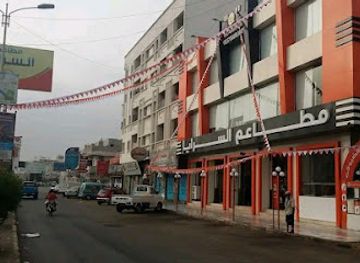
Al Hudaydah does not have a conventional bar and nightclub scene. Yemen is a predominantly Muslim country where public alcohol consumption is not part of ordinary social life, and conflict has further limited nightlife, hospitality and evening movement. In Al Hudaydah city, evening activity has traditionally centred on family gatherings, restaurants, tea houses, markets and social visits rather than licensed entertainment venues. Zabid’s evenings are quieter still, shaped by residential life, religious institutions and local commerce. Electricity interruptions, security restrictions and curfews or informal movement limits may affect what is open after dark. Visitors should not seek alcohol or nightlife as a primary activity, should dress and behave discreetly, and should follow local advice about when movement is appropriate. Any hotel or organisation serving foreign personnel may have its own rules, but services should never be assumed.
-
Saraya Restaurant
Discover the rich flavors of Yemen at Saraya Restaurant in Al Hudaydah, where traditional cuisine meets warm hospitality.
-
Sana'a Restaurent
Experience the rich flavors of traditional Yemeni cuisine at Sana'a Restaurant in Al Hudaydah, a must-visit for culinary enthusiasts.
-
Lounge
فندق سلفر موون السياحي
Discover comfort and convenience at فندق سلفر موون السياحي, your ideal extended stay hotel in Al Hudaydah, Yemen, blending local charm with modern amenities.
-
Lounge
منتزه ومطعم السعيدة
Experience the flavors of Yemen at منتزه ومطعم السعيدة, a delightful restaurant surrounded by nature in Al Hudaydah.


Best nightclubs in Al Hudaydah
Al Hudaydah does not have a conventional bar and nightclub scene. Yemen is a predominantly Muslim country where public alcohol consumption is not part of ordinary social life, and conflict has further limited nightlife, hospitality and evening movement. In Al Hudaydah city, evening activity has traditionally centred on family gatherings, restaurants, tea houses, markets and social visits rather than licensed entertainment venues. Zabid’s evenings are quieter still, shaped by residential life, religious institutions and local commerce. Electricity interruptions, security restrictions and curfews or informal movement limits may affect what is open after dark. Visitors should not seek alcohol or nightlife as a primary activity, should dress and behave discreetly, and should follow local advice about when movement is appropriate. Any hotel or organisation serving foreign personnel may have its own rules, but services should never be assumed.
-
 Night club
ملاهي الشلال
Experience the vibrant nightlife at ملاهي الشلال in Al Hudaydah, where music, dance, and culture converge for unforgettable evenings.
-
Night club
نفق التخفيضات
Experience the vibrant nightlife of باجل at نفق التخفيضات, a lively night club offering music, dance, and unforgettable nights in Yemen.
-
Night club
إعلامي
Discover the cozy charm of Alhali Alshohadaa Lounge in Al Hudaydah, Yemen, where relaxation meets vibrant local culture.

Best shops in Al Hudaydah
Shopping in Al Hudaydah is linked to local markets, port commerce and the agricultural economy of the Tihama rather than to purpose-built retail districts. In the city, traditional markets may offer food staples, spices, sesame, dates, household goods, textiles and practical items, while fish markets reflect the coast’s continuing maritime economy. Zabid and smaller settlements can provide opportunities to see local products and traditional materials, but availability, opening arrangements and prices are affected by insecurity, fuel shortages and disrupted supply chains. Visitors should buy only through trusted arrangements, carry suitable Yemeni currency where possible and avoid photographing traders or market facilities without permission. Regional food products and handicrafts may be more meaningful purchases than generic souvenirs, although authentic items are not always easy to identify. Antique manuscripts, archaeological objects and historic building materials should never be bought or removed, as cultural-property laws and ethical concerns apply.
-
Clothing store
Al-Joniedi Trading Stores
Explore Al-Joniedi Trading Stores for a unique blend of traditional and modern Yemeni clothing in Al Hudaydah.
-
Supermarket
Supermarket Bab El Hara
Explore the vibrant Supermarket Bab El Hara, where local products meet the everyday essentials of Al Hudaydah, Yemen.
-
Clothing store
Hodeidah
Explore Hodeidah: A Coastal Gem in Yemen with Vibrant Markets and Rich Cultural Heritage.
-
Hardware store
محلات خالد الواحدي للتجارة العامة Khaled Alwahidi importing
Explore Khaled Alwahidi General Trading in Al Hudaydah for an authentic hardware shopping experience, featuring a wide range of tools and materials.


Get your free copy of our complete guide to Al Hudaydah, delivered straight to you.
Everything on this page, from attractions and restaurants to essentials and local phrases, in one PDF you can read offline, print or share.
Already have an account? Sign in
Your Al Hudaydah guide is ready.
We'll send it to · Not you? Sign out

Getting your guide ready…
We are putting together a fresh copy of the Al Hudaydah guide. This can take up to a minute.
This can take a few moments. If your browser asks, choose Allow so the download can start. You'll find the guide in your Downloads folder.
Nothing happened? Download it again
Sorry, the guide is taking longer than usual. Please try again in a minute, or get it by email instead.
Al Hudaydah essentials
Currency and Payment
Safety
Emergency Situations
Do's and Don'ts
Local Tips
From Eve
Local phrases worth knowing
You don't need to get them perfect. A few words go a long way, and locals appreciate the effort.
Basics
| English | Local | Say it |
|---|---|---|
| Hello | أهلاً | [Ahlan] |
| Goodbye | مع السلامة | [Ma'a as-salama] |
| Yes | نعم | [Na'am] |
| No | لا | [La] |
| Please/You're welcome | من فضلك | [Min fadlik] |
| Thank you | شكراً | [Shukran] |
| Excuse me/Sorry | عفواً | [Afwan] |
| How are you? | كيف حالك؟ | [Kayfa halak?] |
| Fine. And you? | بخير. وأنت؟ | [Bikhayr. Wa anta?] |
| Do you speak English? | هل تتحدث الإنجليزية؟ | [Hal tatahadath al'Injliziyya?] |
| I don't understand | لا أفهم | [La afham] |
Eating & Drinking
| English | Local | Say it |
|---|---|---|
| I'd like to see the menu, please | أود رؤية القائمة، من فضلك | [Awad ru'yat al-qaimah, min fadlik] |
| I don't eat meat | لا آكل اللحم | [La akul al-lahm] |
| Cheers! | في صحتك! | [Fi sihhatak!] |
| I would like to pay, please | أود الدفع، من فضلك | [Awad ad-daf', min fadlik] |
Emergencies
| English | Local | Say it |
|---|---|---|
| Help! | المساعدة! | [Al-musa'ada!] |
| Go away! | ابتعد! | [Ibt'id!] |
| Call the Police! | اتصل بالشرطة! | [Ittasil bil-shurta!] |
| Call a doctor! | اتصل بالطبيب! | [Ittasil bil-tabeeb!] |
| I'm lost | أنا ضائع | [Ana da'i'] |
| I'm ill | أنا مريض | [Ana marid] |
Shopping
| English | Local | Say it |
|---|---|---|
| I'd like to buy... | أود شراء... | [Awad shir'a...] |
| I'm just looking | أنا فقط أنظر | [Ana faqat anzur] |
| How much is it? | كم ثمنه؟ | [Kam thamanuh?] |
| That's too expensive | هذا غالي جداً | [Hatha ghali jiddan] |
| Can you lower the price? | هل يمكنك خفض السعر؟ | [Hal yumkinuka khafdh as-si'r?] |
Time & Numbers
| English | Local | Say it |
|---|---|---|
| What time is it? | كم الساعة؟ | [Kam as-saa'a?] |
| It's one o'clock | الساعة واحدة | [As-saa'a wahida] |
| Half past (10) | نصف (10) | [Nisf (10)] |
| Morning | صباحاً | [Sabahan] |
| Afternoon | ظهراً | [Zuhran] |
| Evening | مساءً | [Masa'an] |
| Yesterday | أمس | [Ams] |
| Today | اليوم | [Al-yawm] |
| Tomorrow | غداً | [Ghadan] |
| 1 | واحد | [Wahid] |
| 2 | اثنان | [Ithnan] |
| 3 | ثلاثة | [Thalatha] |
| 4 | أربعة | [Arba'a] |
| 5 | خمسة | [Khamsa] |
| 6 | ستة | [Sitta] |
| 7 | سبعة | [Sab'a] |
| 8 | ثمانية | [Thamaniya] |
| 9 | تسعة | [Tis'a] |
| 10 | عشرة | [Ashara] |
Transport & Directions
| English | Local | Say it |
|---|---|---|
| Where's a/the...? | أين...؟ | [Ayna...?] |
| What's the address? | ما هو العنوان؟ | [Ma huwa al-'unwan?] |
| Can you show me (on the map)? | هل يمكنك أن تريني (على الخريطة)؟ | [Hal yumkinuka an turini (ala al-kharita)?] |
| When's the next (bus)? | متى يأتي (الحافلة) التالية؟ | [Mata ya'ti (al-hafila) at-taliya?] |
| A ticket (to ....) | تذكرة (إلى ....) | [Tadhkara (ila ....)] |
History of Al Hudaydah
Early Red Sea Trade and Tihama Settlement
The Tihama coast formed part of the wider Red Sea world long before the rise of the modern port of Al Hudaydah. Settled agricultural communities used the fertile plain where conditions allowed, while coastal and maritime networks connected western Yemen with ports across the Red Sea and the Horn of Africa. The region’s position encouraged the movement of foodstuffs, incense, textiles and other goods, although its importance varied with political control, harbour conditions and the development of competing ports. This long interaction between sea trade and irrigated or rain-fed agriculture helped create the distinct cultural setting of western Yemen.
Zabid and the Rasulid Era, Thirteenth to Fifteenth Centuries
Zabid became one of the most influential cities of the medieval Tihama under the Rasulids, who ruled much of Yemen from the thirteenth to the fifteenth century. Its location on routes linking the highlands, the Red Sea and southern Arabia supported commerce and political importance. The city also developed a major intellectual and religious role, attracting scholars and establishing institutions of Islamic learning. Much of Zabid’s historic importance lies in this combination of urban administration, scholarship and trade. Its mosques, schools and traditional buildings preserve evidence of a period when the Tihama was central to Yemen’s regional connections.
Zabid as a Centre of Islamic Scholarship
Across the medieval and early modern periods, Zabid was renowned for teaching, manuscript culture and Shafi'i jurisprudence. Scholars travelled to the town from other parts of Yemen and from the broader Indian Ocean and Red Sea regions, reinforcing its international intellectual links. The city’s religious schools and mosques were not isolated monuments but parts of an urban system in which learning, worship, residence and commerce were closely connected. This legacy explains why historic Zabid has exceptional cultural significance within Yemen. Conservation has been difficult, however, because traditional buildings require sustained maintenance and the region has experienced prolonged political and economic instability.
Ottoman and Qasimi Competition in the Western Lowlands
The western lowlands were repeatedly contested by regional powers, including the Ottoman Empire and the Yemeni Qasimi imams. Control of the Tihama mattered because it provided access to the Red Sea, agricultural resources and routes towards the highlands. Ottoman administration was particularly important in several phases between the sixteenth and early twentieth centuries, though authority varied across time and place. Fortifications, administrative arrangements and commercial links changed as rulers competed for influence. The period left the Tihama with layered political and architectural histories rather than a single uninterrupted identity.
The Rise of Al Hudaydah Port in the Modern Era
Al Hudaydah developed into a major port during the nineteenth and twentieth centuries as steam navigation, imperial competition and expanding regional commerce reshaped the Red Sea. Its harbour channelled imports and exports for western Yemen and strengthened the city’s role as an administrative and commercial centre. The port also connected the Tihama to communities across the sea, including the African coast. Modern urban growth brought new roads, warehouses, public buildings and commercial districts, while the city remained closely tied to fishing and agriculture. The contrast between port modernisation and older coastal traditions still shapes Al Hudaydah’s identity.
Revolution, Unification and the Contemporary Governorate
The political transformations of the twentieth century, including the end of the imamate in 1962 and the unification of North and South Yemen in 1990, altered administration and infrastructure across Al Hudaydah Governorate. The port became increasingly important to national supply chains, while agricultural expansion and population growth changed parts of the Tihama plain. Since 2014, conflict has severely affected the governorate through fighting, displacement, economic disruption and damage to infrastructure. The 2018 Stockholm Agreement, including provisions concerning Al Hudaydah, reflected the port’s importance to humanitarian access and Yemen’s wider political crisis, though insecurity and humanitarian needs have continued.
Al Hudaydah in Photos
Browse through our photo collection highlighting the charm and character of the destination.
Neighbouring regions of Al Hudaydah
The closest regions to Al Hudaydah, if you have time for more than one.
-

-
-

-

-


Swipe for more regions
Explore more

Explore more of Yemen
Discover Yemen: An ancient land of rich history, stunning landscapes, and warm hospitality, offering a unique travel experience off the beaten path.
Explore Yemen