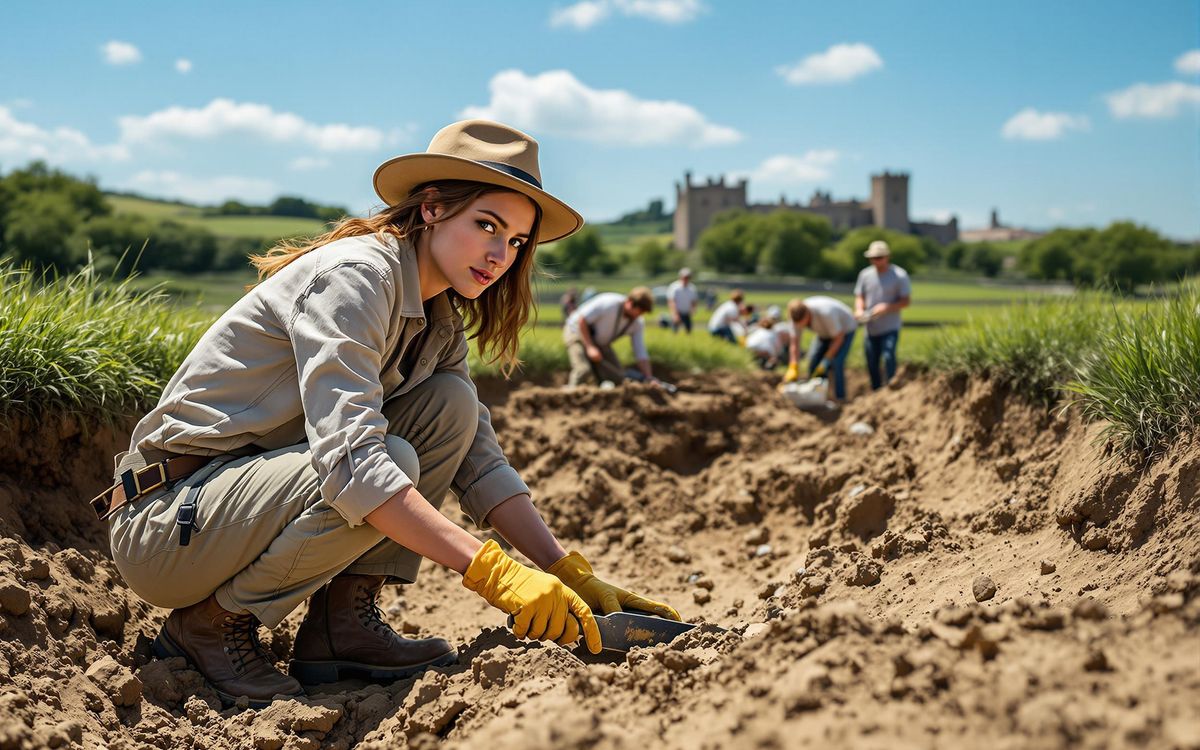
Imagine yourself kneeling in the sun-drenched earth of a forgotten civilization, carefully brushing away centuries of dust to reveal a piece of the past. Archaeological digs offer a unique and transformative travel experience, allowing you to actively participate in uncovering history while forging unforgettable memories.
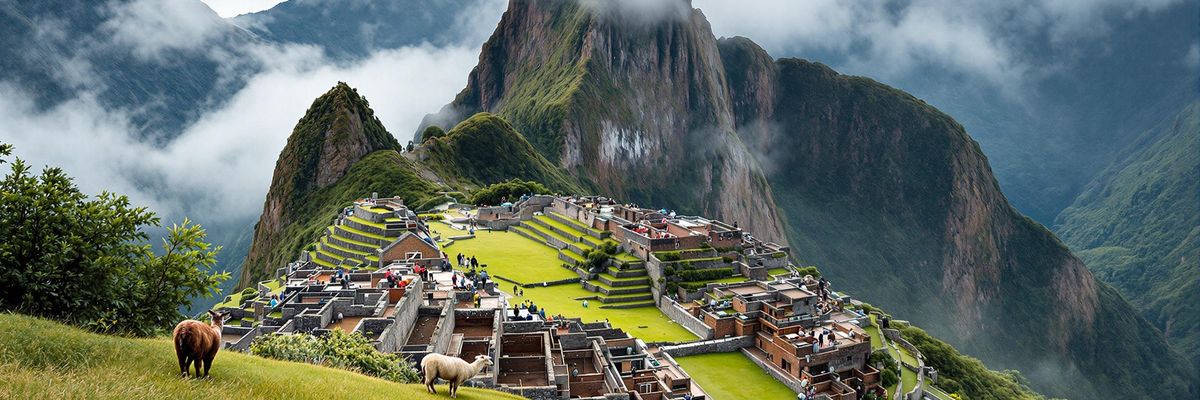
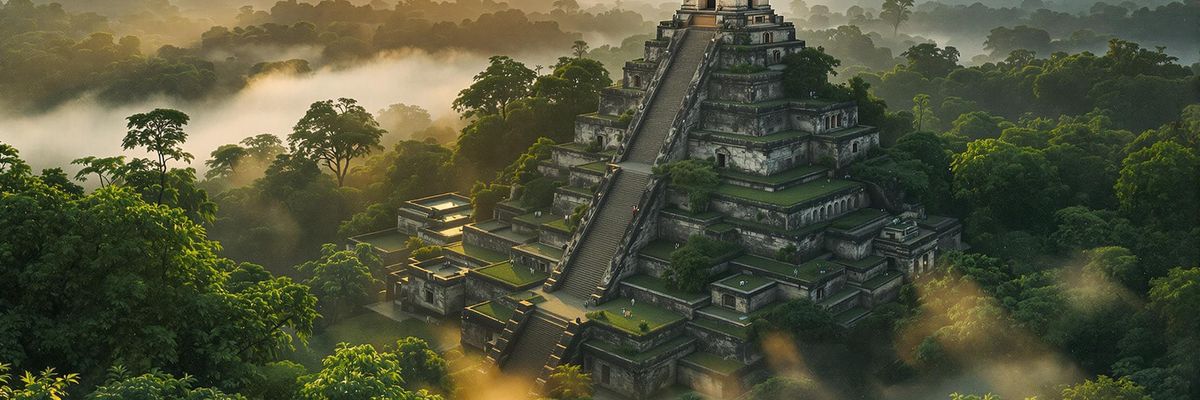
More than just a vacation, joining a dig is an opportunity to contribute to our understanding of human history, work alongside experienced archaeologists, and discover skills you never knew you possessed. Whether you dream of unearthing Roman mosaics, exploring ancient Mayan cities, or piecing together the lives of early settlers, there’s a dig site waiting to ignite your inner Indiana Jones.
Unearth Your Inner Indiana Jones
The allure of archaeological digs lies in the thrill of discovery and the chance to contribute to something larger than oneself. It's about more than just seeing history; it's about touching it, feeling it, and becoming a part of the ongoing narrative. These experiences offer a tangible connection to the past, fostering a deeper appreciation for human civilization and the importance of preserving cultural heritage.
For beginners eager to get their hands dirty, several dig sites around the world offer programs specifically designed for novice excavators. The Blackfriary Archaeology Field School in Trim, Ireland, provides comprehensive training in archaeological techniques while excavating the remains of a medieval friary. In Belize, the Cahal Pech Archaeological Project welcomes volunteers to assist in the exploration of an ancient Mayan city, offering insights into a complex and fascinating culture.
These digs provide the unique opportunity to work alongside experienced archaeologists, learning excavation techniques, artifact identification, and site mapping firsthand. You'll be part of a team, contributing to the meticulous process of uncovering and documenting the past. The work can be challenging, requiring patience and attention to detail, but the rewards are immeasurable. Imagine the satisfaction of unearthing a piece of pottery, a tool, or even a human remain, knowing that you are the first person to touch it in centuries.
Finding Your Perfect Dig Site: A Global Treasure Map
Locating the perfect dig site requires careful research and consideration of your interests, skills, and availability. Fortunately, several resources are available to help you navigate the world of archaeological fieldwork opportunities.
The Archaeological Institute of America (AIA) is a leading resource for finding and joining archaeological digs. Their Archaeological Fieldwork Opportunities Bulletin (AFOB) is a comprehensive listing of projects around the globe, offering detailed information about each site, including location, time commitment, physical requirements, research focus, and contact information. The AIA also offers interactive digs, allowing you to follow the progress of excavations online.
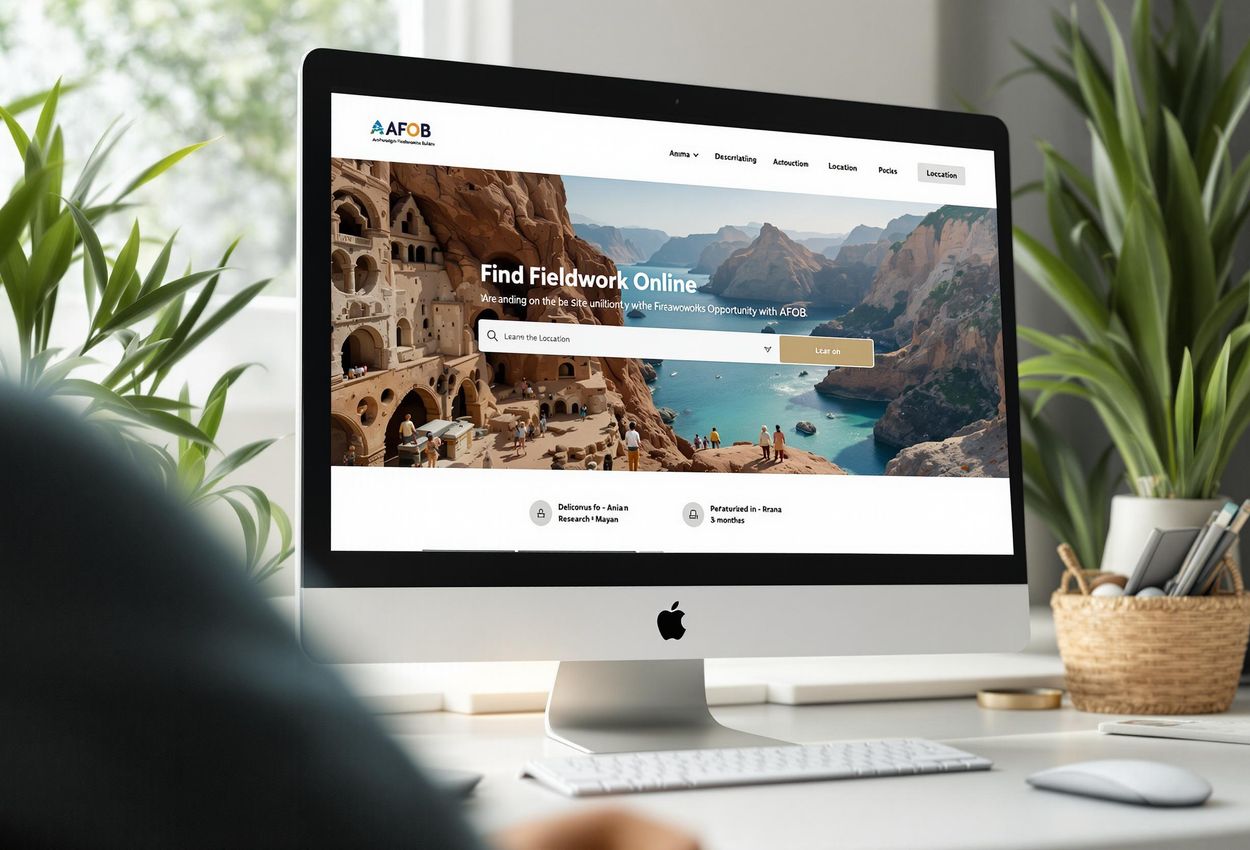
When selecting a dig site, consider the following factors: location, time commitment and physical requirements. Are you drawn to a specific region or culture? How much time can you realistically dedicate to the project? Are you comfortable with camping or do you prefer more comfortable lodging? What level of physical activity are you prepared for?
Also, consider the research focus of the dig. Are you interested in prehistoric archaeology, classical archaeology, historical archaeology, or a specific period or culture ? Do you want to work on a large-scale excavation or a smaller, more intimate project? Thinking about these questions will help you narrow down your options and find a dig site that aligns with your interests and goals.
From Novice to Excavator: Essential Skills You'll Learn
Participating in an archaeological dig offers a unique opportunity to acquire a range of valuable skills, from basic excavation techniques to artifact identification and documentation. You'll learn how to use tools like trowels, brushes, and screens to carefully unearth artifacts without damaging them. You'll also learn how to map the site, record your findings, and document the context of each artifact.
One of the most important skills you'll develop is meticulous documentation. Archaeologists are meticulous record-keepers, carefully documenting every step of the excavation process. You'll learn how to take detailed notes, draw sketches, and photograph artifacts in situ (in their original location). This documentation is crucial for understanding the context of the artifacts and reconstructing the history of the site.
Beyond the technical skills, you'll also develop valuable soft skills, such as teamwork, communication, and problem-solving. Archaeological digs are collaborative endeavors, requiring participants to work together effectively to achieve common goals. You'll learn how to communicate your findings, share ideas, and resolve conflicts constructively.
“I never thought I’d learn how to use a laser transit,” says Sarah Jenkins, a past participant at the Blackfriary dig in Ireland. “But by the end of the week, I was mapping the site like a pro!”
Life on a Dig: Beyond the Trowel
Life on an archaeological dig is a unique blend of hard work, camaraderie, and cultural immersion. Daily routines typically involve early mornings, long hours in the field, and evenings spent cleaning and cataloging artifacts. Living conditions can range from camping in tents to staying in basic lodging, depending on the dig site and your budget.
Meals are often communal, providing an opportunity to bond with your fellow dig participants and share stories from the day. Teamwork is essential, as everyone works together to excavate, screen, and document the site. Despite the hard work and sometimes challenging conditions, the social aspects of a dig are often one of the most rewarding parts of the experience.

Here's a packing list of essential items for a typical dig:
- Sturdy boots: You'll be on your feet all day, so comfortable and supportive footwear is essential.
- Work gloves: Protect your hands from dirt, blisters, and sharp objects.
- Sunscreen and a hat: Protect yourself from the sun's harmful rays.
- Notebook and pen: For taking detailed notes and recording your findings.
- Water bottle: Staying hydrated is crucial in the field.
- Insect repellent: Protect yourself from mosquitoes, ticks, and other biting insects.
- Layers of clothing: The weather can change quickly, so be prepared for anything.
Local Tip: Bring a small, personal first-aid kit with essentials like pain relievers, bandages, and antiseptic wipes. Minor cuts and scrapes are common on digs, and it's always best to be prepared.
Respecting the Past: Ethical Considerations for Citizen Archaeologists
Participating in archaeological digs comes with ethical responsibilities. It's crucial to respect local cultures, follow site protocols, and understand the importance of proper artifact handling and reporting. Archaeology is, by its very nature, a destructive process. Once a site is excavated, it can never be fully restored. That's why meticulous documentation and ethical practices are so important.
Always follow the instructions of the site director and experienced archaeologists. Never remove artifacts from the site without permission, and always handle them with care. Respect the cultural heritage of the site and the local community. Be mindful of the impact your presence has on the environment and the surrounding area.
Remember that you are a guest in this place, and it's your responsibility to leave it as you found it – or better. By adhering to these ethical guidelines, you can ensure that your participation in an archaeological dig is a positive and meaningful experience for everyone involved.
Hidden Gem: Before you go, research the history and culture of the region where you'll be digging. This will enrich your experience and give you a deeper appreciation for the significance of the site.
Participating in an archaeological dig is more than just a travel experience; it's a chance to connect with the past, learn new skills, and contribute to our understanding of human history. So, unearth your inner explorer and embark on an adventure that will change the way you see the world.