Pompeii, a city immortalized by the catastrophic eruption of Mount Vesuvius in 79 AD, offers an unparalleled glimpse into the daily lives of Roman citizens. Walking its ancient streets is like stepping back in time, where the echoes of a bustling society still resonate within the ruins.
From the remarkably preserved homes and vibrant frescoes to the poignant plaster casts of its inhabitants, Pompeii is a testament to both the splendor and fragility of human existence. This is a story of a city silenced, yet eternally speaking to us through the ages.
A City Frozen in Time
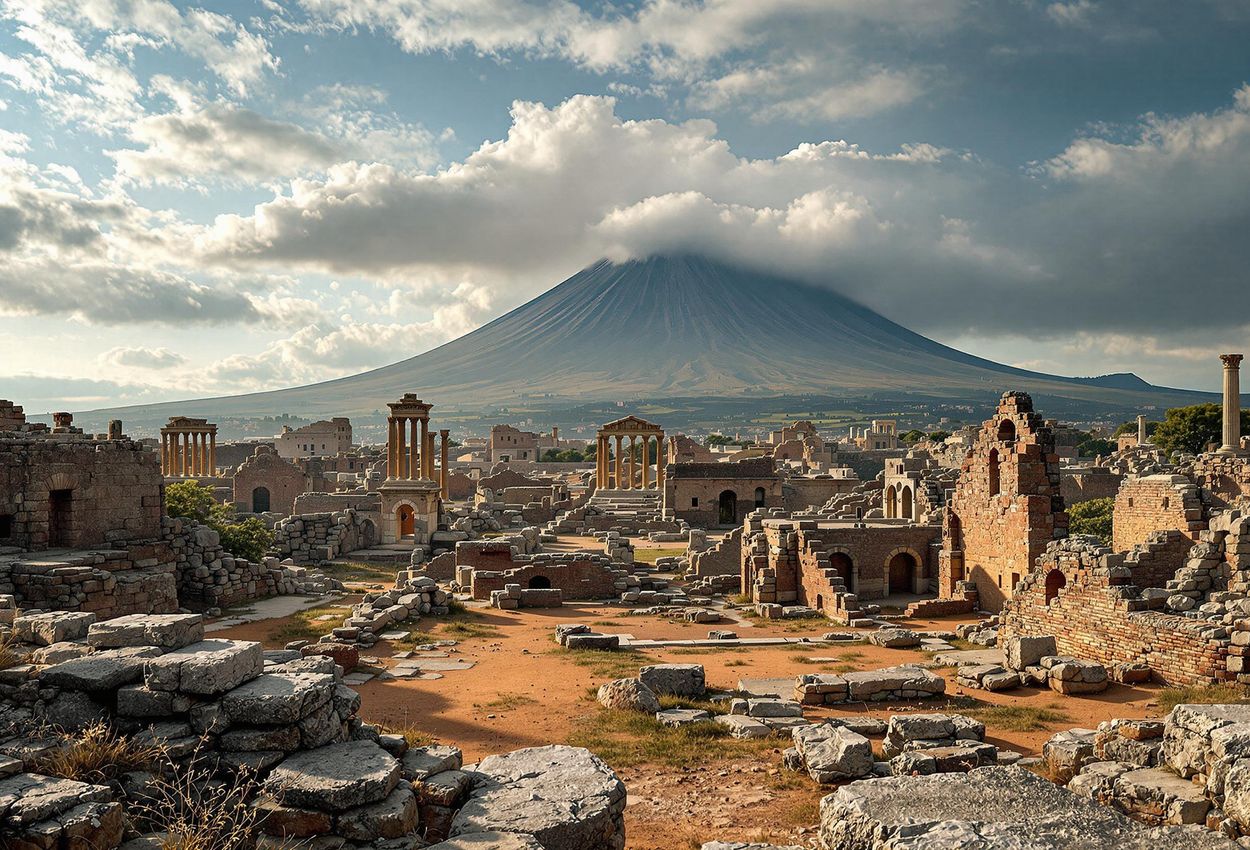
The story of Pompeii is one of sudden and devastating destruction, forever linked to the cataclysmic eruption of Mount Vesuvius in 79 AD. On that fateful day, the thriving Roman city was buried under a thick blanket of volcanic ash and pumice, a tragedy that simultaneously annihilated its population and preserved it for millennia. The eruption was not just a momentary event; it was a prolonged catastrophe that rained down superheated debris upon the city, suffocating its inhabitants and collapsing its structures.
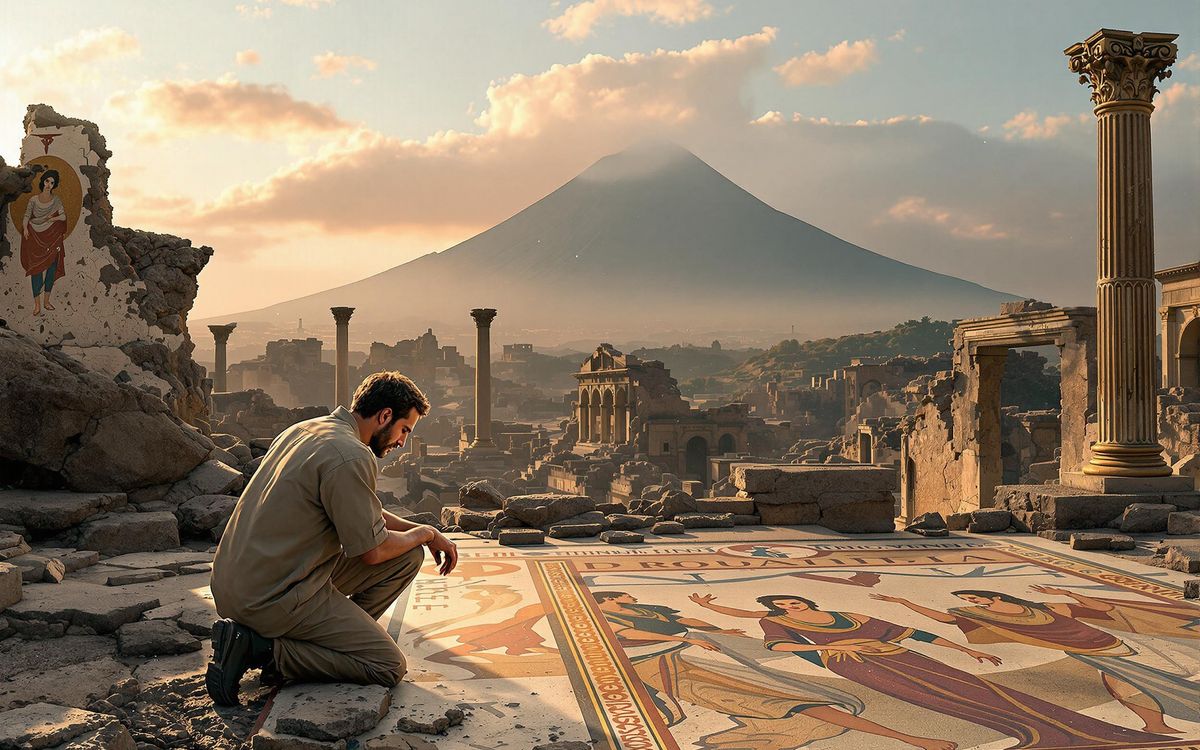
The moment of disaster is palpable even today as you walk through the city's remains. Buildings stand as they were, with household items scattered across floors and the remnants of daily life eerily intact. The thick layers of ash acted as a preservative, sealing Pompeii in a time capsule, shielding it from the ravages of weather and the encroachment of later civilizations. This natural disaster inadvertently created one of the most significant archaeological sites in the world, offering invaluable insights into Roman urban life.
Rediscovered in the 18th century, Pompeii has since become a focal point for archaeologists, historians, and tourists alike. The unearthing of the city revealed not only its architectural layout but also the intimate details of its culture, economy, and social structure. Ongoing excavations continue to reveal new aspects of Pompeii, constantly adding to our understanding of this ancient world.
Standing in the ruins today, one can almost hear the echoes of the past. Imagine the bustling marketplace, the lively chatter of citizens, and the vibrant colors of the frescoes adorning the walls. The tragedy of Pompeii is ever-present, but so too is the resilience of its story, a reminder of the vibrant life that once thrived here.
Hidden Gem: Keep an eye out for the ongoing excavations; new discoveries are frequently made, offering fresh perspectives on life in ancient Pompeii.
Daily Life in Pompeii: A Glimpse into the Past
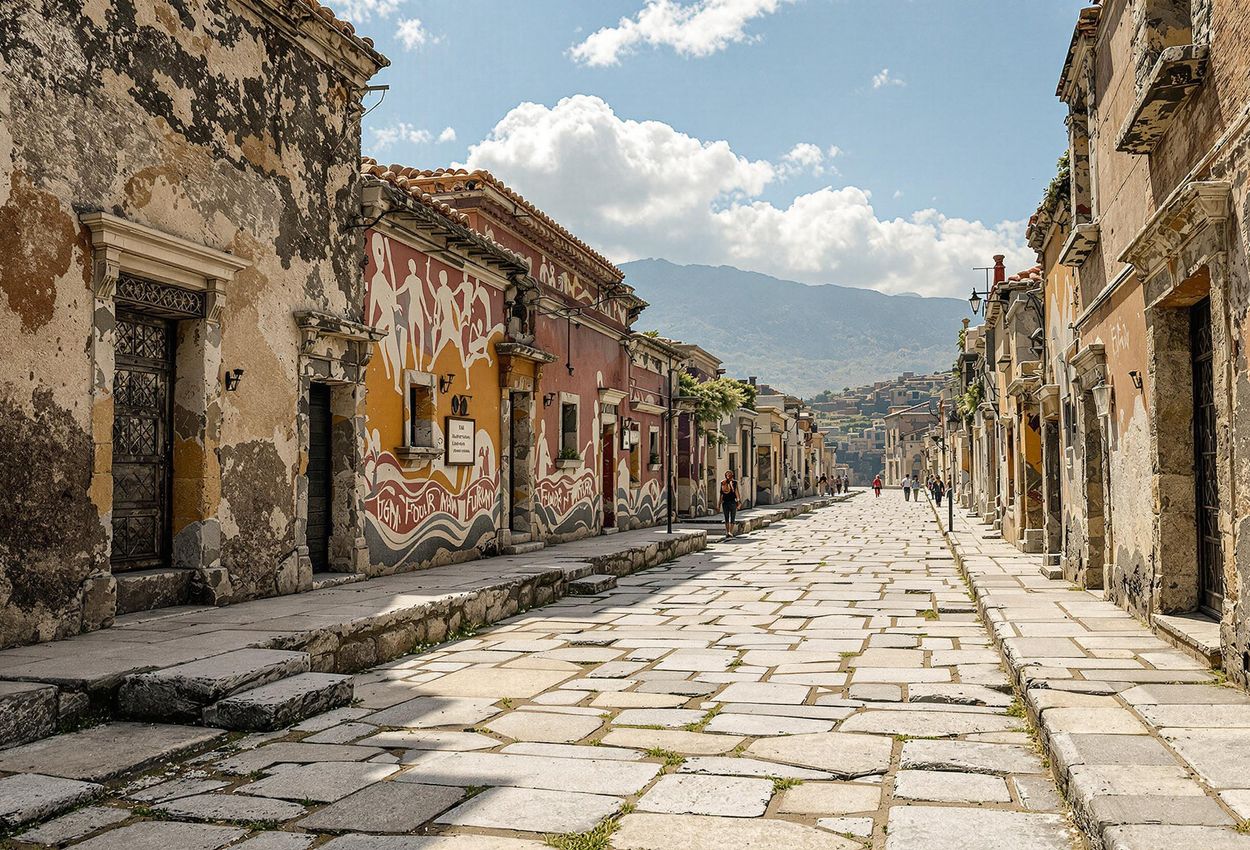
Daily life in Pompeii was a rich tapestry woven from the threads of various social classes, from wealthy merchants to enslaved individuals. The homes of Pompeii offer a fascinating look into the routines, meals, work, and leisure activities of its residents. Wealthy citizens lived in opulent villas, adorned with intricate frescoes and mosaics, while the working class occupied more modest dwellings.
Meals were a central part of daily life, with the types of food consumed varying greatly depending on social status. The wealthy enjoyed lavish feasts with exotic ingredients, while the poor subsisted on simpler fare such as grains, fruits, and vegetables. Work occupied much of the day for most Pompeians, with many engaged in trade, craftsmanship, or agriculture. Leisure activities included visits to the bathhouses, attending theatrical performances, and participating in public games.
The architecture of Pompeii showcases the ingenuity and skill of Roman builders. The use of cement allowed for the construction of durable and impressive structures, many of which still stand today. The city boasted an advanced water system, with aqueducts and pipes delivering fresh water to homes and public fountains. Sanitation was also a priority, with well-maintained sewers and public latrines contributing to the city's overall hygiene. Public spaces, such as the Forum and the amphitheater, served as centers for social, political, and cultural gatherings.
Hidden Gem: Discover the ancient version of fast-food restaurants, known as thermopolia. These establishments served hot meals and drinks to busy Pompeians, offering a quick and convenient dining option.
Art and Culture: Frescoes, Mosaics, and More
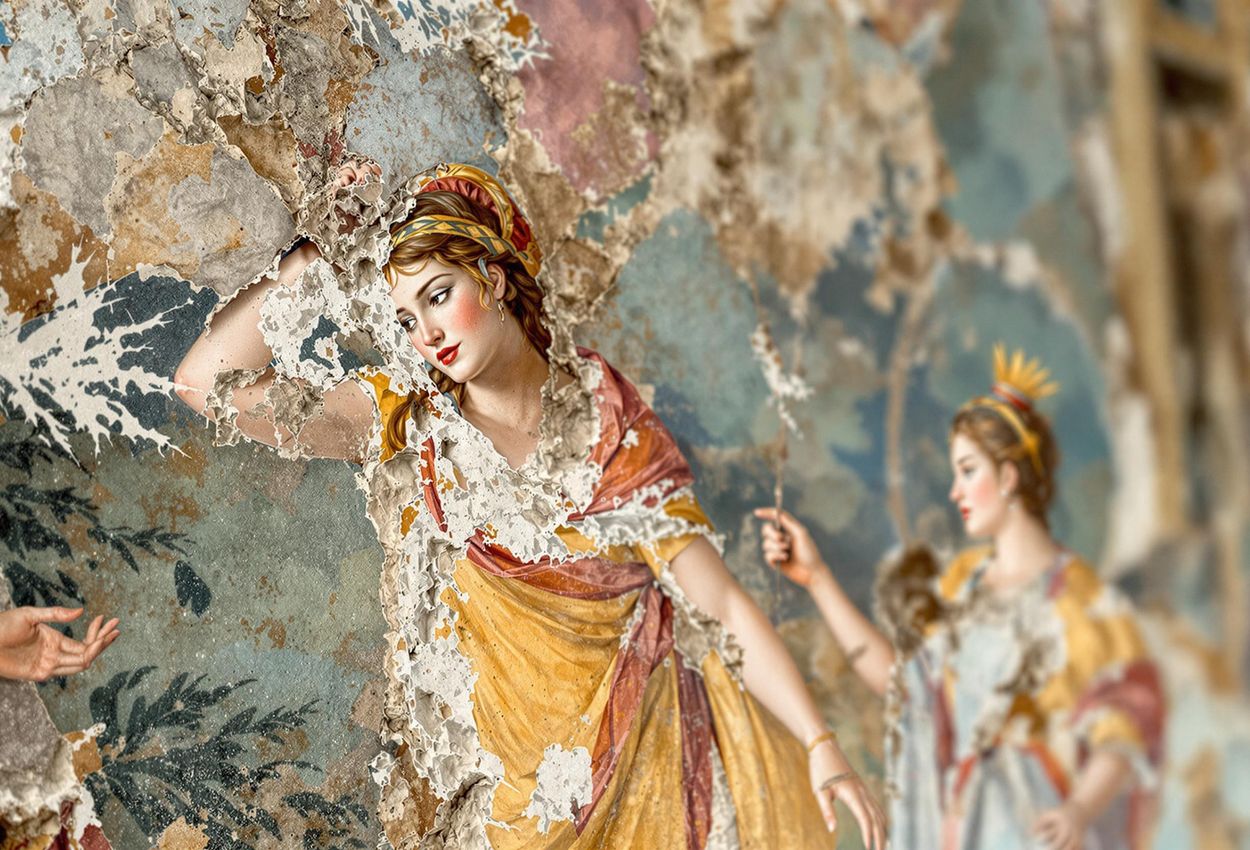
Pompeii's art and culture are vividly displayed through the frescoes and mosaics that adorned homes and public buildings. These artworks offer a window into the aesthetic sensibilities, beliefs, and daily lives of the city's inhabitants. The frescoes, painted directly onto the walls, showcase a variety of styles and themes, ranging from mythological scenes to depictions of everyday life.
Different styles of frescoes were popular at different times, reflecting evolving artistic tastes and cultural influences. Some frescoes feature bold, vibrant colors, while others employ more subtle and nuanced palettes. The themes depicted in the artwork provide insights into the values and interests of Pompeian society. Mythology was a common subject, with gods and goddesses frequently appearing in domestic and public settings. Scenes of daily life, such as banquets, agricultural activities, and commerce, offer glimpses into the routines and occupations of Pompeians. Erotic imagery, while not ubiquitous, was also present in some artworks, reflecting the more permissive attitudes of Roman society.
The Villa of Mysteries is particularly renowned for its elaborate frescoes, which depict a series of initiation rites, possibly related to the cult of Dionysus. These frescoes are considered some of the best-preserved and most significant examples of Roman painting, offering valuable insights into religious practices and social customs.
Hidden Gem: Look for the phallic symbols scattered throughout the city. These symbols were believed to bring good luck and ward off evil, reflecting the superstitious beliefs of the time.
The Forum: Heart of Pompeian Society
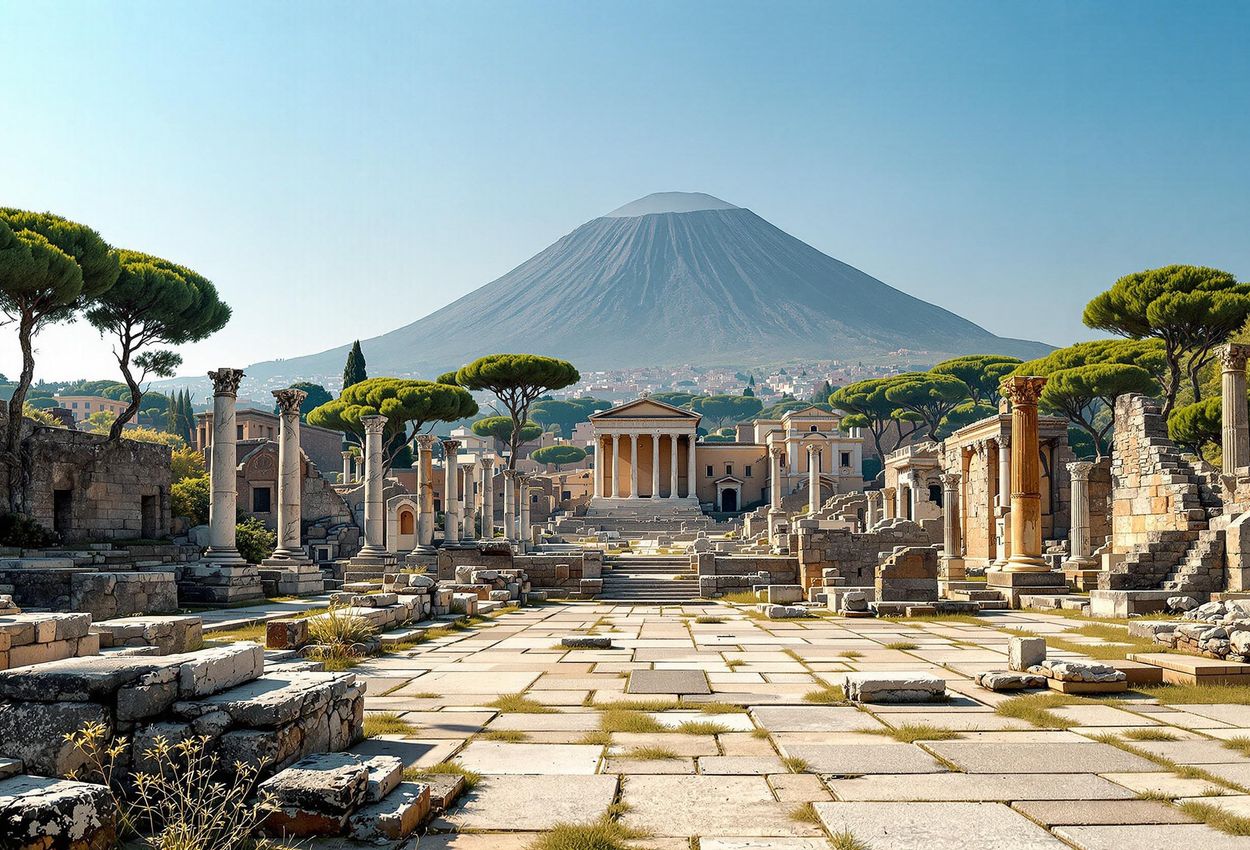
The Forum was the epicenter of Pompeii's political, economic, and religious life. This central public space served as a gathering place for citizens, a marketplace for commerce, and a stage for religious ceremonies. The Forum was surrounded by important buildings, each playing a crucial role in the functioning of the city.
The Temple of Jupiter, dedicated to the king of the gods, stood as a symbol of Roman power and religious devotion. The Basilica served as a law court and a center for business transactions. The Macellum, or market, was a bustling hub of trade, where vendors sold food, goods, and other commodities. The Forum was not merely a collection of buildings; it was a dynamic space where the life of Pompeii unfolded.
Public gatherings, speeches, and religious ceremonies were all common occurrences in the Forum. Citizens would gather to hear announcements, debate political issues, and celebrate religious festivals. The air would have been filled with the sounds of orators, merchants, and worshippers, creating a vibrant and energetic atmosphere.
Hidden Gem: Discover the standardized weights used by shopkeepers, which were checked regularly in the Forum to ensure fair trade. This system reflects the importance of honesty and accountability in Pompeian commerce.
Entertainment and Leisure: From Gladiators to Bathhouses
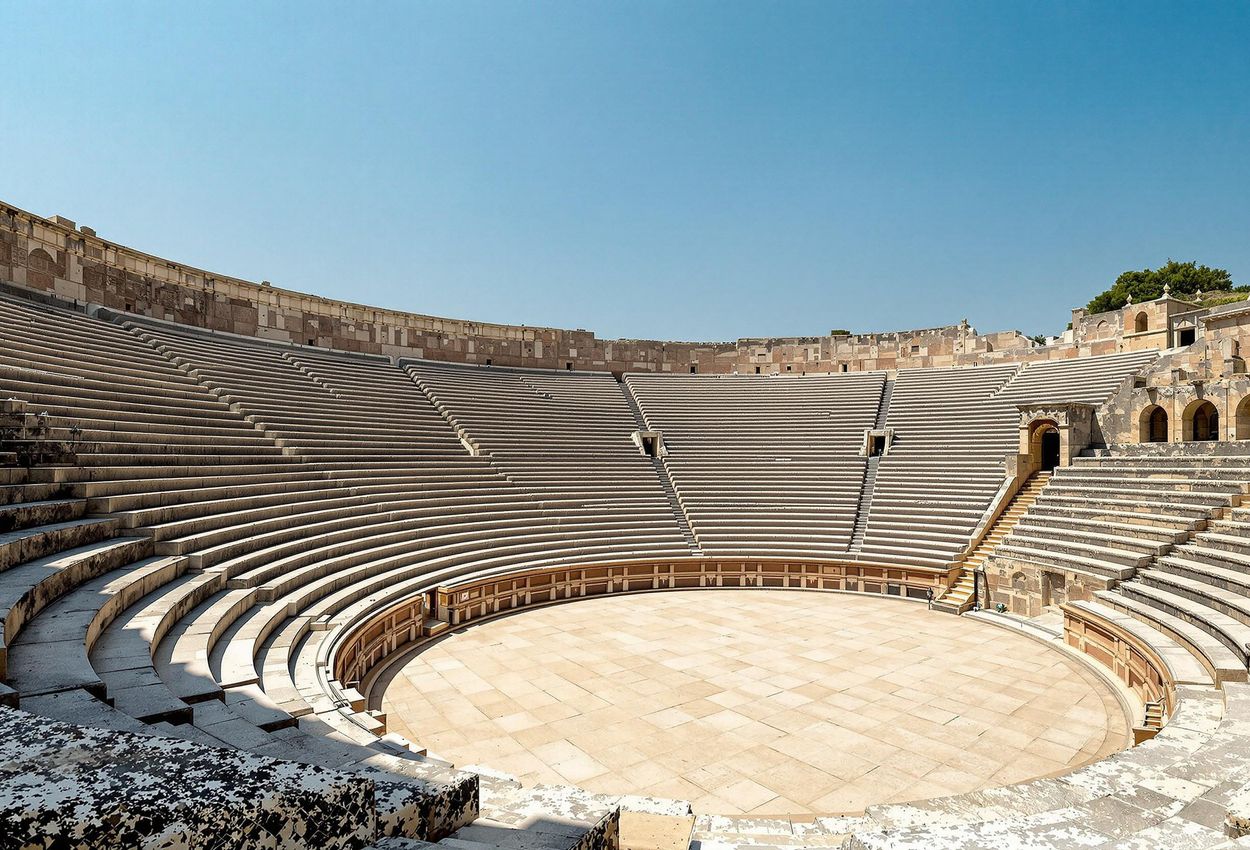
Pompeians enjoyed a variety of entertainment and leisure activities, reflecting the diverse tastes and interests of Roman society. Gladiatorial combats were a popular form of entertainment, drawing large crowds to the amphitheater. These spectacles were often brutal and bloody, but they were also highly anticipated events that showcased the skill and courage of the gladiators.
Bathhouses played a crucial role in Roman society, serving not only as places for hygiene but also as social hubs. Pompeian bathhouses featured a range of facilities, including hot baths (caldaria), warm baths (tepidaria), and cold baths (frigidaria). Social activities in the bathhouses included exercise, games, and conversation.
Hidden Gem: Learn about the riot that broke out in the amphitheater in 59 AD, which led to the temporary closure of the venue. This incident highlights the passionate and sometimes volatile nature of Pompeian entertainment.

The Victims of Vesuvius: Plaster Casts and Human Stories
Perhaps the most poignant aspect of Pompeii is the preservation of its victims, immortalized in plaster casts. These casts offer a haunting glimpse into the final moments of those who perished in the eruption of Mount Vesuvius, capturing their agony and desperation. The process of creating these casts involved pouring plaster into the voids left by the bodies in the hardened ash, creating remarkably detailed replicas of the deceased.
The emotions evoked by these casts are profound. Families huddled together, individuals caught in their daily routines, and the desperate attempts to escape are all frozen in time. These human stories underscore the tragedy of Pompeii and serve as a reminder of the human cost of natural disasters. It is essential to remember the victims of Vesuvius and honor their memory by preserving their stories and the site where they met their untimely end.
Hidden Gem: Visit the Garden of the Fugitives, where the haunting sight of the bodies found there offers a powerful reminder of the human tragedy that unfolded in Pompeii.
Pompeii's Economy: Trade, Agriculture, and Industry
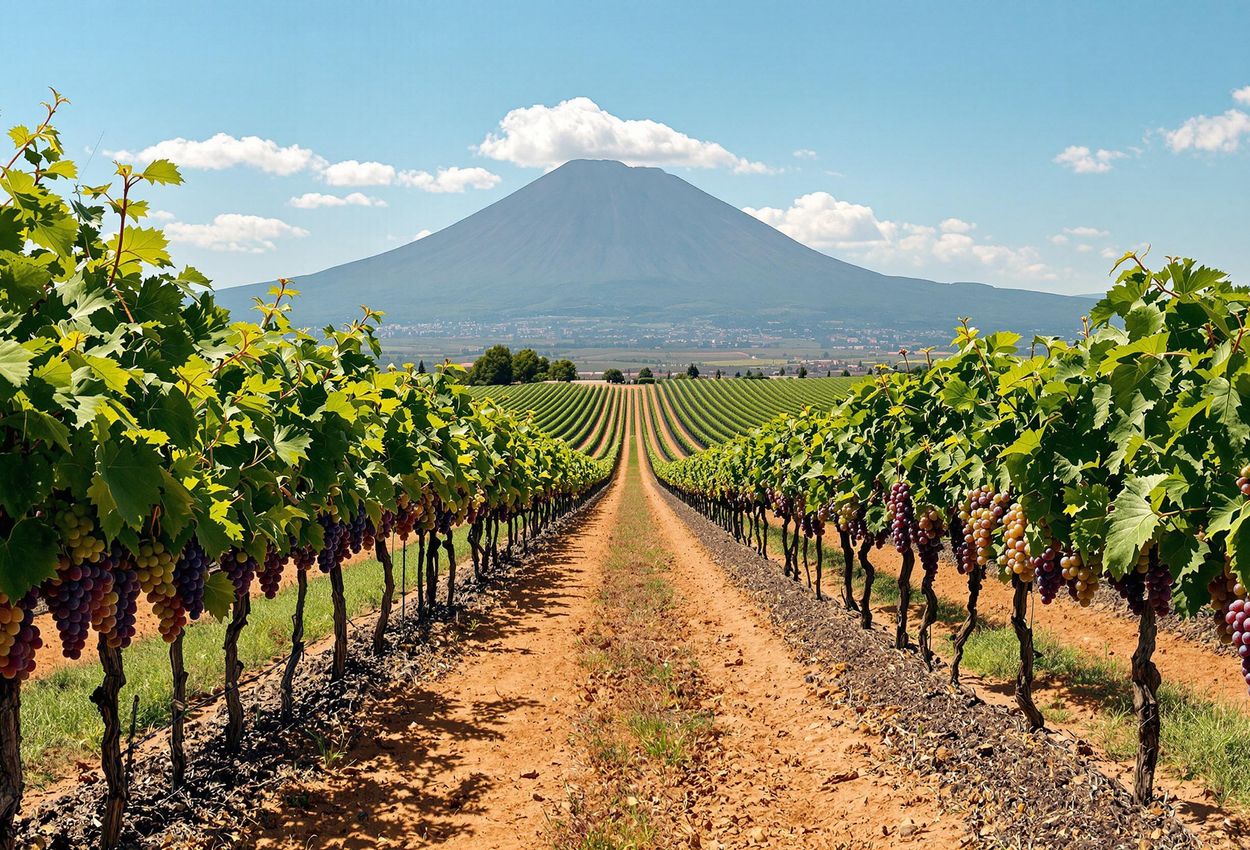
Pompeii's economy was a vibrant mix of trade, agriculture, and industry, all contributing to the city's prosperity. The fertile volcanic soil surrounding Pompeii was ideal for agriculture, allowing for the cultivation of a variety of crops. Wine production was a major industry, with Pompeian wines highly valued throughout the Roman world. Olive oil production was also significant, providing a staple food and a valuable commodity for trade.
The city's port facilitated trade with other regions, allowing for the import of goods and materials not available locally. Pompeii was a hub of commerce, with merchants and traders from across the Roman Empire converging to exchange goods and conduct business. Industries such as pottery, textiles, and metalworking also thrived in Pompeii, contributing to the city's economic diversity.
Hidden Gem: Discover the production of garum, a popular fish sauce that was distributed throughout the Roman world. This pungent condiment was a staple of Roman cuisine and a testament to Pompeian ingenuity.
Religion and Beliefs: Temples, Shrines, and Gods
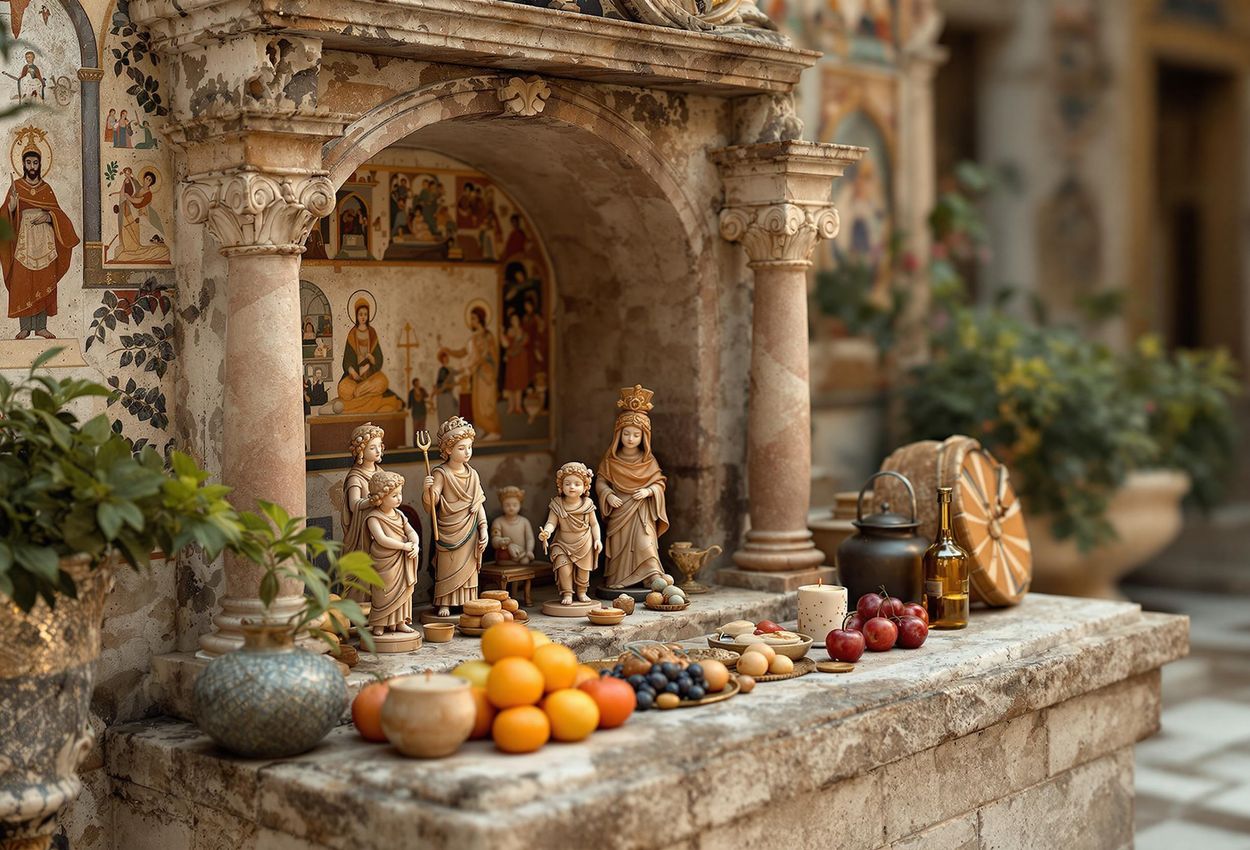
Religion played a central role in the lives of Pompeians, with a variety of temples, shrines, and gods worshipped throughout the city. Temples dedicated to Jupiter, Apollo, and Isis reflect the diverse religious influences present in Pompeian society. Household shrines, known as lararia, were common in Pompeian homes, where families would worship their ancestral spirits and household gods.
Religious festivals and ceremonies were important events in the Pompeian calendar, marking significant occasions and reinforcing community bonds. The worship of various gods and goddesses was integrated into daily life, with prayers, offerings, and rituals performed to seek divine favor and protection. The presence of temples dedicated to both Roman and foreign deities highlights the cosmopolitan nature of Pompeian society and its openness to different religious traditions.
Hidden Gem: Investigate the worship of Dionysus and the mysteries associated with his cult. The frescoes in the Villa of Mysteries offer a glimpse into the secret rituals and beliefs of this enigmatic cult.
Preserving Pompeii: Challenges and Conservation Efforts
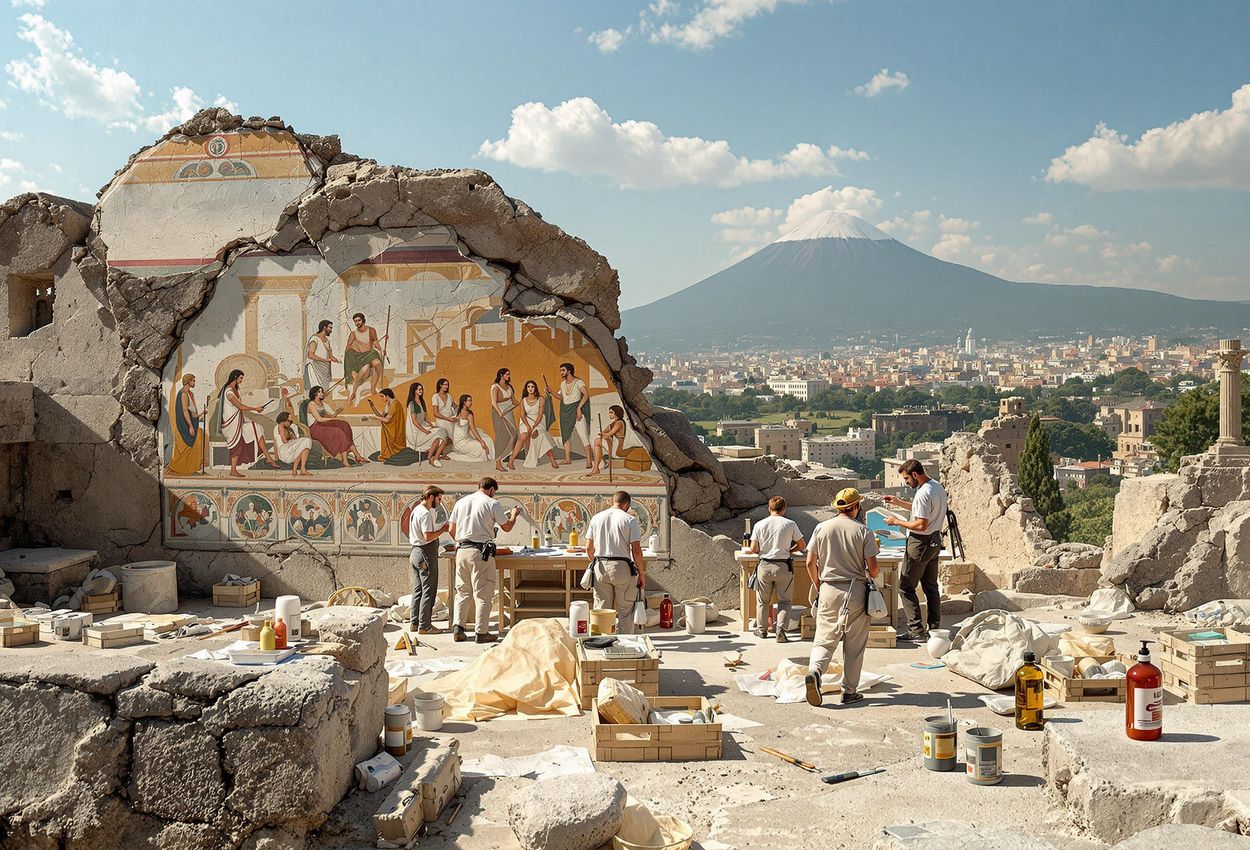
Preserving Pompeii is an ongoing challenge, with the ruins constantly threatened by the elements, tourism, and seismic activity. The exposure to weather, including rain, wind, and sunlight, causes erosion and deterioration of the ancient structures. The large number of tourists visiting Pompeii each year also contributes to the wear and tear of the site. Seismic activity, common in the region, poses a constant threat to the stability of the ruins.
Various techniques are employed to protect the ruins, including laser scanning, 3D mapping, and the installation of protective roofs. Laser scanning and 3D mapping allow for detailed documentation of the site, enabling archaeologists to monitor changes and plan conservation efforts. Protective roofs shield vulnerable structures from the elements, reducing the rate of deterioration.
The Great Pompeii Project is an international collaboration aimed at restoring and preserving the site. This project brings together experts from around the world to address the challenges of preserving Pompeii for future generations.
Hidden Gem: Discover the reactivation of the ancient Sarno aqueduct for modern drainage needs. This innovative solution helps to manage water flow and protect the ruins from water damage.

Visiting Pompeii Today: Tips and Highlights
Planning a trip to Pompeii requires some consideration to make the most of your visit. Must-see attractions include the Forum, the amphitheater, and the Villa of Mysteries. The Forum offers a glimpse into the political and social heart of the city, while the amphitheater showcases the entertainment and spectacle of Roman life. The Villa of Mysteries is renowned for its stunning frescoes, providing insights into religious practices and artistic expression.
Transportation options include trains and buses from Naples and other nearby cities. Tickets can be purchased online or at the entrance, but it is advisable to book in advance, especially during peak season. Guided tours are available and can greatly enhance your understanding of the site, providing valuable context and insights.
It is essential to respect the site and its history by following the guidelines and regulations in place. Avoid touching or climbing on the ruins, and dispose of your trash properly. Remember that Pompeii is not just a tourist attraction; it is a place of historical significance and a memorial to those who lost their lives in the eruption of Mount Vesuvius.
Hidden Gem: The existence of a 'new city' of Pompeii, with beautiful religious buildings, is often overlooked by tourists. This modern city offers a contrast to the ancient ruins and provides a glimpse into contemporary Italian life.