In the heart of every society lies its cultural heritage, a tapestry woven from threads of history, art, traditions, and collective memory. When conflict erupts, this heritage becomes acutely vulnerable, facing threats ranging from deliberate destruction to collateral damage. Preserving cultural heritage in conflict zones is not merely about saving stones and artifacts; it is about safeguarding the identity, dignity, and resilience of communities torn apart by war.
The urgency of this mission calls for a concerted global effort, uniting international organizations, local communities, and individuals in a shared commitment to protect the past for the sake of the future. This article delves into the multifaceted challenges of preserving cultural heritage in conflict zones, highlighting the organizations and strategies that stand as bulwarks against the erasure of history.
Echoes of Erasure: Why Cultural Heritage Matters
Cultural heritage is the bedrock of identity, historical continuity, and social cohesion. It encompasses both tangible forms, such as monuments, archaeological sites, and artifacts, and intangible aspects, including traditions, languages, and collective memory. For communities embroiled in conflict, cultural heritage provides a sense of belonging, a connection to their ancestors, and a source of strength in the face of adversity.
The destruction of cultural heritage is a profound assault on a community's sense of self. It undermines social fabric, erases historical narratives, and weakens collective memory. In many instances, the targeting of cultural sites is a deliberate tactic used to inflict psychological damage, erase identities, and disrupt social structures.
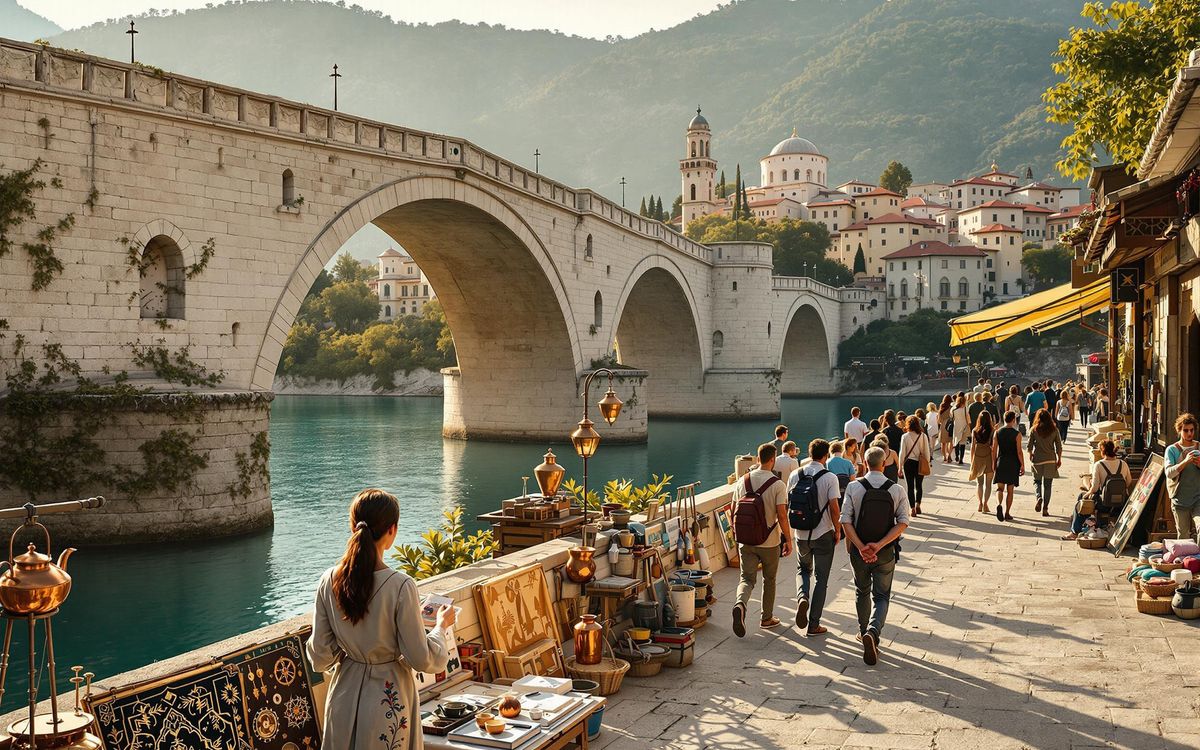
Consider the Old Bridge of Mostar, a symbol of unity in Bosnia and Herzegovina, which was destroyed during the Bosnian War in 1993. Its destruction was a calculated attempt to sever the cultural links between communities and deepen ethnic divisions. Similarly, the Buddhas of Bamiyan in Afghanistan, colossal statues carved into the cliffs of the Bamiyan Valley, were annihilated by the Taliban in 2001, an act that sought to eradicate pre-Islamic history and identity. These examples demonstrate how the destruction of cultural heritage can have far-reaching consequences, exacerbating conflict and hindering reconciliation.
Beyond its symbolic importance, cultural heritage also plays a vital role in fostering economic development and social well-being. Heritage sites attract tourists, generate income, and create jobs, contributing to the economic recovery of conflict-affected regions. Moreover, cultural heritage can promote reconciliation and dialogue by providing spaces for shared experiences and mutual understanding. In post-conflict societies, the restoration and preservation of cultural heritage can serve as a catalyst for healing, rebuilding trust, and fostering a sense of shared identity.

The Crosshairs of Conflict: How War Zones Become Battlegrounds for Cultural Treasures
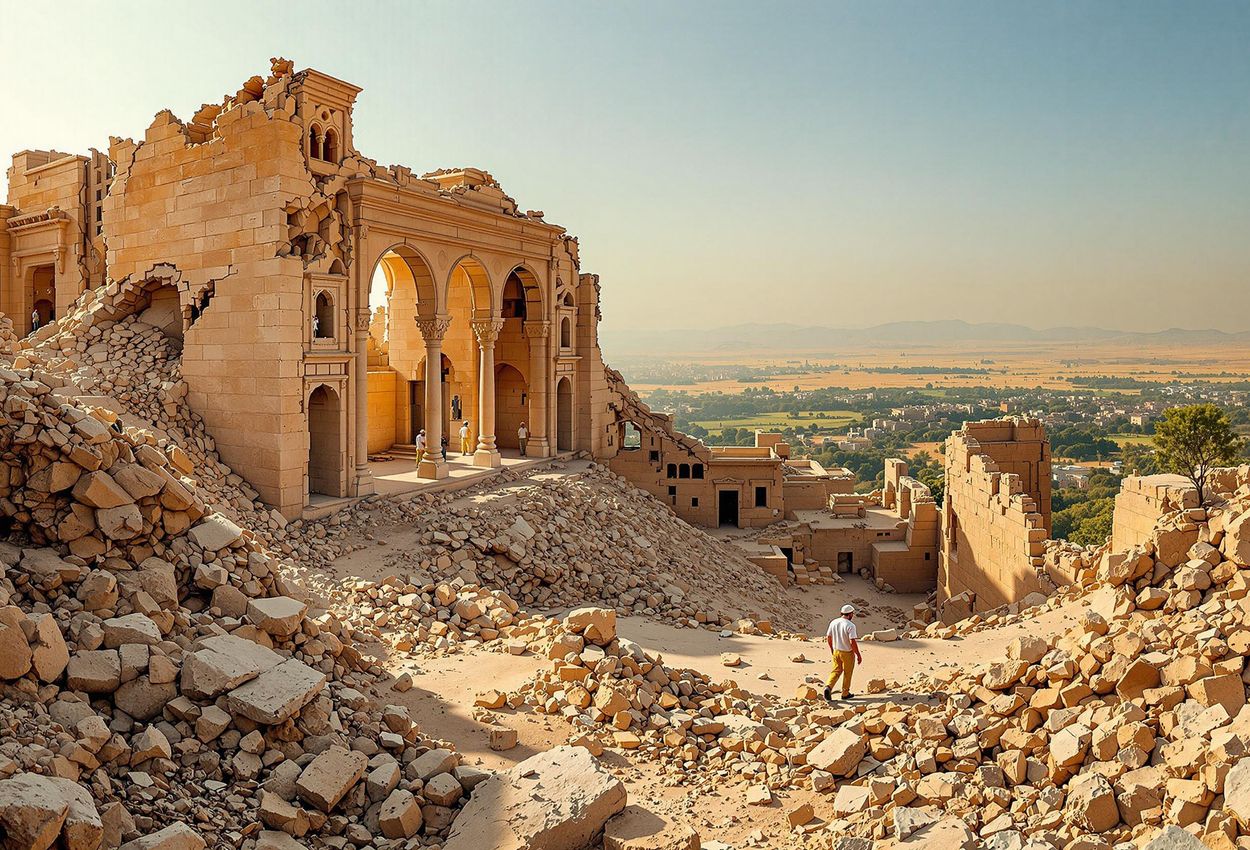
Cultural heritage in conflict zones faces a complex web of threats, ranging from intentional destruction to collateral damage, looting, and neglect. Deliberate targeting, often driven by ideological or strategic motives, is one of the most alarming trends. Extremist groups, such as ISIS, have weaponized the destruction of cultural heritage as a tool for identity warfare, seeking to erase targeted communities and rewrite history according to their extremist ideologies.
The ancient city of Palmyra in Syria, a UNESCO World Heritage Site, suffered extensive damage at the hands of ISIS. The group systematically destroyed iconic monuments, including the Temple of Bel and the Temple of Baalshamin, viewing them as symbols of idolatry. Similarly, in Iraq, ISIS targeted religious sites and archaeological treasures, including the destruction of the Mosque of Prophet Yunus in Mosul and the looting of artifacts from the Mosul Museum.
Collateral damage, the unintended destruction of cultural heritage during military operations, poses another significant threat. In densely populated urban areas, historic buildings and cultural sites are often caught in the crossfire, suffering damage from shelling, airstrikes, and ground combat. The conflict in Yemen has resulted in extensive damage to the historic city of Sana'a, a UNESCO World Heritage Site, with many traditional houses and mosques damaged or destroyed by airstrikes and shelling.
Looting and illicit trafficking of cultural objects are rampant in conflict zones, fueled by the breakdown of law and order and the demand for antiquities on the international market. Stolen artifacts are often smuggled across borders and sold to wealthy collectors, providing funding for armed groups and further destabilizing the region. The neglect of cultural heritage, resulting from the diversion of resources to more pressing humanitarian needs, is also a major concern. With limited funding and personnel, cultural sites are left vulnerable to decay, vandalism, and encroachment.
Guardians of Memory: Organizations on the Front Lines
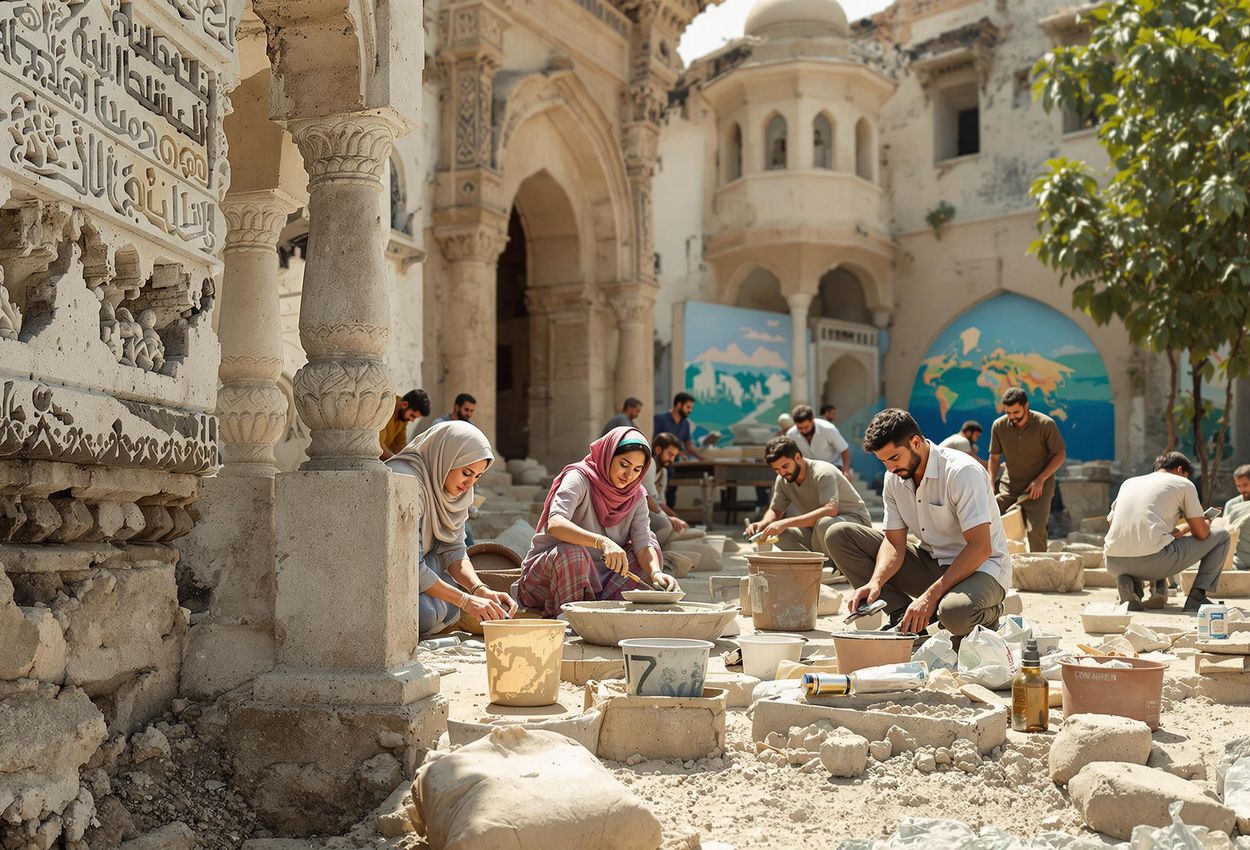
In the face of these daunting challenges, a network of international organizations, local communities, and dedicated individuals are working tirelessly to protect cultural heritage in conflict zones. UNESCO, the United Nations Educational, Scientific and Cultural Organization, plays a central role in coordinating global efforts to safeguard cultural heritage. Through its World Heritage Convention, UNESCO designates sites of outstanding universal value and provides technical assistance, capacity-building, and emergency response coordination to mitigate the impact of conflict on cultural heritage. The organization also promotes the ratification and implementation of the 1954 Hague Convention for the Protection of Cultural Property in the Event of Armed Conflict, the first international treaty dedicated to safeguarding cultural heritage during war.
The International Committee of the Red Cross (ICRC) works to protect cultural property under the rules of international humanitarian law. The ICRC reminds parties to armed conflict of their obligations to respect cultural property and to refrain from targeting it during military operations. It also provides technical assistance and training to armed forces on the protection of cultural heritage.
The ALIPH Foundation (International Alliance for the Protection of Heritage in Conflict Areas) is a global fund dedicated to the protection of cultural heritage in conflict zones. ALIPH provides financial support for preventive measures, emergency interventions, and post-conflict rehabilitation projects, working in close collaboration with local communities and international partners. The foundation supports projects that address a range of priorities, including protecting built heritage impacted by climate change and disasters and supporting heritage institutions and their collections.
Blue Shield International, often referred to as the cultural equivalent of the Red Cross, is a non-governmental organization committed to protecting cultural heritage from threats such as armed conflict and natural disasters. Blue Shield International works to raise awareness of the importance of protecting cultural heritage, promote the ratification and implementation of international legal frameworks, and provide training in cultural property protection for members of armed forces and other stakeholders.
These organizations, along with countless other groups and individuals, form a vital network of guardians, working to safeguard cultural heritage in the face of conflict and crisis. Through their collective efforts, they strive to ensure that the echoes of the past continue to resonate, providing hope and resilience for communities in the present and future.
The UNESCO Civil-Military Alliance for the Protection of Cultural Property enhances cooperation between civil and military stakeholders in protecting cultural property during peacetime, armed conflict, occupation, and post-conflict recovery.

Emergency Intervention: First Aid for Cultural Heritage
When conflict erupts, rapid and effective emergency intervention is crucial to minimizing damage to cultural heritage. Practical measures for safeguarding cultural heritage in conflict zones include emergency planning, sheltering immovable objects, inventorying and securing movable objects, and relocating collections to safer locations.
Emergency planning involves developing comprehensive strategies for protecting cultural heritage in the event of conflict, including identifying potential threats, assessing vulnerabilities, and establishing clear lines of communication and coordination. Sheltering immovable objects, such as historic buildings and monuments, can help to minimize blast damage and protect them from the elements. Sandbags, brick walls, and other protective barriers can provide a buffer against explosions and gunfire.
Inventorying and securing movable objects, such as museum collections and archaeological artifacts, is essential to prevent looting and illicit trafficking. This involves documenting the location and condition of each object, packing them securely, and storing them in a safe location. Relocating collections to safer locations, such as underground bunkers or neighboring countries, may be necessary in situations where cultural sites are under imminent threat.
The ICCROM (International Centre for the Study of the Preservation and Restoration of Cultural Property) has published a comprehensive guide for cultural workers seeking to improve emergency plans within their institutions or to implement a coordinated cultural first aid effort, First Aid to Cultural Heritage in Times of Crisis Handbook. This handbook provides a practical method and a set of ready-to-use tools for securing endangered cultural heritage, both tangible and intangible.
Implementing rapid emergency plans, providing temporary supplemental funding, and resettling at-risk cultural workers are critical interventions that the international community can support.
Cultural Diplomacy: Building Bridges Through the Past
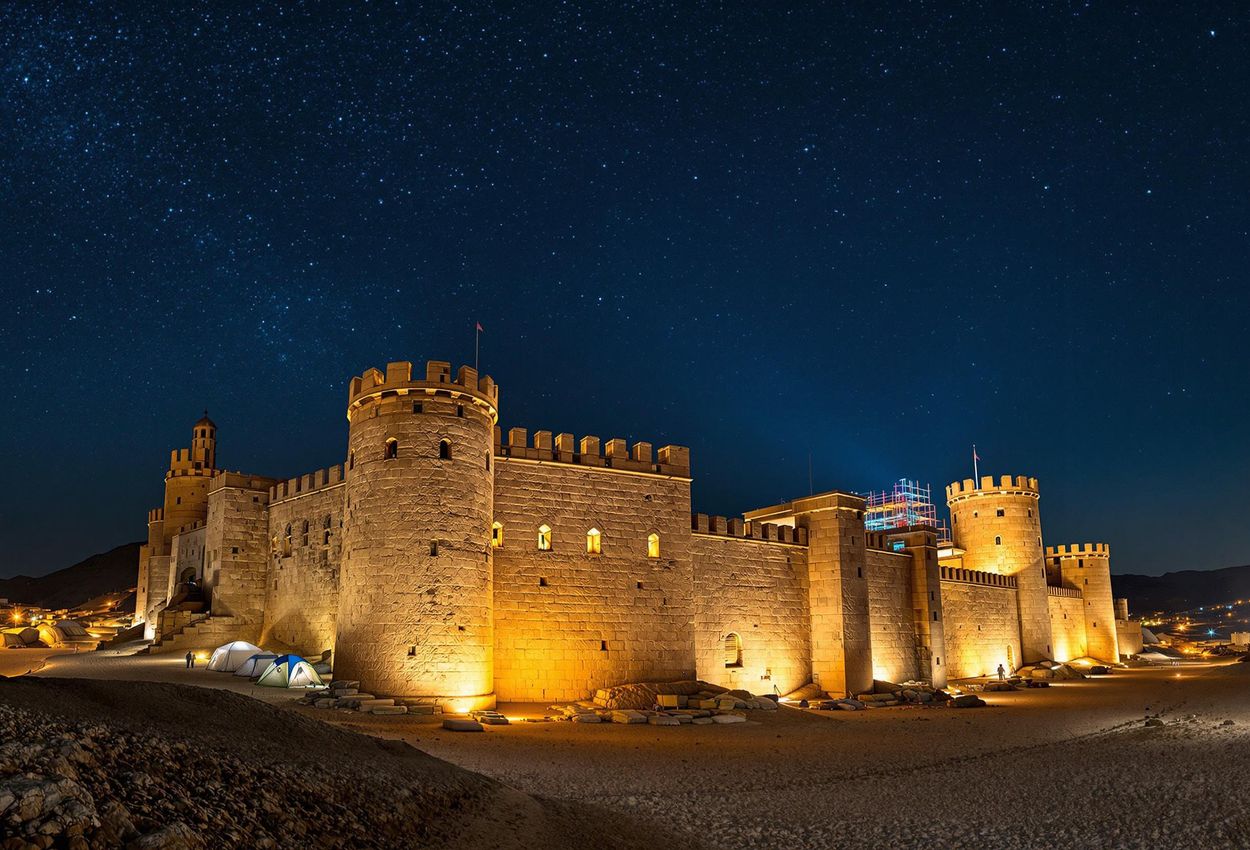
Cultural diplomacy, the use of cultural exchanges and initiatives to promote understanding and build relationships between countries, plays a vital role in fostering international cooperation for heritage preservation. By promoting dialogue, sharing expertise, and mobilizing resources, cultural diplomacy can help to create a more supportive environment for heritage protection in conflict zones.
Cultural exchanges, such as exhibitions, performances, and artist residencies, can foster mutual understanding and appreciation between different cultures. These exchanges provide opportunities for people to learn about each other's histories, traditions, and values, helping to break down stereotypes and build bridges of understanding. Conferences and collaborations can facilitate the sharing of expertise and resources for heritage restoration. Joint restoration projects, such as the restoration of Angkor Wat in Cambodia and Pompeii in Italy, strengthen diplomatic ties and contribute to the preservation of cultural heritage.
Political will and international cooperation are essential for securing funding and support for heritage protection. Governments, international organizations, and private donors must work together to provide the financial and technical resources needed to safeguard cultural heritage in conflict zones. Raising awareness of the importance of cultural heritage is also crucial for mobilizing public support and galvanizing action. By highlighting the threats faced by cultural heritage in conflict zones and showcasing the efforts of those working to protect it, we can inspire others to join the cause.
Heritage diplomacy can strengthen relations between countries, encourage mutual understanding, and repair relations by building bridges on the international scene. It can be used to promote peacebuilding while establishing contact with countries in the process of integration.
Protecting cultural heritage in conflict zones is a moral imperative, a strategic necessity, and a testament to our shared humanity. By uniting our efforts, we can safeguard the echoes of the past, ensuring that they continue to inspire and guide us towards a more peaceful and just future.
Local Tip: Travelers can support cultural heritage by visiting local museums and heritage sites, respecting local customs and traditions, and donating to organizations working to preserve cultural heritage.
Hidden Gem: Seek out lesser-known cultural sites and support local initiatives that promote cultural preservation and sustainable tourism.