The allure of historical sites is undeniable, drawing us in with their rich stories and tangible links to the past. However, this influx of tourism presents a profound ethical challenge: how do we balance the desire to experience these sites with the responsibility to preserve them for future generations?
From the majestic ruins of Machu Picchu to the enchanting canals of Venice, historical sites around the globe face increasing pressure from tourism. While tourism can bring economic benefits and foster cultural exchange, it also has the potential to cause irreversible damage to these fragile treasures. This article delves into the ethical dimensions of tourism at historical sites, exploring the complexities of preservation, the motivations of tourists, the impact on local communities, and the path towards a more sustainable future.
Echoes of the Past A Delicate Balance
Historical sites are more than just collections of old stones or artifacts; they are living embodiments of human history and cultural heritage. They offer us a glimpse into the lives of our ancestors, allowing us to connect with the past in a meaningful way. The desire to witness these sites firsthand is a natural human impulse, driven by curiosity, a thirst for knowledge, and a desire to experience something unique and authentic.
However, the very act of visiting these sites can pose a threat to their integrity. The physical impact of large numbers of tourists can lead to erosion, damage to structures, and the degradation of delicate ecosystems. Moreover, the cultural impact of tourism can be equally damaging, leading to the commodification of traditions, the displacement of local communities, and the loss of authenticity.
The challenge, then, lies in finding a balance between allowing access to historical sites and protecting them from the harmful effects of tourism. This requires a multifaceted approach that takes into account the needs of visitors, the concerns of preservationists, and the interests of local communities. It also requires a deep understanding of the ethical principles that should guide our interactions with these precious resources.
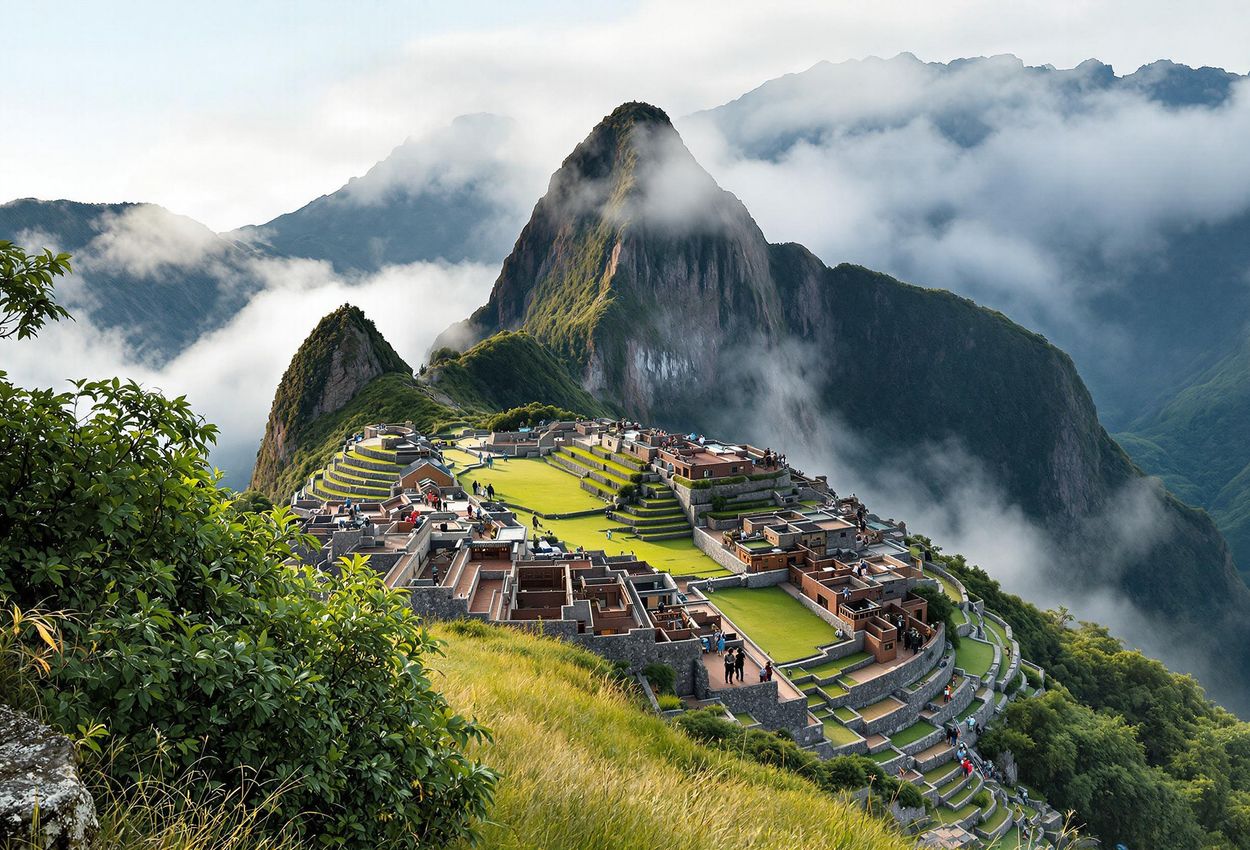
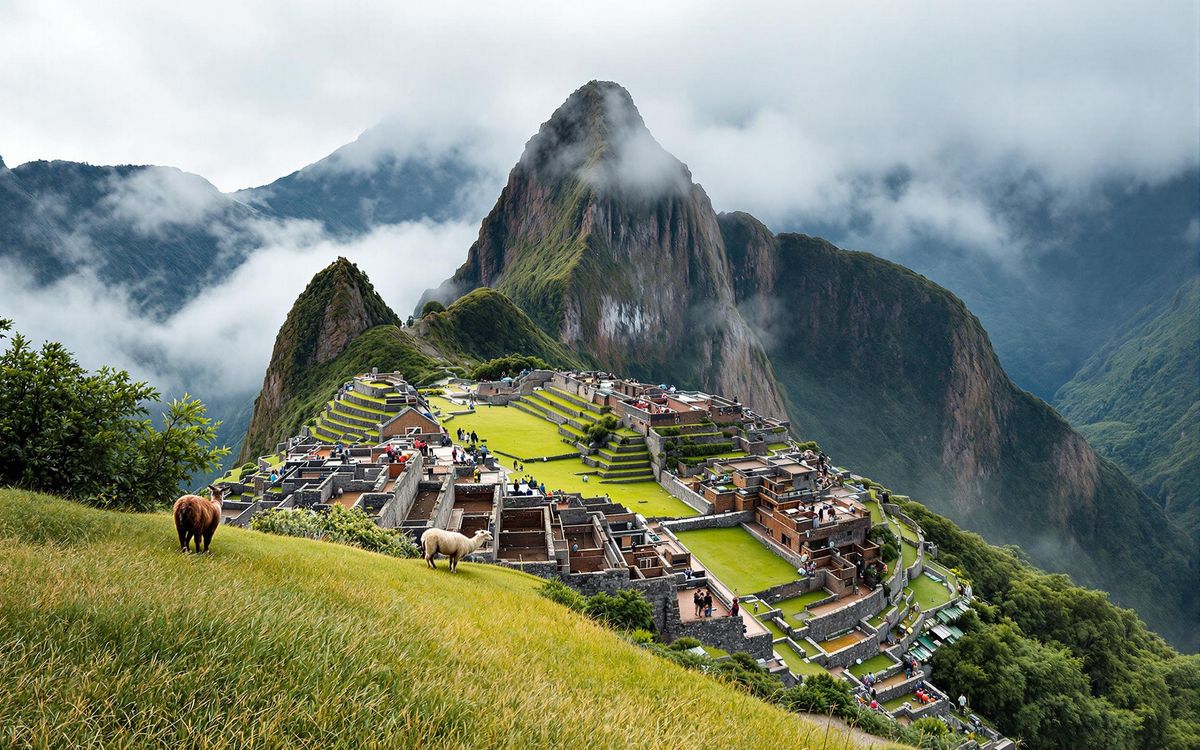
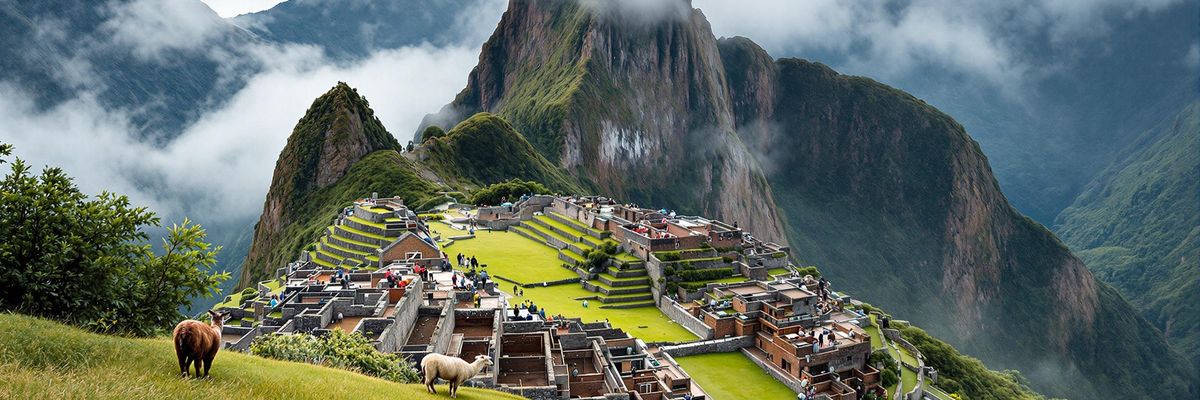
Image Description: A wide, panoramic shot of Machu Picchu shrouded in mist, early morning. The angle should emphasize the grandeur and scale of the site, nestled high in the Andes Mountains. The purpose is to visually represent the allure and historical significance of such sites, while subtly hinting at their fragility. The foreground should be slightly blurred to create a sense of depth, with the main focus on the intricate stonework and terraced landscape. The subjects are the ancient ruins, the surrounding mountains, and the soft, diffused light filtering through the clouds. Taken on August 1, 2025, this image should evoke a sense of wonder and respect for the past.
Style Instructions: Landscape. Use a wide-angle lens to capture the vastness of the scene. The light should be soft and natural, with a focus on capturing the textures of the stone and the lush greenery. Ensure the composition is balanced, with the ruins as the central focal point. The date the photo is taken is August 1, 2025.
The Tourist Gaze Appreciation or Exploitation?
To understand the ethical implications of tourism at historical sites, it is essential to examine the motivations and behaviors of tourists themselves. Tourists are not a homogenous group; their levels of engagement, respect, and awareness vary widely. Some approach historical sites with a genuine desire to learn and appreciate the cultural heritage they represent. They engage with local communities, support local businesses, and take steps to minimize their environmental impact.
Others, however, may be more interested in superficial consumption, seeking only to take photos for social media or to check off a box on their travel bucket list. This phenomenon, often referred to as the 'tourist gaze,' can lead to the objectification and commodification of cultural heritage, reducing it to a mere spectacle for entertainment.
It is crucial to foster a sense of responsibility among tourists, encouraging them to move beyond the superficial gaze and to engage with historical sites in a more meaningful and respectful way. This can be achieved through education, interpretation, and the promotion of responsible tourism practices. By encouraging tourists to become active participants in the preservation of cultural heritage, we can transform their experience from one of exploitation to one of appreciation.
Guardians of History The Preservationist's Dilemma
Preservationists and site managers face a daunting task: protecting historical sites from the ravages of time and the impact of tourism. They employ a variety of strategies, from physical restoration and conservation to visitor management and interpretation. However, these efforts are often fraught with ethical dilemmas. How do we balance the need to preserve authenticity with the desire to make sites accessible to a wider audience?
One of the key challenges is the tension between maintaining the integrity of a site and adapting it for tourism. For example, should we reconstruct damaged structures to make them more visually appealing, or should we leave them in their original state, even if they are incomplete or deteriorated? Should we install modern amenities, such as restrooms and restaurants, to make sites more comfortable for visitors, or should we preserve the historical character of the site, even if it means sacrificing some convenience?
These are not easy questions, and there are no simple answers. The best approach often depends on the specific context of the site, the values of the local community, and the priorities of the preservationists. However, it is essential to engage in open and transparent dialogue to ensure that preservation efforts are guided by ethical principles and that the voices of all stakeholders are heard.
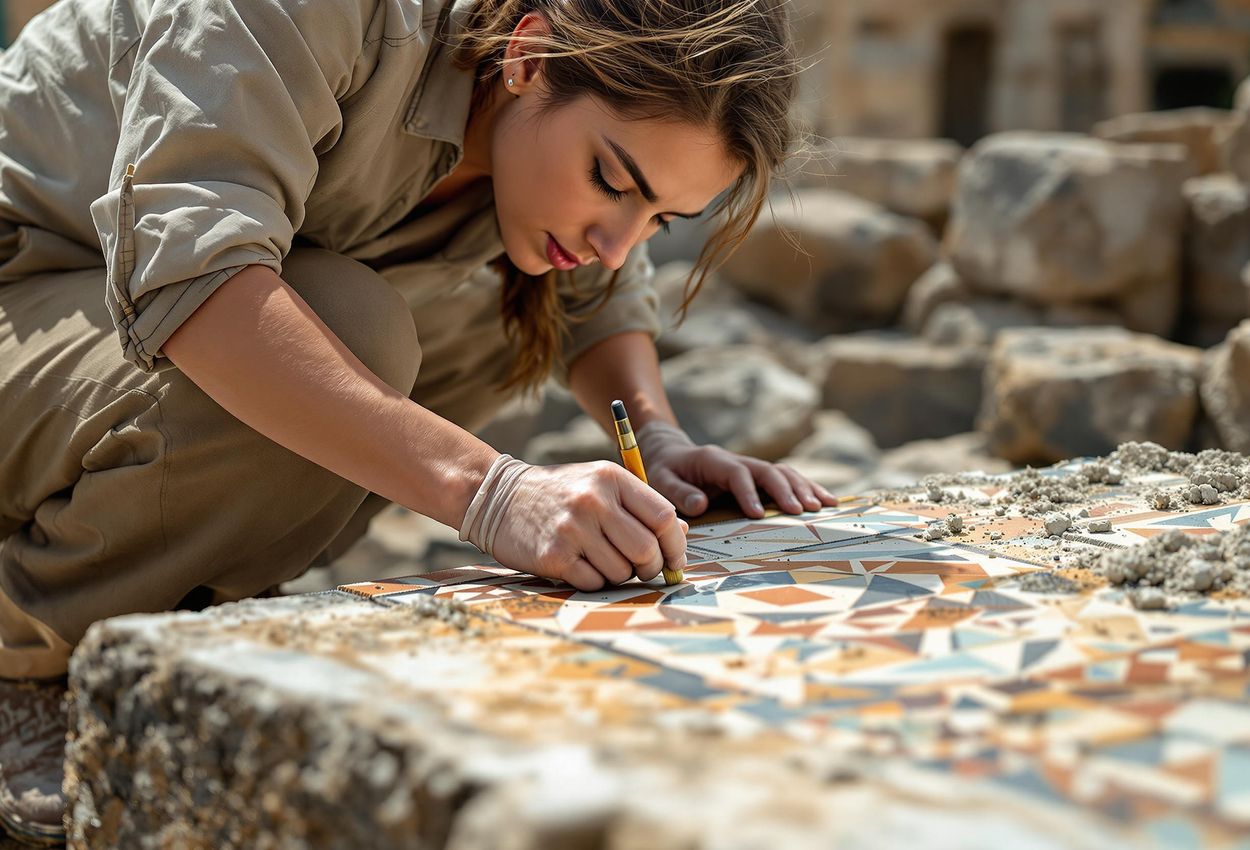
Image Description: A close-up, candid shot of an archaeologist carefully restoring a mosaic tile at an ancient Roman site. The purpose is to highlight the meticulous and dedicated work of preservationists. The archaeologist should be wearing appropriate protective gear, and the tools used should be visible. The angle should be slightly low, emphasizing the importance of the work being done. The subjects are the archaeologist, the mosaic tile, and the surrounding ruins. The photo is taken during the day on August 1, 2025, with natural light illuminating the scene.
Style Instructions: Candid. Use a macro lens to capture the details of the mosaic tile and the archaeologist's hands. The lighting should be soft and diffused, with a focus on capturing the textures and colors of the materials. The composition should be balanced, with the archaeologist as the central focal point. The date the photo is taken is August 1, 2025.
Local Voices Community Empowerment or Displacement?
Tourism can have a profound impact on local communities surrounding historical sites, bringing both opportunities and challenges. On the one hand, tourism can empower communities economically, providing jobs, generating revenue, and fostering a sense of pride and ownership. It can also promote cultural exchange, allowing local residents to share their traditions and values with visitors from around the world.
On the other hand, tourism can also lead to displacement, cultural erosion, and the commodification of local traditions. As property values rise, local residents may be forced to move out of their homes, leading to the loss of community cohesion. Traditional crafts and customs may be altered or staged to cater to tourist expectations, losing their authenticity and meaning.
To ensure that tourism benefits local communities, it is essential to involve them in tourism planning and management. This means giving local residents a voice in decisions about how tourism is developed, how benefits are shared, and how cultural heritage is protected. Community-led tourism initiatives can empower local residents to take control of their own destinies, ensuring that tourism is a force for good in their communities.
Sustainable Steps A Path Forward
The key to ethical tourism at historical sites lies in embracing sustainable practices that minimize negative impacts and maximize benefits for all stakeholders. This requires a shift in mindset, from viewing historical sites as commodities to be consumed to recognizing them as precious resources to be protected.
Travelers can play a crucial role by adopting responsible tourism practices, such as respecting local cultures, supporting local businesses, and avoiding activities that harm the environment or cultural heritage. They can also choose accommodations and tour operators that prioritize sustainability, seeking out those that are committed to minimizing their impact and contributing to local communities.
Technology can also play a role in sustainable tourism, with digital tools offering virtual tours and augmented reality experiences that allow visitors to explore historical sites without physically being there. By embracing these innovative approaches, we can reduce the pressure on fragile sites while still providing access to those who are unable to travel.

Image Description: A medium shot of a family interacting with a virtual reality display showcasing an ancient civilization. The purpose is to illustrate how technology can enhance the visitor experience while minimizing physical impact on historical sites. The family should be diverse, representing different ages and ethnicities. The angle should be slightly elevated, capturing the expressions of wonder and engagement on their faces. The subjects are the family, the virtual reality display, and the surrounding museum exhibit. The photo is taken indoors on August 1, 2025, with artificial lighting illuminating the scene.
Style Instructions: Lifestyle. Use a shallow depth of field to focus on the family's faces, blurring the background slightly. The lighting should be warm and inviting, creating a sense of comfort and engagement. The composition should be balanced, with the family as the central focal point. The date the photo is taken is August 1, 2025.
Expert Insights Voices from the Field
To gain a deeper understanding of the ethical challenges of tourism at historical sites, I spoke with several experts in cultural heritage and tourism. Dr. Elena Ramirez, an archaeologist specializing in Mesoamerican cultures, emphasized the importance of community involvement in preservation efforts. “Local communities are the true custodians of their cultural heritage,” she said. “Their voices must be heard, and their needs must be addressed.”
Dr. Kenji Tanaka, a tourism consultant with extensive experience in Southeast Asia, highlighted the need for responsible tourism practices. “Tourists must be aware of their impact and take steps to minimize their footprint,” he said. “This includes respecting local customs, supporting local businesses, and avoiding activities that harm the environment or cultural heritage.”
Professor Maria Rossi, a museum curator specializing in Roman history, stressed the importance of education and awareness. “Museums and historical sites have a responsibility to educate visitors about the ethical dimensions of tourism,” she said. “By raising awareness, we can encourage tourists to become more responsible and engaged participants in the preservation of cultural heritage.”
These expert insights underscore the complexity of the ethical challenges we face and the need for a collaborative approach involving governments, communities, and the tourism industry.

Image Description: A group of diverse experts (archaeologist, tourism consultant, museum curator) engaged in a panel discussion about sustainable tourism at historical sites. The purpose is to add credibility and depth to the article by showcasing the perspectives of professionals in the field. The angle should be from the audience's perspective, capturing the panelists and the engaged audience. The subjects are the panelists, the moderator, and the audience. The photo is taken indoors on August 1, 2025, with stage lighting illuminating the panelists.
Style Instructions: Event. Use a zoom lens to capture the panelists clearly, while still showing the audience in the background. The lighting should be bright and even, with a focus on capturing the expressions of the panelists. The composition should be balanced, with the panelists as the central focal point. The date the photo is taken is August 1, 2025.
The Role of Policy and Governance
Governments and international organizations, such as UNESCO, play a crucial role in regulating tourism at historical sites. They establish policies and regulations that protect cultural heritage, promote sustainable tourism, and ensure community involvement. However, enforcing these policies can be challenging, particularly in the face of competing economic interests and global issues like overtourism and climate change.
The UNESCO World Heritage and Sustainable Tourism Programme is a prime example of an initiative that promotes responsible travel practices. This program fosters dialogue and cooperation between stakeholders, integrating tourism and heritage management at the destination level. It also emphasizes the importance of valuing and protecting natural and cultural assets while developing appropriate tourism strategies.
International cooperation is essential to address global issues like overtourism and climate change, which can have a significant impact on historical sites. By working together, governments, organizations, and communities can develop and implement effective strategies to protect cultural heritage for future generations.
Case Study: Venice Navigating the Tide
Venice, Italy, serves as a compelling case study of a city grappling with the challenges of overtourism and its impact on cultural heritage. With its enchanting canals, historic architecture, and unique cultural identity, Venice attracts millions of tourists each year. However, this influx of visitors has put immense pressure on the city's infrastructure, environment, and local communities.
In response, the Venetian government has implemented a range of strategies to manage tourism, including tourist access fees, restrictions on large cruise ships, and the promotion of alternative destinations. In 2021, the Italian government banned large cruise ships from docking near St. Mark's Square and the Giudecca Canal, redirecting them to ports on the mainland. Starting in 2024, Venice plans to introduce a daily entry fee for day-trippers to regulate visitor numbers and encourage sustainable tourism practices. The city has also tightened rules around short-term rentals to curb the proliferation of tourist accommodations that displace residents.
These measures have had some success in mitigating the negative impacts of tourism, but challenges remain. Many residents are skeptical about the effectiveness of these measures. The city's future depends on continued vigilance and global cooperation to protect this irreplaceable treasure.

Image Description: An aerial view of Venice, Italy, showcasing the canals, historic buildings, and gondolas. The angle should be high, capturing the entirety of the city and its unique layout. The purpose is to visually represent the beauty and fragility of Venice, highlighting the challenges of overtourism. The subjects are the canals, the buildings, the gondolas, and the overall cityscape. The photo is taken during the day on August 1, 2025, with clear skies and bright sunlight.
Style Instructions: Aerial. Use a drone or helicopter to capture the aerial perspective. The lighting should be bright and natural, with a focus on capturing the colors of the buildings and the water. The composition should be balanced, with the city as the central focal point. The date the photo is taken is August 1, 2025.
Looking Ahead The Future of Heritage Tourism
The future of tourism at historical sites depends on our ability to embrace ethical and sustainable practices. As technology advances, we can expect to see new and innovative approaches to managing tourism and enhancing visitor experiences. Virtual reality and augmented reality will likely play an increasingly important role, allowing visitors to explore historical sites remotely and reducing the pressure on fragile environments.
Education and awareness will also be crucial in promoting responsible tourism and fostering a sense of stewardship among travelers. By educating visitors about the ethical dimensions of tourism and the importance of cultural preservation, we can encourage them to make conscious choices that support sustainable practices.
Ultimately, the long-term preservation of cultural heritage requires a collaborative approach involving governments, communities, and the tourism industry. By working together, we can ensure that historical sites remain vibrant and meaningful for future generations.
Beyond the Postcard A Call to Conscience
As we conclude this exploration of the ethics of tourism at historical sites, it is clear that a call to conscience is needed. Travelers, policymakers, and tourism professionals must embrace ethical and sustainable practices, recognizing that the preservation of cultural heritage is a shared responsibility.
We must balance the desire to experience these sites with the need to protect them, ensuring that they remain vibrant and meaningful for future generations. This requires a commitment to responsible tourism, community empowerment, and innovative solutions that minimize negative impacts and maximize benefits for all stakeholders.
Let us reflect on our own role in shaping the future of heritage tourism and make conscious choices that support cultural preservation and community empowerment. By doing so, we can ensure that historical sites continue to inspire and enrich our lives for generations to come.
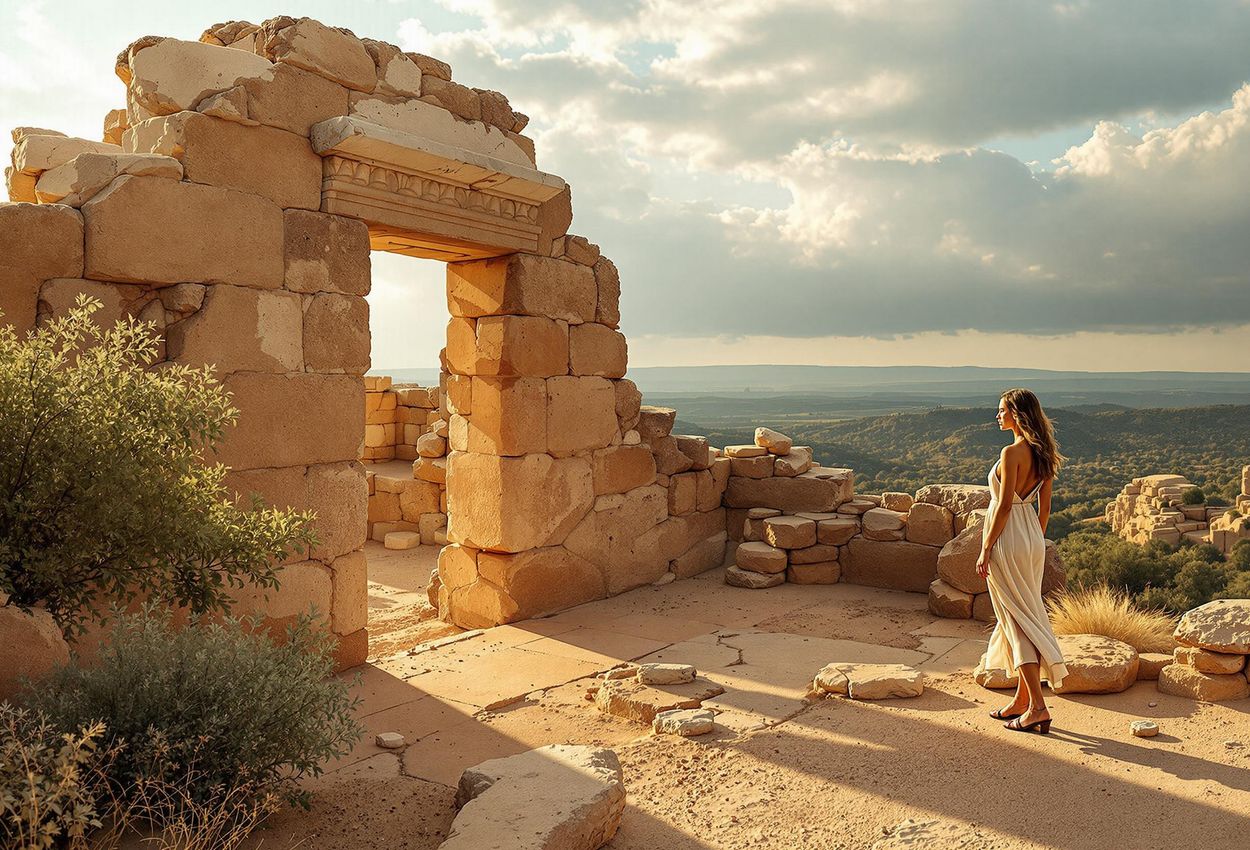
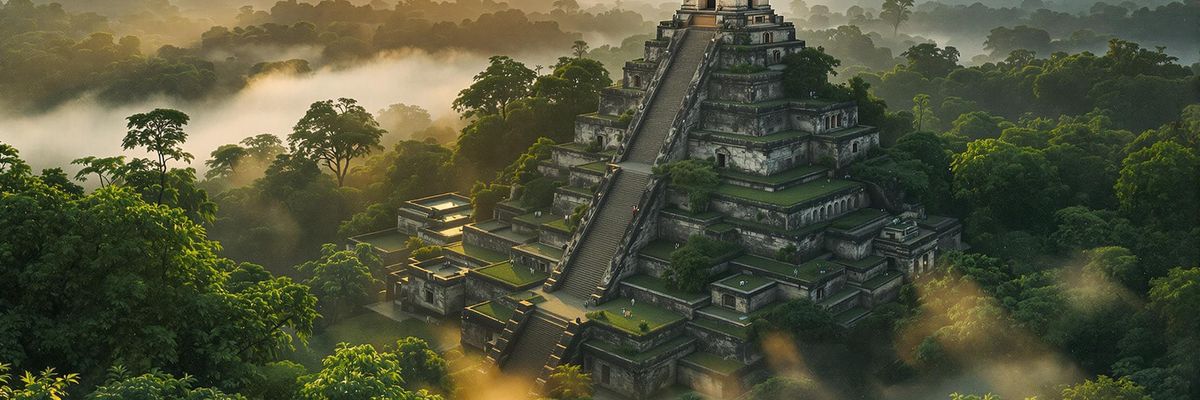
Image Description: A serene, contemplative shot of a traveler standing at the edge of an ancient ruin, looking out at the landscape. The purpose is to evoke a sense of personal responsibility and connection to the past. The traveler should be dressed respectfully and should not be interacting with the site in any way. The angle should be slightly from behind, emphasizing the traveler's silhouette and the vastness of the landscape. The subjects are the traveler, the ancient ruin, and the surrounding landscape. The photo is taken during the golden hour on August 1, 2025, with warm, soft light illuminating the scene.
Style Instructions: Serene. Use a telephoto lens to compress the perspective and create a sense of depth. The lighting should be warm and diffused, with a focus on capturing the textures of the ruin and the landscape. The composition should be balanced, with the traveler as a small but significant element in the scene. The date the photo is taken is August 1, 2025.