Archaeology is on the cusp of a technological revolution, poised to unearth the past with unprecedented precision and insight. From drones mapping hidden landscapes to AI algorithms deciphering ancient texts, the tools of discovery are evolving at an astonishing pace, promising to rewrite our understanding of human history.
The integration of these technologies is not merely about efficiency; it's about expanding the realm of the possible, reaching sites previously inaccessible, and extracting stories from artifacts once deemed silent. This new era demands a reevaluation of archaeological practices, ethical considerations, and the very definition of discovery.
Drones Take to the Skies Uncovering Hidden Worlds
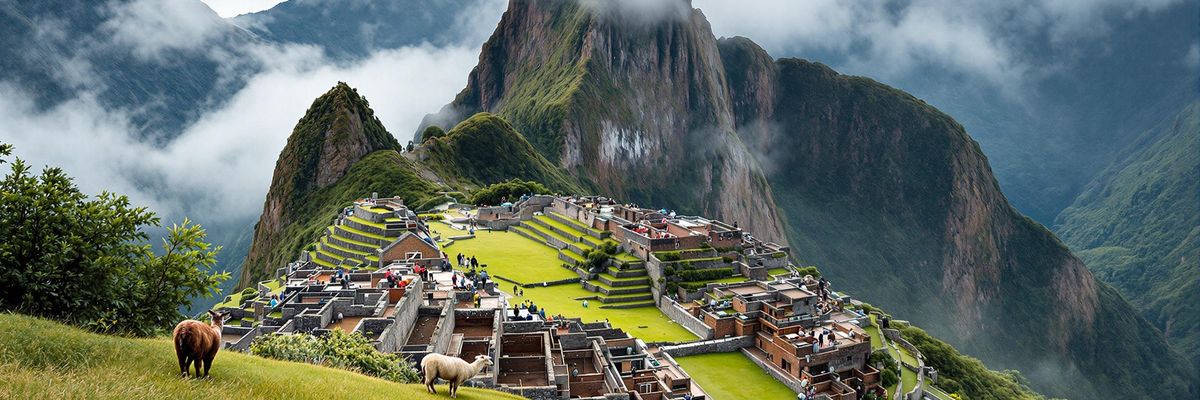
Drones are rapidly becoming indispensable tools for archaeologists, offering a bird's-eye view that transforms surveying and mapping. Equipped with an array of sensors, including LiDAR (Light Detection and Ranging), high-resolution cameras, and thermal sensors, these unmanned aerial vehicles (UAVs) can quickly and non-invasively map vast areas, identify subsurface features, and create detailed 3D models of sites. This technology is particularly valuable in regions with dense vegetation or difficult terrain, where traditional surveying methods are time-consuming and often ineffective.
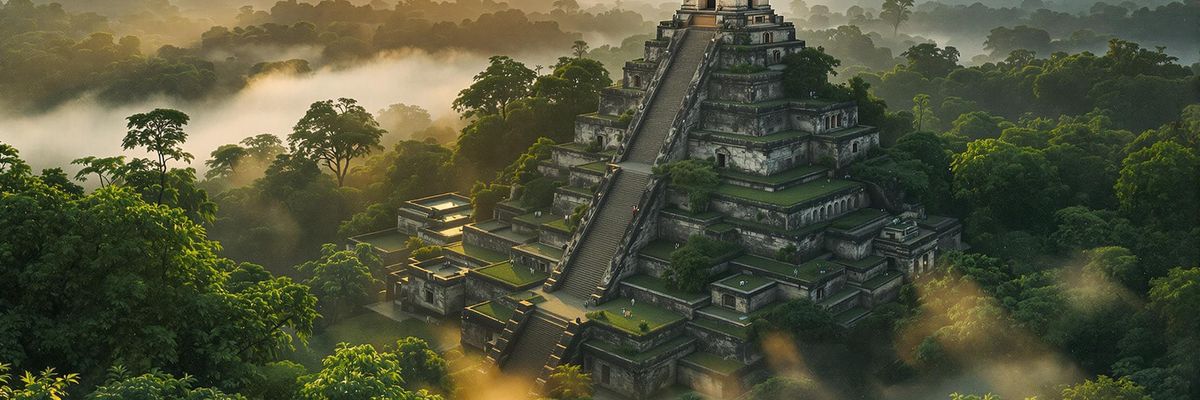
The ancient Mayan city of Tikal in Guatemala serves as a prime example of the transformative power of drone technology. Drones equipped with LiDAR have been able to penetrate the dense jungle canopy, revealing previously hidden structures, roads, and agricultural terraces. The resulting 3D models provide archaeologists with a comprehensive understanding of the site's layout and its relationship to the surrounding landscape.
Compared to traditional surveying methods, which can be costly and labor-intensive, drone technology offers a cost-effective and efficient alternative. Drones can cover large areas in a fraction of the time, reducing the need for extensive ground crews and minimizing disturbance to the environment. The charting of ancient battlefields on the Iberian Peninsula is one specific example of a recent drone discovery, showcasing the ability to map and analyze vast landscapes quickly, providing insights into military strategies and troop movements.

Satellite Sleuthing: Spotting Lost Civilizations From Orbit
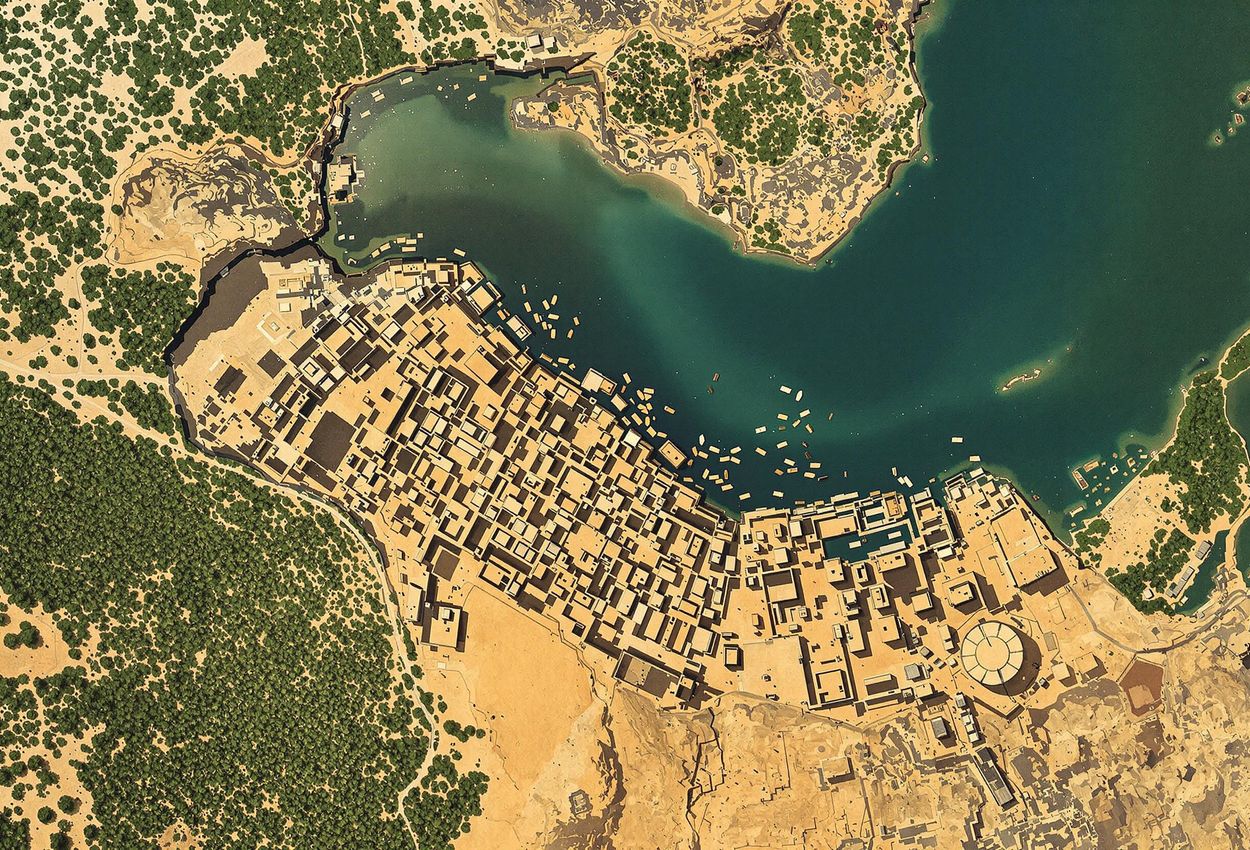
Satellite imagery has emerged as a powerful tool for identifying potential archaeological sites, particularly in remote or inaccessible regions. By analyzing satellite data, archaeologists can detect subtle changes in vegetation, soil composition, and thermal signatures that may indicate the presence of buried structures. This non-invasive technique allows researchers to survey vast areas quickly and efficiently, uncovering hidden settlements and landscapes that would otherwise remain unknown.
The Corona project, a Cold War spy program, provides a unique resource for archaeologists. From 1960 to 1972, Corona satellites captured high-resolution images of the Earth's surface, with a particular focus on the Middle East. These images, declassified in 1995, offer a glimpse into a world before widespread urbanization and agricultural development, preserving a record of landscapes that have since been altered or destroyed.
Satellite image analysis has led to the discovery of thousands of ancient settlements in Egypt and South America. By studying patterns in vegetation growth and soil discoloration, archaeologists have identified the remains of buried cities, temples, and agricultural systems. These discoveries have shed new light on the scale and complexity of ancient civilizations, challenging previous assumptions about their distribution and organization.
DNA Decoded: Unlocking the Secrets of Ancient Ancestry
Advances in DNA analysis are providing unprecedented insights into past populations, their migrations, diets, and disease patterns. By extracting and analyzing ancient DNA (aDNA) from skeletal remains and artifacts, researchers can reconstruct the genetic makeup of individuals who lived thousands of years ago. This information can then be used to trace ancestral lineages, identify genetic relationships between different cultures, and understand how human populations have adapted to changing environments.
The process of extracting aDNA involves carefully removing a small sample of bone or tooth material and then using specialized techniques to isolate and amplify the DNA molecules. The extracted DNA is often fragmented and degraded, requiring sophisticated methods to piece together the complete genetic sequence. Once the DNA has been sequenced, it can be compared to the DNA of modern populations to identify genetic similarities and differences.
DNA analysis has overturned previous assumptions about particular ancient civilization. For example, studies of aDNA from ancient Europeans have revealed that the continent's population underwent a series of major migrations and genetic shifts over the past 10,000 years. These findings have challenged traditional models of cultural diffusion and have highlighted the complex interplay between migration, adaptation, and cultural change.

AI's Guiding Hand: Automating Discovery and Analysis
Artificial intelligence (AI) and machine learning (ML) are rapidly transforming archaeology, offering new ways to analyze vast datasets, identify patterns, and automate time-consuming tasks. AI algorithms can be trained to recognize archaeological sites in satellite imagery, classify artifacts based on their shape and material, and even reconstruct ancient texts from fragmented inscriptions. This technology has the potential to accelerate the pace of discovery and unlock new insights into the past.
One of the most promising applications of AI in archaeology is the analysis of remote sensing data. AI algorithms can be trained to identify subtle anomalies in satellite imagery and LiDAR scans that may indicate the presence of buried structures or archaeological features. These algorithms can process vast amounts of data much faster and more accurately than humans, allowing archaeologists to identify potential sites that would otherwise be missed.
AI can automate tasks such as site mapping, artifact classification, and the reconstruction of ancient texts. However, concerns have been raised about the ethical implications of AI in archaeology, such as potential biases in algorithms and the misrepresentation of historical contexts. To mitigate these risks, it is essential to ensure that AI algorithms are trained on diverse and representative datasets and that human archaeologists provide contextual oversight to ensure accurate and respectful interpretations.

Ethical Crossroads: Navigating the Responsibilities of Tech
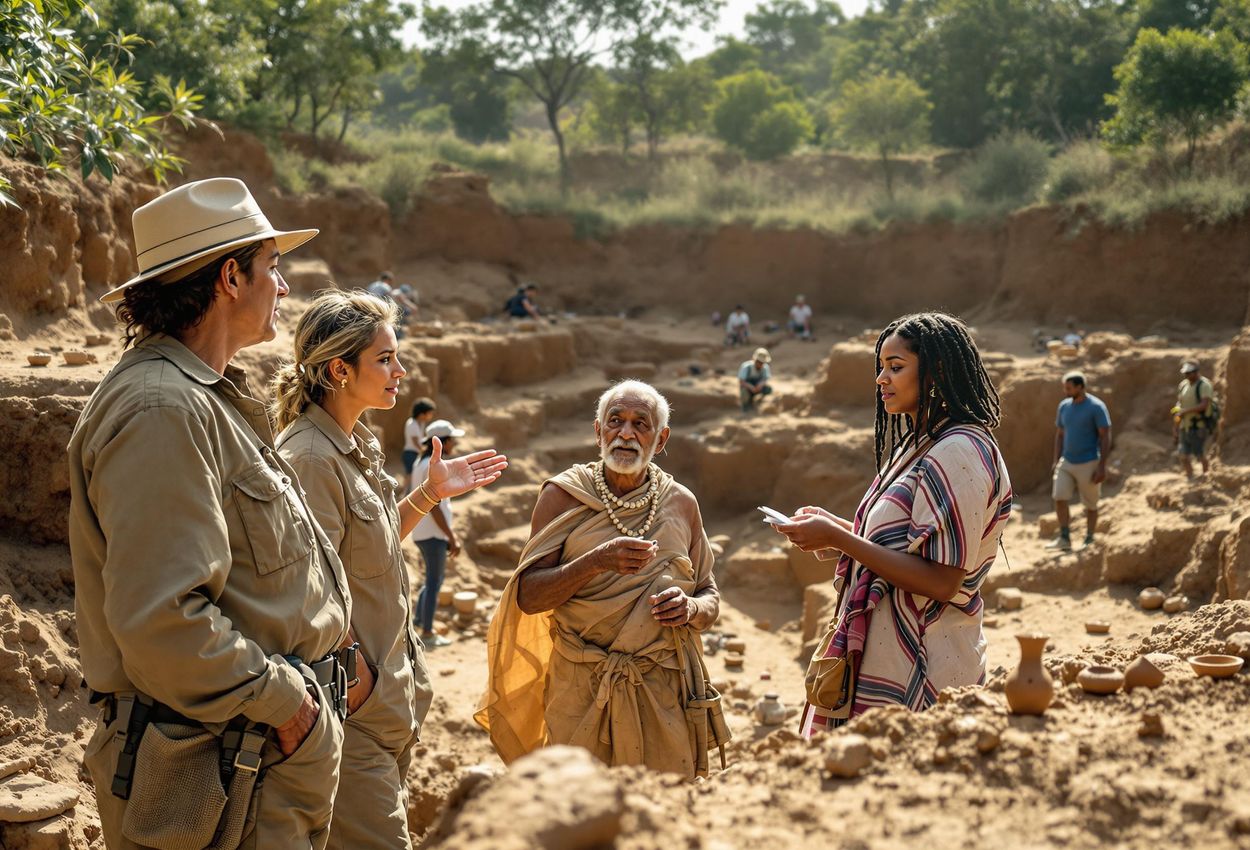
The increasing use of new technologies in archaeology raises important ethical considerations that must be addressed to ensure responsible and respectful practices. These considerations include the potential for damage to archaeological sites during excavation, the repatriation of artifacts to their countries of origin, and the impact of archaeological research on local communities. It is essential for archaeologists to engage in open and transparent dialogue with stakeholders, including indigenous communities, to ensure that their research is conducted in a way that respects cultural heritage and promotes social justice.
Collaboration with indigenous communities is paramount in ethical archaeological research. Indigenous communities often have deep connections to the land and possess invaluable knowledge about their ancestral sites. By working in partnership with indigenous communities, archaeologists can gain a more nuanced understanding of the past and ensure that their research benefits the communities whose heritage they are studying.
Remote sensing presents ethical challenges, including responsible data use and respecting community interests. To address these challenges, archaeologists must adopt ethical guidelines that prioritize community engagement, data privacy, and the preservation of cultural heritage. By embracing a collaborative and ethical approach, archaeology can continue to unlock the secrets of the past while respecting the rights and interests of all stakeholders.