The relentless march of tourism, while economically beneficial, poses an existential threat to our planet's most cherished ancient sites. Can we find a sustainable path forward before it's too late?
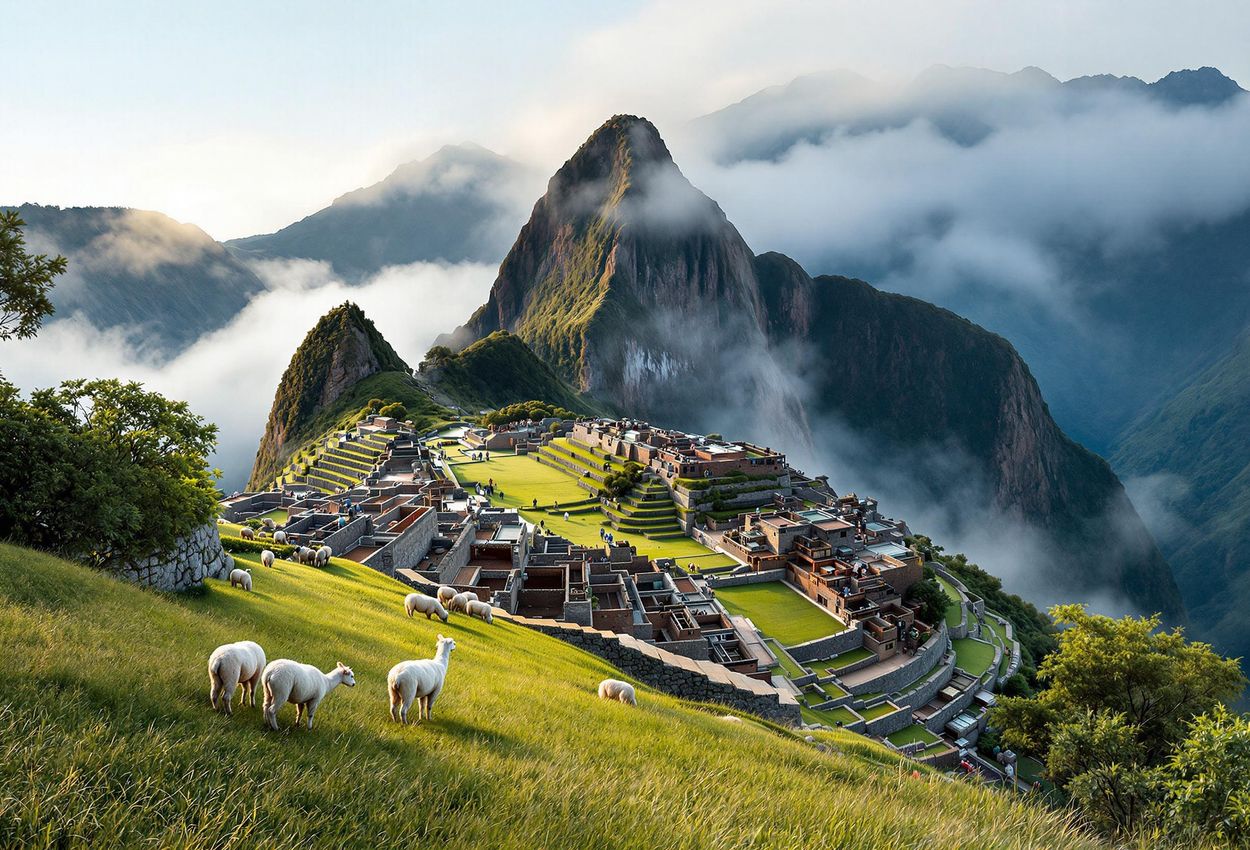
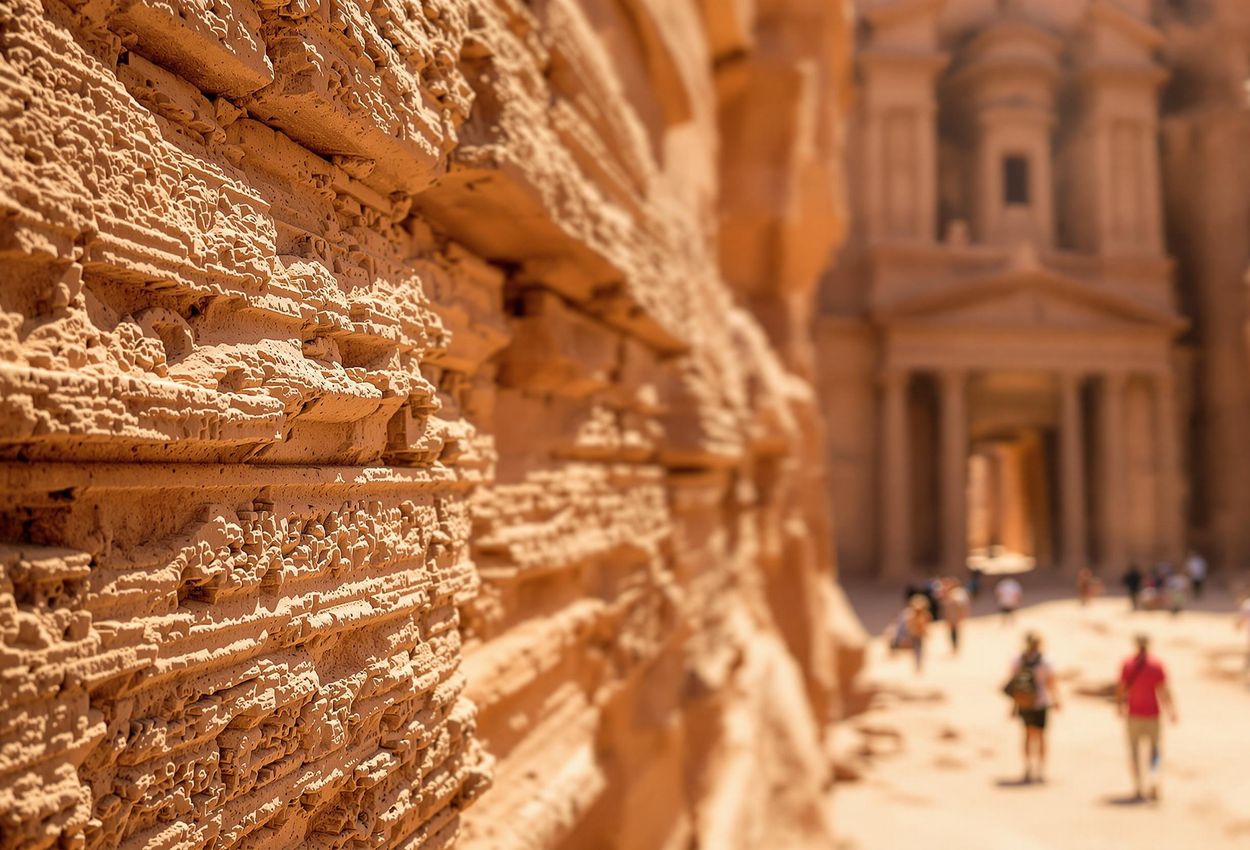
Across the globe, from the mist-shrouded peaks of Machu Picchu to the sun-baked ruins of Petra, the echoes of history are being drowned out by the clamor of overtourism. The very foundations of these irreplaceable sites are crumbling under the weight of ever-increasing visitor numbers, demanding immediate and thoughtful action. This isn't merely an aesthetic concern; it's a profound threat to our shared cultural heritage, demanding a global reckoning with the impact of our travels.
The Crushing Weight of Crowds: A Looming Threat
Overtourism, simply put, is the phenomenon where an excessive number of tourists visit a particular destination, overwhelming local infrastructure and compromising the experience for both residents and visitors. Ancient sites, with their inherent fragility and finite capacity, are particularly vulnerable to this onslaught.
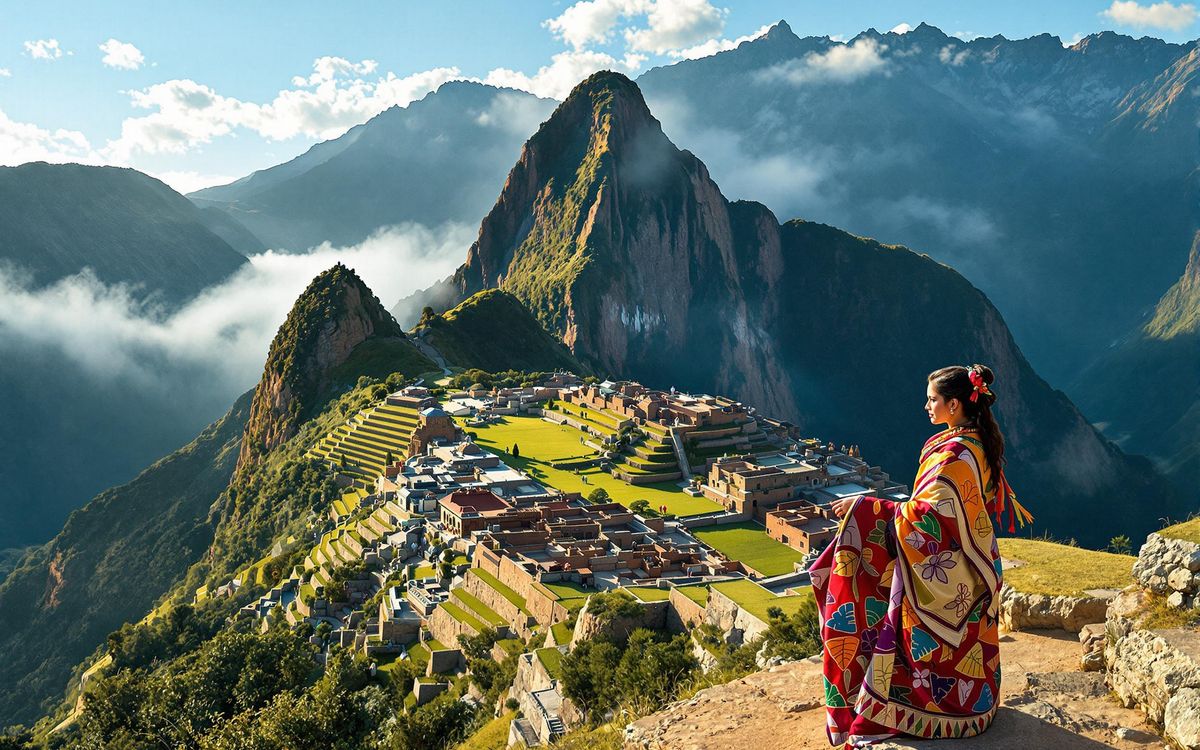
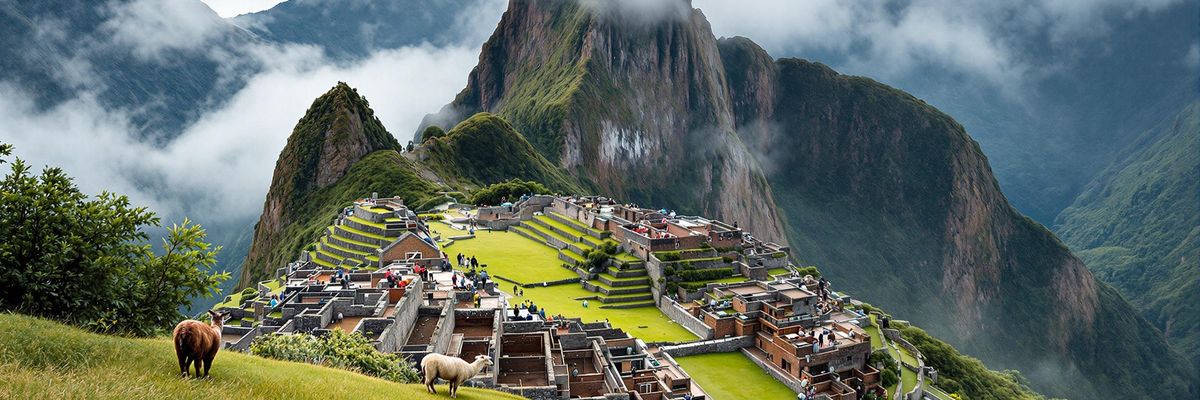
Consider Machu Picchu, the iconic Inca citadel nestled high in the Peruvian Andes. UNESCO recommends a daily visitor limit of 2,500, yet this number is routinely exceeded, especially during peak season, with numbers reaching over 5,000. The consequences are dire: erosion of trails, damage to the delicate stonework, and the desecration of a sacred space.
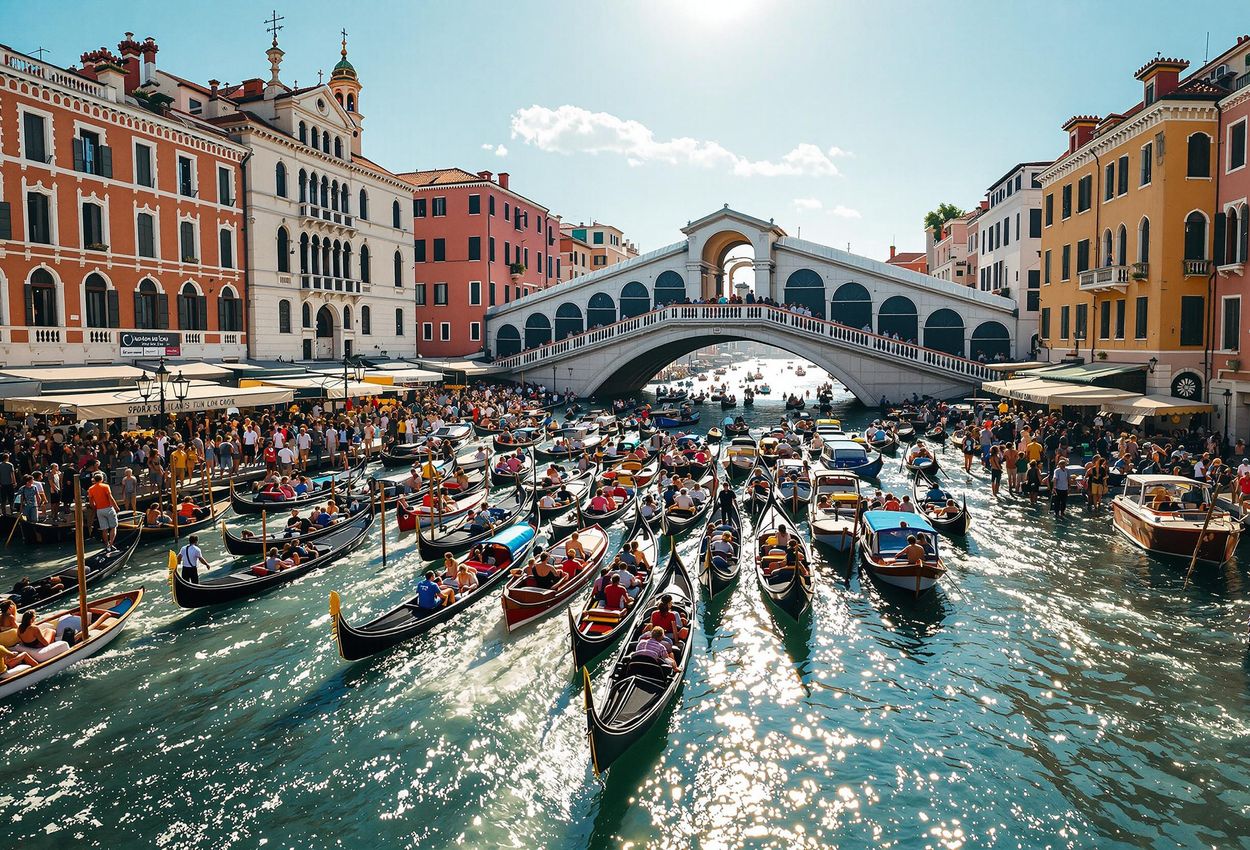
In Venice, Italy, a city built on water and steeped in history, the situation is equally critical. The sheer volume of tourists – some estimates suggest 20 million annually – dwarfs the dwindling local population, now numbering less than 50,000. This influx leads to overcrowding, rising living costs, and a gradual erosion of the city's unique cultural identity, as souvenir shops replace traditional businesses and residents are priced out of their homes. The once-serene canals are now choked with gondolas and tour boats, and the narrow streets teem with selfie-snapping crowds, transforming the city into a shadow of its former self.
Overtourism places immense strain on local resources. Waste management systems struggle to cope, leading to pollution of the surrounding environment. Infrastructure, designed for a smaller population, buckles under the pressure. Local traditions are disrupted as communities are forced to cater to the demands of international visitors, often at the expense of their cultural authenticity.
The situation demands a fundamental shift in how we approach tourism, moving away from a model of unchecked growth towards one that prioritizes sustainability and respect for local communities and environments.
Erosion and Exploitation: The Physical Toll
The physical damage inflicted by overtourism is readily apparent at many ancient sites. Erosion, the gradual wearing away of stone and soil, is a particularly insidious threat. Constant foot traffic, especially in areas with fragile geological formations, accelerates this process, leaving behind scarred landscapes and weakened structures.
Petra, the ancient Nabataean city carved into the sandstone cliffs of Jordan, is a stark example. Millions of tourists traverse its narrowSiq and climb its monumental facades each year, contributing to the erosion of the delicate sandstone. Studies have shown that touching, leaning, and rubbing the surfaces of iconic structures like the Khazneh (Treasury) have caused significant recession of the stone over relatively short periods.
The Great Wall of China, a symbol of human ingenuity and perseverance, also faces significant challenges. Sections of the wall have been overrun by tourists, leading to erosion and damage. Vandalism, in the form of graffiti and the removal of bricks as souvenirs, further exacerbates the problem. In some areas, inappropriate development, such as the construction of tourism facilities, has marred the landscape and detracted from the wall's historical integrity.
Even the mighty Colosseum in Rome is not immune. Constant foot traffic, coupled with environmental factors like pollution, threatens the structural integrity of this ancient amphitheater. Vandalism, including the etching of names and initials into the stone, is an ongoing concern, prompting authorities to impose hefty fines and increase security measures.
Littering is another pervasive problem, marring the beauty of ancient sites and contributing to environmental degradation. Discarded plastic bottles, food wrappers, and cigarette butts accumulate, creating an unsightly mess and posing a threat to local ecosystems.
These examples underscore the urgent need for effective management strategies to mitigate the physical impact of overtourism and protect these invaluable sites for future generations.
Culture Under Siege: Authenticity Lost
Beyond the physical damage, overtourism can also lead to a profound erosion of cultural authenticity. As local traditions are commodified and adapted to cater to tourist expectations, their original meaning and significance can be diluted or lost altogether.
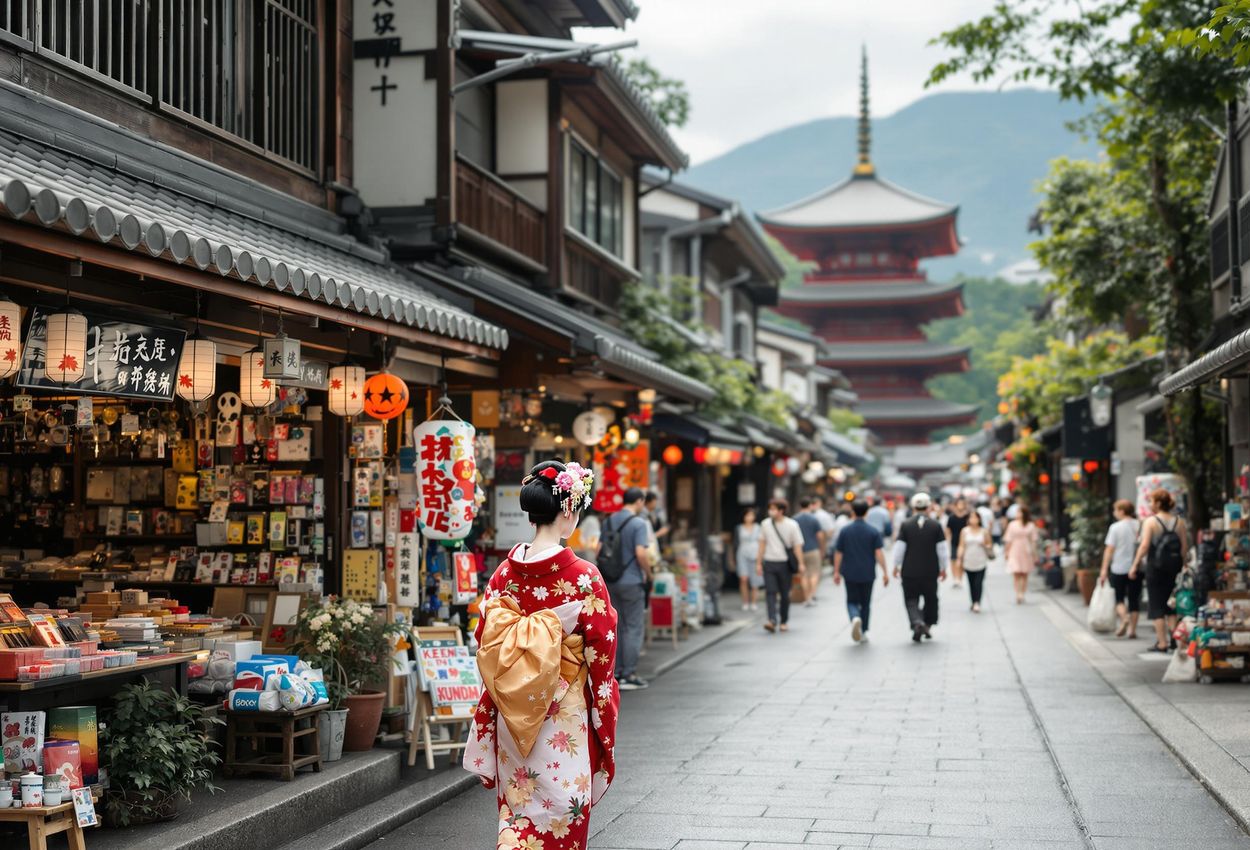
In Kyoto, Japan, the influx of tourists has disrupted the daily lives of residents and strained local resources. Traditional neighborhoods have become overrun with souvenir shops and tourist-oriented businesses, displacing local enterprises and altering the character of the city. The constant crowds on buses and trains have inconvenienced residents and diminished the quality of life in what was once a serene and culturally rich city.
At Machu Picchu, indigenous communities find their cultural identity undermined as they are pressured to meet the demands of international visitors. Traditional practices and beliefs are often sidelined in favor of staged performances and commercialized experiences, diluting the authenticity of the site and its cultural heritage.
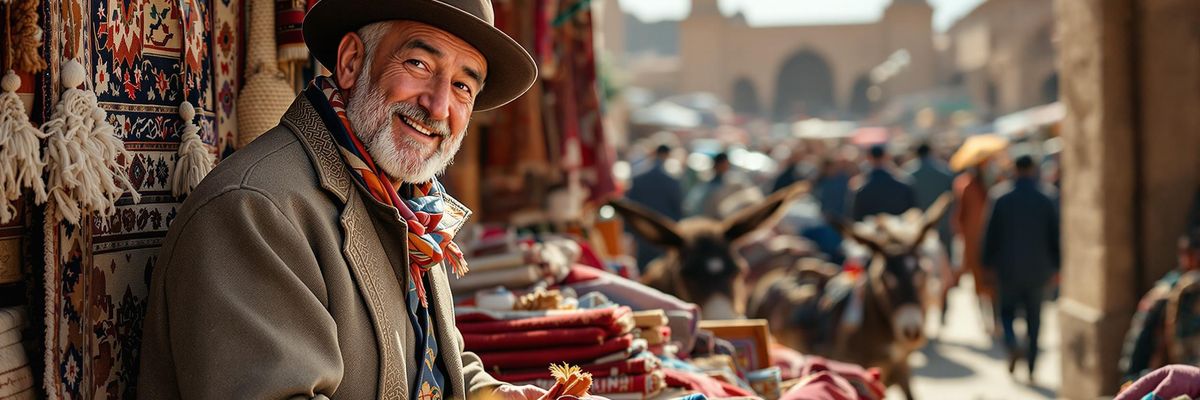
The commodification of cultural heritage can also lead to the exploitation of local communities. Souvenir vendors may sell mass-produced items that have little connection to local traditions, while tour operators may prioritize profits over the well-being of local guides and porters.
Preserving cultural authenticity requires a concerted effort to engage with local communities, support traditional practices, and promote responsible tourism that respects local values and customs.
The Economic Mirage: Uneven Benefits
While tourism can generate significant revenue, the economic benefits are often unevenly distributed, with wealthy corporations capturing the lion's share of the profits while local communities are left with minimal gains. This disparity can exacerbate social inequalities and lead to resentment towards the tourism industry.
In Venice, rising living costs, driven by the demand for tourist accommodations and services, have displaced many local residents, forcing them to move to the mainland. The city's once-vibrant neighborhoods are becoming increasingly depopulated, as apartments are converted into short-term rentals and traditional businesses are replaced by tourist traps.
The influx of tourists can also drive up the prices of essential goods and services, making them less affordable for local residents. This can create a situation where locals are priced out of their own communities, unable to afford the very things that make their city unique.
Furthermore, many tourists, particularly day-trippers, spend relatively little money in the local economy, contributing to overcrowding without providing a significant economic boost. These visitors may bring their own food and drinks, purchase souvenirs from chain stores, and leave little behind to support local businesses.
To ensure that tourism benefits local communities, it is essential to promote responsible tourism practices that prioritize local businesses, support fair wages, and invest in community development projects.
Sustainable Solutions: A Path Forward
Combating the negative effects of overtourism requires a multi-faceted approach, encompassing sustainable tourism practices, responsible tourist behavior, and effective site management.
Sustainable tourism, at its core, seeks to minimize the negative impacts of tourism while maximizing the benefits for local communities and the environment. This involves promoting low-impact activities, such as hiking, cycling, and cultural excursions, that minimize environmental damage and support local businesses.
Responsible tourism practices also emphasize the importance of respecting local cultures and traditions. Tourists should be encouraged to learn about the history and significance of the sites they visit, to dress appropriately, and to avoid behaviors that could be considered disrespectful.
Effective site management is crucial for protecting ancient sites from the ravages of overtourism. This includes implementing visitor limits, managing traffic flow, and investing in conservation and restoration efforts. Site managers should also work to educate visitors about the importance of preserving these sites and to promote responsible behavior.
One promising approach is community-based tourism, where local communities are actively involved in the planning and management of tourism activities. This ensures that tourism benefits local residents and that their voices are heard in decisions that affect their lives.
Ultimately, saving our past requires a collective effort, with tourists, site managers, and local communities working together to ensure that these invaluable sites are preserved for generations to come. By embracing responsible tourism practices and prioritizing sustainability, we can ensure that the echoes of history continue to resonate for centuries to come.