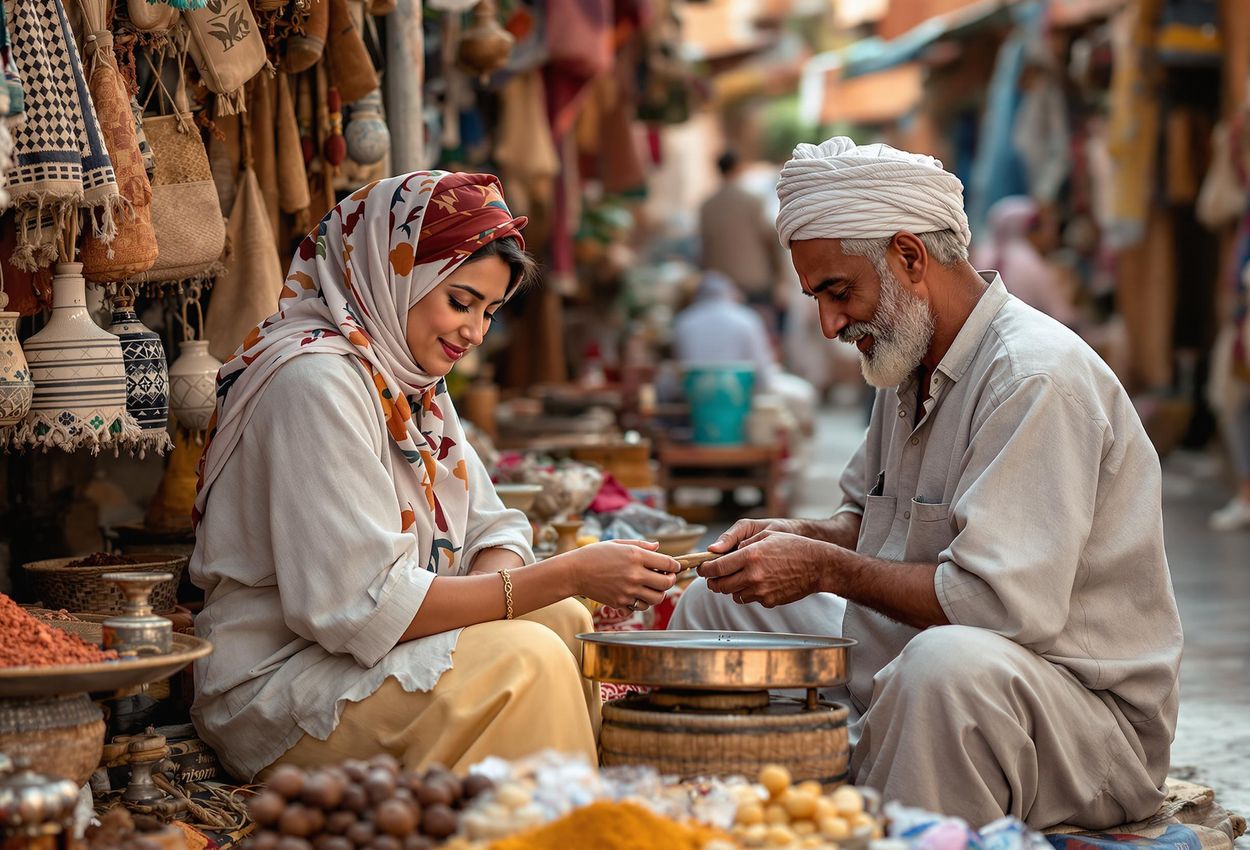
Embark on a journey through time, where cobblestone streets whisper tales of bygone eras and ancient ruins stand as silent witnesses to history. Planning a historical adventure is more than just visiting old sites; it's about immersing yourself in the culture, understanding the context, and respecting the legacy of the past.
Are you ready to trade your modern comforts for a taste of history? This guide provides practical tips and inspiration for crafting unforgettable historical travel experiences, ensuring your journey is both enriching and respectful.
Unearthing Your Destination Uncover Hidden History
The first step in planning a historical adventure is selecting a destination that resonates with your interests. Do you dream of exploring ancient civilizations, tracing the footsteps of великих leaders, or delving into significant cultural movements? The world is brimming with historically rich locations, each offering a unique glimpse into the past. Consider what eras, events, or figures captivate you most, and let that guide your destination choice.
Begin your research by exploring resources like UNESCO World Heritage sites , which designate landmarks and areas with legal protection due to their cultural, historical, or scientific significance. These sites offer a wealth of information and often provide guided tours and educational programs. Delve into the archives of historical societies and online databases to uncover hidden gems and lesser-known stories about your chosen destination. Understanding the destination's past before you even begin to plan your trip will enrich your experience tenfold.
Consider lesser-known historical sites, such as the Hegra Archaeological Site in Saudi Arabia, which offers a less crowded alternative to Petra. Or explore the Plantin-Moretus Museum in Belgium, a printing house and museum complex dating back to the 16th century. These sites provide a more intimate and unique historical experience.
Don't overlook local libraries and museums, which often hold valuable primary sources and artifacts related to the region's history. Engage with local historians and experts who can provide insider knowledge and unique perspectives on the destination's past. By immersing yourself in research, you'll gain a deeper appreciation for the historical significance of your chosen location and be better prepared to explore it responsibly.
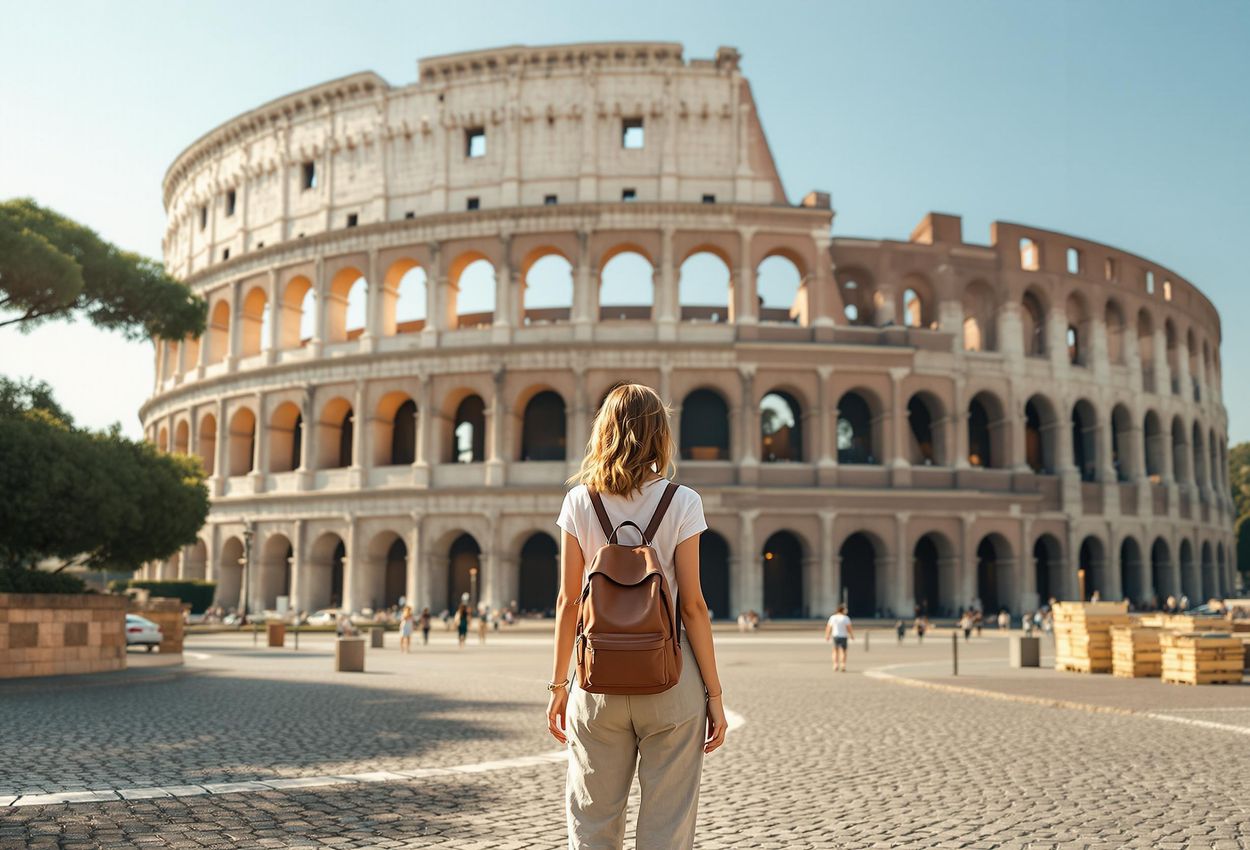
Step Back in Time Choosing Historic Accommodations
To truly immerse yourself in history, consider choosing accommodations that reflect the character and charm of your destination. Staying in historic hotels, castles, or guesthouses can enhance your experience and transport you back in time. These accommodations often have unique stories to tell and offer a glimpse into the lives of those who came before you.
Platforms like Historic Hotels Worldwide offer a curated collection of historic treasures, including castles, chateaus, palaces, and villas. Research the history of the accommodation and its role in the local community. Was it once a royal residence, a merchant's house, or a haven for artists and intellectuals? Understanding the building's past will add another layer of depth to your stay.
For example, the Grand Hotel La Cloche Dijon-MGallery in Dijon, France, has been an iconic symbol in the city for seven centuries. Or consider the Castlemartyr Resort in Cork, County Cork, Ireland, which was inducted into Historic Hotels Worldwide in 2022. By choosing accommodations with historical significance, you'll not only enjoy a comfortable stay but also contribute to the preservation of these unique landmarks.
Even if you can't stay in a historic hotel for your entire trip, consider incorporating a night or two into your itinerary. This will give you a taste of the past and create lasting memories. When booking your accommodation, inquire about historical tours or presentations offered on-site. Many historic hotels have knowledgeable staff who can share fascinating stories about the building's past.

Engage the Senses Immersive Activities Await
History comes alive when you engage your senses and participate in immersive activities that transport you back in time. Visit museums, but don't just passively observe the exhibits. Attend historical reenactments, where actors bring historical events to life through dramatic performances and demonstrations. Explore archaeological sites and imagine the lives of those who once inhabited these ancient spaces.
Participate in local festivals and traditions that have been passed down through generations. These events offer a unique opportunity to witness cultural practices and connect with the community. Engage with local artisans and learn about traditional crafts and techniques. Take a cooking class and sample traditional cuisine, savoring the flavors that have shaped the region's culinary heritage.
Learning a few basic phrases in the local language can enhance your interactions with locals and demonstrate your respect for their culture. Don't be afraid to strike up conversations with residents and ask them about their experiences and perspectives on local history. Their stories can provide invaluable insights and create meaningful connections.
Consider visiting historical bars and lounges, such as those recognized by Historic Hotels Worldwide, which preserve their original architecture and historic ambiance. These venues offer a unique cultural experience and a chance to socialize in a setting that evokes the past. By actively engaging with the local culture and history, you'll transform your trip into an immersive and unforgettable adventure.
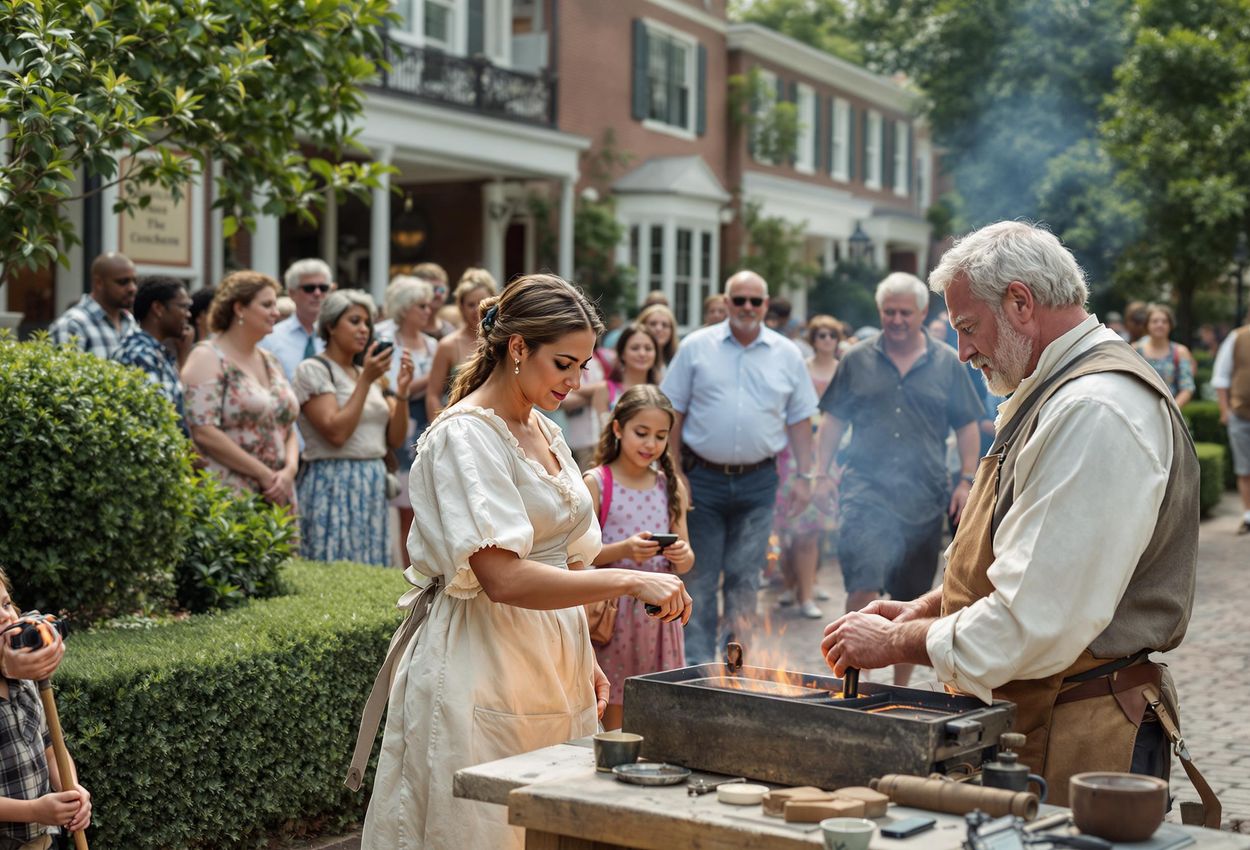
Pack Like an Explorer Essential Gear and Attire
Packing for a historical adventure requires careful consideration of the climate, terrain, and cultural norms of your destination. Comfortable walking shoes are essential, as you'll likely be spending a significant amount of time exploring historical sites and navigating cobblestone streets. Choose shoes that provide good support and cushioning to prevent fatigue and injuries.
When visiting religious sites, dress modestly and respectfully, covering your shoulders and knees. Lightweight and breathable fabrics are ideal for warm climates, while layers are recommended for cooler regions. Pack essential documents such as your passport, visa, and travel insurance information. Bring a reusable water bottle to stay hydrated and minimize your environmental impact.
A small first-aid kit is always a good idea, containing essentials such as bandages, antiseptic wipes, pain relievers, and any personal medications. A portable charger will ensure that your electronic devices stay powered up throughout the day. Consider packing a phrasebook or language learning app to facilitate communication with locals.
Depending on your destination, you may also want to pack items such as sunscreen, insect repellent, a hat, and sunglasses. A travel journal can be a valuable tool for recording your experiences and reflections during your historical adventure.

Respect the Past Responsible Travel Practices
Responsible travel and cultural sensitivity are paramount when embarking on a historical adventure. Before your trip, take the time to learn about the local customs, traditions, and social norms of your destination. Understanding these cultural nuances will help you avoid unintentional offenses and demonstrate your respect for the local community.
Support local businesses by purchasing goods and services from local vendors and artisans. This will help to stimulate the local economy and preserve traditional crafts and trades. Minimize your environmental impact by reducing your waste, conserving water, and using sustainable transportation options. Be mindful of social customs and taboos, such as dress codes, dining etiquette, and non-verbal communication.
Seek permission before taking photographs of people or sacred sites. Avoid engaging in stereotypes or preconceived notions about the local culture. Be open-minded and willing to learn from your experiences. When visiting historical sites, treat them with respect and avoid touching or damaging artifacts. Support cultural preservation efforts by donating to local organizations or participating in conservation projects.
By practicing responsible travel and cultural sensitivity, you'll not only enrich your own experience but also contribute to the preservation of cultural heritage and the well-being of local communities. Remember that you are a guest in their home, and your actions can have a lasting impact. Embrace the opportunity to learn, connect, and contribute positively to the places you visit.