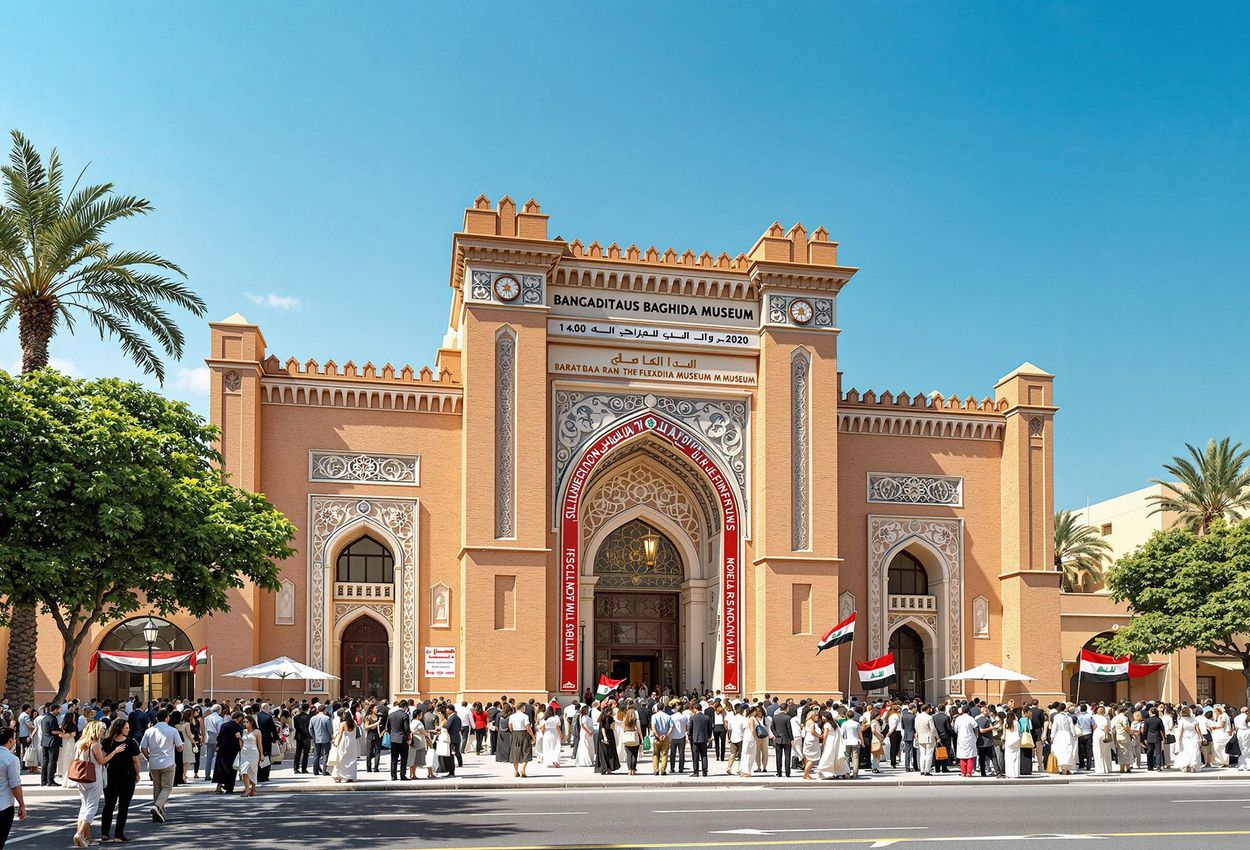
In a moment of profound cultural significance, the Baghdad Museum has reopened its doors, heralding a new chapter in Iraq's journey of rediscovery and reconciliation. After years of closure, the museum stands as a beacon of hope, a testament to the resilience of the Iraqi people and their unwavering commitment to preserving their heritage.
The atmosphere surrounding the reopening was electric, charged with a sense of national pride and anticipation. Dignitaries from around the globe, alongside a diverse assembly of Iraqi citizens, gathered to witness this momentous occasion. The air buzzed with excitement as visitors streamed through the museum's grand entrance, eager to reconnect with the treasures of their past.
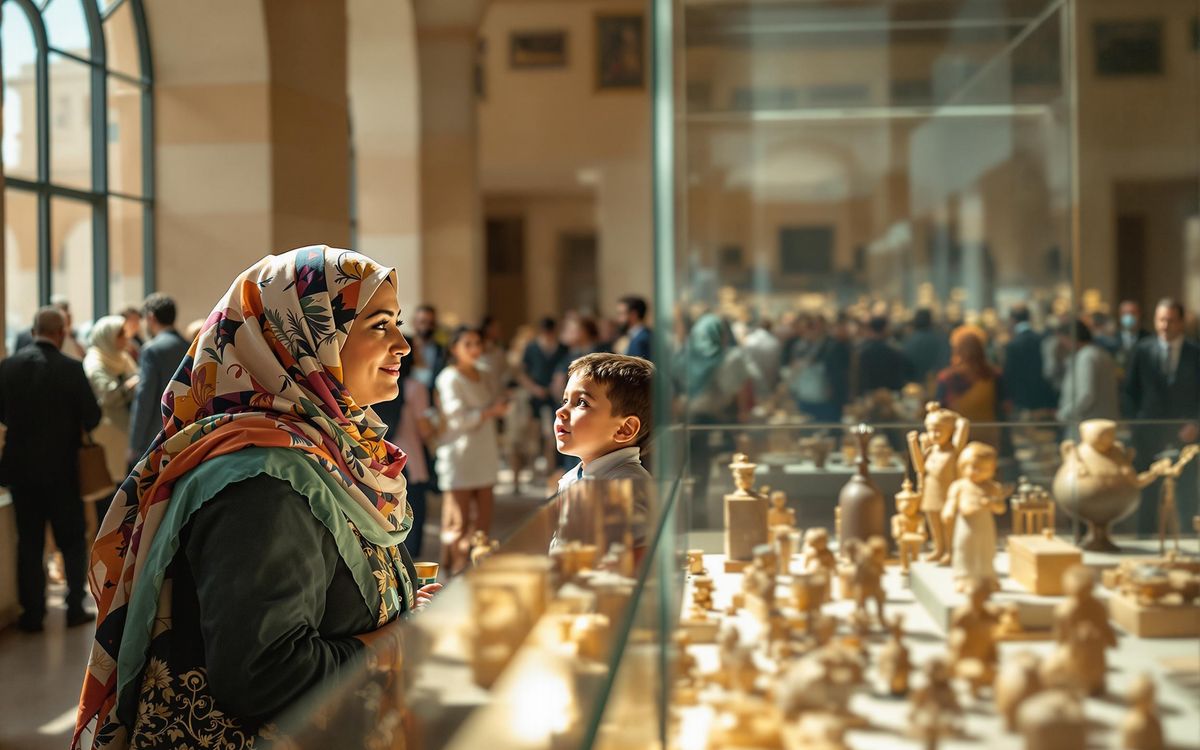
The revitalized museum space is a sight to behold. Painstaking restoration efforts have breathed new life into the building, enhancing its architectural splendor while preserving its historical integrity. Sunlight streams through newly installed windows, illuminating the intricate details of the exhibits and casting a warm glow on the faces of captivated visitors. The layout has been thoughtfully redesigned to create a seamless flow, guiding visitors on an immersive journey through Iraq's captivating history.
I am overwhelmed with emotion, shared Fatima, a local schoolteacher, her eyes sparkling with joy. To see our history displayed with such care and respect is truly inspiring. It is a gift to future generations, a reminder of who we are and where we come from. The reopening of the Baghdad Museum is more than just the restoration of a building; it is the revival of a nation's spirit.
Guardians of Memory: Curators' Dedication Unveiled
Behind the scenes, the reopening of the Baghdad Museum is a story of unwavering dedication and tireless effort. Curators and historians have worked tirelessly to preserve and restore artifacts, often under challenging circumstances. Their commitment to safeguarding Iraq's cultural heritage is a testament to their passion and expertise.
Dr. Layla, a renowned archaeologist who has dedicated her life to the study of Mesopotamian civilizations, shared insights into the challenges faced during the museum's restoration. The looting and damage that occurred in the past were devastating, she explained, her voice filled with emotion. But we were determined to recover what was lost and to protect what remained.
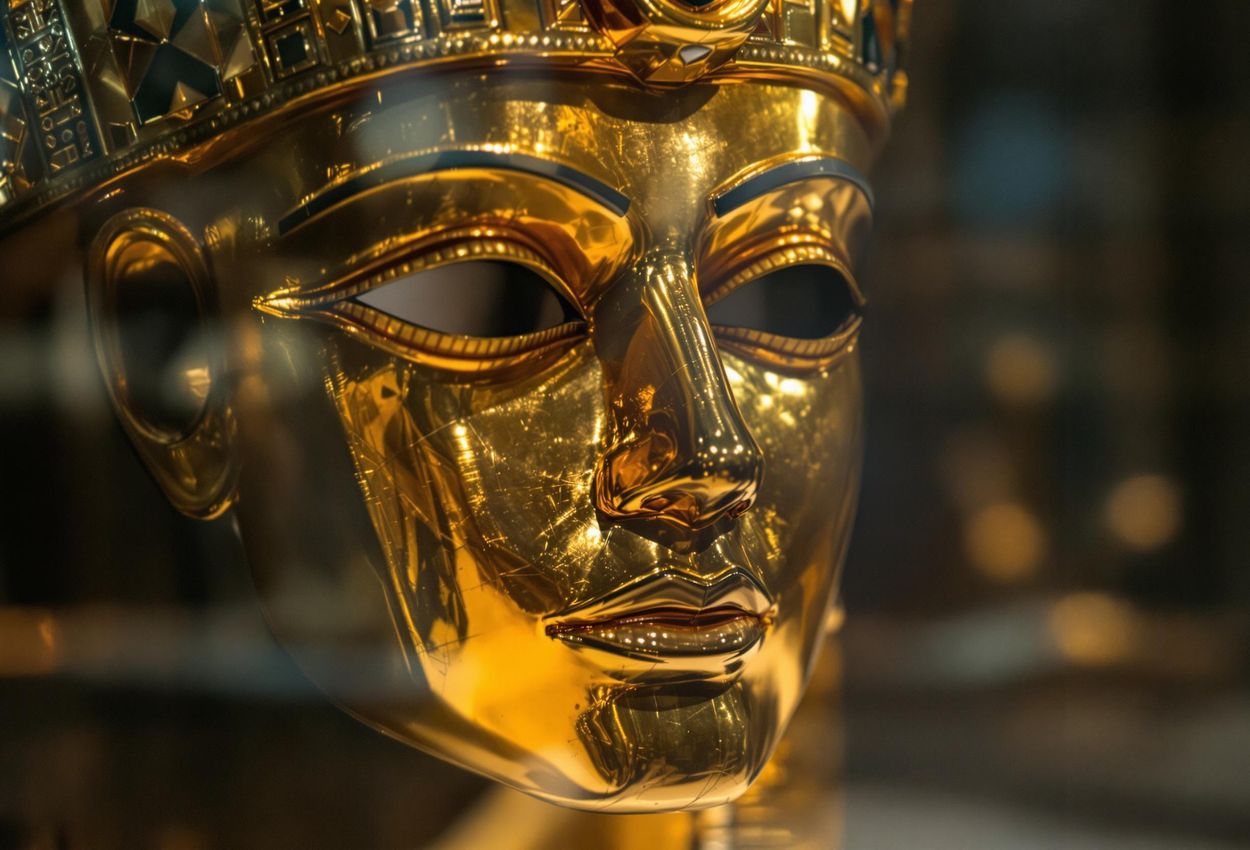
One artifact that Dr. Layla is particularly proud to showcase is a stunning gold mask from the ancient city of Nimrud. Dating back to the 9th century BCE, the mask is a masterpiece of Assyrian craftsmanship, adorned with intricate details and precious stones. This mask is a symbol of the power and sophistication of Mesopotamian civilization, Dr. Layla explained. It tells a story of kings and queens, of empires and conquests.
The efforts to protect the museum's collection from looting and damage during conflict were extensive. Before the 2003 invasion, curators worked to move and hide many of the museum's most valuable artifacts. These actions proved crucial in preserving a significant portion of Iraq's cultural heritage during a time of great instability.
Preserving Iraqi heritage is not just about protecting objects, Dr. Layla emphasized. It is about preserving our identity, our history, and our connection to the past. It is our responsibility to ensure that future generations have the opportunity to learn from and appreciate the treasures of our ancestors.
Whispers of Mesopotamia: Unveiling Ancient Treasures
The Baghdad Museum is home to an unparalleled collection of artifacts from the Sumerian, Akkadian, Assyrian, and Babylonian civilizations. These treasures offer a glimpse into the lives, beliefs, and achievements of the people who shaped Mesopotamian society.
The Nimrud gold collection is a highlight of the museum, showcasing the exquisite jewelry and precious stone figures discovered in the royal tombs of Nimrud. Each piece reflects the wealth and artistry of the Assyrian Empire, offering a window into the opulent lives of its rulers.
The stone carvings and cuneiform tablets from Uruk provide invaluable insights into Mesopotamian society. These artifacts reveal details about their writing system, laws, and religious beliefs. The Code of Hammurabi, one of the oldest known legal codes, stands as a testament to the advanced legal and social structures of Babylonian society.
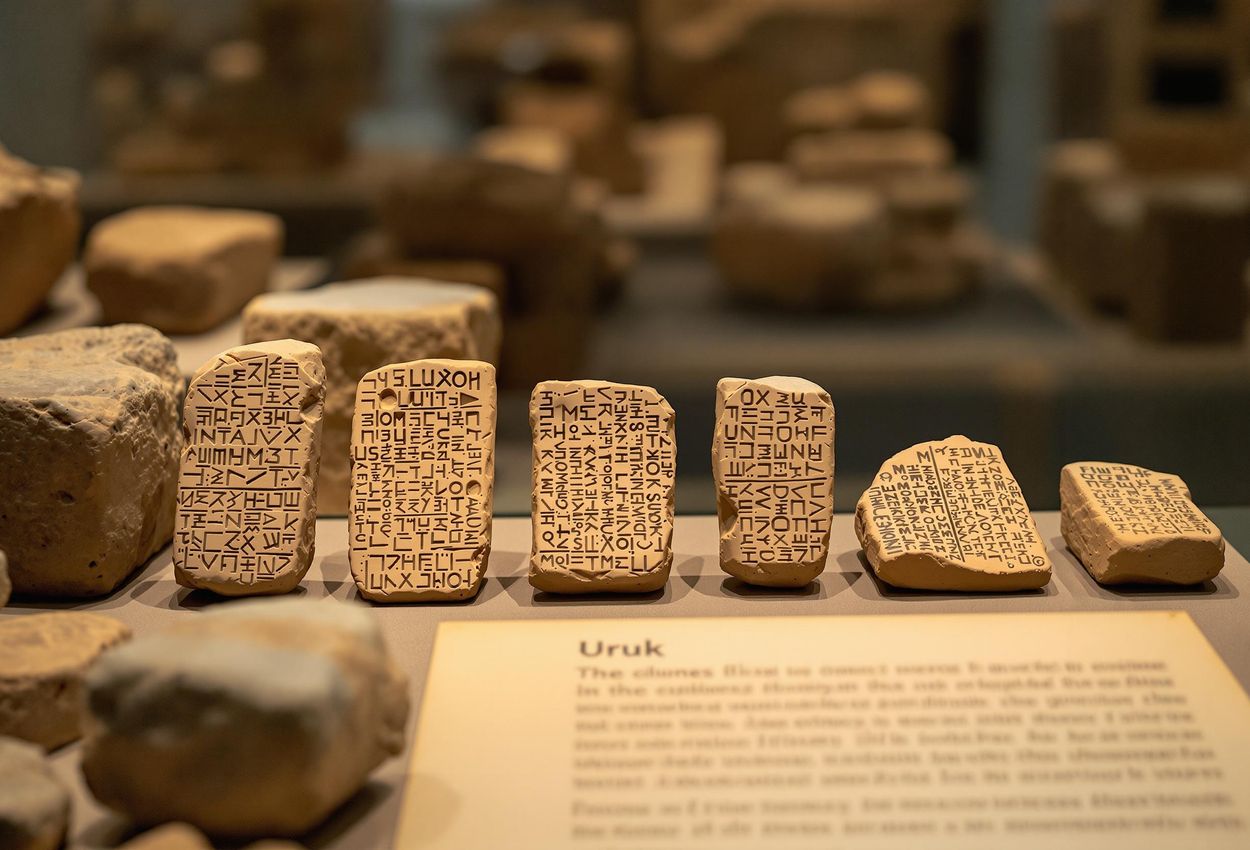
Imagine holding a cuneiform tablet in your hands, feeling the weight of history and the echoes of ancient voices. These are not just objects; they are portals to another time, inviting us to explore the mysteries of the past. The treasures of Mesopotamia come to life within the walls of the Baghdad Museum, captivating visitors with their beauty and historical significance.
A Living Tapestry: Islamic Art's Resplendent Display
The Baghdad Museum also boasts an impressive collection of Islamic art and artifacts, showcasing the cultural and intellectual achievements of the Islamic world. Pieces from the Abbasid period, known for its intricate calligraphy, ceramics, and metalwork, are prominently featured.
The delicate calligraphy adorning ancient Qurans demonstrates the reverence for the written word in Islamic culture. The vibrant colors and geometric patterns of the ceramics reflect the artistic innovation of the time. The metalwork, with its intricate designs and exquisite craftsmanship, showcases the skill of Islamic artisans.
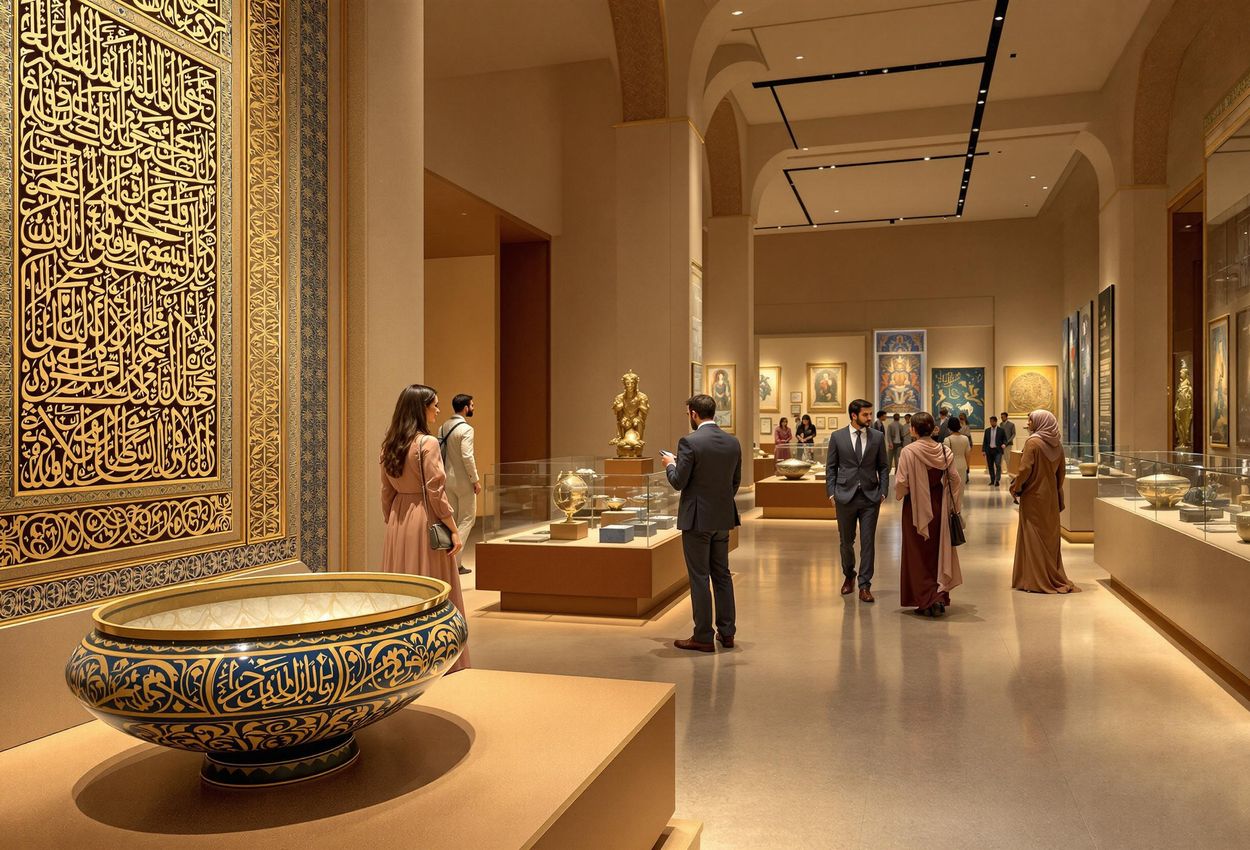
Preserving these artifacts presents unique challenges, given the climate and security concerns in the region. The museum employs advanced conservation techniques to protect the delicate materials from damage, ensuring that these treasures can be enjoyed by future generations.
These artifacts serve as a reminder of the rich cultural exchange that took place in Baghdad during the Abbasid period, when the city was a center of learning and innovation. The Islamic art galleries offer a glimpse into a golden age of intellectual and artistic achievement.
Echoes of the Past: Visitors Connect with History
The true measure of the Baghdad Museum's success lies in the connections it fosters between visitors and their history. The museum is a place where personal stories intersect with historical narratives, creating a powerful and meaningful experience.
I witnessed a touching interaction between a young boy and an exhibit featuring ancient toys. His eyes lit up as he recognized the similarities between the toys of the past and the ones he plays with today. In that moment, the boy was not just learning about history; he was connecting with it on a personal level.

This museum has helped me understand my heritage in a way I never thought possible, shared Ahmed, a university student. It has given me a sense of pride and a deeper appreciation for the sacrifices of my ancestors. I now understand the importance of preserving our history for future generations.
The reopening of the Baghdad Museum is a victory for all who believe in the power of culture to heal and unite. It is a symbol of hope, a testament to the resilience of the Iraqi people, and a celebration of the rich heritage that makes Iraq such a unique and important place in the world.
The Baghdad Museum stands as a testament to the enduring spirit of Iraq, inviting visitors from around the globe to witness the remarkable story etched in its artifacts. It is more than a museum; it is a vibrant, breathing testament to a land of unparalleled historical significance.