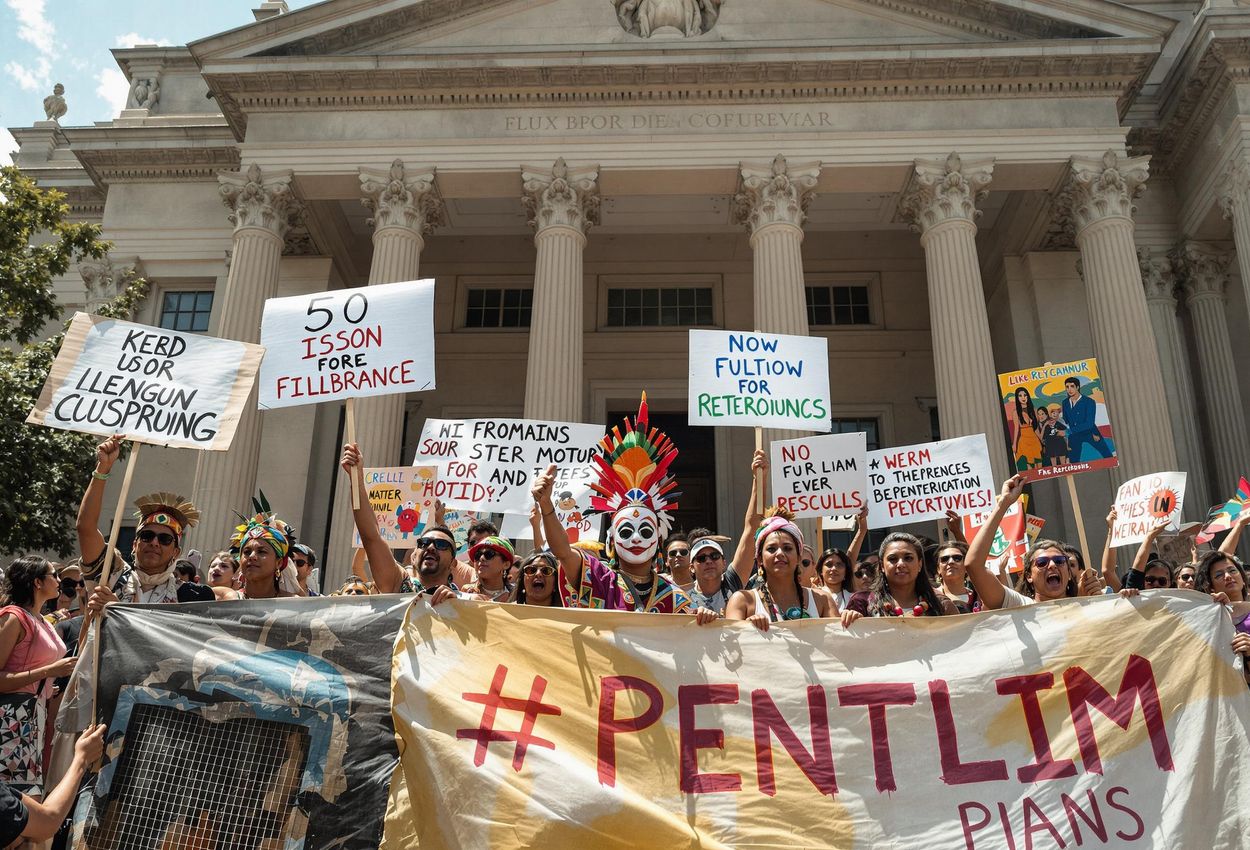
The repatriation of artifacts, a growing movement demanding the return of cultural treasures to their countries of origin, is no longer a fringe issue but a central debate in museums, academic circles, and international politics.
Fueled by ethical considerations, historical awareness, and a desire to rectify the wrongs of colonialism, the call for repatriation seeks to restore not just objects, but also cultural identity, historical justice, and community healing. This article explores the multifaceted dimensions of artifact repatriation, examining its legal frameworks, ethical dilemmas, and the profound impact it has on both the reclaiming nations and the institutions that have long held these contested objects.
From the well-known disputes surrounding the Elgin Marbles and the Benin Bronzes to lesser-known cases involving indigenous artifacts and human remains, the repatriation movement challenges us to reconsider the role of museums, the legacy of colonialism, and the very definition of cultural heritage in an increasingly interconnected world.
Echoes of Empire: Why Repatriation Matters Now
The demand for artifact repatriation is rooted in the historical injustices of colonialism, where cultural objects were often seized through force, coercion, or unequal power dynamics. These objects, ranging from religious artifacts and royal regalia to everyday tools and ancestral remains, represent more than just aesthetic or historical value; they embody the cultural identity, spiritual beliefs, and historical narratives of their originating communities. The repatriation movement asserts that retaining these objects in foreign institutions perpetuates the colonial legacy, denying source communities the right to connect with their heritage and reclaim their history.
Beyond the ethical imperative, repatriation is also driven by a growing awareness of the importance of cultural heritage in fostering social cohesion, national pride, and economic development. For many communities, the return of cultural objects can be a catalyst for cultural revitalization, language preservation, and the strengthening of traditional practices. Moreover, repatriated artifacts can become centerpieces of local museums and cultural centers, attracting tourists, generating revenue, and creating employment opportunities.
The increasing relevance of repatriation is further underscored by the changing geopolitical landscape, where post-colonial nations are asserting their sovereignty and demanding a more equitable distribution of cultural resources. As museums and governments grapple with these demands, the repatriation movement serves as a powerful reminder of the ongoing need to address historical injustices and promote cultural understanding in an increasingly interconnected world.
The Elgin Marbles: A Case Study in Contested Ownership
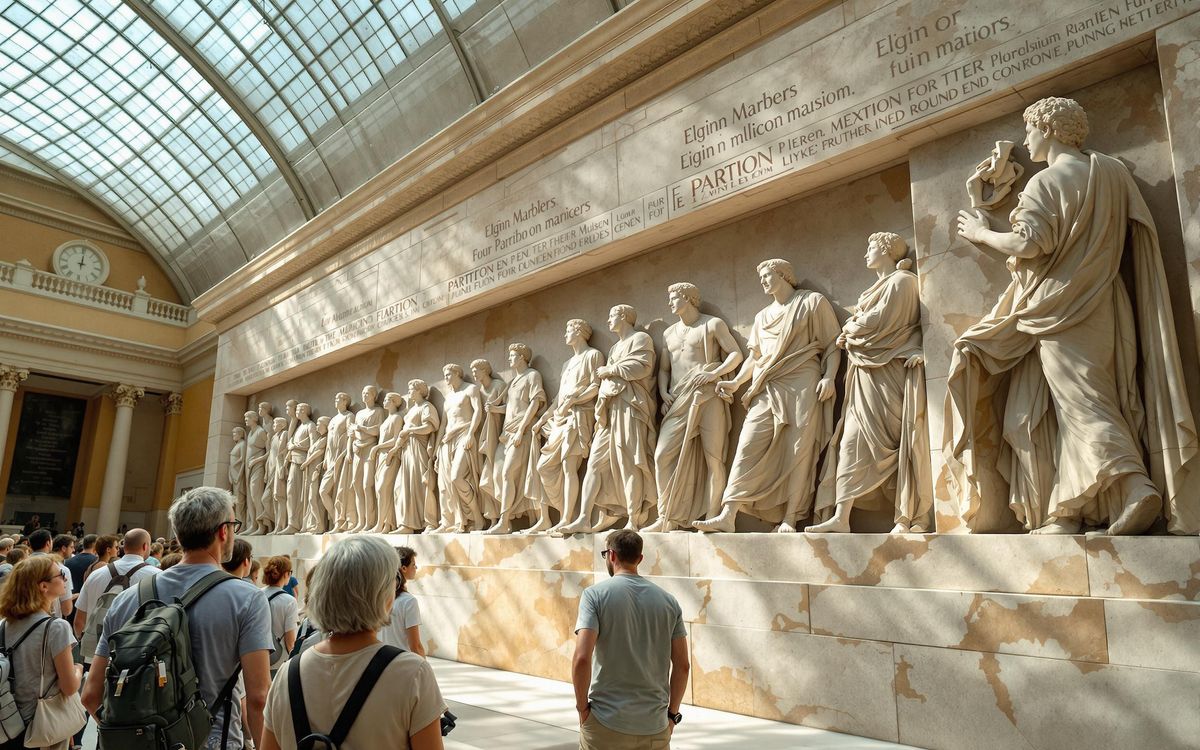
The dispute over the Elgin Marbles, also known as the Parthenon Marbles, stands as one of the most enduring and high-profile examples of contested ownership in the realm of cultural heritage. These classical Greek sculptures, originally part of the Parthenon in Athens, were removed by Lord Elgin in the early 19th century and subsequently sold to the British government. They have been housed in the British Museum ever since, becoming a centerpiece of its collection and a symbol of its universal museum ethos.
For Greece, the Elgin Marbles represent an integral part of its national identity and cultural heritage. The Greek government has consistently argued that the marbles were illegally removed during a time of foreign occupation and that their return is essential for the reunification of the Parthenon and the restoration of Greek cultural pride. The British Museum, on the other hand, maintains that it acquired the marbles legally and that it has provided them with a safe and accessible home for over two centuries. The museum also argues that returning the marbles would set a precedent that could lead to the dismantling of its collection and those of other major museums around the world.
The Elgin Marbles dispute highlights the complex legal, ethical, and political considerations that often underlie repatriation claims. It raises questions about the legitimacy of colonial-era acquisitions, the role of museums in preserving and displaying world heritage, and the balance between national claims and universal access to culture. Despite ongoing negotiations and public debates, the fate of the Elgin Marbles remains uncertain, serving as a potent symbol of the challenges and complexities of artifact repatriation.
Benin Bronzes: A Return to the Motherland
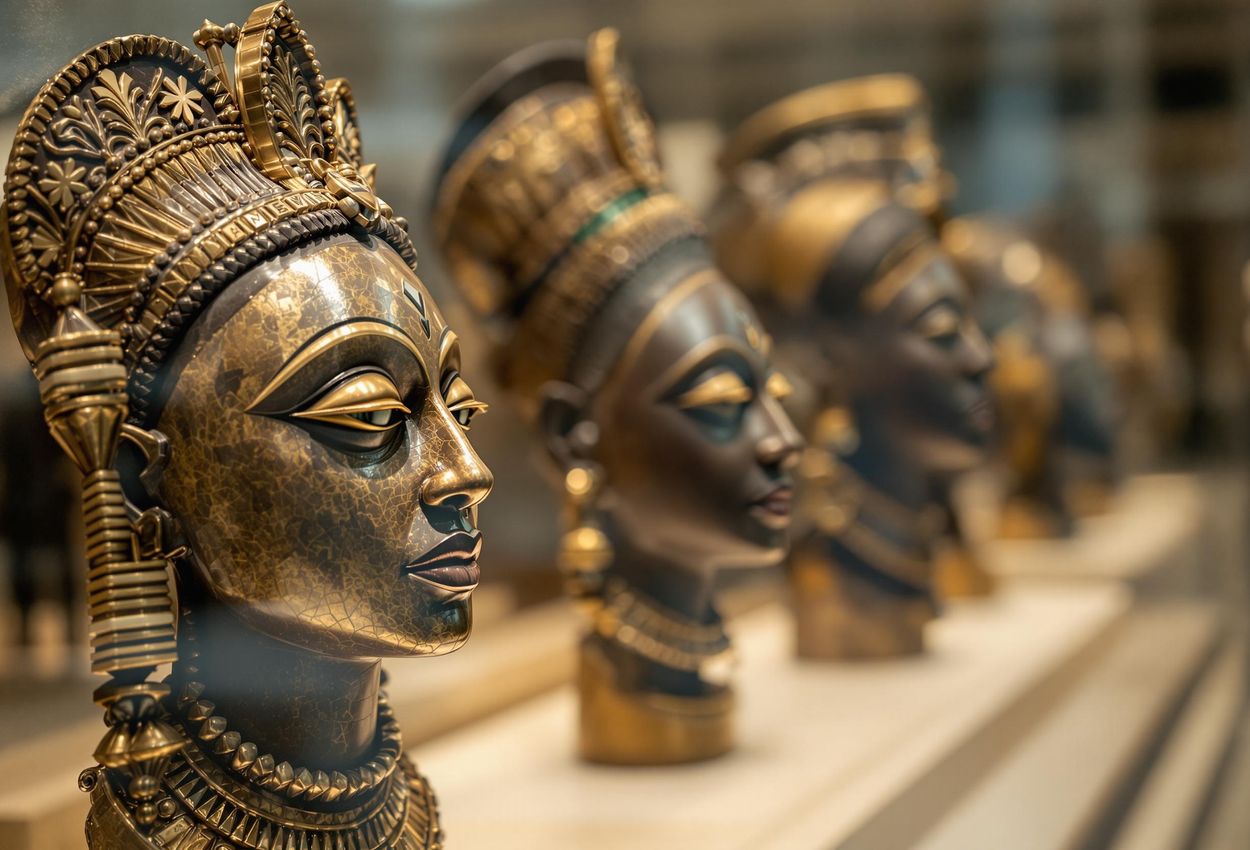
The Benin Bronzes, a collection of intricately crafted brass plaques and sculptures from the Kingdom of Benin (present-day Nigeria), represent another significant case in the repatriation movement. These objects were looted by British forces during a punitive expedition in 1897, following the killing of several British officials. They subsequently found their way into museums and private collections across Europe and North America, becoming iconic examples of African art and symbols of colonial plunder.
In recent years, there has been growing pressure on Western museums to return the Benin Bronzes to Nigeria. The Nigerian government and the Benin people have argued that the bronzes are essential to their cultural identity and historical memory and that their return would help to heal the wounds of colonialism. Several museums, including the Smithsonian National Museum of African Art and various German institutions, have responded to these calls by repatriating a significant number of Benin Bronzes to Nigeria.
The repatriation of the Benin Bronzes marks a significant step forward in the movement to decolonize museums and promote cultural justice. It demonstrates a growing recognition of the ethical imperative to return looted artifacts to their countries of origin and a willingness to engage in meaningful dialogue with source communities. However, the Benin Bronzes case also highlights the ongoing challenges of repatriation, including the need for provenance research, the negotiation of ownership claims, and the development of sustainable infrastructure for the care and display of returned objects.
Legal Frameworks: Navigating the Labyrinth of Ownership
The legal landscape governing artifact repatriation is complex and often ambiguous. International laws and conventions, such as the 1970 UNESCO Convention on the Means of Prohibiting and Preventing the Illicit Import, Export and Transfer of Ownership of Cultural Property and the 1995 UNIDROIT Convention on Stolen or Illegally Exported Cultural Objects, provide a framework for addressing the issue of cultural property. However, these conventions have limitations, including their non-retroactive application and their focus on state-to-state claims, which can exclude indigenous communities and other non-state actors.
National laws, such as the Native American Graves Protection and Repatriation Act (NAGPRA) in the United States, offer stronger protections for certain types of cultural property. NAGPRA requires federal agencies and institutions that receive federal funding to repatriate Native American human remains and cultural items to their affiliated tribes. Similar legislation exists in other countries, but the scope and enforcement of these laws vary widely.
The lack of a comprehensive and universally binding legal framework for artifact repatriation creates challenges in resolving disputes over ownership and facilitating the return of cultural objects. Many cases are ultimately decided through negotiation, mediation, or public pressure, rather than strict legal interpretation. This underscores the importance of ethical considerations and collaborative approaches in addressing the complex issues surrounding artifact repatriation.
Provenance Matters: Unraveling the History of an Artifact
Provenance, the documented history of an artifact's ownership and custody, plays a crucial role in repatriation claims. Establishing a clear and unbroken chain of ownership can help to determine the legitimacy of a claim and to identify any instances of looting, theft, or illegal export. However, tracing the provenance of an artifact can be a daunting task, particularly for objects that have been circulating for centuries.
Provenance research involves examining historical records, museum archives, auction catalogs, and other sources to piece together an artifact's past. This process can be complicated by incomplete or falsified records, the destruction of evidence during war or political upheaval, and the involvement of multiple actors with conflicting interests. In some cases, scientific techniques, such as carbon dating and DNA analysis, can be used to supplement historical documentation and to verify an artifact's origins.
Transparency and ethical practices in museum acquisitions and collections management are essential for promoting responsible stewardship of cultural heritage and for preventing future disputes over ownership. Museums should conduct thorough provenance research before acquiring new objects and should be willing to share their findings with source communities and other stakeholders. They should also develop policies for addressing claims of illegal or unethical acquisition and for facilitating the repatriation of artifacts when appropriate.
The Role of Museums: Custodians or Colonizers?
The debate over artifact repatriation often centers on the role of museums: are they custodians of world heritage, preserving and displaying cultural objects for the benefit of all humanity, or are they perpetuators of colonial power dynamics, holding onto objects that rightfully belong to their countries of origin?. The concept of 'universal museums,' which argues that certain institutions have a responsibility to collect and display objects from around the world, has been used to justify the retention of artifacts acquired during colonial times. Proponents of this view argue that universal museums provide a unique opportunity for visitors to encounter diverse cultures and to learn about the shared history of humanity.
Critics of the universal museum model contend that it perpetuates a Eurocentric perspective on cultural heritage and that it ignores the historical injustices that led to the acquisition of many objects in Western collections. They argue that museums have a moral obligation to prioritize the rights of source communities and to facilitate the return of artifacts that were looted or stolen. Alternative models of cultural exchange, such as long-term loans, joint exhibitions, and collaborative research projects, offer ways to share cultural heritage without relinquishing ownership. These models can foster greater understanding and appreciation of diverse cultures while respecting the rights and interests of source communities.
Ethical Considerations: Balancing Rights and Responsibilities
Artifact repatriation raises a number of complex ethical dilemmas. Balancing the rights of source communities to reclaim their cultural heritage with the responsibilities of museums to preserve and display objects for the public good requires careful consideration of multiple perspectives. The spiritual and cultural significance of artifacts to their original owners must be weighed against concerns about the ability of some countries to adequately protect and care for repatriated objects.
The potential for political instability or conflict in source countries also raises ethical questions about the timing and conditions of repatriation. In some cases, returning artifacts to unstable regions could put them at risk of theft, damage, or destruction. However, delaying repatriation indefinitely based on these concerns could also be seen as perpetuating the colonial legacy and denying source communities their rightful access to their heritage.
Addressing these ethical dilemmas requires a commitment to dialogue, collaboration, and mutual respect. Museums, governments, and source communities must work together to develop ethical guidelines and best practices for artifact repatriation that prioritize the interests of all stakeholders. This includes conducting thorough provenance research, engaging in meaningful consultations with source communities, and providing resources and support for the long-term preservation and accessibility of repatriated artifacts.
Successful Repatriations: Stories of Restitution and Reconciliation
Despite the challenges and complexities of artifact repatriation, there have been numerous successful examples of restitution and reconciliation. The return of the Roman sculpture of Herakles to Turkey by the Museum of Fine Arts Boston, the return of a bronze statue of Shiva to India by the National Gallery of Australia, and the return of the Piprahwa gems to India are just a few examples of how repatriation can have a positive impact on cultural identity, community healing, and international relations.
These successful repatriations demonstrate the importance of open communication, mutual trust, and a willingness to compromise. They also highlight the role of provenance research in establishing the legitimacy of claims and the importance of providing resources and support for the long-term preservation and accessibility of returned objects. By showcasing these success stories, the repatriation movement can inspire other institutions and governments to take action and to prioritize the return of cultural heritage to its rightful owners.

Unresolved Disputes: The Roadblocks to Repatriation
While there have been many successful repatriations, numerous disputes remain unresolved, highlighting the legal, political, and logistical obstacles that can hinder the return of artifacts. The ongoing dispute over the bust of Nefertiti in the Neues Museum in Berlin exemplifies the challenges of repatriation when national pride, economic interests, and institutional resistance are at play.
Egypt has repeatedly requested the return of the bust, arguing that it was illegally removed from the country in 1913. The German government and the Neues Museum, however, maintain that the bust was acquired legally and that it is too fragile to be moved. They also argue that the bust is a vital part of Berlin's cultural landscape and that its return would set a dangerous precedent.
The Nefertiti bust dispute underscores the importance of addressing the underlying power dynamics and historical injustices that often fuel repatriation claims. It also highlights the need for greater transparency and ethical practices in museum acquisitions and collections management. By acknowledging the complexities of these disputes and by engaging in open and honest dialogue, museums and governments can work towards finding mutually acceptable solutions that respect the rights and interests of all stakeholders.
A Path Forward: Concrete Solutions for Resolving Disputes
Resolving disputes over artifact ownership and facilitating repatriation requires a multifaceted approach that addresses the legal, ethical, and practical challenges involved. Establishing independent committees to assess claims and examine provenance reports can help to ensure impartiality and to promote transparency. These committees should include representatives from museums, governments, source communities, and other relevant stakeholders.
Increased dialogue and collaboration between museums, governments, and source communities are essential for building trust and for finding mutually acceptable solutions. This includes engaging in meaningful consultations with source communities, sharing information about collections and acquisitions, and developing joint research projects. Ethical guidelines and best practices for artifact acquisition and repatriation should be developed and implemented by museums and governments. These guidelines should prioritize the rights of source communities, promote transparency and accountability, and encourage the responsible stewardship of cultural heritage.
The Future of Heritage: A World Where Culture Knows No Borders?
The repatriation movement has profound implications for the future of cultural heritage. Envisioning a world where cultural objects are shared more equitably and accessibly, fostering greater understanding and appreciation of diverse cultures, requires a shift in mindset and a commitment to collaboration. Technology can play a role in preserving and disseminating cultural heritage, such as through digital archives and virtual museums.
Digital repatriation, the process of creating and sharing digital representations of cultural objects with source communities, offers a way to provide access to heritage without physically removing objects from museums. Virtual museums and augmented reality can enhance the visitor experience and promote cultural understanding by providing interactive and immersive access to cultural heritage. By embracing these new technologies and by fostering a spirit of collaboration and mutual respect, we can create a world where culture knows no borders and where the benefits of cultural heritage are shared by all.
Beyond Ownership: Intellectual Property and Indigenous Knowledge
The concept of cultural artifacts as intellectual property offers a valuable framework for protecting indigenous knowledge and cultural rights. This perspective recognizes that cultural objects are not merely physical items but also embodiments of traditional knowledge, artistic expression, and spiritual beliefs. By asserting intellectual property rights over their cultural heritage, indigenous communities can control the use and dissemination of their knowledge and prevent its misappropriation or exploitation.
Respecting the spiritual and cultural significance of artifacts to their original owners is paramount, even when legal ownership is unclear. This includes consulting with indigenous communities about the proper care and display of their cultural heritage and seeking their consent before using or reproducing their traditional knowledge. Recognizing indigenous peoples' right to self-determination regarding their cultural heritage is essential for promoting cultural justice and reconciliation. This includes supporting indigenous communities in their efforts to reclaim their heritage, to revitalize their cultures, and to exercise control over their traditional lands and resources.
The Human Rights Dimension: Cultural Objects and Community Identity
The human rights dimension in cultural objects restitution emphasizes the rights and concerns of non-state actors and the importance of cultural objects in manifesting the identity of specific communities. Human rights discourses, including the right of participation and self-determination, can bridge gaps in the international legal framework and promote fair solutions. Human rights courts and alternative dispute resolution forums can reinforce human rights in restitution claims.
The right to culture, as enshrined in international human rights law, recognizes the importance of cultural heritage for individual and community well-being. Denying communities access to their cultural heritage can have a detrimental impact on their identity, their social cohesion, and their ability to exercise their human rights. Therefore, artifact repatriation should be viewed not just as a matter of property rights, but as a matter of human rights.

Looting and Conflict: Protecting Cultural Heritage in Times of War
The looting and destruction of cultural heritage during armed conflicts is a grave concern. International organizations and governments play a crucial role in preventing and prosecuting these crimes. The challenges in recovering and repatriating artifacts looted during war, such as those from Iraq and Syria, are immense. Protecting cultural heritage is a means of preserving human dignity and promoting peace.
The destruction of cultural heritage is often a deliberate tactic used by warring parties to erase cultural identities and to undermine social cohesion. Protecting cultural heritage in times of conflict requires a coordinated effort involving military forces, international organizations, and local communities. This includes implementing measures to prevent looting and vandalism, providing training to military personnel on the importance of cultural heritage, and supporting local communities in their efforts to protect their cultural sites.
The Australian Context: Repatriation of Indigenous Artifacts
The repatriation of Indigenous Australian artifacts and human remains from museums and institutions around the world is a particularly poignant example of the repatriation movement. The historical context of the removal of these items and the impact on Indigenous communities is significant. The Australian government and the private museum and gallery sector play a crucial role in supporting repatriation efforts.
Legal and policy frameworks governing repatriation in Australia, including the Protection of Movable Cultural Heritage Act 1986, provide a foundation for addressing these issues. However, ongoing challenges remain, including the need for greater consultation with Indigenous communities, the lack of resources for provenance research, and the resistance of some institutions to return culturally sensitive materials. By prioritizing the rights and interests of Indigenous Australians, the repatriation movement can contribute to healing historical wounds and promoting reconciliation.
Nazi-Looted Art: A Special Case of Restitution
Art looted by the Nazis during World War II represents a unique case of restitution. Efforts to identify and return these items to their rightful owners or their heirs have been ongoing for decades. Legislation such as the Holocaust Expropriated Art Recovery Act facilitates restitution. Proving provenance and the emotional toll on families seeking to reclaim their lost heritage are significant challenges.
The Nazi looting of art was a systematic and widespread effort to plunder the cultural heritage of Europe. The recovery and restitution of these items is a moral imperative, not just for the families of the victims, but for the preservation of historical memory and the pursuit of justice. Museums, governments, and art dealers must continue to work together to identify and return Nazi-looted art to its rightful owners.
The Digital Revolution: Digitizing and Sharing Cultural Heritage
Digital technology offers new opportunities for preserving and sharing cultural heritage. Digitizing artifacts and making them accessible online to a global audience has numerous benefits. Ethical considerations of digital repatriation, including copyright, cultural sensitivity, and the potential for misuse, must be addressed. Virtual museums and augmented reality can enhance the visitor experience and promote cultural understanding.
Digital technology can also be used to support provenance research, to facilitate communication between museums and source communities, and to create virtual exhibitions of repatriated artifacts. By embracing the digital revolution, we can make cultural heritage more accessible, more engaging, and more relevant to a global audience.
Reverse Culture Shock: Supporting Communities After Repatriation
Communities receiving repatriated artifacts may face challenges, including the need for resources, infrastructure, and expertise to care for and display these items. Providing support and training to local communities ensures the long-term preservation and accessibility of their cultural heritage. Repatriation can stimulate economic development and cultural tourism in source communities.
Museums and governments should work with source communities to develop sustainable plans for the care and display of repatriated artifacts. This includes providing funding for museum construction, training local staff in conservation and collections management, and supporting cultural tourism initiatives. By investing in the long-term sustainability of repatriated artifacts, we can ensure that they continue to serve as a source of pride, identity, and economic opportunity for generations to come.
The Role of Private Collectors: Ethical Considerations and Responsibilities
Private collectors of cultural artifacts have ethical responsibilities. Provenance research and due diligence in acquiring artifacts are essential. Private collectors should consider the ethical implications of their collecting practices and support repatriation efforts. Collaboration between private collectors, museums, and source communities promotes cultural preservation and understanding.
Private collectors can play a positive role in the repatriation movement by voluntarily returning artifacts to their countries of origin or by donating them to museums that are committed to ethical collecting practices. They can also support provenance research and other initiatives that promote transparency and accountability in the art market. By embracing their ethical responsibilities, private collectors can contribute to the preservation and appreciation of cultural heritage for all.
Alternative Dispute Resolution: Mediation and Collaboration
Alternative dispute resolution (ADR) methods, such as mediation and negotiation, can resolve repatriation disputes. ADR fosters dialogue, builds trust, and finds mutually acceptable solutions. Successful ADR processes in repatriation cases provide valuable examples. Museums and governments should adopt a collaborative approach to repatriation, prioritizing the interests of all stakeholders.
ADR offers a flexible and cost-effective way to resolve disputes without resorting to litigation. It allows parties to tailor solutions to their specific needs and interests and to build lasting relationships based on trust and mutual respect. By embracing ADR, museums and governments can avoid costly legal battles and can focus on finding solutions that benefit all stakeholders.
The Power of Apology: Acknowledging Past Wrongs
Acknowledging past wrongs and offering apologies for the injustices of colonialism and the looting of cultural heritage is important. Museums and governments have issued apologies for their role in the removal of artifacts. Apology fosters reconciliation and builds trust between museums, governments, and source communities. Apology is not just a symbolic gesture, but a concrete step towards righting the wrongs of the past.
An apology can be a powerful tool for healing historical wounds and for building a more just and equitable future. It demonstrates a willingness to acknowledge past injustices and to take responsibility for the harm that has been caused. By offering sincere apologies, museums and governments can create a foundation for reconciliation and can begin to rebuild trust with source communities.
Repatriation as Restorative Justice: Healing Historical Wounds
Framing artifact repatriation as a form of restorative justice aims at healing historical wounds and addressing the lasting impacts of colonialism. Repatriation can empower source communities, restore cultural identity, and promote social cohesion. Centering the voices and perspectives of Indigenous peoples and other marginalized communities in the repatriation process is essential. Repatriation is not just about returning objects, but about building a more just and equitable world.
Restorative justice focuses on repairing the harm caused by past injustices and on restoring relationships between victims and offenders. By framing artifact repatriation as a form of restorative justice, we can shift the focus from legalistic arguments about ownership to a more holistic approach that prioritizes the needs and interests of source communities. This includes providing resources and support for cultural revitalization, language preservation, and economic development.
As the repatriation movement continues to gain momentum, it is essential to remember that it is not just about returning objects, but about building a more just and equitable world where the rights and interests of all cultures are respected. By embracing the principles of dialogue, collaboration, and restorative justice, we can create a future where cultural heritage is shared more equitably and where the benefits of culture are enjoyed by all.