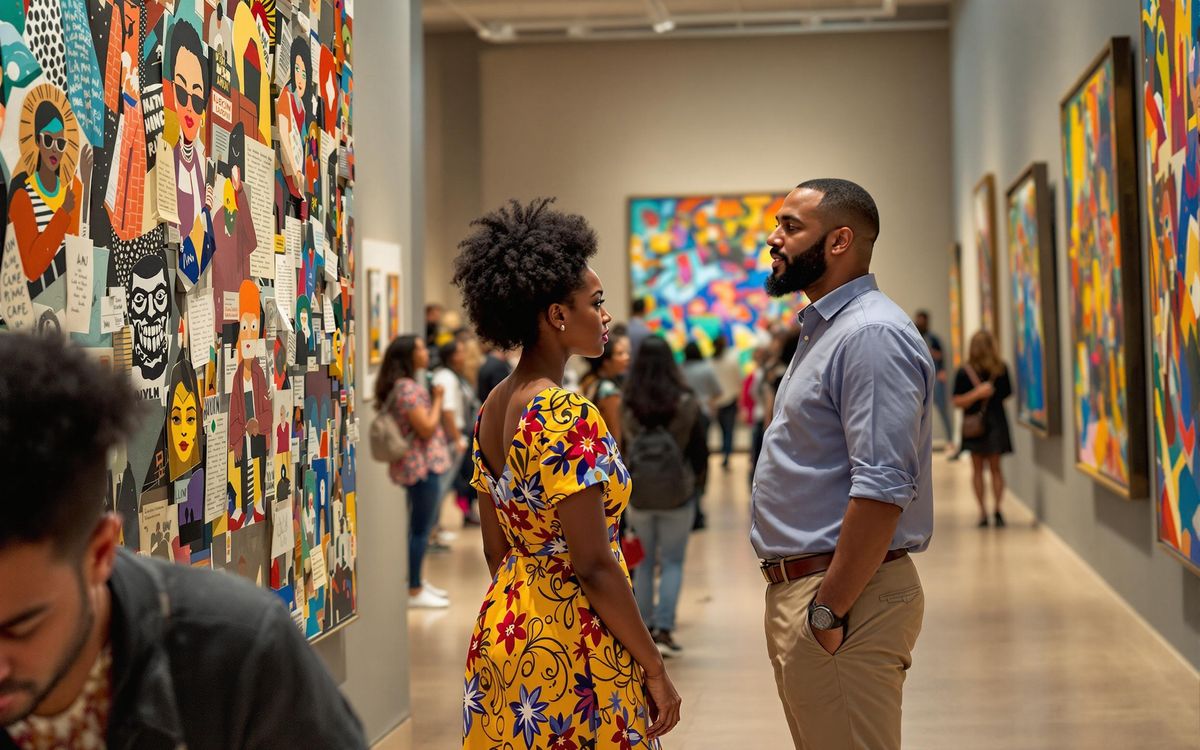
Museums stand as guardians of time, preserving cultural heritage for generations. They are more than repositories; they are dynamic sanctuaries where history, art, and culture converge.
Museums play a vital role in preserving and showcasing cultural heritage, acting as custodians of both tangible artifacts and intangible traditions. These institutions acquire, conserve, research, interpret, and exhibit artifacts and artworks of historical and cultural significance, offering a tactile connection to the past. They serve as bridges between cultures and time periods, safeguarding heritage and ensuring its preservation for future generations.
The role of museums has evolved from being object-centered to adopting audience-centered approaches. Modern museums focus on community engagement, creating meaningful connections between the past and present, and promoting cultural understanding. They employ various techniques to preserve cultural heritage, including conservation, documentation, and exhibition. By exhibiting artifacts and telling stories that reflect the cultural heritage of diverse communities, museums promote empathy, challenge stereotypes, and provide a platform for underrepresented voices.
The Queens Museum in New York City exemplifies a museum that has successfully integrated community partnership in curating exhibitions. Their Community Partnership Gallery offers opportunities for cultural and nonprofit organizations to develop and mount short-term exhibitions based on their programs and collaborative projects. The An Inclusive World exhibition, for instance, brought together self-taught and formally trained artists to exchange ideas and enrich communities, promoting diversity, difference, and inclusivity. This traveling group exhibition was inspired by how art transforms lives and promotes the idea that there are variations of norms for any group of individuals.
Museums also foster a sense of ownership and responsibility towards heritage among community members. By engaging with local schools and offering hands-on historical experiences, museums become vital resources for learning outside the classroom, enhancing the educational ecosystem. This shift towards community engagement ensures that museums remain relevant and continue to serve as important cultural hubs.
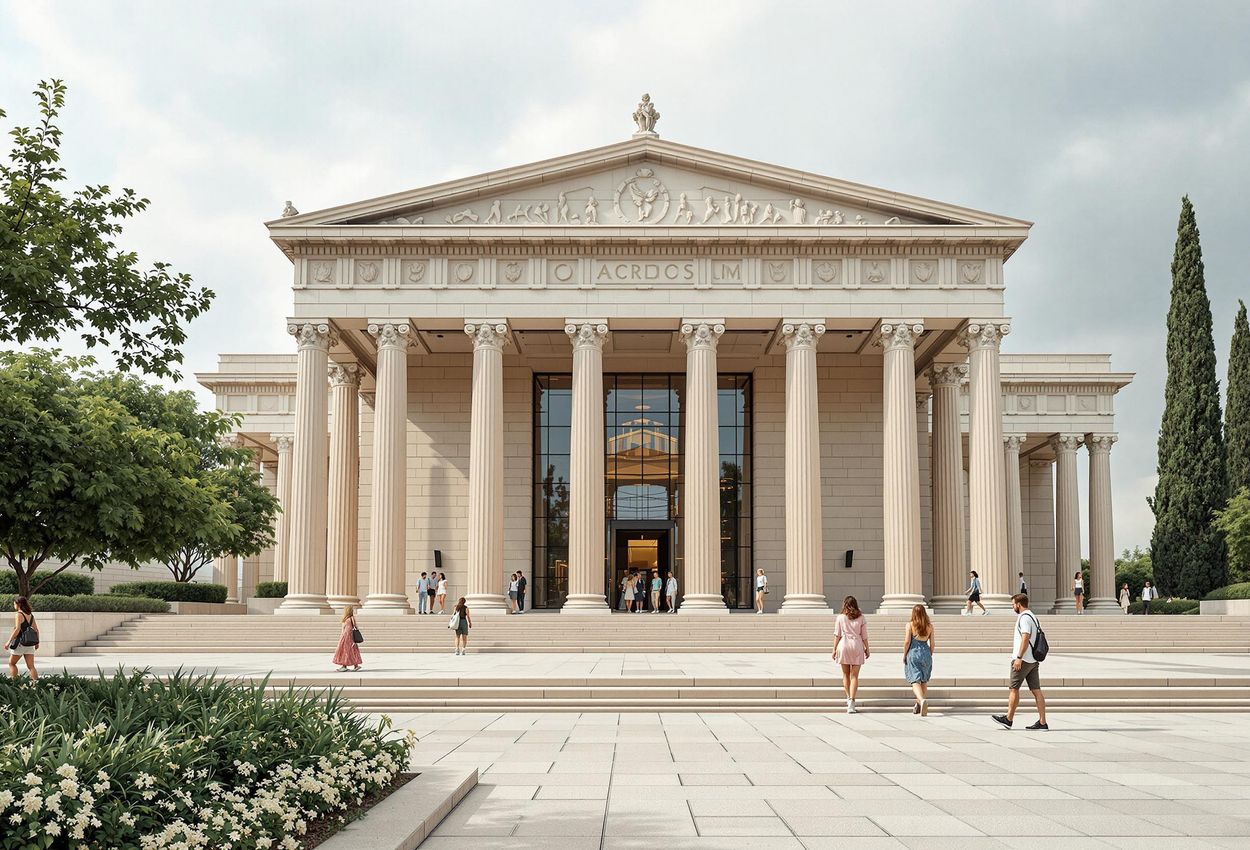
Museum exhibits serve as echoes of the past, showcasing cultural heritage through carefully curated displays and innovative technologies.
Museums showcase cultural heritage through exhibits, detailing the process of exhibit development from initial research to final installation. Engaging and educational exhibits effectively convey cultural narratives, providing visitors with a deeper understanding of the past and its relevance to the present. These exhibits act as repositories of historical artifacts, testimonies, and personal stories, offering a tangible link to history.
Technology plays a crucial role in enhancing visitor experience and engagement. Digital media and interactive displays, such as touchscreens, augmented reality (AR), and virtual reality (VR), transform static exhibits into dynamic, engaging experiences. Interactive projection mapping, immersive projection environments, and holographic displays further captivate audiences, creating multi-sensory wonderlands that blend the physical and digital realms.
The ArtLens Gallery at the Cleveland Museum of Art, is a prime example of a museum that uses digital technology innovatively to showcase exhibits. Visitors can use iOS or Android devices on the ArtLens Wall dock, accessing the museum's collection of high-resolution photographs and interactive art games. The museum has revolutionized how visitors engage with artworks through the seamless integration of technology. By swiping, zooming, and rotating, visitors can delve into the intricate details of artworks, unravelling their beauty from multiple angles.
Other museums, like the National Museum of Singapore, have also embraced technology to enhance their exhibits. The Story of the Forest exhibition uses selected naturalistic drawings from the collection of William Farquhar and merges them with digital art to create an exhilarating experience. Similarly, the Louvre in Paris offers a virtual reality experience of Renaissance artist Leonardo da Vinci, allowing visitors to experience moving images, sounds, and interactions with Da Vinci himself.

Museums face ethical crossroads when navigating acquisition and ownership, requiring careful consideration of provenance, cultural sensitivity, and repatriation.
Ethical considerations surrounding museum acquisitions are paramount, emphasizing the importance of provenance research and legal compliance. Provenance, the history of ownership of an artifact, provides context and authenticity to the artifacts on display. Museums must ensure that artifacts are acquired through legal and transparent means, with thorough research to avoid looted, stolen, or illicitly obtained items.
Acquiring artifacts from different cultures requires cultural sensitivity and respect. Museums must consider the cultural significance of the items and avoid any actions that could be seen as exploitative or disrespectful. This includes consulting with communities and cultural organizations to ensure that acquisitions are made in a way that honors their heritage.
The repatriation of cultural artifacts to their countries of origin is a significant ethical issue. Repatriation, the return of cultural property to its country of origin or former owners, is often seen as a way to right historical wrongs and restore cultural heritage. Examples of successful repatriation efforts include the return of the Elgin Marbles to Greece and the repatriation of Nigerian artifacts from the Horniman Museum in London.
A curator's perspective on the ethics of museum acquisitions and repatriation involves balancing the desire to preserve and display cultural heritage with the need to respect the rights and cultural values of the communities from which the artifacts originate. This requires a commitment to transparency, collaboration, and ethical decision-making.
However, some argue against repatriation, contending that museums provide adequate care and education regarding these artifacts, and that over time, objects acquired by museums have become part of the heritage of that nation.

Museums in the 21st century face numerous challenges, requiring adaptation and innovation to remain relevant in a rapidly changing world.
Museums face challenges such as financial constraints, climate change, and the need to adapt to changing audience expectations. Financial constraints often limit museums' ability to acquire new artifacts, maintain existing collections, and develop engaging exhibits. Climate change poses a threat to the safety of museums and the collections they care for, requiring them to monitor and curb their climate emissions and prepare for climate disruptions.
Digital technologies have had a significant impact on museums, leading to the rise of digital museums, virtual tours, and online collections. Museums are using innovative strategies to address these challenges, such as leveraging digital technologies to document, interpret, and share cultural heritage. Virtual museums and online collections expand the reach of these institutions to a global audience, making them more accessible and engaging.
The ICOM General Conference in Dubai in November 2025, focuses on 'The Future of Museums in Rapidly Changing Communities', encapsulating the dynamic landscape that communities and museums worldwide navigate. The conference addresses the urgent challenges and opportunities facing museums today, with sub-themes such as intangible heritage, youth power, and new technologies. It marks a historic moment, positioning Dubai as the first city in the Middle East, Africa, and South Asia to organize this prestigious international event since ICOM's establishment in 1946.
Museums are also adapting by embracing inclusivity, reflecting the diversity of the communities they serve, and ensuring that programming and exhibitions are accessible and relevant to all demographics. This involves diversifying their collections and fostering conversations rather than just teaching about what they know.

Interviews with museum curators and directors offer valuable insights into the role of museums in preserving cultural heritage and the challenges and opportunities they face.
Museum curators and directors play a crucial role in preserving cultural heritage, developing and curating museum exhibitions, and shaping the vision and direction of their institutions. Their perspectives on the challenges and opportunities facing museums today provide valuable insights into the future of these institutions.
When interviewing museum curators and directors, it is important to explore their experiences in developing and curating museum exhibitions. Questions related to cultural fit, soft skills, and growth and development can provide insights into their leadership style, communication skills, and commitment to inclusivity and diversity.
Questions about their long-term career goals, their vision for contributing to the growth and development of the institution, and their strategies for engaging diverse audiences can reveal their passion for the field and their ability to make a meaningful impact. Additionally, questions about their approach to research and interpretation of objects, their methods for ensuring the proper care and conservation of items, and their experience in developing educational programs can highlight their expertise and dedication to the core mission of a curator.
Curators and directors emphasize the importance of community engagement and collaboration in ensuring the relevance and sustainability of museums. By fostering partnerships with local organizations and engaging with diverse communities, museums can create meaningful experiences that resonate with a wider audience and promote cultural understanding.