The world is abuzz with anticipation as the Tutankhamun exhibition prepares to unveil the treasures of the boy king. A journey through time, history, and artistry awaits those who seek to understand the legacy of ancient Egypt.
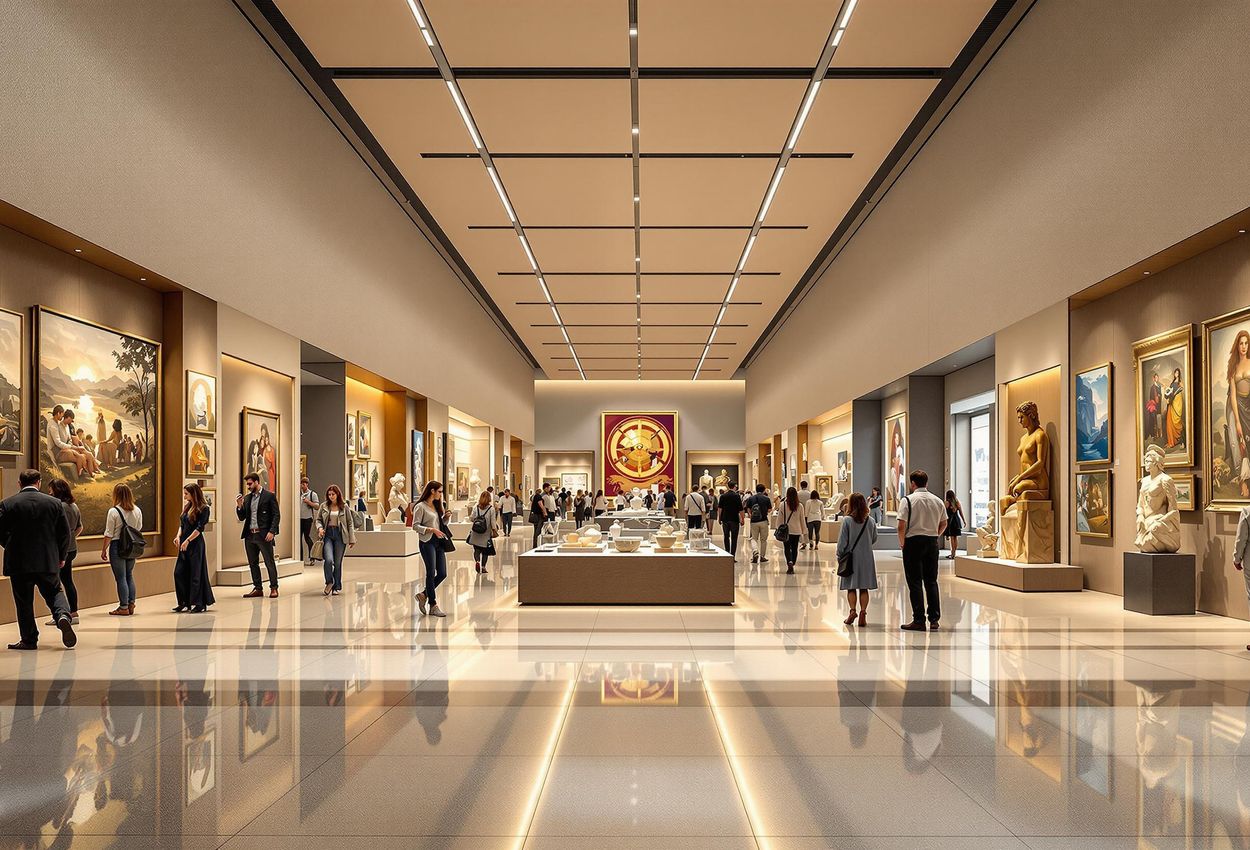
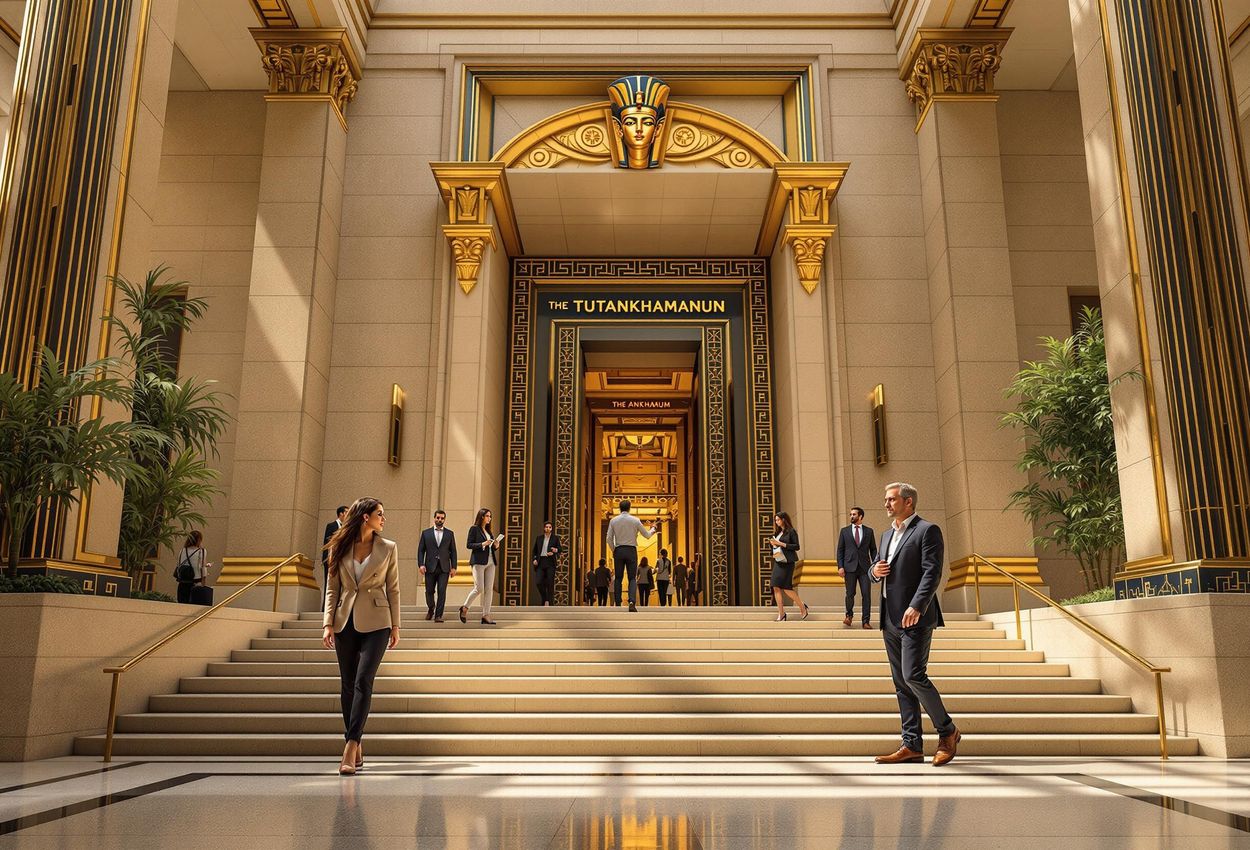
As visitors step into the exhibition, they are immediately transported to another world. The hushed reverence, the dimmed lighting, and the strategic placement of artifacts create an atmosphere of profound respect and curiosity. Whether it's at the Grand Egyptian Museum (GEM) in Giza, the Biltmore Estate in North Carolina, or the SEC Centre in Glasgow, the experience begins with a sensory immersion into ancient Egypt.
The exhibition aims to provide a comprehensive look into the life, reign, and afterlife of Tutankhamun, going beyond the glittering gold to explore the historical and cultural context of his time. Expect immersive experiences, insights from leading Egyptologists, and personal stories that bring the past to life. The treasures of Tutankhamun are not merely objects; they are portals to understanding a civilization that has captivated the world for centuries.
A Glimpse into the Golden Afterlife: Unveiling Tutankhamun's World
Imagine stepping into a realm where time stands still, where the echoes of an ancient civilization resonate through every artifact. This is the promise of the Tutankhamun exhibition, a meticulously curated journey into the world of the boy king.
As visitors cross the threshold, they are greeted by an atmosphere carefully crafted to evoke a sense of wonder and historical significance. Soft, diffused lighting casts a gentle glow on the treasures, enhancing their intrinsic beauty and inviting closer inspection. The layout is designed to guide visitors through a narrative, each section revealing a new chapter in Tutankhamun's story.
For those visiting the Grand Egyptian Museum , the experience begins with the imposing statue of Ramesses II, a silent sentinel that has stood for over 3,000 years. This sets the stage for the grandeur and scale of what lies ahead. In other venues, such as the Biltmore Estate or the SEC Centre in Glasgow, the initial focus might be on replicas and immersive displays that recreate the ambiance of Tutankhamun's tomb.
The exhibition's primary goal is to offer more than just a display of opulent artifacts. It seeks to provide a deep dive into Tutankhamun's life, his role as a pharaoh, and the religious and cultural beliefs that shaped his world. Visitors can expect to encounter a variety of exhibits, from intricately crafted jewelry and funerary objects to informative panels detailing the historical context of each item.
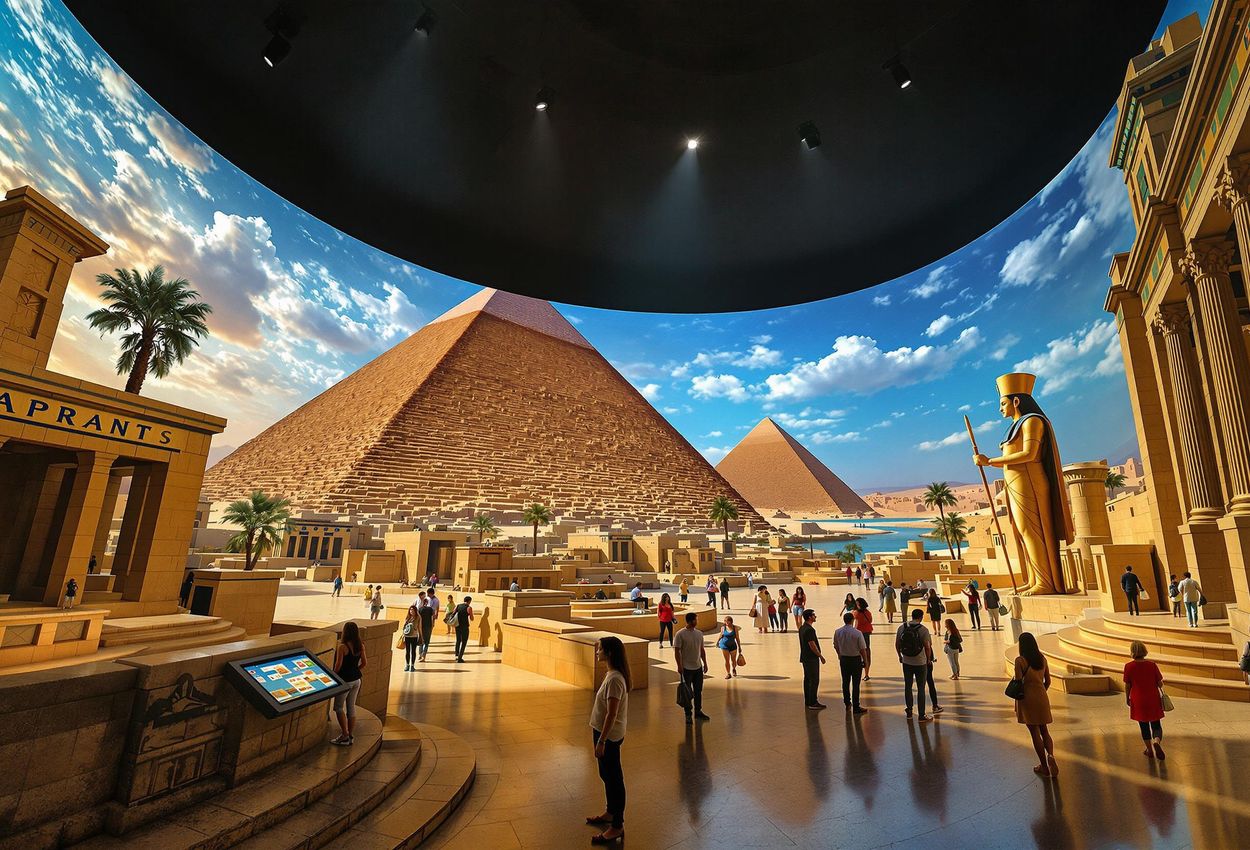
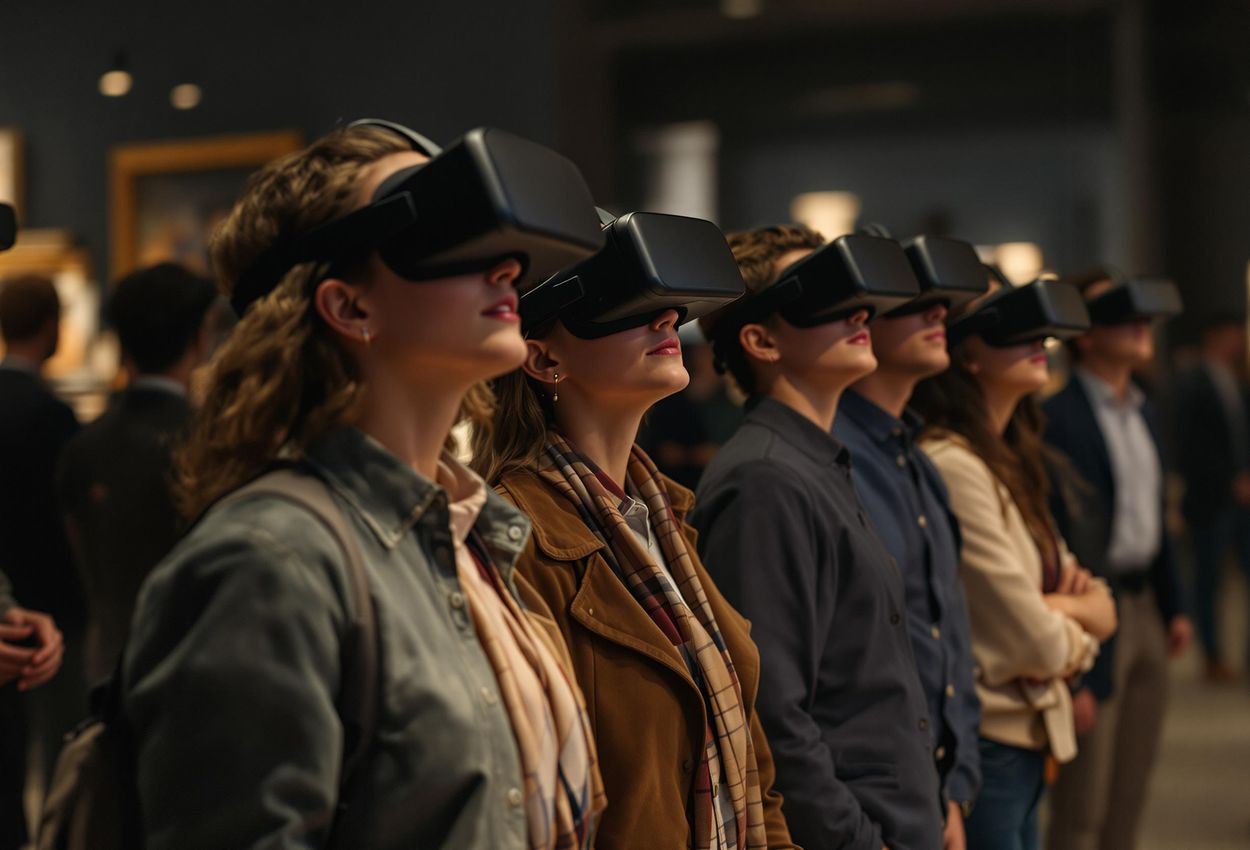
Immersive technologies play a crucial role in enhancing the experience. 360-degree projections transport visitors to ancient Egypt, allowing them to witness scenes from Tutankhamun's life and reign. Virtual reality experiences offer a glimpse into the afterlife, providing a unique perspective on Egyptian beliefs about death and resurrection. Interactive displays allow visitors to explore the intricacies of hieroglyphs and learn about the process of mummification.
Expert insights from curators and historians add another layer of depth to the exhibition. Through audio guides and informative panels, visitors gain a deeper understanding of the significance of each artifact and the historical context in which it was created. Personal anecdotes and stories further humanize Tutankhamun, painting a picture of him not just as a pharaoh, but as a young man who lived and ruled in a complex and fascinating world.
The Tutankhamun exhibition is more than just a display of ancient treasures; it is an immersive journey into a world long past, brought to life through careful curation, innovative technology, and expert insights. It is an opportunity to connect with history on a personal level and to gain a deeper appreciation for the enduring legacy of ancient Egypt.
Treasures Unearthed: Marvels of Craftsmanship and Royal Splendor
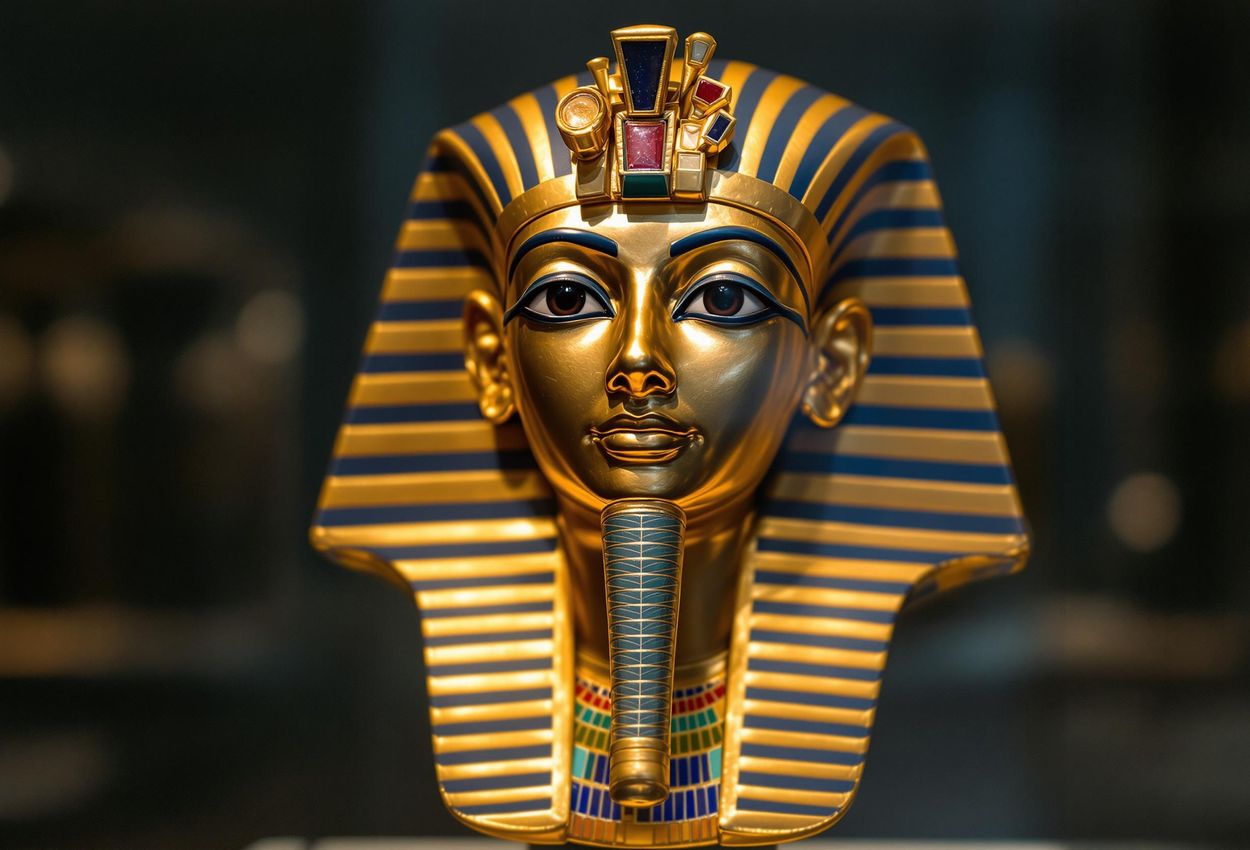
The Tutankhamun exhibition is a dazzling showcase of artistry and opulence, bringing together a collection of artifacts that exemplify the pinnacle of ancient Egyptian craftsmanship. From the iconic golden mask to the intricately designed royal chariot, each piece tells a story of a young king's life, death, and journey into the afterlife.
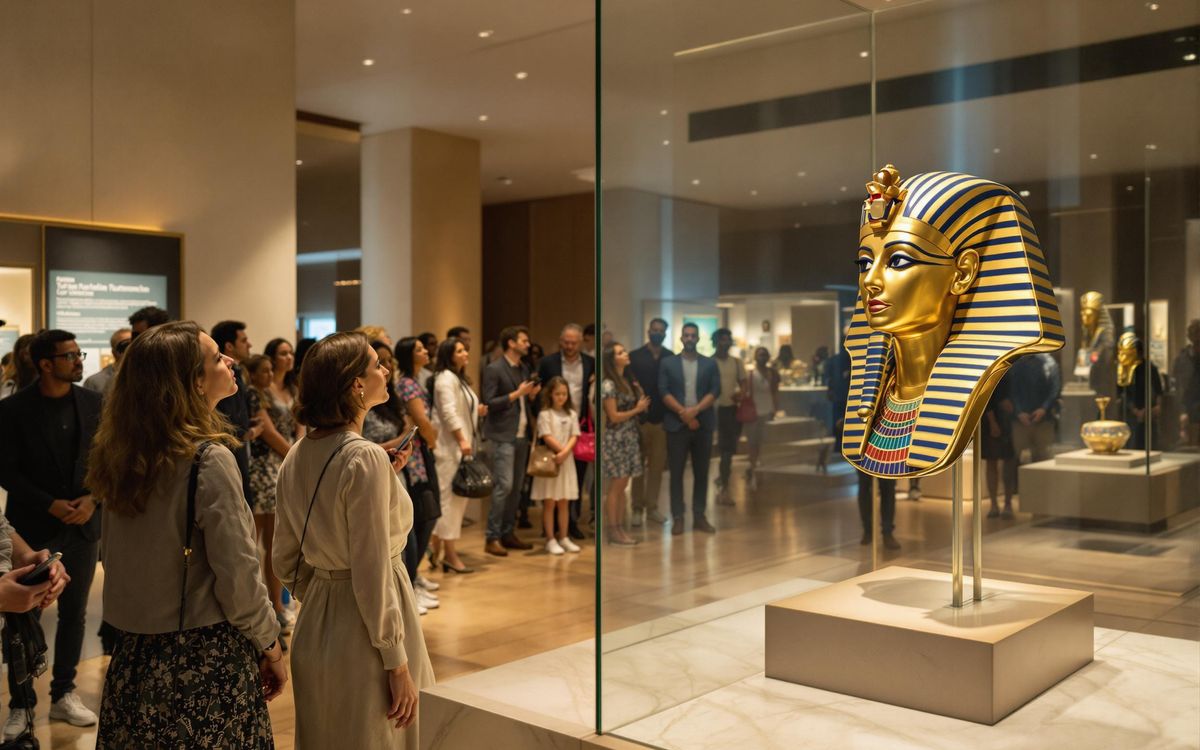
Among the most captivating items on display is the golden mask of Tutankhamun, a masterpiece of ancient art that has become synonymous with Egyptian royalty. Its serene expression and intricate details, crafted from solid gold and inlaid with precious stones, evoke a sense of awe and reverence. The mask not only adorned the mummy of the boy king but also served as a powerful symbol of his divine status.
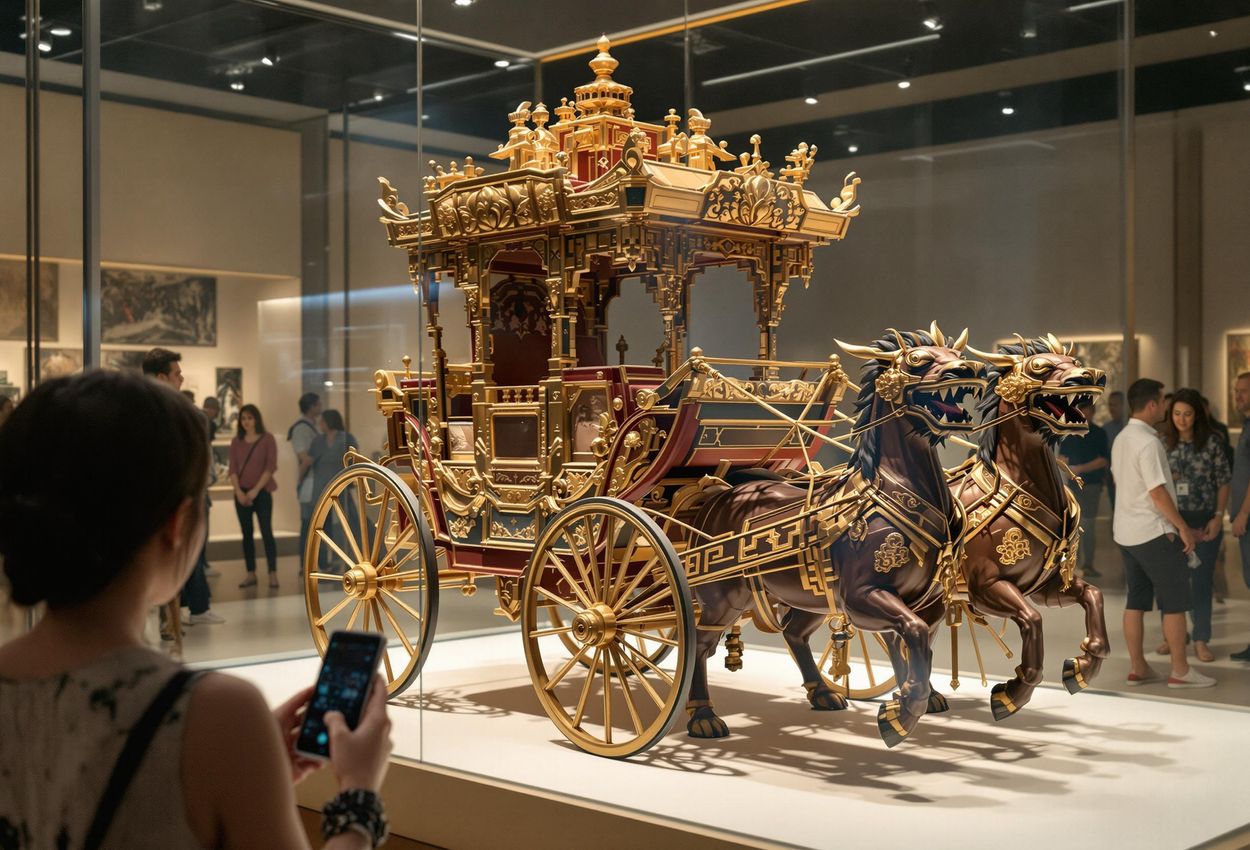
The royal chariot offers a glimpse into the pharaoh's life beyond the tomb. Decorated with lion motifs and other symbols of power, the chariot highlights the engineering skills and artistic sensibilities of the time. It was likely used for ceremonial processions, hunting expeditions, and military campaigns, showcasing Tutankhamun's role as a ruler and warrior.
The exhibition also features a variety of funerary objects, including shabtis, canopic jars, and sarcophagi, each meticulously crafted to ensure the pharaoh's safe passage into the afterlife. Shabtis, small figurines representing servants, were intended to perform tasks for the king in the afterlife. Canopic jars held the pharaoh's internal organs, preserved with care and adorned with the heads of protective deities. Sarcophagi, nested one within another, provided a final layer of protection for the royal mummy.
Personal items, such as decorated seats, jewelry, and clothing, offer a more intimate glimpse into Tutankhamun's daily life. These artifacts reveal the pharaoh's tastes, preferences, and the customs of the royal court. They also provide insights into the social and economic structures of ancient Egypt, showcasing the wealth and resources available to the ruling class.
Each artifact in the Tutankhamun exhibition is a testament to the skill and artistry of ancient Egyptian craftsmen. The intricate details, the use of precious materials, and the symbolic significance of each piece demonstrate the importance of art and craftsmanship in ancient Egyptian culture. By examining these treasures, visitors can gain a deeper understanding of the values, beliefs, and achievements of this remarkable civilization.
Beyond the Gold: Life, Reign, and Mysteries of the Boy King
The allure of Tutankhamun extends far beyond the glittering treasures of his tomb. The exhibition delves into the historical context of his life and reign, exploring the challenges he faced, the events that shaped his legacy, and the enduring mysteries surrounding his early death.
Tutankhamun ascended to the throne at a young age, amidst a period of religious and political upheaval. His predecessor, Akhenaten, had attempted to replace the traditional polytheistic religion of Egypt with the worship of a single god, Aten. This caused widespread disruption and resentment among the priesthood and the general population. Tutankhamun, under the guidance of his advisors, reversed these changes and restored the old gods, earning him the favor of the people.
Despite his efforts to restore stability, Tutankhamun's reign was relatively short, lasting only about nine years. He died unexpectedly at the age of 19, leaving behind a kingdom still grappling with the aftermath of Akhenaten's religious reforms. The circumstances surrounding his death have been the subject of much speculation and debate, with theories ranging from natural causes to assassination.
The exhibition presents various perspectives on Tutankhamun's death, drawing on the latest scientific research and historical analysis. X-ray examinations of his mummy have revealed evidence of a possible leg fracture, suggesting that he may have died from an infection or other complications. Other theories propose that he was murdered, possibly as part of a power struggle within the royal court.
Insights from curators and historians offer valuable context and interpretation. They shed light on the political and religious climate of Tutankhamun's time, helping visitors understand the challenges he faced and the significance of his actions. They also discuss the ongoing research into his life and death, highlighting the ways in which our understanding of ancient Egypt continues to evolve.
By exploring the life, reign, and mysteries of Tutankhamun, the exhibition provides a comprehensive narrative that goes beyond the display of treasures. It examines the boy king's role in ancient Egyptian history, his impact on the religious and political landscape, and the enduring fascination that his story continues to hold.
Immersive Egypt: Technology Bringing the Past to Life
The Tutankhamun exhibition utilizes cutting-edge technology to create an immersive and engaging experience for visitors. Through 360-degree projections, virtual reality journeys, and interactive displays, the exhibition transports visitors to ancient Egypt, allowing them to relive the discovery of Tutankhamun's tomb and explore the wonders of his world in new and exciting ways.
360-degree projections envelop visitors in the sights and sounds of ancient Egypt. Towering images of pyramids, temples, and the Nile River surround them, creating a sense of being transported back in time. The projections are often accompanied by narration and music, further enhancing the immersive experience.
Virtual reality (VR) experiences offer a unique perspective on Tutankhamun's afterlife. Visitors can don VR headsets and embark on a journey through the Egyptian underworld, encountering gods, goddesses, and mythical creatures. The VR experiences are designed to be both educational and entertaining, providing insights into ancient Egyptian beliefs about death and resurrection.
Interactive digital metaverse experiences allow visitors to explore ancient Egypt in a more hands-on way. They can walk through a virtual recreation of the Valley of the Kings, explore Howard Carter's excavation camp, and witness the moment when Tutankhamun's tomb was first discovered. These interactive experiences provide a sense of agency and discovery, making the past feel more immediate and accessible.
One particularly compelling example of the exhibition's use of technology is the hologram unveiling the secrets of Tutankhamun's mummification. This presentation uses holographic projections to recreate the process of mummification, revealing the intricate steps involved in preserving the pharaoh's body for the afterlife. The hologram is accompanied by narration from experts, providing a detailed explanation of the ancient Egyptian beliefs and practices surrounding death and burial.
Through these immersive technologies, the Tutankhamun exhibition brings the past to life in a way that traditional museum displays cannot. Visitors are not just passive observers; they are active participants in a journey through time, gaining a deeper understanding and appreciation for the wonders of ancient Egypt.
Echoes of Eternity: The Exhibition's Lasting Impact
The Tutankhamun exhibition leaves a lasting impression on visitors, sparking a renewed interest in ancient Egypt and its enduring legacy. The exhibition serves as a reminder of the importance of archaeology in preserving and understanding our shared human history, while also promoting cultural exchange and education for audiences of all ages.
The discovery of Tutankhamun's tomb in 1922 had a profound impact on archaeology and culture. It revealed a wealth of information about ancient Egyptian royal burial practices, art, and craftsmanship, providing unprecedented insights into the lives and beliefs of the pharaohs. The treasures of Tutankhamun captured the imagination of the world, inspiring a surge of interest in Egyptology and ancient Egyptian culture.
The Tutankhamun exhibition contributes to our understanding of ancient Egypt by showcasing these treasures and providing historical context. It highlights the importance of preserving cultural heritage and promoting awareness of the past. The exhibition also serves as a platform for sharing new discoveries and research, ensuring that our understanding of ancient Egypt continues to evolve.
Anecdotes from visitors capture the excitement and wonder that the exhibition inspires. Many express a sense of awe at the beauty and craftsmanship of the artifacts, while others are moved by the personal stories and insights into Tutankhamun's life. The exhibition often sparks a desire to learn more about ancient Egypt, leading visitors to explore further through books, documentaries, and travel.
The exhibition's educational value is particularly noteworthy. It makes ancient Egyptian history accessible and engaging for audiences of all ages, providing a valuable learning experience for students, families, and anyone with an interest in the past. The immersive technologies and interactive displays help to bring the subject matter to life, making it more memorable and impactful.
The Tutankhamun exhibition is more than just a temporary display of ancient artifacts; it is a cultural event that leaves a lasting impact on visitors. By showcasing the treasures of Tutankhamun and providing historical context, the exhibition promotes a deeper understanding and appreciation for ancient Egypt and its enduring legacy. It also inspires a sense of wonder, curiosity, and a desire to learn more about the world around us.