The 47th session of the UNESCO World Heritage Committee, held in Paris, has concluded with the designation of 26 new sites, each possessing ‘outstanding universal value’. This annual event underscores UNESCO's pivotal role in championing the preservation of cultural and natural heritage worldwide.
From poignant memorials to breathtaking landscapes, the newly inscribed sites represent a diverse tapestry of human history and natural splendor. These designations not only honor the unique significance of each location but also unlock opportunities for sustainable tourism and economic growth within their respective communities.

Paris Unveils 2025's Cultural Gems
The 47th session of the UNESCO World Heritage Committee in Paris served as a global stage to recognize and celebrate cultural and natural landmarks. This year, 26 sites were added to the prestigious list, each selected for their outstanding universal value. The designations highlight UNESCO's ongoing commitment to preserving irreplaceable treasures for future generations.
The newly recognized sites span continents and cultures, reflecting the breadth of human achievement and the wonders of the natural world. From ancient monuments to vital ecosystems, the additions underscore the importance of international cooperation in safeguarding our shared heritage. The careful selection process ensures that each site meets stringent criteria, guaranteeing their protection and promotion for years to come.
These designations promise to boost sustainable tourism, offering local communities new avenues for economic development while preserving their cultural identity. The spotlight on these sites encourages responsible stewardship, ensuring that their unique qualities endure for posterity. The event in Paris not only celebrated the past but also paved the way for a future where heritage and progress go hand in hand.
Cambodia's Memorials: From Repression to Reflection
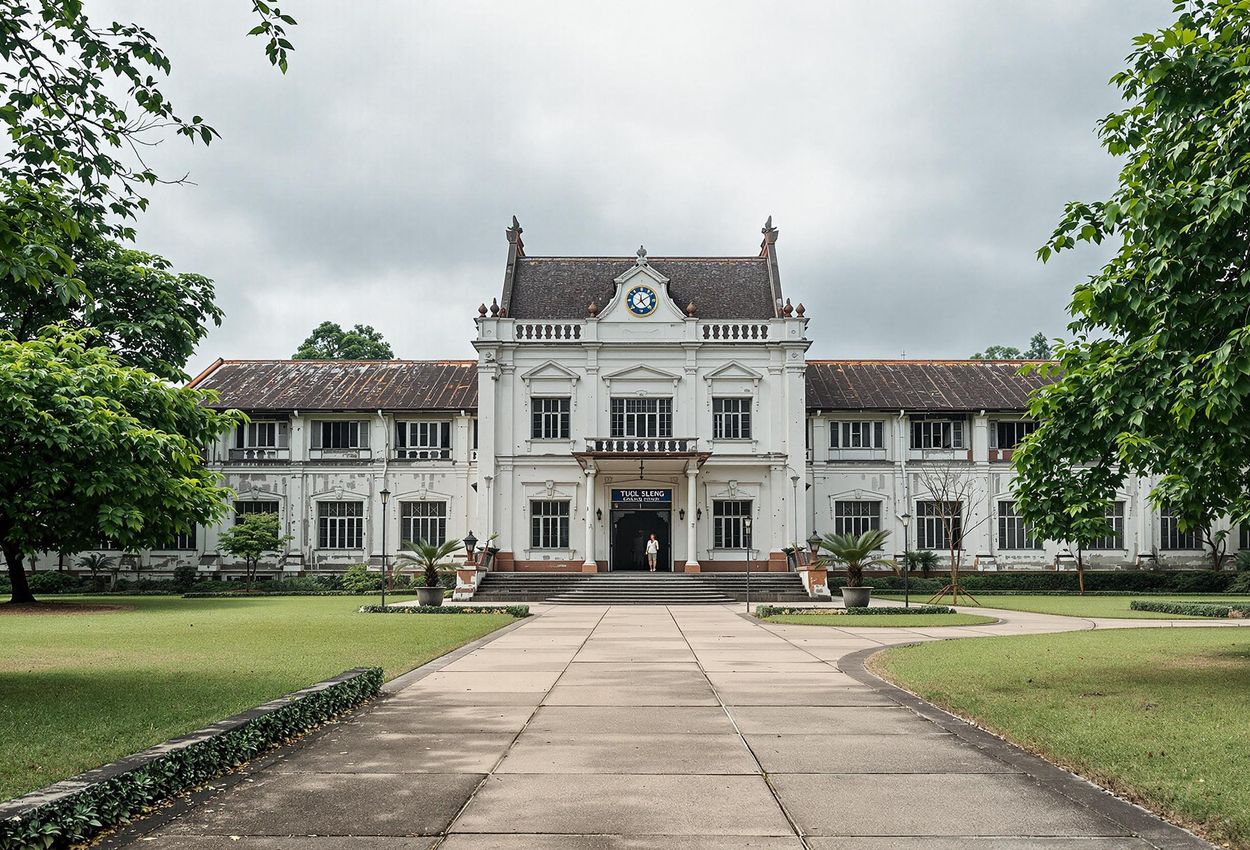
Among the newly designated sites are the Cambodian Memorial Sites, which include the Tuol Sleng Genocide Museum and the Choeung Ek Genocidal Center. These sites serve as stark reminders of the atrocities committed during the Khmer Rouge regime from 1975 to 1979. During this period, an estimated 1.7 million people lost their lives due to execution, starvation, disease, or forced labor.
The Tuol Sleng Genocide Museum, formerly the Tuol Svay Prey High School, was transformed into Security Prison 21 (S-21), the largest detention and torture center in the country. From 1976 to 1979, approximately 20,000 people were imprisoned here. The museum preserves the buildings as they were left when the Khmer Rouge was driven out, with rooms lined with photographs of prisoners.
The Choeung Ek Genocidal Center, one of the infamous Killing Fields, is located about 17 kilometers south of Phnom Penh. It stands as a memorial to the victims, marked by a Buddhist stupa filled with over 5,000 human skulls. Mass graves containing 8,895 bodies were discovered at this site, revealing the extent of the Khmer Rouge's brutality.
Local officials emphasize the importance of preserving these sites as a reminder of the past and a symbol of peace and reconciliation. These memorials offer a place for reflection and education, ensuring that the lessons of the Khmer Rouge regime are never forgotten.
Bavaria's Fairytale Palaces Earn Acclaim
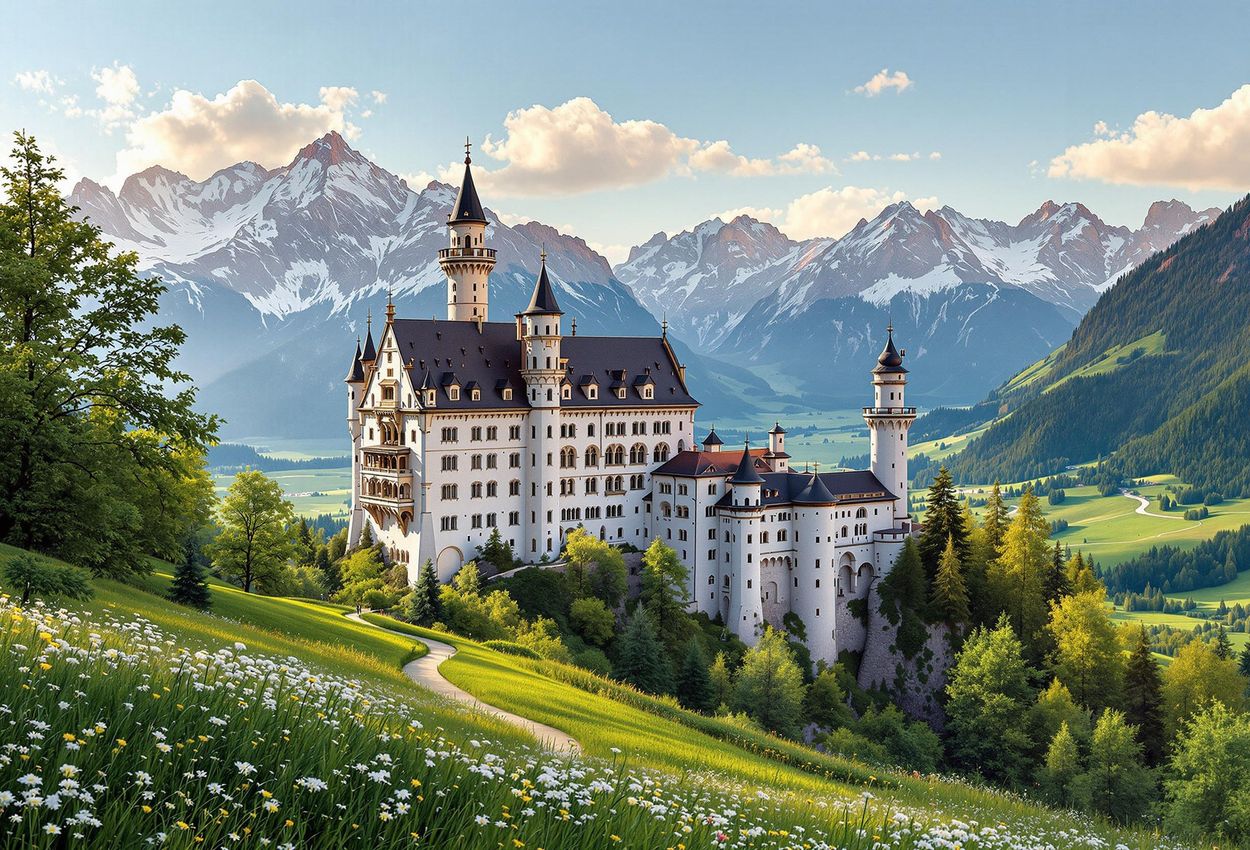
The Palaces of King Ludwig II of Bavaria, including Neuschwanstein and Linderhof, have been recognized for their architectural grandeur and cultural significance. King Ludwig II, who ascended to the throne in 1864, was a passionate patron of the arts and architecture. He commissioned these palaces as personal retreats, drawing inspiration from romantic ideals and Wagner's operas.
Neuschwanstein Castle, perhaps the most famous, embodies the romantic spirit of the Middle Ages. Its design incorporates Romanesque, Gothic, and Byzantine elements, creating a fairytale-like appearance. Though never fully completed, it has become one of the most visited castles in the world.
Linderhof Palace, inspired by the Palace of Versailles, showcases an ornate neo-French Rococo style. It is the only palace that King Ludwig II completed and lived in for a significant period. The palace is surrounded by beautifully designed gardens, blending Renaissance and Baroque elements.
These palaces stand as cultural landmarks, attracting tourists from around the globe. Experts note their historical and artistic significance, reflecting King Ludwig II's unique vision and the romanticism of the 19th century.
India's Maratha Military Landscapes Take Center Stage
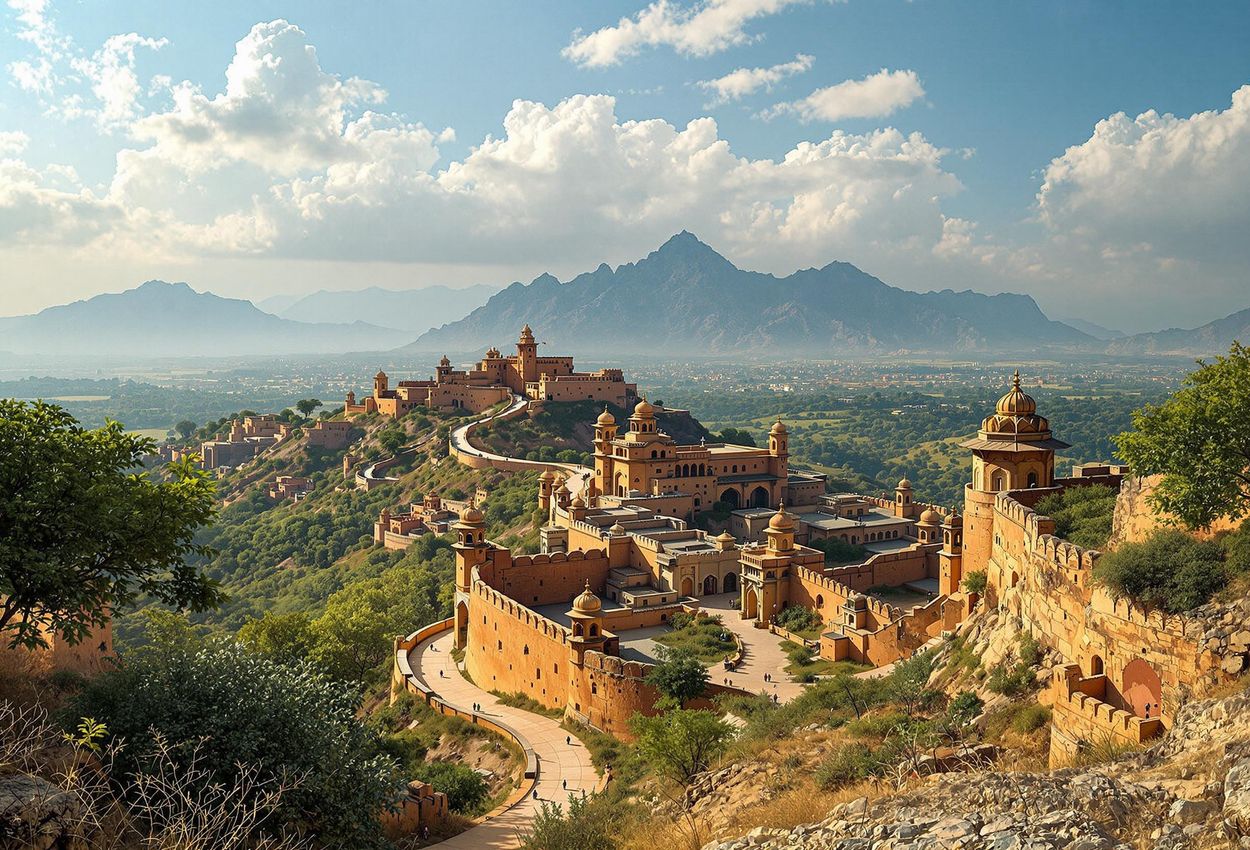
The Maratha Military Landscapes of India have been honored for their historical and strategic importance. These landscapes, comprising 12 forts, showcase the military prowess of the Maratha Empire between the 17th and 19th centuries. The forts are located in Maharashtra and Tamil Nadu, spread across diverse geographical terrains.
The forts include Salher, Shivneri, Lohagad, Khanderi, Raigad, Rajgad, Pratapgad, Suvarnadurg, Panhala, Vijaydurg, Sindhudurg and Gingee Fort. Each fort exhibits unique architectural features and strategic positioning, reflecting the Marathas' innovative military strategies.
Historians and archaeologists emphasize the importance of recognizing this unique heritage, as these landscapes played a crucial role in the rise of the Maratha Empire. The forts served as key defense systems, supporting military dominance, trade protection, and territorial control. The inclusion of these landscapes underscores their significance in India's historical and cultural narrative.
Brazil's Peruaçu River Canyon: A Natural Wonder
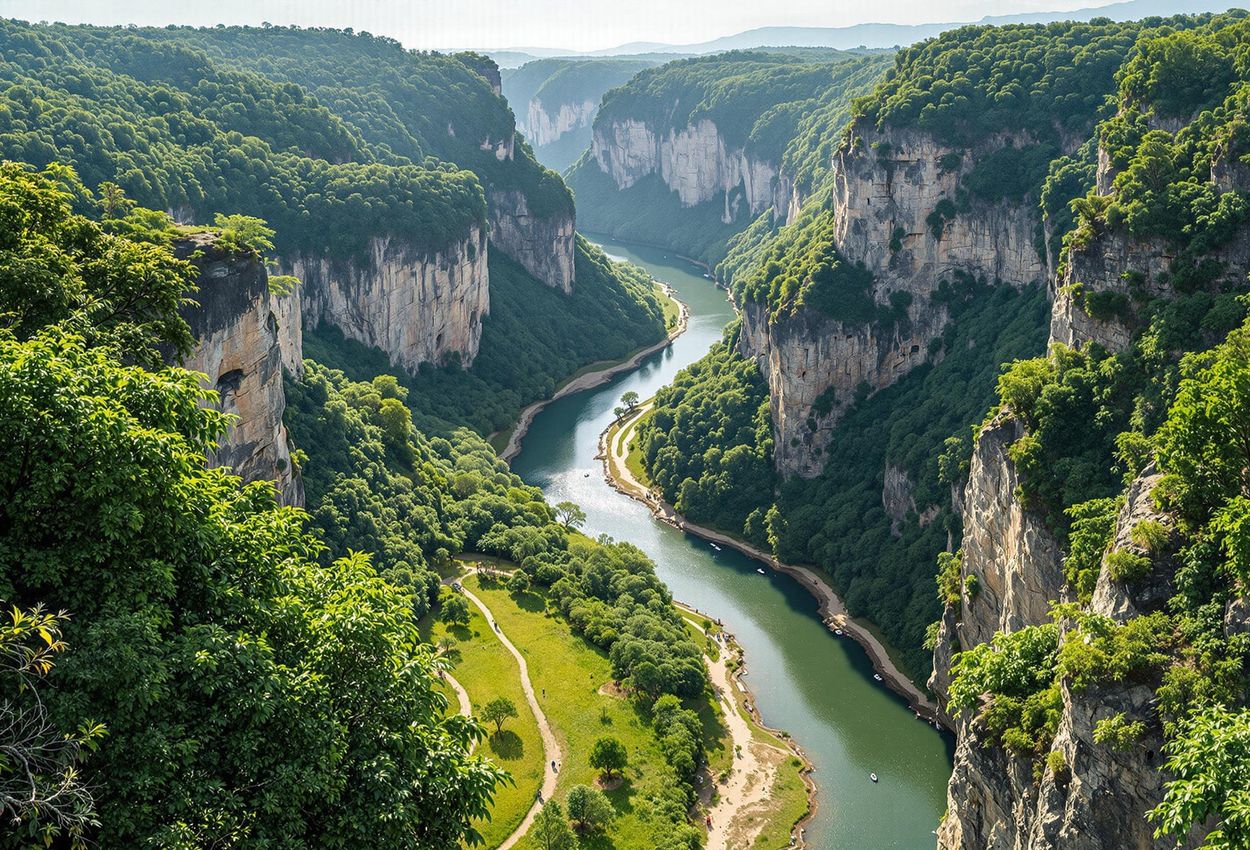
The Peruaçu River Canyon in Brazil has been celebrated for its exceptional natural beauty and biodiversity. This designation highlights the canyon's unique geological formations and rich ecosystem. The canyon is characterized by towering limestone cliffs, intricate cave systems, and diverse plant and animal life.
The canyon is home to numerous plant and animal species, including several endemic and endangered ones. The region's biodiversity makes it a critical area for conservation efforts. Environmental experts stress the importance of protecting this natural wonder to preserve its ecological integrity.
The designation is expected to enhance sustainable tourism in the region, providing economic opportunities for local communities while ensuring the canyon's preservation. This recognition underscores Brazil's commitment to protecting its natural heritage and promoting responsible environmental stewardship.
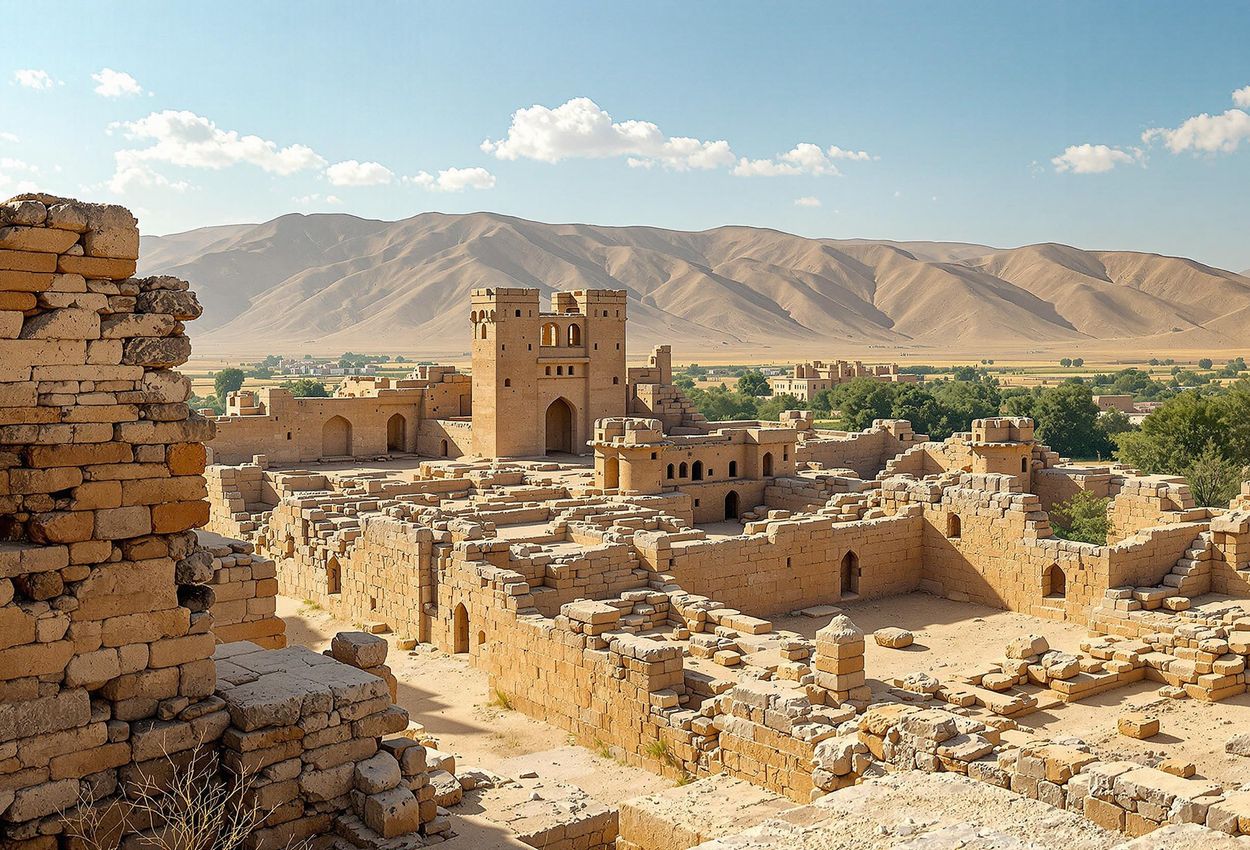
Ancient Khuttal: Tajikistan's Cultural Treasures
The Cultural Heritage Sites of Ancient Khuttal in Tajikistan have been recognized for their historical significance and cultural richness. The Khuttal region, located between the Panj and Vakhsh rivers, was a crucial hub along the Silk Roads from the 7th to the 16th centuries.
The designated sites include 11 archaeological and architectural monuments, such as the Ajinatepa Buddhist Monastery and the Qalai Hulbuk palace complex. These sites reflect the region's role in trade, cultural exchange, and religious interactions. The area supplied valuable goods like salt, gold, silver, and horses, serving as a melting pot for diverse cultures.
Tajikistani historians and cultural experts emphasize the importance of this designation in preserving and promoting the region's rich heritage. The recognition highlights Khuttal's contribution to the cultural and historical tapestry of Central Asia.
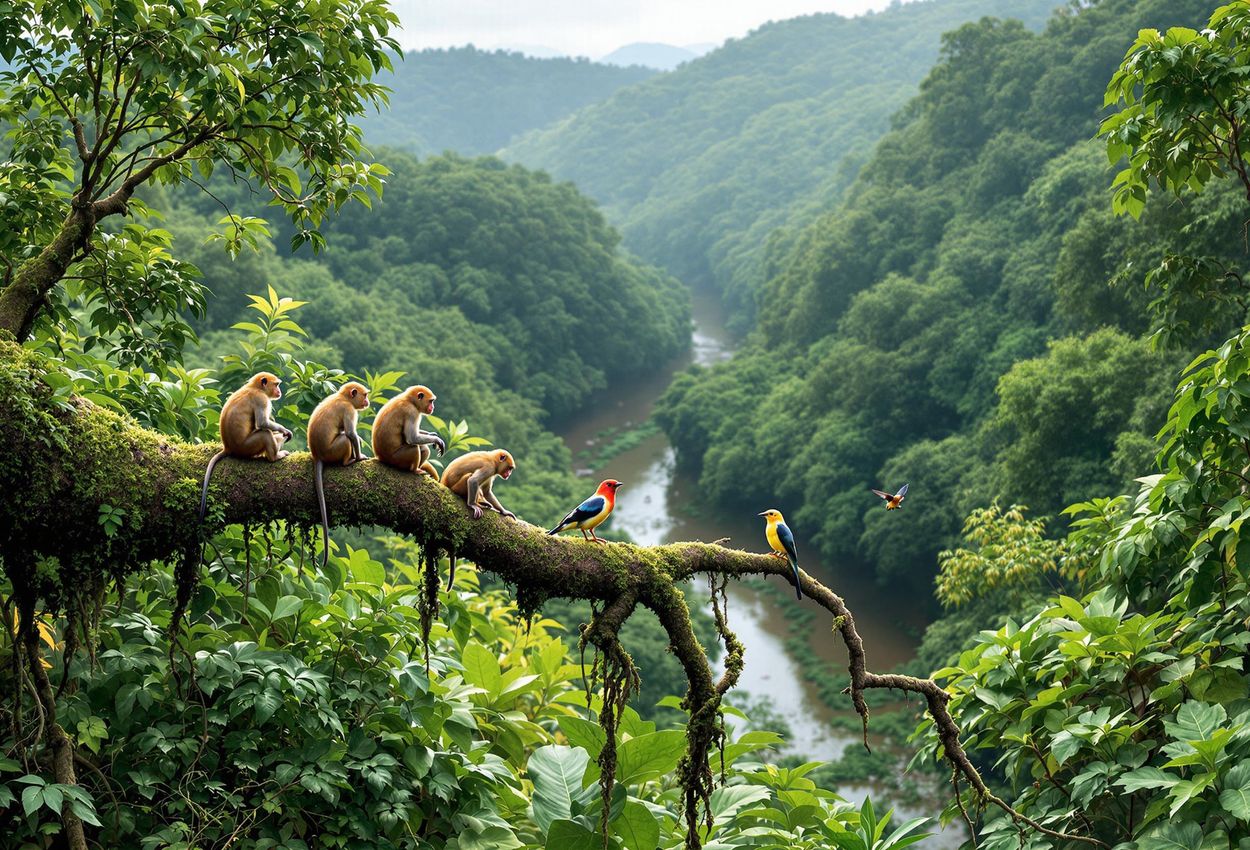
Sierra Leone's Gola-Tiwai Complex: A Biodiversity Hotspot
The Gola-Tiwai Complex in Sierra Leone has been celebrated for its remarkable biodiversity and conservation value. This complex includes the Gola Rainforest National Park and the Tiwai Island Wildlife Sanctuary, representing one of the largest remaining blocks of the Upper Guinea Rainforest.
The Gola Rainforest National Park is home to over 330 bird species, 49 mammal species, and numerous plant species. It is a critical habitat for endangered species such as the pygmy hippopotamus and western chimpanzee. The Tiwai Island Wildlife Sanctuary is renowned for its high concentration and diversity of primates, as well as its rich birdlife.
Conservationists working in Sierra Leone emphasize the impact of this recognition on conservation efforts, as it will enhance protection and promote sustainable tourism. The designation underscores the importance of preserving this biodiversity hotspot for future generations.
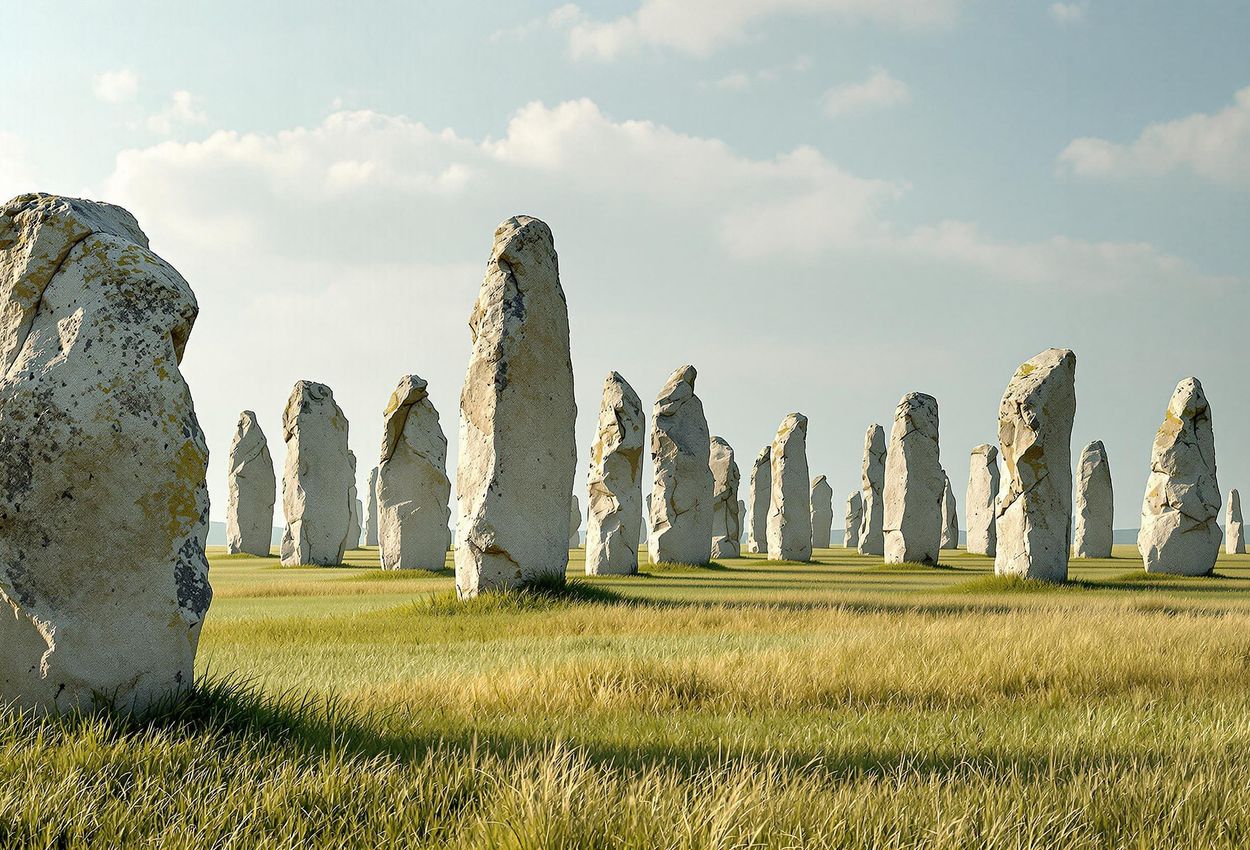
France's Megaliths: Echoes of the Neolithic Era
The Megaliths of Carnac and of the shores of Morbihan in France have been recognized for their historical significance and cultural value. These megalithic sites, dating back to the Neolithic era, include thousands of standing stones, dolmens, and tumuli. The Carnac stones represent the largest collection of megalithic sites in the world.
The sites at Ménec, Kermario, and Kerlescan feature rows of stones stretching over several kilometers. The mysteries surrounding their creation and purpose continue to fascinate historians and archaeologists. Recent archaeological discoveries have provided additional insights into the area's ancient history.
French archaeologists and historians stress the importance of preserving these ancient sites, as they offer a glimpse into the lives and beliefs of Neolithic communities. The designation enhances efforts to protect and promote these cultural treasures.

Diy-Gid-Biy Cultural Landscape: Cameroon's Mountain Heritage
The Diy-Gid-Biy Cultural Landscape of the Mandara Mountains in Cameroon has been celebrated for its unique cultural and archaeological significance. This landscape is characterized by a combination of natural beauty and human settlement, reflecting the cultural traditions of the communities living in the area.
The archaeological sites within the landscape provide insights into the region's history and the traditions of its people. The local communities have played a significant role in preserving their cultural identity, maintaining practices that have been passed down through generations. Local community leaders emphasize the impact of this designation on their cultural identity, as it recognizes and protects their heritage.
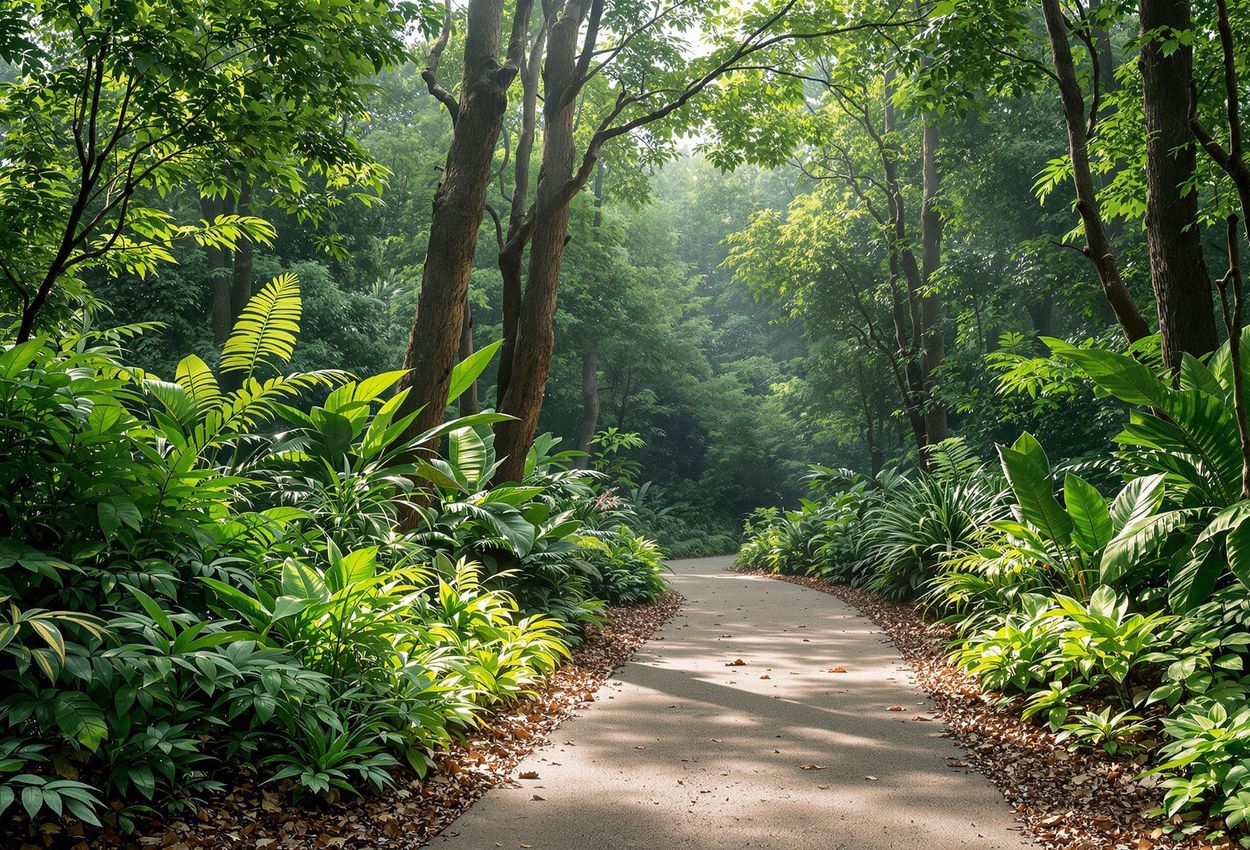
Malaysia's Forest Research Institute: A Green Sanctuary
The Forest Research Institute Malaysia (FRIM) Forest Park Selangor has been recognized for its role in preserving Malaysia's biodiversity and promoting research. This designation highlights the park's importance as a center for scientific study and conservation efforts.
The park is home to a diverse range of flora and fauna, including unique plant species and wildlife. Malaysian scientists and environmental officials emphasize the importance of this designation for conservation efforts, as it supports ongoing research and sustainable management practices. The recognition enhances the park's role as a green sanctuary and educational resource.

UNESCO's Wider Impact
UNESCO World Heritage designations have far-reaching implications, contributing to sustainable tourism and economic development in local communities. These designations not only celebrate the unique cultural and natural significance of each site but also provide a framework for their preservation and management.
UNESCO supports the preservation and management of these sites through various initiatives, including technical assistance, funding, and training programs. By promoting responsible tourism, UNESCO helps local communities benefit economically while ensuring the long-term protection of their heritage. The designations serve as a catalyst for international cooperation, fostering a shared commitment to safeguarding our world's treasures.
The newly designated sites join a distinguished list of locations recognized for their outstanding universal value, underscoring UNESCO's ongoing mission to protect and promote the world's cultural and natural heritage for the benefit of all humanity.