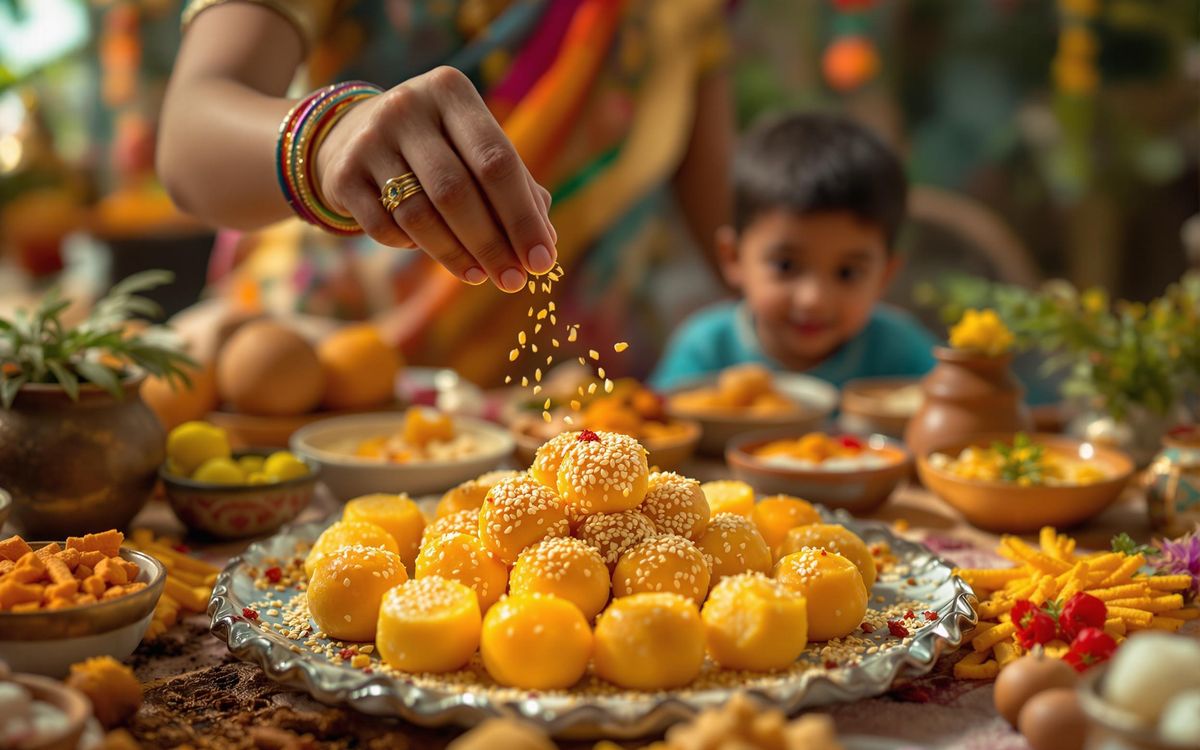
Makar Sankranti, the viant harvest festival, is not just a celeation of the sun's northward journey but also a delightful exploration of India's rich culinary heritage. From sesame sweets to hearty lentil dishes, each region boasts unique flavors and traditions that make this festival a gastronomic delight.
Til Laddu: Sweet Beginnings
The aroma of roasted sesame seeds and melting jaggery fills the air as Til Laddu, a quintessential Makar Sankranti sweet, takes center stage. These spherical delights, primarily made of sesame seeds ('til') and jaggery ('gur' or 'gud'), are more than just a treat; they're a symbol of good luck, new beginnings, and the warmth of the winter sun. The preparation itself is a sensory experience. The sesame seeds are carefully roasted over a low flame until they turn golden and release their nutty fragrance, a process that requires constant attention to prevent burning. Simultaneously, the jaggery, a traditional unrefined sugar, is melted in a pan until it reaches a thick, syrupy consistency. This molten jaggery, with its deep caramel notes, is then combined with the roasted sesame seeds, and the mixture is quickly shaped into small, round ladoos before it cools down. The taste is a symphony of textures and flavors – the satisfying crunch of the sesame seeds, the rich, earthy sweetness of the jaggery, and a hint of toasted nuttiness that lingers on the palate.
Beyond their symbolic significance, Til Ladoo boasts impressive nutritional benefits. Sesame seeds are a rich source of calcium, iron, and fiber, making these ladoos a healthy and energy-boosting snack, particularly beneficial during the cold winter months. They provide warmth and nourishment, aiding digestion and boosting immunity. The iron content helps combat fatigue, while the fiber promotes healthy gut function.
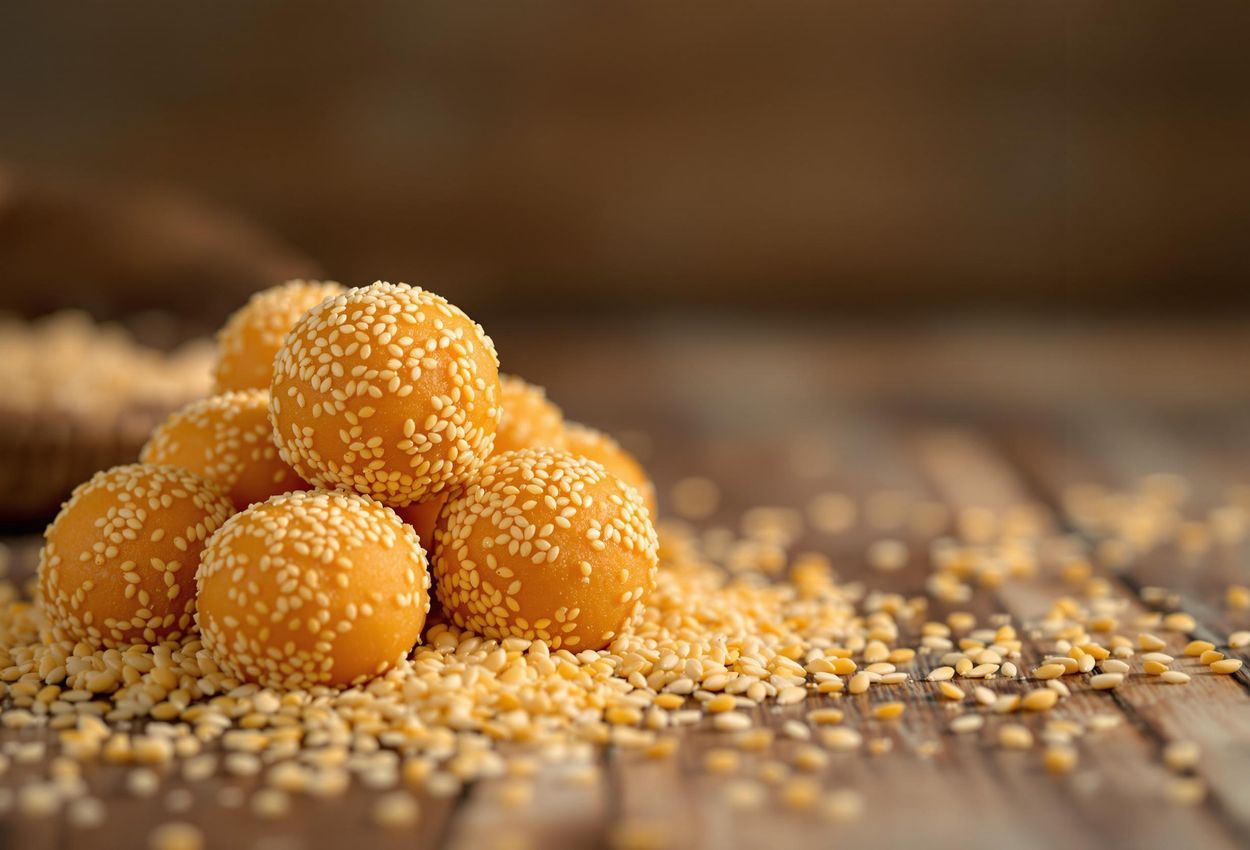
If you're seeking the best Til Ladoo in Maharashtra, look no further than the local sweet shops ('mithai walas') in Pune and Mumbai. These traditional confectioners often have their own family recipes, passed down through generations, resulting in unique and delicious variations. In Pune, try Chitale Bandhu Mithaiwale or Kaka Halwai for their authentic and melt-in-your-mouth Til Ladoos. In Mumbai, explore the bustling lanes of Crawford Market or visit Shree Krishna Sweets for a delightful array of options. These shops often prepare fresh batches daily, ensuring a truly authentic and flavorful experience. The best time to find Til Ladoo is in January, during the Makar Sankranti festival.
Khichdi: A Hearty and Humble Dish
Khichdi, often hailed as the 'queen of all foods' in Ayurveda, is a simple yet nourishing dish prepared with rice, lentils (usually moong dal), and an assortment of seasonal vegetables. This humble dish holds a special place in the hearts and traditions of people in Uttar Pradesh and Bihar, where it is not only a staple food but also a significant offering ('prasad') in temples during Makar Sankranti. The dish is considered highly auspicious and is believed to ing good fortune and prosperity.
The ingredients are carefully chosen for their nutritional and symbolic value. Rice, a staple grain, provides essential carbohydrates for energy, while lentils offer a rich source of protein and fiber. The addition of seasonal vegetables, such as cauliflower, spinach, peas, and potatoes, adds vitamins, minerals, and antioxidants, making Khichdi a complete and balanced meal. The cooking process is equally simple yet methodical. The rice and lentils are washed and soaked, then cooked together with the vegetables in a pot with water and a blend of spices, including turmeric, cumin, and asafoetida. The mixture is simmered until the rice and lentils are soft and mushy, creating a comforting and easily digestible dish.
Khichdi's spiritual significance is deeply rooted in Hindu traditions. It is often offered as prasad to deities in temples, symbolizing gratitude and devotion. The act of sharing Khichdi with family, friends, and the community is considered an act of selfless service and promotes unity and harmony. The comforting aroma of Khichdi, simmering on the stove, evokes feelings of warmth, nostalgia, and togetherness.

A hidden gem among the myriad variations of Khichdi is the cauliflower Khichdi, a regional specialty found in some local eateries in Varanasi and Patna. This variation features the addition of grated cauliflower to the traditional Khichdi base, adding a subtle sweetness and a delightful textural contrast. To experience the authentic flavors of this regional delicacy, venture into the narrow lanes of Varanasi's old city or explore the local food stalls near Patna Junction. Local Tip: Look for small, family-run establishments that have been serving Khichdi for generations; they often hold the key to the most authentic and flavorful recipes.
Pongal: A South Indian Delicacy
As the sun rises in Tamil Nadu, the aroma of Pongal, a traditional rice dish, fills the air. This dish, prepared with freshly harvested rice, moong dal (split yellow lentils), and jaggery or spices, is not just a culinary delight but also a sacred offering to the Sun God during the four-day Pongal festival. The festival marks the end of the winter solstice and the beginning of the harvest season, and Pongal symbolizes prosperity, gratitude, and new beginnings.
Pongal comes in two main variations: sweet (Sakkarai Pongal) and savory (Ven Pongal). Sakkarai Pongal, the sweet version, is made with rice, moong dal, jaggery, ghee (clarified butter), cardamom, and nuts. The rice and dal are cooked together until soft and mushy, then sweetened with melted jaggery and flavored with cardamom and ghee-roasted nuts. The result is a creamy, rich, and intensely sweet dish that is both comforting and indulgent. Ven Pongal, the savory version, is made with rice, moong dal, ghee, black peppercorns, cumin seeds, and ginger. The rice and dal are cooked together with the spices until soft and flavorful. The dish is then tempered with ghee, adding a rich and aromatic touch. Ven Pongal is often served with coconut chutney or sambar (a lentil-based vegetable stew).
The cooking process of Pongal is steeped in tradition. It is often prepared in new clay pots, symbolizing new beginnings and abundance. The pots are decorated with turmeric leaves and sugarcane stalks, adding a festive touch. The dish is cooked outdoors, in the sunlight, as an offering to the Sun God. The moment the Pongal boils over the pot, the family members shout 'Pongalo Pongal!', signifying prosperity and good fortune.
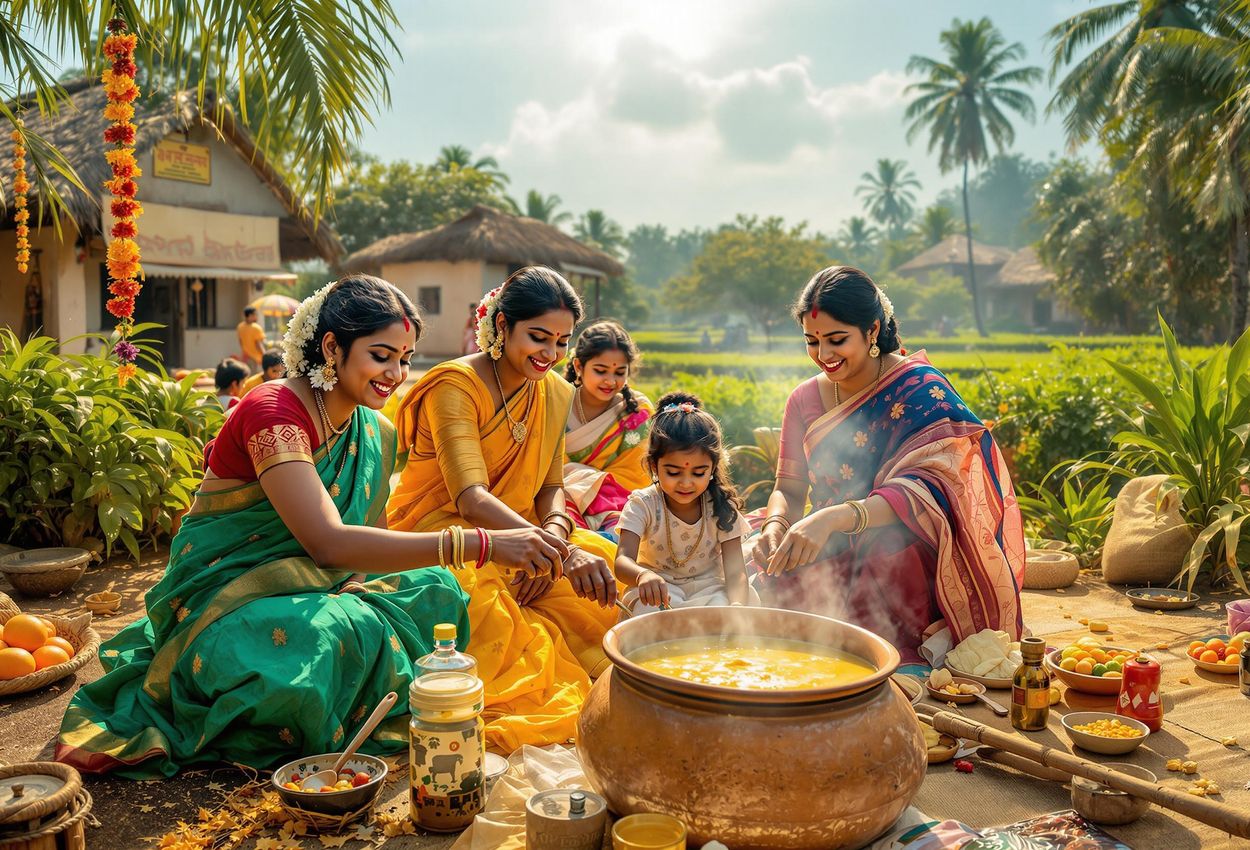
To experience Pongal in its most authentic form, head to a traditional Pongal celeation in a village near Chennai. Many villages organize community Pongal celeations, where you can witness the traditional cooking process, participate in cultural activities, and savor the delicious flavors of Pongal served on banana leaves. Alternatively, visit the Kapaleeshwarar Temple in Mylapore, Chennai, where Pongal is offered as prasad to the deities. Local Tip: The Pongal Thiruvizha at Chetpet Eco Park is one of the most widely celeated Pongal events in Chennai.
Undhiyu: Gujarat's Winter Harvest
Undhiyu, a rustic and flavorful mixed vegetable dish, is a winter specialty of Gujarat. This hearty dish is traditionally cooked in an underground pot ('matlu') over a slow fire, a method that imparts a unique smoky flavor and tenderizes the vegetables to perfection. The name 'Undhiyu' is derived from the Gujarati word 'undhu', meaning 'upside down', referring to the traditional cooking method.
Undhiyu is a celeation of winter vegetables, featuring a medley of seasonal produce such as green beans, unripe bananas, small eggplants, muthia (fenugreek dumplings), potatoes, and purple yam. These vegetables are combined with a blend of Gujarati spices, including cilantro leaves, ginger, garlic, green chili peppers, and sugar. The mixture is slow-cooked for hours in the underground pot, allowing the flavors to meld and deepen. The finished dish is a symphony of textures and flavors – the earthy sweetness of the root vegetables, the slight bitterness of the fenugreek dumplings, and the aromatic warmth of the spices.
The communal aspect of cooking and sharing Undhiyu is an integral part of the Gujarati culture. Families and communities often come together to prepare this dish, sharing stories, laughter, and the joy of creating something delicious together. Undhiyu is typically served with puris (deep-fried Indian ead) or rotla (Gujarati flatead made from millet or other grains), along with a side of pickle, chutney, and a cooling glass of buttermilk.
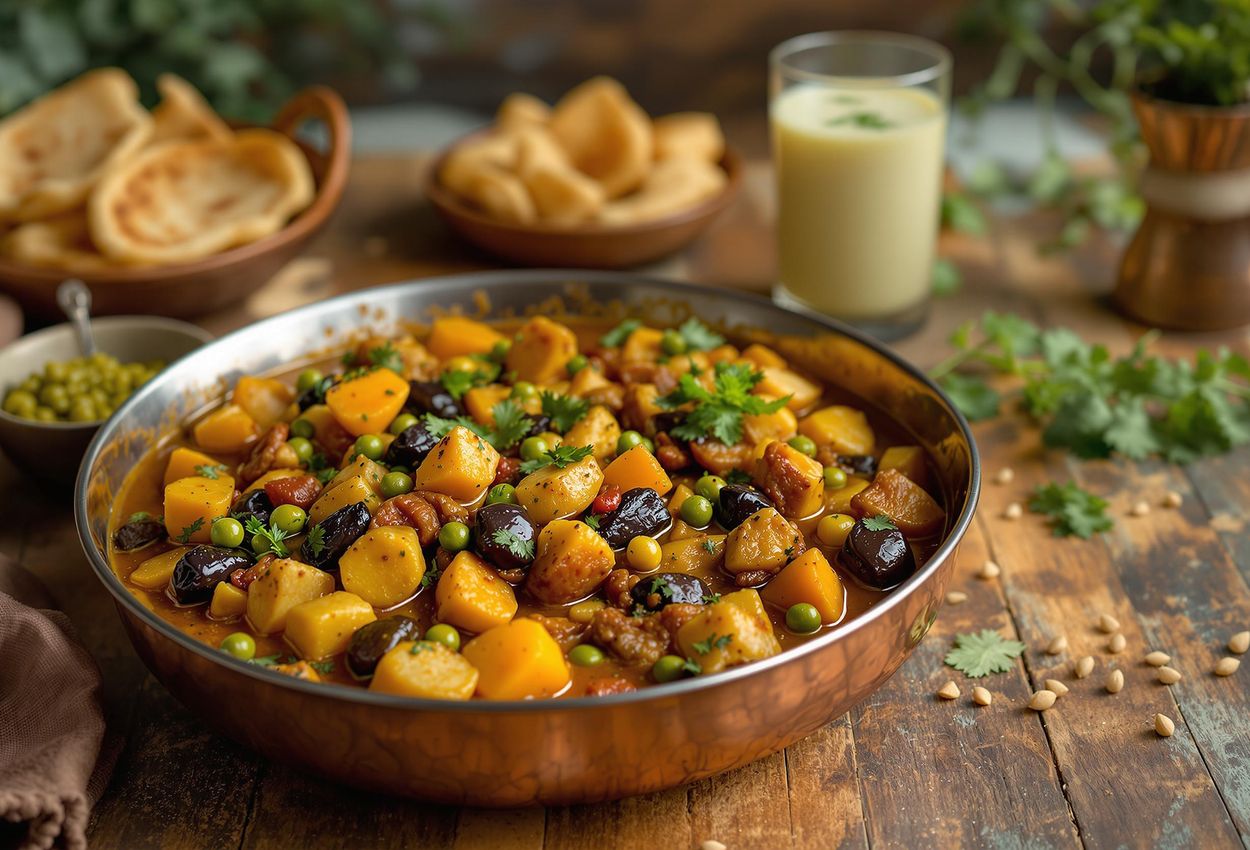
A hidden gem for experiencing authentic Undhiyu lies in the villages of South Gujarat, where traditional cooking methods are still practiced. Seek out local families or community gatherings where Undhiyu is prepared in the traditional underground pot. Alternatively, visit a traditional Gujarati restaurant in Surat, known for its authentic Undhiyu. Local Tip: Ask the locals for recommendations on the best places to try Undhiyu; they often have insider knowledge of hidden culinary gems. Kathiyawadi Undhiyu is a spicier variation popular in the Kathiyawad region.
Makara Chaula: Odisha's Offering
In Odisha, Makar Sankranti is celeated with the preparation of Makara Chaula, a unique dish made with uncooked rice, grated coconut, jaggery, and milk. This dish is not cooked but is prepared with the freshest ingredients available, symbolizing gratitude for the harvest and the bounty of nature. Makara Chaula is offered as prasad to deities during Makar Sankranti and is consumed by family members as a symbol of blessings and prosperity.
The ingredients of Makara Chaula are carefully selected for their nutritional and symbolic value. Uncooked rice represents the new harvest, while grated coconut symbolizes abundance and purity. Jaggery adds sweetness and warmth, while milk represents nourishment and prosperity. Other ingredients, such as banana, chhena (fresh cottage cheese), and spices, may also be added, depending on regional variations.
The preparation of Makara Chaula is a simple yet mindful process. The rice is washed and soaked, then mixed with the other ingredients in a bowl. The mixture is then offered to the deities, along with prayers and hymns. After the offering, the Makara Chaula is distributed among family members and friends as prasad. The dish is believed to ing good luck, health, and prosperity for the year ahead.
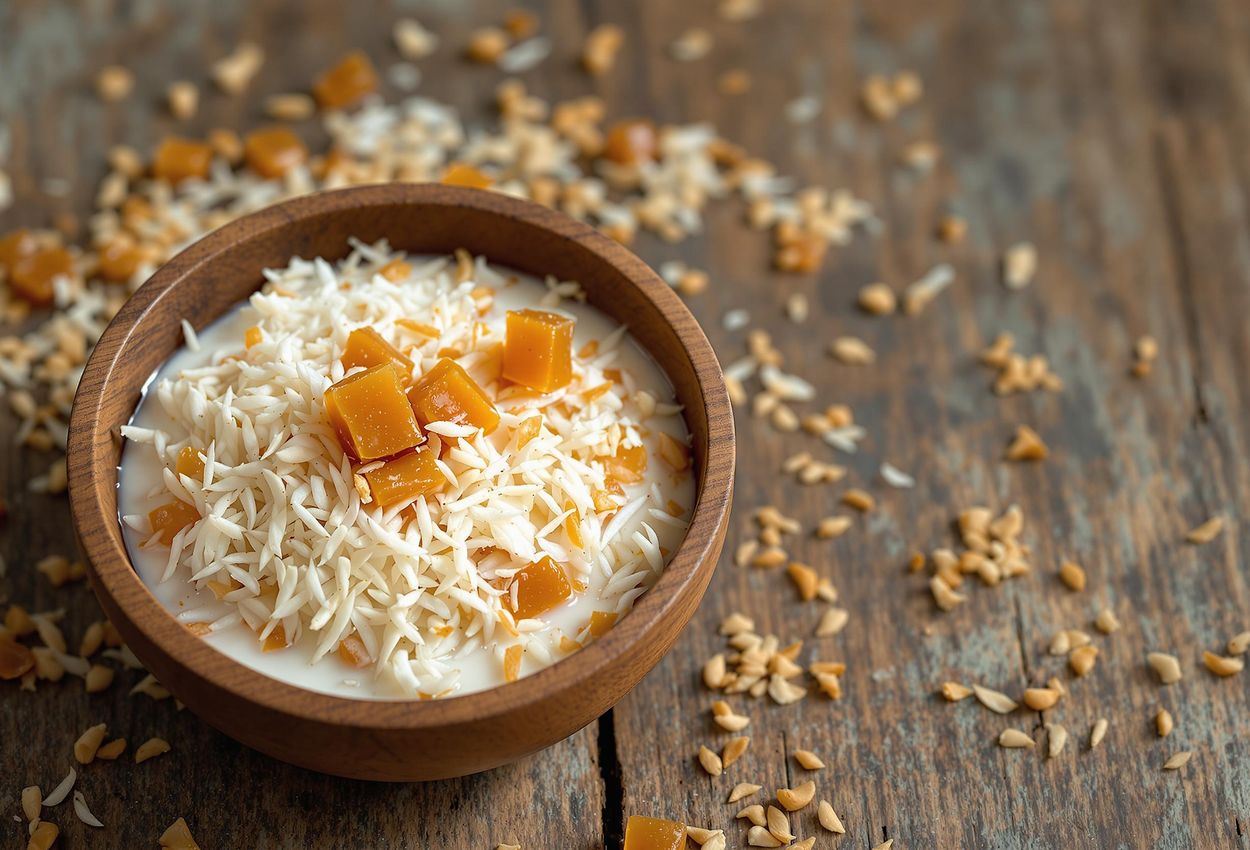
To experience the authentic tradition of Makara Chaula, visit the Lingaraj Temple in Bhubaneswar, where this dish is traditionally served as prasad during Makar Sankranti. Alternatively, seek out local families in Bhubaneswar who prepare Makara Chaula in their homes and offer to share their prasad. Local Tip: Some families add little millet rice, chopped apple, pomegranate seed, grated ginger, and black pepper powder to the dish.
Puran Poli: Maharashtra's Sweet Flatead
Puran Poli, a sweet flatead filled with chana dal (split chickpea lentils) and jaggery, is a beloved delicacy in Maharashtra, particularly during festivals like Makar Sankranti. This dish is a labor of love, requiring patience and skill to prepare, but the resulting flavors and textures are well worth the effort. Puran Poli symbolizes sweetness, prosperity, and the warmth of family bonds.
The preparation of Puran Poli involves two main components: the dough and the filling. The dough is made from wheat flour, water, and a touch of oil, and is kneaded until smooth and pliable. The filling, known as 'puran', is made from chana dal, jaggery, cardamom, and nutmeg. The chana dal is cooked until soft, then mashed and mixed with the jaggery and spices. The mixture is cooked further until it thickens and forms a smooth, sweet paste.
To assemble the Puran Poli, a small ball of dough is rolled out into a thin circle. A spoonful of the puran filling is placed in the center of the circle, and the edges of the dough are ought together to seal the filling. The filled dough ball is then gently rolled out again into a thin, even circle. The Puran Poli is cooked on a hot griddle until golden own and slightly puffed up. It is then ushed with ghee and served hot.

A hidden gem for experiencing authentic Puran Poli lies in the rural regions of Maharashtra, where families often have their own unique recipes passed down through generations. These family recipes may include variations such as the addition of nutmeg or cardamom to the puran filling, or the use of different types of flour for the dough. To taste authentic Puran Poli, visit a local market in Nagpur or seek out a Maharashtrian home that prepares this dish for Makar Sankranti. Local Tip: Taiechi Puranpoli in Pratap Nagar Nagpur offers a Strawberry Puranpoli.
Tilkut: Bihar and Jharkhand's Sesame Delight
Tilkut, a crunchy and intensely flavored sweet made from sesame seeds and jaggery, is a Makar Sankranti staple in Bihar and Jharkhand. This simple yet satisfying sweet is not only delicious but also packed with nutrients, making it a popular choice during the winter months. Tilkut symbolizes warmth, energy, and the sweetness of life.
The preparation of Tilkut involves pounding sesame seeds and jaggery together until they form a coarse, crumbly mixture. The sesame seeds are typically roasted before pounding to enhance their flavor and crunch. The jaggery is melted and mixed with the sesame seeds, then the mixture is pounded continuously until it reaches the desired consistency. The pounding process requires skill and patience, as the mixture needs to be pounded evenly to ensure a uniform texture and flavor.
Tilkut is often shared among families and communities during Makar Sankranti, strengthening social bonds and spreading festive cheer. It is also offered as prasad to deities in temples, symbolizing gratitude and devotion. The crunchy texture and intense sesame flavor of Tilkut make it a unique and memorable treat.
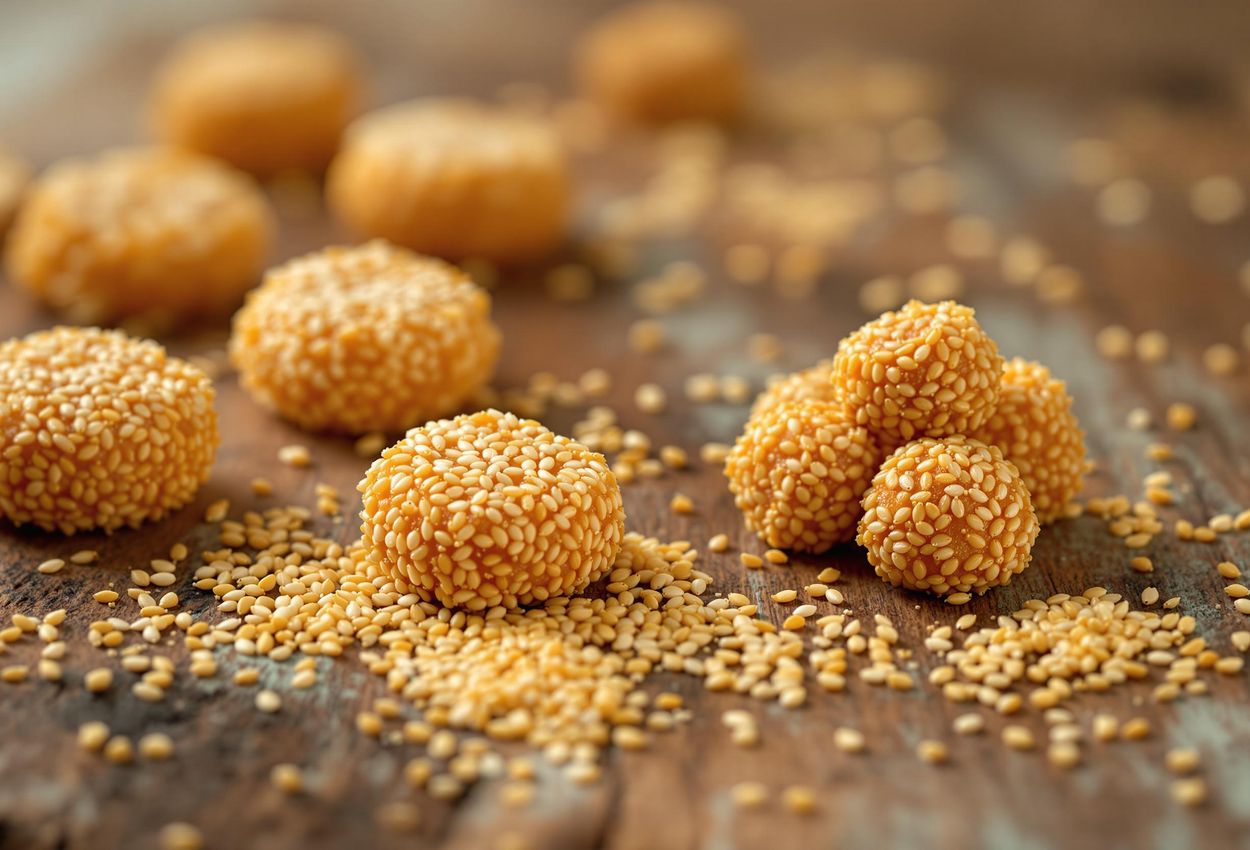
To experience the authentic taste of Tilkut, visit the city of Gaya in Bihar, which is renowned for its traditional Tilkut making. Explore the local markets and sweet shops in Gaya to find a variety of Tilkut variations, each with its own unique flavor and texture. Local Tip: Dangra Bazar, about 50km from Gaya, has been a beloved Tilkut-making location for over 70 years. Gaya's tilkut is celeated across India for its unique soft yet crispy texture and warm, nutty flavor.