To truly experience a destination, step beyond the tourist trail and emace the art of cultural immersion.
Cultural immersion is more than just visiting popular landmarks; it's about connecting with the heart and soul of a place by engaging with its traditions, values, and daily life. It's about seeking authentic experiences that offer a deeper understanding and appreciation of diversity. This journey of discovery leads to personal growth, cross-cultural understanding, and unforgettable memories.

Unlocking Authentic Experiences: Beyond the Tourist Trail
The essence of cultural immersion lies in venturing beyond the well-trodden tourist paths and seeking out genuine interactions with the local way of life. It's about trading the familiar comfort of curated experiences for the thrill of the unknown, the richness of the unexpected. Instead of merely observing, you become a participant, engaging with the community and its customs. This approach transforms a typical vacation into a profound journey of discovery and connection.
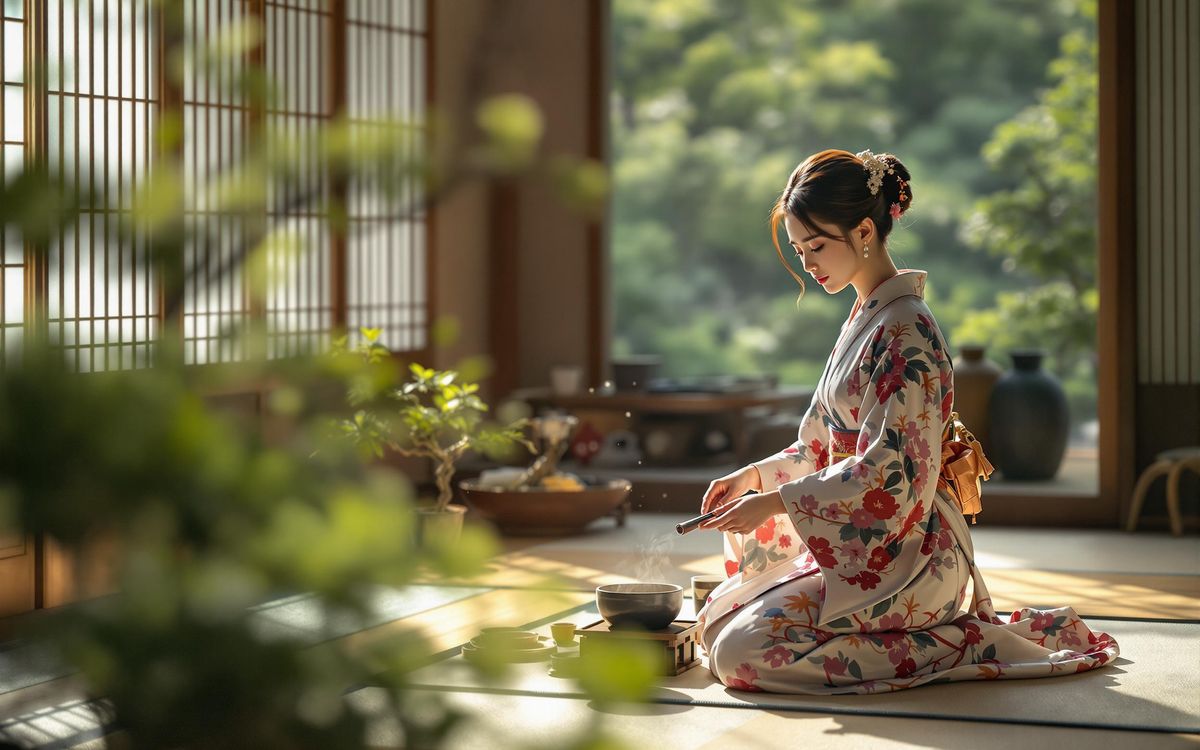
Consider, for example, exploring the lesser-known neighborhoods of Kyoto, Japan. Here, away from the bustling tourist hotspots, you might stumble upon a traditional tea ceremony, a serene and meditative ritual passed down through generations. Participating in such a ceremony is not just about tasting matcha; it's about understanding the deep-rooted values of harmony, respect, purity, and tranquility that underpin Japanese culture. Similarly, in Oaxaca, Mexico, a local cooking class offers more than just a culinary lesson. It's an immersion into the viant world of traditional Mexican cuisine, where you learn about the history, ingredients, and techniques that have shaped the region's culinary identity.
The benefits of cultural immersion are manifold. On a personal level, it fosters adaptability, resilience, and a oader perspective. By stepping outside your comfort zone and navigating unfamiliar situations, you develop a greater sense of self-awareness and confidence. Cross-cultural understanding is another significant outcome. Immersing yourself in a different culture allows you to see the world through a new lens, challenging your assumptions and biases, and fostering empathy and respect for different ways of life. Ultimately, cultural immersion cultivates a deeper appreciation for diversity. It reveals the beauty and richness of human expression in all its forms, from art and music to language and cuisine. It fosters a sense of interconnectedness and reminds us of our shared humanity.
Local Tip: Seek out local festivals and celeations. These events offer a concentrated dose of cultural immersion, allowing you to witness traditions, rituals, and performances that have been passed down through generations. Check local event listings and tourism websites for information on upcoming festivals and celeations.
Decoding the Cultural Landscape: Research and Respect
Before embarking on any journey of cultural immersion, it's crucial to arm yourself with knowledge and understanding. Researching a destination's culture and customs is not just a matter of convenience; it's an act of respect. It demonstrates your willingness to engage with the local way of life on its own terms, rather than imposing your own expectations and assumptions. This preparation can significantly enhance your experience, allowing you to navigate social situations with greater confidence and avoid unintentional faux pas.
Practical tips for learning about local traditions, etiquette, and social norms abound. Guidebooks, travel websites, and cultural organizations are valuable resources, offering insights into everything from greetings and gestures to dining customs and dress codes. However, it's important to approach these sources with a critical eye, avoiding stereotypes or generalizations that may perpetuate misinformation. Instead, seek out diverse perspectives, consulting multiple sources and engaging with local voices whenever possible.
Consider the potential pitfalls of relying on stereotypes. For example, assuming that all people in a particular country are reserved or outgoing can lead to misunderstandings and missed opportunities for connection. Similarly, generalizing about religious beliefs or political views can be insensitive and disrespectful. By acknowledging the diversity within cultures, you can approach interactions with greater nuance and empathy.
Specific examples of cultural faux pas to avoid vary widely depending on the destination. In India, using the left hand for eating or handling food is considered unclean, as the left hand is traditionally used for personal hygiene. In Thailand, showing the soles of your feet is seen as disrespectful, as the feet are considered the lowest part of the body. In Japan, it's customary to remove your shoes before entering someone's home, as shoes are considered dirty and should not be worn indoors. These are just a few examples of the many cultural nuances that travelers should be aware of.
Above all, remember that mindfulness and respect are paramount. Even if you're unsure about a particular custom or belief, approach the situation with humility and a willingness to learn. Observe how locals behave and emulate their actions. If you're unsure whether something is appropriate, err on the side of caution and avoid doing anything that could be considered offensive. By demonstrating sensitivity and respect, you can foster positive relationships with locals and create a more enriching and meaningful travel experience.
Hidden Gem: Local liaries and cultural centers often host talks, workshops, and exhibitions that offer insights into local traditions and customs. Check their event listings for opportunities to learn more about the destination you're visiting.
Dress the Part: Cultural Sensitivity in Wardrobe Choices
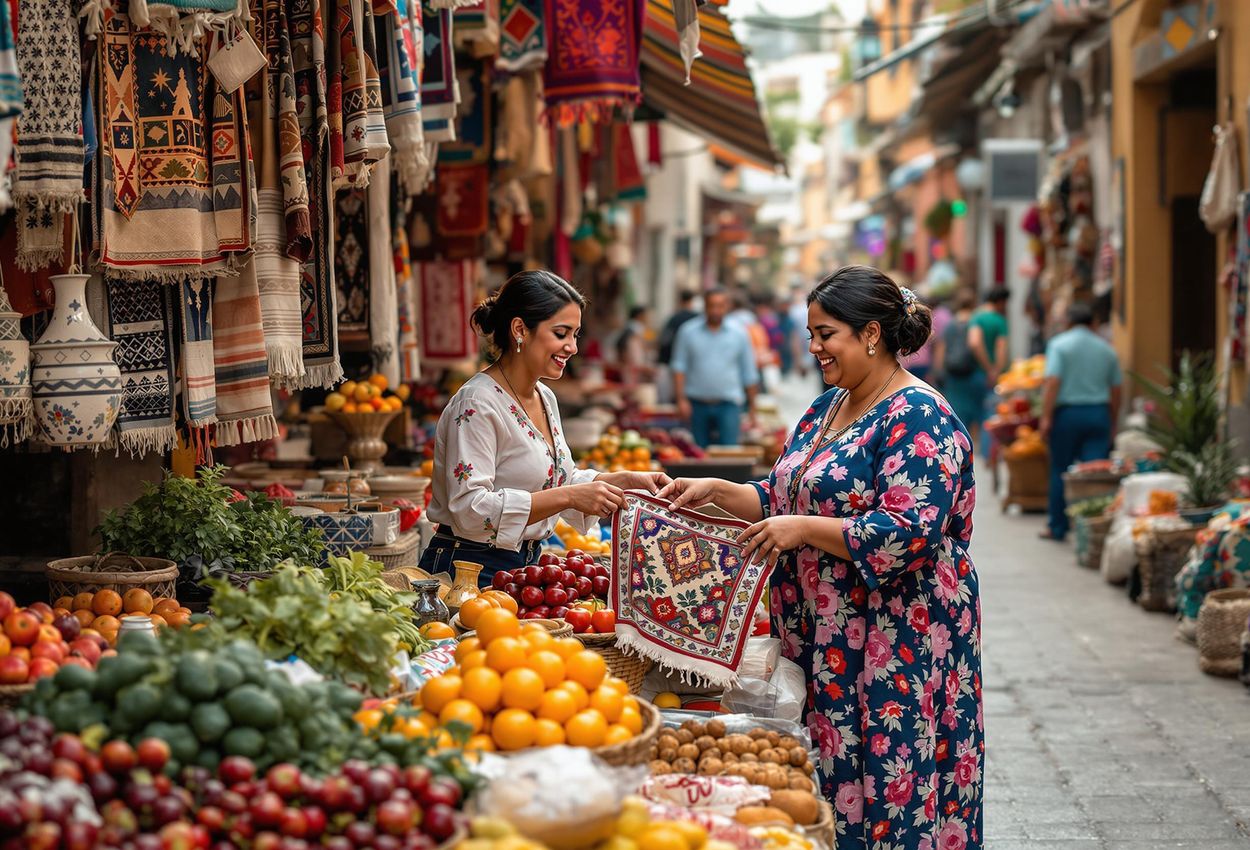
Clothing is more than just a means of covering the body; it's a powerful form of communication that can convey respect, disrespect, or simply a lack of awareness. When traveling to different cultural settings, it's essential to consider the implications of your wardrobe choices and dress in a way that is appropriate and sensitive to local customs. This not only demonstrates respect for the local culture but also helps you blend in and avoid unwanted attention.
Clothing choices can indeed be a sign of respect or disrespect, depending on the context. In many cultures, dressing modestly is considered a sign of respect, particularly when visiting religious sites or conservative communities. This typically involves covering the shoulders, knees, and chest, and avoiding revealing or tight-fitting clothing. In other cultures, clothing may be more relaxed, but it's still important to be mindful of local norms and avoid anything that could be considered offensive or provocative.
Guidelines on dressing modestly vary depending on the destination. When visiting mosques in Muslim countries, women are typically required to cover their heads with a headscarf, and both men and women should dress modestly. In India, it's customary to dress conservatively, particularly in rural areas, and women should avoid wearing sleeveless tops or short skirts. In Southeast Asia, it's important to remove your shoes before entering temples or homes, and to dress respectfully when visiting religious sites.
Specific clothing items that are suitable for certain destinations may include a headscarf for women visiting mosques, loose-fitting clothing for hot and humid climates, or modest swimwear for beaches in conservative areas. It's also a good idea to pack versatile clothing items that can be layered or mixed and matched to create different outfits. This allows you to adapt to changing weather conditions and cultural norms without having to pack an excessive amount of clothing.
Observing how locals dress is a valuable way to gauge what is considered appropriate. Pay attention to the styles, colors, and faics that are commonly worn in the area, and try to emulate their style as closely as possible. This will not only help you blend in but also demonstrate your respect for the local culture. If you're unsure about what to wear, ask a local for advice. They will be able to provide you with valuable insights and help you avoid any potential faux pas.
Local Tip: Pack a lightweight scarf or shawl that can be used to cover your head, shoulders, or knees when visiting religious sites or conservative communities. This is a versatile item that can be easily packed and will come in handy in a variety of situations.
Speaking the Language of Respect: Communication Tips
Communication is the idge that connects people from different cultures, but it's not always as simple as speaking the same language. Even when you don't share a common tongue, making an effort to communicate in the local language can go a long way in building rapport with locals and demonstrating your respect for their culture. This simple gesture can open doors to meaningful interactions and unforgettable experiences.
Learning a few basic phrases in the local language is a sign of goodwill that is almost always appreciated. Even if you only know a few words, such as greetings, thank you, and please, it shows that you're making an effort to connect with the local culture. These phrases can be used in a variety of situations, from ordering food at a restaurant to asking for directions on the street.
Essential phrases to learn include: Greetings (hello, goodbye), Politeness (please, thank you, excuse me), Basic needs (water, food, bathroom), Directions (where is..., how do I get to...), and Numbers (one, two, three).
Non-verbal communication is another important aspect of cultural immersion. Body language, gestures, and eye contact can all convey different meanings depending on the culture. For example, in some cultures, direct eye contact is considered a sign of respect, while in others, it's seen as aggressive or confrontational. Similarly, certain gestures that are common in one culture may be offensive in another.
Caution against using slang or idioms that may not translate well. These expressions are often culturally specific and may not be understood by people from other backgrounds. It's best to stick to simple, clear language that is easy to understand. Also, be patient and understanding when communicating with people who speak a different language. Communication can be challenging, especially when there are language barriers, but it's important to remain patient and respectful. If you're having trouble understanding someone, try rephrasing your question or using gestures to clarify your meaning.

Local Tip: Download a translation app on your smartphone. These apps can be a lifesaver when you're struggling to communicate in a foreign language. Many apps also offer offline translation, which can be particularly useful in areas where there is no internet access.
Dining with Dignity: Navigating Culinary Customs
Food is more than just sustenance; it's an integral part of culture that reflects a society's history, values, and traditions. Dining etiquette varies widely around the world, and understanding these customs is essential for demonstrating respect and avoiding unintentional offense. By familiarizing yourself with local dining practices, you can enhance your culinary experiences and create more meaningful connections with the people you meet.
Eating politely in different cultural settings requires awareness and sensitivity. In some cultures, it's customary to eat with your hands, while in others, utensils are preferred. In some cultures, it's considered polite to finish everything on your plate, while in others, leaving a small amount of food is a sign that you're satisfied. By observing how locals eat and following their lead, you can navigate dining situations with greater confidence and grace.
Specific examples of dining customs to be aware of include: Using chopsticks correctly in Japan: Avoid sticking your chopsticks upright in a bowl of rice, as this is reminiscent of funeral rituals. Eating with the right hand in India: The left hand is traditionally used for personal hygiene and should not be used for eating. Leaving a small amount of food on the plate in China: This indicates that you've had enough to eat and that your host has provided you with an ample meal.
Trying local cuisine is an essential part of cultural immersion. Be open to new flavors and textures, even if they're unfamiliar or challenging. Ask locals for recommendations on the best restaurants and dishes to try. Don't be afraid to step outside your comfort zone and experiment with new culinary experiences. You may discover some unexpected favorites.
Hidden Gem: Take a food tour with a local guide. These tours offer a curated experience of the local culinary scene, allowing you to sample a variety of dishes and learn about the history and traditions behind them.
Festival Frolics: Immersing in Celeatory Traditions
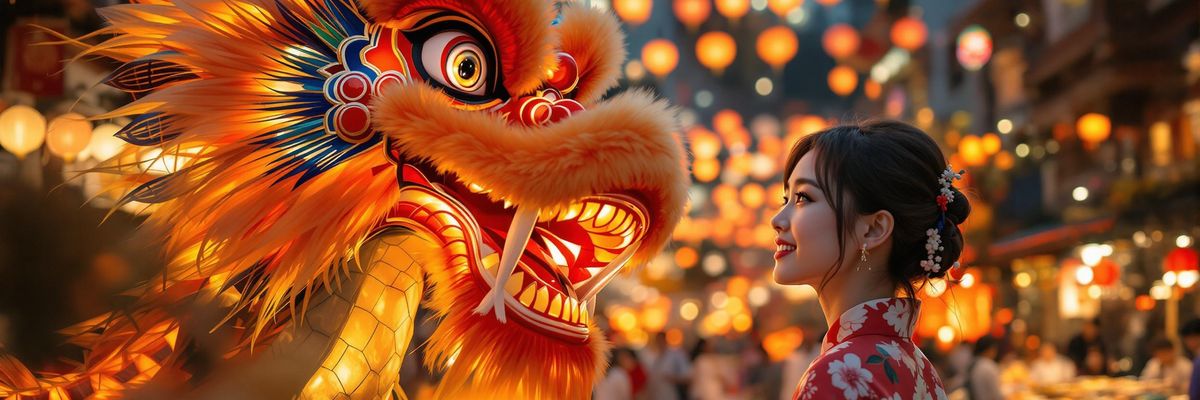
Festivals and celeations are viant expressions of culture that offer a unique window into a community's values, beliefs, and history. Attending local festivals is a fantastic way to experience cultural immersion firsthand, but it's important to participate respectfully and be mindful of local customs and traditions. By engaging with these events in a thoughtful and sensitive manner, you can create lasting memories and foster a deeper appreciation for the diversity of human expression.
Tips on how to participate respectfully in festivals and celeations include: Learning about the history and significance of the festival before attending. Dressing appropriately for the occasion. Participating in activities and interacting with locals. Avoiding disruptive behavior and respecting sacred spaces.
Specific festivals to consider include: Diwali in India: A festival of lights that celeates the triumph of good over evil. Songkran in Thailand: A water festival that marks the beginning of the traditional Thai New Year. Day of the Dead in Mexico: A celeation that honors deceased loved ones.
When attending a festival, it's important to dress appropriately for the occasion. This may involve wearing traditional clothing or simply dressing modestly. Participate in activities and interact with locals. This is a great way to learn more about the culture and make new friends. Be respectful of local customs and traditions. Avoid disruptive behavior and be mindful of sacred spaces.
Local Tip: Check local event listings and tourism websites for information on upcoming festivals and celeations. Many festivals offer volunteer opportunities, which can be a great way to get involved and learn more about the culture.

Sacred Spaces: Respecting Religious Traditions
Religious sites are often the most culturally significant landmarks in a destination, representing centuries of history, tradition, and spiritual practice. When visiting these sites, it's essential to show respect for the local customs and beliefs, even if they differ from your own. By behaving appropriately and following the guidelines, you can demonstrate your appreciation for the cultural heritage and avoid causing offense.
Guidelines on how to behave appropriately in temples, churches, mosques, and other sacred spaces include: Dressing modestly: Cover your shoulders, knees, and chest. Removing your shoes if required: This is a common practice in many temples and mosques. Refraining from disruptive behavior: Avoid loud talking, laughing, or other activities that could disturb worshippers. Caution against taking photographs where it is prohibited: Some religious sites prohibit photography altogether, while others may allow it in certain areas but not others.
It is important to learn about the history and significance of the religious site before visiting. This will help you understand the local customs and beliefs and appreciate the cultural heritage. You can find information on the history and significance of religious sites in guidebooks, travel websites, and cultural organizations. You can also ask a local for advice.
Hidden Gem: Many religious sites offer guided tours led by local experts. These tours can provide valuable insights into the history, architecture, and religious significance of the site.
Home is Where the Heart Is: Accepting Invitations
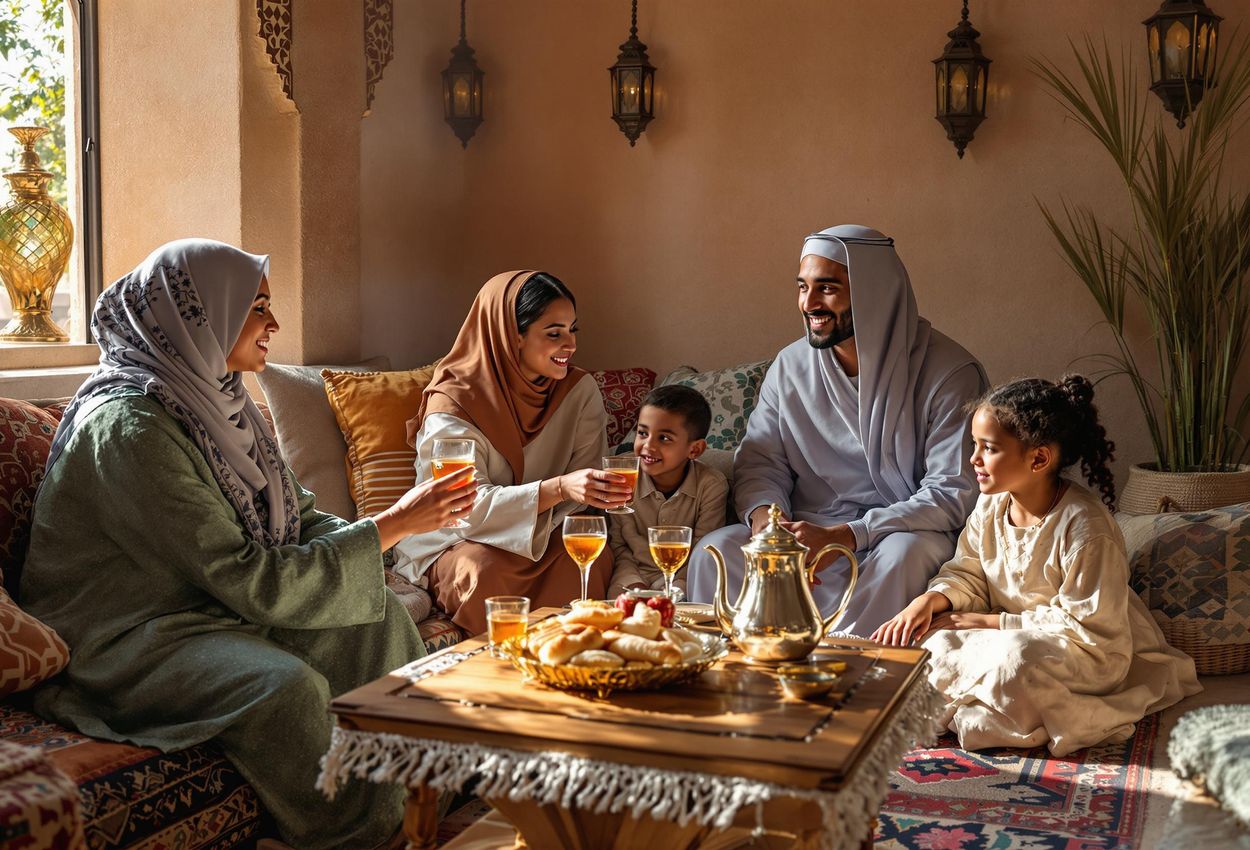
Being invited into a local's home is a unique privilege that offers an intimate glimpse into their culture and way of life. Accepting such invitations with grace and gratitude is a sign of respect and can lead to meaningful connections and unforgettable experiences. However, it's important to be mindful of local customs and etiquette to ensure that you're a gracious and respectful guest.
Appropriate gift-giving customs vary depending on the culture. In some cultures, it's customary to ing a small gift to show your appreciation for the invitation. In other cultures, gift-giving may not be expected or may even be considered inappropriate. Research the local customs before accepting an invitation to a local home.
Specific gifts that are suitable for certain cultures include: Flowers: A classic gift that is always appreciated. Chocolates: A sweet treat that is sure to please. Local crafts: A unique and thoughtful gift that supports local artisans.
When visiting a local's home, it's important to be a gracious and respectful guest. Arrive on time, dress appropriately, and be mindful of local customs and etiquette. Engage in conversation with your hosts and show genuine interest in their culture and way of life. Thank your hosts for their hospitality and express your appreciation for the invitation.
Local Tip: Learn a few basic phrases in the local language. This will help you communicate with your hosts and show your respect for their culture.
Beyond Souvenirs: Supporting Local Communities
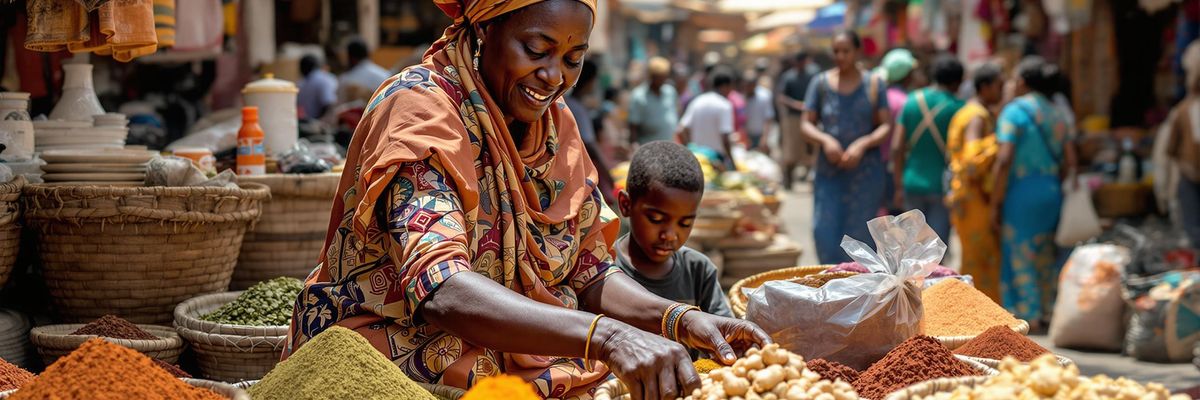
Travel can be a powerful force for good, but it's important to be mindful of the impact you have on the local communities you visit. One of the most effective ways to support these communities is to spend your money wisely, choosing to patronize local businesses and artisans rather than large multinational corporations. By doing so, you can help to ensure that your tourism dollars benefit the people who live and work in the area, rather than being siphoned off to distant shareholders.
Buying souvenirs from local artisans and businesses is a great way to support the local economy. Look for unique, handcrafted items that reflect the local culture and traditions. Avoid buying mass-produced souvenirs that are made in factories overseas. These items may be cheaper, but they don't provide any benefit to the local community.
Specific ways to contribute to the local economy include: Eating at family-run restaurants: These restaurants offer authentic local cuisine and provide a livelihood for local families. Staying at locally owned hotels: These hotels are often smaller and more intimate than large chain hotels, and they provide a more authentic experience. Taking tours with local guides: Local guides can provide valuable insights into the history, culture, and traditions of the area.
Caution against buying counterfeit goods or supporting unethical businesses. Counterfeit goods are often of poor quality and may be produced in sweatshops or factories that exploit workers. Unethical businesses may engage in practices that harm the environment or the local community.
Local Tip: Look for businesses that are certified by sustainable tourism organizations. These organizations have standards for environmental and social responsibility, and they can help you identify businesses that are committed to supporting local communities.
Emacing the Unexpected: Flexibility and Open-Mindedness
Travel is an adventure, and like any adventure, it's bound to involve unexpected twists and turns. Things may not always go as planned, and it's important to be prepared to adapt to changing circumstances. This requires flexibility, open-mindedness, and a willingness to emace the unknown. By approaching travel with this mindset, you can turn potential setbacks into opportunities for growth and discovery.
Things may not always go as planned, and it is important to be adaptable and patient. Flights may be delayed, buses may be late, and accommodations may not be what you expected. Instead of getting frustrated, try to see these challenges as part of the adventure. Emace the unexpected and be willing to go with the flow.
Advise travelers to emace the unexpected and be willing to step outside of their comfort zone. Try new foods, explore unfamiliar neighborhoods, and engage with people who are different from you. These experiences can be transformative, challenging your assumptions and oadening your perspective.
Encourage them to learn from their experiences and to be grateful for the opportunity to connect with different cultures. Travel is a privilege, and it's important to appreciate the opportunity to learn from other cultures and to connect with people from different backgrounds. Be grateful for the experiences you have and the people you meet along the way.
By emacing the unexpected, you can transform potential setbacks into opportunities for growth and discovery. You'll learn to adapt to changing circumstances, challenge your assumptions, and connect with people from different backgrounds. These experiences will enrich your life and leave you with lasting memories.

Local Tip: Pack a sense of humor. A good sense of humor can help you navigate challenging situations and connect with people from different cultures.