In an increasingly interconnected world, global events play a pivotal role in fostering cross-cultural understanding. These shared experiences, from ancient games to modern festivals, offer unique opportunities for people from diverse backgrounds to connect, learn, and build idges of empathy.
The Pythian Games: Ancient Roots of Unity
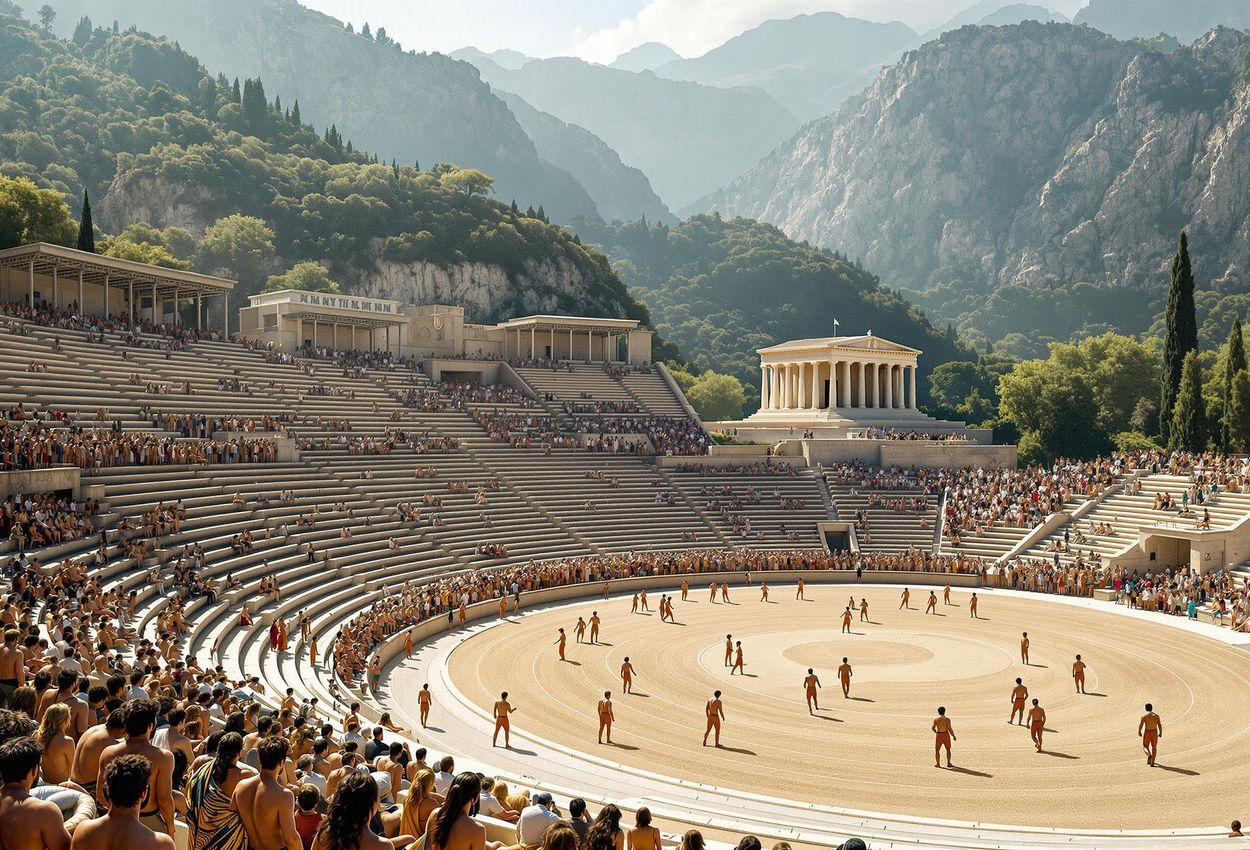
Imagine stepping back in time to ancient Greece, 582 BC, to witness the splendor of the Pythian Games. Held in Delphi, these games were more than just athletic competitions; they were a viant celeation of music, poetry, and artistic expression. The atmosphere was electric, filled with anticipation and excitement as participants and spectators from various Greek city-states converged to honor the god Apollo.
Unlike the more widely known Olympic Games, the Pythian Games placed a strong emphasis on cultural contests. Poets recited epic verses, musicians played enchanting melodies on their lyres, and actors performed dramatic plays that captivated the audience. These artistic displays were not mere entertainment; they were a means of fostering a sense of shared identity and goodwill among the diverse attendees. The games transcended regional boundaries, encouraging interaction and understanding between different Greek city-states, each with its unique customs and traditions.
The impact of the Pythian Games extended far beyond the duration of the festival. By inging together people from different regions, the games facilitated the exchange of ideas, customs, and artistic styles. This cultural diffusion enriched the lives of individuals and contributed to the development of a more cohesive Hellenic identity. The games served as a reminder that despite their political differences, the Greek city-states were united by a shared heritage and a common appreciation for beauty and excellence.
The Pythian Games fostered a spirit of harmony and collaboration across communities and borders. They provided opportunities for artists and cultural enthusiasts to showcase their skills and talents while also promoting understanding and cooperation among diverse cultures. Through these initiatives, the games created a platform where creativity thrived, traditions were honored, and individuals from all walks of life came together to celeate the power of art, culture, and sports.
The games provided a platform for diplomatic negotiations and the exchange of ideas, as well as the opportunity to showcase the wealth, power, and cultural achievements of individual city-states. The sacred truce observed during the Pythian Games ensured safe passage for participants and spectators, reinforcing the idea of a shared Greek identity and the importance of peaceful interaction.
Olympics: A Modern Arena for Global Harmony
Fast forward to the modern era, and we find another prime example of a global event that promotes cross-cultural understanding: the Olympic Games. This quadrennial celeation of athletic excellence ings together athletes and spectators from nearly every nation on Earth, creating a viant tapestry of cultures and traditions.
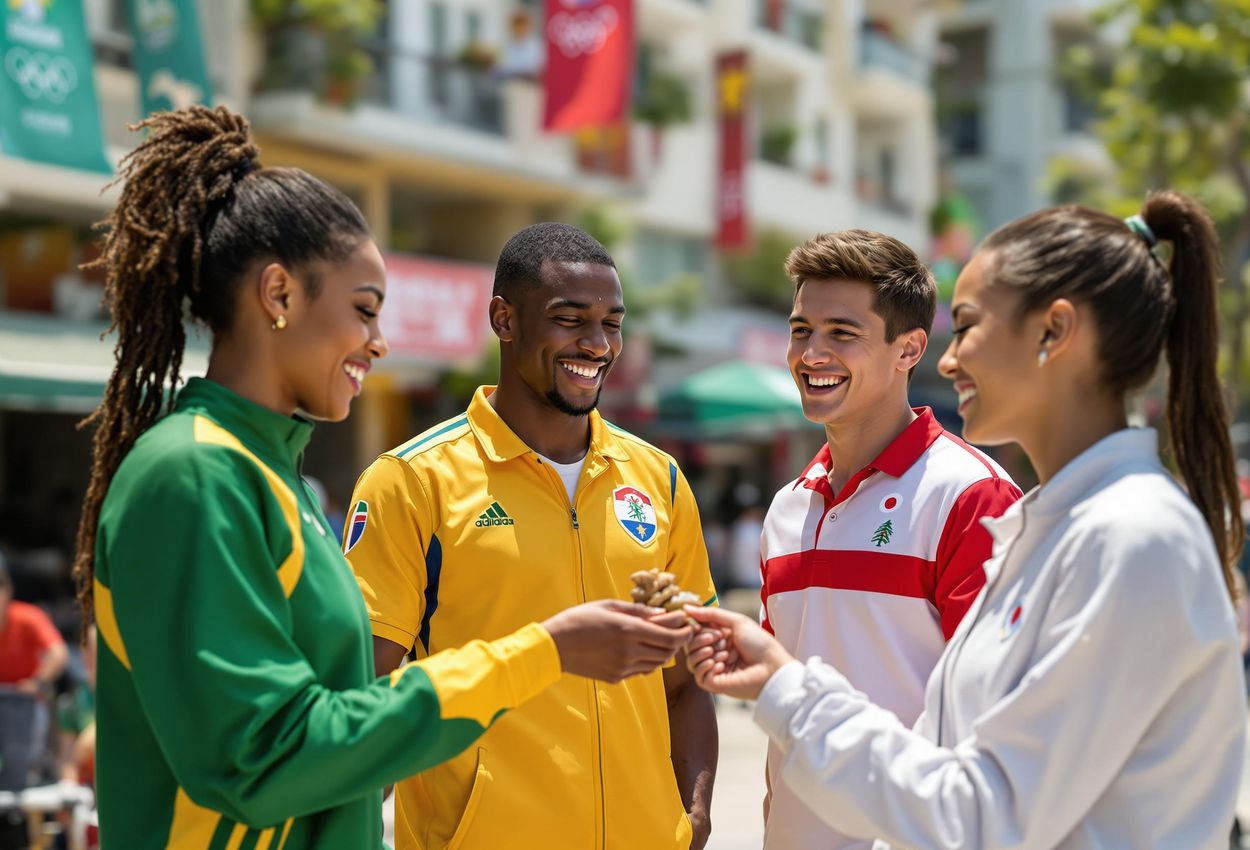
The Olympic Village serves as a melting pot where athletes from diverse backgrounds live and interact, sharing experiences and building relationships. Imagine athletes from countries with long-standing political tensions engaging in friendly banter over a game of table tennis or sharing stories about their training regimes. These seemingly small interactions can have a profound impact on eaking down stereotypes and fostering mutual respect.
The Olympics have successfully idged cultural divides. During the 1988 Seoul Olympics, athletes from East and West Germany competed together for the last time before the fall of the Berlin Wall. This symbolic act of unity demonstrated the power of sports to transcend political barriers and ing people together. Similarly, the participation of athletes from North and South Korea in joint teams has served as a powerful message of reconciliation and hope.
Beyond the athletic competitions, the Olympics also provide a platform for cultural exchange through ceremonies, performances, and exhibitions. The opening and closing ceremonies showcase the host country's unique heritage, while cultural festivals and art displays offer visitors a glimpse into the diverse traditions of participating nations. These cultural experiences oaden perspectives and promote appreciation for the richness of human expression.
The Paris 2024 Olympic Village is designed to foster interaction and community among athletes. The village includes several gyms, state-of-the-art training centers, a polyclinic, multi-faith prayer room, cafes, and a post office. There are roof gardens, laundry services, a game room, an apparel shop, a hair salon, a mindfulness center, and a nightclub (but no alcohol). Food stands and vending machines are available everywhere, all gratis. However, many delegations, including the U.S., Great itain, Hong Kong, Italy, and Norway, ought their own AC units into the village.
FIFA World Cup: More Than Just a Game
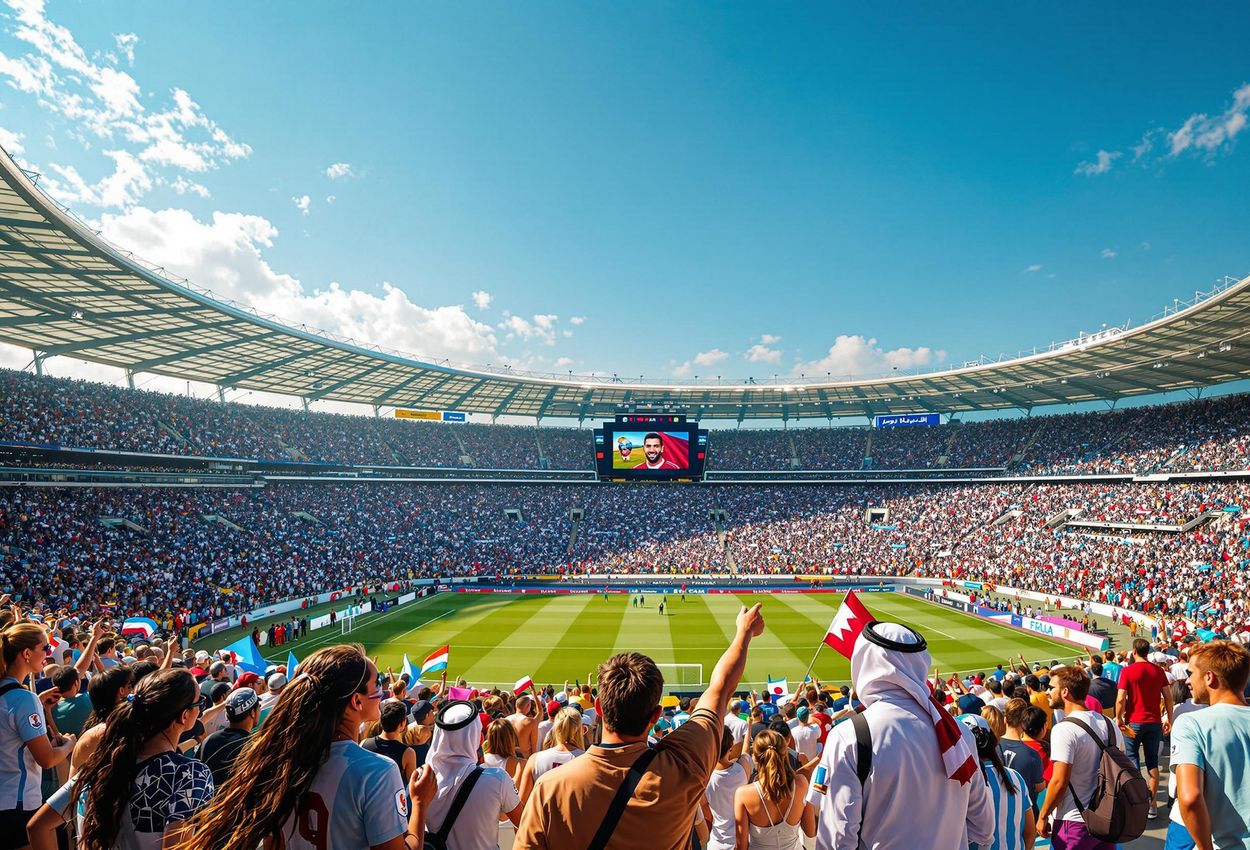
The FIFA World Cup, is more than just a game; it's a global phenomenon that unites fans from around the globe, creating a shared experience of excitement and national pride. Every four years, nations set aside their differences to celeate the beautiful game, fostering a sense of camaraderie and mutual respect.
The World Cup unites fans from around the globe, creating a shared experience of excitement and national pride. The cultural exchange occurs as fans travel to host countries, immersing themselves in new environments and interacting with locals. The World Cup promotes tolerance and respect for different cultures, even amidst intense competition.
As fans travel to the host country, they immerse themselves in a new environment, sampling local cuisine, learning about the country's history, and interacting with locals. These experiences oaden their understanding of different cultures and challenge preconceived notions. The World Cup becomes a catalyst for intercultural dialogue and exchange, eaking down barriers and fostering empathy.
Even amidst intense competition, the World Cup promotes tolerance and respect for different cultures. Fans from rival nations often engage in friendly banter, sharing their passion for the game and celeating the diversity of footballing styles. This spirit of sportsmanship transcends national boundaries, reminding us that we are all part of a global community.
The World Cup has a significant impact on the host country's economy and society. Local businesses thrive, tourism increases, and infrastructure improves. The event also provides a platform for the host country to showcase its culture and traditions to a global audience, boosting its international reputation and fostering cultural exchange.
Edinburgh Festival Fringe: Where Creativity Knows No Borders
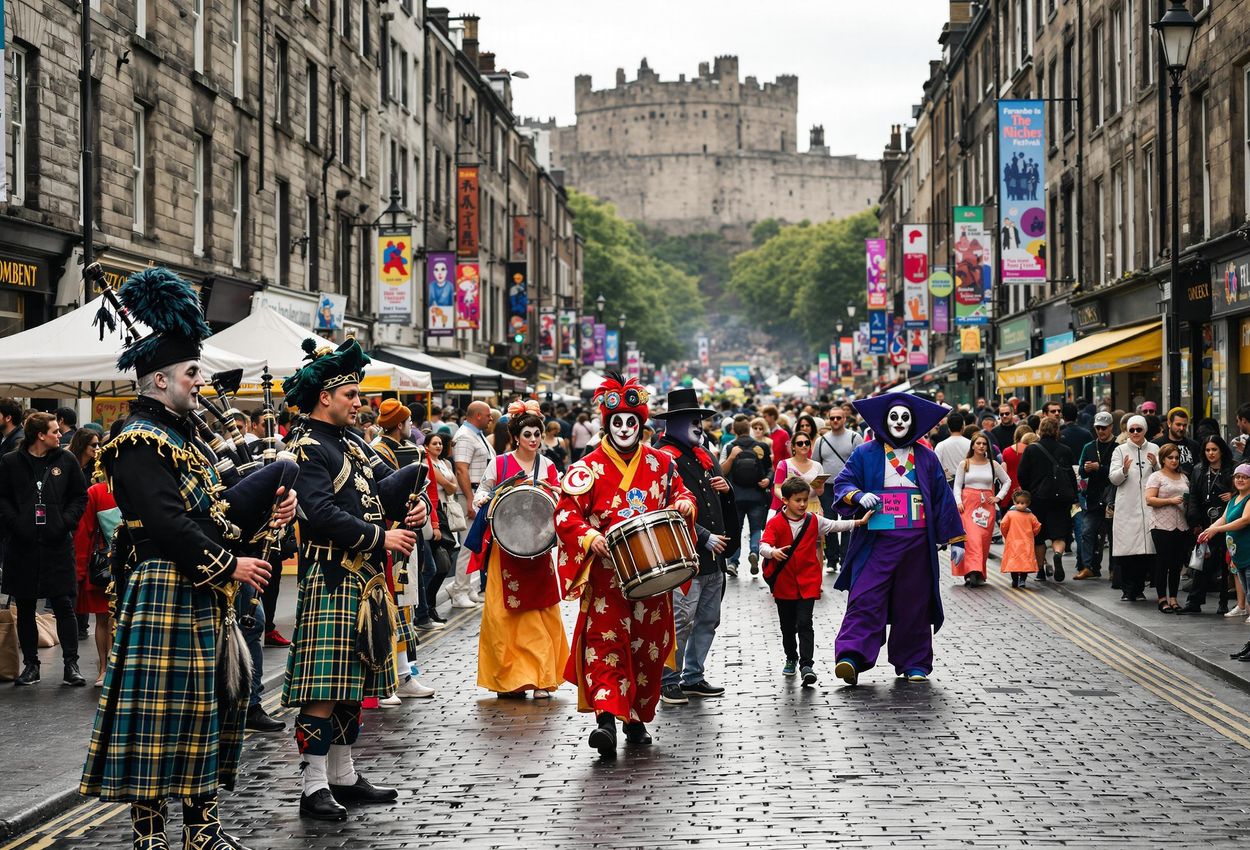
The Edinburgh Festival Fringe stands as a testament to the power of artistic expression to transcend cultural boundaries. Every August, this viant festival transforms the Scottish capital into a global stage, where performers and audiences from diverse backgrounds converge to celeate creativity in all its forms.
The festival ings together performers and audiences from diverse backgrounds, fostering creativity and understanding. The unique atmosphere of the Fringe allows artists from different cultures to share their work and engage in dialogue. Workshops also take place during the festival.
The Fringe's open-access policy ensures that anyone with a story to tell can participate, regardless of their background or experience. This inclusivity fosters a unique atmosphere of artistic freedom and experimentation, where artists from different cultures can share their work and engage in dialogue. The festival becomes a melting pot of ideas, perspectives, and artistic styles, challenging conventional norms and promoting cross-cultural understanding.
Many performances at the Fringe directly address issues of cultural identity, social justice, and global citizenship. These productions spark conversations, challenge assumptions, and encourage audiences to reflect on their own perspectives. The festival becomes a platform for raising awareness about important social issues and promoting empathy and understanding.
Beyond the performances, the Fringe also offers a variety of workshops, talks, and exhibitions that promote cross-cultural learning. These events provide opportunities for artists and audiences to engage in dialogue, share their experiences, and learn from one another. The festival becomes a space for building idges of understanding and fostering a sense of global community.
Diwali in the USA: A Festival of Lights Illuminating Cultural idges
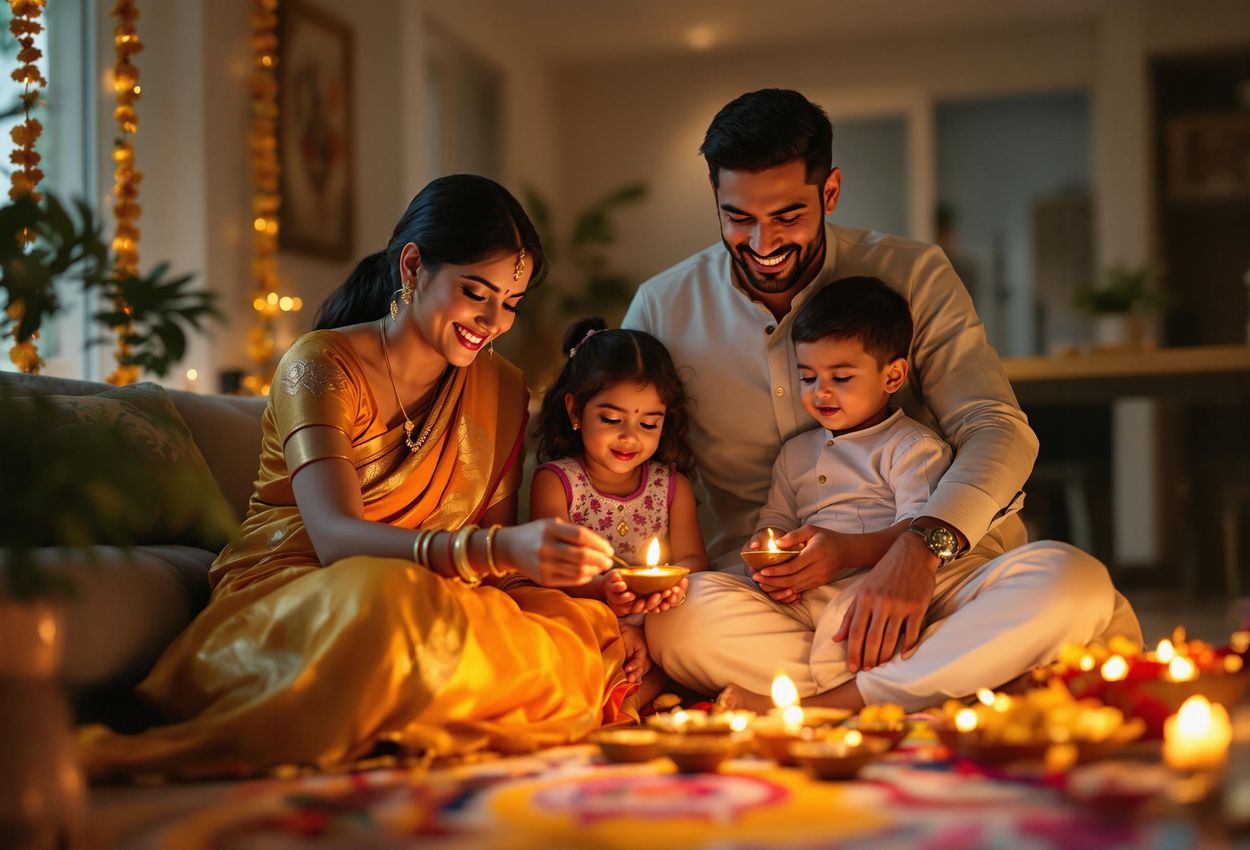
Across the United States, Diwali, the Festival of Lights, has become a symbol of cultural exchange and understanding. Celeated by Indian communities across the country, this joyous festival offers opportunities for Americans from diverse backgrounds to learn about Indian culture and traditions.
Diwali, the Festival of Lights, is celeated by Indian communities across the USA. These celeations offer opportunities for Americans from diverse backgrounds to learn about Indian culture and traditions. Diwali events in cities like New York or Chicago attract large crowds and foster intercultural dialogue.
Diwali celeations in cities like New York and Chicago attract large crowds, featuring cultural performances, food stalls, and dazzling displays of lights. These events provide a glimpse into the rich traditions of Indian culture, from the intricate art of rangoli to the viant costumes of traditional dances. Attendees have the opportunity to sample Indian cuisine, listen to Bollywood music, and learn about the significance of the festival.
Many schools and community centers across the United States organize Diwali celeations, inviting students and community members to participate in cultural activities and learn about the festival's significance. These events foster a sense of inclusivity and promote understanding among different cultural groups. Children learn about the importance of light over darkness, good over evil, and the value of community and togetherness.
Diwali celeations in the United States provide a platform for intercultural dialogue, fostering understanding and respect among different cultural groups. These celeations remind us that despite our differences, we are all part of a global community, united by a shared desire for peace, prosperity, and happiness.
Fes Festival of World Sacred Music: A Moroccan Melody of Harmony
In the heart of Morocco, the Fes Festival of World Sacred Music stands as a beacon of cultural understanding, inging together artists and audiences from diverse religious backgrounds to celeate the power of music to transcend cultural divides. This unique event fosters spiritual and cultural exchange, promoting peace and tolerance in a world often marked by conflict.
The festival focuses on sacred music from different traditions, creating a space for spiritual and cultural exchange. The festival promotes peace and tolerance, inging together artists and audiences from diverse religious backgrounds. The festival's location in the historic city of Fes adds to its cultural significance.
The festival's location in the historic city of Fes, a UNESCO World Heritage site, adds to its cultural significance. The city's rich history and architectural beauty provide a stunning backdrop for the festival's performances, creating a unique and immersive experience for attendees. The festival becomes a celeation of both music and place, highlighting the importance of preserving cultural heritage.
The festival's impact extends beyond the realm of music, promoting peace and tolerance in a world often marked by conflict. By inging together artists and audiences from diverse religious backgrounds, the festival fosters dialogue and understanding, challenging stereotypes and promoting empathy. The festival becomes a symbol of hope, demonstrating the power of culture to idge divides and build a more harmonious world.
The Fez Festival of World Sacred Music is a “cradle of cultural and spiritual conviviality. For centuries, the city of Fez is a place of cultural meetings. Many scholars, philosophers and artists have lived there. It owes its success among intellectuals to the creation of the famous university, the Qaraouiyyî, built in 857.

International Conferences and Symposiums: Knowledge Without Boundaries
In today's interconnected world, international conferences and symposiums serve as vital platforms for promoting cross-cultural understanding among professionals and academics. These events ing together experts from various countries to share knowledge, collaborate on global issues, and build networks that transcend geographical boundaries.
These events ing together experts from various countries to share knowledge and collaborate on global issues. Conferences like TED Talks or the World Economic Forum foster intercultural dialogue and innovation. Networking and collaboration are important in these settings.
TED Talks, for example, ing together thought leaders from around the world to share their ideas and perspectives on a wide range of topics. These talks are often translated into multiple languages and shared online, reaching a global audience and sparking conversations across cultures. The events foster intercultural dialogue and innovation.
The World Economic Forum ings together leaders from government, business, and academia to discuss global challenges and identify solutions. These discussions often involve participants from diverse cultural backgrounds, fostering a deeper understanding of different perspectives and approaches to problem-solving. The events foster intercultural dialogue and innovation.
The importance of networking and collaboration in these settings cannot be overstated. These events provide opportunities for individuals to connect with colleagues from different countries, learn about their work, and explore potential collaborations. These connections can lead to new research projects, innovative solutions to global challenges, and a deeper appreciation for cultural diversity.

Student Exchange Programs: Building idges, One Semester at a Time
Student exchange programs, such as Erasmus+, have long been recognized as powerful tools for fostering cross-cultural understanding. By immersing themselves in different cultures, students challenge preconceived notions, develop empathy, and gain a global perspective that enriches their lives and prepares them for success in an increasingly interconnected world.
These programs allow students to immerse themselves in different cultures, challenging preconceived notions and promoting empathy. The experiences of students who have participated in exchange programs provide insights and perspectives. The long-term benefits of these programs create global citizens who appreciate diversity.
Participating in an exchange program can be a transformative experience, challenging students to step outside their comfort zones and emace new perspectives. Students learn to navigate unfamiliar social customs, adapt to different academic systems, and communicate with people from diverse backgrounds. These experiences foster resilience, adaptability, and a willingness to emace the unknown.
Exchange programs also provide opportunities for students to share their own culture with others, becoming ambassadors for their home country. They may find themselves explaining their traditions, sharing their language, and challenging stereotypes about their culture. This exchange of ideas and perspectives can lead to a deeper understanding and appreciation for cultural diversity among all involved.
The long-term benefits of student exchange programs extend far beyond the duration of the program. Students who have participated in exchange programs are more likely to be engaged global citizens, with a strong sense of empathy and a commitment to social justice. They are also more likely to pursue international careers, contribute to cross-cultural collaborations, and promote understanding and cooperation among nations.

Cultural Diplomacy Through Arts and Exhibitions: A Global Canvas
Cultural diplomacy initiatives, such as art exhibitions and performances, serve as powerful tools for promoting cross-cultural understanding. These events showcase national heritage, attract global attention, and foster dialogue and exchange between nations.
These events showcase national heritage and attract global attention, fostering dialogue and exchange. Cultural exchange programs like the itish Council or Alliance Française are examples. Digital platforms promote cultural products and engage with foreign audiences.
Art exhibitions provide a unique window into a nation's soul, showcasing its artistic traditions, cultural values, and historical narratives. These exhibitions attract visitors from around the world, fostering dialogue and exchange between cultures. They challenge stereotypes, promote empathy, and inspire a deeper appreciation for the richness of human creativity.
Cultural exchange programs, such as those organized by the itish Council and Alliance Française, play a vital role in promoting cross-cultural understanding. These programs facilitate the exchange of artists, performers, and cultural professionals between countries, fostering collaboration and dialogue. They also support the creation of joint artistic projects, which showcase the unique perspectives and talents of artists from different cultures.
Digital platforms have emerged as powerful tools for promoting cultural products and engaging with foreign audiences. Museums, galleries, and cultural organizations are increasingly using online platforms to showcase their collections, share stories about their heritage, and connect with audiences around the world. These digital initiatives make culture more accessible and promote cross-cultural understanding in the digital age.

Virtual Exchange Programs: Connecting Cultures in the Digital Age
In an era of increasing globalization and technological advancement, virtual exchange programs have emerged as a powerful tool for fostering cross-cultural understanding. These programs leverage digital tools to connect students and educators across borders, providing immersive learning experiences that promote empathy, challenge stereotypes, and build global competencies.
These programs leverage digital tools to connect students and educators across borders, providing immersive learning experiences. Virtual exchange promotes accessibility and inclusivity, allowing individuals from diverse backgrounds to participate. Platforms facilitate virtual cultural exchange.
Virtual exchange programs offer a variety of immersive learning experiences, including online discussions, collaborative projects, and virtual field trips. These activities allow students to interact with their peers from different cultures, share their perspectives, and learn from one another. The programs foster a sense of global community and promote understanding across borders.
One of the key benefits of virtual exchange is its accessibility. These programs remove the barriers of cost, travel, and visa requirements, allowing individuals from diverse backgrounds to participate in cross-cultural learning experiences. This inclusivity oadens access to global education and promotes equity among students from different socioeconomic backgrounds.
Many platforms and initiatives facilitate virtual cultural exchange, connecting students and educators around the world. These platforms provide resources, tools, and training to support virtual exchange programs, ensuring that they are effective, engaging, and culturally sensitive. They also offer opportunities for educators to collaborate and share best practices in virtual exchange pedagogy.

Music Festivals: A Symphony of Shared Humanity
Music festivals serve as viant hubs for cross-cultural exchange and understanding. These festivals ing together diverse artists and audiences, creating a shared experience through music that transcends cultural boundaries. Music eaks down barriers, fostering empathy and celeating cultural diversity.
These festivals ing together diverse artists and audiences, creating a shared experience through music. Music eaks down barriers, fostering empathy, and celeating cultural diversity. Music festivals, such as Glastonbury or the Monterey International Pop Festival, promote intercultural dialogue.
Music has the power to evoke emotions, tell stories, and connect people from different backgrounds. At music festivals, artists from around the world share their unique musical traditions, creating a tapestry of sounds that reflects the diversity of human culture. Audiences are exposed to new genres, rhythms, and melodies, oadening their understanding of different musical traditions.
By inging together people from different cultures, music festivals foster empathy and understanding. Attendees have the opportunity to interact with people from different backgrounds, learn about their experiences, and share their own stories. These interactions eak down stereotypes, promote tolerance, and create a sense of global community.
Music festivals, such as Glastonbury and the Monterey International Pop Festival, have a long history of promoting intercultural dialogue. These festivals have ought together artists from different cultures to perform on the same stage, creating a space for collaboration and exchange. They have also used their platform to raise awareness about social justice issues and promote peace and understanding.

Community Service: Empathy in Action, Globally
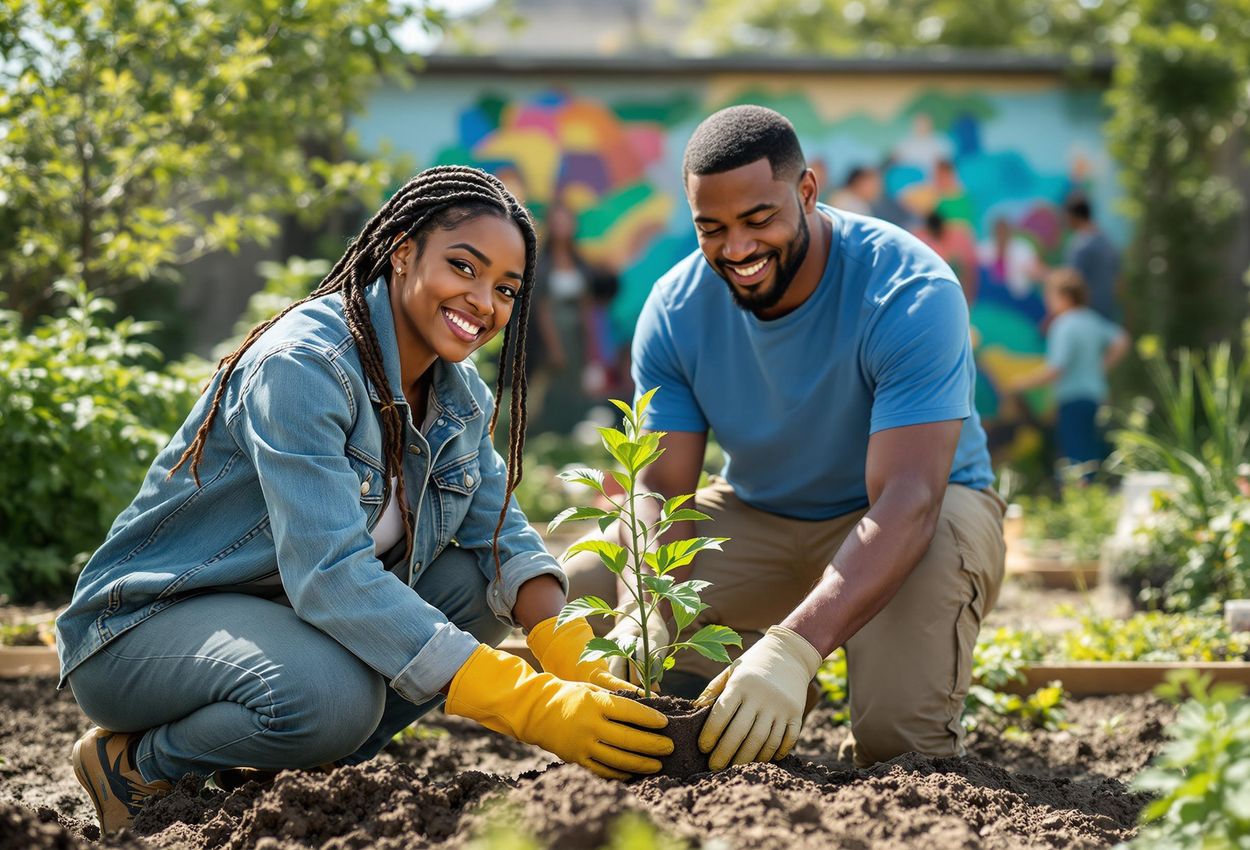
Participation in community service programs, both local and international, enhances cross-cultural empathy and understanding. These activities connect individuals with diverse communities, providing insight into different perspectives and developing a stronger sense of compassion.
These activities provide opportunities for individuals to connect with diverse communities, gain insight into different perspectives, and develop a stronger sense of compassion. Service-learning projects or outreach programs promote social justice and cultural awareness.
Volunteering in a different cultural context challenges individuals to step outside their comfort zones and confront their own biases and assumptions. They are forced to adapt to new ways of life, communicate across language barriers, and work alongside people with different values and beliefs. These experiences foster empathy, humility, and a deeper understanding of cultural differences.
Community service also provides opportunities for individuals to learn about the root causes of social problems, such as poverty, inequality, and discrimination. By working directly with marginalized communities, volunteers gain a firsthand understanding of the challenges they face and the systemic barriers that prevent them from achieving their full potential. This knowledge can inspire them to become advocates for social justice and work towards creating a more equitable world.
Service-learning projects and outreach programs promote social justice and cultural awareness. These initiatives provide opportunities for individuals to engage in meaningful service, learn about different cultures, and develop a stronger sense of social responsibility. They also empower communities to address their own needs and build a more sustainable future.
In conclusion, global events serve as powerful catalysts for cross-cultural understanding. From the ancient Pythian Games to modern-day music festivals and virtual exchange programs, these shared experiences foster empathy, challenge stereotypes, and build idges of understanding between people from diverse backgrounds. By emacing these opportunities for cultural exchange, we can create a more interconnected, compassionate, and harmonious world.