As the calendar turns, ushering in a fresh year, many cultures celeate with unique culinary traditions believed to ing luck, prosperity, and good fortune. Join us on a culinary pilgrimage to explore the origins and significance of these iconic New Year's foods, each bite a taste of history and a reflection of cultural identity.
Southern Comfort: Black-Eyed Peas in the American South
Our journey begins in the American South, where black-eyed peas reign supreme as a New Year's tradition. In Charleston, South Carolina, the heart of Gullah Geechee culture, this humble legume transforms into a culinary symbol of luck and resilience. The Gullah Geechee people, descendants of enslaved Africans, have preserved their unique culinary traditions, blending African, Caribbean, and Southern influences into a distinctive cuisine.
To truly understand the significance of black-eyed peas, a visit to a local restaurant serving Hoppin' John is essential. This iconic dish, a savory mix of black-eyed peas, rice, onions, and spices, is more than just a meal; it's a testament to the ingenuity and resourcefulness of the Gullah Geechee people. The earthy aroma fills the air, mingling with the creamy texture of the peas and the savory taste of the accompanying ingredients. Each spoonful is a comforting reminder of the past, a celeation of survival and hope.
The Civil War connection adds another layer to the story of black-eyed peas. During the war, when food supplies were scarce, black-eyed peas were often left untouched by Union soldiers, considered animal feed. This unintentional act of preservation allowed the peas to become a symbol of survival and sustenance for the Confederacy. Eating them on New Year's became a way to honor that resilience and invite abundance for the future. The tradition of adding a penny to the pot while cooking is believed to enhance the luck, and serving the dish with collard greens (representing money) and cornead (representing gold) amplifies the promise of prosperity.
The African origins of black-eyed peas trace back centuries, their journey intertwined with the transatlantic slave trade. These legumes, cultivated in West Africa, were ought to the Americas by enslaved Africans, who recognized their nutritional value and adaptability to the Southern climate. The Gullah Geechee people, in particular, emaced black-eyed peas as a staple, incorporating them into their culinary repertoire and imbuing them with cultural significance. Jessica B. Harris notes the black eye pea is considered lucky by many cultures in West Africa.

A Sweet Start: Twelve Grapes in Spain's Puerta del Sol
Our culinary pilgrimage continues to Madrid, Spain, where the tradition of eating twelve grapes at midnight in Puerta del Sol is a viant spectacle. As the clock tower bells chime twelve times, marking the arrival of the New Year, thousands of people gather in the square, each clutching a bunch of grapes, ready to partake in this exhilarating custom.
The festive atmosphere is palpable, a sea of faces illuminated by the glow of fireworks and the joyous energy of the crowd. The sound of the clock tower bells reverberates through the square, a rhythmic countdown to the New Year. With each chime, a grape is swiftly consumed, a race against time to complete the task before the final bell tolls. Each grape represents a month of the coming year, and successfully eating all twelve is believed to ensure good luck and prosperity for the months ahead.
The history of this tradition dates back to 1909, when grape growers in Alicante, facing a surplus harvest, ingeniously promoted the idea of eating grapes on New Year's Eve to ing good luck. The custom quickly caught on, spreading throughout Spain and becoming an integral part of the New Year's celeation. To fully emace this tradition, a visit to a local market to select the perfect grapes is a must. The viant colors and sweet aroma of the grapes fill the air, a sensory prelude to the excitement that awaits.
While the traditional custom involves eating grapes with each chime of the clock, a modern twist has emerged: eating grapes under the table for good luck in love. This playful addition adds a touch of romance to the festivities, as hopeful singles seek to enhance their chances of finding love in the New Year. Whether you adhere to the traditional or the modern interpretation, the act of eating twelve grapes in Puerta del Sol is an unforgettable experience, a collective celeation of hope and new beginnings.

Ringing in Wealth: Lentils in Italy's Ancient Celeations
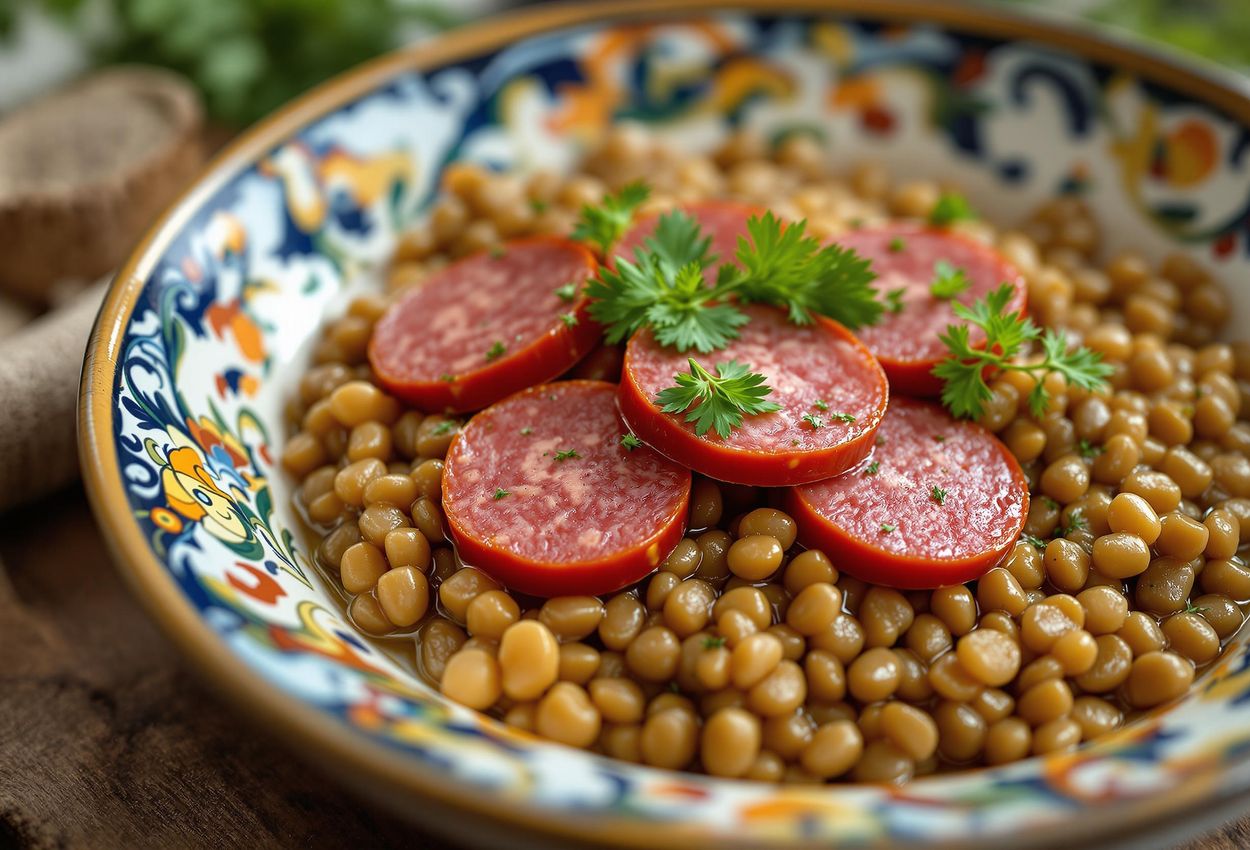
Our next stop is Rome, Italy, where the tradition of eating lentils on New Year's Eve dates back to ancient times. These small, disc-shaped legumes symbolize wealth and prosperity, their resemblance to coins making them a fitting choice for welcoming the New Year. The dish 'lenticchie con cotechino,' lentils with cotechino sausage, is a culinary embodiment of this tradition, a hearty and flavorful meal believed to ing good fortune in the coming year.
The ancient Roman roots of this tradition are steeped in symbolism. In ancient Rome, lentils were gifted in leather bags with the wish that they would turn into gold coins. This association with wealth and abundance has persisted through the centuries, solidifying lentils' place as a New Year's staple. To experience this tradition firsthand, a visit to a traditional trattoria is essential. The earthy aroma of lentils simmering in a rich oth fills the air, mingling with the savory scent of cotechino sausage.
The sensory details of the dish are a testament to its culinary heritage. The lentils, cooked to a tender perfection, offer a comforting, earthy flavor. The cotechino sausage, with its rich, fatty texture and savory spices, adds a layer of indulgence to the meal. Sharing this dish with family and friends creates a sense of warmth and conviviality, reinforcing the bonds of community and tradition. Some Italians believe that eating lentils with your hands ings even greater luck, a playful superstition that adds to the festive spirit.
Towering Tastes: Kransekage in Denmark's Festive Feasts
Our journey takes us north to Copenhagen, Denmark, where the Kransekage, a marzipan wreath cake, is a quintessential New Year's Eve treat. This towering confection, made from layers of stacked marzipan rings, is a visual masterpiece, its almond flavor and decorative icing adding to its allure. The Kransekage is more than just a cake; it's a symbol of festive aspirations, a sweet embodiment of hopes for the New Year.
The tradition of sharing the cake by eaking the rings adds an element of communal celeation. Friends and family gather around the Kransekage, each taking a piece and sharing in the sweet treat. The cake's presence at weddings and other celeations further underscores its association with joyous occasions. To witness the creation of this iconic cake, a visit to a local bakery is a must. The sweet almond aroma fills the air, mingling with the sight of skilled bakers crafting the intricate layers of the Kransekage.
The sensory experience of the Kransekage is a delight. The crisp crust gives way to a soft, moist interior, the almond flavor lingering on the palate. The decorative icing adds a touch of sweetness and visual appeal, making it a feast for both the eyes and the taste buds. The cake's towering shape is said to symbolize a cornucopia, promising happiness and wealth for the coming year ahead.

Mirror to the Future: Mochi in Japan's Sacred New Year
Our culinary adventure continues to Kyoto, Japan, where the tradition of making and eating mochi during the New Year is a sacred ritual. Mochi, a chewy rice cake made from pounded glutinous rice, holds a special place in Japanese culture, symbolizing strength, resilience, and good fortune. The mochitsuki ceremony, the pounding of glutinous rice, is a communal event, a demonstration of unity and shared tradition.
The rhythmic pounding of the rice, the aroma of steamed rice filling the air, and the collective effort of the participants create a sense of community and shared purpose. Kagami mochi, decorative rice cakes offered to Toshigami, the New Year god, are another integral part of this tradition. These stacked rice cakes, often adorned with an orange, symbolize a harmonious relationship between humanity and the divine. To fully appreciate this tradition, a visit to a local family preparing mochi is essential. The sensory details of the experience are captivating: the aroma of steamed rice, the rhythmic pounding, and the chewy texture of the finished mochi.
The kagami biraki ceremony on January 11th, where the mochi is oken and eaten, marks the end of the New Year festivities. This act of eaking the mochi symbolizes the eaking of the mirror, a gesture of humility and gratitude towards the gods. The mochi, now imbued with spiritual significance, is consumed with reverence, a reminder of the blessings received and the hopes for the year ahead.

Lucky Fish: Herring in Scandinavian Celeations
Our culinary journey takes us to Scandinavia, where herring, a silvery fish abundant in the region's waters, is a symbol of abundance and prosperity for the New Year. In Sweden, Denmark, and Norway, various preparations of herring, from pickled to smoked to salted, grace the New Year's Eve tables, each bite a testament to the region's maritime heritage. The tradition's roots lie in Scandinavia's deep connection to the sea, where fish has long been a vital source of sustenance and trade.
Herring, with its silvery scales reminiscent of valuable coins, became a symbol of wealth and good fortune. Eating herring on New Year's Eve was a way to hope for a bountiful catch in the coming year, ensuring prosperity for the community. To fully immerse yourself in this tradition, a visit to a fish market in Bergen, Norway, is a must. The iny aroma of the sea fills the air, mingling with the sight of glistening herring prepared in countless ways.
The sensory experience of eating herring is a unique one. The tangy taste of pickled herring, the smoky flavor of grilled herring, and the salty tang of cured herring offer a diverse range of flavors that reflect the region's culinary ingenuity. The silvery scales of the fish shimmer under the light, a visual reminder of the abundance and prosperity it represents.

Prosperity Pockets: Lentils in South American Traditions
Our culinary exploration leads us to South America, where lentils, like in Italy, symbolize prosperity and good fortune. In Venezuela, a unique tradition involves wrapping twelve lentils in a money bill to improve financial well-being for the New Year. This act of combining lentils, representing wealth, with currency, further emphasizes the desire for economic abundance in the coming year.
The tradition showcases the ingenuity of Venezuelans who have combined European and indigenous beliefs. To experience this tradition, a visit to a local market is essential. The viant colors and diverse textures of the lentils offer a visual feast, while the bustling atmosphere of the market provides a glimpse into the local culture. In Chile and Venezuela, they wrap 12 lentils in a paper bill as a token of prosperity for the next year.

Forward Thinking Flavors: Pork in Germany and Pennsylvania Dutch Country
Our culinary journey takes us to Germany and Pennsylvania Dutch Country, where pork is a traditional New Year's food, symbolizing progress and prosperity. The tradition stems from the belief that pigs, unlike chickens or turkeys, root forward when searching for food, representing a forward-moving trajectory into the New Year. In Pennsylvania, this tradition is particularly strong, with many families enjoying a hearty meal of pork and sauerkraut on New Year's Day.
To experience this tradition, a visit to a traditional German restaurant in Pennsylvania is a must. The savory aroma of roasting pork fills the air, mingling with the tangy scent of sauerkraut. The pork is viewed as a symbol of progress. That's because pigs root forward when they're searching for food, unlike chickens or turkeys which scratch backward. Therefore, consuming pork on New Year's Day is a symbol of moving ahead into a prosperous new year.

Global Grain: Rice Traditions Across Asia and the American South
Rice, a staple food for billions of people around the world, also plays a significant role in New Year's celeations in Asia and the American South. In India, rice is considered auspicious and is used in various rituals to ward off bad omens. In the American South, Hoppin' John, a dish of rice and black-eyed peas, is a New Year's tradition believed to ing prosperity and good luck. The rice and beans, they represent inging prosperity into the house for the new year. Rice, in many societies, says to people prosperity, not only in terms of money, but also children.

Fruitful Beginnings: Round Fruits in the Philippines
Our final stop takes us to the Philippines, where the tradition of celeating New Year's Eve with twelve types of round fruit is a viant and colorful spectacle. The selection of twelve round fruits, each representing a month of the year, symbolizes completeness, wholeness, and good fortune for the entire year. The round shape signifies infinity. There is no end. So when good luck or blessings come, they are never ending. Round fruits are also said to attract good vibes. The round shape also symbolizes money because it is the shape of coins, which people used in trade long before paper money was “invented.”

As our culinary pilgrimage comes to an end, we've discovered that New Year's food traditions are more than just superstitions; they are cultural expressions of hope, resilience, and community. Each dish tells a story, connecting us to the past and offering a taste of the future. So, this New Year, as you gather with loved ones, consider incorporating some of these global culinary traditions into your celeation, savoring not just the flavors, but also the rich cultural heritage they represent.