Embarking on a journey often includes visiting places of worship, each holding unique cultural and spiritual significance. Approaching these sites with respect and understanding is paramount, ensuring a meaningful experience for both visitors and worshippers.
Whether exploring ancient temples or modern cathedrals, adhering to certain etiquette guidelines enhances your visit and demonstrates regard for the local customs and beliefs. Here are seven essential tips to help you navigate religious sites around the world with grace and mindfulness.

Dress the Part: Modesty as a Sign of Respect
One of the most immediate ways to show respect when visiting a religious site is through your attire. Modesty is key, and understanding the specific customs of each religion is crucial. In many cultures, this means covering your shoulders and knees. For example, when visiting churches in Italy, such as St. Peter's Basilica in Vatican City or the Duomo in Florence, it's essential to ensure your shoulders and knees are covered. Sleeveless tops, shorts, and skirts above the knee are generally frowned upon and may even result in denied entry. Some churches may provide shawls or wraps, but it's always best to come prepared.
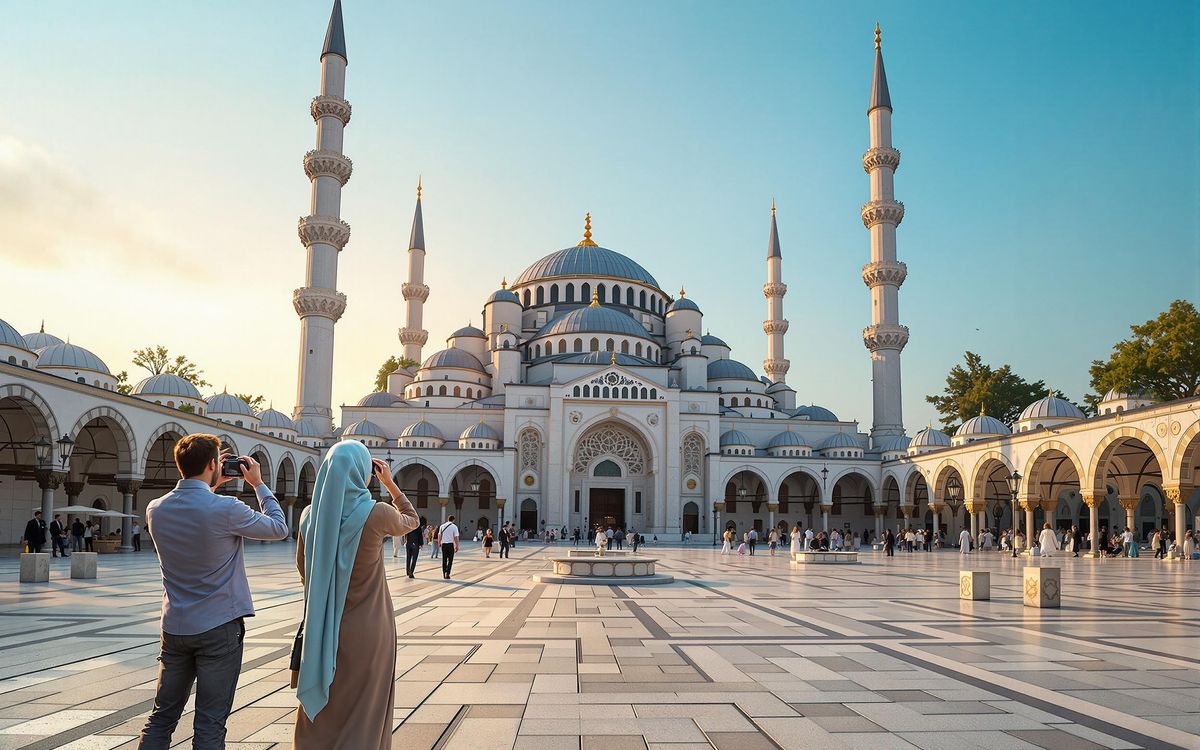
Similarly, when entering mosques, particularly the Blue Mosque in Istanbul, women are typically required to cover their heads with a headscarf, also known as a hijab. While some mosques offer coverings for visitors, carrying your own scarf ensures you are always prepared. Men should also dress modestly, avoiding shorts and sleeveless shirts. Understanding these basic requirements demonstrates respect for the religious significance of the site and its worshippers.
Beyond the specific requirements, opting for loose-fitting garments that do not emphasize body shape is preferable. Lightweight, long-sleeved blouses, pants, or skirts are often ideal choices, especially in warmer climates. Choosing conservative colors, such as muted tones like beige, navy, and earth colors, can also be more appropriate and help you blend in with the serene environment.
Remember, dressing modestly is not just about adhering to rules; it's about showing reverence for the spiritual and cultural importance of the place you are visiting. By taking the time to understand and respect the dress codes, you demonstrate your appreciation for the local customs and beliefs.

Silence is Golden: Maintaining a Respectful Volume
The atmosphere within a religious site is often one of quiet contemplation and reverence. Maintaining a respectful volume is crucial to avoid disrupting the peace and prayers of others. Loud conversations and boisterous behavior are generally considered inappropriate inside these sacred spaces. In the prayer halls of Buddhist temples in Kyoto, Japan, such as Kinkaku-ji (Golden Pavilion), refraining from loud chatter allows visitors and worshippers to immerse themselves in the serene environment. Similarly, maintaining silence during services in synagogues in Jerusalem, such as at the Western Wall, is essential to respect the sanctity of the worship.
Many religious sites are active places of worship, where individuals come to pray, meditate, and reflect. Loud noises can be highly disruptive and disrespectful to those engaged in these activities. Before entering a religious site, it's a good practice to turn off or silence your cell phone to avoid any unexpected interruptions. If you are traveling with a group, remind everyone to keep their voices low and avoid unnecessary noise.
Hidden Gem: Some temples and religious sites intentionally use sound as part of their spiritual practice. Gongs, chants, and other forms of sacred music are often employed to create a meditative atmosphere. Appreciating these sounds respectfully involves listening attentively and avoiding any actions that might interfere with the intended experience. For instance, in certain Buddhist traditions, the ringing of a bell marks the beginning and end of meditation sessions. Being mindful of these cues and respecting the silence that follows enhances the overall experience for everyone present.
By being mindful of your volume and respecting the silence within religious sites, you contribute to a peaceful and reverent atmosphere, allowing both visitors and worshippers to connect with the spiritual significance of the place.

Mind Your Body Language: Gestures and Posture
Non-verbal communication is a powerful way to convey respect and understanding. Being mindful of your body language is essential when visiting religious sites, as certain gestures and postures can be considered disrespectful in different cultures. In Thailand, for example, it is considered highly disrespectful to point with your feet towards Buddha images. When visiting temples like Wat Arun in Bangkok, avoid sitting or standing in a way that your feet are directed towards the Buddha.
At the Western Wall in Jerusalem, it is customary to refrain from turning your back to the wall, as this is seen as a sign of disrespect. When leaving the site, it's best to walk backward a few steps before turning away. Similarly, bowing is a common gesture of respect in many Asian cultures. When entering a Shinto shrine in Japan, such as Fushimi Inari-taisha in Kyoto, a slight bow demonstrates your reverence for the sacred space.
Culturally Specific Detail: In Hindu temples, the practice of 'pradakshina' (circumambulation) involves walking clockwise around the deity as a sign of devotion. Always moving clockwise is essential, as moving counterclockwise is considered inauspicious. This practice is common in temples throughout India and requires awareness and respect for the traditional customs.
In addition to these specific examples, maintaining a respectful posture is also important. Avoid slouching, fidgeting, or engaging in casual gestures that might be interpreted as disrespectful. Standing or sitting upright, with a calm and attentive demeanor, shows that you are present and engaged in a respectful manner.
By being mindful of your body language and adapting your gestures and posture to align with local customs, you can demonstrate your respect for the cultural and religious significance of the site.

Photography with Permission: Capturing Memories Respectfully
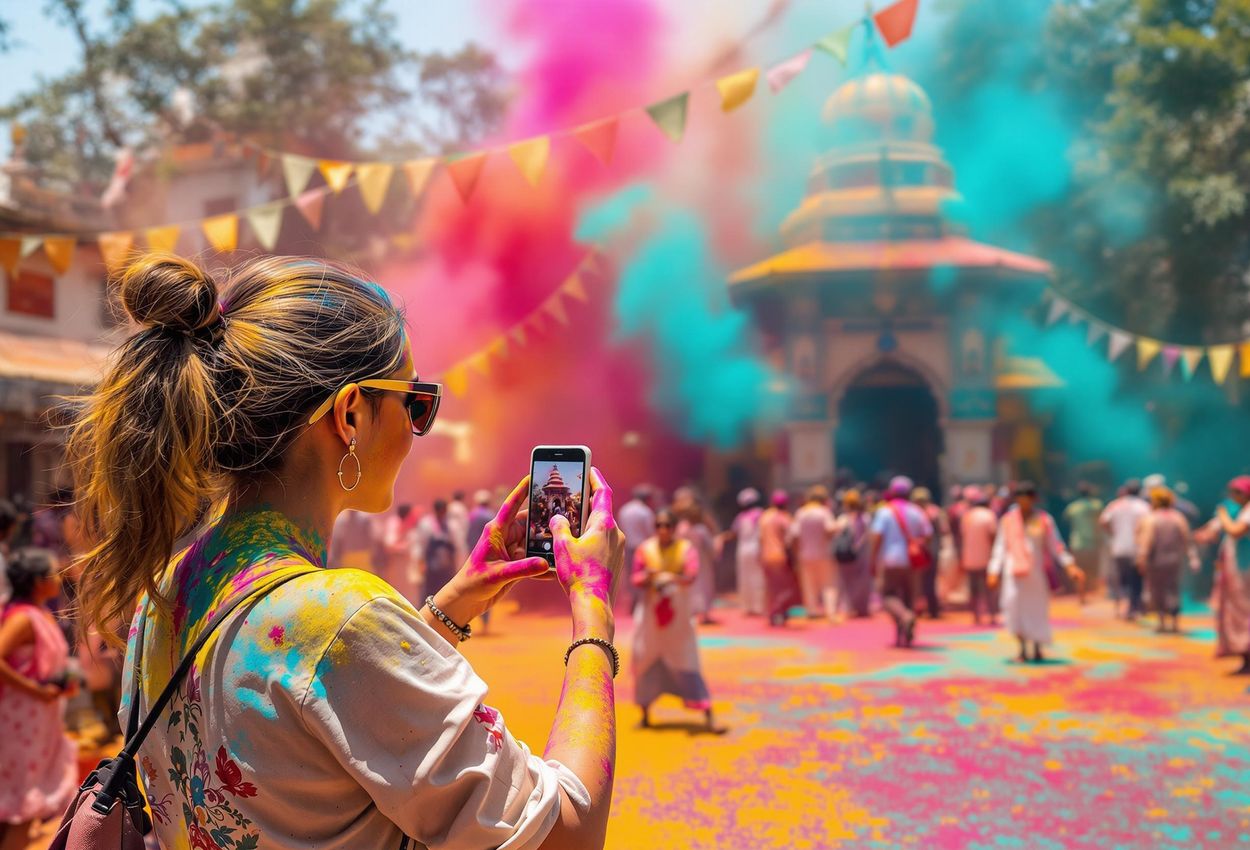
In the age of social media, the urge to capture every moment can be strong. However, when visiting religious sites, it's essential to exercise restraint and seek permission before taking photographs. Some sites have strict photography restrictions, while others may allow it under certain conditions. Inside the Sistine Chapel in Vatican City, photography is strictly prohibited to protect the delicate artwork and maintain the solemn atmosphere. Violators may face consequences, including being asked to leave.
Even when photography is allowed, it's crucial to be discreet and respectful. Avoid using flash photography, as it can be disruptive and damaging to sensitive artifacts. When photographing people, always ask for their permission first. This is especially important during religious ceremonies or rituals, where intrusive photography can be highly disrespectful. At a Hindu festival in India, such as Diwali celeations at the Golden Temple in Amritsar, be mindful of the worshippers and avoid taking photos that might disrupt their prayers or rituals.
Insider Tip: In Judaism, the concept of 'kavanah' refers to the intention and focus one ings to prayer and religious observance. Intrusive photography can disrupt this spiritual focus, both for the photographer and those around them. Being mindful of 'kavanah' encourages visitors to consider the impact of their actions on the spiritual atmosphere of the site.
If you are unsure about the photography rules, always ask a staff member or volunteer for clarification. Respecting these guidelines ensures that you capture memories responsibly and without causing offense or disruption.
Engage, Don't Gawk: Observing and Participating Mindfully
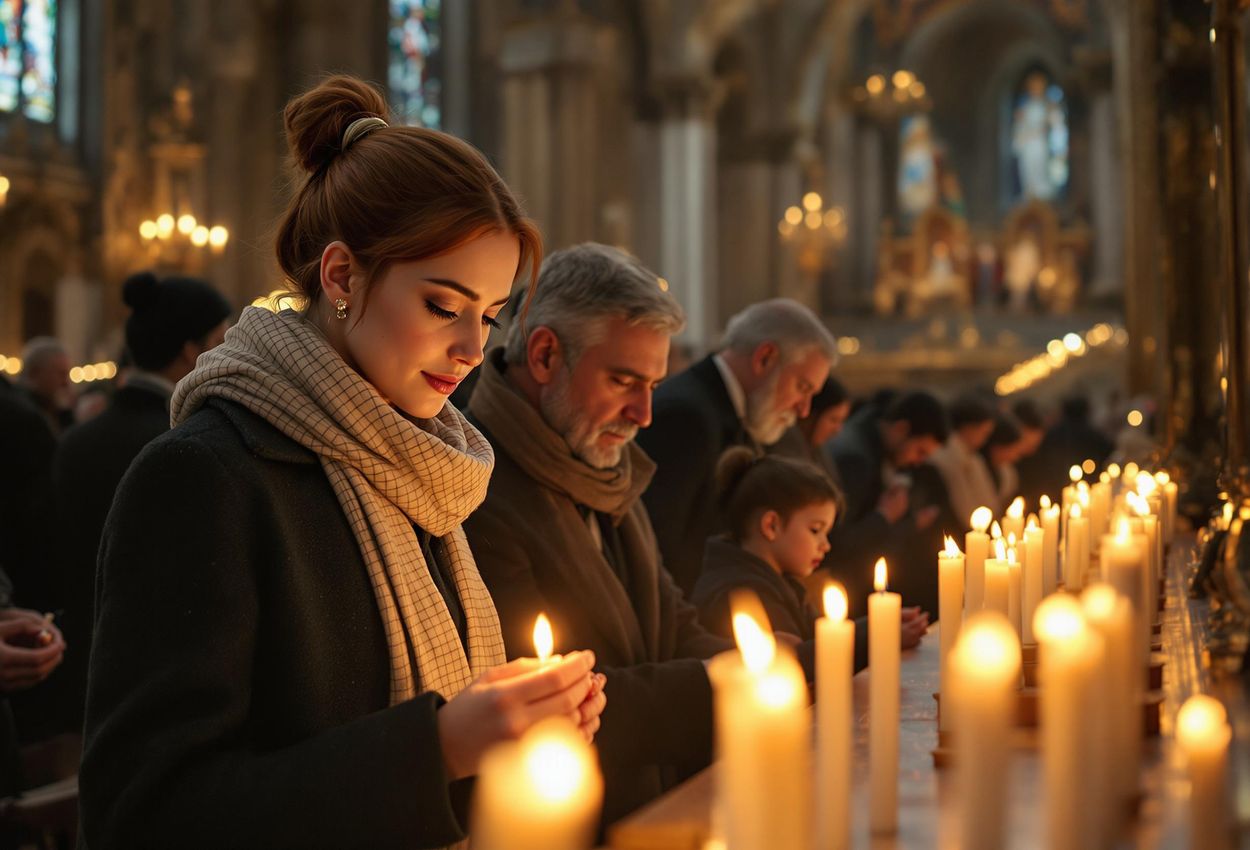
There's a significant difference between respectful observation and intrusive gawking. When visiting religious sites, it's essential to approach the experience with a sense of reverence and mindfulness. Observing the rituals at a mosque in Morocco, such as the Hassan II Mosque in Casablanca, with respect and attentiveness allows you to appreciate the beauty and significance of the practices without being intrusive. Similarly, participating in a candle-lighting ceremony at a Catholic church in Poland, such as Wawel Cathedral in Krakow, should be done with sincerity and respect for the religious context.
Avoid staring or pointing, and be mindful of your facial expressions. Maintain a calm and respectful demeanor, and avoid making judgmental or dismissive comments. If you are unsure about how to behave, observe the actions of local worshippers and follow their lead. Many religious sites offer opportunities for visitors to participate in certain activities, such as lighting candles, offering prayers, or making donations. If you choose to participate, do so with sincerity and respect for the traditions.
Hidden Gem: In Sikh gurdwaras, the concept of 'seva' (selfless service) is highly valued. Visitors can participate in simple tasks like helping in the kitchen, cleaning the premises, or serving food to others. This is a meaningful way to engage with the community and demonstrate your respect for their traditions.
By engaging mindfully and avoiding intrusive behavior, you can create a more meaningful and respectful experience for yourself and those around you.
Interacting with Leaders: Respectful Communication
When interacting with religious leaders, it's essential to use appropriate titles and show respect for their position. In a Catholic church, addressing clergy members with the appropriate titles, such as Father or Monsignor, demonstrates your understanding of their role within the church hierarchy. Similarly, bowing slightly when greeting a monk in a Buddhist monastery in Nepal, such as Tengboche Monastery, is a sign of respect for their spiritual status.
Avoid asking personal questions or engaging in casual conversation unless invited to do so. Be mindful of your body language and maintain a respectful distance. When speaking, use polite and respectful language, and avoid making jokes or using slang. If you are unsure about the proper etiquette, observe how others interact with the religious leaders and follow their lead.
Culturally Specific Detail: In Buddhism, the concept of 'dana' (generosity) is highly valued. Offering a small donation to the monastery or temple is a sign of respect and support for the religious community. This can be done discreetly and with a sincere intention.
By communicating respectfully and showing deference to religious leaders, you demonstrate your appreciation for their role and the traditions they represent.

When in Doubt, Ask: Seeking Guidance and Clarification
Navigating the complex etiquette rules of different religious sites can be challenging. When in doubt, the best approach is to seek guidance and clarification from knowledgeable sources. Many religious sites have visitor centers or volunteers who can provide helpful information and answer questions. If you are unsure about specific rules in a Japanese temple, such as Senso-ji in Tokyo, ask a temple staff member for clarification. Similarly, if you are planning to visit a synagogue, such as the Dohány Synagogue in Budapest, contacting them beforehand to inquire about attire and conduct can help you prepare for your visit.
Don't hesitate to ask questions about customs, rituals, or any other aspects of the site that you find confusing. Most religious communities are happy to share their traditions with respectful visitors. However, it's essential to ask questions in a polite and respectful manner, avoiding any tone that might be perceived as judgmental or dismissive.
Insider Tip: Many religious sites have ochures, websites, or other resources that provide information about their history, beliefs, and etiquette rules. Take advantage of these resources to learn more about the site before your visit. Additionally, online forums and travel guides can offer valuable insights and tips from other visitors.
By seeking guidance and clarification when unsure, you demonstrate your commitment to respecting the local customs and ensuring a meaningful and respectful experience for everyone.
In conclusion, visiting religious sites requires a mindful and respectful approach. By dressing modestly, maintaining a respectful volume, being mindful of your body language, seeking permission before taking photographs, engaging mindfully, communicating respectfully with leaders, and seeking guidance when unsure, you can ensure a meaningful and enriching experience while honoring the traditions and beliefs of others. Remember, the key is to approach each site with an open heart and a genuine desire to understand and appreciate the cultural and spiritual significance of the place.