Cultural tourism stands at a crossroads, tasked with the vital mission of promoting global heritage while simultaneously safeguarding it for posterity. This complex duality requires innovative strategies and a profound commitment to ethical practices to ensure the longevity of our shared cultural treasures.
Understanding Cultural Tourism's Dual Role
Cultural tourism, at its essence, is a form of travel motivated by the desire to learn, discover, and experience the cultural attractions and products of a destination. These encompass a oad spectrum, from historical sites and monuments to living traditions, arts, and cuisine. According to the UN Tourism General Assembly, cultural tourism involves visitors seeking tangible and intangible cultural experiences. It plays a significant role in driving economic growth, creating jobs, and fostering a sense of pride within local communities. For instance, the revitalization of Historic Cairo through sustainable tourism initiatives demonstrates how cultural heritage can be leveraged for economic benefit, attracting investment, and improving infrastructure  .
.
However, the allure of cultural tourism also ings inherent risks. Overtourism, a phenomenon where excessive visitor numbers overwhelm a destination's resources and infrastructure, poses a significant threat. Destinations like Machu Picchu in Peru face immense pressure from rising tourist numbers, leading to environmental degradation, strained infrastructure, and a diluted cultural experience. The delicate balance lies in managing visitor flows to minimize negative impacts while maximizing the benefits for local communities and economies. This involves implementing strategies such as timed entry, restricted access to sensitive areas, and promoting alternative, lesser-known sites to relieve pressure on popular attractions. Responsible tourism in Machu Picchu means being aware of the threats to this ancient citadel and taking steps to mitigate your own impact. Alternative Incan sites to Machu Picchu are being opened up to relieve pressure, encourage tourists to stay longer in the area and also open up new avenues of tourism.
The key to navigating this dual role lies in adopting a holistic approach that prioritizes sustainability and responsible practices. This includes engaging local communities in tourism planning, implementing eco-friendly measures, and educating visitors about the importance of cultural preservation. By carefully managing the impacts of tourism, destinations can harness its potential to promote cultural heritage while ensuring its survival for future generations.
The Preservation Imperative: Safeguarding Heritage for Future Generations
Preserving cultural heritage sites, traditions, and customs is paramount to ensuring that future generations can connect with the past. Cultural heritage provides a sense of identity, continuity, and belonging, serving as a idge between generations. However, cultural tourism can inadvertently contribute to the degradation and loss of these invaluable assets. Over-commercialization, environmental damage, and the erosion of local traditions are among the challenges that must be addressed proactively.
One of the most pressing issues is the over-commercialization of cultural sites, where the focus shifts from preserving authenticity to maximizing profits. This can lead to the distortion of cultural practices, the commodification of traditions, and the displacement of local communities. Similarly, environmental damage, such as pollution, erosion, and habitat destruction, can irreversibly harm cultural landscapes and archaeological sites. The rise in Machu Picchu visitors has created big problems, including damage to the ancient ruins and trash being left, harming the area. Going off the marked paths hurts the local plants and animals. Also, the town of Aguas Calientes, near the ruins, has a big trash problem 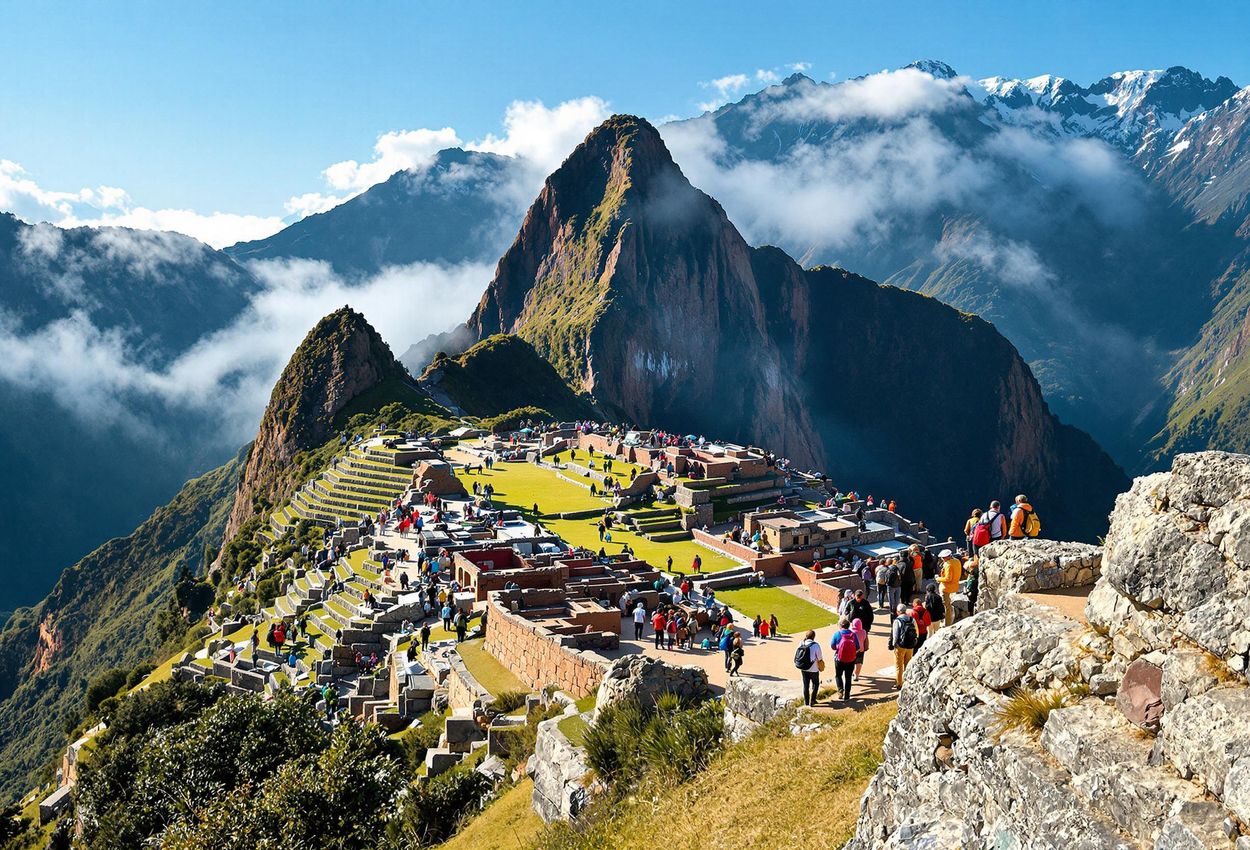 .
.
Successful preservation efforts require a multi-faceted approach that combines responsible urban planning, stricter regulations, and community engagement. George Town, Malaysia, offers a compelling example of how urban planning can balance economic development and conservation. By implementing measures such as rent control, building restoration incentives, and support for local businesses, George Town has managed to preserve its historic character while fostering a viant tourism industry. In AlUla, the Hammayah training programme is empowering thousands to work as guardians of natural heritage and culture. The regeneration of the historical train station in Mar Mikhael and adjacent areas will focus on traditional building techniques to reactivate cultural markets and businesses.
UNESCO World Heritage sites play a crucial role in identifying and protecting cultural treasures around the world. However, stricter regulations are needed to ensure that these sites are adequately protected from the negative impacts of tourism. This includes limiting visitor numbers, enforcing environmental standards, and promoting sustainable tourism practices. By prioritizing preservation, we can ensure that these invaluable assets remain intact for generations to come.
Ethical Considerations: Respecting Local Communities and Cultures
Ethical considerations are at the heart of responsible cultural tourism. Tourists and tourism operators alike have a moral obligation to respect local customs, traditions, and lifestyles. This includes being mindful of local sensitivities, avoiding disruptive behavior, and supporting community-based initiatives. The UNWTO Global Code of Ethics for Tourism provides a framework for responsible and sustainable tourism development, emphasizing the importance of minimizing negative impacts on the environment and cultural heritage while maximizing benefits for local residents.
One of the key principles of ethical tourism is respecting local customs and traditions. This requires tourists to be aware of local norms, dress codes, and social etiquette. It also involves avoiding behaviors that may be considered offensive or disrespectful, such as taking photographs without permission or engaging in cultural practices without understanding their significance. Tourism businesses should promote tolerance and gender equality, respecting human rights while combating the exploitation of the most vulnerable groups in society. Tourism enterprises should not exploit their positions or impose socio-cultural models on host communities. They should be involved in local development, avoid the excessive repatriation of profits, and guarantee workers' fundamental rights  .
.
Community-based tourism initiatives offer a powerful way to empower local communities and ensure that they benefit directly from tourism revenue. These initiatives involve local communities in the planning, management, and operation of tourism activities, allowing them to control the narrative and share their culture on their own terms. Aboriginal and Torres Strait Islander programs in Australia provide excellent examples of how community-based tourism can empower indigenous communities, create economic opportunities, and promote cultural preservation. In Jambiani villages in Zanzibar, revenue stays within the community.
By emacing ethical tourism practices, we can foster a more equitable and sustainable tourism industry that respects local cultures, empowers communities, and promotes cross-cultural understanding. This requires a shift in mindset, from viewing tourism as a purely economic activity to recognizing its social, cultural, and environmental impacts.
Sustainable Strategies: Minimizing Environmental Impact
Minimizing the environmental impact of cultural tourism is crucial to ensuring the long-term sustainability of destinations. This involves adopting eco-friendly practices, such as using renewable energy sources, reducing waste, and promoting responsible consumption. Destinations like Mont-Saint-Michel in France have implemented visitor limits and eco-friendly transport solutions to mitigate the environmental impact of tourism. Tourist destinations are increasingly being called upon to tackle social, cultural, economic, and environmental challenges. To help them measure their performance in relation to sustainability, the European Commission has developed a 'European Tourism Indicators System' (ETIS).
Eco-friendly practices play a vital role in reducing the environmental footprint of cultural tourism. This includes using renewable energy sources, such as solar and wind power, to reduce reliance on fossil fuels. It also involves implementing waste reduction strategies, such as recycling programs, composting initiatives, and reducing single-use plastics. Sustainable Tourism Development Policy Framework sets forth sustainable tourism goals as: (i) ensure strong governance, leadership and management, (ii) perpetuate the strong essence of the Cook Islands culture, (iii) develop a strong and sustainable workforce and provide career pathways and employment opportunities for the Cook Islands people, (iv) ensure the protection of the pristine environment through sustainable practices  .
.
Eco-taxes and conservation fees can provide a valuable source of funding for preservation efforts. By charging visitors a small fee, destinations can generate revenue to support conservation projects, infrastructure improvements, and community development initiatives. The Balearic Island of Mallorca has introduced a sustainable tourism tax to support conservation of the island. Kyoto, Japan has implemented several measures to control the number of tourists at popular sites and establish visitor codes of conduct.
By prioritizing environmental sustainability, we can ensure that cultural tourism contributes to the preservation of natural resources, reduces pollution, and promotes a healthier planet. This requires a collective effort, involving governments, tourism operators, local communities, and visitors.
Digital Innovation: Enhancing Accessibility and Reducing Physical Foot Traffic
Digital tools offer innovative ways to enhance accessibility to cultural heritage sites while reducing physical foot traffic at sensitive locations. Virtual tourism, digital archives, and augmented reality (AR) can provide immersive experiences that allow visitors to explore cultural treasures from anywhere in the world. This not only reduces the environmental impact of travel but also makes cultural heritage more accessible to people who may not be able to visit in person. Digital tools, such as virtual tourism and digital archives, can also be used to reduce physical foot traffic at sensitive sites.
Virtual tourism provides a compelling alternative to traditional travel, allowing visitors to explore cultural sites remotely. Through virtual tours, 360-degree videos, and interactive simulations, people can experience the sights, sounds, and stories of cultural heritage without physically being there. The Historic Environment Scotland (HEH) offers virtual tours and online collections, providing a rich and engaging experience for virtual visitors. AlUla is also developing a digital platform  .
.
Digital archives play a crucial role in preserving and disseminating cultural information. By digitizing historical documents, photographs, and artifacts, archives can make cultural heritage more accessible to researchers, educators, and the general public. These digital resources can be used to create online exhibits, educational materials, and interactive experiences that enhance understanding and appreciation of cultural heritage.
Augmented reality (AR) offers exciting possibilities for enhancing the visitor experience at cultural sites. By overlaying digital information onto the real world, AR can ing historical sites to life, providing visitors with interactive maps, historical reconstructions, and contextual information. This can enrich the visitor experience, making it more engaging, educational, and memorable.
Community Engagement: Empowering Local Voices
Community engagement is essential for ensuring that cultural tourism benefits local populations and respects their values. By involving local communities in the planning, development, and management of tourism activities, destinations can ensure that tourism is aligned with community needs and priorities. This participatory approach fosters a sense of ownership, empowers local residents, and promotes a more equitable distribution of tourism benefits. Sustainable tourism ensures that future generations can experience and appreciate cultural heritage while also providing economic benefits to local communities.
Participatory development, where inhabitants become the main actors in planning and management, is a key principle of community engagement. This involves actively soliciting input from local residents, incorporating their perspectives into decision-making processes, and providing opportunities for them to participate in tourism-related activities. The aim is to create a tourism industry that is truly inclusive, reflecting the values and aspirations of the local community. At the Foundation for Development Initiatives (FDI), they have witnessed firsthand the transformative power of community participation in our sustainable development projects. Community participation is where the locals, families, and groups take part in the planning, implementation, and monitoring of development projects  .
.
Community-based tourism initiatives offer a powerful way to empower local communities and ensure that they benefit directly from tourism revenue. These initiatives involve local communities in the planning, management, and operation of tourism activities, allowing them to control the narrative and share their culture on their own terms. Jambiani villages in Zanzibar, where revenue stays within the community, provide excellent examples of how community-based tourism can empower indigenous communities, create economic opportunities, and promote cultural preservation.
By empowering local voices, we can create a more authentic, sustainable, and equitable tourism industry that benefits both visitors and host communities. This requires a shift in mindset, from viewing local communities as passive recipients of tourism to recognizing them as active partners in shaping the future of their destinations.
Policy and Governance: Establishing Clear Regulations and Guidelines
Effective policy and governance are crucial for establishing clear regulations and guidelines for sustainable tourism development. Governments play a vital role in setting standards, enforcing regulations, and providing incentives for responsible tourism practices. This includes implementing zoning laws, licensing requirements, and tourism taxes to fund conservation efforts. Sustainable destination communities should have laws, guidelines and/or regulations that encourage tourism related businesses to protect the environment.
Zoning laws can be used to protect sensitive cultural sites from inappropriate development. By designating specific areas as cultural heritage zones, governments can restrict construction, regulate land use, and ensure that development is compatible with the preservation of cultural assets. Licensing requirements can be used to ensure that tourism operators meet certain standards of quality, safety, and environmental responsibility. This includes requiring operators to obtain permits, undergo training, and adhere to a code of conduct. The government has two offices managing the Inca Trail. The Ministry of Culture's rangers look after the ruins and archaeological sites, while the National System of Protected Wildlife Areas by the State of Peru takes care of the environment 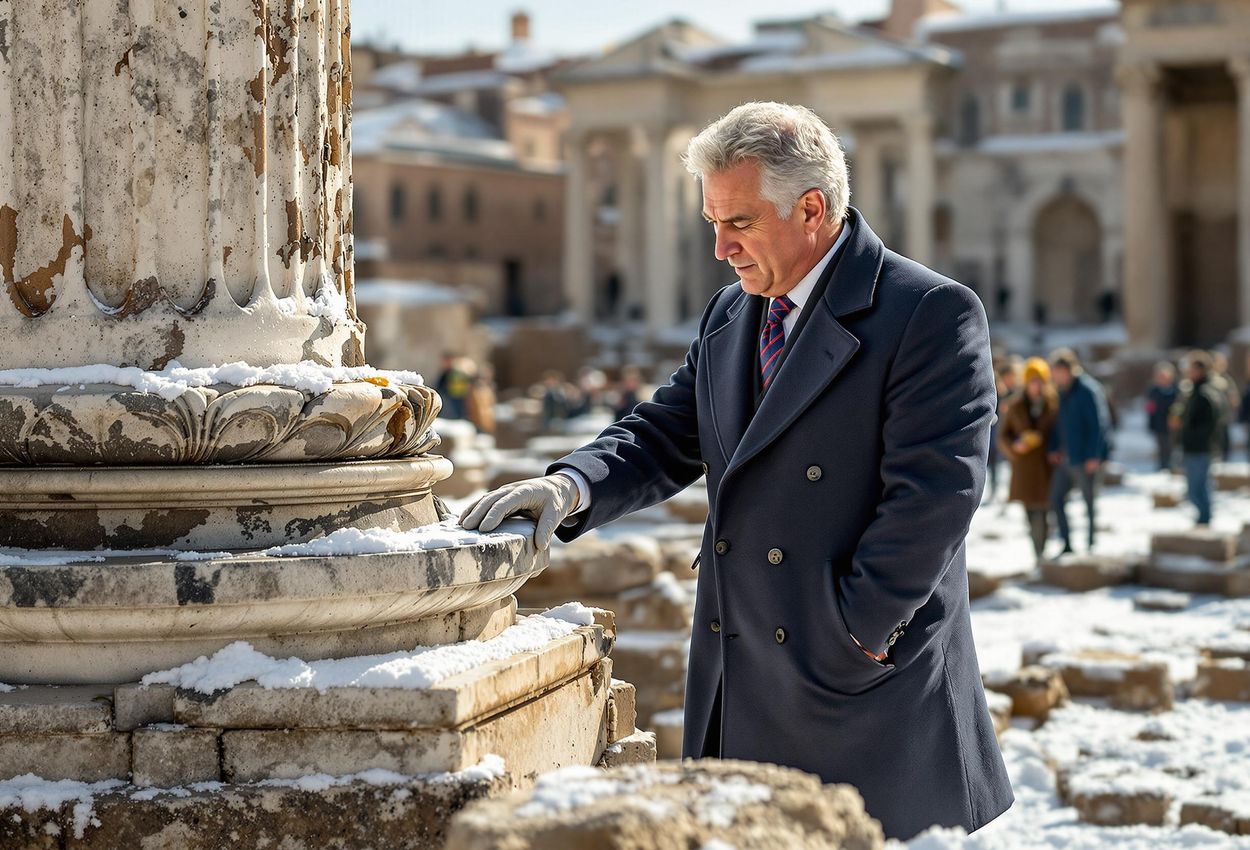 .
.
Tourism taxes can provide a valuable source of funding for conservation efforts. By charging visitors a small tax, governments can generate revenue to support preservation projects, infrastructure improvements, and community development initiatives. Several countries in Europe have successfully implemented sustainable tourism policies, demonstrating the effectiveness of government intervention in promoting responsible tourism practices. The European tourism policy is based on the European Agenda for Tourism 2030, adopted at the end of 2022, which aims to make tourism greener, more digital, and more sustainable.
International cooperation is also essential for establishing global standards for sustainable tourism. By working together, countries can share best practices, develop common frameworks, and address transboundary issues such as climate change and cultural heritage protection. UN Tourism regularly prepares reports for the General Assembly of the United Nations providing updates on sustainable tourism policies.
Economic Diversification: Avoiding Over-Reliance on Tourism
Diversifying local economies is essential for avoiding over-reliance on tourism and building more resilient communities. While tourism can ing significant economic benefits, it can also create vulnerabilities if it becomes the dominant industry. Economic diversification involves investing in other sectors, such as agriculture, manufacturing, and technology, to create a more balanced and sustainable economy. A diversified economic base is needed to avoid over-reliance on a single economic driver.
AlUla, Saudi Arabia, offers a compelling example of how investment in native industries like agriculture can create new jobs and increase revenue for residents. By drawing on its rich local heritage, AlUla is creating a global destination while diversifying the local economy. The Royal Commission for AlUla has laid out a strategic roadmap for the development of the entire area based on sound social, economic and ecological principles. The objective is to create over 38,000 jobs allowing the Kingdom of Saudi Arabia to diversify beyond oil and contribute over $32 billion to the national GDP by 2035 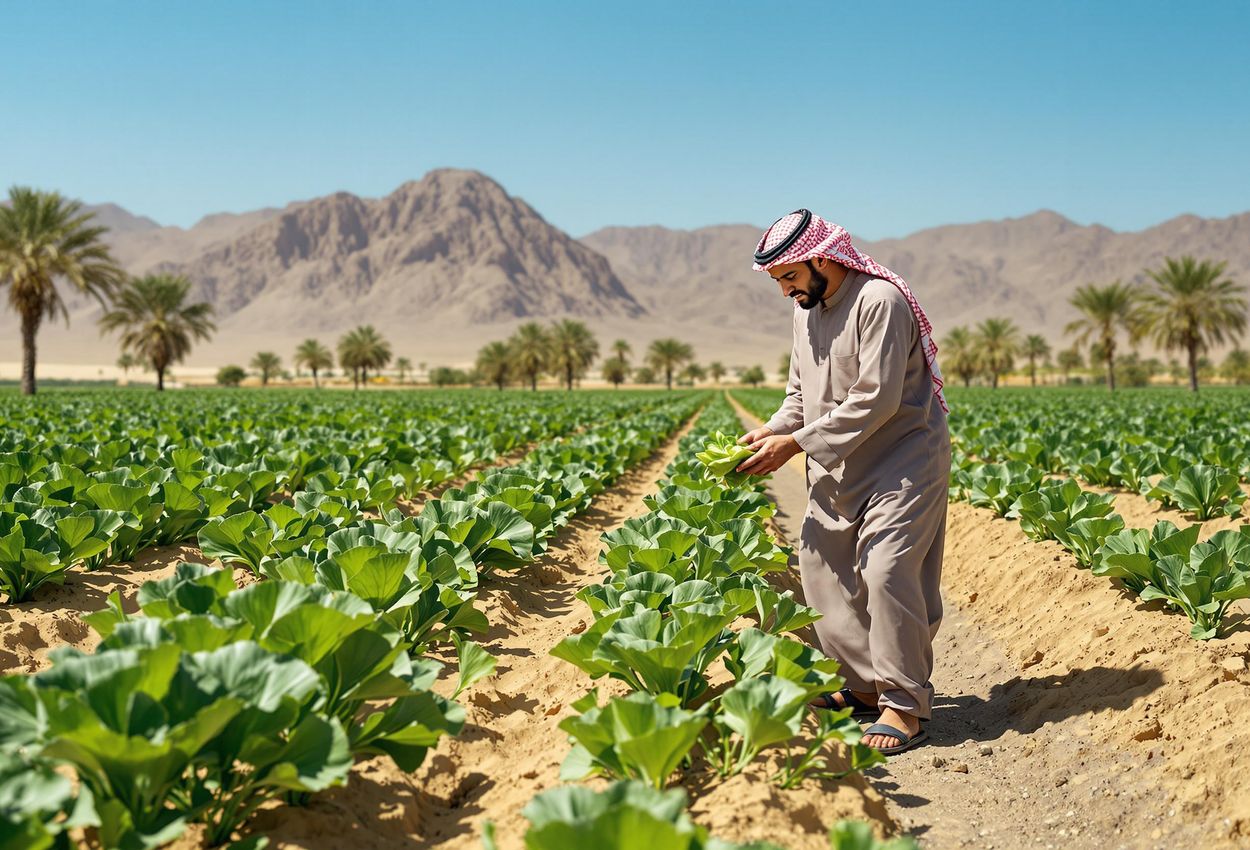 .
.
Planners must make space for a range of alternative livelihoods to ensure that local communities are not overly dependent on tourism. This includes providing training, resources, and support for entrepreneurs in other sectors, as well as creating an enabling environment for businesses to thrive. It also involves investing in infrastructure, education, and healthcare to improve the overall quality of life for local residents.
By diversifying local economies, we can reduce the risks associated with tourism dependence, create more stable and resilient communities, and promote a more equitable distribution of economic benefits. This requires a long-term vision, strategic planning, and a commitment to investing in the future of local communities.
Education and Awareness: Informing Visitors and Promoting Responsible Behavior
Education and awareness play a crucial role in promoting responsible tourism behavior. By informing visitors about cultural heritage, ethical tourism practices, and conservation efforts, destinations can encourage them to make more informed choices and act in a more responsible manner. This includes providing information about local customs, traditions, and sensitivities, as well as promoting sustainable transportation options, waste reduction strategies, and responsible consumption patterns. Sustainable tourism should also maintain a high level of tourist satisfaction and ensure a meaningful experience to the tourists, raising their awareness about sustainability issues and promoting sustainable tourism practices amongst them.
Information campaigns and guided tours can be effective tools for educating tourists about local customs and traditions. By providing visitors with insights into the history, culture, and significance of a destination, these initiatives can foster a deeper appreciation and respect for local heritage. Guided tours can also provide opportunities for visitors to interact with local residents, learn about their lives, and support their businesses. At Kilindi Zanzibar, they practice responsible tourism through several initiatives such as: - Raising cultural awareness via music and Maasai dance performers, dhow cruises and more  .
.
Tourism operators should be trained in cultural sensitivity and responsible practices to ensure that they are equipped to promote ethical tourism behavior. This includes providing training on local customs, environmental stewardship, and community engagement, as well as developing codes of conduct that outline responsible tourism practices. Tourism businesses should promote tolerance and gender equality, respecting human rights while combating the exploitation of the most vulnerable groups in society.
By investing in education and awareness, we can empower visitors to become responsible stewards of cultural heritage, promoting a more sustainable and equitable tourism industry. This requires a collaborative effort, involving governments, tourism operators, local communities, and visitors.
The Future Landscape: High-Yield Tourism and Cultural Stewardship
The future of cultural tourism lies in emacing the concept of high-yield tourism and prioritizing cultural stewardship. This involves attracting fewer visitors who are more engaged, respectful, and willing to spend more on immersive experiences. By focusing on quality over quantity, destinations can reduce the negative impacts of tourism while maximizing its economic and social benefits. Sustainable tourism also means financial viability. This is best achieved by attracting high value responsible tourists who respect our values and cultural traditions.
High-yield tourism prioritizes visitor spending, duration, and cultural engagement over arrival numbers. This involves attracting visitors who are interested in authentic cultural experiences, willing to participate in local activities, and committed to supporting local businesses. It also involves developing high-quality tourism products and services that cater to these discerning travelers. Zanzibar is promoting sustainability-driven initiatives through the “Green Zanzibar” campaign. The Zanzibar Sustainable Tourism Declaration is an informal statement of intent and a rallying cry for the Zanzibar tourism industry to take real strides towards sustainability, in support of people, planet, and prosperity  .
.
Cultural stewardship involves taking a proactive approach to preserving and promoting cultural heritage. This includes investing in conservation efforts, supporting local artists and artisans, and developing educational programs that raise awareness about cultural heritage. It also involves engaging local communities in the management of cultural resources, ensuring that their voices are heard and their values are respected.
By emacing high-yield tourism and prioritizing cultural stewardship, we can create a more sustainable, equitable, and enriching tourism industry that benefits both visitors and host communities. This requires a long-term vision, strategic planning, and a commitment to investing in the future of cultural heritage.