In a world increasingly disconnected, ancient rituals offer a grounding path to well-being, reminding us of our shared human heritage and the power of tradition to heal and connect.
Unearthing the Roots: Why Rituals Matter Now More Than Ever
Rituals, deeply embedded in ancient cultures, are experiencing a modern resurgence as individuals seek to combat disconnection and enhance their overall well-being. Historically, rituals provided structure, meaning, and a sense of belonging within communities. From ancient Egyptians to indigenous tribes, rituals were central to marking life transitions, honoring deities, and ensuring social cohesion. Today, as many grapple with feelings of isolation and a lack of purpose, these ancient practices offer a tangible way to reconnect with heritage and find solace in time-tested traditions.
The psychological benefits of rituals are profound. They provide a sense of control in uncertain times, foster emotional release, and promote connection with something larger than oneself. Whether it's a personal meditation practice or a communal ceremony, rituals create a space for introspection and emotional processing. By engaging in these practices, individuals can reduce anxiety, increase self-awareness, and cultivate a deeper understanding of their place in the world. Heritage, when activated for well-being, serves as a powerful mediator for societal transformation, reminding us of our shared human story and the values that bind us together.
Moreover, rituals remind us of our purpose. They provide a framework for understanding our roles and responsibilities within our communities and the oader world. By participating in rituals, we reinforce our values, strengthen our relationships, and cultivate a sense of meaning and direction in our lives. In a society often characterized by rapid change and uncertainty, rituals offer a stable anchor, reminding us of our connection to the past and our aspirations for the future.

Ayurveda's Daily Dance: Balancing Body, Mind, and Spirit
Ayurveda, the ancient Indian system of medicine, emphasizes daily rituals as essential for maintaining balance between body, mind, and spirit. These practices, known as dinacharya, are designed to align individuals with the natural rhythms of the day and promote overall well-being. Incorporating these rituals into your daily routine can lead to a profound sense of harmony and vitality.
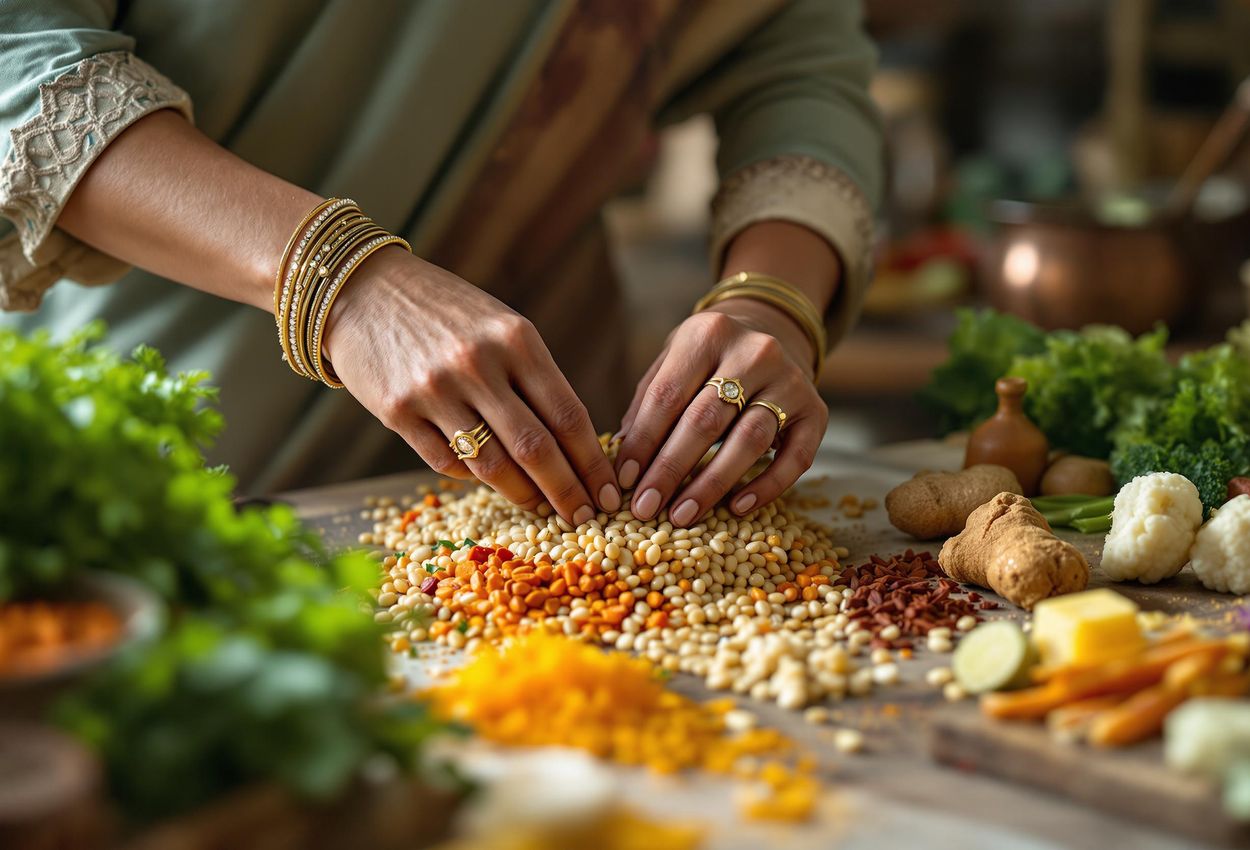
One of the fundamental Ayurvedic practices is mindful eating. This involves paying attention to the flavors, textures, and aromas of your food, as well as the way your body responds to it. By eating slowly and deliberately, you can improve digestion, enhance nutrient absorption, and cultivate a deeper connection with your body's needs. Ayurveda recommends eating meals at regular times each day, focusing on fresh, whole foods that are appropriate for your dosha (constitutional type).
Oil pulling, or Gandusha, is another important Ayurvedic ritual. This involves swishing a tablespoon of oil (typically sesame or coconut) in your mouth for 10-20 minutes each morning before ushing your teeth. Oil pulling is believed to detoxify the oral cavity, strengthen teeth and gums, and improve overall health. Self-massage, or Abhyanga, is a deeply nourishing practice that involves massaging warm oil (such as sesame or coconut oil) into your skin. This ritual helps to improve circulation, soothe the nervous system, and promote lymphatic drainage. Abhyanga is best performed in the morning before showering, allowing the oil to penetrate deeply into the skin.
Tongue scraping is a simple yet effective Ayurvedic practice for removing toxins from the surface of the tongue. Using a tongue scraper each morning helps to improve oral hygiene, stimulate digestion, and enhance the sense of taste. Incorporating specific herbs and spices into your diet is another key aspect of Ayurvedic daily rituals. Certain herbs and spices, such as turmeric, ginger, and cumin, are known for their medicinal properties and can help to balance the doshas and promote overall health. Ayurveda also emphasizes the use of aromas to balance or derange the doshas.
Aromas can have a profound effect on the mind and body, and certain scents are believed to be particularly beneficial for specific doshas. To follow the prescribed Ayurvedic diet of minimally processed foods, it's important to determine your dosha. Generally, Vata types benefit from warm, grounding foods, Pitta types from cooling, hydrating foods, and Kapha types from light, stimulating foods.
Traditional Chinese Medicine: Harmonizing Qi Through Ancient Practices
Traditional Chinese Medicine (TCM) offers a unique approach to well-being through rituals designed to harmonize Qi (life energy). These practices, rooted in centuries of tradition, aim to promote the smooth flow of Qi throughout the body, enhancing physical and mental health. By incorporating these ancient techniques into your daily routine, you can cultivate a greater sense of balance and vitality.
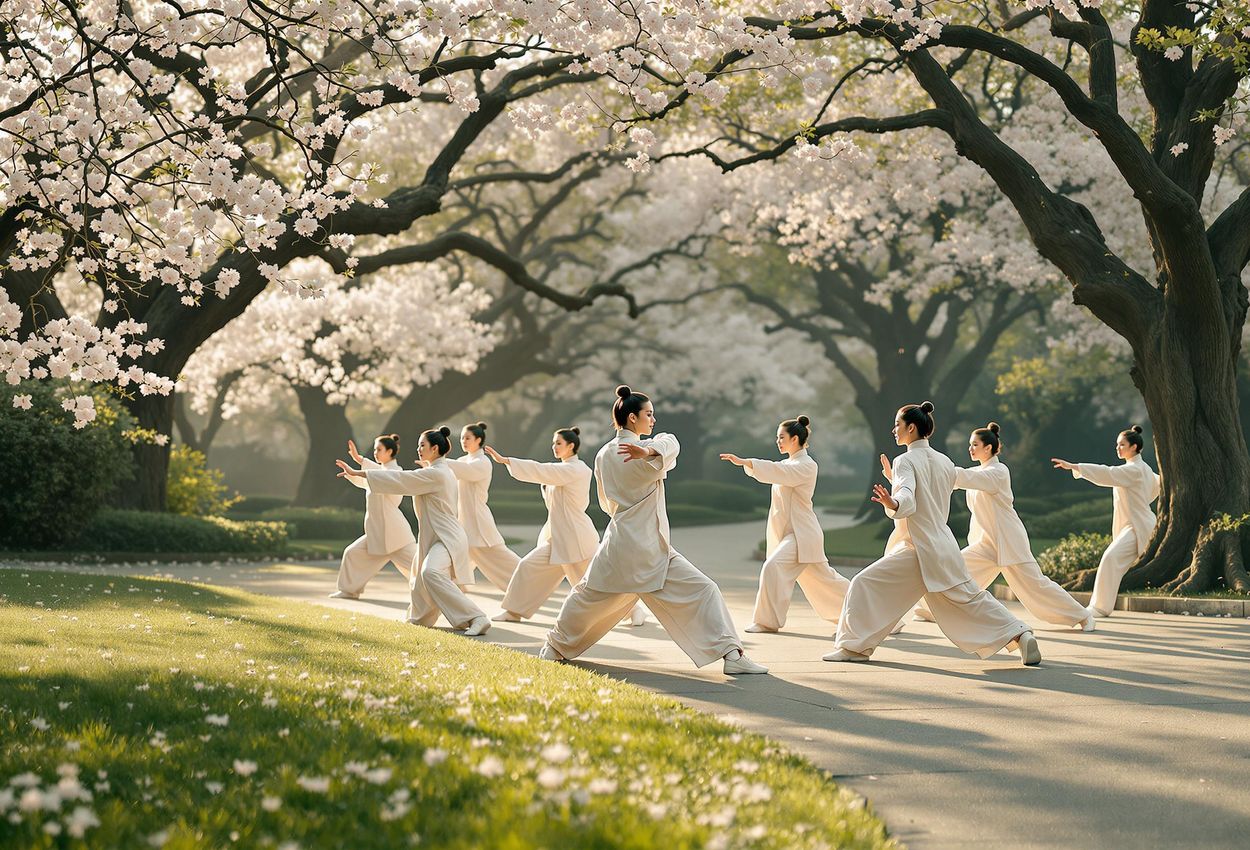
Qigong and Tai Chi are central to TCM's approach to well-being. These gentle exercises combine movement, meditation, and eath control to promote the circulation of Qi and balance the body's energy systems. The slow, deliberate movements of Tai Chi are particularly effective for reducing stress, improving flexibility, and enhancing coordination. Regular practice of Qigong and Tai Chi can lead to increased energy levels, improved sleep, and a greater sense of overall well-being.
Acupuncture and acupressure are also integral to TCM's approach to harmonizing Qi. These techniques involve stimulating specific points on the body to promote the flow of energy and restore balance. Acupuncture uses fine needles to stimulate these points, while acupressure involves applying pressure with the fingers or hands. Both acupuncture and acupressure have been shown to be effective for relieving pain, reducing stress, and improving overall health.
TCM emphasizes the balance of Yin-Yang forces within the body. Yin represents the cooling, moistening, and nourishing aspects of the body, while Yang represents the warming, energizing, and active aspects. Illness is seen as a disruption of this balance, and TCM practices aim to restore harmony by tonifying Yin or Yang as needed. This harmony is achieved through diet, exercise, and mindful living.
Polynesian Healing Rituals: Connecting with Nature and Ancestral Spirits
Polynesian healing traditions are deeply rooted in a connection to nature and ancestral spirits, offering a holistic approach to well-being that integrates the spiritual and physical realms. These rituals, passed down through generations, emphasize the importance of community, harmony, and respect for the natural world. By exploring these practices, one can gain a deeper understanding of the interconnectedness of all things and cultivate a greater sense of inner peace and vitality.
Dance, music, and storytelling are central to Polynesian healing rituals. Movements often symbolize elements of nature, emotions, and stories passed down through generations. The rhythmic movements of dance help to release tension, promote circulation, and connect individuals with their bodies and their communities. Music, particularly chanting and drumming, is used to invoke ancestral spirits and create a sacred space for healing. Storytelling serves as a means of transmitting knowledge, values, and traditions, reinforcing the importance of cultural heritage in maintaining well-being.
Ancestral spirits play a crucial role in Polynesian healing, serving as protectors and guides who influence both the spiritual and physical realms. Polynesians believe that these spirits can affect health and well-being, providing guidance and support during healing rituals. Engaging with these spirits is often done through offerings, chants, and dances, which serve to honor and communicate with the ancestors. This deep connection to the past ensures that the wisdom and traditions of the ancestors continue to influence modern Polynesian healing practices.
Herbal remedies also play a significant role in Polynesian healing traditions. Specific herbs, such as Noni and Kava, are used for their medicinal properties and their ability to promote healing and well-being. Noni is known for its antioxidant and anti-inflammatory properties, while Kava is used for its calming and relaxing effects. These herbal remedies, combined with the power of community, nature, and tradition, offer a comprehensive approach to mental and emotional well-being.

Mayan Cacao Ceremonies: A Ritual for Self-Renewal and Heart Opening
Mayan cacao ceremonies serve as a powerful ritual for self-renewal and connecting with the soul. Cacao, prepared ceremonially and enjoyed with intention, acts as a potent energetic medicine that opens the heart and inspires a deeper connection with oneself and others. These ceremonies, rooted in ancient Mayan traditions, offer a pathway to emotional healing, spiritual growth, and creative expression.
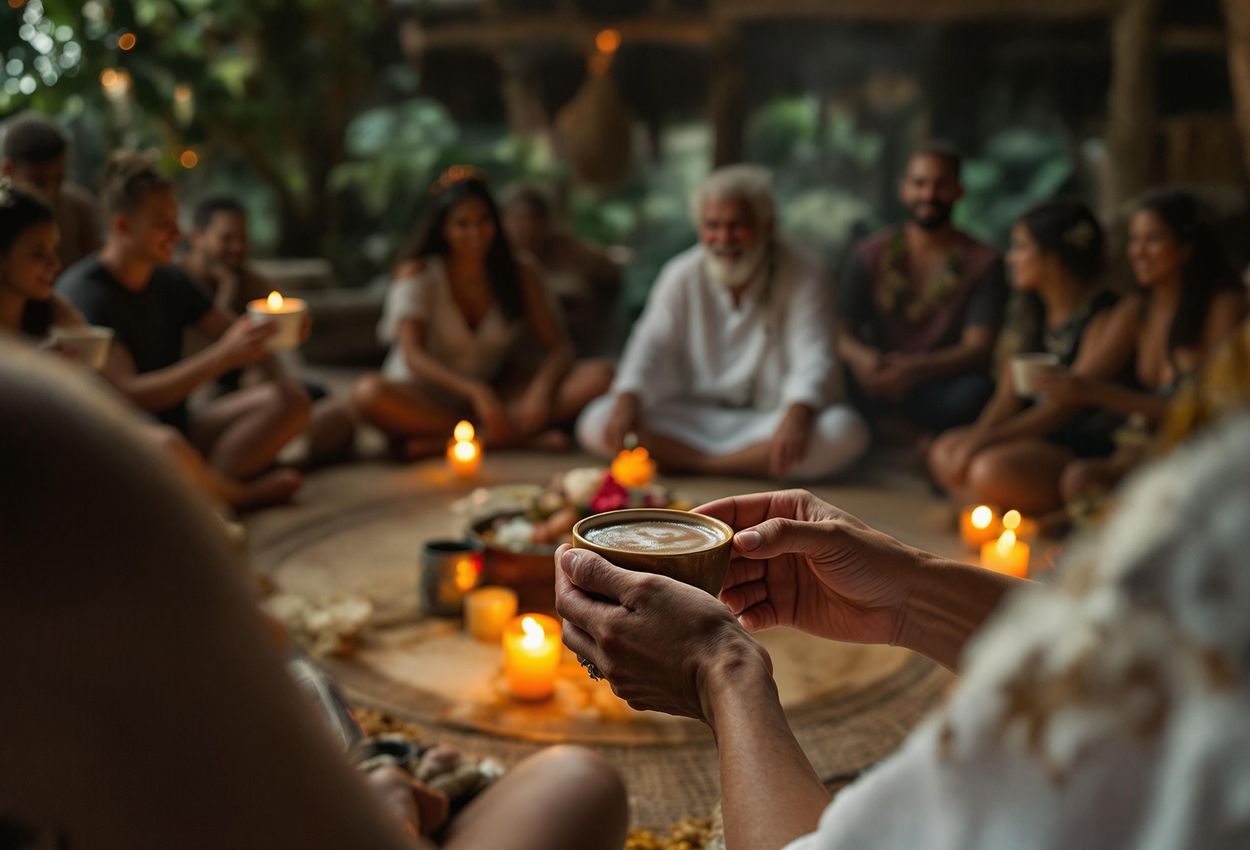
Cacao is prepared ceremonially by grinding the cacao beans and mixing them with water and spices. The mixture is then heated and stirred with intention, infusing it with positive energy and prayers. The resulting beverage is enjoyed in a communal setting, often accompanied by music, meditation, and sharing. The communal aspect of these ceremonies is essential, creating a sense of unity and support among participants. These ceremonies can also be adapted as part of a personal morning ritual, providing a daily opportunity for self-reflection and heart-opening.
The Mayans believed that the physical body was an extension of the soul, and their practices included a mix of treatments, super foods, and mindfulness, giving their medicine a holistic approach. This holistic approach recognizes the interconnectedness of the mind, body, and spirit, and seeks to promote healing on all levels. The heart-opening and inspirational qualities of cacao are emphasized when used thoughtfully, allowing individuals to tap into their inner wisdom, release emotional blockages, and cultivate a greater sense of self-love and compassion.
Native American Sweat Lodges: Purification and Connection to the Spirit World
Native American healing traditions often include sweat lodge ceremonies as rituals for purification and connecting with the spirit world. These ceremonies, deeply rooted in respect for nature and ancestral wisdom, offer a powerful means of cleansing the body, mind, and spirit. By participating in a sweat lodge ceremony, individuals can release physical and emotional toxins, gain clarity, and strengthen their connection with the spiritual realm.
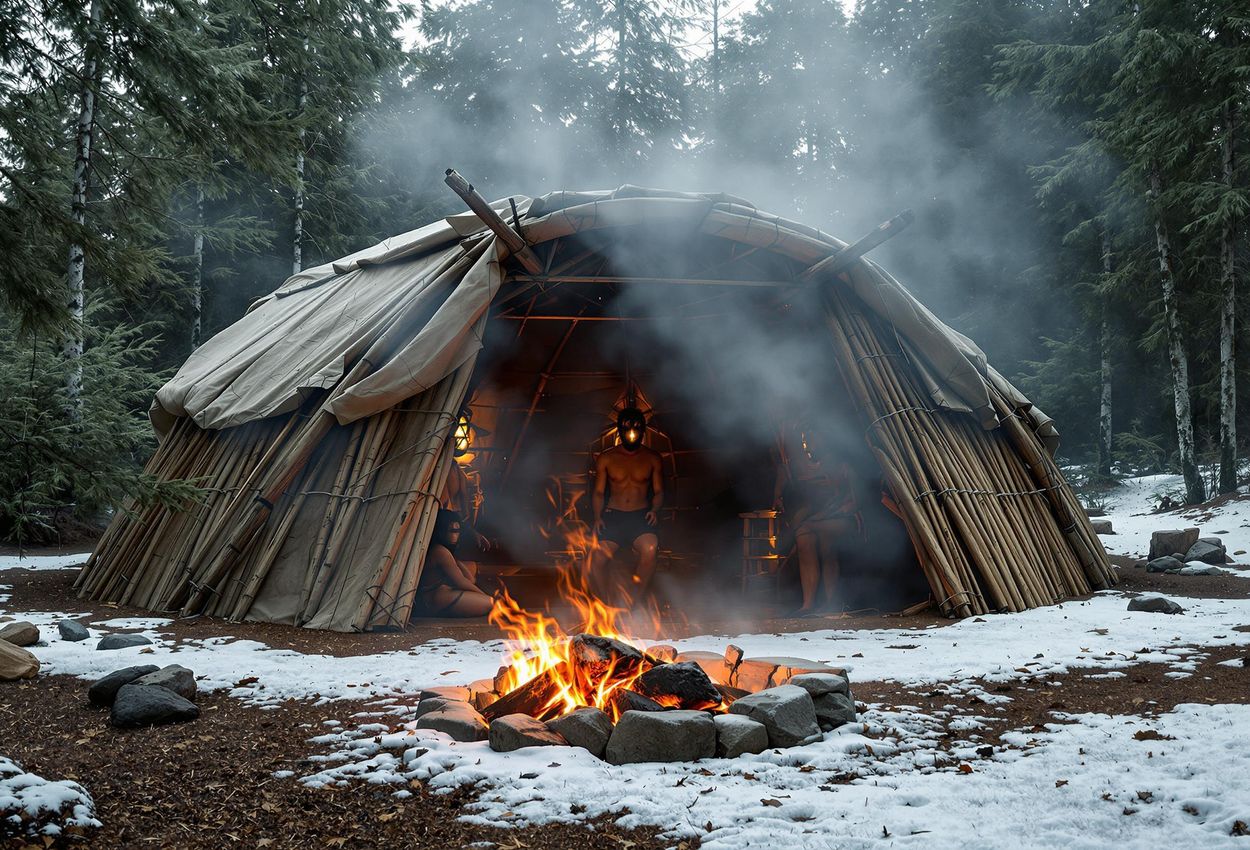
The process of the ceremony involves entering a heated enclosure, typically a dome-shaped structure made of wood and covered with blankets or hides. Heated rocks are placed in a central pit, and water is poured over them to create steam. Drumming, chanting, and dancing are often incorporated into the ceremony, creating a powerful and transformative experience. These rituals invoke the healing powers of nature and the spirit world, allowing participants to release negative energies and connect with their inner selves.
The holistic nature of Native American healing integrates the physical, emotional, and spiritual aspects of health. The sweat lodge ceremony is not simply a physical cleansing but a profound spiritual experience that promotes healing on all levels. The connection to nature is central to these traditions, reminding participants of their interconnectedness with the earth and all living things. By honoring the wisdom of the natural world, individuals can gain a greater understanding of their place in the universe and cultivate a deeper sense of gratitude and respect.
Ancient Egyptian Sleep Temples: Dream Interpretation and Healing
Ancient Egyptian sleep temples served as sanctuaries for worship and relief of suffering, offering a unique approach to healing that integrated the physical and spiritual realms. These temples, staffed by priests and doctors, provided a space for individuals to seek divine guidance, interpret dreams, and find solace from their ailments. By exploring the practices of these ancient temples, we can gain insights into the power of suggestion, the importance of place, and the role of dreams in promoting well-being.
Temple priests and doctors induced trancelike states, interpreted dreams, and advised on life paths, offering a holistic approach to healing that addressed the mind, body, and spirit. Music, painting, and walking in nature were used to calm the anxious and console the grieving, creating a supportive environment for emotional healing. These practices recognized the importance of the mind-body connection and sought to promote healing through relaxation, mindfulness, and creative expression.
Egyptian doctors studied their patients and detailed symptoms of mental disorders, laying down rudimentary elements of medical psychology and psychiatry. This early understanding of mental health recognized the importance of addressing emotional and psychological well-being in promoting overall health. The role of suggestion and place in their healing work highlights the power of the environment and the importance of creating a supportive and nurturing space for healing to occur.

Jewish Ritual Baths (Mikvah): Spiritual and Physical Rejuvenation
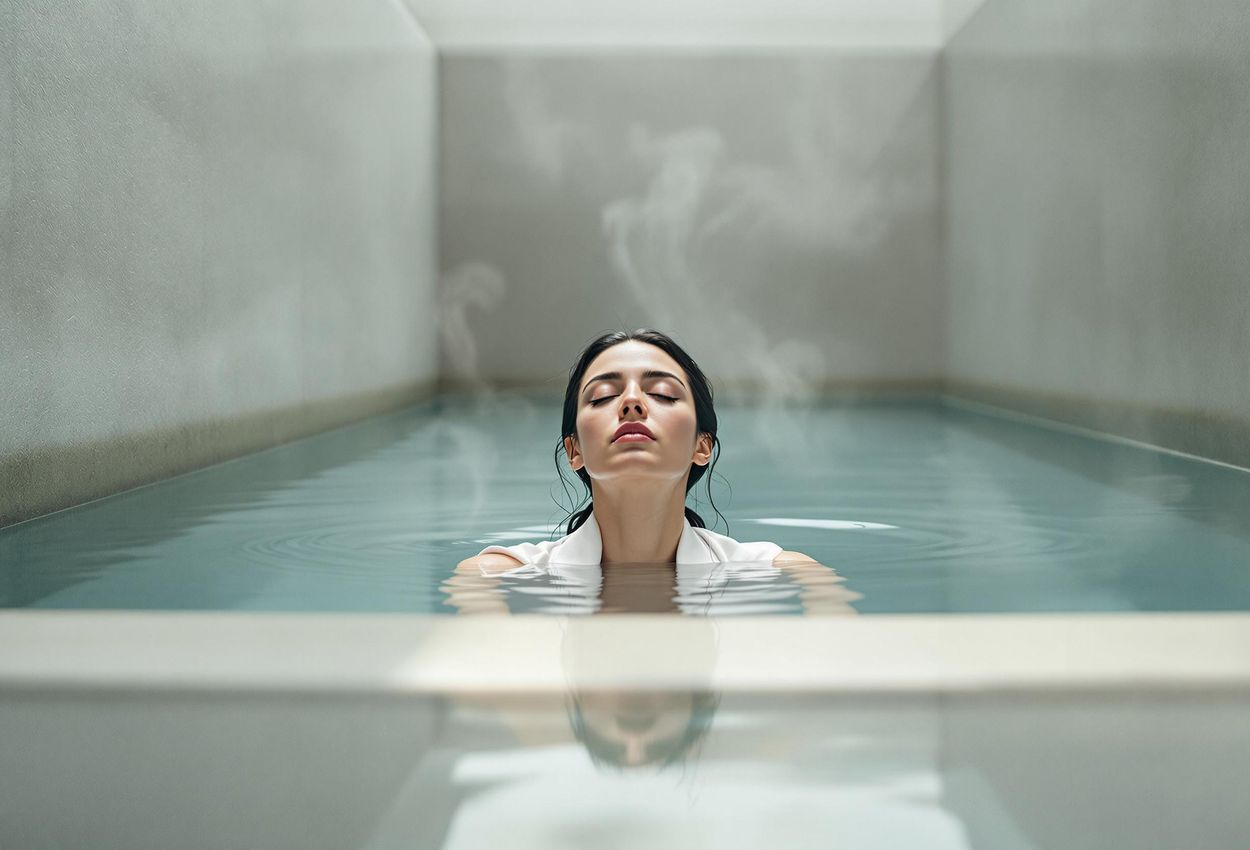
Jewish ritual baths, known as Mikvah, have been used for centuries for spiritual and physical purification. These baths, designed according to specific requirements, offer a transformative experience that promotes renewal, reflection, and connection with Jewish tradition. By exploring the practices of Mikvah, we can gain a deeper understanding of the importance of ritual, self-care, and spiritual rejuvenation.
The design and requirements of a Mikvah include fresh rainwater and specific dimensions, ensuring that the water is pure and natural. The immersion in the Mikvah symbolizes a return to the source of life, a cleansing of the old, and a preparation for new beginnings. Various reasons for immersion include preparation for marriage, after menstruation or childbirth, conversion to Judaism, and spiritual renewal, reflecting the diverse ways in which the Mikvah can enhance one's spiritual journey.
The health benefits of Mikvah include personal hygiene and relaxation, promoting both physical and mental well-being. Visiting a Mikvah can provide a spiritual and physical rejuvenation, reinforcing the importance of self-care and alone time. This practice encourages individuals to prioritize their well-being, take time for reflection, and connect with their spiritual selves, ultimately leading to a greater sense of balance and fulfillment.
Celtic Tree Rituals: Wisdom and Connection to Nature
Celtic tree rituals offer a profound connection to nature, drawing on the ancient wisdom of the Celts and their deep reverence for the natural world. These rituals, centered around trees and sacred groves, provide a pathway to spiritual growth, healing, and a greater understanding of the interconnectedness of all living things. By exploring the practices of Celtic tree rituals, one can cultivate a deeper appreciation for nature and its ability to nourish and inspire.
The Celts viewed individual trees as sacred and used springs, rivers, and groves for rituals, recognizing the inherent power and wisdom of the natural world. Druids, as religious leaders, were known for their wisdom and responsibility for performing rituals, serving as intermediaries between the human and spiritual realms. These rituals were held at times of stress to the community, such as war and droughts, to ensure continued success, reflecting the importance of nature in maintaining balance and harmony.
The importance of nature and wisdom in these ancient practices highlights the Celts' understanding of the interconnectedness of all things. By connecting with trees and sacred groves, individuals can tap into a source of ancient wisdom, gain clarity, and find solace from the challenges of life. These rituals offer a means of honoring the earth, celeating the cycles of nature, and cultivating a deeper sense of belonging and purpose.

Modern Adaptations: Integrating Ancient Wisdom into Daily Life
Ancient rituals are being adapted and integrated into modern daily life for well-being, offering a tangible way to reconnect with heritage and find solace in time-tested traditions. These adaptations provide structure, promote emotional release, and foster connection, reminding us of our shared human story and the values that bind us together. By exploring these modern adaptations, one can cultivate a deeper connection to themselves and the world around them.
Practices such as moon circles, cacao ceremonies, sound baths, and mindfulness meditation are gaining popularity as individuals seek ways to enhance their well-being and find meaning in their lives. Moon circles offer a space for women to connect with the lunar cycles, share their experiences, and support one another. Cacao ceremonies, rooted in Mayan traditions, use cacao as a heart-opening medicine to facilitate emotional healing and spiritual growth. Sound baths utilize sound viations to promote relaxation, reduce stress, and enhance overall well-being. Mindfulness meditation cultivates present moment awareness, allowing individuals to reduce anxiety, increase self-awareness, and cultivate a deeper understanding of their place in the world.
Community support is essential in maintaining self-control and achieving personal growth. Participating in group rituals and ceremonies provides a sense of belonging, reduces feelings of isolation, and offers a supportive environment for personal transformation. Creating personal rituals for emotional release, such as burning a letter of apology or releasing a balloon with written worries, can provide a tangible way to process emotions, let go of the past, and move forward with greater clarity and purpose.
Ultimately, the key is to explore and cultivate rituals that resonate with you, fostering a deeper connection to yourself and the world around you. Whether it's a simple morning meditation, a weekly nature walk, or a monthly moon circle, incorporating rituals into your daily life can enhance your well-being, promote personal growth, and remind you of the power of tradition to heal and connect. These modern adaptations offer a pathway to integrating ancient wisdom into the complexities of modern life, providing a sanctuary for collective healing and grounding us in the timeless wisdom of our ancestors.