As the winter chill begins to fade and the days grow longer, India prepares to celeate Makar Sankranti, a festival imming with viant colors, joyful traditions, and the sweet taste of new beginnings. From the exhilarating kite festivals that paint the skies to the delectable sesame and jaggery treats, Makar Sankranti is a time to emace the spirit of unity, gratitude, and optimism.
Makar Sankranti, also known as Uttarayan, marks the transition of the sun from Sagittarius to Capricorn, heralding the end of winter and the start of the harvest season. Celeated on January 14th or 15th each year, this festival is deeply rooted in India's cultural and religious faic, signifying new beginnings, spiritual upliftment, and the triumph of light over darkness. The festival is dedicated to the solar deity Surya, with devotees offering prayers for prosperity, health, and abundance.
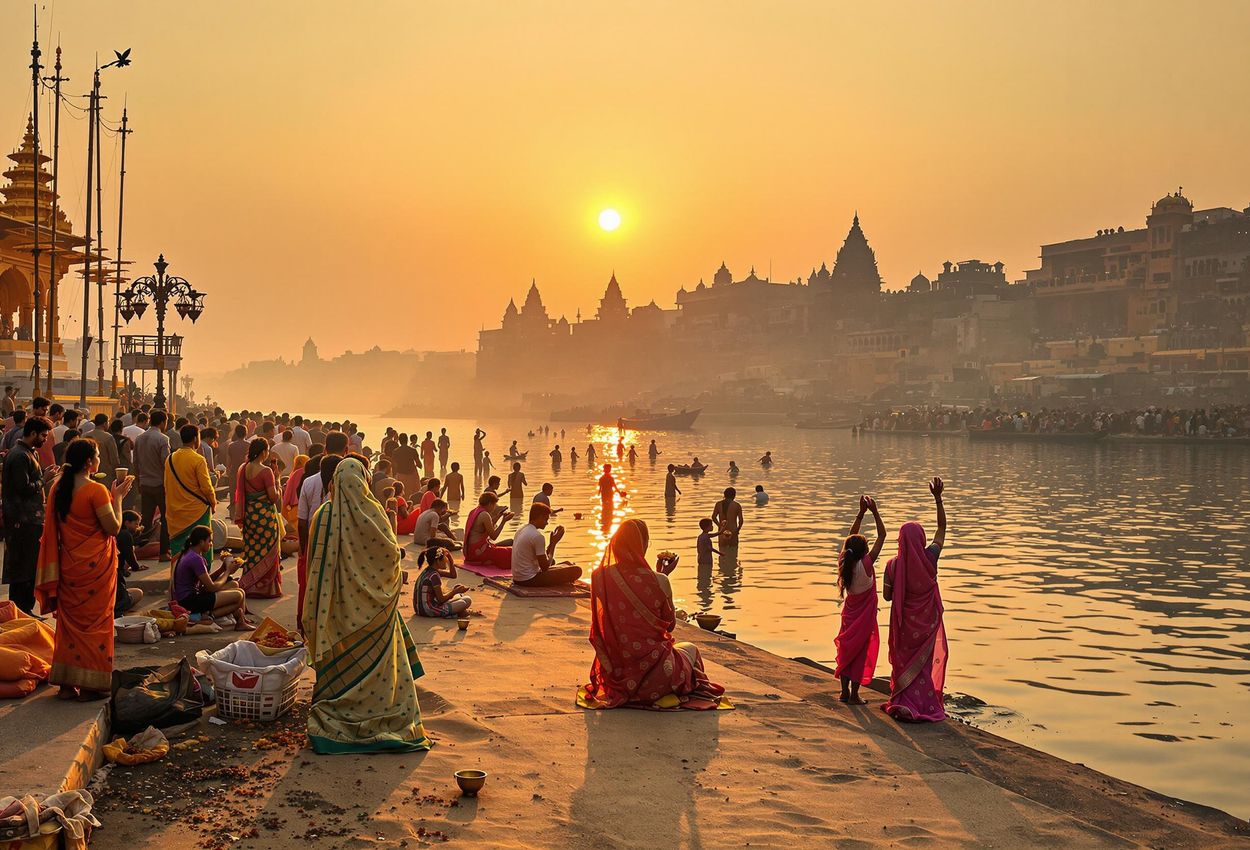
Pilgrims gather to take a holy dip in rivers like the Ganga, Yamuna, Godavari, Krishna and Kaveri, believing it washes away past sins and bestows spiritual merit. Makar Sankranti is more than just a festival; it's a celeation of life, community, and the enduring spirit of hope that inspires positivity and togetherness.

Gujarat's Skies Ablaze: The International Kite Festival of Ahmedabad
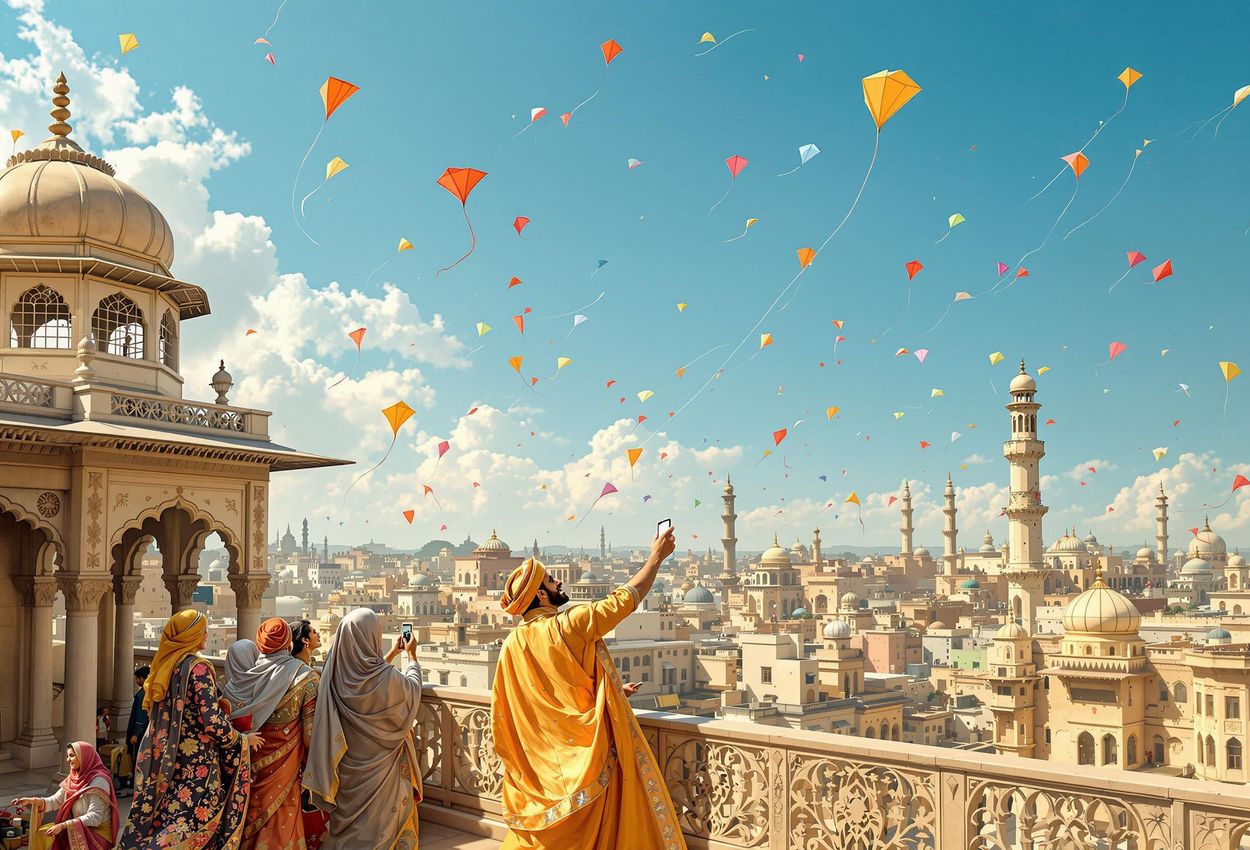
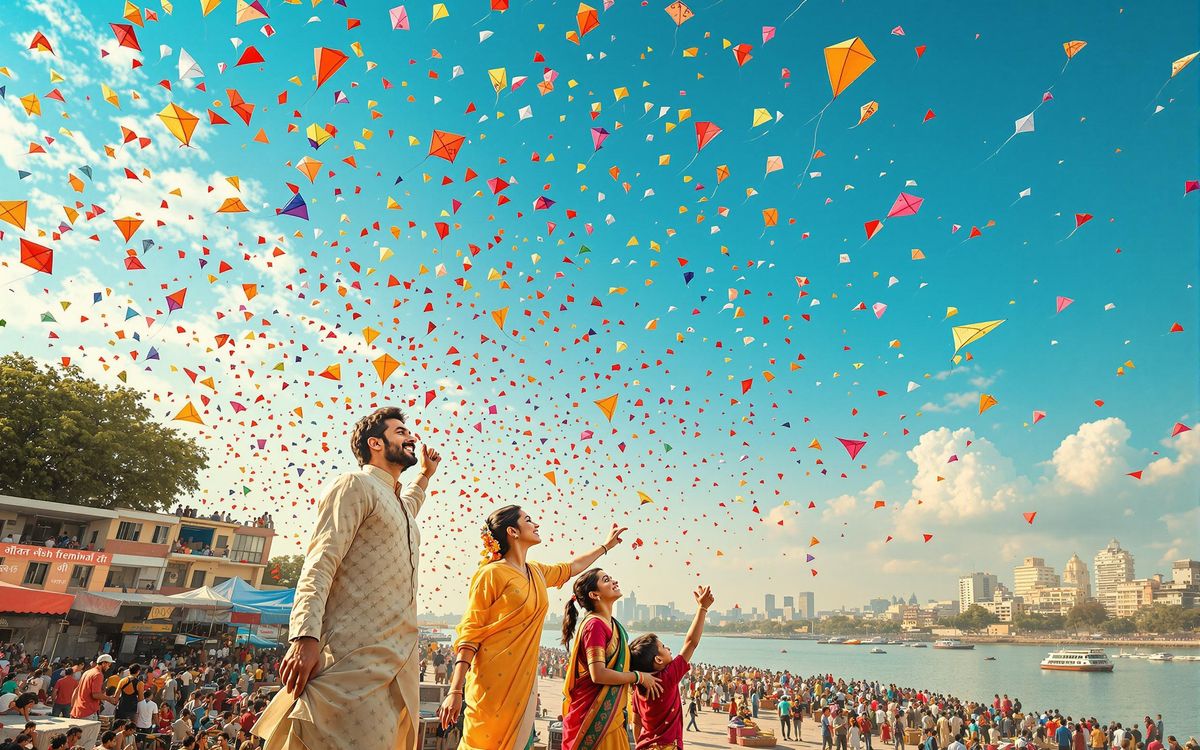
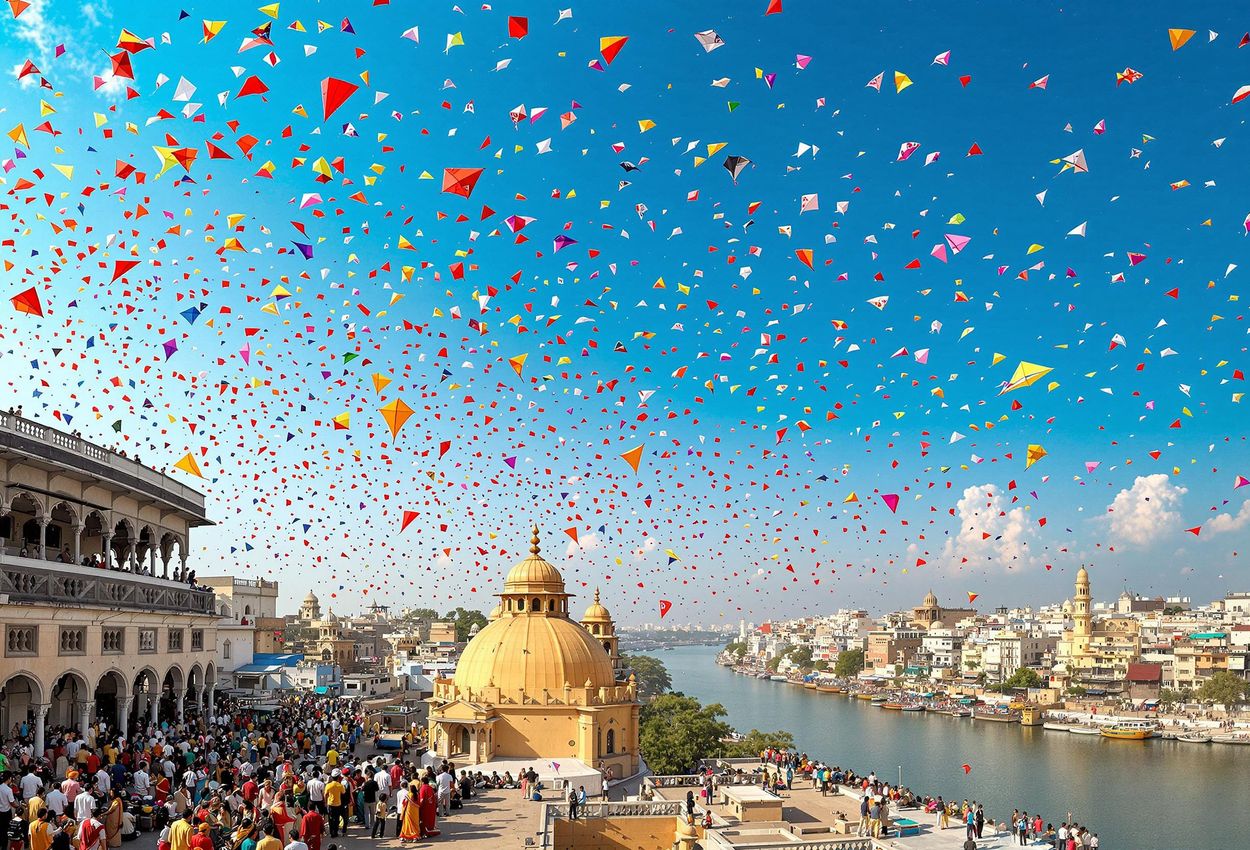
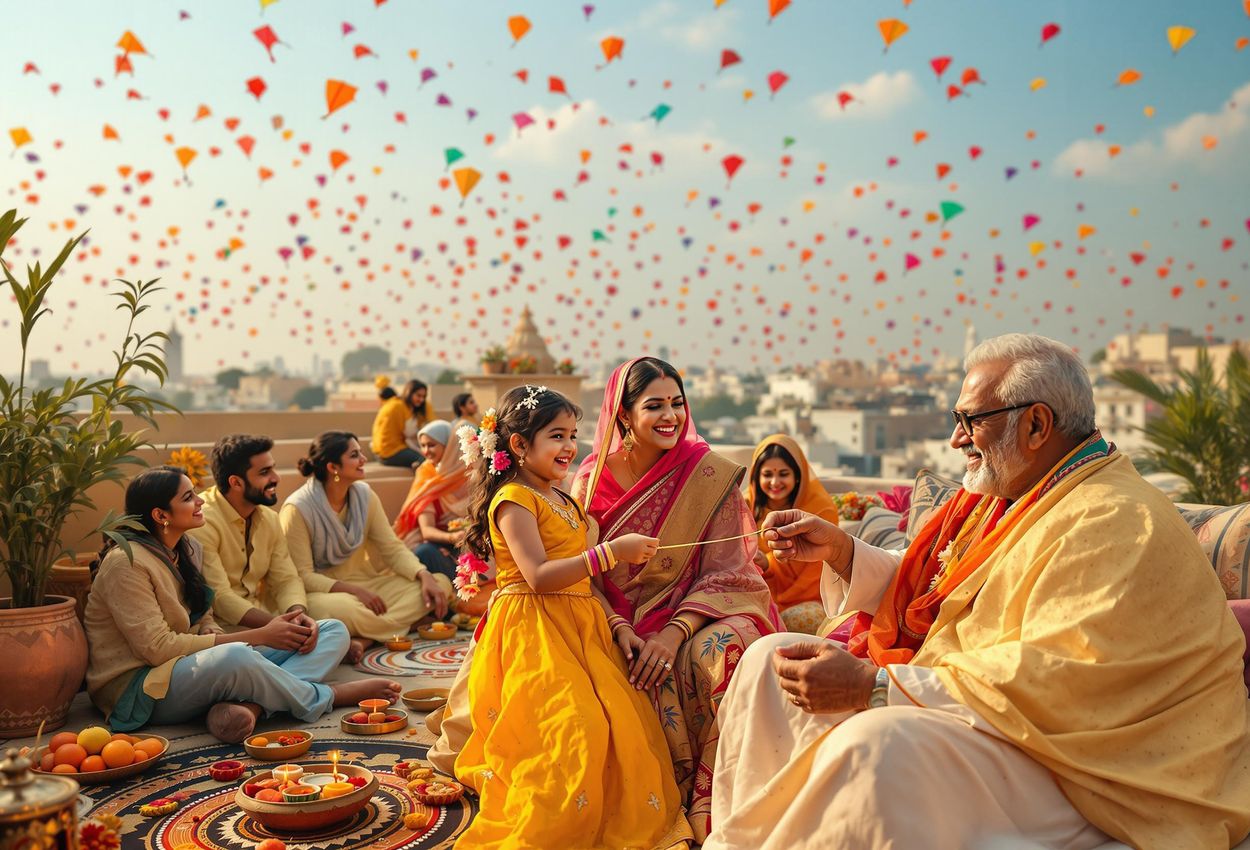
The International Kite Festival, also known as Uttarayan, in Ahmedabad, Gujarat, stands as the centerpiece of Makar Sankranti celeations. Months before the festival, families engage in the meticulous preparation of kites at home, establishing small shops to showcase their craftsmanship. The Patang Bazaar, a bustling marketplace, remains open 24/7 in the days leading up to the festival, offering a viant spectacle of colors and designs.
The kite-flying tradition has ancient roots, popularized by Mughal emperors and evolving into the rectangular Gujarati kites. The International Kite Festival 2025 is scheduled to be held at Sabarmati Riverfront from January 11-14, drawing kite enthusiasts from across the globe. The thrill of kite-flying battles, the triumphant cries of 'Kai Po Che,' and the communal rooftop gatherings create an unparalleled festive atmosphere.
The Kite Museum located at Sanskar Kendra in the Paldi area of Ahmedabad, established in 1985, houses a collection of unique kites, offering insights into the history and artistry of kite making. The museum exhibits more than 100 kites made from a variety of materials and designs. There are special thematic and festival based displays including kites crafted with sequences of mirror work, Garba dances and block prints.
Beyond Gujarat: Kite Flying Festivities Across India
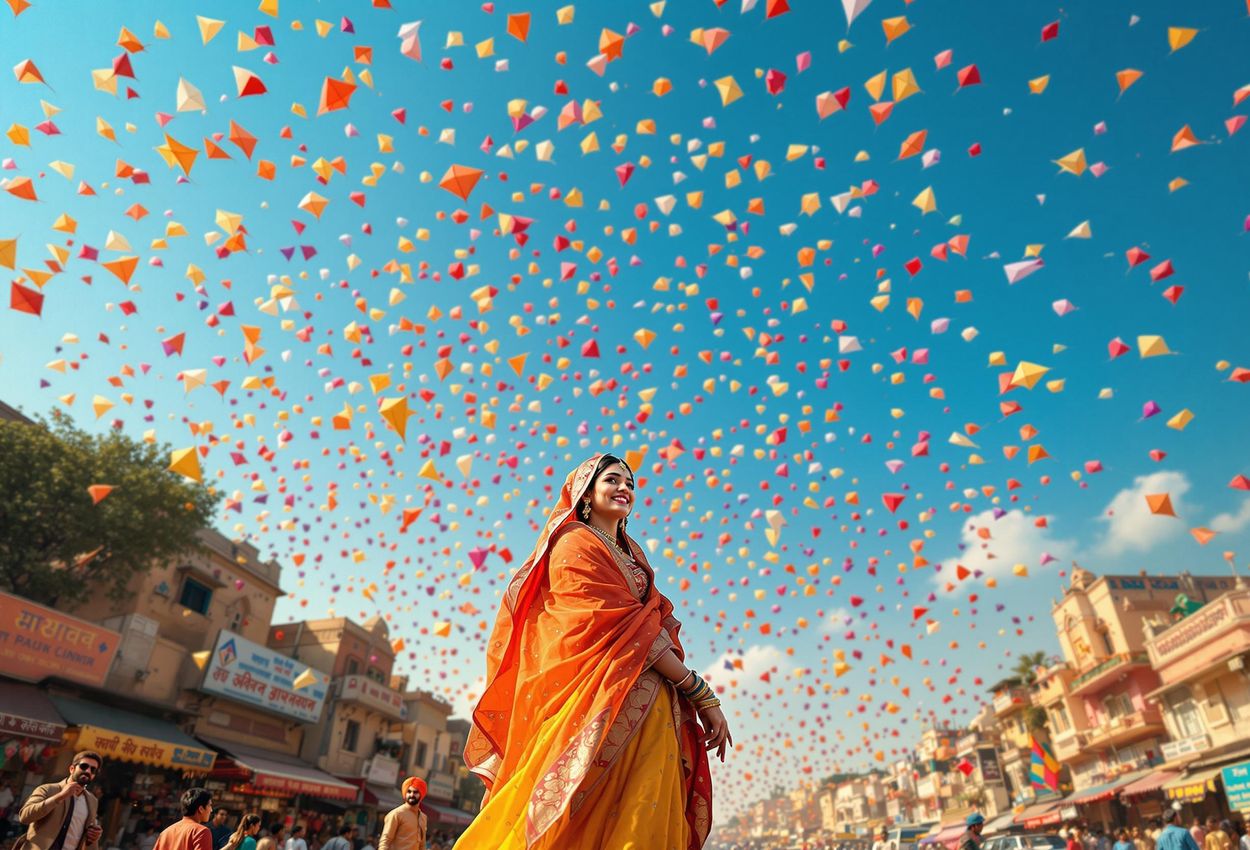
While Gujarat is renowned for its kite festival, other states like Rajasthan and Maharashtra also emace kite-flying traditions during Makar Sankranti. In Punjab, the festival of Lohri sees friendly kite-flying battles, adding to the festive spirit. The symbolism of kites soaring high represents spiritual upliftment and the connection between earth and sky, with some believing that kite flying helps the soul of the deceased reach heaven.
In Jaipur, Rajasthan, music, food, and a viant atmosphere accompany the kite-flying festivities. The ancient roots of kite flying during Makar Sankranti trace back to the Indian subcontinent, popularized by Mughal emperors and becoming an integral part of the cultural faic of India. The rhythmic swaying of colorful kites in the sky symbolizes the joyous spirit of the changing seasons and the advent of warmer days.
Tilgul and More: Sweet Traditions of Makar Sankranti
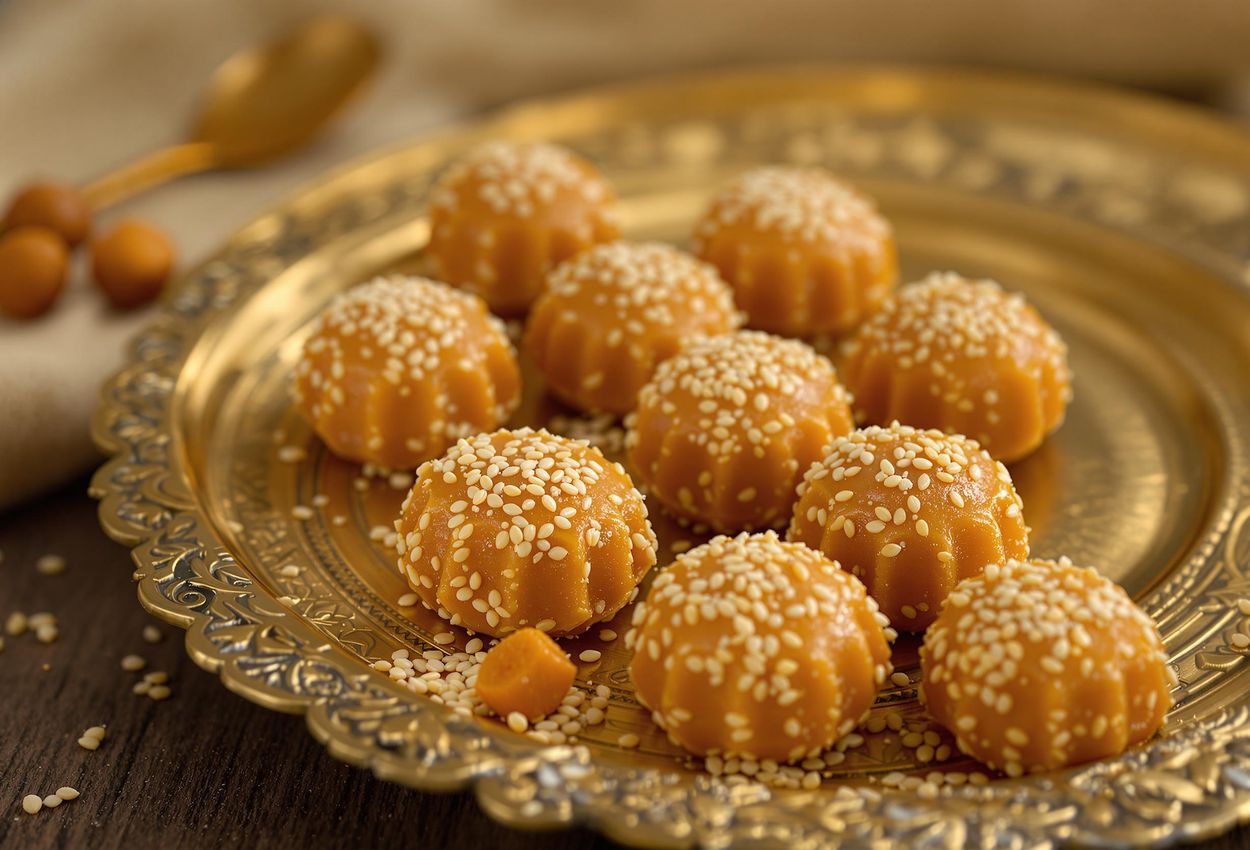
The culinary aspect of Makar Sankranti is highlighted by sesame (til) and jaggery (gur) sweets, symbolizing warmth and sweetness. Tilgul ladoos are exchanged with the phrase 'Tilgul ghya, god god bola,' promoting goodwill and harmony. Regional variations include Til Poli in Maharashtra and Til Pitha in Assam, each offering a unique taste of local traditions.
Unique sesame seed sweets like Til ke Gajak and Til Halwa add to the festive indulgence. Consuming til and gur is believed to ing happiness, warmth, and prosperity, making these sweets an essential part of the Makar Sankranti celeations. These sweet treats are not just delicious but also carry a deep cultural significance, representing the sweetness and positivity that the festival embodies.
A Taste of Gujarat: The Undhiyu Feast
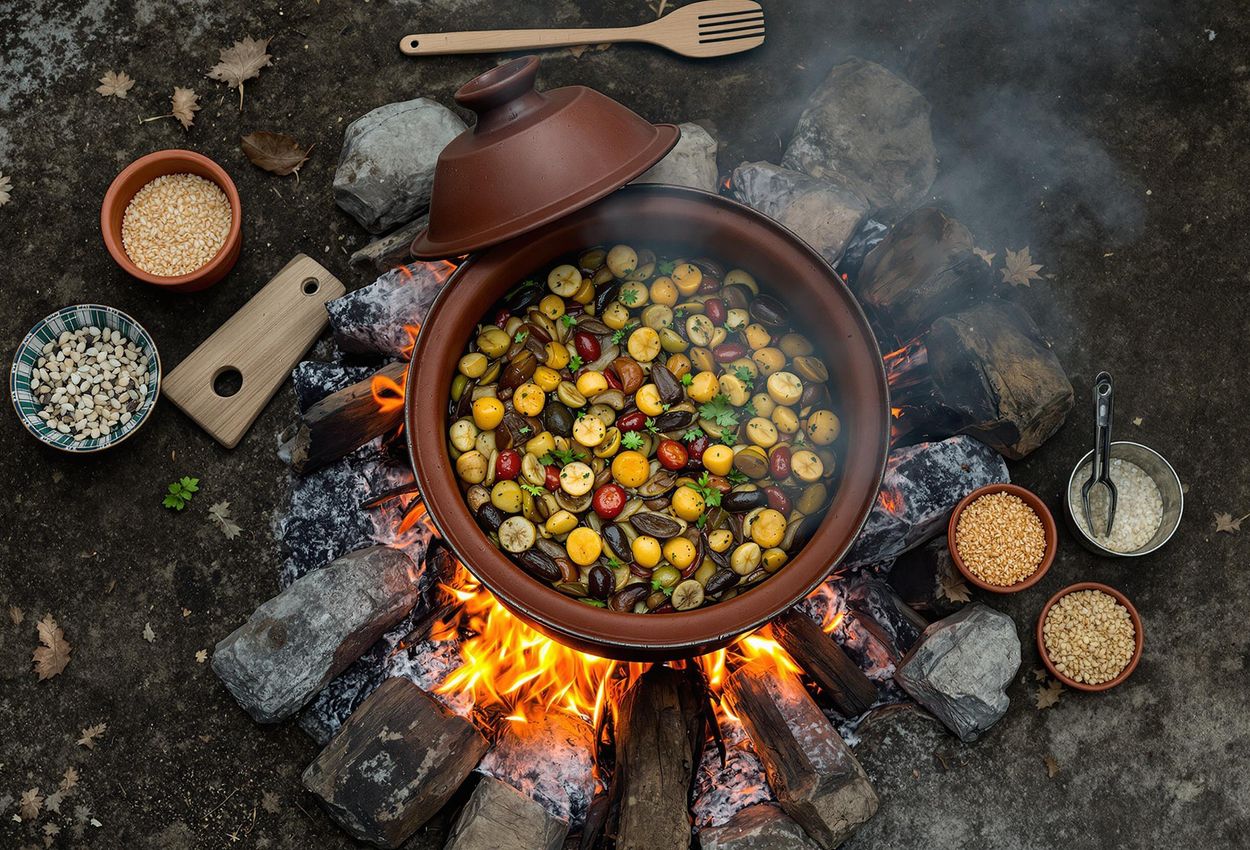
Undhiyu is a signature Gujarati dish prepared for Makar Sankranti, its name derived from 'undhu,' meaning inverted, reflecting the traditional cooking method in an inverted clay pot buried and heated from above. Common ingredients include eggplant, muthiyas, potatoes, yam, green peas, and beans. Preparing Undhiyu involves making Muthdi (dumplings) with specific spices and cooking methods.
The dish often includes spices from Vasant Masala and is served with poori and shrikhand. Undhiyu is more than just a dish; it's a culinary experience that ings families and communities together, celeating the rich flavors of Gujarat and the spirit of Makar Sankranti.
Charity and Giving: The Spirit of 'Daan' on Makar Sankranti
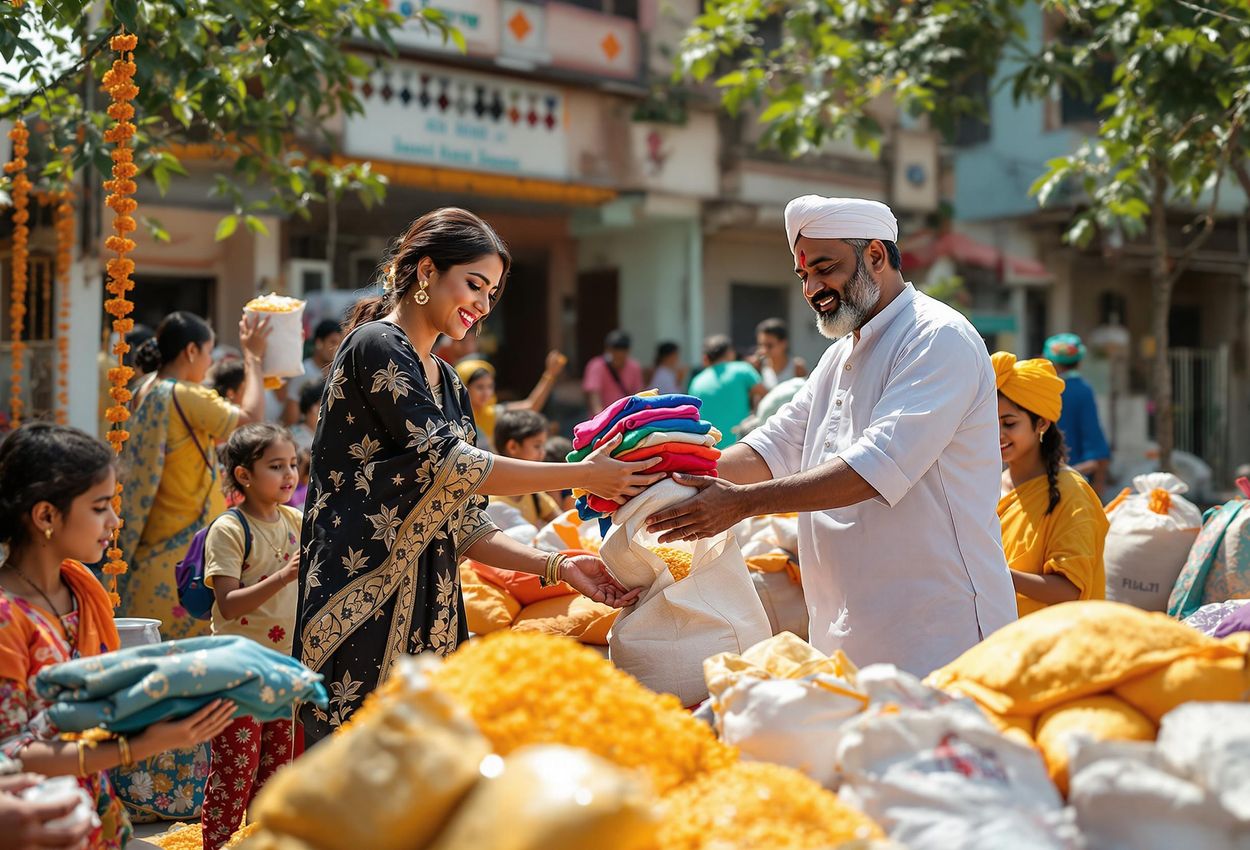
Charitable giving ('daan') holds significant importance on Makar Sankranti, emphasizing its spiritual significance and blessings. Traditional items for donation include sesame seeds, jaggery, grains, and clothes. The concept of 'Makar Sankranti Daan: The Power of 14 Daan' highlights the spiritual significance of donating 14 items, such as Ghee Daan, Til Daan, Clothing Daan, and Food Daan.
Donations are believed to ing happiness, peace, and prosperity to the giver, reflecting the festival's spirit of generosity and compassion. This act of giving not only benefits the recipients but also purifies the donor's soul, preparing them for a journey of spiritual growth and fulfillment.
Honoring Surya: Rituals and Prayers
Rituals and prayers dedicated to the Sun God (Surya) are central to Makar Sankranti, with Surya Puja and the offering of prayers for prosperity and health. The Gayatri Mantra is often recited in connection to Surya. Taking a holy dip in sacred rivers is believed to have a cleansing effect, washing away sins and bestowing spiritual merit.
Lighting bonfires symbolizes the end of winter and the victory of light over darkness, representing hope and renewal. These rituals and prayers are a way to express gratitude to the Sun God for his life-sustaining energy and to seek his blessings for a prosperous year ahead.
Uttarayan Nights: Lanterns and Lights in the Sky
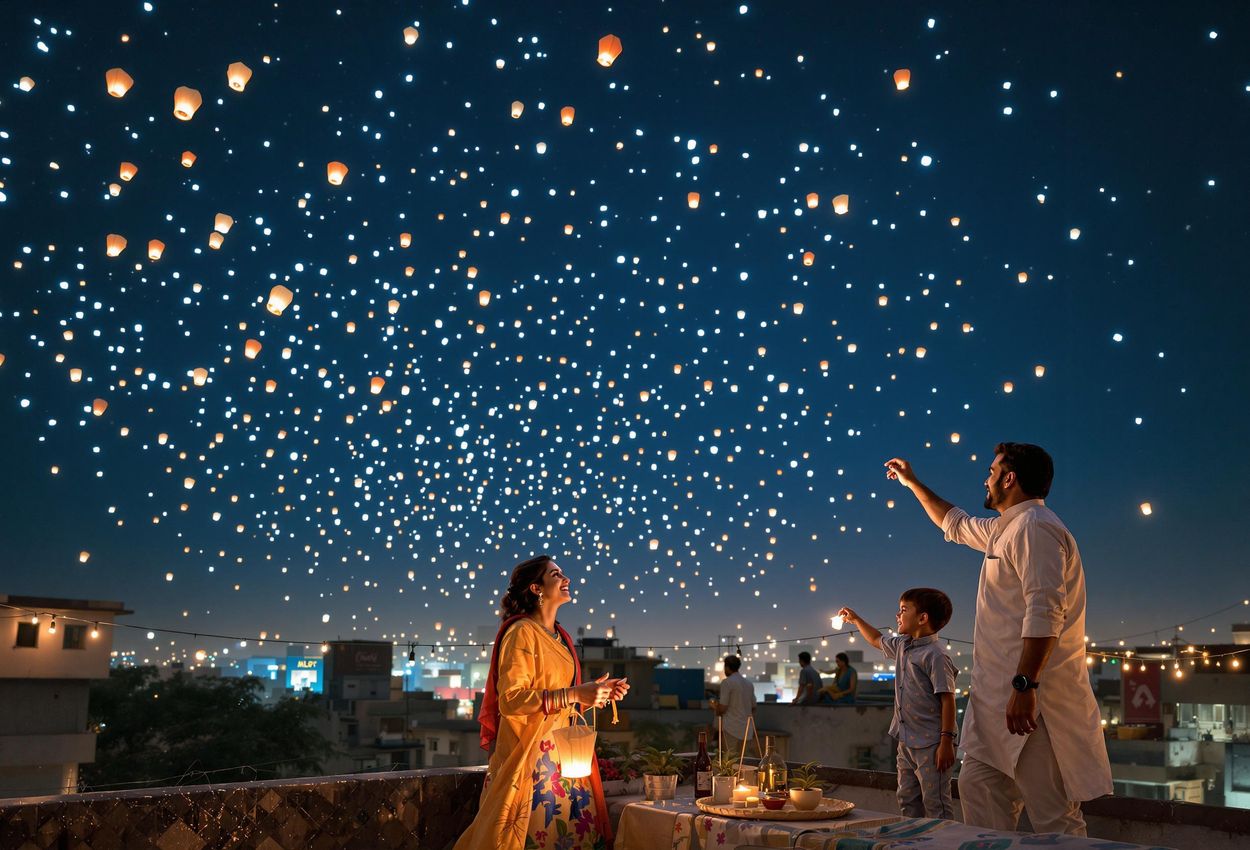
As the daytime kite flying transitions to nighttime celeations, ight white kites and tukkals (lantern kites) illuminate the sky. The festive atmosphere continues with families gathering on rooftops and enjoying special foods. The phrase 'I met you three Uttarayans ago' illustrates the festival's importance in marking time and creating lasting memories.
The sight of the night sky filled with lanterns and kites creates a magical ambiance, symbolizing the continuity of the festive spirit and the joy of community bonding.
Makar Sankranti Around the World: Cultural Variations
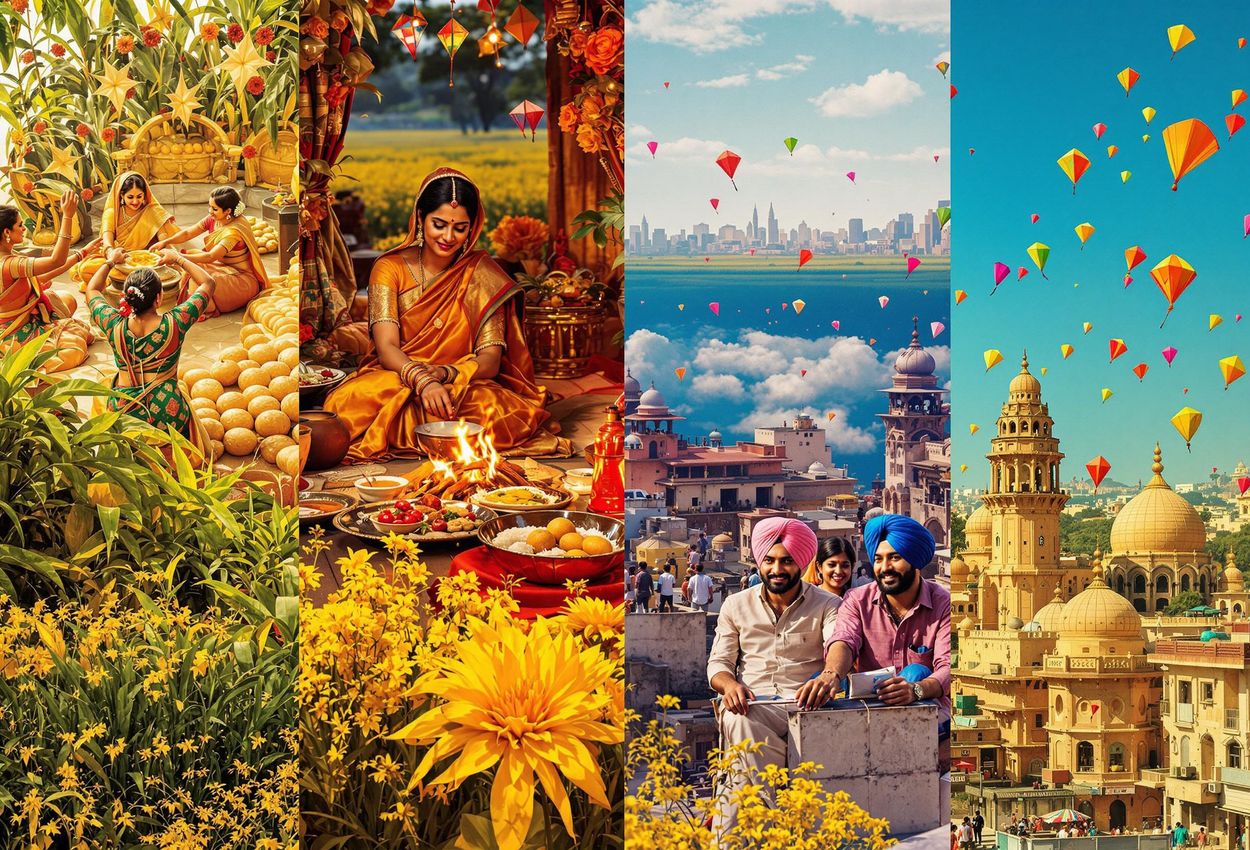
Makar Sankranti is celeated under different names and with unique customs across various regions. Pongal in Tamil Nadu, Bihu in Assam, and Maghi in Punjab are some regional variations of the festival. The Telangana International Kite Festival in Hyderabad showcases kites from across the globe, adding an international flair to the celeations.
Each region adds its unique flavor to the festival, reflecting the diverse cultural tapestry of India and the shared spirit of Makar Sankranti.
The Lasting Legacy: Memories and Moments of Makar Sankranti
Makar Sankranti creates lasting memories and moments, fostering community bonding, strengthening family ties, and celeating the spirit of joy and gratitude. The festival encourages readers to emace positivity and aim high in life, just like the kites soaring in the sky.
The blend of tradition, culture, and spirituality makes Makar Sankranti a unique and cherished festival, reminding us of the importance of unity, hope, and the pursuit of a ighter future.
Amit Shah's Celeation: A Glimpse into Ahmedabad's Festivities
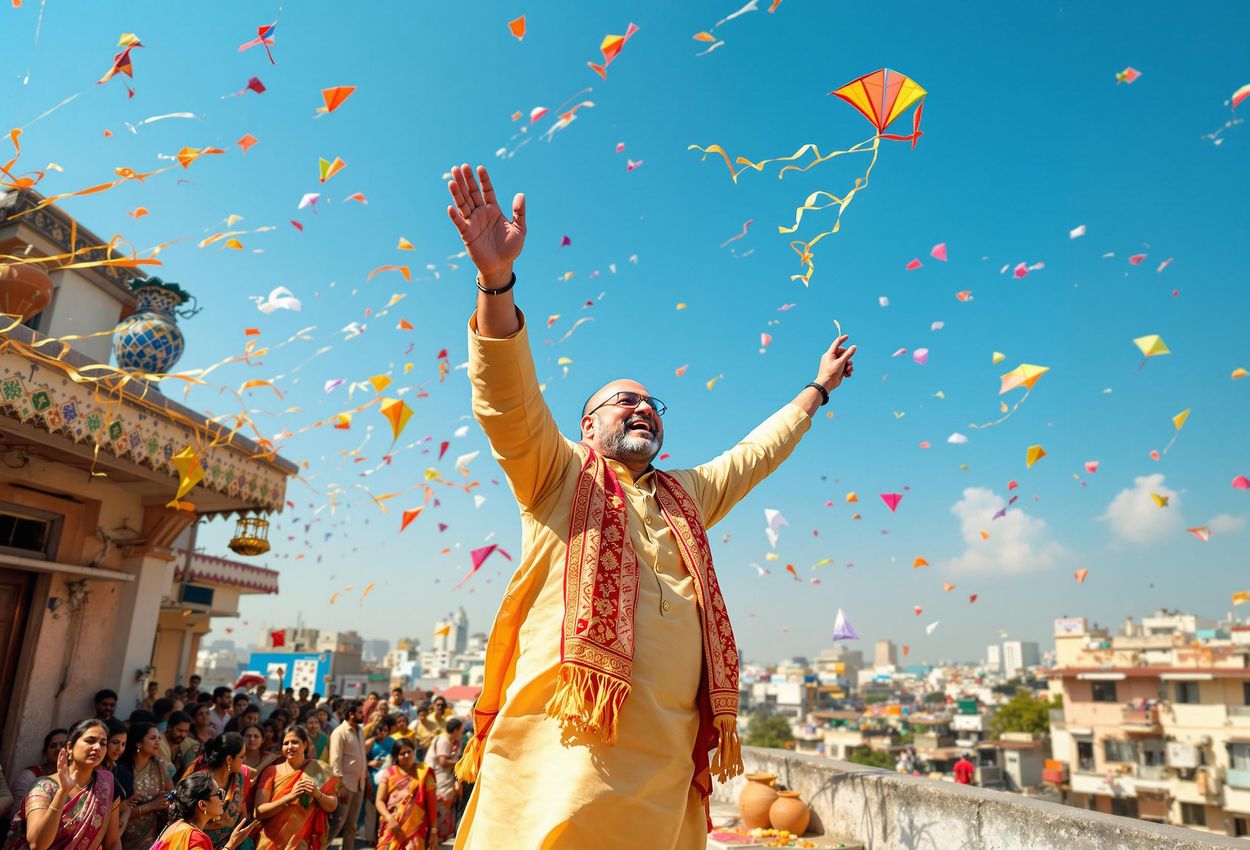
Union Home Minister Amit Shah celeated Makar Sankranti with residents of Shantiniketan Society in Ahmedabad. He participated in kite-flying and attended the Uttarayan Mahotsav alongside Chief Minister Bhupendra Patel. The decorations, the presence of dignitaries, and Shah's attendance at Patang Mahotsavs (kite flying festivals) in the New Ranip and Sabarmati areas highlighted the festive atmosphere.
The popular phrase “Kai Po Che” and traditional delicacies like Chikki and Undhiyu added to the celeations, showcasing the viant spirit of Makar Sankranti in Ahmedabad.
More Than Just a Festival: The Deeper Meaning
Makar Sankranti marks the beginning of the sun's journey towards the northern hemisphere, signaling the start of the harvest season. Kite-flying is a way to celeate this auspicious occasion and connect with nature, celeating the arrival of spring. Flying kites also represents the desire for freedom and the joy of soaring high.
Kites represent hope, joy, and positivity, reflecting people's aspirations for a ighter future, making Makar Sankranti a festival of optimism and renewal.

Kite Flying: A Sport with Ancient Roots
The tradition of kite flying during Makar Sankranti has ancient roots and is believed to have originated in the Indian subcontinent. Historical records suggest that kite flying was a popular pastime among the Mughal emperors also, and it gradually found its way into the cultural faic of India.
The rhythmic swaying of colorful kites in the sky became an integral part of Makar Sankranti festivities, symbolizing the joyous spirit of the changing seasons and the advent of warmer days.