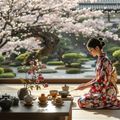
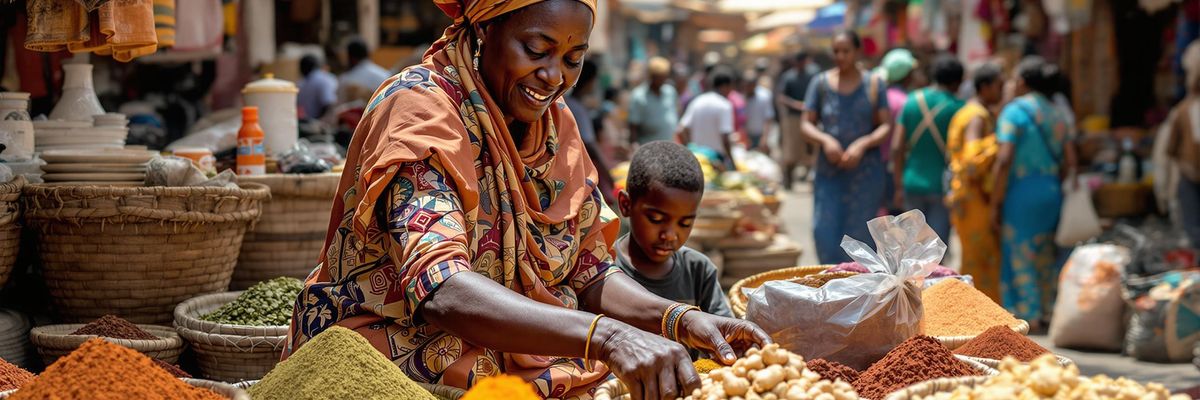
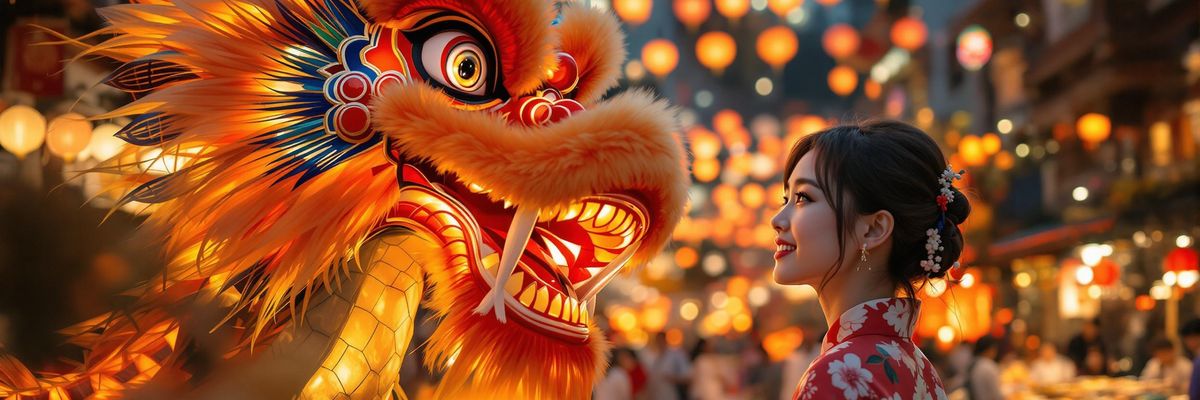
Cultural celeations offer a viant tapestry of sights, sounds, and emotions, providing incredible opportunities for photographers. However, capturing these moments requires more than just technical skill; it demands sensitivity, respect, and a deep understanding of the culture being documented.
Know Before You Go: Researching the Celeation
Before you even pack your camera bag, immerse yourself in research. Understanding the cultural significance of the event is paramount. What are the key events, rituals, and customs? What is the meaning behind the colors, symbols, and traditional attire? Knowing these details will not only enrich your understanding but also guide your photography, allowing you to capture the true essence of the celeation. For example, if you plan to photograph the viant Diwali celeation in India, research the significance of diyas (lamps) and rangoli (colored patterns). Understanding their symbolic meaning will help you frame your shots more effectively.
Contact local cultural centers or event organizers for insider tips and information regarding photography restrictions or etiquette guidelines. Some communities may have specific rules about photographing certain ceremonies or individuals. Respecting these rules is crucial for maintaining a positive relationship with the community and ensuring that your photography is not intrusive or offensive. Attending local cultural events prior to the main celeation can provide valuable insights and help you build rapport with the community.
Consider the time of year and weather conditions. Cultural celeations often involve outdoor activities, so be prepared for varying weather conditions. Pack appropriate clothing and gear to protect yourself and your equipment. Understanding the typical weather patterns will also help you plan your shooting schedule and anticipate the best lighting conditions. Also, be aware of any permit requirements for photography in public spaces. Some cities or regions may require permits for commercial photography, so it's essential to check with local authorities beforehand.
Local Tip: Many cultural centers offer pre-festival workshops or orientation sessions for photographers. These sessions can provide valuable insights into the cultural significance of the event and offer guidance on respectful photography practices.

The Right Gear: Camera and Lens Selection
Choosing the right camera equipment is essential for capturing the diversity of a cultural celeation. While personal preferences vary, a versatile setup will allow you to adapt to different situations and capture a range of perspectives. A full-frame camera body with good low-light performance is ideal, as many cultural events take place indoors or during the evening hours. However, a crop-sensor camera can also be a great option, especially if you're looking for a more compact and lightweight setup.
A versatile zoom lens, such as a 24-70mm or 24-105mm, is a must-have for capturing both wide-angle scenes and tighter portraits. These lenses offer a good balance of focal length range and image quality, allowing you to quickly adapt to different shooting situations. A telephoto zoom lens, such as a 70-200mm or 100-400mm, can be useful for capturing candid moments from a distance or isolating specific details within a larger scene. When photographing the Rio Carnival, a versatile zoom lens will allow you to capture both the grand spectacle of the parade and intimate close-ups of the dancers.
A fast prime lens, such as a 35mm or 50mm with a wide aperture (f/1.8 or faster), is invaluable for low-light photography and creating shallow depth-of-field effects. These lenses are perfect for capturing portraits with a blurred background or highlighting specific elements within a dimly lit scene. Consider investing in a comfortable camera strap or harness to distribute the weight of your gear and prevent fatigue during long shooting sessions. Weather-sealed gear is also essential, especially if you plan to photograph outdoor events in unpredictable weather conditions. Protect your camera and lenses from rain, dust, and humidity with appropriate weather-sealing or protective covers.
Hidden Gem: A small, discreet camera like a Fujifilm X100V can be ideal for street photography and capturing candid moments without being intrusive. Its retro design and quiet operation make it perfect for blending into the background.

Mastering Light: Capturing the Essence
Light is the lifeblood of photography, and mastering it is crucial for capturing the essence of cultural celeations. Understanding how to work with both natural and artificial light will allow you to create stunning images that convey the mood and atmosphere of the event. Shooting during the golden hour, the period shortly after sunrise and before sunset, provides warm, soft light that is flattering to skin tones and adds a magical touch to your images. Take advantage of this time to capture portraits and landscapes with a beautiful, natural glow. During midday, when the sun is high and harsh, use reflectors or diffusers to manage the sunlight and create more even lighting. Reflectors can bounce sunlight into shadowed areas, while diffusers soften the light and reduce harsh shadows.
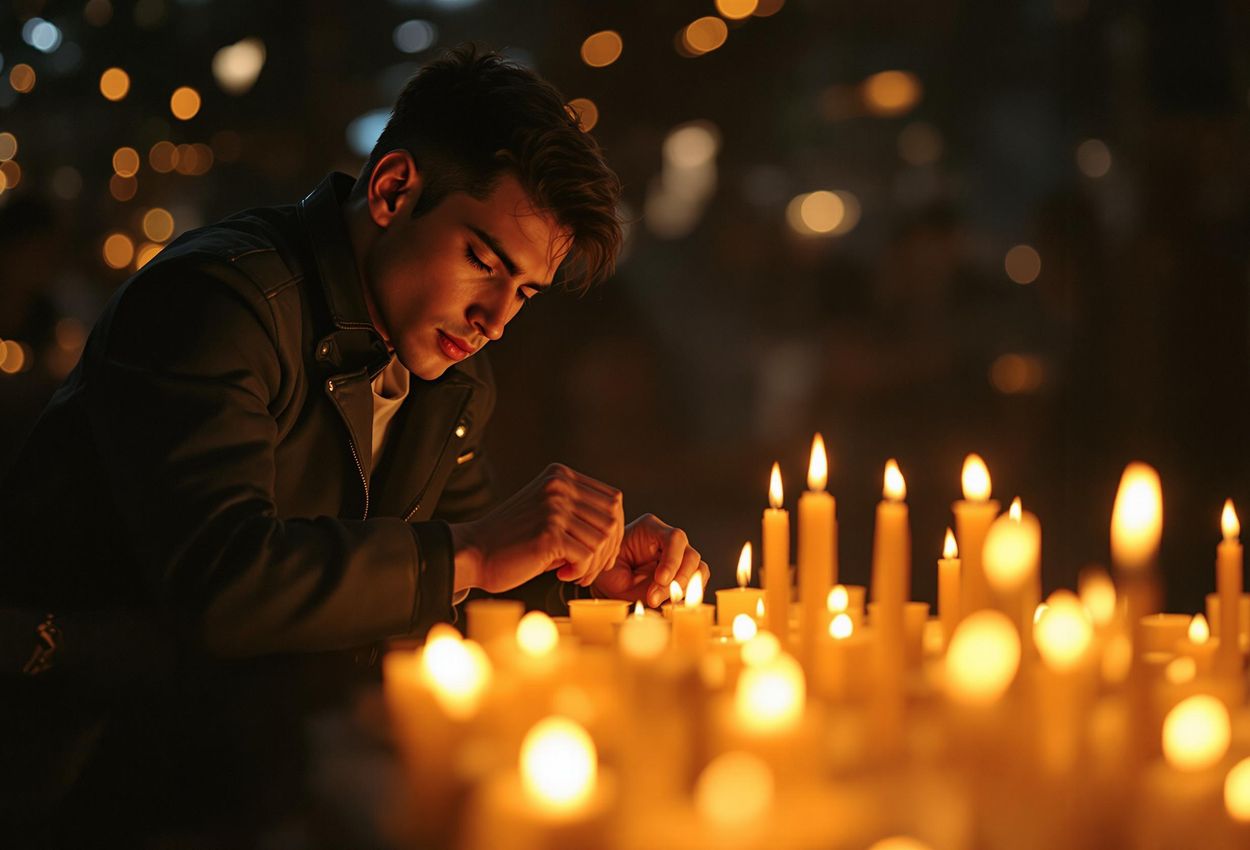
Adjusting ISO, aperture, and shutter speed is essential for achieving optimal exposure in various lighting conditions. In low-light situations, increase the ISO to ighten the image, but be mindful of noise levels. Use a wide aperture (e.g., f/2.8 or f/1.8) to let in more light and create a shallow depth of field. Slow down the shutter speed to allow more light to enter the camera, but be careful to avoid motion blur. When capturing the soft glow of candles at a traditional ceremony or the viant lights of a festival, mastering light control and adjustment is key. Experiment with different settings to find the optimal balance for each situation.
When photographing indoor events, pay attention to the available artificial lighting. Fluorescent lights can cast a harsh, unflattering glow, while incandescent lights can create a warm, yellow tint. Adjust your camera's white balance to compensate for these color casts and achieve more accurate color rendition. Consider using a flash to add fill light or create dramatic effects, but be mindful of not overpowering the ambient light or creating harsh shadows. Experiment with different flash techniques, such as bouncing the flash off a ceiling or wall, to create softer, more natural-looking lighting. Explore the use of off-camera flash to add dimension and depth to your images. Position the flash to the side or behind your subject to create dramatic lighting effects and separate them from the background.
Local Tip: Attend rehearsals or practice sessions to scout out the best lighting conditions and shooting angles. This will give you a better understanding of how the light changes throughout the day and allow you to plan your shots accordingly.
Composition is Key: Framing the Story
Composition is the art of arranging elements within a frame to create a visually appealing and meaningful image. Mastering composition techniques will elevate your photography and allow you to tell compelling stories through your images. The rule of thirds is a fundamental composition guideline that involves dividing the frame into nine equal parts with two horizontal and two vertical lines. Position key elements of your scene along these lines or at the points where they intersect to create a balanced and visually interesting composition. Leading lines are lines that draw the viewer's eye into the scene and create a sense of depth and perspective. Use natural or man-made lines, such as roads, rivers, or fences, to guide the viewer's gaze and lead them to the main subject of your photograph. Framing involves using elements within the scene to create a frame around your subject. This can be done with natural elements, such as trees, arches, or doorways, or with man-made structures, such as windows or fences. Framing adds depth to your photos and draws attention to the main subject.
Experiment with different angles and perspectives to create unique and engaging compositions. Shoot from a low angle to make your subject appear larger and more imposing, or shoot from a high angle to provide a oader view of the scene. Get close to your subject to capture intimate details, or step back to show the subject in its environment. Simplifying complex scenes by focusing on essential elements is crucial for creating clear and impactful compositions. Avoid clutter and distractions that can detract from the main subject. Use negative space, the empty space around your subject, to create a sense of balance and draw attention to the key elements of your photograph. Utilize techniques such as the rule of thirds, leading lines, and framing to add depth to your photos, making them more engaging and meaningful. By carefully considering the composition of your images, you can transform ordinary scenes into extraordinary works of art.
Hidden Gem: Look for repeating patterns or symmetrical elements within the scene. These elements can create visually striking compositions that draw the viewer's eye and add a sense of order and harmony to your images.

Respectful Engagement: Asking for Permission
When photographing people during cultural celeations, asking for permission is not just a matter of courtesy; it's a fundamental act of respect. Approaching individuals with humility and genuine interest will create a positive interaction and increase the likelihood of them agreeing to be photographed. Start by making eye contact and offering a friendly smile. Use body language and gestures to communicate your intentions respectfully. Even if you don't speak the local language, a simple gesture of pointing to your camera and then to the person can often convey your request. Provide phrases in common languages for seeking consent, such as May I take your picture? or Is it okay if I photograph you? Learning a few basic phrases in the local language will demonstrate your respect for the culture and make it easier to communicate with people.
Respect no as an answer and avoid intrusive behavior. If someone declines your request to be photographed, accept their decision gracefully and move on. Do not pressure or harass them in any way. Respect their privacy and personal space. Be aware of cultural sensitivities and customs regarding photography. In some cultures, women may not like to be photographed, as they consider it bad luck. This is especially relevant with Islamic women and some tribes. Always be mindful of these sensitivities and avoid taking photos of people who may be uncomfortable or unwilling. Highlight scenarios where photography may be inappropriate, such as religious ceremonies or private moments. Use your judgment and be respectful of the context. If you are unsure whether or not it is appropriate to take a photo, err on the side of caution and refrain from doing so.
Local Tip: Carry a small photo album with examples of your work to show people what kind of images you create. This can help them feel more comfortable with you and understand your intentions as a photographer.

Capturing Candid Moments: Blending into the Background
Candid moments often capture the most authentic and compelling aspects of cultural celeations. However, capturing these moments requires a delicate balance between observation and participation. Techniques for capturing candid moments without disrupting the event include using a telephoto lens to photograph from a distance. This allows you to capture intimate moments without being intrusive or drawing attention to yourself. Observe and anticipate key moments, such as a spontaneous dance, a heartfelt emace, or a moment of quiet reflection. By being attentive and anticipating these moments, you can be ready to capture them when they occur naturally. Blending into a scene by observing things for a while and then taking a photo without pointing directly at people is a great way to capture candid moments without making people feel self-conscious. Be discreet and respectful of personal space. Avoid getting too close to people or making them feel like they are being watched. Be mindful of your body language and avoid making sudden movements or loud noises that could disrupt the scene.
Hidden Gem: Dress in clothing that is similar to what the locals are wearing. This will help you blend into the background and avoid drawing attention to yourself. Also, learn a few basic phrases in the local language to communicate with people and show your respect for the culture.

Ethical Considerations: Avoiding Stereotypes
Ethical responsibilities are paramount when photographing cultural celeations. It's crucial to avoid stereotypes and misrepresentations that can perpetuate harmful biases and distort the true essence of the community. Portray communities with respect and sensitivity, ensuring that your images reflect their dignity and humanity. Avoid sensationalizing or exploiting vulnerable individuals or situations. Instead, focus on capturing the strength, resilience, and beauty of the community. Telling the real story of the community involves going beyond superficial observations and delving into the deeper cultural, social, and historical context. Take the time to learn about the community's values, beliefs, and traditions. Talk to local people and listen to their stories. One photograph of a sick child in Kenya can paint a narrative of a country full of sick children since people who have never visited Kenya may not understand the context of the photo. Be mindful of the potential impact of your images on the community and strive to create a positive and accurate representation.
Engage with the community in a collaborative way, seeking their input and perspectives on your photography. Share your images with them and ask for their feedback. This will help you ensure that your work is respectful and representative of their culture. Avoid perpetuating stereotypes or clichés that can reinforce harmful biases. Be mindful of the power dynamics at play and strive to create images that empower and uplift the community. By approaching your photography with ethical considerations in mind, you can create meaningful and impactful images that celeate the richness and diversity of human culture.
Local Tip: Donate a portion of your photography profits to local community organizations or initiatives. This is a tangible way to give back to the community and support their efforts to preserve their culture and traditions.
Preserving Privacy: Protecting Identities
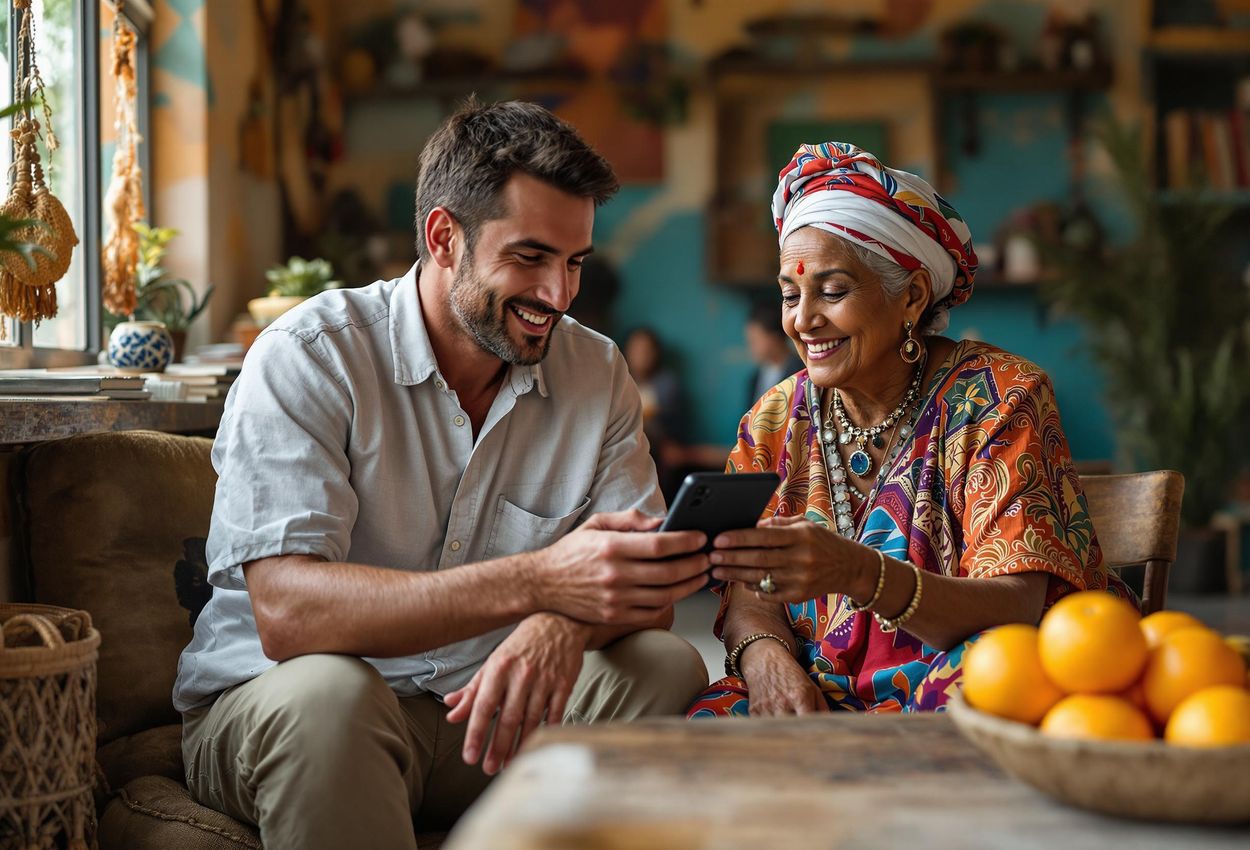
Protecting the identities of subjects, especially in sensitive situations, is a critical ethical consideration when photographing cultural celeations. Blurring faces or using creative angles to obscure identifying features can be effective ways to maintain privacy without sacrificing the artistic integrity of your images. Obtaining informed consent for publishing images with identifiable individuals is essential, ensuring that they understand how their images will be used and have the right to withdraw their consent at any time. Maintaining privacy in clinical or private settings is paramount, respecting the dignity and confidentiality of individuals in vulnerable situations. Photos of issues that are culturally sensitive, politically sensitive, or socially stigmatized must protect the identity and privacy of individuals. This may involve blurring faces, using silhouettes, or focusing on details rather than full portraits. Consider the potential impact of your images on the lives of your subjects and prioritize their well-being above all else.
When photographing children, obtain consent from their parents or guardians before taking their picture. Be mindful of local laws and regulations regarding child photography. Avoid taking photos of children in compromising or exploitative situations. When photographing religious ceremonies or private events, be respectful of the privacy of the participants. Ask for permission before taking photos and avoid disrupting the proceedings. Be aware of cultural sensitivities regarding photography in certain locations or situations. Some communities may have specific rules or customs about photography that you should respect. By prioritizing privacy and protecting the identities of your subjects, you can ensure that your photography is ethical and responsible.
Hidden Gem: Use creative techniques, such as shooting through reflections or using shallow depth of field, to obscure faces and protect identities while still capturing the essence of the scene.

Post-Processing with Purpose: Enhancing Authenticity
Post-processing can play a vital role in enhancing the aesthetic appeal of your images, but it's important to use these tools ethically and responsibly. Making minor adjustments to exposure, color, and sharpness can help to ing out the best in your images without altering the fundamental truth of the scene. However, it's crucial to avoid making drastic changes that could misrepresent the reality of the situation. Maintain transparency when using AI enhancement tools, disclosing any significant alterations that you have made to the image. While the aim is to capture events as authentically as possible, post-processing plays a role in emphasizing the story you're telling. Use it to enhance the mood, atmosphere, and emotional impact of your images, but always be mindful of maintaining their authenticity.
Avoid removing or adding elements to the scene, as this can distort the truth and mislead viewers. Be cautious when using filters or presets, as they can sometimes create a stylized look that is not representative of the actual scene. Use color correction tools to ensure that your images have accurate and natural-looking colors. Pay attention to detail and avoid over-sharpening or over-smoothing your images. Strive for a balance between technical perfection and artistic expression, allowing the authenticity of the moment to shine through. By using post-processing tools with purpose and restraint, you can enhance the beauty and impact of your images while maintaining their ethical integrity.
Local Tip: Create a consistent post-processing workflow that reflects your personal style while remaining true to the authenticity of the scene. This will help you create a cohesive body of work that is both visually appealing and ethically sound.

Sharing Responsibly: Context and Captions
Sharing your images responsibly is the final step in the ethical photography process. Providing context and captions for shared images is essential for ensuring that viewers understand the story behind the pictures and avoid misinterpretations. Share the stories behind the pictures, highlighting the cultural significance of the event and the experiences you had while photographing it. Use accurate and respectful representation, avoiding stereotypes or clichés that could perpetuate harmful biases. Use social media to promote cultural understanding and appreciation, encouraging dialogue and fostering empathy among viewers. Share photos responsibly, being mindful of the potential impact of your images on the community and the world at large.
Encourage photographers to share the stories behind the pictures, highlighting the cultural significance of the event and the experiences they had while photographing it. This can help to educate viewers and promote a deeper understanding of the culture being represented. Provide accurate and respectful representation, avoiding stereotypes or clichés that could perpetuate harmful biases. Be mindful of the language you use in your captions and avoid making generalizations or assumptions about the culture. Use social media to promote cultural understanding and appreciation, encouraging dialogue and fostering empathy among viewers. Share your images with a global audience, but be mindful of the potential for misinterpretation or misuse. Be prepared to address any questions or concerns that may arise and engage in respectful dialogue with others.
Hidden Gem: Create a blog or website to showcase your photography and share your stories in more detail. This will allow you to provide more context and engage with your audience in a more meaningful way.