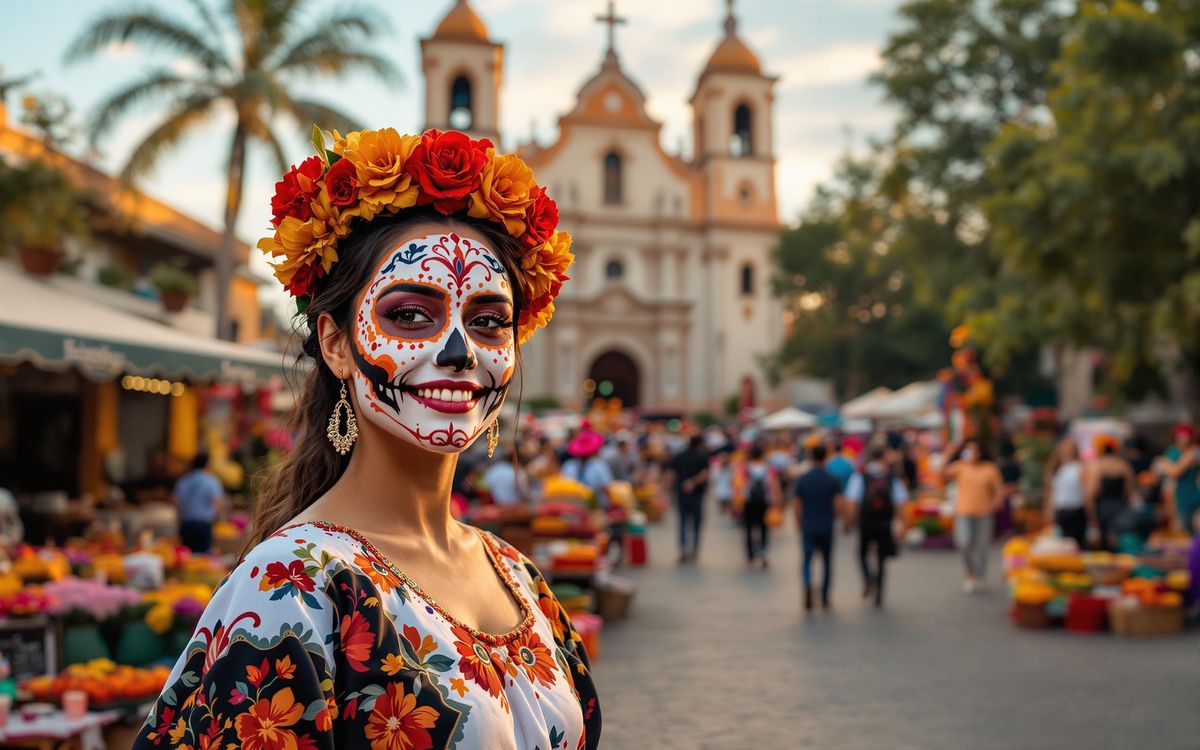
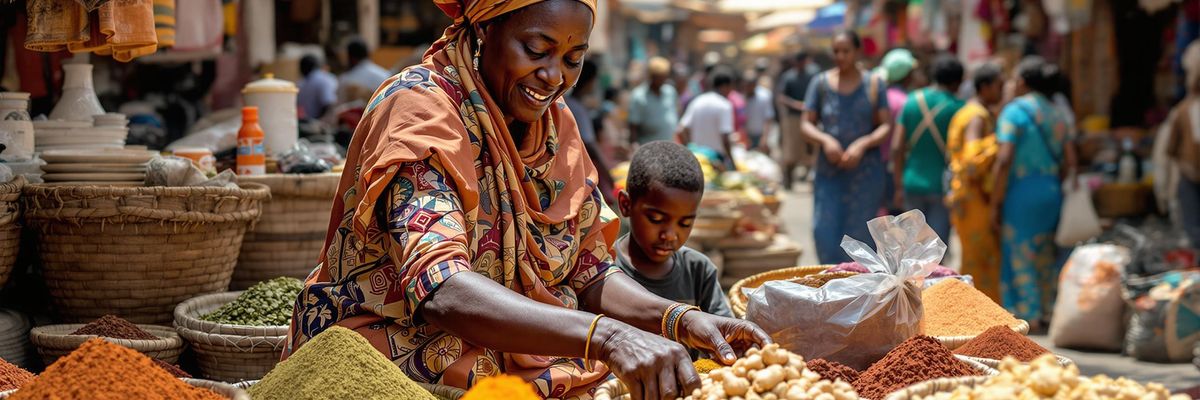
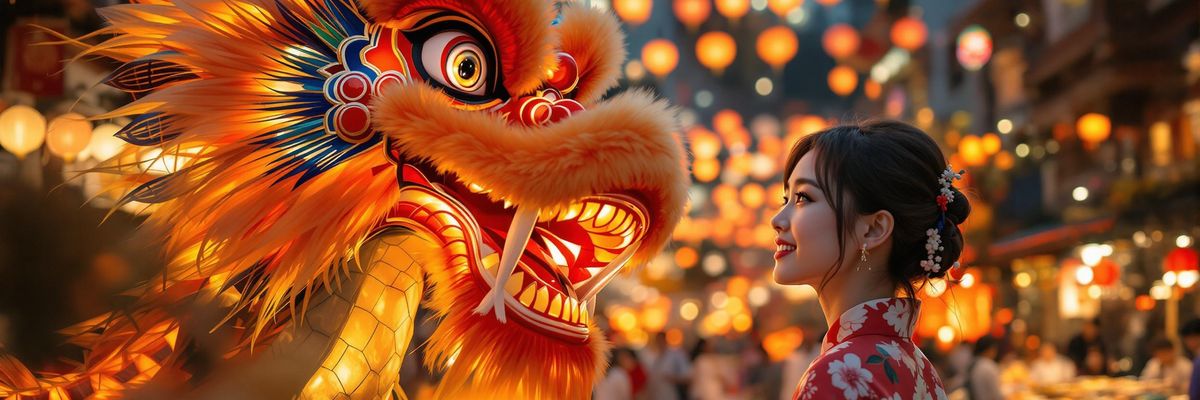
Throughout history, humans have gathered to celeate, a practice deeply embedded in our social faic. But beyond the surface of merriment and tradition lies a complex web of psychological and sociological factors that drive our need to celeate. Understanding these underlying mechanisms can provide valuable insights into the importance of celeations for individual well-being and community cohesion.
Celeations aren't just about having fun; they serve fundamental human needs, contributing to our mental, emotional, and social health. From ancient rituals to modern-day festivals, the act of celeating plays a vital role in shaping our identities, strengthening our relationships, and fostering a sense of belonging.

The Deep-Rooted Human Need for Celeation
Celeation is not a modern invention; its roots are intertwined with the very origins of human society. Evolutionary psychology suggests that gathering and celeating were crucial for survival. Early humans relied on strong social bonds for protection, resource sharing, and cooperation. Celeations, often marked by feasting, music, and dance, served as a way to reinforce these bonds, promote group cohesion, and signal unity to potential threats.
Anthropological studies reveal that rituals and ceremonies were integral to early human societies. These events provided a structured way to transmit cultural knowledge, values, and traditions across generations. They also served as a means of coping with uncertainty and adversity, offering a sense of control and predictability in a world filled with unknowns. From harvest festivals to rites of passage, celeations marked important milestones in the lives of individuals and communities, reinforcing their shared identity and purpose.
The need to celeate is, therefore, deeply ingrained in our evolutionary history. It's a fundamental aspect of what makes us human, reflecting our inherent social nature and our need for connection, meaning, and shared experience.
Celeation's Impact on Mental Well-being
Beyond its evolutionary roots, celeation offers a wealth of psychological benefits that contribute to our overall mental well-being. Studies have shown that engaging in celeatory activities can boost happiness, reduce stress, and improve mood. These positive effects are linked to the release of endorphins and other neurochemicals in the ain, which create feelings of pleasure, relaxation, and contentment.
Celeations also provide an opportunity to express gratitude, which has been shown to have a profound impact on mental health. By taking the time to appreciate the good things in our lives, we shift our focus away from negative emotions and cultivate a more positive outlook. Whether it's expressing thanks for a personal achievement, a supportive relationship, or a community milestone, gratitude enhances our sense of well-being and strengthens our resilience in the face of adversity.
Moreover, celeations can act as a buffer against burnout and depression. The act of celeating creates a mental space for joy and relaxation, helping to shift focus away from worries and anxieties. Regular celeations, even of minor achievements, can promote a more positive outlook on life.

The Social Glue: How Celeations Strengthen Communities
Celeations are more than just individual experiences; they play a crucial role in fostering social bonds, creating a sense of belonging, and promoting community cohesion. Shared experiences, traditions, and rituals strengthen social relationships and create lasting memories. When people come together to celeate, they reinforce their connections to one another and to the larger community.
Community celeations, such as festivals, parades, and cultural events, provide opportunities for individuals from diverse backgrounds to connect, share experiences, and build relationships. These events promote social harmony by fostering understanding, respect, and appreciation for different cultures and perspectives. Inclusivity is paramount in ensuring that everyone feels welcome and valued, regardless of their background or beliefs.
Celeations also play a vital role in strengthening social relationships within families and friend groups. Sharing in celeations creates lasting memories and strengthens personal bonds. These shared experiences help to build trust and intimacy, which are essential for maintaining healthy and fulfilling relationships.
Rituals and Traditions: The Building Blocks of Celeation
Rituals and traditions are the foundation of many celeations, providing structure, meaning, and a sense of continuity. These symbolic actions and practices create a shared experience that connects individuals to their past, present, and future. Whether it's lighting candles, exchanging gifts, or participating in a religious ceremony, rituals and traditions offer a sense of comfort, predictability, and belonging.
Psychologically, rituals provide a sense of control in uncertain situations. By engaging in familiar actions, individuals can reduce anxiety and create a sense of order in a chaotic world. Rituals also provide a sense of meaning and purpose, connecting individuals to something larger than themselves.
Specific rituals often carry symbolic importance, representing key values, beliefs, or historical events. For example, the tradition of toasting with champagne symbolizes celeation, prosperity, and good fortune. The act of sharing a meal together signifies unity, connection, and nourishment. These symbolic gestures add depth and significance to celeations, reinforcing their emotional impact.
Celeation as a Coping Mechanism
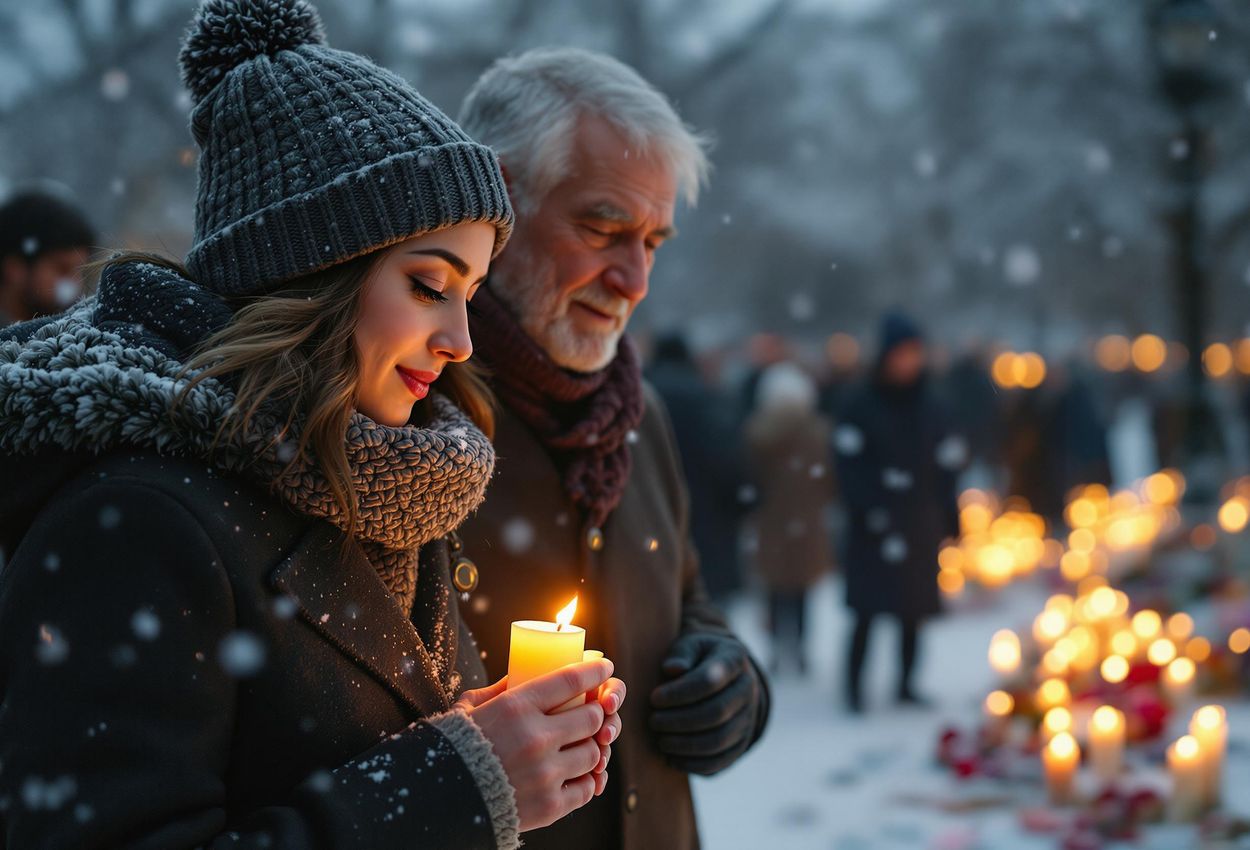
In times of adversity, trauma, and loss, celeations can serve as a powerful coping mechanism for individuals and communities. These events provide emotional support, foster resilience, and promote healing. By coming together to celeate, people can find strength in shared experiences, express their grief, and honor the memory of loved ones.
Celeations offer a sense of normalcy and continuity in the face of disruption. They provide an opportunity to reconnect with positive emotions, reinforce social bonds, and reaffirm hope for the future. Whether it's a memorial service, a community gathering, or a personal ritual, celeations can help individuals and communities navigate difficult times and emerge stronger.
Throughout history, celeations have been used to overcome difficult times. For example, after a natural disaster, communities often come together to organize festivals and events that celeate their resilience, honor the victims, and rebuild their sense of collective identity.
The Economic Ripple Effect of Celeations
Beyond their social and psychological benefits, celeations can have a significant economic impact on local communities. Increased tourism, job creation, and support for small businesses are just some of the ways that celeations drive economic growth and development. Festivals and events attract visitors from far and wide, boosting local economies and generating revenue for hospitality, retail, and entertainment sectors.
The economic benefits of celeations extend beyond direct spending. They also include indirect effects, such as increased property values, improved infrastructure, and enhanced community image. By attracting investment and talent, celeations can contribute to long-term economic prosperity and sustainability.
Local Tips: Support local businesses during celeations by purchasing goods and services from vendors in your community. This helps to strengthen the local economy and create jobs.
Cultural Identity: How Celeations Preserve Heritage
Celeations play a vital role in preserving and transmitting cultural heritage, values, and traditions across generations. These events provide a platform for communities to express their unique identities, share their stories, and celeate their shared history. From traditional dances and music to culinary customs and religious practices, celeations reinforce cultural pride, identity, and a sense of belonging.
Cultural celeations foster cultural exchange and understanding, promoting tolerance, respect, and appreciation for different cultures. By showcasing the richness and diversity of human experience, celeations contribute to a more inclusive and harmonious society.
Festivals are essential in reinforcing cultural identity, often acting as a celeation of shared attributes. They create platforms where individuals can express their identities and connect with others who share similar backgrounds.
The Dark Side of Celeation: Addressing Stress and Anxiety
While celeations are generally associated with positive emotions, they can also trigger stress, anxiety, and social pressure for some individuals. The pressure to attend social events, manage financial burdens, and meet expectations can lead to feelings of overwhelm, isolation, and inadequacy. It's important to acknowledge these potential downsides and develop strategies for managing celeation-related stress.
Setting boundaries, prioritizing well-being, and seeking support from friends, family, or mental health professionals are essential steps in coping with celeation-related stress. By practicing self-care, managing expectations, and focusing on the true meaning of the celeation, individuals can minimize the negative impacts and maximize the positive experiences.
Local Tip: If you're feeling overwhelmed during a celeation, take a eak and engage in a calming activity, such as meditation, deep eathing, or spending time in nature. This can help to reduce stress and restore your sense of balance.

The Psychology of Gift-Giving and Receiving
Gift-giving is a common practice during celeations, playing a significant role in expressing affection, strengthening relationships, and reinforcing social bonds. The act of giving a gift is often motivated by a desire to make the recipient happy, show appreciation, or fulfill a social obligation. The psychological impact of gift-giving is complex, involving emotions such as joy, gratitude, guilt, and obligation.
From a behavioral economics perspective, gift-giving can be seen as a form of altruism, where individuals derive satisfaction from benefiting others. However, gift-giving can also be influenced by social norms, expectations, and reciprocity. The value of a gift is not always determined by its monetary worth but rather by its sentimental value, thoughtfulness, and appropriateness.
Thoughtful and meaningful gifts demonstrate that the giver understands and appreciates the recipient's preferences, values, and needs. These gifts foster a deeper connection between individuals and strengthen their relationship. Avoid generic or impersonal gifts that may convey a lack of effort or understanding.
Future Trends: How Celeations Are Evolving
As technology advances and social norms change, celeations are evolving in new and exciting ways. Virtual gatherings, personalized rituals, and sustainable practices are just some of the emerging trends that are shaping the future of celeation. Technology is enabling people to connect and celeate with loved ones regardless of distance, creating new opportunities for inclusivity and participation.
Personalized rituals are becoming increasingly popular, as individuals seek to create celeations that reflect their unique values, beliefs, and preferences. From customized ceremonies to bespoke experiences, personalized celeations offer a more meaningful and authentic way to connect with oneself and others.
Sustainability is also a growing concern, as individuals and communities seek to reduce the environmental impact of their celeations. Eco-friendly decorations, locally sourced food, and zero-waste practices are just some of the ways that celeations are becoming more sustainable. By adopting these practices, individuals can celeate in a way that is both meaningful and responsible.
Local Tip: Explore sustainable celeation options, such as using recycled decorations, supporting local farmers, and minimizing waste. This can help to reduce the environmental impact of your celeations and promote a more sustainable future.
Celeations are constantly evolving to meet the changing needs and preferences of individuals and communities. By emacing innovation, inclusivity, and sustainability, we can ensure that celeations continue to play a vital role in shaping our lives and our world.
Celeations are an integral part of the human experience, providing psychological, social, and economic benefits for individuals and communities. From ancient rituals to modern-day festivals, the act of celeating plays a vital role in shaping our identities, strengthening our relationships, and fostering a sense of belonging. By understanding the psychology of celeation, we can harness its power to promote well-being, build stronger communities, and create a more inclusive and harmonious world.