In a world that increasingly demands our attention, finding solace and rejuvenation is more crucial than ever. What better way to escape the everyday than by immersing yourself in the healing emace of a natural thermal spring? From the cascading waters of Tuscany to the volcanic landscapes of Costa Rica, these seven must-visit thermal springs offer not just relaxation, but a journey into the heart of nature's restorative power.
Saturnia's Cascading Pools: Tuscany's Hidden Paradise
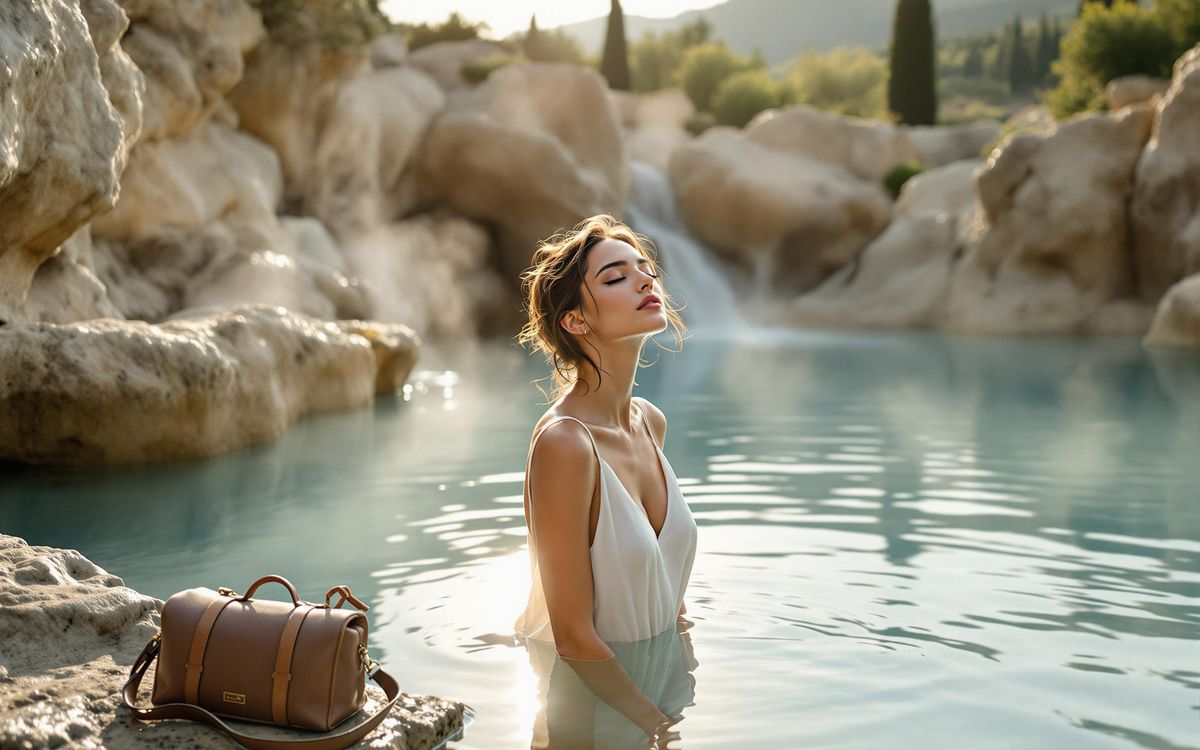
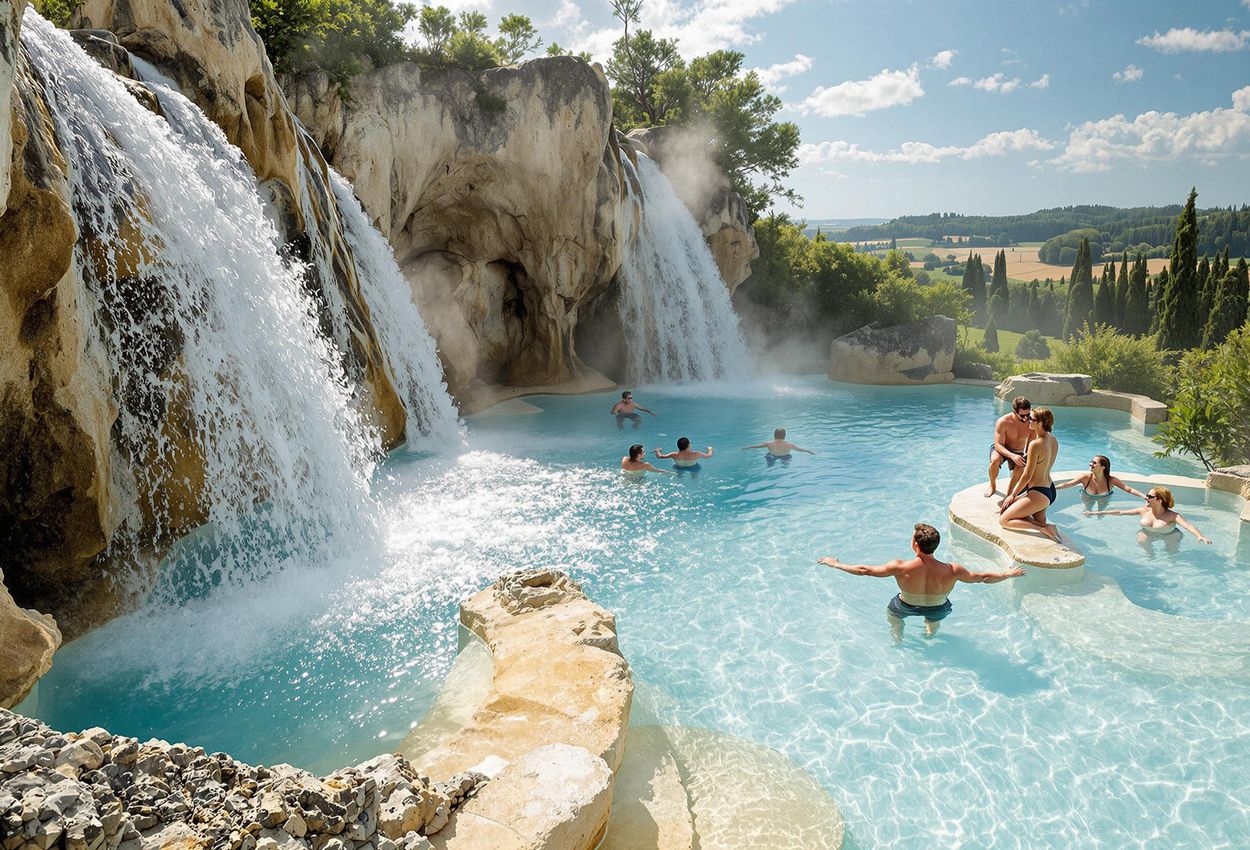
Nestled in the rolling hills of Tuscany, Saturnia is a name whispered among those seeking authentic Italian experiences. Here, the Cascate del Mulino offer a unique and freely accessible spectacle: a series of natural pools formed by warm, mineral-rich waters cascading over travertine rocks. The constant temperature of 37°C (98.6°F) invites you to sink in, regardless of the season. The air is thick with the faint, characteristic 'eggy' scent of sulfur, a testament to the water's potent healing properties.
The waters of Saturnia are renowned for their therapeutic benefits, owing to their high sulfur content. For centuries, locals and visitors alike have sought relief from skin ailments, muscular pains, and respiratory issues in these mineral-rich currents. The sulfur acts as a natural exfoliant, leaving your skin feeling smooth and rejuvenated. Beyond the physical benefits, the sheer act of soaking in these warm, flowing waters is an exercise in relaxation. As you recline against the smooth travertine, the gentle sound of the cascading water creates a soothing symphony, washing away the stresses of modern life.
Legend has it that the springs were created by the Roman god Saturn, who, angered by constant wars, hurled a thunderbolt to earth, creating the warm, sulfuric waters as a place of peace and tranquility. The Etruscans and Romans were among the first to recognize the healing properties of Saturnia's waters, building bathhouses and temples around the springs. Today, the Cascate del Mulino remain a beloved spot for locals, who gather here to socialize, relax, and soak in the therapeutic waters. The scene is often lively, with families picnicking nearby and friends chatting as they enjoy the communal experience.
Imagine yourself immersed in the warm emace of the Saturnia springs, the Tuscan sun kissing your skin, the gentle scent of sulfur filling the air. The water is silky smooth against your skin, and the constant flow massages away tension. As you gaze out at the surrounding landscape of rolling hills and cypress trees, you feel a sense of profound peace and connection to nature. This is more than just a bath; it's a sensory experience that revitalizes both body and soul.
Hidden Gem: To avoid the crowds, especially during peak season, plan your visit for early morning or during the off-season (late autumn or early spring). After your soak, head to a local trattoria in the nearby village for an authentic Tuscan meal. Try the wild boar ragu or the pici pasta with cacio e pepe for a true taste of the region.
Iceland's Blue Lagoon: A Geothermal Marvel
From the rolling hills of Tuscany, we journey to the starkly beautiful landscapes of Iceland, home to the world-renowned Blue Lagoon. This geothermal spa is unlike any other, its milky blue waters contrasting dramatically with the surrounding black lava fields of the Reykjanes Peninsula. But what many don't realize is that the Blue Lagoon's origins are intertwined with sustainable energy.
The Blue Lagoon is, in fact, a byproduct of the Svartsengi Geothermal Power Station. The plant harnesses the earth's energy to generate electricity and heat for the surrounding communities. The geothermal water, rich in minerals like silica and sulfur, is then released into the lagoon, creating its unique and therapeutic environment. Far from being a waste product, the water is exceptionally clean and offers a wealth of benefits for the skin.
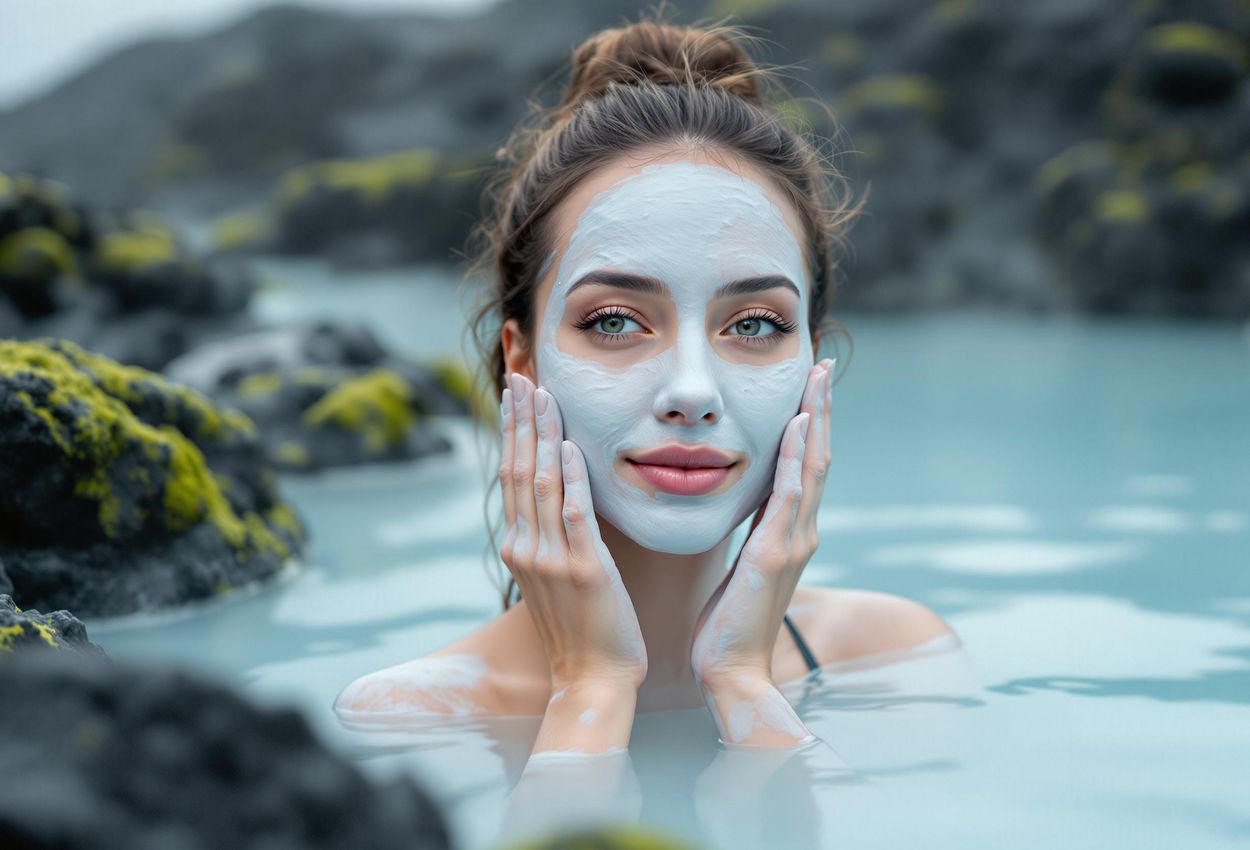
The lagoon's milky blue hue is due to the high silica content, which also contributes to its skin-rejuvenating properties. Silica is known to help repair damaged skin tissue and stimulate collagen production, leaving your skin feeling smoother and more elastic. The sulfur, another key component, has anti-inflammatory and antibacterial properties, making it effective in treating skin disorders like eczema and psoriasis. The water temperature is consistently warm, ranging from 37 to 39°C (98 to 102°F), providing a comfortable and relaxing bathing experience, even in Iceland's cool climate.
Imagine sinking into the warm, blue waters of the Blue Lagoon, the cool Icelandic air on your face, the otherworldly landscape stretching out before you. The silica-rich water feels incredibly soft against your skin, and you can feel its healing properties at work. The experience is both invigorating and calming, a perfect blend of nature and luxury.
Hidden Gem: One of the unique experiences at the Blue Lagoon is applying a silica mud mask while bathing. The staff provides complimentary masks, which you can slather on your face and body to further enhance the skin-rejuvenating effects. Also, be sure to apply hair conditioner before entering the lagoon, as the minerals can dry out your hair. The facility provides conditioner for this purpose.
Budapest's Széchenyi Baths: A Neo-Baroque Oasis
From the stark beauty of Iceland, we travel to the heart of Budapest, a city renowned for its thermal baths. Among the many options, the Széchenyi Thermal Bath stands out as one of Europe's largest medicinal baths, a stunning example of Neo-Baroque architecture that exudes grandeur and history.
The story of Széchenyi Baths begins with Vilmos Zsigmondy, a mining engineer who dedicated years to searching for thermal springs beneath the city. His efforts paid off, and in 1913, the Széchenyi Baths opened its doors, quickly becoming a beloved destination for locals and tourists alike. The bath's architecture is impressive, with ornate facades, grand courtyards, and intricate sculptures that reflect the opulence of the Austro-Hungarian Empire.
The Széchenyi Baths are fed by two thermal springs, one reaching 74°C (165°F) and the other 77°C (171°F). The water is rich in minerals like sulfate, calcium, magnesium, and bicarbonate, which are believed to have therapeutic benefits for joint pain, arthritis, and circulatory problems. The bath complex includes a variety of indoor and outdoor pools, each offering a different temperature and mineral composition. You can choose from relaxation pools, whirlpools, and even a swimming pool for a more active experience.
Imagine yourself immersed in the warm, mineral-rich waters of the Széchenyi Baths, surrounded by the grandeur of Neo-Baroque architecture. The air is filled with the sounds of laughter and conversation, as locals and tourists mingle in the communal waters. The experience is both relaxing and social, a perfect way to experience the unique culture of Budapest.
Hidden Gem: One of the most unique sights at the Széchenyi Baths is the locals playing chess in the thermal waters. You'll often see elderly men deeply engrossed in their game, their chessboards floating on the water. The baths also offer 'fancy bath' features like whirling corridors and underwater massage jets, adding an element of fun and indulgence to the experience.

Japan's Jigokudani Monkey Park: Bathing with Snow Monkeys
From the urban oasis of Budapest, we venture to the snowy mountains of Nagano Prefecture, Japan, home to the Jigokudani Monkey Park. This unique destination offers the extraordinary experience of observing wild Japanese Macaques, also known as snow monkeys, bathing in natural hot springs.
The park is located in Jigokudani, which translates to 'Hell's Valley,' a name derived from the steep cliffs and steaming hot springs that characterize the area. The park was established in 1964 as a place to study and observe the snow monkeys, who had learned to adapt to the harsh winter conditions by soaking in the warm waters of the onsen (hot springs).
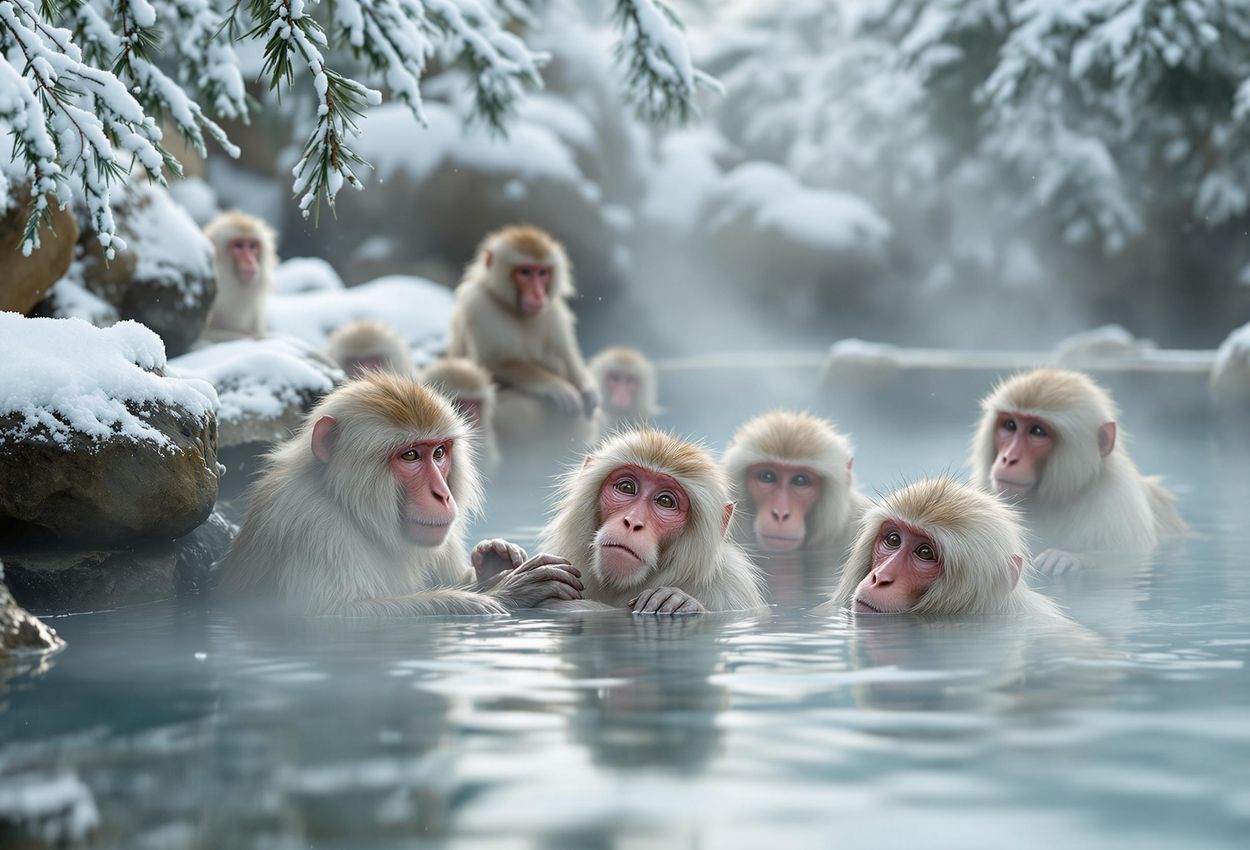
The monkeys descend from the surrounding cliffs to soak in the hot springs, especially during the colder months. They seem to relish the warmth and relaxation, often closing their eyes and grooming each other while submerged in the water. Observing their behavior is a fascinating and heartwarming experience, offering a glimpse into the social lives of these intelligent creatures. The steam rising from the hot springs, combined with the snow-covered landscape, creates a mystical and enchanting atmosphere.
Imagine yourself standing in the snow-covered valley, watching the snow monkeys relax in the warm waters of the onsen. The monkeys seem completely unfazed by the presence of humans, going about their bathing rituals with a sense of calm and contentment. The experience is both surreal and captivating, a reminder of the resilience and adaptability of nature.
Hidden Gem: The best time to visit Jigokudani Monkey Park is during January and Feuary, when the landscape is covered in snow and the monkeys are most likely to be using the hot springs. To get there from Tokyo, take the Hokuriku Shinkansen to Nagano Station, then transfer to a local bus to the park entrance. Nearby onsen towns like Shibu Onsen offer a range of traditional Japanese inns and hot spring experiences.
Pamukkale's Travertine Terraces: Turkey's Cotton Castle
From the snowy mountains of Japan, we travel to the sun-drenched landscapes of Turkey, home to Pamukkale, a natural wonder often referred to as the 'Cotton Castle.' This UNESCO World Heritage site is famous for its white travertine terraces, formed by calcite-laden waters cascading down the hillside over thousands of years.
The terraces are a eathtaking sight, resembling a frozen waterfall or a series of snow-covered cliffs. The warm, mineral-rich waters flow down the terraces, creating shallow pools where you can soak your feet and enjoy the stunning views. The site is also home to the ancient Greco-Roman city of Hierapolis, built atop the terraces. Hierapolis was a thriving thermal spa city, attracting visitors from far and wide who sought the healing powers of the waters.
The waters of Pamukkale have been revered for their therapeutic properties for centuries. They are believed to be beneficial for skin ailments, circulatory problems, and digestive issues. Legend has it that Cleopatra herself visited Hierapolis to bathe in the thermal waters. Today, you can still experience the healing powers of Pamukkale, as the terraces are open to visitors who can walk barefoot on the travertine and soak in the warm pools.
Imagine yourself walking barefoot on the white travertine terraces of Pamukkale, the warm water flowing over your feet, the Turkish sun on your skin. The views are eathtaking, with the surrounding landscape stretching out before you. As you soak in the mineral-rich waters, you feel a sense of connection to the ancient history and natural beauty of this remarkable place.
Hidden Gem: One of the most unique experiences at Pamukkale is swimming in Cleopatra's Pool, located within the ancient city of Hierapolis. This pool is filled with warm, mineral-rich water and dotted with Roman columns that fell during earthquakes. The water also contains traces of radon gas, which is believed to have additional therapeutic benefits.

Costa Rica's The Springs Resort & Spa: Volcanic Views and Mineral Waters
From the ancient wonders of Turkey, we journey to the lush rainforests of Costa Rica, home to The Springs Resort & Spa at Arenal. This luxurious resort offers a unique blend of relaxation and adventure, with spectacular views of the Arenal Volcano and a variety of natural hot and cold springs.
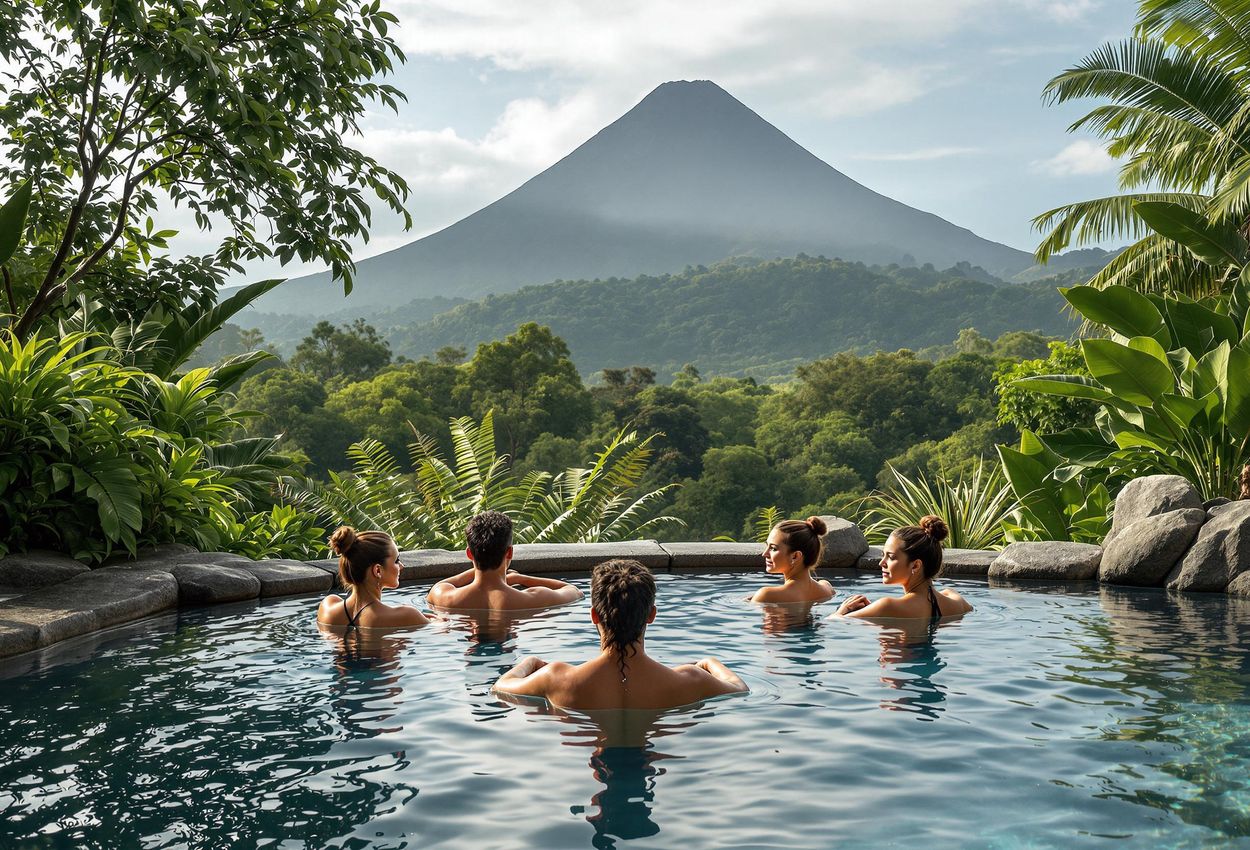
The resort is nestled in a tranquil valley, surrounded by lush tropical vegetation. The Arenal Volcano provides a dramatic backdrop, its majestic peak often shrouded in clouds. The resort's natural hot springs are fed by underground volcanic activity, resulting in mineral-rich waters with high bicarbonate and chloride content. These minerals are believed to have therapeutic benefits for muscle pain, joint stiffness, and skin conditions.
The Springs Resort & Spa features a variety of pools, each offering a different temperature and ambiance. The Las Lagunas pools are a series of interconnected hot springs, cascading down the hillside in a series of waterfalls. The tranquil forest pools offer a more secluded experience, surrounded by lush vegetation and the sounds of nature. Whether you prefer a lively social atmosphere or a quiet retreat, you'll find the perfect pool to suit your needs.
Imagine yourself soaking in the warm, mineral-rich waters of The Springs Resort & Spa, the Arenal Volcano looming in the distance. The air is filled with the sounds of the rainforest, and the lush vegetation provides a sense of privacy and tranquility. As you relax in the warm waters, you feel a sense of rejuvenation and connection to nature.
Hidden Gem: The Springs Resort & Spa offers a range of spa treatments using tropical botanical ingredients sourced from the surrounding rainforest. One of the most unique experiences is the 'floating water massage,' offered in the mineral springs. This treatment involves being gently massaged while floating in the warm water, allowing for deep relaxation and muscle release.
Baden-Baden's Historic Baths: Germany's Roman Spa Town
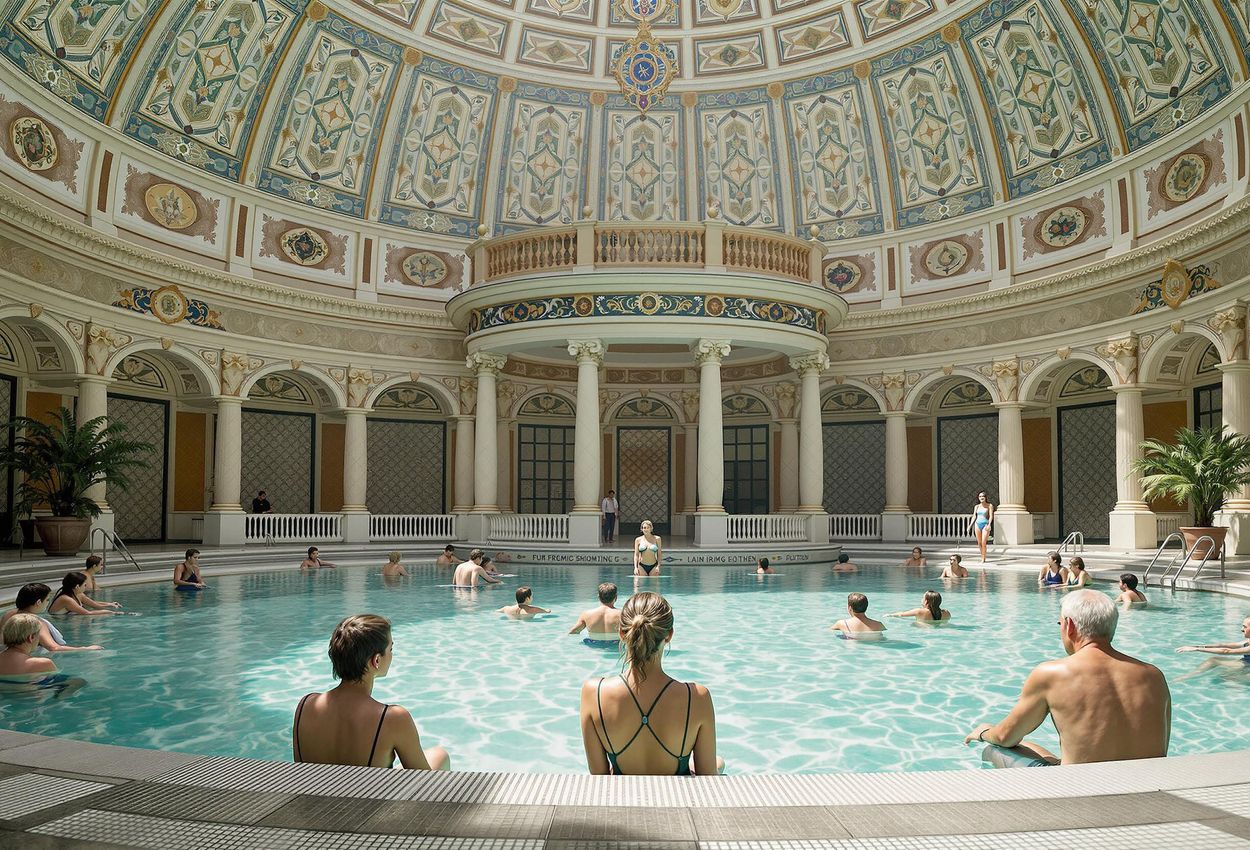
From the tropical rainforests of Costa Rica, we journey to the historic spa town of Baden-Baden, Germany. Nestled between vineyards and the Black Forest, Baden-Baden has a long and rich history as a thermal spa destination, dating back to Roman times.
The Romans were the first to recognize the healing properties of Baden-Baden's thermal springs, building bathhouses and temples around the springs. Over the centuries, the town has attracted royalty, celeities, and those seeking relief from various ailments. Today, Baden-Baden remains a popular destination for spa tourism, offering a range of historic bathhouses and modern wellness facilities.
The mineral content of Baden-Baden's springs includes sodium, fluoride, and chloride, which are believed to have healing capabilities for joint pain, muscle tension, and skin conditions. The town offers a variety of bathing experiences, from traditional Roman-Irish baths to modern thermal spas. Whether you prefer a historical immersion or a contemporary wellness experience, you'll find it in Baden-Baden.
Imagine yourself relaxing in the warm, mineral-rich waters of Baden-Baden, surrounded by the elegance and history of this charming spa town. The air is clean and fresh, and the surrounding landscape is eathtaking. As you soak in the healing waters, you feel a sense of peace and rejuvenation.
Hidden Gem: One of the most unique experiences in Baden-Baden is visiting the Friedrichsbad, a historic bathhouse that offers a 17-station Roman-Irish bathing circuit. This circuit combines the best of Roman and Irish bathing traditions, taking you through a series of warm air baths, steam baths, and thermal pools. Mark Twain famously described the Friedrichsbad as an experience that makes you forget about time and space.
From the cascading pools of Tuscany to the historic baths of Germany, these seven must-visit thermal springs offer a unique blend of relaxation, rejuvenation, and cultural immersion. Whether you seek the therapeutic benefits of mineral-rich waters or simply a peaceful escape from the everyday, these natural wonders are sure to leave you feeling refreshed, revitalized, and connected to the healing power of nature.