In today's fast-paced world, the pursuit of mental well-being has become more critical than ever. While various strategies exist to combat stress and enhance psychological health, one often-overlooked yet remarkably effective approach is travel. Beyond the allure of exotic destinations and Instagram-worthy moments, a growing body of scientific evidence reveals that travel can profoundly impact our minds, fostering resilience, creativity, and an overall sense of serenity.
Unplug and Unwind: The Cortisol Connection
The relentless demands of modern life often lead to elevated cortisol levels, the body's primary stress hormone. Chronic stress can wreak havoc on mental and physical health, contributing to anxiety, depression, and a weakened immune system. Travel, however, offers a potent antidote. By physically removing ourselves from our daily routines and stressors, we create an opportunity for our bodies to reset and rebalance. The mere act of planning a trip can trigger a sense of excitement and anticipation, shifting our focus away from worries and obligations.
Specific environments and activities can further amplify these stress-reducing effects. Immersing oneself in nature, whether it's hiking through the majestic Rocky Mountains or strolling along the tranquil shores of Bora Bora, has been shown to lower cortisol levels and promote relaxation. The fresh air, natural light, and soothing sounds of nature work in harmony to calm the nervous system and restore a sense of inner peace. Even savoring local cuisine, free from the pressures of dieting or meal prepping, can be a mindful and enjoyable way to reduce stress. A study by Sonnentag and Fritz (2007) highlighted the importance of psychological detachment from work during vacations, which leads to reduced stress and improved well-being.
Perhaps one of the most significant benefits of travel in the context of stress reduction is the opportunity to disconnect from technology. In our hyper-connected world, constant access to emails, social media, and news can fuel anxiety and overwhelm. By consciously choosing to unplug during travel, we create space for mental clarity and self-reflection. Imagine silencing your phone while watching the sunset over the Aegean Sea, or leaving your laptop behind as you explore the ancient ruins of Machu Picchu. These moments of digital detox allow us to fully immerse ourselves in the present moment, fostering a sense of calm and contentment. 
Dopamine Destinations: Novelty's Neurochemical Reward
Beyond stress reduction, travel can also trigger the release of dopamine, a neurotransmitter associated with pleasure, motivation, and reward. When we encounter new and exciting experiences, our ains release dopamine, creating a sense of euphoria and excitement. This neurochemical reward system is particularly active during travel, as we are constantly exposed to novel sights, sounds, tastes, and cultures.
Consider the thrill of trying exotic cuisine at a bustling street food market in Bangkok, the satisfaction of conquering a challenging hike in the Swiss Alps, or the awe of witnessing a eathtaking sunset over the Grand Canyon. These experiences stimulate the substantia nigra/ventral segmental area (SN/VTA), a key region in the ain's dopamine pathway. As dopamine floods our system, we feel energized, motivated, and eager to explore further. This neurochemical response can be particularly beneficial for individuals struggling with low mood or lack of motivation.
Westman and Etzion's (2001) research emphasizes the recuperative value of vacations, particularly in terms of enhancing positive emotions and reducing strain. Travel provides a unique opportunity to eak free from the monotony of daily life and emace novelty, which in turn fuels our dopamine reward system. Whether it's learning a new language, exploring a different culture, or simply trying a new activity, travel offers endless opportunities to stimulate our ains and enhance our sense of well-being. 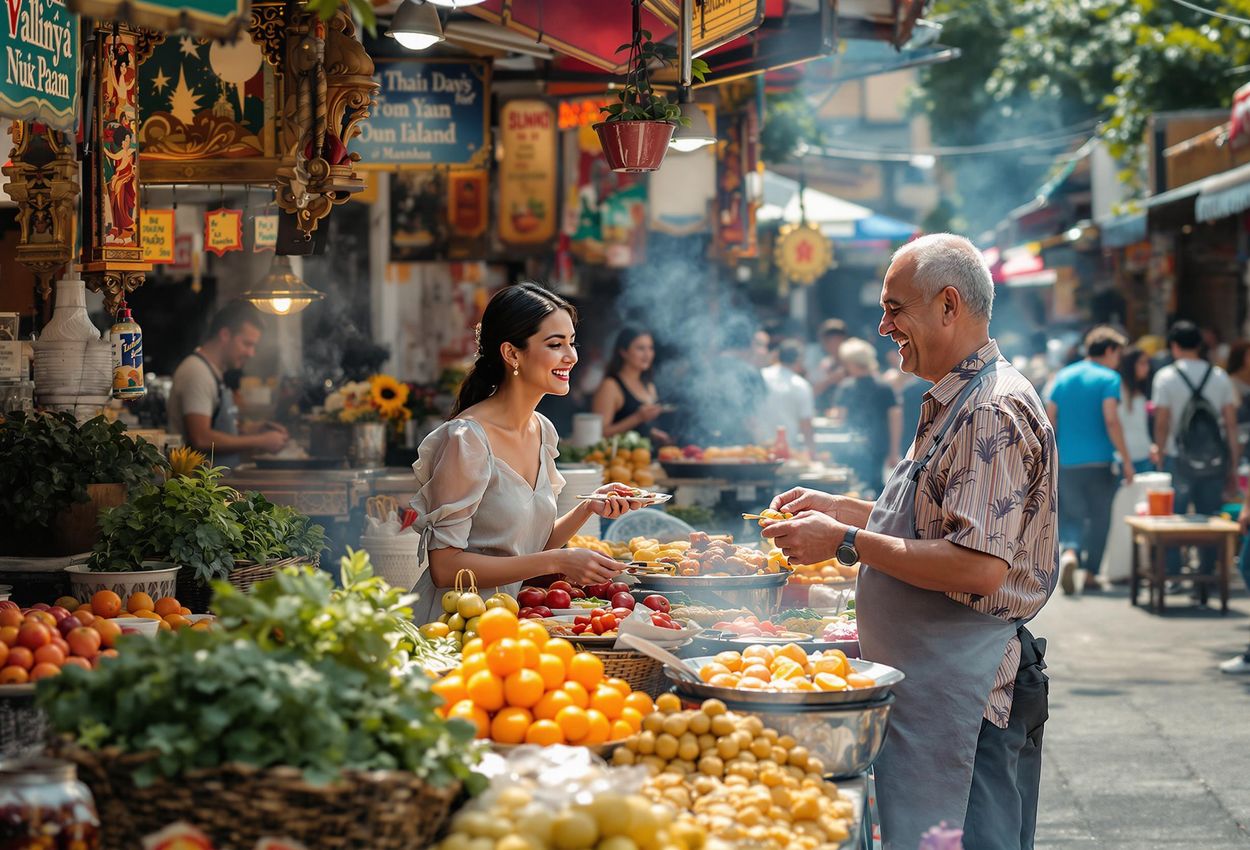
Mindfulness Miles: Finding Clarity on the Road
In an age of constant stimulation, cultivating mindfulness u2013 the practice of paying attention to the present moment without judgment u2013 has become an essential tool for mental wellness. Travel, surprisingly, can serve as a powerful mindfulness practice. By stepping outside of our familiar environments, we are naturally more attuned to our surroundings, noticing details that we might otherwise overlook.
Imagine observing the serene beauty of a Kyoto garden, the delicate fragrance of cherry blossoms filling the air, the gentle sound of a trickling stream. Or consider the experience of mindful eating in Tuscany, savoring each bite of fresh pasta, the rich aroma of olive oil and garlic tantalizing your senses. Even seemingly mundane moments, such as waiting at a train station in Switzerland, can become opportunities for mindfulness, as we observe the ebb and flow of people, the rhythm of the trains, the beauty of the surrounding landscape.
To enhance mindfulness while traveling, try incorporating simple practices into your routine. Take a few moments each day to sit quietly and observe your eath, noticing the sensations in your body without judgment. Engage your senses fully, paying attention to the sights, sounds, smells, tastes, and textures around you. Practice gratitude, acknowledging the positive aspects of your experience. Neuhäuser et al. (2015) found that mindful eathing exercises can significantly reduce anxiety and improve overall well-being, making them a valuable tool for travelers seeking mental clarity. 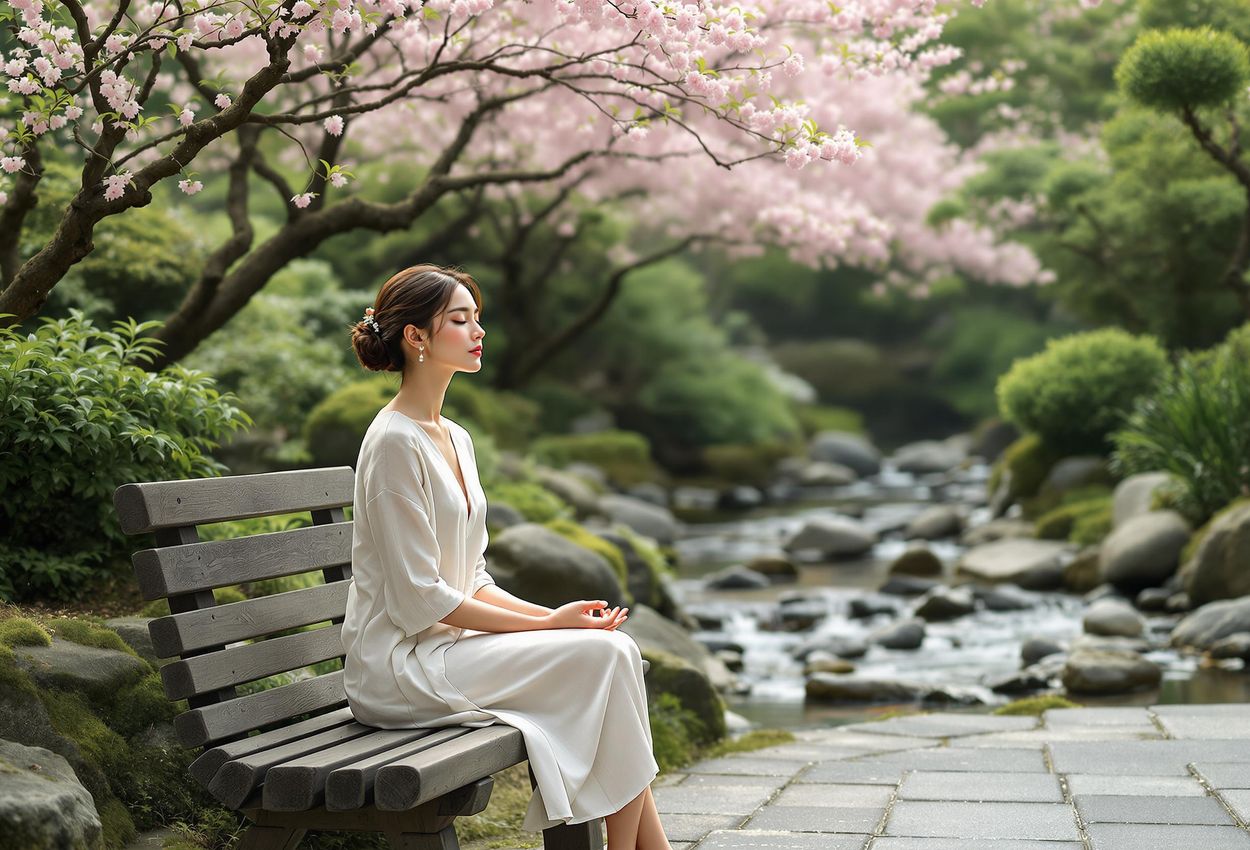
The Openness Effect: Rewiring Your ain Through Culture
Exposure to different cultures can have a profound impact on our cognitive flexibility and emotional stability. Adapting to new customs, languages, and perspectives challenges our assumptions and expands our understanding of the world. This process of cultural immersion can literally rewire our ains, fostering a greater sense of openness and adaptability.
Consider the experience of learning a new language in Spain, struggling to conjugate verbs and navigate conversations, but ultimately gaining a deeper appreciation for the nuances of the language and culture. Or imagine volunteering at a community project in Guatemala, working alongside locals to build homes or provide healthcare, and witnessing firsthand the resilience and resourcefulness of the human spirit. These experiences challenge our preconceived notions and oaden our perspectives, fostering empathy and understanding.
Adam Galinsky's research has consistently shown that multicultural engagement enhances creativity, problem-solving skills, and overall cognitive function. By stepping outside of our comfort zones and emacing cultural diversity, we not only expand our minds but also cultivate emotional resilience and a greater sense of interconnectedness. 
Anticipation Elevation: The Happiness of Planning
The benefits of travel extend far beyond the actual trip itself. The act of planning a vacation can be a source of immense joy and anticipation, boosting our mood and creating a sense of excitement long before we even pack our bags. Researching destinations, owsing photos, and imagining ourselves immersed in new experiences can be incredibly pleasurable, triggering the release of endorphins and enhancing our overall sense of well-being.
Imagine spending hours researching hidden gems in Rome, discovering charming trattorias, tucked-away art galleries, and secret gardens. Or consider the excitement of booking a cooking class in Marrakech, envisioning yourself mastering the art of tagine and mint tea. These planning activities provide a sense of control and purpose, shifting our focus away from daily stressors and towards something positive and exciting.
A Cornell study on the economics of happiness found that the anticipation of a vacation can be even more pleasurable than the vacation itself. By savoring the planning process and allowing ourselves to dream about our upcoming adventure, we can maximize the positive mental health benefits of travel. 
Nature's Emace: Easing the Mind in Green Spaces
The restorative power of nature is well-documented, and travel provides an ideal opportunity to immerse ourselves in green spaces and reap the benefits of nature-based tourism. Spending time in nature has been shown to reduce depression, anxiety, and stress, while also boosting our immune system and enhancing our overall sense of well-being.
Imagine hiking through the towering redwood trees of Redwood National Park, the sunlight filtering through the canopy, the air filled with the scent of pine and damp earth. Or consider the practice of forest bathing in Japan, mindfully immersing yourself in the forest atmosphere, absorbing the sights, sounds, and smells of the natural world. These experiences allow us to disconnect from the stresses of urban life and reconnect with our primal connection to nature.
A study on nature tourism in the Tinajillas Río Gualaceño Protected Forest, Ecuador found that spending time in nature significantly reduced symptoms of anxiety and depression among participants. By prioritizing nature-based activities during travel, we can tap into the healing power of the natural world and enhance our mental well-being. 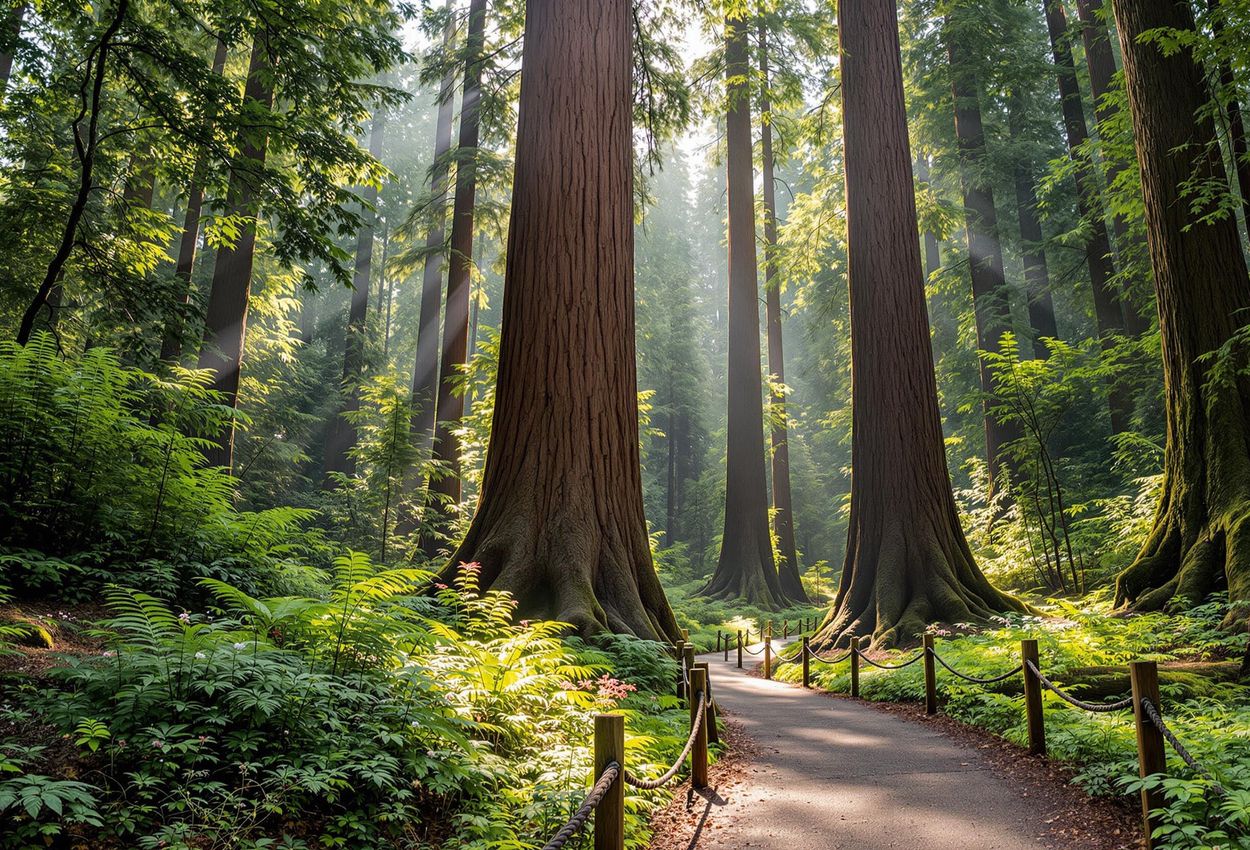
Social Serenity: Connecting With Others on the Go
Travel can also be a powerful catalyst for social connection, reducing feelings of isolation and promoting a sense of belonging. Whether we're traveling with friends, family, or solo, we often find ourselves engaging with new people and forming meaningful connections along the way.
Imagine joining a walking tour in Berlin, chatting with fellow travelers from around the world, sharing stories and experiences. Or consider attending a local festival in Rio de Janeiro, dancing to the samba rhythms, and celeating the viant culture with locals and visitors alike. These social interactions can be incredibly enriching, oadening our perspectives and fostering a sense of community.
Travel also provides opportunities to build empathy and understanding, as we encounter different cultures and perspectives. By stepping outside of our own social circles and engaging with people from diverse backgrounds, we develop a greater appreciation for the richness and complexity of the human experience. This increased empathy can lead to stronger relationships and a greater sense of social connection. 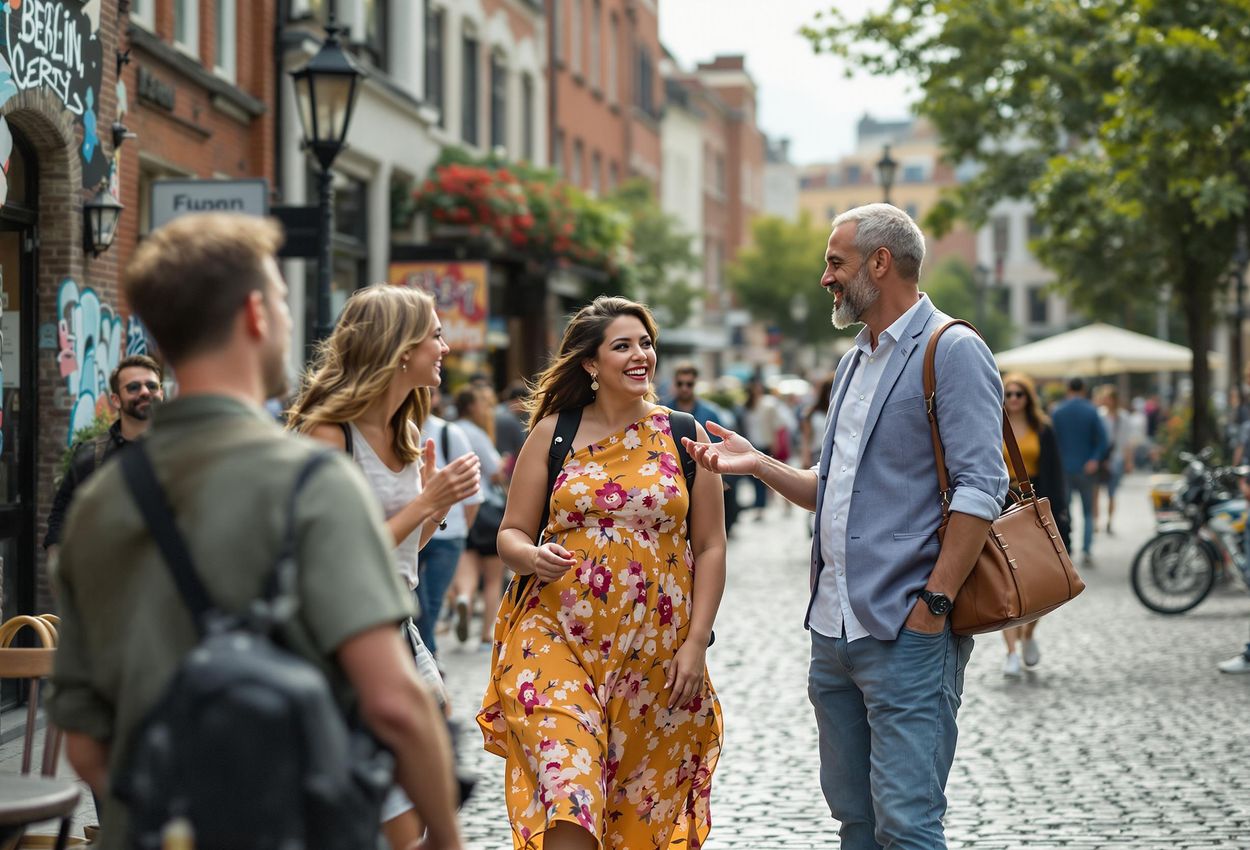
Stepping Outside the Comfort Zone: Building Resilience
Navigating unfamiliar territories and overcoming challenges during travel can be a powerful way to build resilience and confidence. When we step outside of our comfort zones, we are forced to adapt to new situations, solve problems, and rely on our own resourcefulness. These experiences can be incredibly empowering, fostering a sense of self-efficacy and resilience that extends far beyond the trip itself.
Imagine navigating the complex public transport system in Tokyo, deciphering the maps, purchasing tickets, and finding your way to your destination. Or consider the challenge of communicating in a foreign language in rural France, struggling to express yourself, but ultimately connecting with locals and gaining a deeper appreciation for the culture. These challenges may be daunting at first, but they ultimately build our confidence and resilience.
Each time we overcome a challenge during travel, we strengthen our ability to cope with stress and adversity in other areas of our lives. This increased resilience can be invaluable in navigating the ups and downs of modern life, fostering a greater sense of well-being and self-assurance. 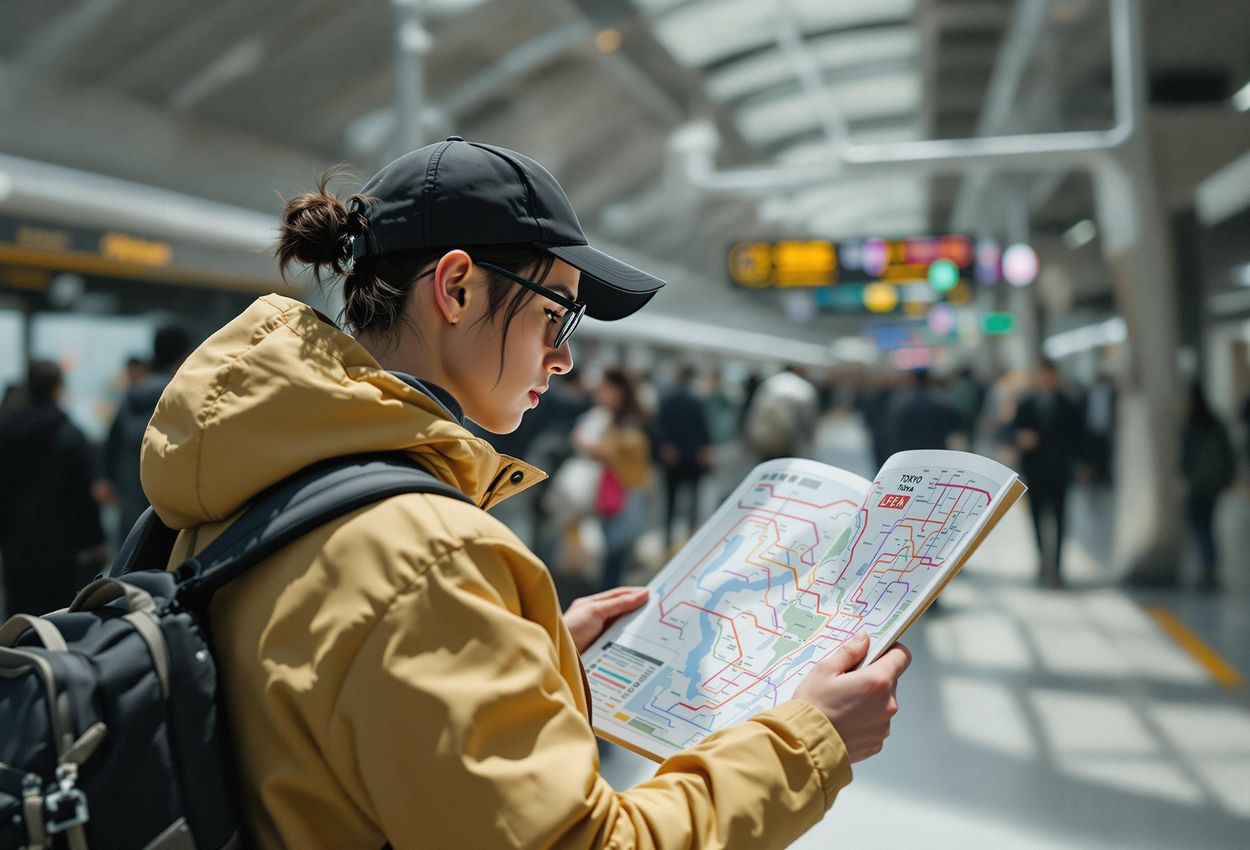
The Wellness Trip: Prioritizing Mental Health on Vacation
The growing trend of wellness tourism reflects a growing awareness of the importance of prioritizing mental health on vacation. Wellness tourism focuses on activities and experiences that promote physical, mental, and emotional well-being, offering a holistic approach to travel that goes beyond mere sightseeing.
Consider the popularity of yoga retreats in Bali, offering a combination of yoga, meditation, and healthy eating in a serene and natural setting. Or imagine attending meditation workshops in Thailand, learning mindfulness techniques and cultivating inner peace. Spa treatments in Iceland's Blue Lagoon provide another avenue for relaxation and rejuvenation, harnessing the healing power of geothermal waters. 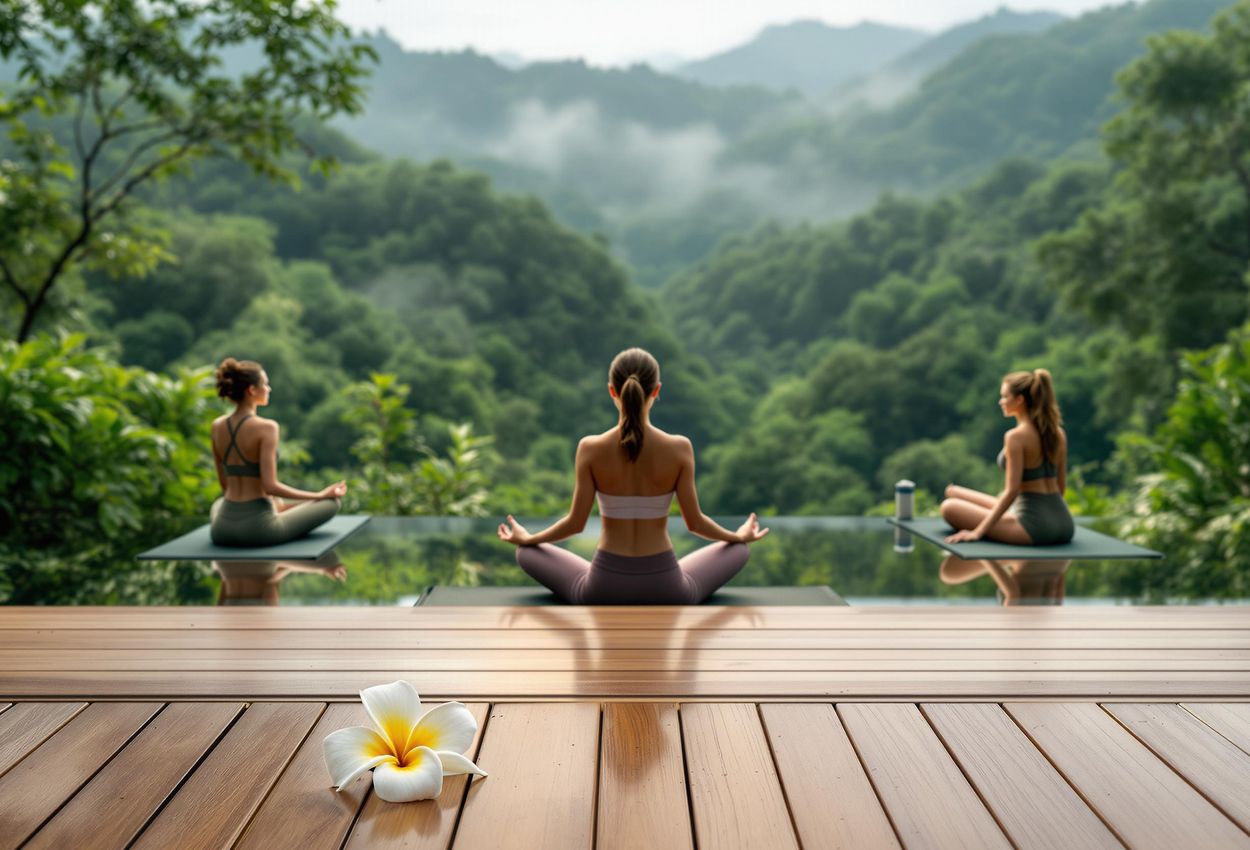
These wellness activities offer a chance to disconnect from the stresses of daily life and reconnect with ourselves, fostering a greater sense of self-awareness and well-being. By prioritizing mental health on vacation, we can return home feeling refreshed, rejuvenated, and better equipped to cope with the challenges of modern life.
Lasting Effects: inging the Benefits Home
The positive mental health effects of travel can last long after the trip ends. By incorporating the lessons learned and the practices cultivated during travel into our daily lives, we can maintain a greater sense of well-being and resilience.
Consider incorporating mindfulness into your daily routine, taking a few moments each day to sit quietly and observe your eath. Stay connected with the new friends you made during your travels, sharing stories and experiences. Continue to explore new cultures and perspectives, reading books, watching films, and engaging in conversations with people from diverse backgrounds. A study from South Korea demonstrated that individuals who travel regularly report higher levels of life satisfaction, even years after their trips. 
By consciously integrating the positive aspects of travel into our daily lives, we can extend the benefits of our adventures and cultivate a lasting sense of serenity and well-being.