In a world increasingly dominated by fast-paced technology and fleeting trends, a growing number of individuals are seeking solace and healing in the wisdom of ancient traditions. Ayurveda, Traditional Chinese Medicine (TCM), and shamanism, among others, offer holistic approaches to wellness that address the interconnectedness of mind, body, and spirit. Join us as we journey across continents to explore these time-honored practices and uncover their enduring relevance in our modern lives.
Ayurveda's Ageless Appeal in Today's World
Originating in India over 3,000 years ago, Ayurveda, the 'science of life,' is one of the worldu2019s oldest holistic healing systems. Its core principles revolve around understanding the unique constitution of each individual, known as their prakriti, and maintaining balance among the three doshas: Vata (air and ether), Pitta (fire and water), and Kapha (earth and water). These doshas govern our physical, mental, and emotional well-being. When they are in equiliium, we experience optimal health; however, imbalances can lead to various ailments.
In today's world, where stress, poor dietary habits, and sedentary lifestyles are rampant, Ayurveda offers a refreshing antidote. It emphasizes preventive care through personalized diet, lifestyle adjustments, herbal remedies, yoga, and meditation. Unlike conventional medicine, which often focuses on treating symptoms, Ayurveda seeks to address the root causes of illness by restoring harmony within the individual. It recognizes that each person is unique and requires a tailored approach to healing.

u201cAyurveda is not just a system of medicine; itu2019s a way of life,u201d explains Julie Bernier, a seasoned Ayurvedic practitioner with over 20 years of experience. u201cIt teaches us to listen to our bodies, understand our individual needs, and make conscious choices that support our well-being.u201d Bernier's journey into Ayurveda began with her own health struggles, which led her to seek alternative healing modalities. Inspired by the profound impact of Ayurveda on her own life, she dedicated herself to studying and practicing this ancient science.
u201cOne of the most rewarding aspects of my work is witnessing the transformative power of Ayurveda in my patientsu2019 lives,u201d Bernier shares. u201cIu2019ve seen people overcome chronic conditions, reduce their reliance on medication, and regain a sense of vitality and joy.u201d One such patient is Sarah, a 45-year-old woman who had been battling chronic fatigue and digestive issues for years. After consulting with Bernier and adopting an Ayurvedic diet and lifestyle, Sarah experienced a remarkable improvement in her energy levels and digestive health. u201cAyurveda has completely changed my life,u201d Sarah says. u201cI feel like I finally have the tools to take control of my health and well-being.u201d
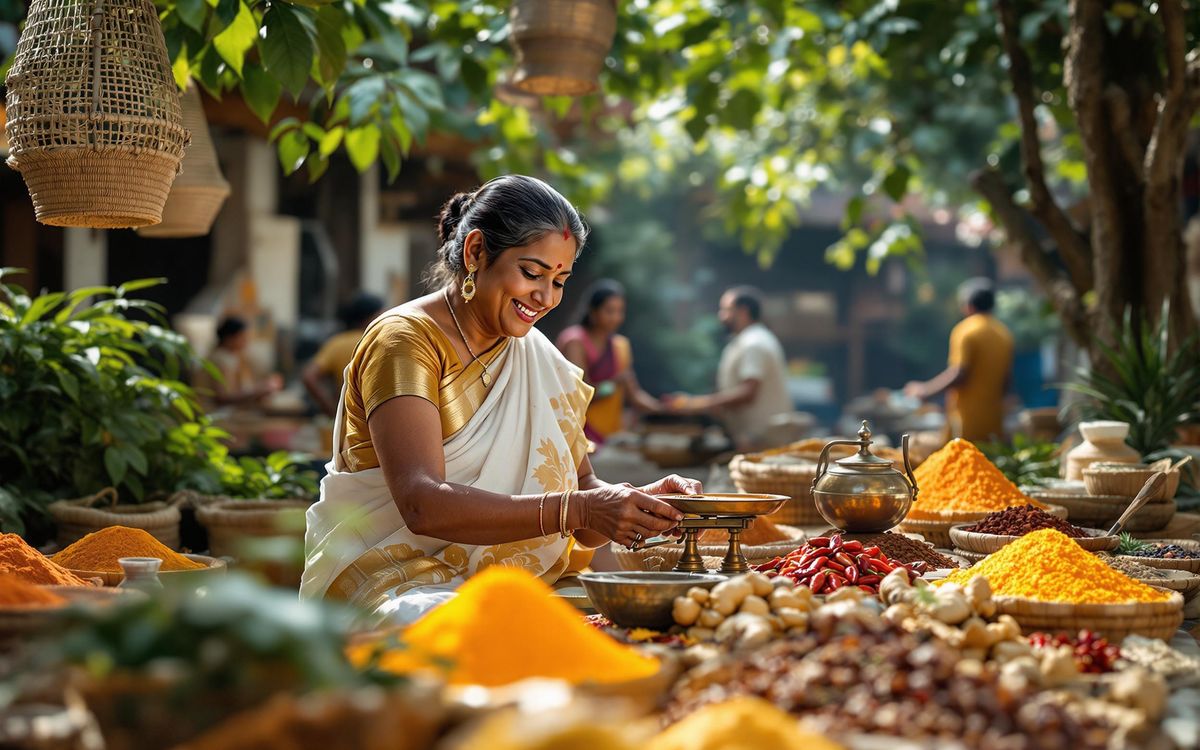
In Kerala, India, the heartland of Ayurveda, traditional practices are still deeply ingrained in daily life. From early morning yoga sessions on the beach to the preparation of herbal medicines using age-old recipes, the essence of Ayurveda permeates every aspect of the culture. The aroma of exotic spices fills the air as Ayurvedic doctors meticulously blend herbs to create potent remedies tailored to individual needs. The gentle rhythm of chanting and the serene atmosphere of Ayurvedic retreats offer a sanctuary for healing and rejuvenation.
Hidden Gem: For boosting immunity during seasonal changes, try this simple Ayurvedic recipe: Boil a cup of water with a teaspoon of grated ginger, a pinch of turmeric, and a few black peppercorns. Simmer for 5 minutes, strain, and add a teaspoon of honey. Drink warm to strengthen your immune system and ward off colds and flu.
TCM: Balancing Qi for Modern Harmony
Traditional Chinese Medicine (TCM), with its rich history spanning over 2,500 years, is another powerful system of healing that has stood the test of time. Rooted in the philosophy of Taoism, TCM emphasizes the importance of maintaining balance and harmony within the body and with the surrounding environment. The fundamental concepts of Yin and Yang, representing opposing yet complementary forces, and Qi, the vital energy that flows through the body's meridians, are central to TCM's understanding of health and disease.
Unlike Western medicine, which often focuses on treating specific symptoms, TCM aims to address the root causes of illness by identifying and correcting imbalances in the flow of Qi. It encompasses a range of therapeutic modalities, including acupuncture, herbal medicine, dietary therapy, and movement practices like Tai Chi and Qigong. Each of these modalities works synergistically to restore harmony and promote healing.
The Five Elements Theory (Wood, Fire, Earth, Metal, Water) is another cornerstone of TCM. Each element corresponds to specific organs, emotions, and seasons, and their interactions influence our health and well-being. Understanding these relationships allows TCM practitioners to diagnose imbalances and develop personalized treatment plans.
u201cTCM is a holistic system that considers the whole person u2013 their physical, emotional, and spiritual well-being,u201d explains Dr. Felice Chan, a renowned TCM practitioner who seamlessly integrates TCM principles with Western medical knowledge. u201cItu2019s not just about treating disease; itu2019s about promoting health and preventing illness.u201d Dr. Chan's journey into TCM began with her fascination with the body's innate ability to heal itself. Inspired by the profound wisdom of TCM, she pursued extensive training in both TCM and Western medicine, allowing her to idge the gap between these two approaches.
u201cI believe that TCM and Western medicine can complement each other beautifully,u201d Dr. Chan shares. u201cBy combining the strengths of both systems, we can provide patients with the most comprehensive and effective care.u201d One of Dr. Chan's patients, Michael, had been suffering from chronic back pain for years. After trying various Western treatments with limited success, he turned to acupuncture and herbal medicine. Within a few weeks, Michael experienced significant pain relief and improved mobility. u201cTCM has given me my life back,u201d Michael says. u201cIu2019m now able to do things that I thought I would never be able to do again.u201d
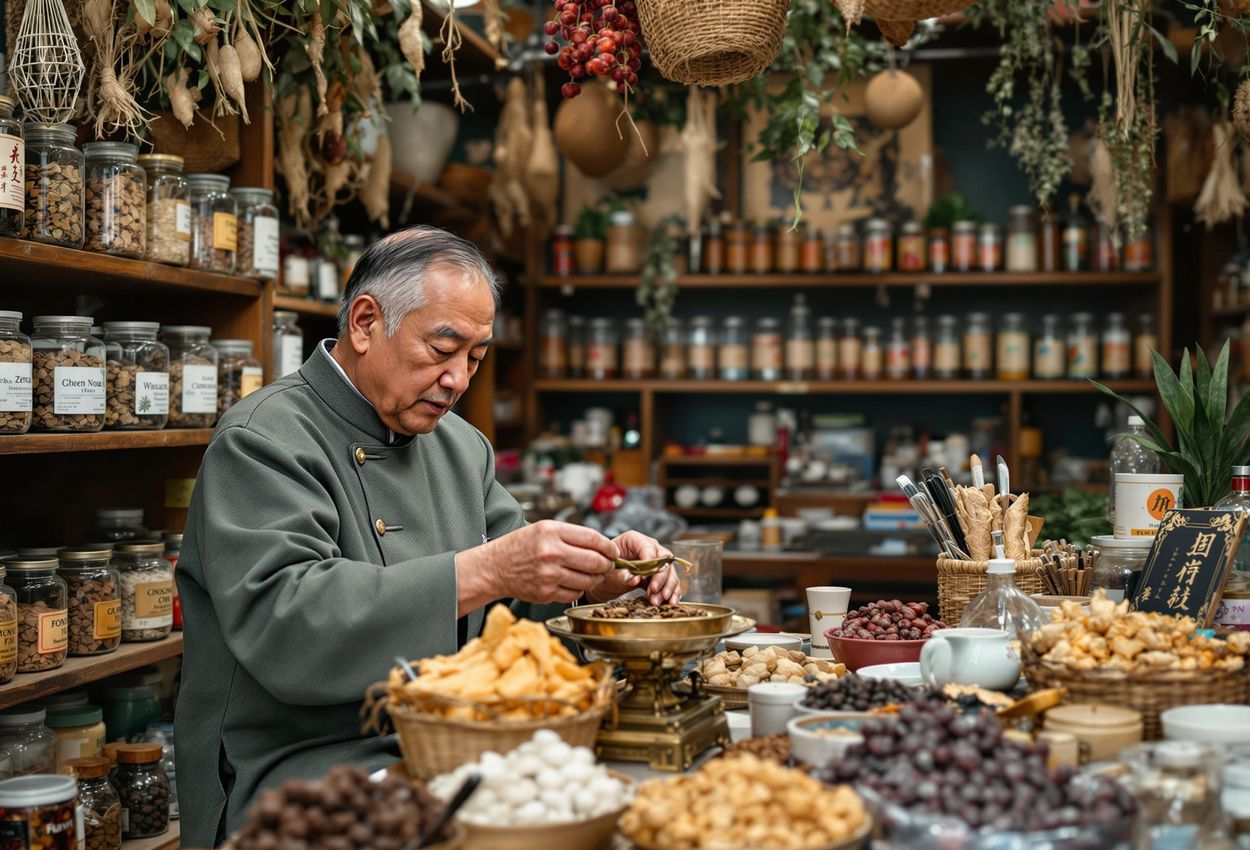
In the bustling streets of Hong Kong, traditional herbal medicine shops stand as a testament to TCM's enduring legacy. The air is thick with the aroma of dried herbs, roots, and spices, as customers consult with knowledgeable herbalists to find remedies for their ailments. In the parks of Beijing, practitioners of Tai Chi move with graceful fluidity, their movements embodying the principles of balance and harmony. The gentle rhythm of their practice creates a sense of tranquility amidst the urban chaos.
Hidden Gem: For relieving anxiety, try applying gentle pressure to the acupressure point known as Pericardium 6 (P6), located on the inner forearm, about two inches from the wrist crease, between the two tendons. Massage this point in a circular motion for a few minutes to calm your mind and ease anxiety.
Shamanism: Reconnecting with Spirit for Wholeness
Shamanism, an ancient spiritual practice found in cultures across the globe, offers a unique pathway to healing and wholeness. Unlike organized religions, shamanism is not based on dogma or doctrine; rather, it is a direct experience of the spirit world. Shamans, acting as intermediaries between the human and spirit realms, access altered states of consciousness to connect with spirits for healing, guidance, and divination.
Shamanic healing techniques often involve soul retrieval, extraction healing, and power animal retrieval. Soul retrieval is the process of restoring fragmented parts of the soul that may have been lost due to trauma or difficult experiences. Extraction healing involves removing negative energies or entities that may be causing illness or suffering. Power animal retrieval is the process of connecting with a spirit animal that can provide guidance, protection, and healing energy.
u201cShamanism is about reconnecting with our true selves and our connection to all of life,u201d explains Sandra Ingerman, a renowned shamanic practitioner and teacher. u201cItu2019s about remembering our innate ability to heal and transform ourselves.u201d Ingerman's journey into shamanism began with her search for deeper meaning and purpose in life. Inspired by the profound wisdom of indigenous cultures, she dedicated herself to studying and practicing shamanic techniques.
u201cOne of the most powerful aspects of shamanism is its ability to help us heal from trauma and emotional wounds,u201d Ingerman shares. u201cBy connecting with the spirit world, we can access resources and support that can help us release the past and move forward with greater clarity and strength.u201d One of Ingerman's clients, Lisa, had been struggling with depression and anxiety for years. After participating in a shamanic journey, Lisa experienced a profound sense of healing and transformation. u201cShamanism has helped me to reconnect with my inner strength and resilience,u201d Lisa says. u201cI now feel more grounded, centered, and empowered to live my life to the fullest.u201d
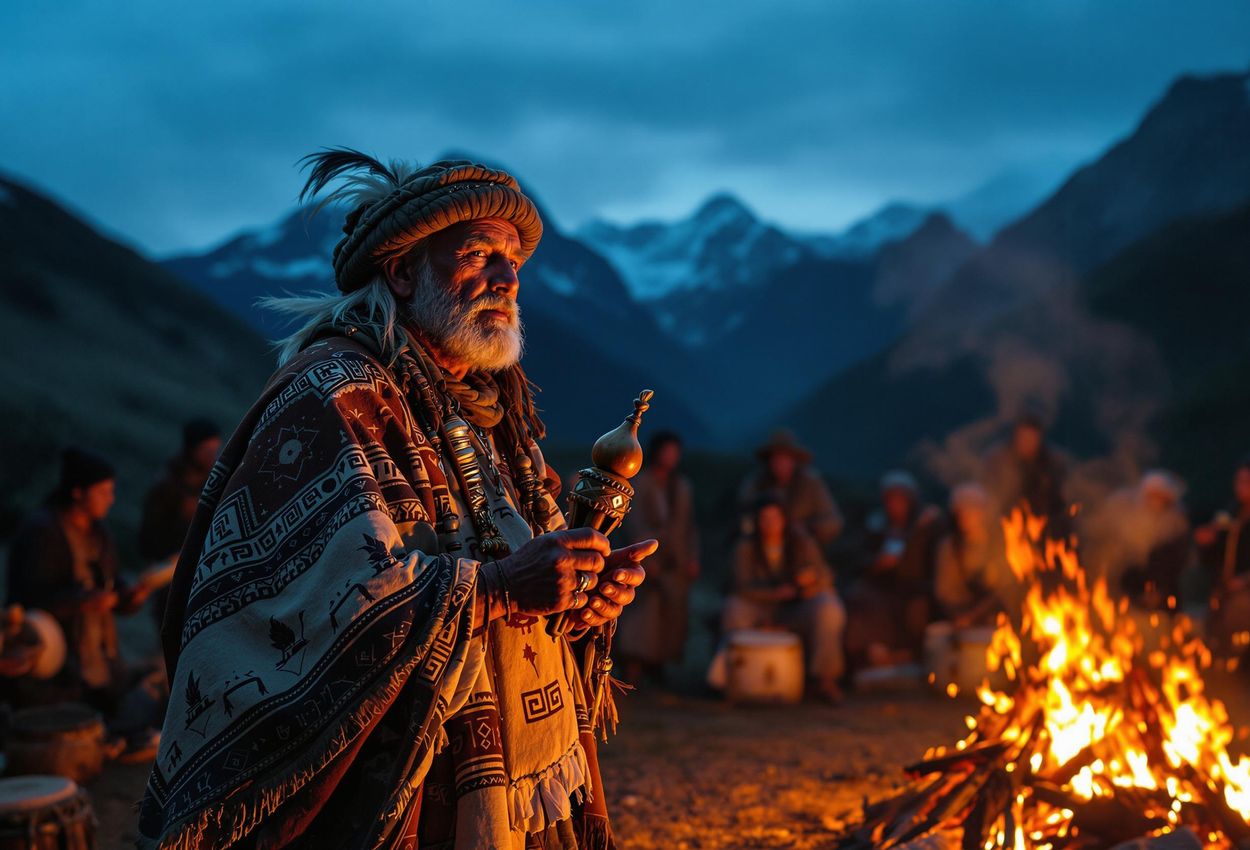
In the Peruvian Andes, shamanic rituals are still an integral part of community life. The rhythmic beat of drums fills the air as shamans invoke the spirits of nature and ancestors. Sacred plant ceremonies, guided by experienced shamans, offer participants the opportunity to connect with their inner selves and experience profound spiritual insights. The ancient wisdom of the Andes continues to guide and inspire those who seek healing and transformation.
Hidden Gem: Try this guided meditation technique for connecting with a power animal: Find a quiet place where you can relax without being disturbed. Close your eyes and take a few deep eaths. Imagine yourself walking in nature, surrounded by trees, flowers, and animals. As you walk, call out to your power animal, asking it to reveal itself to you. Pay attention to any animals that appear in your mind's eye. Once you have identified your power animal, spend some time connecting with it, asking it for guidance and support.
As we conclude our exploration of ancient healing practices, it becomes clear that these traditions offer more than just remedies for physical ailments; they provide profound insights into the nature of reality and the interconnectedness of all things. By emacing the wisdom of Ayurveda, TCM, and shamanism, we can cultivate greater balance, harmony, and well-being in our lives, idging the gap between ancient wisdom and modern needs.