Wellness travel, a burgeoning industry promising rejuvenation and cultural immersion, holds a complex ethical core. While the allure of exotic locales and ancient healing practices is undeniable, it's crucial to examine whether our pursuit of well-being comes at the expense of local cultures and communities. Are we truly engaging in cultural exchange, or inadvertently contributing to cultural appropriation and exploitation?
Unpacking Wellness Travel's Allure: A Double-Edged Sword
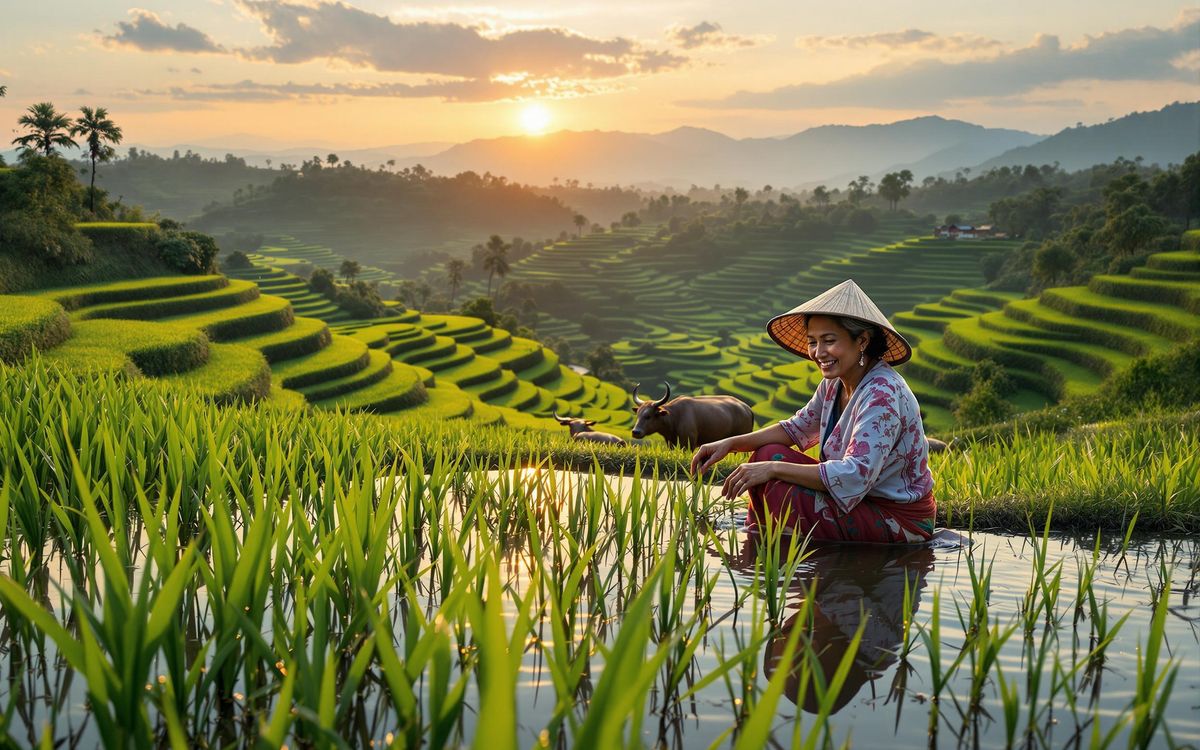
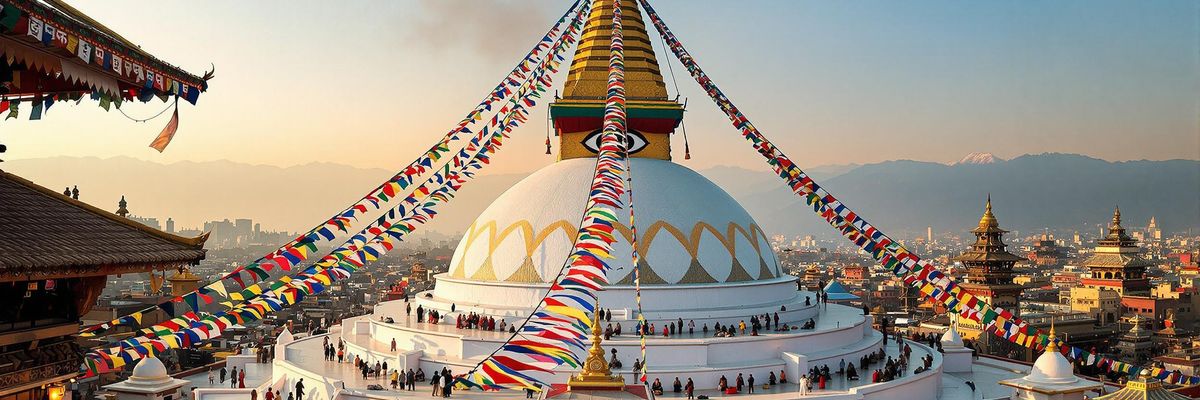
Wellness travel has exploded in popularity, fueled by a desire to escape the stresses of modern life and reconnect with ourselves and the world around us. It encompasses a wide range of activities, from yoga retreats in Bali and meditation workshops in India to spa treatments in Thailand and detox programs in Costa Rica. The appeal is clear: these experiences offer the promise of physical and mental rejuvenation, stress reduction, and the opportunity to explore new cultures and traditions. We seek authentic encounters, transformative experiences, and a deeper understanding of ourselves and the world.
However, this pursuit of well-being can be a double-edged sword. The very practices and traditions that draw us to these destinations are often deeply rooted in local cultures, and their commodification for the wellness tourism industry can lead to cultural appropriation and exploitation. Imagine a luxury resort in Mexico offering a 'shamanic healing ceremony' led by a Western practitioner, using diluted versions of Indigenous rituals without proper consultation or benefit to the local Indigenous community. The ceremony becomes a performance, stripped of its spiritual significance and reduced to a tourist attraction. The profits flow to the resort, while the Indigenous community, the true custodians of the tradition, receive nothing. This is just one example of how wellness travel can inadvertently perpetuate harmful practices.
Mindful travel is paramount. Before embarking on a wellness journey, it's essential to consider the ethical implications of our choices and to actively seek out experiences that respect local traditions and support local communities. It requires us to move beyond superficial encounters and engage with cultures in a way that is authentic, respectful, and mutually beneficial.

Decoding Cultural Appropriation: Spotting the Red Flags
Cultural appropriation, in the context of wellness travel, refers to the adoption or use of elements of a culture by members of another culture, often without understanding or respecting their original meaning or significance. It's crucial to distinguish between cultural appreciation and cultural appropriation. Appreciation involves learning about and respecting another culture, while appropriation involves taking elements of that culture out of context and using them for one's own benefit, often without giving credit or compensation to the original creators.
Several red flags can help identify cultural appropriation in wellness travel. One common example is the selling of 'smudge kits' without Indigenous knowledge or consent. Smudging is a sacred practice for many Indigenous cultures, involving the burning of herbs like sage or cedar for purification and spiritual cleansing. Selling these kits without understanding the proper protocols or respecting the spiritual significance of the practice is a clear example of appropriation. The practice becomes a trend, devoid of its deep cultural meaning.
Another example is the use of sacred symbols, such as the Om symbol, on fitness apparel without understanding their meaning. The Om symbol is a sacred sound and symbol in Hinduism, representing the essence of the universe. Using it as a decorative element on leggings or yoga mats trivializes its spiritual significance and reduces it to a fashion statement. Similarly, the commodification of practices like yoga or meditation, stripping them of their spiritual roots, is a form of cultural appropriation. Yoga, for instance, originated as a spiritual practice in India and involves much more than just physical postures. When it's reduced to a purely physical exercise, divorced from its philosophical and spiritual context, it becomes a form of appropriation.
A specific example of a and that faced backlash for cultural appropriation is Lululemon. In 2013, they released a line of clothing featuring the Om symbol and the name 'Ganesha,' a Hindu deity, without properly understanding or respecting their significance. This led to widespread criticism and accusations of cultural appropriation, forcing Lululemon to apologize and remove the products from their shelves. This incident serves as a reminder of the importance of cultural sensitivity and the potential consequences of cultural appropriation.

The Exploitation Equation: How Wellness Travel Can Harm Local Communities
Beyond cultural appropriation, wellness travel can also lead to the exploitation of local communities. This exploitation often takes the form of economic exploitation, where wellness businesses profit from local traditions and resources without providing fair compensation or benefit-sharing to the communities themselves. For example, a wellness retreat might use local herbs and ingredients in its spa treatments but source them from suppliers who pay exploitative wages to local farmers. Or, a yoga studio might offer classes based on traditional Indian practices but fail to acknowledge or support the Indian teachers and communities who have preserved these traditions for centuries.
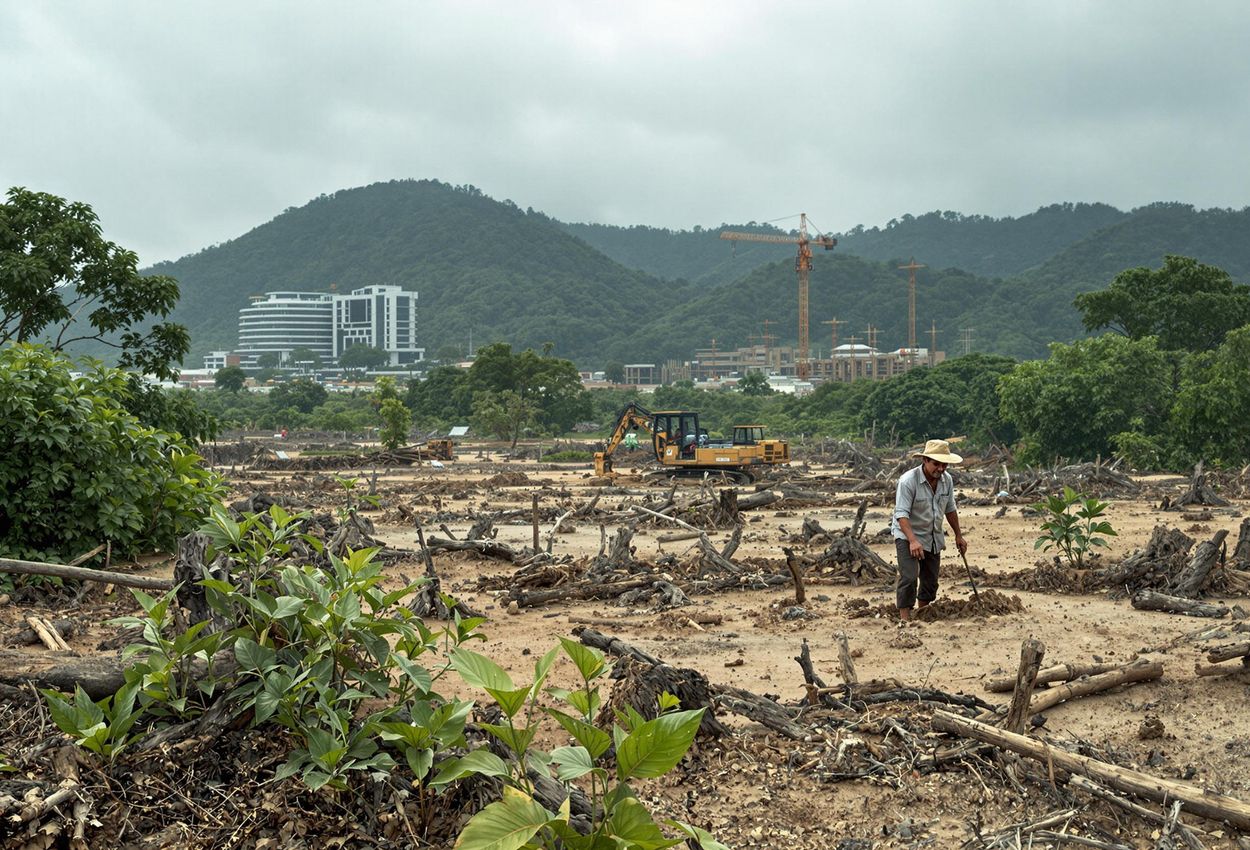
Environmental damage is another potential consequence of unsustainable wellness tourism practices. The construction of large resorts and spas can lead to deforestation, water pollution, and the destruction of natural habitats. The increased demand for resources like water and energy can strain local infrastructure and deplete natural resources, impacting the livelihoods and well-being of local communities. In some cases, wellness tourism has led to the displacement of local communities, as land is acquired for development without proper consultation or compensation.
A stark example of the negative consequences of wellness tourism can be seen in certain parts of Southeast Asia, where the influx of tourists seeking spiritual enlightenment and healing has led to the commodification of sacred sites and the erosion of traditional practices. In some areas, local communities have been displaced to make way for resorts and spas, and their cultural heritage has been threatened by the pressure to cater to tourist demands. The pursuit of wellness, in these cases, has come at the expense of the very communities that hold the key to authentic healing and well-being.
Respectful Immersion: A Guide to Ethical Engagement
The key to ethical wellness travel lies in respectful immersion. This means engaging with local cultures in a way that is mindful, informed, and mutually beneficial. Before traveling, take the time to research the history, customs, and traditions of your destination. Learn about the local people, their beliefs, and their way of life. Understand the potential challenges they face and the ways in which tourism can impact their communities.
Seek out authentic experiences led by local guides and practitioners. These experiences offer a deeper understanding of the local culture and provide direct economic benefits to the community. Be mindful of your behavior and etiquette in cultural settings. Dress modestly, avoid taking photos without permission, and be respectful of local customs and traditions. Learn a few basic phrases in the local language and use them to communicate with people. Show genuine interest in their culture and be open to learning from them.
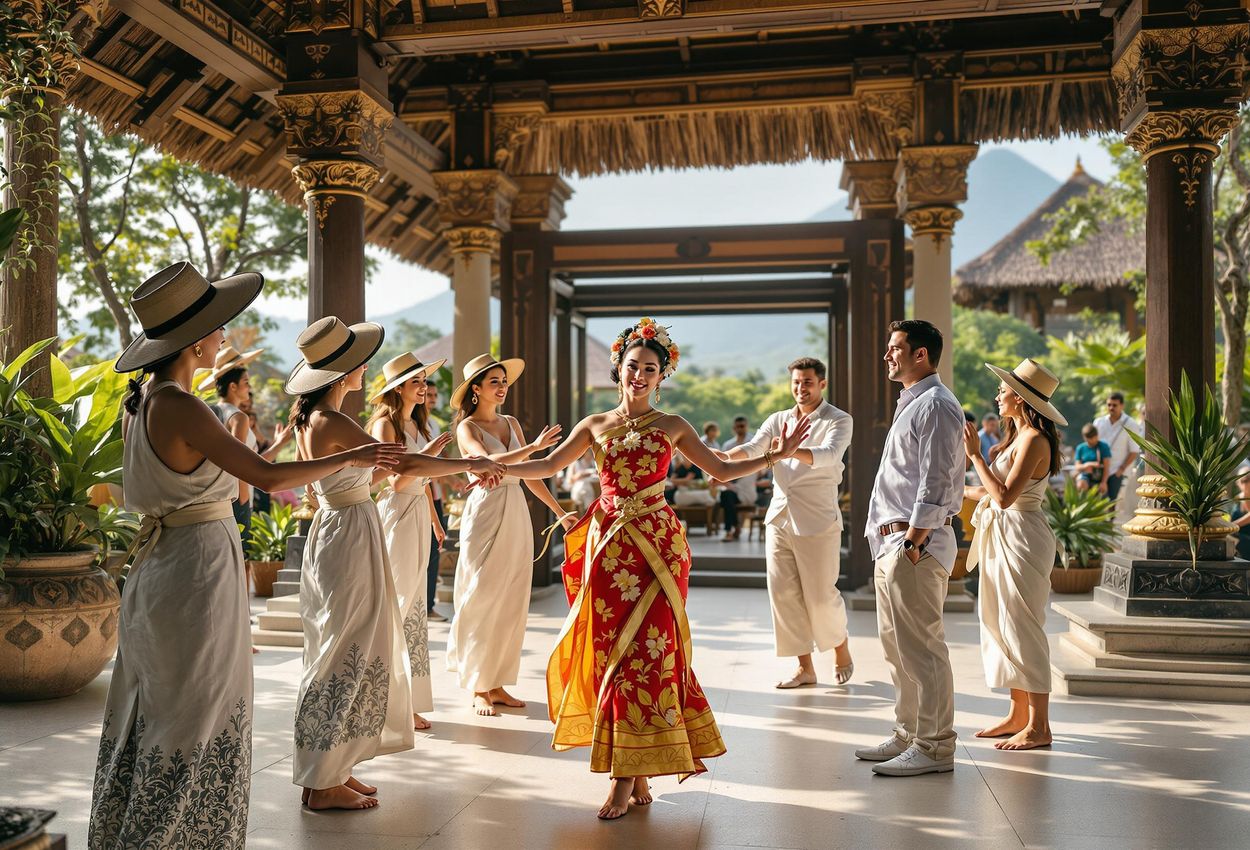
A wonderful example of respectful immersion can be found at the Samsara Living Museum in Bali. This museum was founded with the aim of sharing Balinese culture with visitors in a way that is authentic and sustainable. It offers visitors the opportunity to learn about traditional Balinese crafts, music, and dance, and to participate in workshops led by local artisans. The museum also provides financial support to the local community, ensuring that the benefits of tourism are shared equitably. By visiting the Samsara Living Museum, travelers can engage with Balinese culture in a way that is both enriching and respectful.
Supporting Local: Investing in Community-Based Wellness
One of the most effective ways to ensure that your wellness travel is ethical is to support local businesses and initiatives that promote sustainable and ethical tourism practices. Choose accommodations, restaurants, and wellness services that are owned and operated by local communities. These businesses are more likely to prioritize the well-being of their employees and the environment, and they are more likely to reinvest their profits in the local community.
Look for community-based wellness projects that empower local residents and preserve cultural heritage. These projects often involve training local people in traditional healing practices, creating sustainable livelihoods, and protecting natural resources. By supporting these projects, you can help to ensure that the benefits of wellness tourism are shared equitably and that local cultures and ecosystems are preserved for future generations.
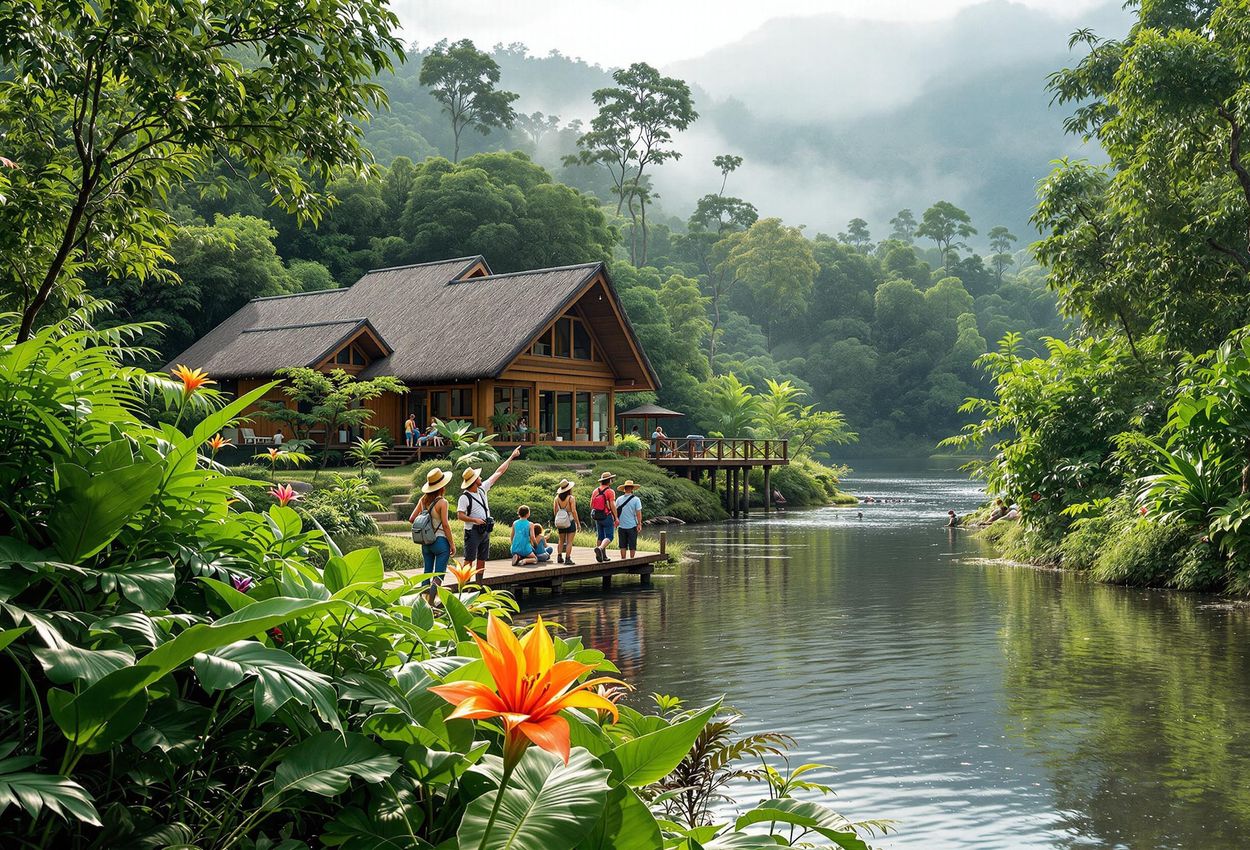
For example, consider the Pacuare River Lodge in Costa Rica, an eco-lodge that reinvests its profits in local conservation efforts and community development programs. The lodge employs local residents, sources its food from local farms, and supports local schools and healthcare clinics. By staying at the Pacuare River Lodge, travelers can enjoy a luxurious and rejuvenating experience while also contributing to the well-being of the local community and the preservation of the rainforest.
The Power of Permission: Seeking Consent and Collaboration
When engaging in cultural activities or using traditional knowledge, it's essential to seek permission from the local community. This means asking for consent before participating in ceremonies, taking photos, or using traditional healing practices. It also means respecting the community's decision if they decline your request. Remember that cultural knowledge is often considered to be the property of the community, and it should not be used without their permission.
Collaboration is key to ethical wellness travel. Seek out opportunities to partner with local communities in developing and delivering wellness experiences. This can involve working with local healers to offer traditional healing ceremonies, collaborating with local artisans to create handcrafted products, or supporting local farmers to grow organic food for wellness retreats. By collaborating with local communities, you can ensure that they benefit directly from wellness tourism and that their cultural heritage is respected and preserved.
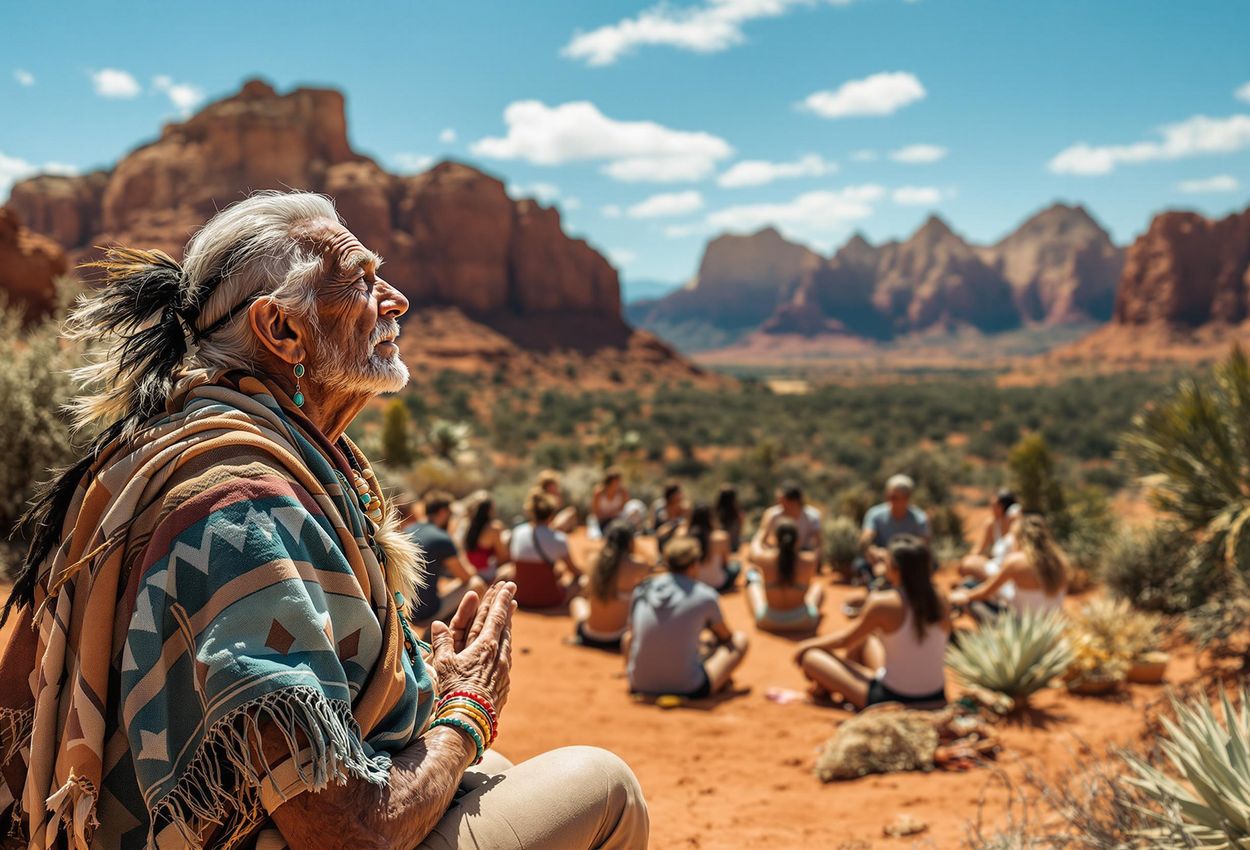
A shining example of successful collaboration is the partnership between a wellness retreat in Sedona, Arizona, and a local Navajo tribe. The retreat offers traditional Navajo healing ceremonies led by tribal elders, with proper protocols and benefit-sharing agreements in place. The retreat provides a platform for the Navajo community to share their cultural heritage with visitors, while also generating income and supporting their community's well-being. This collaboration demonstrates how wellness businesses can work with Indigenous communities to create ethical and authentic experiences that benefit both parties.
Beyond the 'Gram: Authenticity and Responsible Social Media
Social media plays a significant role in shaping our perceptions of wellness travel. However, it can also perpetuate cultural appropriation and exploitation if used irresponsibly. Be mindful of the images you share and the messages you convey on social media. Avoid posting photos that objectify or exoticize local people or that promote unsustainable tourism practices. Instead, focus on creating authentic and responsible social media content that respects local cultures and promotes ethical tourism.
Before posting a photo of a local person, ask for their permission. Be respectful of their privacy and avoid taking photos that could be considered intrusive or offensive. When sharing photos of cultural ceremonies or practices, provide context and information about their significance. Avoid using captions that are superficial or that trivialize the cultural meaning of the event. Promote sustainable tourism practices by highlighting businesses and initiatives that are committed to environmental protection and community development. Encourage your followers to travel responsibly and to support ethical tourism practices.
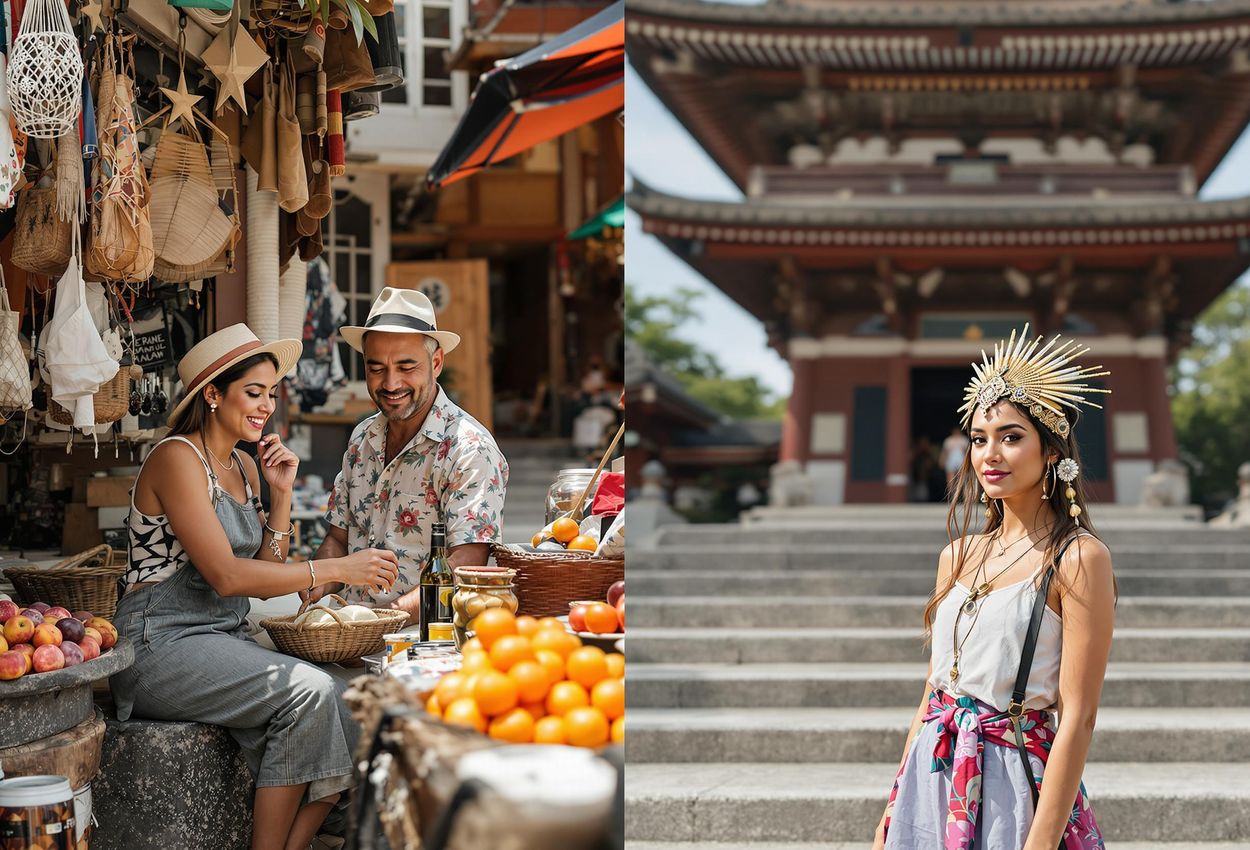
Think twice before posting that picture of you in a headdress you bought at a local market. While it might seem like a fun souvenir, it could be deeply offensive to the Indigenous community from which it originates. Instead, share photos of your interactions with local people, highlighting their stories and their culture. Use your platform to promote understanding and respect, rather than perpetuating harmful stereotypes.
Education is Key: Resources for the Ethical Wellness Traveler
The journey towards ethical wellness travel is an ongoing process of learning and self-reflection. Fortunately, there are many resources available to help travelers make informed decisions and engage with local cultures in a respectful and responsible manner. Organizations like the Sustainable Travel International and the Tourism Concern offer valuable information and resources on sustainable tourism practices. These organizations provide guidelines for travelers, businesses, and communities on how to minimize the negative impacts of tourism and maximize its benefits.
The Native Governance Center offers a guide on cultural appropriation in wellness spaces, providing valuable insights into the ethical considerations of using Indigenous practices in wellness settings. This guide helps wellness practitioners and travelers alike to understand the difference between cultural appreciation and cultural appropriation and to engage with Indigenous cultures in a way that is respectful and responsible. Numerous books, articles, and documentaries explore the ethical considerations of wellness travel, offering diverse perspectives and case studies. These resources can help travelers to deepen their understanding of the complexities of wellness travel and to make more informed choices.
Engage with these resources, educate yourself, and share your knowledge with others. By working together, we can create a more ethical and sustainable wellness tourism industry that benefits both travelers and local communities.

Transforming the Industry: A Call to Action for Wellness Providers
The responsibility for ethical wellness travel extends beyond individual travelers to the wellness providers themselves. Wellness businesses have a crucial role to play in promoting responsible tourism practices, avoiding cultural appropriation, and supporting local communities. This requires a commitment to transparency, accountability, and continuous improvement.
Wellness retreats can develop a code of ethics that outlines their commitment to cultural sensitivity and environmental sustainability. This code should be publicly available and should guide all aspects of the business, from sourcing materials to training staff to designing wellness programs. Wellness businesses can also partner with local communities to develop ethical and authentic experiences that benefit both parties. This can involve hiring local guides, sourcing food from local farms, and supporting local community development projects. Transparency is key. Be open and honest about your practices and be willing to address any concerns or criticisms that may arise.
The wellness industry has the power to be a force for good, promoting both individual well-being and the well-being of the planet and its people. By emacing ethical and sustainable practices, wellness providers can create a more responsible and equitable industry that benefits everyone.
As we seek wellness in far-flung corners of the globe, letu2019s remember that true well-being encompasses not only our own health and happiness but also the health and happiness of the communities we visit. By traveling mindfully, supporting local initiatives, and respecting cultural traditions, we can transform wellness travel into a force for good, creating a world where everyone benefits from the pursuit of well-being.