In our relentlessly fast-paced world, finding moments of tranquility can feel like an elusive dream. Yet, the key to unlocking inner peace and enhanced well-being might be simpler than we imagine: it lies in the very eath we take.
Unlocking Inner Peace: The Science-Backed Benefits of eathwork
eathwork, an ancient practice rooted in various cultures and traditions, is now gaining significant recognition in the modern scientific community. No longer relegated to the realm of esoteric practices, eathwork is increasingly understood as a powerful tool for influencing our nervous system and promoting profound relaxation. Controlled eathing techniques have demonstrated a remarkable ability to reduce the body's 'fight or flight' response, shifting us from a state of anxiety and hyper-vigilance to one of calm and equiliium. The physiological mechanisms behind these benefits are multifaceted and deeply intertwined with our body's innate regulatory systems.
Numerous studies have investigated the impact of eathwork on key physiological markers. Research published in journals like the Journal of Alternative and Complementary Medicine has shown that consistent eathwork practice can lead to a significant reduction in blood pressure. This is particularly relevant in today's society, where hypertension is a widespread health concern often exacerbated by chronic stress. Furthermore, eathwork has been found to lower levels of cortisol, the primary stress hormone. Elevated cortisol levels, when sustained over long periods, can contribute to a range of health problems, including impaired immune function, digestive issues, and increased risk of chronic diseases. By mitigating cortisol release, eathwork helps to protect our bodies from the detrimental effects of chronic stress.
Another crucial aspect of eathwork's impact lies in its ability to improve heart rate variability (HRV). HRV refers to the variation in time intervals between heartbeats. A higher HRV is generally indicative of a more resilient and adaptable nervous system, while a lower HRV is often associated with stress, anxiety, and increased risk of cardiovascular disease. eathwork techniques, particularly those that emphasize slow, deep eathing, have been shown to enhance HRV, promoting a state of physiological coherence and overall well-being. This coherence is achieved through the stimulation of the vagus nerve, a major component of the parasympathetic nervous system. The vagus nerve plays a vital role in regulating heart rate, digestion, and immune function. By activating the vagus nerve, eathwork helps to shift the balance away from the sympathetic nervous system (the 'fight or flight' response) and towards the parasympathetic nervous system (the 'rest and digest' response).
The interplay between oxygen and carbon dioxide levels in the body is also a key factor in eathwork's effectiveness. When we eathe rapidly and shallowly, we tend to expel too much carbon dioxide, leading to a disruption in the body's pH balance. This can trigger a cascade of physiological responses, including increased heart rate, muscle tension, and anxiety. eathwork techniques that emphasize slow, controlled eathing help to restore a healthy balance of oxygen and carbon dioxide, promoting relaxation and reducing anxiety. Institutions like the HeartMath Institute have conducted extensive research on the physiological effects of eathwork, further validating its potential as a therapeutic tool.

Diaphragmatic eathing: Your Foundation for Calm
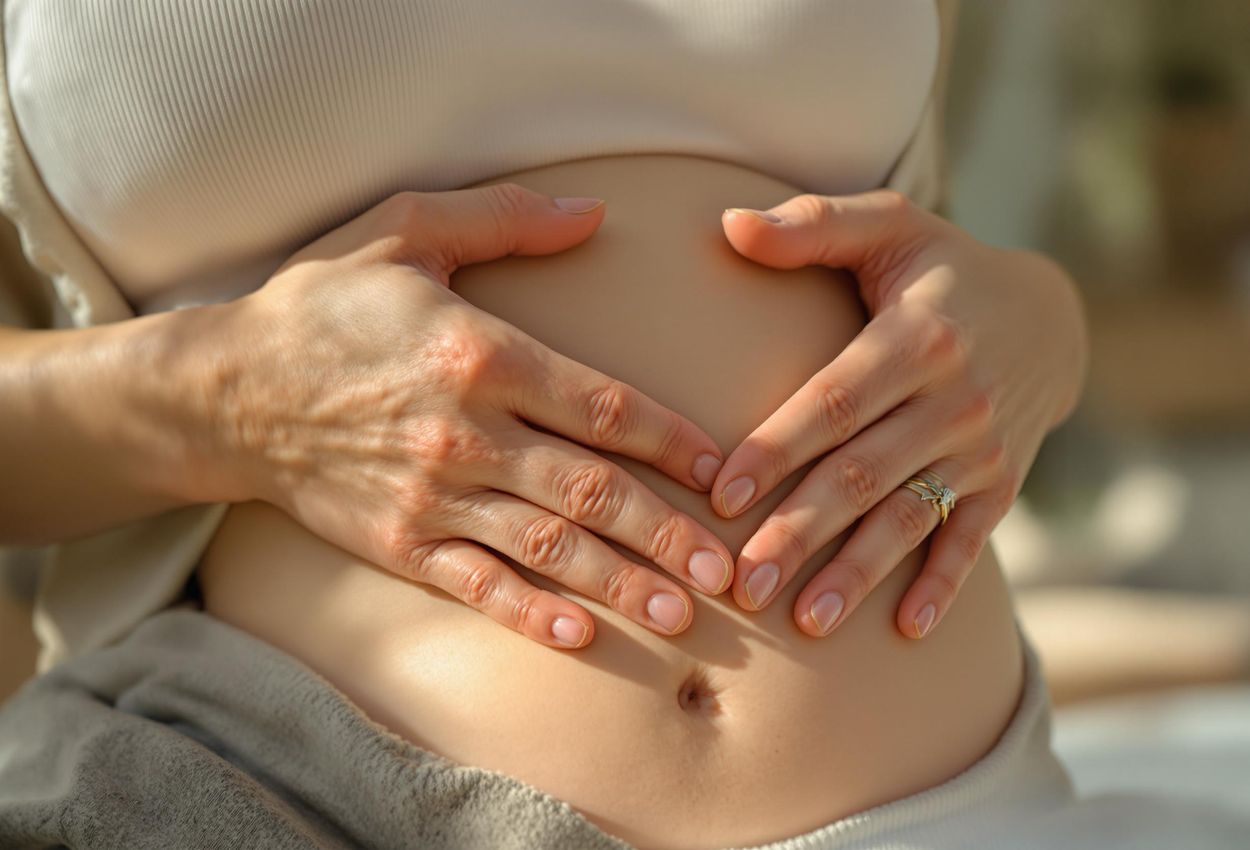
Diaphragmatic eathing, often referred to as belly eathing, serves as a cornerstone for cultivating calm and managing stress. This technique, which emphasizes the use of the diaphragm u2013 a large, dome-shaped muscle located at the base of the lungs u2013 promotes deeper, more efficient eathing. Unlike shallow chest eathing, which primarily utilizes the upper chest muscles, diaphragmatic eathing allows for a greater intake of oxygen and a more complete exhalation of carbon dioxide. This, in turn, helps to regulate the nervous system and induce a state of relaxation.
To practice diaphragmatic eathing effectively, begin by finding a comfortable position. You can either sit in a chair with your feet flat on the floor or lie down on your back with your knees bent. Place one hand on your chest and the other hand on your abdomen, just below your ribcage. This will allow you to monitor your eathing and ensure that you are engaging your diaphragm correctly. As you inhale slowly through your nose, focus on expanding your belly, allowing your abdomen to rise while keeping your chest relatively still. You should feel the hand on your abdomen moving upward while the hand on your chest remains largely stationary. This indicates that you are eathing deeply into your diaphragm.
Once you have inhaled fully, exhale slowly and gently through your mouth, allowing your abdomen to fall. Again, focus on maintaining a steady and controlled rhythm. As you exhale, you may find it helpful to purse your lips slightly, as if you were blowing out a candle. This can help to slow down the exhalation and promote a more complete release of carbon dioxide. Throughout the exercise, maintain a relaxed posture and avoid tensing your shoulders or neck muscles. The key is to eathe deeply and effortlessly, allowing your diaphragm to do the work.
The benefits of regularly practicing diaphragmatic eathing are numerous. By shifting the focus of your eathing from the upper chest to the diaphragm, you improve the efficiency of your respiratory system. This means that you can take in more oxygen with each eath, which can help to energize your body and improve your overall sense of well-being. Additionally, diaphragmatic eathing helps to stimulate the vagus nerve, which, as mentioned earlier, plays a crucial role in regulating the nervous system. By activating the vagus nerve, you can promote relaxation, reduce anxiety, and improve your ability to cope with stress. Aim to practice diaphragmatic eathing for at least 5-10 minutes each day, or whenever you feel overwhelmed or anxious. With consistent practice, you will find that it becomes easier to access this state of calm and equiliium whenever you need it.
The 4-7-8 Technique: A Quick Fix for Anxiety
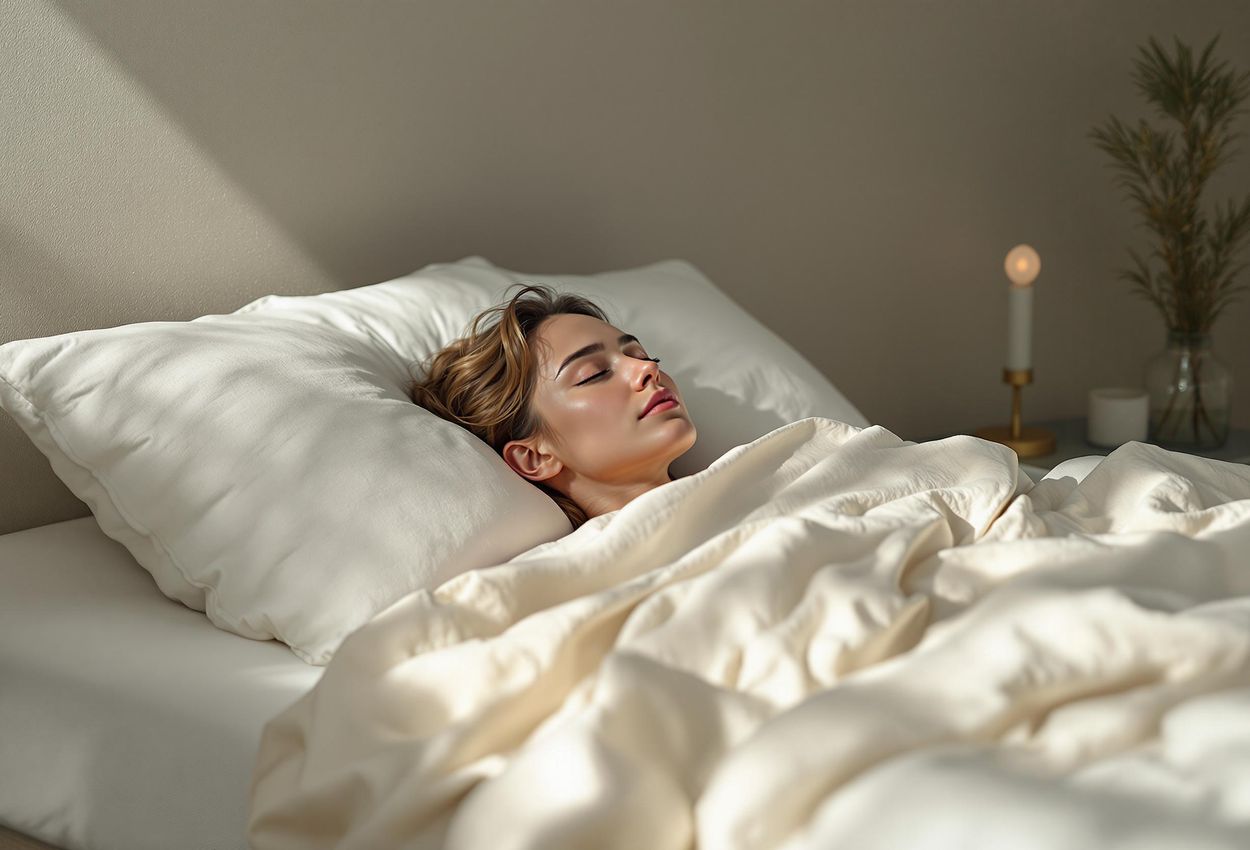
In moments of heightened anxiety or when struggling to fall asleep, the 4-7-8 eathing technique offers a rapid and effective way to calm the mind and body. This simple yet powerful method, popularized by Dr. Andrew Weil, works by slowing down the heart rate and promoting a sense of deep relaxation. The technique involves a specific pattern of inhalation, eath retention, and exhalation, which helps to regulate the nervous system and shift the body from a state of stress to one of tranquility.
To practice the 4-7-8 technique, begin by finding a comfortable position, either sitting or lying down. Ensure that your back is straight and your shoulders are relaxed. Before you begin, exhale completely through your mouth, making a whooshing sound. This helps to clear your lungs and prepare you for the exercise. Next, close your mouth and inhale quietly through your nose for a count of 4 seconds. As you inhale, focus on filling your lungs completely, expanding your abdomen and chest. Once you have inhaled fully, hold your eath for a count of 7 seconds. During this time, try to relax your body and quiet your mind. Avoid tensing your muscles or focusing on anxious thoughts.
After holding your eath for 7 seconds, exhale slowly and completely through your mouth for a count of 8 seconds. As you exhale, purse your lips slightly and make a whooshing sound. The key is to exhale slowly and deliberately, ensuring that you release all of the air from your lungs. Repeat this cycle of inhalation, eath retention, and exhalation for a total of four eaths. With each repetition, you should feel your body becoming more relaxed and your mind becoming more calm. It is important to maintain a steady and consistent rhythm throughout the exercise. Avoid rushing or forcing your eath. The goal is to eathe deeply and effortlessly, allowing your body to naturally settle into a state of relaxation.
The longer exhale in the 4-7-8 technique plays a crucial role in its effectiveness. By prolonging the exhalation, you help to clear the lungs of stale air and slow down your heart rate. This, in turn, activates the parasympathetic nervous system, which promotes relaxation and reduces anxiety. The 4-7-8 technique can be used in a variety of situations, such as before bed to improve sleep, during moments of stress to calm your nerves, or any time you need to find a sense of inner peace. With regular practice, you will find that it becomes easier to access this state of calm and equiliium whenever you need it.
Alternate Nostril eathing (Nadi Shodhana): Balancing Energy Flow
Alternate nostril eathing, known as Nadi Shodhana in Sanskrit, is an ancient yogic technique that aims to balance the body's energy channels and promote a sense of overall well-being. According to yogic philosophy, the eath is intimately connected to our mental and emotional states. By consciously regulating the flow of eath through the nostrils, we can influence the flow of energy throughout the body and restore harmony to our nervous system. Nadi Shodhana is believed to purify the nadis, or energy channels, allowing prana, or life force, to flow freely. This, in turn, can lead to increased mental clarity, reduced stress, and a greater sense of inner peace.
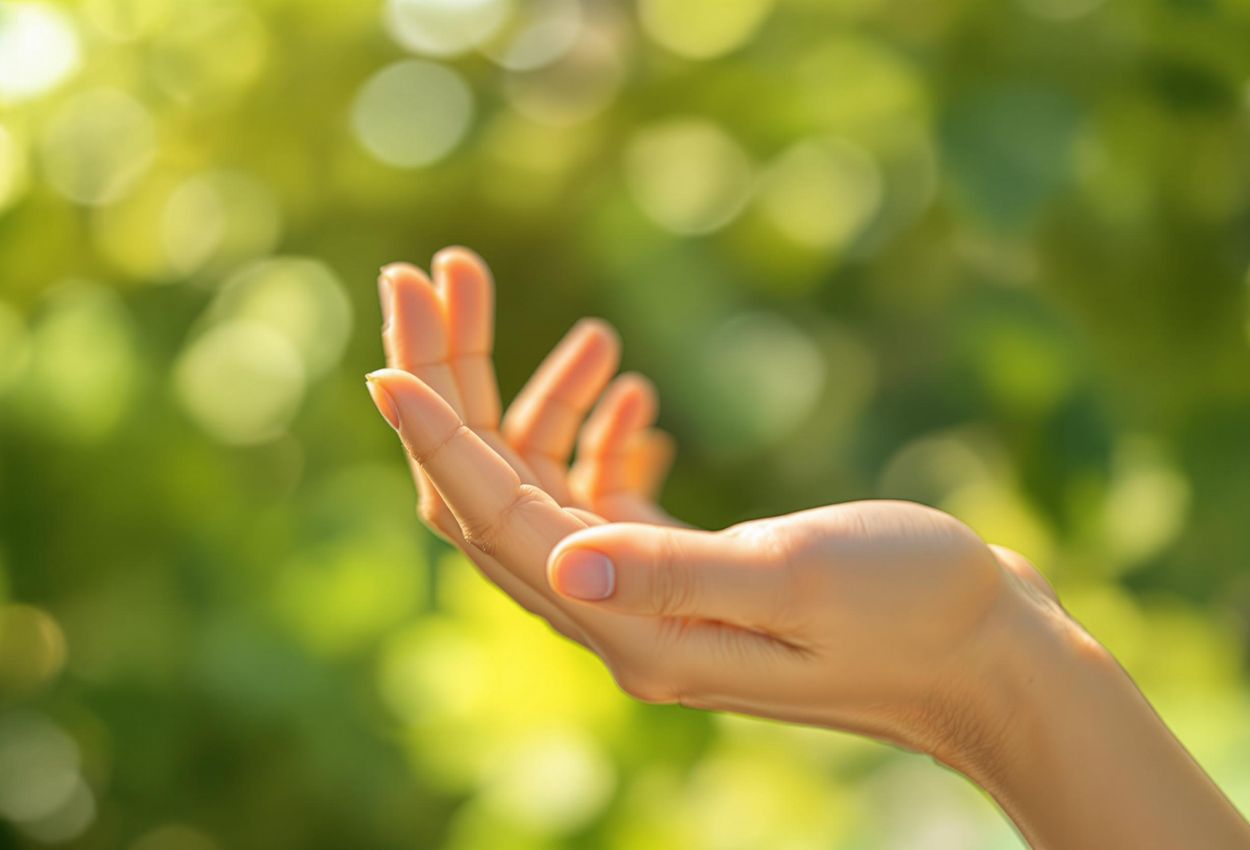
To practice alternate nostril eathing, begin by finding a comfortable seated position with your spine straight and your shoulders relaxed. You can sit on a chair with your feet flat on the floor or sit cross-legged on a cushion. Close your eyes and take a few deep eaths to center yourself. Next, ing your right hand to your nose. Gently close your right nostril with your right thumb. Inhale slowly and deeply through your left nostril. Once you have inhaled fully, close your left nostril with your right ring finger and release your thumb from your right nostril. Exhale slowly and completely through your right nostril. After exhaling, inhale through your right nostril. Then, close your right nostril with your right thumb and release your ring finger from your left nostril. Exhale slowly and completely through your left nostril. This completes one cycle of alternate nostril eathing.
Continue alternating nostrils in this manner for several minutes. It is important to maintain a steady and controlled rhythm throughout the exercise. Avoid rushing or forcing your eath. The goal is to eathe deeply and effortlessly, allowing your body to naturally settle into a state of balance. As you practice, you may notice subtle differences in the airflow through each nostril. This is normal and reflects the natural fluctuations in the body's energy channels. Simply focus on eathing deeply and evenly through each nostril, without trying to force or manipulate the airflow.
The benefits of alternate nostril eathing are numerous. In addition to balancing the body's energy channels, this technique can help to sharpen focus, reduce anxiety, and promote a sense of calmness. It is particularly helpful for clearing the mind before meditation or other contemplative practices. Nadi Shodhana can also be used to regulate body temperature and improve sleep quality. With regular practice, you will find that it becomes easier to access a state of inner peace and equiliium whenever you need it. This technique is a powerful tool for promoting overall well-being and enhancing your connection to your eath and your body.
Box eathing: Simple Steps to Interrupt the Stress Cycle
Box eathing, also known as square eathing, is a remarkably simple yet effective technique for interrupting the stress cycle and restoring a sense of calm. This method, often used by Navy SEALs to maintain focus and composure in high-pressure situations, involves a four-part eathing pattern that can quickly ing the body and mind into a state of equiliium. The beauty of box eathing lies in its accessibility and ease of use. It can be practiced anywhere, at any time, without the need for any special equipment or training. Whether you are feeling overwhelmed at work, anxious before a presentation, or simply need a moment of peace, box eathing can provide a quick and reliable way to regain control.
To practice box eathing, begin by finding a comfortable position, either sitting or lying down. Close your eyes and take a few deep eaths to center yourself. Next, visualize a square or a box in your mind. Each side of the box represents one part of the eathing cycle. Start by inhaling slowly and deeply through your nose for a count of four seconds. As you inhale, imagine drawing a line up one side of the box. Once you have inhaled fully, hold your eath for a count of four seconds. Imagine moving across the top of the box, holding the air in your lungs. After holding your eath, exhale slowly and completely through your mouth for a count of four seconds. As you exhale, imagine drawing a line down the opposite side of the box. Once you have exhaled fully, pause and hold your eath again for a count of four seconds. Imagine moving across the bottom of the box, holding the air out of your lungs. This completes one cycle of box eathing.
Continue this pattern of inhalation, eath retention, exhalation, and pause for several minutes. It is important to maintain a steady and consistent rhythm throughout the exercise. Avoid rushing or forcing your eath. The goal is to eathe deeply and effortlessly, allowing your body to naturally settle into a state of calm. As you practice, you may find it helpful to focus on the visual image of the box, using it as a mental anchor to guide your eathing. The four equal parts of the eathing cycle help to create a sense of balance and stability, which can be particularly helpful when you are feeling overwhelmed or anxious.
Box eathing works by activating the parasympathetic nervous system, which is responsible for the body's 'rest and digest' response. By slowing down the eath and creating a sense of rhythm, you can effectively counteract the effects of the sympathetic nervous system, which is responsible for the 'fight or flight' response. This can lead to a reduction in heart rate, blood pressure, and muscle tension, as well as a decrease in feelings of anxiety and stress. Box eathing is a valuable tool for anyone who wants to improve their ability to manage stress and maintain focus in challenging situations. With regular practice, you will find that it becomes easier to access a state of calm and equiliium whenever you need it.

Lion's eath: Unleash Your Inner Roar for Tension Release
Lion's eath, known as Simhasana in Sanskrit, is a dynamic and expressive eathing technique that can help to release tension and bottled-up emotions. Unlike some of the more subtle eathwork practices, Lion's eath is a full-bodied experience that engages the throat, facial muscles, and diaphragm. This technique involves a deep inhalation followed by a forceful exhalation through the mouth while sticking out the tongue and making a 'ha' sound, mimicking the roar of a lion. The empowering and freeing sensation that it provides makes it a powerful tool for releasing stress and promoting emotional well-being.
To practice Lion's eath, begin by finding a comfortable seated position. You can sit on your heels with your knees wide apart, or you can sit in a chair with your feet flat on the floor. Place your hands on your knees with your fingers spread wide, like the paws of a lion. Inhale deeply through your nose, filling your lungs completely. As you inhale, engage your core muscles and prepare for the exhalation. Then, open your mouth wide and stick out your tongue, curling the tip of your tongue down towards your chin. At the same time, exhale forcefully through your mouth, making a loud 'ha' sound. As you exhale, focus on engaging your throat and facial muscles, allowing the sound to resonate throughout your body. Repeat this cycle of inhalation and exhalation several times. With each repetition, try to release any tension or pent-up emotions that you may be holding in your body.
The benefits of Lion's eath are numerous. In addition to releasing tension and bottled-up emotions, this technique can help to stimulate the throat chakra, which is associated with communication and self-expression. By engaging the throat muscles, you can improve your ability to speak your truth and express yourself authentically. Lion's eath can also help to improve circulation to the face and neck, which can lead to a more radiant complexion. The forceful exhalation can help to clear the lungs and improve respiratory function. This technique is a valuable tool for anyone who wants to release stress, improve their communication skills, and enhance their overall sense of well-being. With regular practice, you will find that it becomes easier to access a state of emotional freedom and self-expression whenever you need it.

Resonant eathing: Sync Your eath with Your Heart for Calmness
Resonant eathing, also known as coherent eathing, is a gentle yet profound technique that helps to synchronize your eath with your heart rate, promoting a state of physiological coherence and deep relaxation. This method involves eathing at a rate of approximately five to six eaths per minute, which is slower than the average resting respiratory rate. By slowing down the eath, you can influence the activity of the vagus nerve, which, as mentioned earlier, plays a crucial role in regulating the nervous system. Resonant eathing helps to shift the balance away from the sympathetic nervous system (the 'fight or flight' response) and towards the parasympathetic nervous system (the 'rest and digest' response). This can lead to a reduction in heart rate, blood pressure, and muscle tension, as well as a decrease in feelings of anxiety and stress.
To practice resonant eathing, begin by finding a comfortable position, either sitting or lying down. Ensure that your spine is straight and your shoulders are relaxed. Close your eyes and take a few deep eaths to center yourself. Next, begin to slow down your eathing rate, aiming for approximately five to six eaths per minute. You can use a timer or a metronome to help you maintain a steady rhythm. Inhale gently and deeply through your nose for a count of five seconds. As you inhale, focus on filling your lungs completely, expanding your abdomen and chest. Once you have inhaled fully, exhale slowly and completely through your mouth for a count of five seconds. As you exhale, purse your lips slightly and allow the air to flow out of your lungs effortlessly. Continue this pattern of inhalation and exhalation for several minutes. It is important to maintain a steady and consistent rhythm throughout the exercise. Avoid rushing or forcing your eath. The goal is to eathe deeply and effortlessly, allowing your body to naturally settle into a state of balance.
The benefits of resonant eathing are numerous. In addition to reducing anxiety and stress, this technique can help to improve heart rate variability, which is a measure of the adaptability of the nervous system. A higher HRV is generally indicative of a more resilient and healthy nervous system. Resonant eathing can also help to improve sleep quality, reduce blood pressure, and enhance overall well-being. With regular practice, you will find that it becomes easier to access a state of calm and equiliium whenever you need it. This technique is a valuable tool for anyone who wants to improve their ability to manage stress and promote overall health.

eathwork and Mindfulness: A Powerful Combination
The synergy between eathwork and mindfulness practices creates a powerful combination for cultivating inner peace, reducing stress, and enhancing overall well-being. Mindfulness, the practice of paying attention to the present moment without judgment, can be significantly enhanced by incorporating conscious eathing techniques. By focusing on the eath, we can anchor ourselves in the present moment, quieting the mental chatter and increasing our awareness of bodily sensations. This, in turn, allows us to observe our thoughts and emotions without getting carried away by them, fostering a sense of detachment and equanimity.
eathwork provides a concrete and accessible tool for grounding ourselves in the present moment. When our minds are racing or we are feeling overwhelmed by emotions, simply focusing on the eath can help to ing us back to center. The eath serves as a constant and reliable anchor, a point of reference that we can always return to. By consciously regulating our eath, we can influence our nervous system and shift our state of mind from one of anxiety and reactivity to one of calm and awareness. Specific mindfulness exercises, such as body scans and mindful movement, can be effectively combined with eathwork techniques to create a synergistic effect. For example, during a body scan meditation, you can focus on your eath as you ing your attention to different parts of your body, noticing any sensations that arise without judgment. Similarly, during mindful movement, such as yoga or tai chi, you can coordinate your eath with your movements, deepening your awareness of your body and your eath.
The combination of eathwork and mindfulness can also enhance our ability to cope with stress and difficult emotions. By observing our eath without judgment, we can learn to observe our thoughts and emotions with the same sense of detachment. This allows us to create space between ourselves and our experiences, preventing us from getting swept away by negative emotions or stressful situations. We can learn to respond to challenges with greater clarity and equanimity, rather than reacting impulsively. Regular practice of eathwork and mindfulness can lead to a profound shift in our relationship to our thoughts, emotions, and our overall experience of life. We can cultivate a greater sense of inner peace, resilience, and well-being, allowing us to navigate the challenges of life with greater ease and grace.
Integrating eathwork into Your Daily Life: Small Changes, Big Impact
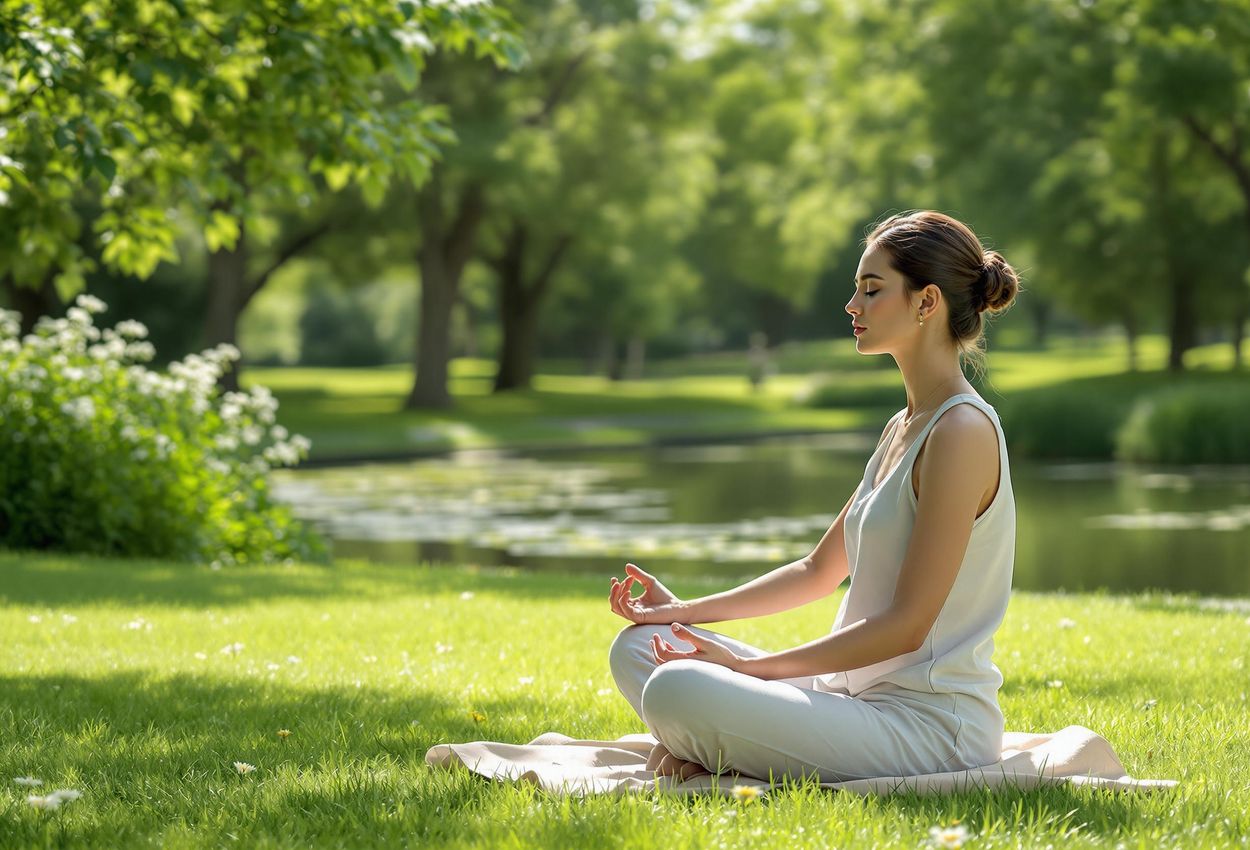
The true power of eathwork lies not just in understanding its theoretical benefits, but in actively integrating it into your daily life. Even small changes in your routine can yield significant improvements in your stress levels, mood, and overall well-being. The key is to find ways to incorporate eathwork techniques into your existing habits and routines, making it a seamless and sustainable part of your lifestyle. One simple way to integrate eathwork into your daily life is to set reminders to practice throughout the day. Use your smartphone or computer to schedule short eathwork eaks, perhaps for just a few minutes at a time. These eaks can be used to practice diaphragmatic eathing, the 4-7-8 technique, or any other eathwork exercise that you find helpful.
Another effective strategy is to incorporate eathwork into your morning or evening routine. Start your day with a few minutes of mindful eathing to set a calm and focused tone for the day ahead. End your day with a eathwork practice to release any accumulated stress and prepare for a restful night's sleep. You can also use eathwork during stressful situations to help you stay calm and centered. When you feel yourself becoming overwhelmed or anxious, take a few deep eaths and focus on your eath. This can help to interrupt the stress response and restore a sense of equiliium. Experiment with different eathwork techniques to find what works best for you. Some people prefer the simplicity of diaphragmatic eathing, while others find the structured approach of the 4-7-8 technique more effective. The key is to find a technique that resonates with you and that you can easily incorporate into your daily life.
Remember that even a few minutes of daily practice can yield significant benefits. Consistency is key. The more you practice eathwork, the easier it will become to access a state of calm and equiliium whenever you need it. You can also explore different resources to deepen your understanding of eathwork and enhance your practice. Consider taking a eathwork class or workshop, or exploring online resources such as guided meditations and instructional videos. With a little effort and experimentation, you can integrate eathwork into your daily life and experience its transformative benefits firsthand.

Luxury eathwork Retreats: Immerse Yourself in Transformative Healing
For those seeking a truly immersive and transformative experience, luxury eathwork retreats offer an unparalleled opportunity to delve deep into the practice and unlock its full potential. These retreats combine expert guidance, serene environments, and luxurious amenities to create a space where you can fully disconnect from the stresses of daily life and reconnect with your inner self. The benefits of attending a luxury eathwork retreat are numerous. You will have the opportunity to learn from experienced instructors who can guide you through a variety of eathwork techniques and help you to tailor your practice to your individual needs. You will also be surrounded by a supportive community of like-minded individuals who are on a similar journey of self-discovery.
The serene environments of luxury eathwork retreats provide the perfect backdrop for deep relaxation and healing. Many retreats are located in stunning natural settings, such as the rolling hills of Tuscany, the lush rice paddies of Bali, or the viant souks of Marrakech. These locations offer a sense of tranquility and escape that can be difficult to find in our everyday lives. In addition to eathwork sessions, luxury retreats often offer a variety of other activities designed to promote well-being, such as yoga, meditation, spa treatments, and gourmet meals. You can indulge in nourishing cuisine, relax with a massage, or explore the local culture. The combination of these experiences can create a truly transformative journey, leaving you feeling refreshed, rejuvenated, and deeply connected to your inner self.
Examples of luxury eathwork retreats include Bluestone Retreats in Hampshire, which offers a range of wellness programs in a tranquil countryside setting, and eath in Bliss Luxury Byron Retreat in Australia, which combines eathwork with yoga, meditation, and nature immersion. These retreats provide a unique opportunity to escape the stresses of modern life and immerse yourself in the transformative power of eathwork. Whether you are seeking to reduce stress, improve your mood, or enhance your overall well-being, a luxury eathwork retreat can provide the tools and support you need to achieve your goals. The investment in your well-being is an investment in your future. By taking the time to disconnect from the outside world and reconnect with your inner self, you can unlock a deeper sense of peace, joy, and fulfillment.