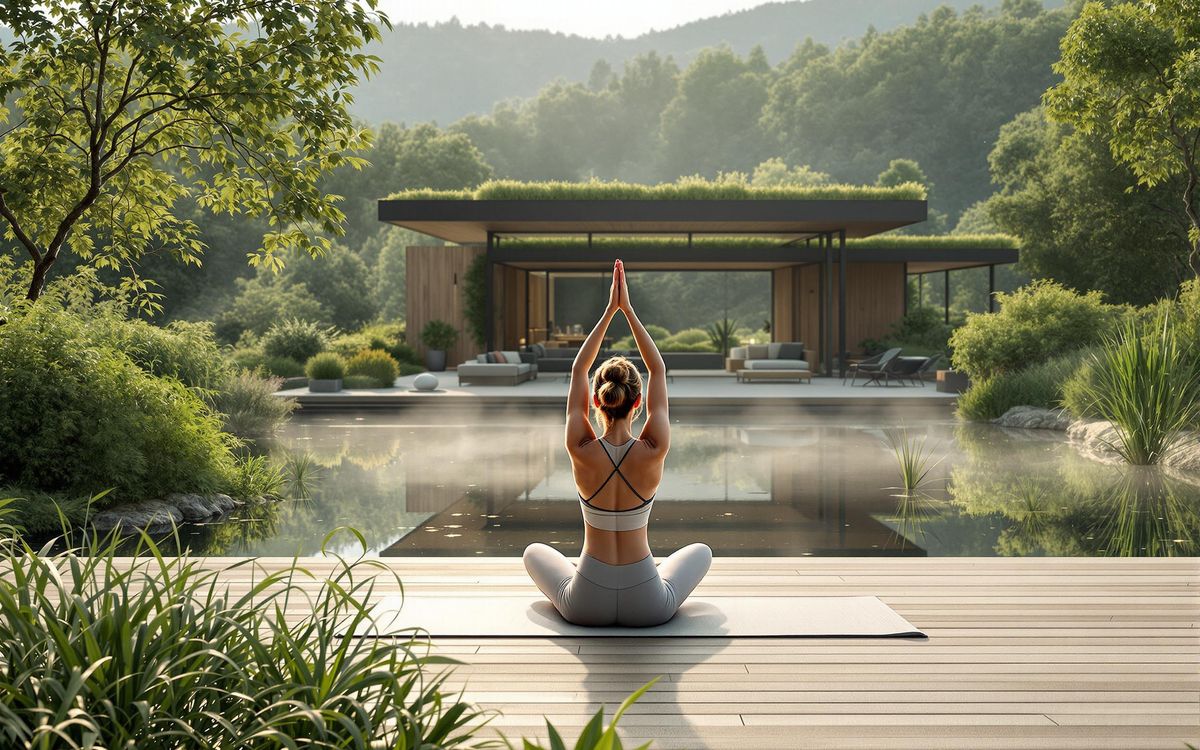
The future of home design is here, and it's focused on wellness. More than just a roof over your head, wellness real estate is transforming living spaces into havens that actively promote physical, mental, and emotional well-being. From advanced air purification systems to circadian lighting, discover how homes are being designed to enhance every aspect of your life.
Defining Wellness Real Estate: More Than Just a Home
Wellness real estate represents a paradigm shift in how we perceive our living spaces. It moves beyond the conventional focus on aesthetics and basic amenities to prioritize the holistic health of its residents. This means that every aspect of the property, from its design and construction to its ongoing management, is carefully considered to foster well-being. Unlike traditional real estate, which may offer a gym or a swimming pool as an afterthought, wellness real estate integrates health-enhancing features into the very faic of the home.
Certifications like WELL and Fitwel serve as benchmarks for wellness real estate, ensuring that properties meet stringent standards for air and water quality, lighting, and access to healthy food and fitness opportunities. These certifications provide buyers with assurance that their homes are designed to support their health.
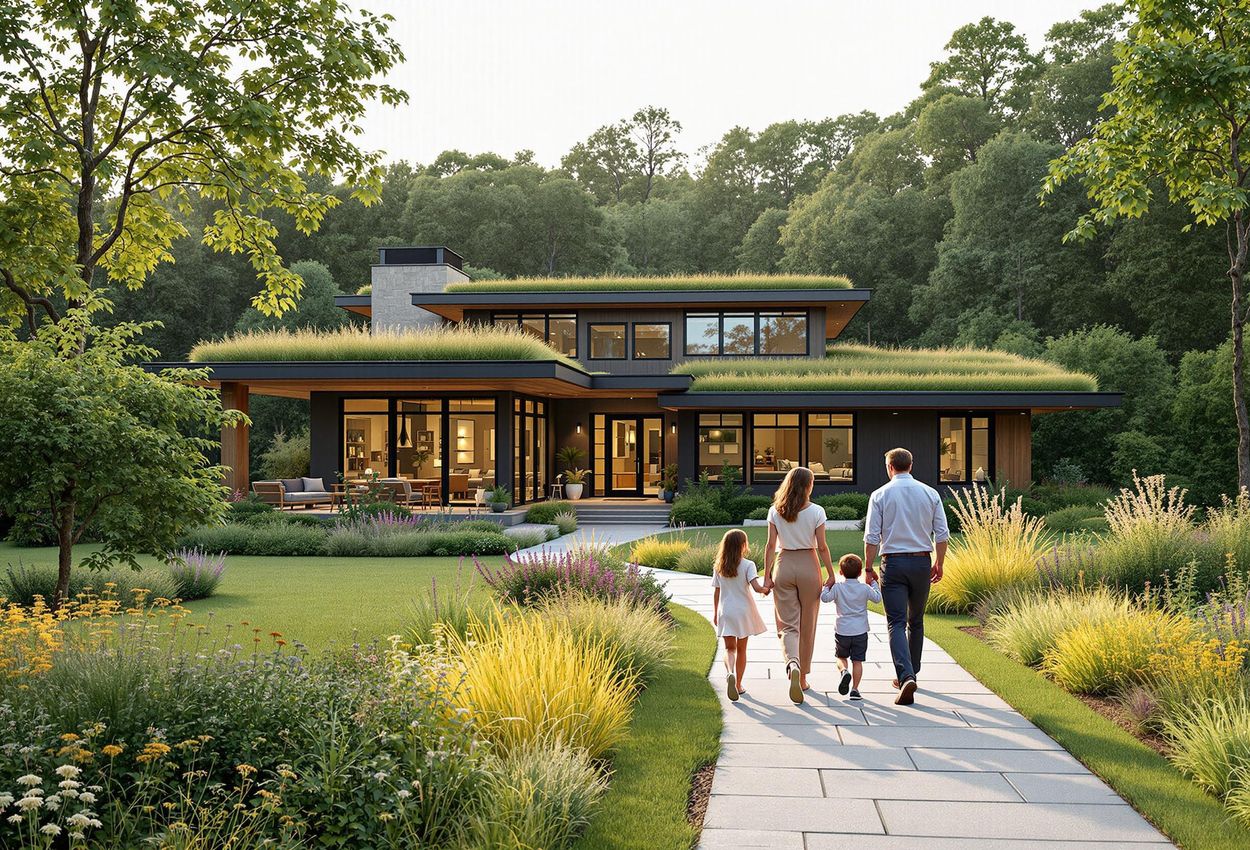
One notable example of wellness real estate is Serenbe in Georgia. Founded by Steve Nygren, Serenbe is a community built on the principles of wellness, sustainability, and connection to nature. Another example is the Middle Earth Towers at UC Irvine, which incorporates biophilic design and promotes physical activity through its layout.
u201cMy vision for Serenbe was to create a place where people could live in harmony with nature, where they could walk to the grocery store, where children could play safely outdoors,u201d explains Steve Nygren, founder and CEO of Serenbe. u201cWe wanted to build a community that fostered health and well-being in every aspect of life.u201d
Wellness real estate is not just about adding a few health-conscious features; it's about creating an environment that nurtures the mind, body, and spirit. It's about redefining what it means to live well.
Air and Water: The Foundation of a Healthy Home
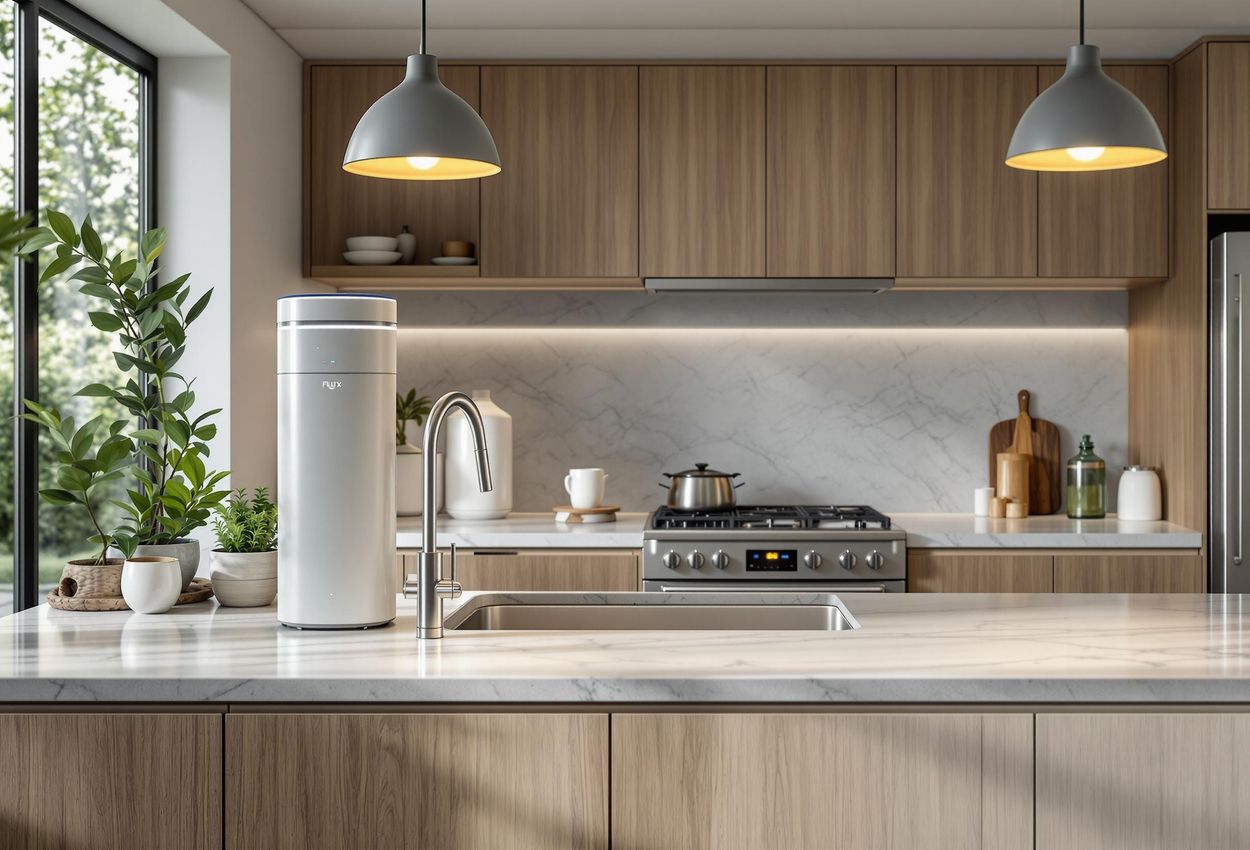
At the heart of wellness real estate lies a commitment to providing residents with the purest air and water possible. Air and water purification systems are not merely optional upgrades but fundamental components of a healthy home. These systems play a crucial role in mitigating exposure to harmful pollutants and contaminants, thereby promoting improved physical health and overall well-being.
Specific technologies employed in wellness real estate include HEPA filters, which are adept at capturing airborne particles such as dust, pollen, and mold spores. UV light disinfection systems are utilized to neutralize bacteria and viruses in water sources, while reverse osmosis technology effectively removes dissolved solids, chemicals, and other impurities from drinking water.
Leading ands like Coway and Sans are at the forefront of providing cutting-edge air and water purification solutions for wellness-focused homes. These systems are designed to seamlessly integrate into the home environment, delivering clean air and water without compromising on aesthetics or convenience.
Statistics underscore the profound impact of air and water quality on respiratory health and overall well-being. Studies have shown that exposure to indoor air pollutants can exacerbate respiratory conditions such as asthma and allergies, while contaminated water sources can lead to a host of health issues ranging from gastrointestinal distress to more serious illnesses.
u201cFiltration systems are essential for maintaining a healthy indoor environment,u201d emphasizes a filtration expert from MANN+HUMMEL. u201cThey remove harmful particles and contaminants from the air and water, protecting residents from a wide range of health risks.u201d
By prioritizing air and water quality, wellness real estate sets a new standard for healthy living, ensuring that residents can eathe easy and drink with confidence.
Let There Be (the Right Kind of) Light: Circadian Lighting and its Benefits
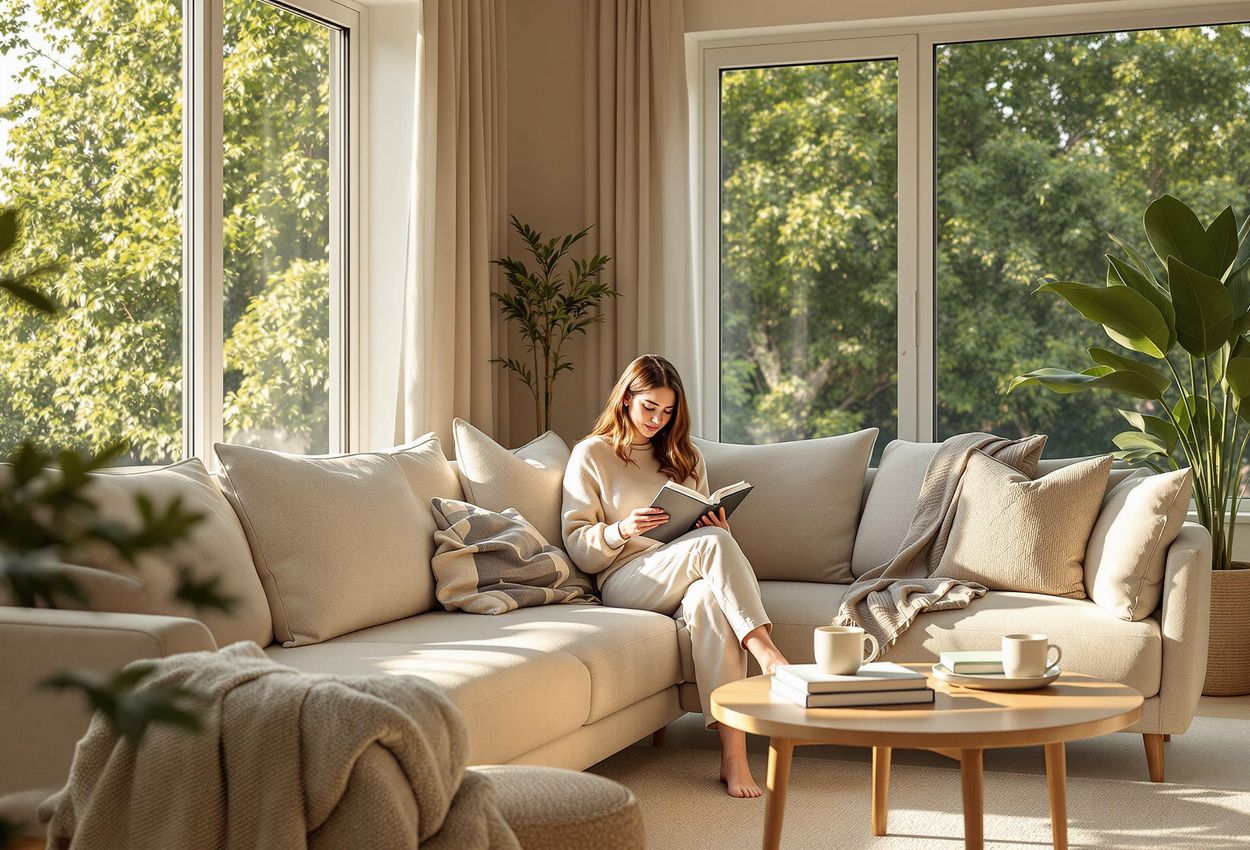
In the realm of wellness real estate, lighting transcends mere illumination to become a powerful tool for regulating sleep-wake cycles, elevating mood, and enhancing productivity. Circadian lighting systems, meticulously designed to mimic natural light patterns, are revolutionizing home design by optimizing the body's internal clock.
The science behind circadian rhythms reveals the intricate interplay between light exposure and hormone production. Sunlight, particularly blue light, suppresses the release of melatonin, a hormone that promotes sleepiness, while darkness triggers its production. By synchronizing indoor lighting with these natural rhythms, circadian lighting systems help to stabilize sleep patterns, combat fatigue, and improve overall well-being.
Examples of circadian lighting technologies abound, ranging from smart bulbs that automatically adjust color temperature throughout the day to integrated lighting systems that seamlessly transition from energizing daylight to soothing evening hues. ands like BIOS Lighting and Flexfire LEDs are at the forefront of this innovation, offering a diverse array of solutions tailored to individual needs and preferences.
u201cCircadian lighting can be a game-changer for people who struggle with sleep or mood disorders,u201d explains an expert at BIOS Lighting. u201cBy providing the right kind of light at the right time, we can help people feel more alert during the day and more relaxed at night.u201d
Furthermore, circadian lighting offers a potent remedy for Seasonal Affective Disorder (SAD), a condition characterized by feelings of depression and fatigue during the winter months. In locales such as Minneapolis, where sunlight is scarce during winter, circadian lighting can help to alleviate SAD symptoms by supplementing natural light exposure.
inging the Outside In: Biophilic Design Principles
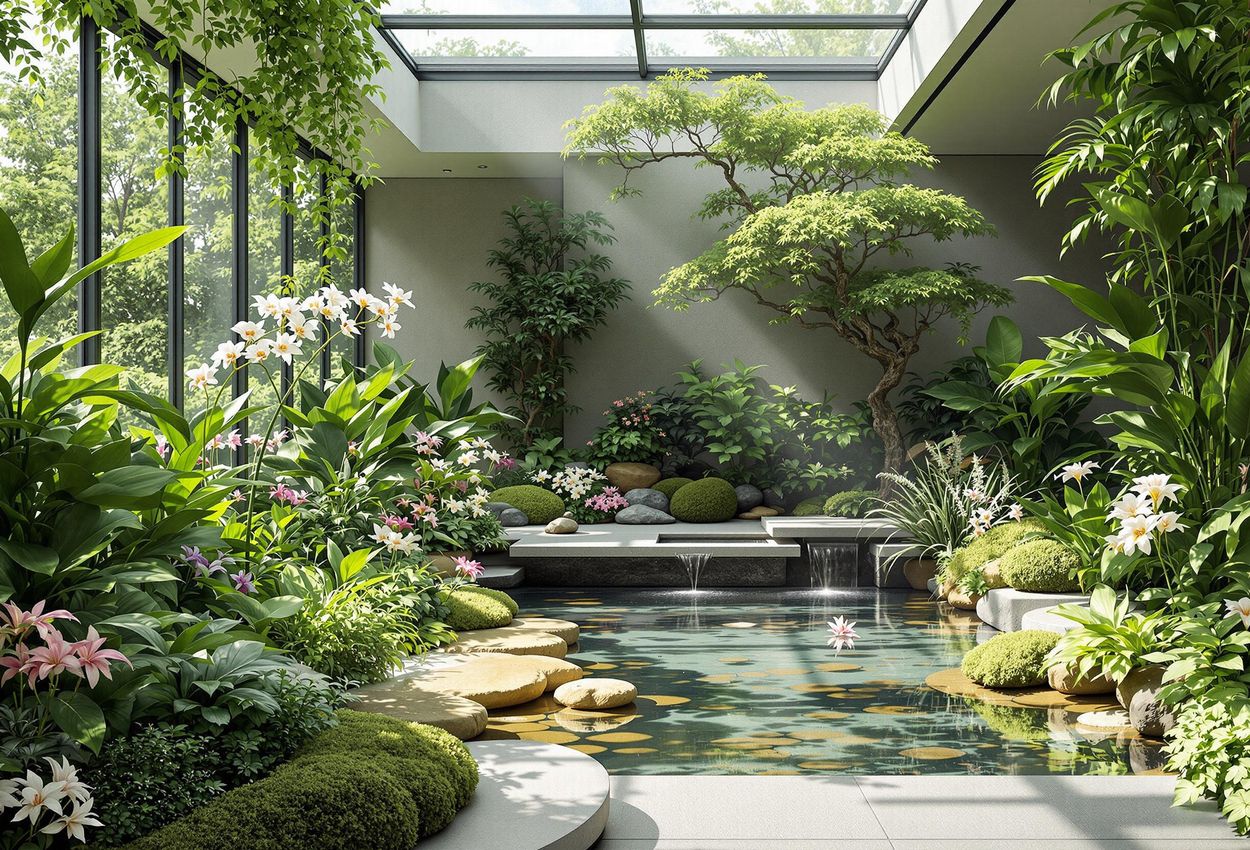
Biophilic design, the practice of integrating natural elements into indoor environments, is experiencing a surge in popularity within the realm of home design. This approach recognizes the innate human connection to nature and seeks to harness its restorative power to create healthier, more harmonious living spaces.
By incorporating elements such as plants, wood, stone, and water features, biophilic design endeavors to reduce stress, enhance focus, and improve air quality. Studies have demonstrated that exposure to natural elements can lower blood pressure, reduce muscle tension, and promote a sense of calm and well-being.
Examples of biophilic design in homes are diverse and imaginative, ranging from verdant green walls that purify the air to tranquil indoor gardens that provide a sanctuary for relaxation. Maximizing natural light through expansive windows and skylights is another key aspect of biophilic design, allowing residents to bask in the warmth and vitality of the sun.
Designers like Christina Lynn Interiors and Cates Fine Homes are at the forefront of blending Japandi aesthetics with biophilic design principles. Their creations seamlessly integrate natural materials and minimalist design elements to create serene and inviting living spaces.
Connecting indoor spaces with outdoor amenities such as gardens and patios further enhances the benefits of biophilic design, particularly in areas like Marine on St. Croix, where residents can immerse themselves in the beauty of the surrounding landscape.
The Sound of Silence: Acoustic Design for Tranquility
In the relentless cacophony of modern life, acoustic design emerges as a critical element in fostering a peaceful and healthy living environment. Noise pollution, an often-overlooked environmental hazard, can exert a detrimental impact on both mental and physical well-being, contributing to stress, sleep disturbances, and even cardiovascular problems.
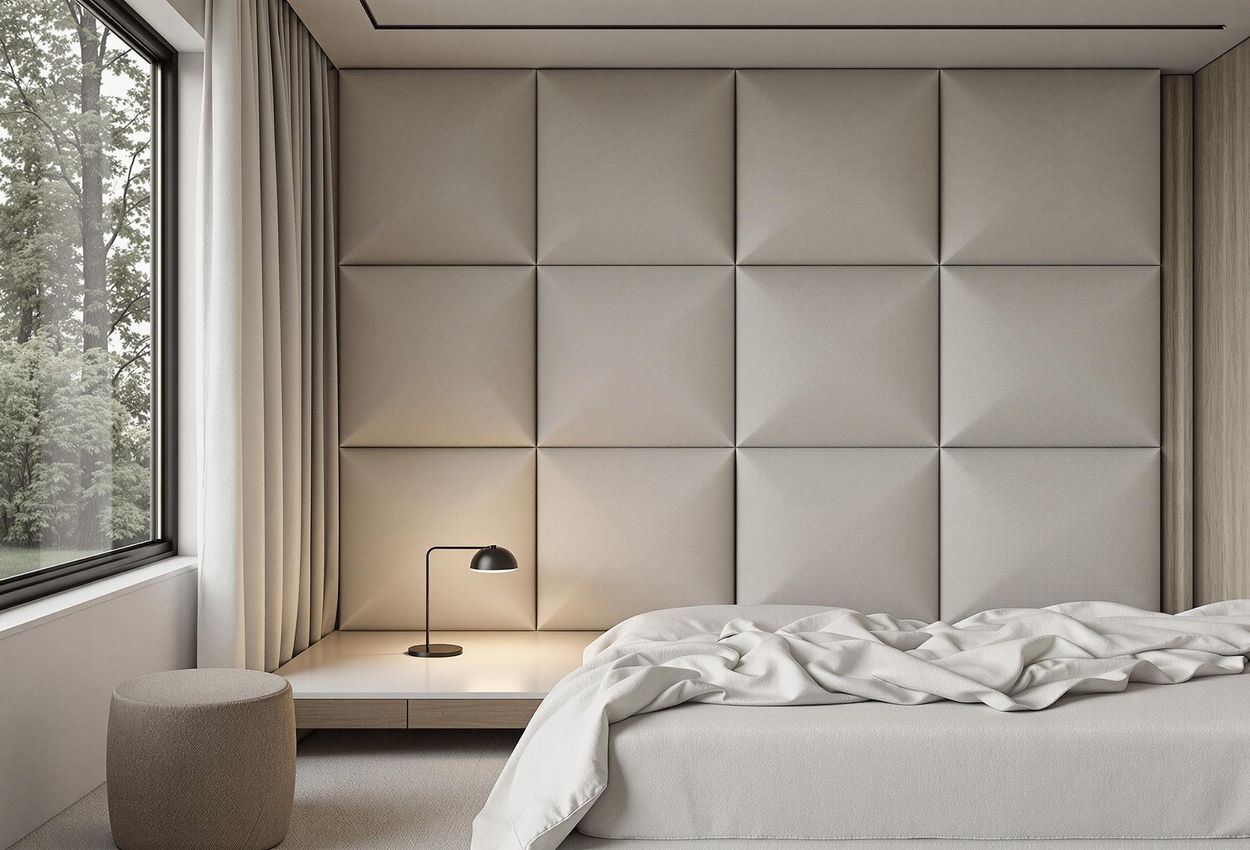
Specific strategies for soundproofing homes are multifaceted, encompassing the use of acoustic panels to absorb sound waves, heavy curtains to dampen external noise, and double-glazed windows to minimize sound transmission. Innovative sound-dampening materials and technologies are continually being developed to further enhance acoustic comfort.
In locations where noise levels are particularly elevated, such as homes situated near airports or bustling city centers like those in Chicago, the implementation of robust soundproofing measures becomes paramount. Residents in these areas stand to benefit significantly from the tranquility afforded by effective acoustic design.
By creating a serene and hushed living environment, acoustic design not only enhances comfort but also promotes relaxation, concentration, and overall well-being. It transforms the home into a sanctuary from the noise and chaos of the outside world.
Smart Homes, Healthy Homes: Integrating Technology for Wellness
Smart home technology is revolutionizing the way we live, offering a myriad of features designed to enhance convenience, comfort, and security. However, its potential extends far beyond mere automation, with the ability to transform homes into proactive hubs of wellness.
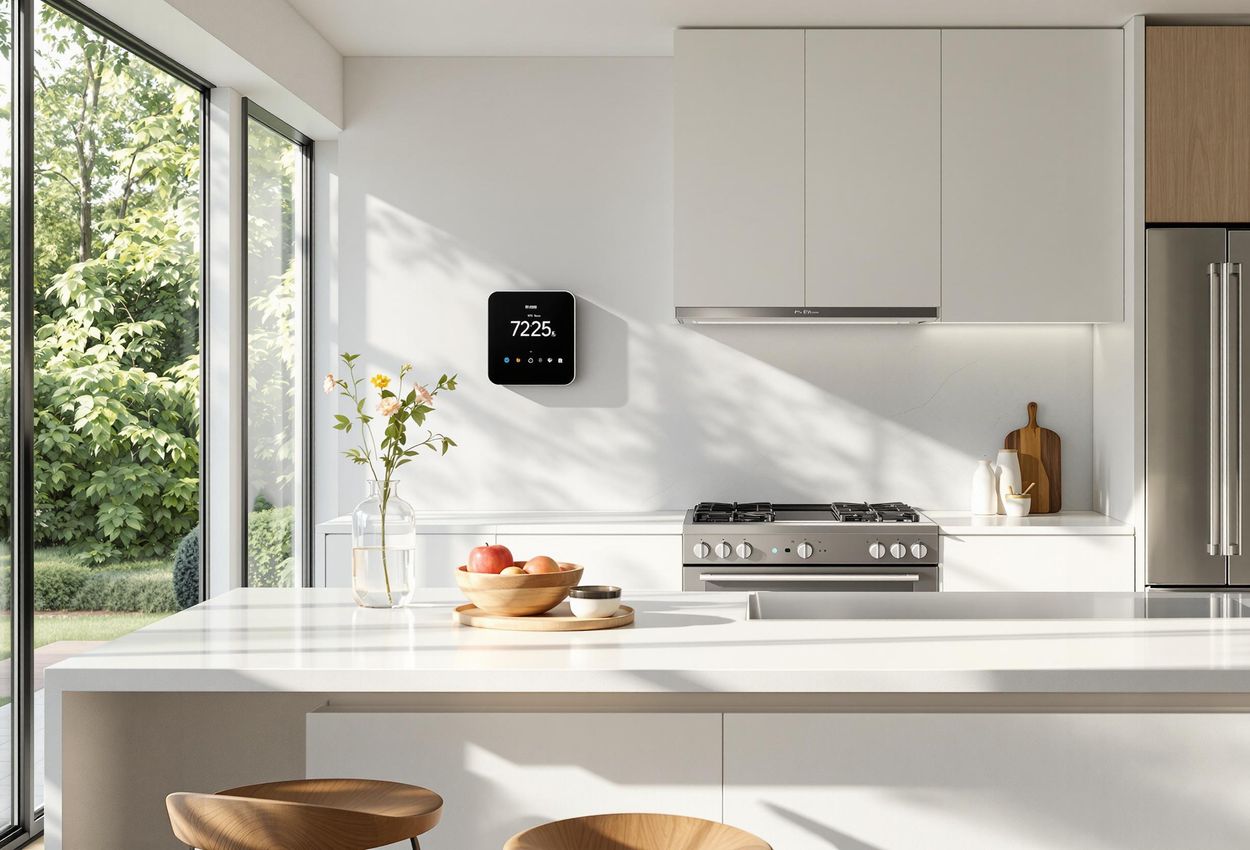
Smart thermostats, for example, enable precise temperature control, ensuring optimal thermal comfort while minimizing energy consumption. Automated lighting systems, synchronized with circadian rhythms, promote healthy sleep patterns and boost mood. Air quality monitoring systems provide real-time feedback on indoor air quality, alerting residents to potential pollutants and prompting them to take corrective action.
Specific smart home systems and devices that contribute to a healthier living environment include the SPAN Panel MLO 48, which offers comprehensive energy monitoring and control, and smart air purifiers that automatically adjust filtration levels based on air quality readings.
In affluent areas like those in Dubai, where luxury and innovation converge, smart home technology is seamlessly integrated into high-end residences, creating living spaces that are as intelligent as they are opulent.
By harnessing the power of technology, smart homes are empowering residents to take control of their health and well-being, creating living environments that are not only comfortable and convenient but also conducive to a healthier lifestyle.
Active Living by Design: Fitness and Movement Integration
Wellness real estate recognizes the pivotal role of physical activity in promoting overall health and well-being, and as such, it incorporates features that encourage movement and fitness into its very design. This proactive approach aims to seamlessly integrate exercise into daily life, making it easier for residents to stay active and healthy.
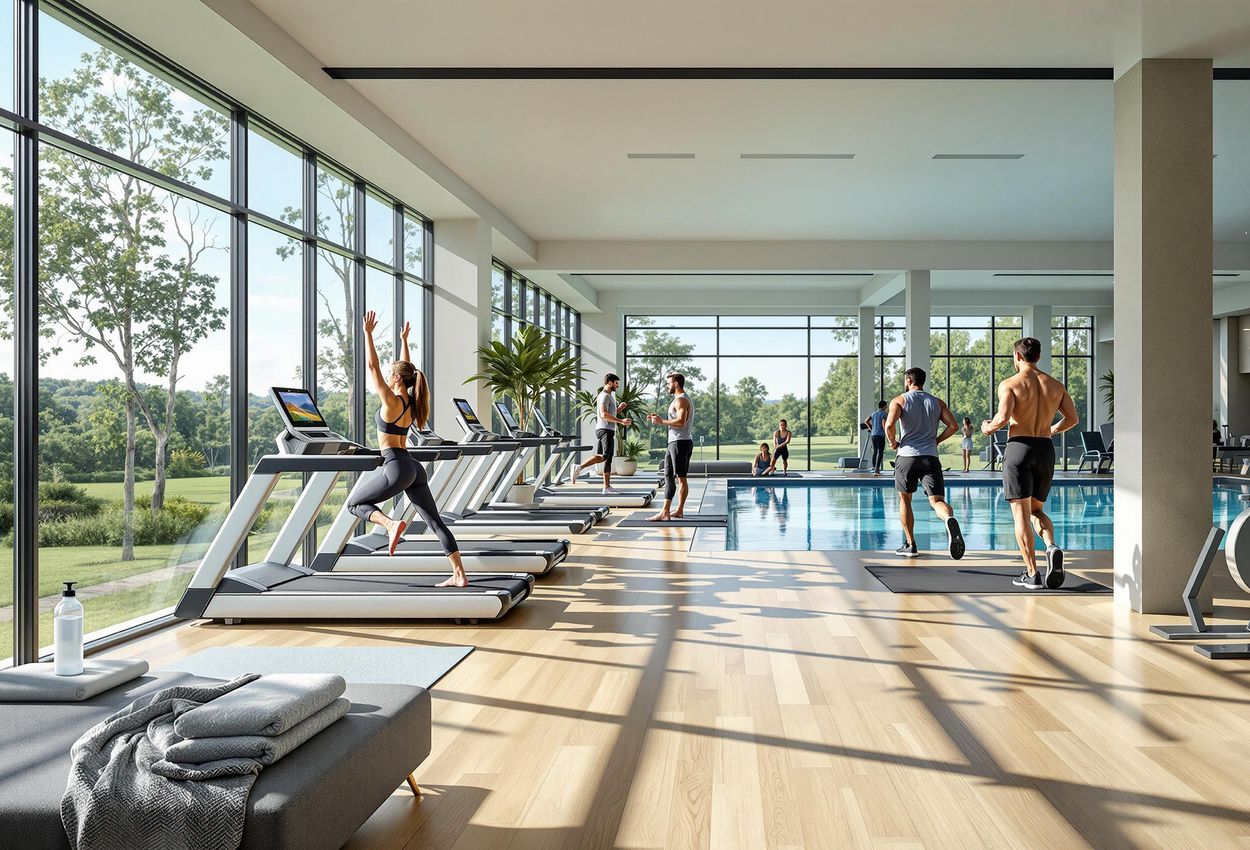
The inclusion of amenities such as state-of-the-art fitness centers, serene yoga studios, scenic walking trails, and refreshing swimming pools provides residents with ample opportunities to engage in physical activity without ever having to leave their community.
Communities that prioritize walkability and outdoor recreation foster a culture of movement and exercise, encouraging residents to emace an active lifestyle. These communities often feature pedestrian-friendly streets, bike lanes, and access to parks and green spaces, making it easy for residents to incorporate physical activity into their daily routines.
Developers like Strive2BFit specialize in fitness center design for real estate, creating workout spaces that are both functional and aesthetically pleasing. Their expertise ensures that residents have access to top-of-the-line equipment and facilities.
In locations like Park City, Utah, where outdoor recreation is a way of life, properties are designed to seamlessly integrate fitness into their design, with ski-in/ski-out access, hiking trails, and other amenities that cater to active individuals.
Community and Connection: Social Wellness in Real Estate
Beyond the physical aspects of wellness, community and social interaction play a vital role in promoting overall well-being. Wellness real estate recognizes the importance of fostering a sense of community among residents, creating opportunities for social connection and engagement.
Wellness real estate developments are thoughtfully designed to encourage social interaction, with shared spaces such as gardens, communal kitchens, and event spaces serving as hubs for community gatherings. These spaces provide residents with opportunities to connect with their neighbors, share experiences, and build meaningful relationships.
Communities that prioritize social connection and engagement have been shown to reduce loneliness, increase life satisfaction, and improve overall health outcomes. Studies have demonstrated that strong social connections can buffer against stress, boost the immune system, and even extend lifespan.
Initiatives by the Global Wellness Institute promote community building in real estate, encouraging developers to create spaces that foster social interaction and engagement. These initiatives recognize the profound impact of social connections on health and well-being.
By prioritizing community and connection, wellness real estate creates living environments that are not only healthy and sustainable but also socially enriching, fostering a sense of belonging and purpose among residents.

The Financial Benefits: Wellness as an Investment
While the health and well-being benefits of wellness real estate are undeniable, there are also compelling financial advantages to consider. Wellness real estate has the potential to increase property values and accelerate sales, making it an attractive investment for both developers and buyers.
Buyers are increasingly willing to pay a premium for homes with wellness features, recognizing the long-term value of investing in their health and well-being. Homes with air and water purification systems, circadian lighting, and biophilic design elements command higher prices than comparable properties without these features.
The wellness real estate market is experiencing rapid growth, with its value projected to reach trillions of dollars in the coming years. This growth is fueled by increasing awareness of the importance of wellness and a growing demand for homes that support a healthy lifestyle.
Real estate agents report faster sales for homes with wellness amenities, as buyers are drawn to the promise of a healthier and more sustainable living environment. These homes often sell more quickly and at higher prices than traditional properties.
In areas like Ras Al Khaimah, developers like The Luxe Developers are seeing increased demand for wellness-focused properties, as buyers seek homes that offer a sanctuary from the stresses of modern life.
Wellness Experts and the Future of Home Design
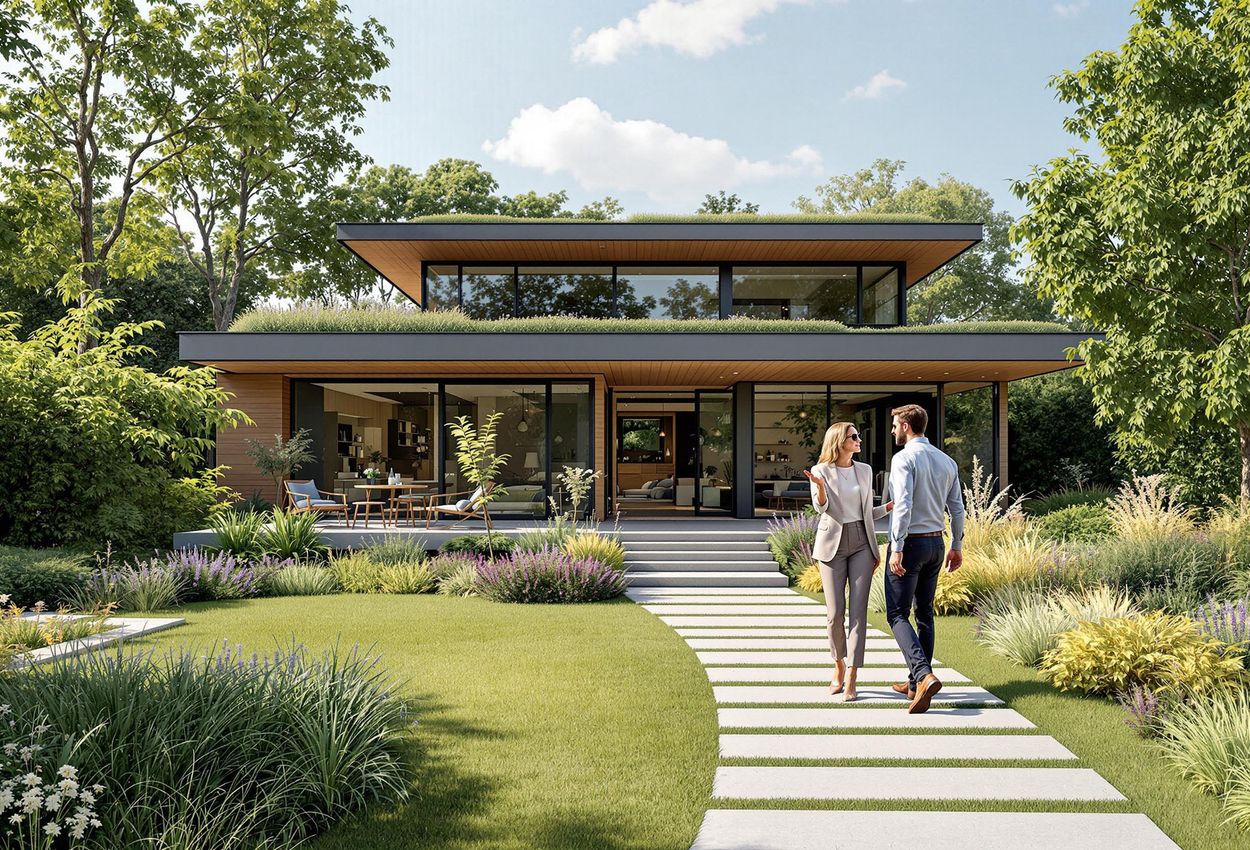
Wellness experts, architects, and designers are playing a pivotal role in shaping the future of home design, integrating wellness principles into their work to create healthier and more sustainable living spaces. These professionals are at the forefront of the wellness real estate movement, driving innovation and setting new standards for healthy building practices.
Architects and designers known for their focus on wellness design, such as those at Gensler and Biofilico, are creating homes that are not only aesthetically pleasing but also conducive to health and well-being. Their designs incorporate natural materials, maximize natural light, and promote air and water quality.
Wellness consultants like Amy McDonald and Teri Slavik-Tsuyuki are working with developers to integrate wellness principles into their projects, ensuring that every aspect of the development is designed to promote health and well-being.
u201cMy vision for the future of wellness real estate is one where every home is designed to support the health and well-being of its residents,u201d says Amy McDonald. u201cWe need to move beyond simply building houses to creating living environments that nurture the mind, body, and spirit.u201d
The potential of wellness real estate to improve people's health and well-being in the long term is immense. By creating homes that prioritize wellness, we can create healthier, happier, and more sustainable communities for generations to come.