Silent Retreats: Finding Inner Peace in Solitude
In a world saturated with noise, both literal and digital, the allure of silence beckons as a potent antidote to the stresses of modern life. Silent retreats offer a sanctuary, a space carved out from the relentless demands of communication and connection, where the whispers of the soul can finally be heard.
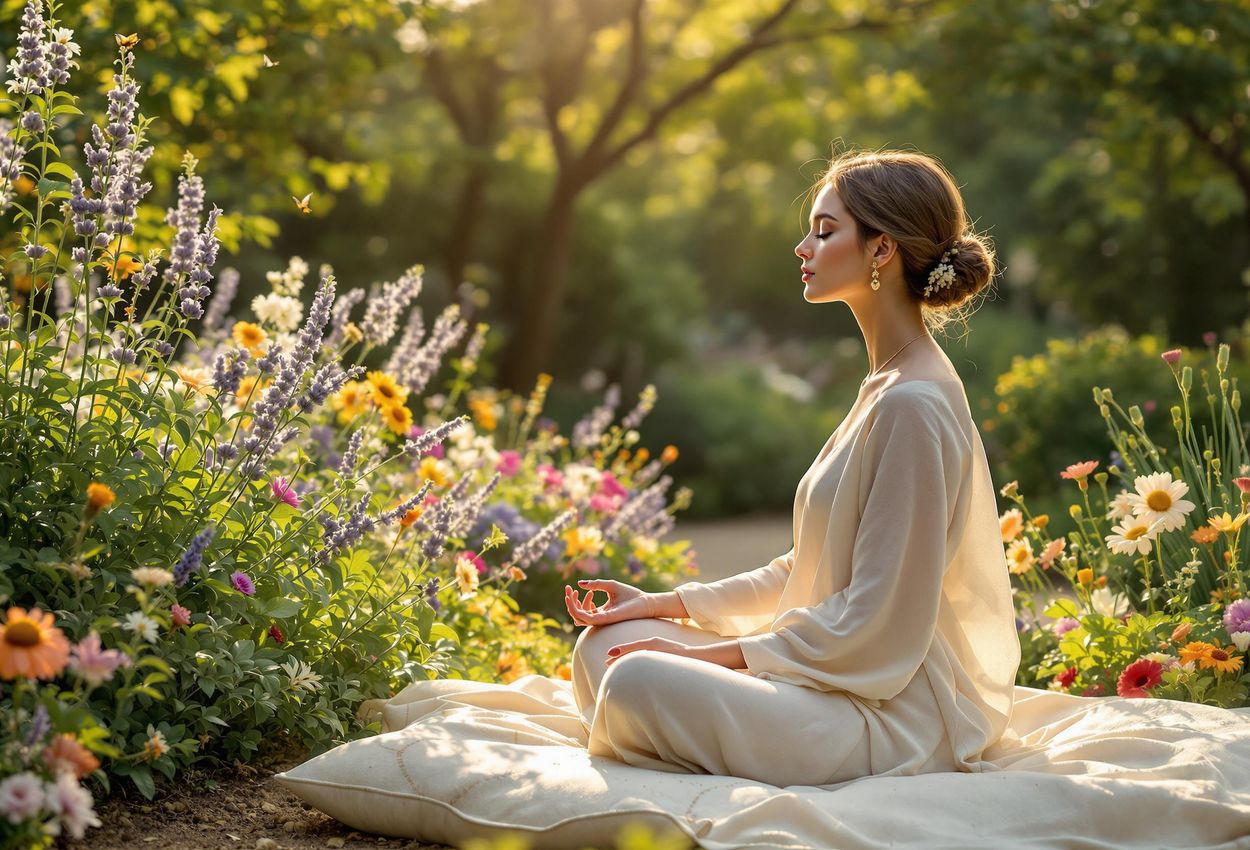
Imagine stepping away from the incessant ping of notifications, the clamor of city streets, and the endless stream of information vying for your attention. A silent retreat is precisely that: an intentional immersion into stillness, designed to foster inner peace, self-reflection, and profound spiritual growth. It's an opportunity to disconnect from the external world and reconnect with the quiet wisdom within.
The benefits of silence extend far beyond a simple eak from the noise. Scientific studies have revealed its remarkable impact on our mental and emotional well-being. Silence has been shown to reduce cortisol levels, the hormone associated with stress, leading to a greater sense of calm and relaxation. It enhances focus and concentration by minimizing distractions and allowing the mind to settle. Furthermore, silence improves emotional regulation by providing space for processing feelings without immediate reaction, and it cultivates mindfulness by encouraging present moment awareness.
Consider the story of Anna, a driven marketing executive constantly tethered to her smartphone. Overwhelmed by the demands of her job and the pressures of social media, she felt increasingly anxious and disconnected. Seeking respite, she booked a week-long silent retreat in the mountains. Initially, the silence was unnerving. Her mind raced with thoughts and worries. But as the days passed, a subtle shift occurred. The constant mental chatter began to subside, replaced by a sense of spaciousness and clarity. She discovered a newfound appreciation for the simple beauty of nature and a deeper understanding of her own inner landscape. Anna returned from the retreat feeling refreshed, grounded, and equipped to navigate the challenges of her life with greater equanimity.

Disconnect to Reconnect: Emacing Digital Detox at a Silent Retreat
The modern world is a symphony of pings, rings, and viations. Our smartphones, tablets, and laptops have become extensions of ourselves, constantly vying for our attention. Silent retreats offer a crucial opportunity to disconnect from this digital deluge and reconnect with something far more profound: our own inner selves.
The digital detox aspect of a silent retreat is often the most challenging, yet also the most rewarding. For many, the thought of relinquishing their phones and social media accounts is akin to severing a vital lifeline. The constant stream of information and notifications has become so ingrained in our daily lives that its absence can feel unsettling, even anxiety-provoking. However, it is precisely in this absence that true self-connection can flourish.
Imagine the freedom of waking up without immediately reaching for your phone. Instead of scrolling through endless feeds, you can greet the day with a quiet cup of tea and a moment of mindful reflection. Throughout the day, you are free to engage in activities without the distraction of emails, texts, or social media updates. This uninterrupted time allows you to fully immerse yourself in the present moment, whether you are meditating, walking in nature, or simply enjoying the company of your own thoughts.
The benefits of disconnecting from technology extend far beyond the retreat itself. Studies have shown that reducing screen time can improve sleep quality, boost creativity, and enhance overall well-being. By consciously limiting our exposure to digital stimuli, we can cultivate greater focus, improve our ability to concentrate, and reclaim our attention from the forces that constantly seek to capture it.
For those struggling with digital withdrawal, there are practical tips that can ease the transition. Start by setting small, achievable goals, such as turning off notifications or designating specific times for checking email. Practice mindful eathing techniques to manage anxiety and resist the urge to reach for your phone. Engage in activities that you find enjoyable and fulfilling, such as reading, writing, or spending time in nature. Remember that the goal is not to eliminate technology entirely, but rather to cultivate a healthier relationship with it, one that supports your well-being rather than detracts from it.

Journey Inward: Navigating Emotions in the Stillness
Silence, while often perceived as a tranquil escape, can also be a powerful catalyst for emotional exploration. When external distractions are removed, the inner landscape becomes more vivid, and long-suppressed emotions may surface. A silent retreat, therefore, is not just about escaping the noise; it's about creating a safe space to confront and process the full spectrum of human experience.
The initial days of a silent retreat can be particularly challenging as the mind grapples with the unfamiliar stillness. Uncomfortable thoughts, unresolved conflicts, and lingering anxieties may arise, demanding attention. It's important to approach these emotions with a sense of non-judgmental awareness and acceptance. Rather than trying to suppress or avoid them, allow them to be present, observing them with curiosity and compassion.
Strategies for processing emotions during a silent retreat include mindful observation, journaling (if permitted by the retreat), and self-compassion practices. Mindful observation involves paying attention to the physical sensations, thoughts, and feelings that arise without getting carried away by them. Journaling can provide a valuable outlet for expressing emotions and gaining clarity about their underlying causes. Self-compassion involves treating yourself with the same kindness and understanding that you would offer to a friend who is struggling.
Consider the experience of David, who attended a silent retreat after a difficult eakup. Initially, he was overwhelmed by feelings of sadness, anger, and regret. He spent hours replaying the events of the relationship in his mind, unable to find peace. However, as he practiced mindful observation and self-compassion, he began to gain a new perspective. He realized that he had been holding onto unrealistic expectations and that the eakup, while painful, was ultimately an opportunity for growth. By the end of the retreat, David felt a sense of closure and a renewed sense of hope for the future.
The key to navigating emotions in the stillness is to remember that they are temporary and ever-changing. Just like clouds passing through the sky, emotions come and go. By practicing non-judgmental awareness and self-compassion, you can learn to weather the emotional storms and emerge with greater resilience and inner peace.

Nurturing the Body, Quieting the Mind: The Role of Nature and Holistic Practices
The environment of a silent retreat plays a crucial role in facilitating relaxation, self-awareness, and inner peace. Natural settings, in particular, have a profound impact on our mental and emotional well-being. The presence of trees, mountains, water, and open skies can soothe the nervous system, reduce stress, and foster a sense of connection to something larger than ourselves.
Imagine waking up to the sound of birdsong, eathing in the fresh, clean air, and gazing out at a panoramic view of rolling hills or a shimmering lake. These sensory experiences can help to quiet the mind and create a sense of spaciousness and tranquility. Many silent retreats are intentionally located in secluded natural settings, providing participants with ample opportunities to immerse themselves in the beauty and serenity of the natural world.
In addition to the natural environment, holistic practices such as yoga, meditation, and mindful walking can further enhance the retreat experience. Yoga combines physical postures, eathing techniques, and meditation to promote relaxation, flexibility, and overall well-being. Meditation involves training the mind to focus on a single point of attention, such as the eath, a mantra, or a visual image, helping to quiet the mental chatter and cultivate inner peace. Mindful walking involves paying attention to the sensations of walking, such as the feeling of your feet on the ground and the movement of your body, fostering present moment awareness and reducing stress.
Healthy food and mindful eating are also integral components of many silent retreats. Meals are often prepared with fresh, whole ingredients and served in a quiet, contemplative setting. Participants are encouraged to savor each bite, paying attention to the flavors, textures, and aromas of the food. This mindful approach to eating can help to cultivate a greater appreciation for nourishment and a deeper connection to the body.
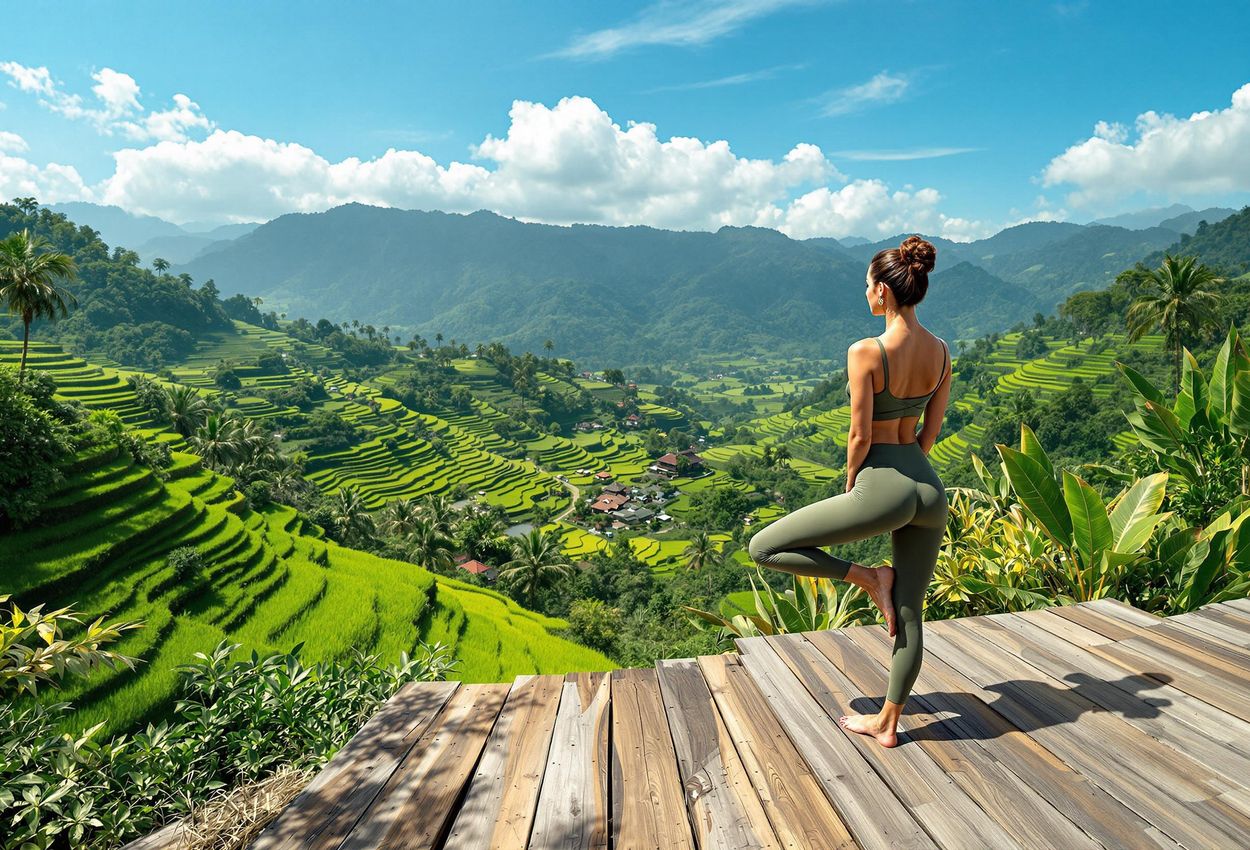
Picture yourself sitting in a sun-drenched meadow, surrounded by wildflowers, as you practice a gentle yoga flow. Feel the warmth of the sun on your skin, the gentle eeze in your hair, and the quiet stillness of the surrounding landscape. As you move through the poses, you become more aware of your body, your eath, and your inner state. This is the essence of a silent retreat: a holistic approach to well-being that nurtures the body, quiets the mind, and nourishes the soul.
Silent Sanctuaries: Exploring Global Destinations for Inner Peace
The world offers a plethora of serene locations perfect for embarking on a silent retreat. Each destination provides a unique atmosphere and cultural context, enhancing the journey of self-discovery. Here are three diverse options:
Hridaya Silent Meditation Retreat, Mexico: Nestled amidst the lush forests and mountains of Mexico, Hridaya offers a family-run retreat center focused on deep meditation practices. What sets Hridaya apart is its unique integration of various spiritual traditions, including Advaita Vedanta, Sufism, Tantra, and Dzogchen. The retreat provides a supportive environment for exploring the depths of one's inner self through intensive meditation sessions, insightful lectures, and mindful movement practices. Accommodation ranges from simple dormitories to private rooms, catering to different budgets and preferences. The overall atmosphere is one of warmth, community, and genuine spiritual seeking.
Dhamma Mutta, Hong Kong: For those seeking a rigorous and traditional approach to silent meditation, Dhamma Mutta in Hong Kong offers a 10-day Vipassana course. This retreat follows a strict code of conduct, with participants adhering to a vow of silence, abstaining from all forms of communication (including written notes), and surrendering their mobile phones and other electronic devices. The daily schedule involves long hours of meditation, interspersed with periods of mindful walking and Dhamma talks. Accommodation is simple and austere, reflecting the emphasis on detachment and inner focus. While challenging, the Dhamma Mutta retreat can be a profoundly transformative experience for those committed to deepening their meditation practice.
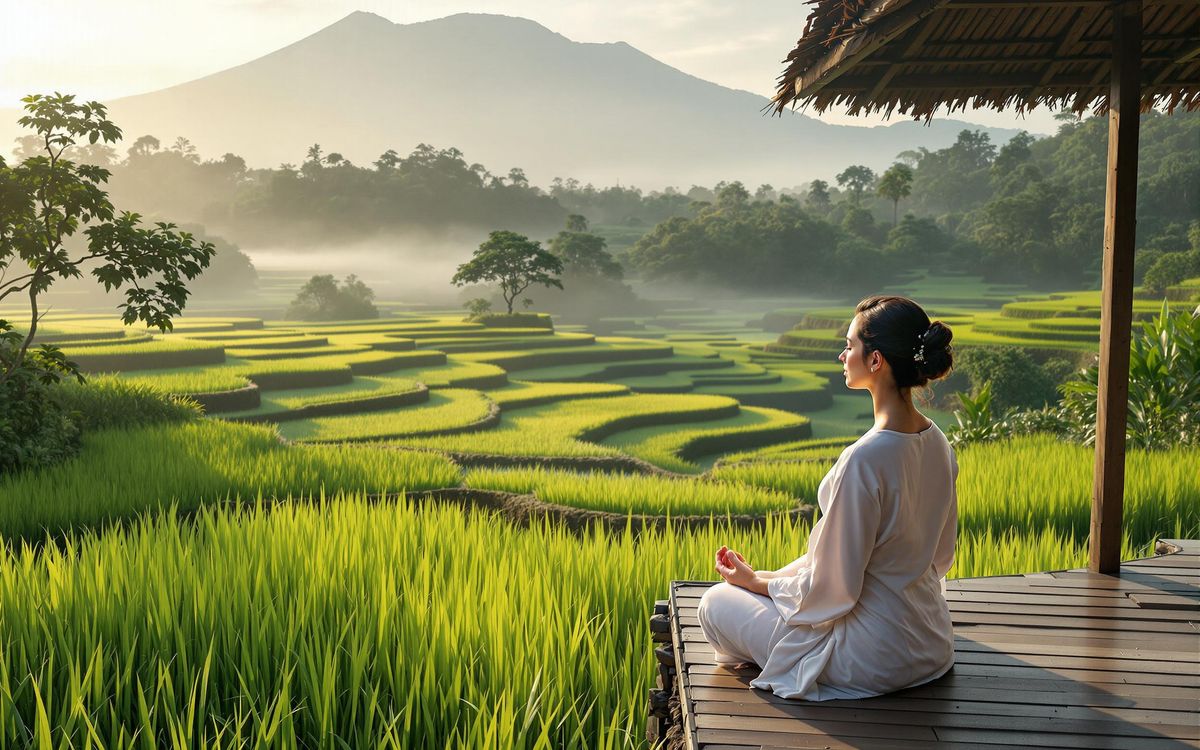
Bali Silent Retreat, Bali: Situated in the tranquil heart of Bali, this retreat is designed as a sanctuary for anyone on a spiritual journey. Unlike more structured retreats, the Bali Silent Retreat offers a flexible program, allowing guests to choose activities that resonate with them. Options include yoga classes, meditation sessions, Balinese cooking workshops, and excursions to local temples and cultural sites. Accommodation ranges from traditional Balinese bungalows to modern eco-villas, all surrounded by lush gardens and rice paddies. The overall atmosphere is one of relaxation, exploration, and gentle self-discovery.
These are just a few examples of the many silent retreat destinations available around the world. When choosing a retreat, it's important to consider your personal preferences, budget, and spiritual goals. Research different options, read reviews, and connect with retreat organizers to find a place that feels right for you.

Preparing for the Quiet: Practical Tips for a Transformative Retreat
Embarking on a silent retreat is a significant undertaking, requiring both mental and logistical preparation. By taking the time to prepare thoughtfully, you can maximize the benefits of the retreat and minimize potential challenges.
Mental Preparation: Cultivating a sense of calm and setting clear intentions are essential first steps. Begin by incorporating short periods of silence into your daily routine, gradually increasing the duration as you become more comfortable. Experiment with different meditation techniques to find one that resonates with you. Reflect on your reasons for attending the retreat and identify specific areas of your life that you would like to explore or transform. Setting intentions can help to focus your attention and guide your inner journey.
Logistical Preparation: Arranging time off from work and informing loved ones about your plans are crucial logistical considerations. Ensure that you have adequate coverage for your responsibilities and that your family and friends understand the nature of the retreat and your need for uninterrupted silence. Pack essentials such as comfortable clothing, a meditation cushion (if desired), a journal and pen (if journaling is permitted), and a watch or alarm clock (to maintain awareness of time without relying on electronic devices). Leave behind unnecessary items that could create distractions, such as smartphones, laptops, and books.
Dietary Preparation: In the weeks leading up to the retreat, focus on nourishing your body with whole, unprocessed foods. Reduce your intake of caffeine, alcohol, and sugar, as these substances can disrupt your sleep and exacerbate anxiety. Consider adopting a vegetarian or vegan diet, as this can promote a sense of lightness and clarity. On the retreat itself, be mindful of your eating habits, savoring each bite and paying attention to your body's signals of hunger and fullness.
Potential challenges that may arise during a silent retreat include feelings of boredom, restlessness, and emotional discomfort. It's important to remember that these feelings are normal and temporary. When they arise, practice mindful observation, allowing them to be present without judgment. Engage in activities that you find grounding and centering, such as walking in nature, practicing yoga, or meditating. If you are struggling with intense emotions, seek support from the retreat organizers or teachers.

Beyond the Spoken Word: Enhanced Communication Through Silence
While a silent retreat might seem counterintuitive for improving communication, it can actually have a profound impact on our ability to connect with others. By intentionally abstaining from speaking, we create space for deeper listening, increased empathy, and more meaningful interactions.
Silence enhances listening skills by removing the temptation to interrupt, formulate responses, or dominate the conversation. When we are not focused on what we want to say, we can truly hear what the other person is saying, both verbally and nonverbally. This deeper level of listening allows us to understand their perspective more fully and respond with greater empathy.
Furthermore, silence can foster empathy by allowing us to connect with our own emotions and experiences. When we are in touch with our own inner landscape, we are better able to understand and relate to the emotions of others. This increased empathy can lead to stronger relationships and more compassionate communication.
Taking a pause before reacting is another powerful communication tool that can be cultivated through silence. In moments of conflict or disagreement, it's often our immediate reactions that escalate the situation. By taking a moment of silence before responding, we can prevent impulsive reactions and choose our words more carefully. This pause allows us to consider the other person's perspective, identify our own triggers, and respond in a way that promotes understanding and resolution.
Consider the example of Sarah and Mark, a couple who had been struggling with communication issues for years. They often found themselves arguing and misunderstanding each other. After attending a silent retreat together, they discovered a new way of communicating. They learned to listen more attentively, to empathize with each other's feelings, and to take a pause before reacting. As a result, their communication improved dramatically, and they were able to resolve conflicts more effectively.

Sustaining the Silence: Integrating Inner Peace into Daily Life
The transformative effects of a silent retreat don't have to end when the retreat is over. By integrating simple practices into your daily life, you can sustain the benefits of silence and cultivate a greater sense of inner peace.
Regular Meditation: Even short periods of daily meditation can help to maintain a sense of calm and focus. Start with just five or ten minutes each day, gradually increasing the duration as you become more comfortable. Find a quiet space where you can sit undisturbed, close your eyes, and focus on your eath. If your mind wanders, gently redirect your attention back to your eath. There are also many guided meditation apps and online resources that can provide support and inspiration.
Mindful Moments: Incorporate moments of silence into your daily routines. Before meals, take a moment to pause and appreciate the food in front of you. During your commute, turn off the radio and simply observe your surroundings. Before going to bed, take a few deep eaths and reflect on the day. These small moments of silence can help to ground you in the present moment and reduce stress.
Digital Boundaries: Set limits on your technology use to reduce distractions. Designate specific times for checking email and social media, and turn off notifications when you need to focus. Create tech-free zones in your home, such as the bedroom or dining room. Consider taking a digital detox day each week, during which you completely disconnect from all electronic devices.
Nature Connection: Spending time outdoors can help to reconnect you with the natural world and cultivate a sense of peace. Take a walk in the park, hike in the mountains, or simply sit under a tree. Observe the beauty of nature, listen to the sounds of the birds and the wind, and eathe in the fresh air. Nature has a remarkable ability to soothe the nervous system and restore a sense of balance.
The journey of self-discovery and inner peace is an ongoing process, not a destination. By emacing silence as a regular practice, you can cultivate a greater sense of well-being, resilience, and connection to yourself and the world around you.