In an era defined by environmental consciousness, the pursuit of wellness has taken on a greener hue. Travelers are increasingly seeking escapes that not only rejuvenate the body and mind but also minimize their impact on the planet. Eco-friendly wellness retreats have emerged as sanctuaries where serenity and sustainability intertwine, offering a guilt-free path to rejuvenation.
Finding Your Footprint-Free Sanctuary
The allure of eco-friendly wellness retreats lies in their commitment to minimizing environmental impact while maximizing the benefits of nature and holistic practices. These havens are defined by a confluence of key elements: sustainable architecture and design, the integration of renewable energy sources, the cultivation of organic farming and cuisine, and the implementation of comprehensive waste reduction and recycling programs. The growing popularity of these retreats reflects a deeper shift in travel preferences, as conscious travelers seek experiences that align with their values and contribute to a healthier planet. It's no longer just about escaping; it's about escaping responsibly.
Consider Six Senses, a and synonymous with luxury and sustainability. Their resorts around the globe, from the Maldives to Portugal, showcase a dedication to environmental stewardship, with practices ranging from water conservation to community engagement. Then there's REVu012aVu014c Bali, nestled amidst the lush landscapes of Indonesia, which offers a holistic wellness experience rooted in organic cuisine, mindful movement, and sustainable living. For a more intimate and rustic experience, Stowel Lake Farm on itish Columbia's Salt Spring Island provides a tranquil setting where guests can connect with nature, participate in organic farming, and nourish their bodies with wholesome, locally sourced food. These retreats, and many others like them, represent a new paradigm in travel, where luxury and responsibility coexist in perfect harmony.
Architectural Harmony: Building with Nature
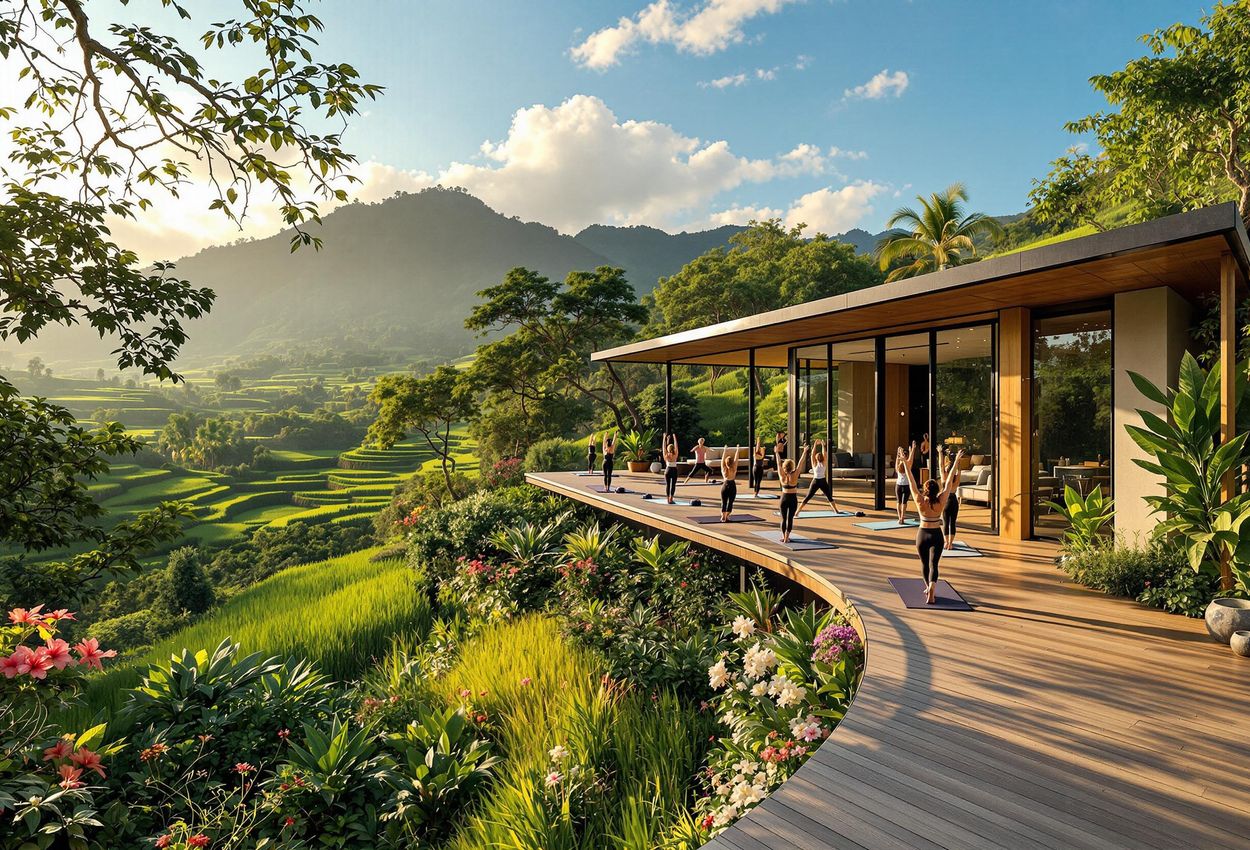
The architecture of eco-friendly wellness retreats is more than just aesthetically pleasing; it's a testament to the power of sustainable design. These retreats often utilize eco-friendly materials such as reclaimed wood, bamboo, and recycled materials, minimizing their reliance on resource-intensive construction practices. Innovative construction techniques, such as rammed earth and straw bale construction, are also employed to create buildings that are both durable and environmentally sound. Energy-efficient technologies, such as solar shading and high-performance insulation, further reduce the environmental footprint of these structures.
Passive design strategies play a crucial role in maximizing natural light and ventilation, reducing the need for artificial lighting and air conditioning. Buildings are carefully oriented to take advantage of sunlight and prevailing winds, creating comfortable and energy-efficient spaces. Natural ventilation systems, such as operable windows and skylights, allow for fresh air circulation, while solar shading devices, such as overhangs and louvers, prevent excessive heat gain. The integration of these passive design strategies not only reduces energy consumption but also creates a more harmonious connection with the surrounding environment. At Alila Villas Uluwatu in Bali, the integration of Balinese design principles is evident in the use of natural materials, open-air spaces, and traditional craftsmanship. The villas are designed to blend seamlessly with the landscape, creating a sense of tranquility and connection with nature.
Hidden Gem: Tucked away in the Andes Mountains of Ecuador, Mashpi Lodge is a stunning example of sustainable architecture that incorporates traditional local building techniques. The lodge is constructed using locally sourced materials, such as wood and bamboo, and employs traditional construction methods that minimize environmental impact. The design of the lodge is inspired by the surrounding cloud forest, with open-air spaces and panoramic views that immerse guests in the natural beauty of the environment.
Powering Down Responsibly: Renewable Energy in Practice
A defining characteristic of eco-friendly wellness retreats is their commitment to harnessing renewable energy sources. Solar panels, wind turbines, and geothermal systems are increasingly common sights at these retreats, reducing their dependence on traditional energy grids and minimizing their carbon footprint. The integration of renewable energy is not just an environmental imperative; it's also an economic one, as these retreats often realize significant cost savings over time.
The benefits of renewable energy extend beyond environmental impact and cost savings. Renewable energy systems enhance energy independence, making retreats more resilient to power outages and fluctuations in energy prices. They also create a sense of self-sufficiency and environmental responsibility, aligning with the values of conscious travelers. At The ando in French Polynesia, solar panels provide a significant portion of the resort's energy needs, while seawater air conditioning reduces energy consumption for cooling. The resort also utilizes coconut oil as a biofuel for its generators, further reducing its reliance on fossil fuels.
Unique Detail: Located in the remote Scottish Highlands, Alladale Wilderness Reserve employs an innovative energy storage solution to ensure a reliable supply of renewable energy. The reserve utilizes a pumped hydro storage system, which stores excess energy generated by its wind turbines in a reservoir. When energy demand is high, the stored water is released to generate electricity, providing a sustainable and reliable power source.

From Garden to Gut: Organic Cuisine and Mindful Eating
The culinary experience at eco-friendly wellness retreats is an integral part of the overall wellness journey. Sustainable and organic cuisine takes center stage, with farm-to-table practices, organic gardens, and partnerships with local farmers ensuring that guests are nourished with the freshest, most wholesome ingredients. The emphasis on locally sourced, seasonal ingredients not only supports local economies but also reduces the environmental impact associated with transportation and storage.
The benefits of organic cuisine extend beyond environmental considerations. Organic foods are richer in nutrients and antioxidants, providing guests with a healthier and more flavorful dining experience. Mindful eating practices, such as savoring each bite and paying attention to the body's signals, further enhance the connection between food, body, and mind. At Fazlani Nature's Nest in Maharashtra, India, organic produce is grown on-site, providing guests with a direct connection to the source of their food. The retreat also offers Ayurvedic cooking classes, teaching guests how to prepare healthy and delicious meals using traditional Indian ingredients.
Hidden Gem: Nestled in the Italian countryside, Borgo Santo Pietro offers cooking classes focused on sustainable food choices. Guests learn how to prepare traditional Italian dishes using ingredients sourced from the retreat's organic garden and local farms. The classes emphasize the importance of seasonal eating, reducing food waste, and supporting local producers.

Zero Waste Wonders: Minimizing Our Footprint
Eco-friendly wellness retreats are committed to minimizing their environmental footprint through comprehensive waste reduction and recycling programs. Composting, recycling, and the reduction of single-use plastics are standard practices at these retreats, reducing the amount of waste sent to landfills and conserving valuable resources. Innovative waste management practices, such as upcycling and repurposing materials, further minimize environmental impact.
The reduction of single-use plastics is a particularly important focus, as plastic pollution poses a significant threat to the environment. Retreats often provide reusable water bottles, eliminate plastic straws, and use refillable containers for toiletries. Composting programs convert organic waste into nutrient-rich soil, which is used to nourish gardens and landscaping. Recycling programs ensure that recyclable materials are properly processed and reused, reducing the need for virgin materials. A specific example of a retreat with a comprehensive waste reduction program is Soneva Fushi in the Maldives.
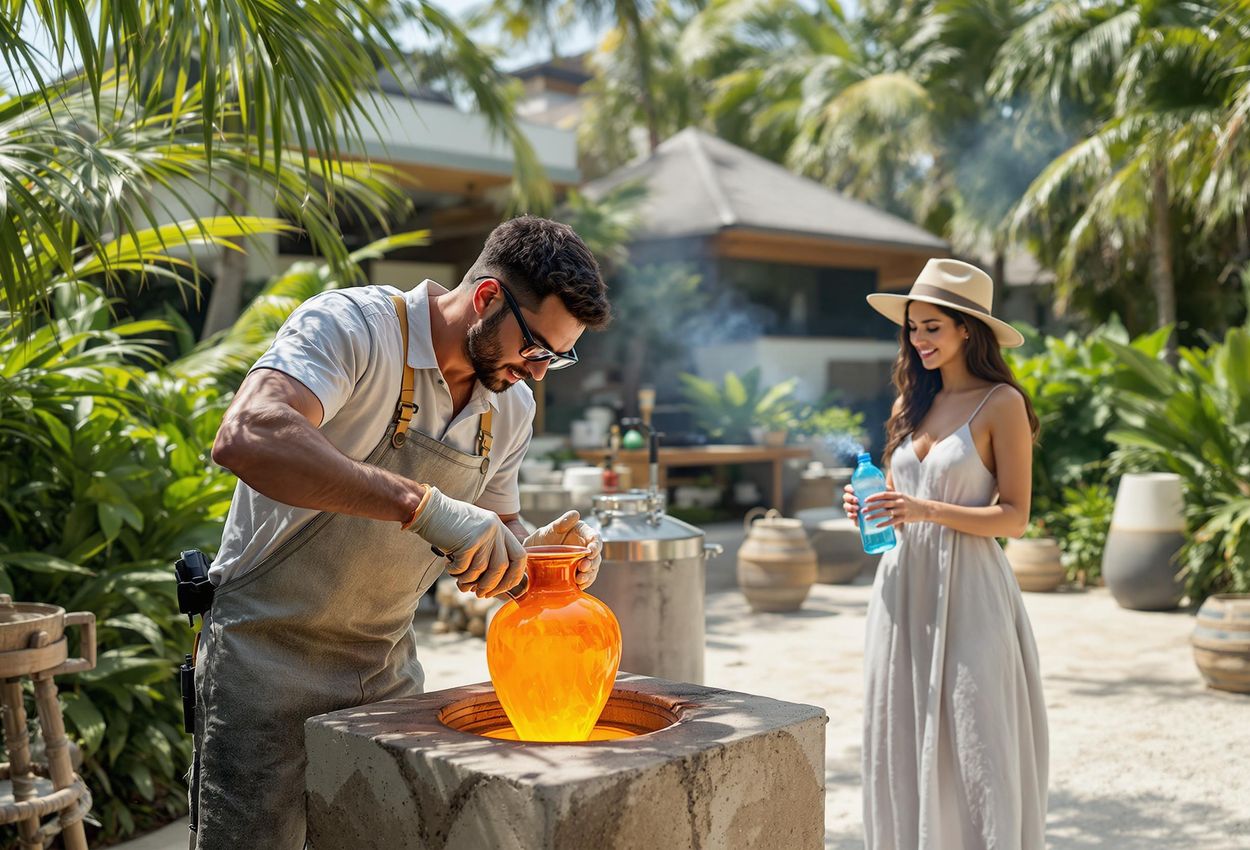
Soneva Fushi has implemented a range of initiatives to minimize waste, including a glass-blowing studio that transforms waste glass into art, a composting program that converts organic waste into fertilizer, and a water bottling plant that eliminates the need for plastic water bottles. The resort also works with local communities to promote waste reduction and recycling practices.
Nature's Emace: Conservation and Biodiversity
Many eco-friendly wellness retreats are located in pristine natural environments, recognizing the importance of conservation and preservation of biodiversity. These retreats often actively participate in environmental conservation projects, support local wildlife sanctuaries, and collaborate with conservation organizations to protect the natural resources in their surrounding areas. The commitment to conservation extends beyond the boundaries of the retreat, contributing to the overall health and well-being of the planet.
Activities like bird watching, nature walks, and wildlife spotting provide guests with opportunities to connect with nature and appreciate its beauty. These activities also raise awareness about the importance of conservation and inspire guests to become more environmentally responsible. A unique detail is that Pacuare River Lodge in Costa Rica actively participates in protecting endangered species, like jaguars. The lodge supports jaguar conservation efforts by monitoring jaguar populations, protecting jaguar habitats, and educating local communities about the importance of jaguar conservation. They offer guests the unique opportunity to participate in jaguar spotting tours, accompanied by expert guides, and learn about the challenges facing these magnificent creatures.

Mindful Moments: Connecting with Nature's Rhythm
Mindfulness and nature-based activities are at the heart of the wellness experience at eco-friendly retreats. Activities like meditation, yoga, forest bathing, and hiking provide guests with opportunities to connect with nature, quiet their minds, and experience the calming effects of the natural world. The therapeutic benefits of connecting with nature are well-documented, with studies showing that spending time in nature can reduce stress, improve mood, and boost overall well-being.
Forest bathing, or shinrin-yoku, is a Japanese practice that involves immersing oneself in the forest atmosphere. Studies have shown that forest bathing can lower blood pressure, reduce stress hormones, and boost the immune system. Hiking provides a physical challenge while allowing guests to explore the natural beauty of their surroundings. Meditation and yoga help to quiet the mind and promote relaxation. Treebones Resort in Big Sur, California offers unique nature immersion experiences, including guided meditation hikes and yoga classes in redwood forests.
Culturally specific detail: In the Amazon rainforest, some retreats incorporate indigenous healing practices related to nature. These practices often involve the use of medicinal plants, shamanic rituals, and connection with the spirits of the forest. Guests may have the opportunity to participate in traditional ceremonies, learn about indigenous healing traditions, and experience the profound connection between nature and well-being.

Community Karma: Supporting Local Economies
Eco-tourism has the potential to benefit local communities by creating jobs, supporting local businesses, and preserving indigenous cultures and traditions. Eco-friendly wellness retreats recognize the importance of community engagement and prioritize hiring local artisans, using locally sourced materials, and supporting local community projects. By investing in local communities, these retreats contribute to the overall well-being and sustainability of the region.
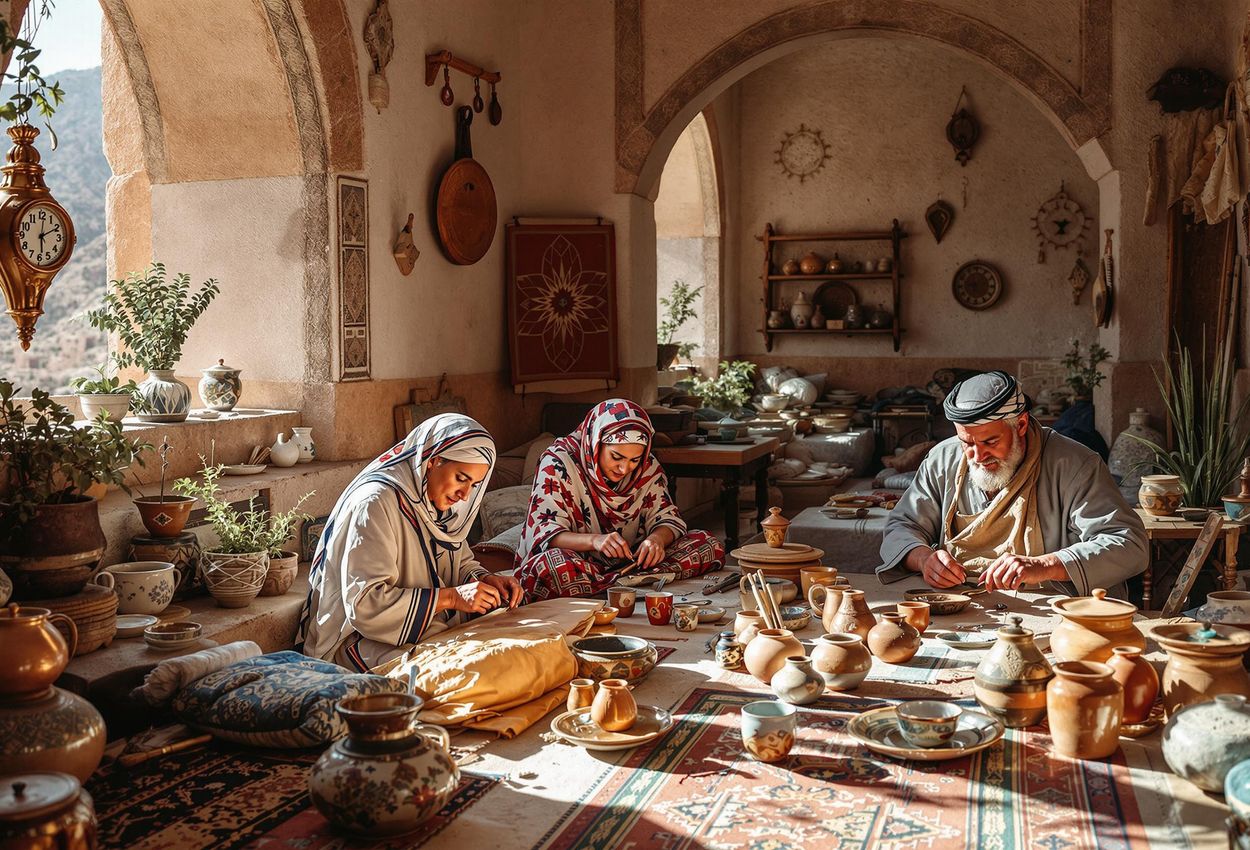
Supporting local businesses ensures that the economic benefits of tourism are shared with the community. Hiring local artisans preserves traditional crafts and provides economic opportunities for local residents. Using locally sourced materials reduces the environmental impact associated with transportation and supports local producers. A unique detail is that Kasbah du Toubkal in the High Atlas Mountains of Morocco actively supports a local community project. The hotel donates a percentage of its profits to a local education fund, which provides scholarships for local children and supports the construction of schools and liaries.
Green Getaways: Sustainable Travel Tips
For travelers seeking eco-friendly wellness retreats, there are several practical tips to keep in mind. Choosing eco-certified retreats, opting for organic and locally sourced cuisine, emacing natural and eco-friendly spa treatments, and using greener travel methods can all contribute to a more sustainable travel experience. By making conscious choices, travelers can minimize their environmental impact and support responsible tourism practices.
Look for eco-certifications such as Green Globe, EarthCheck, and LEED when choosing a retreat. These certifications indicate that the retreat has met certain environmental standards and is committed to sustainable practices. Opt for organic and locally sourced cuisine whenever possible, supporting local farmers and reducing the environmental impact associated with transportation. Emace natural and eco-friendly spa treatments, avoiding products that contain harmful chemicals. Use greener travel methods, such as direct flights, trains, and hyid vehicles, to reduce your carbon footprint. Specific certifications and labels to look for include the Fair Trade Certified label for coffee and chocolate, the Forest Stewardship Council (FSC) label for wood products, and the Global Organic Textile Standard (GOTS) label for textiles.