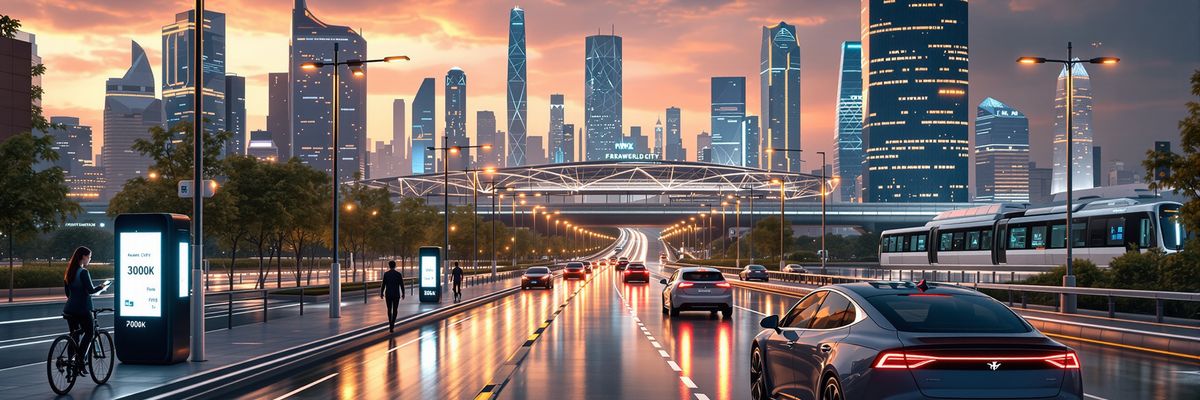
As the world increasingly focuses on combating climate change and promoting environmental stewardship, numerous cities are stepping up to lead the way in sustainable urban development.
These urban centers are implementing innovative initiatives, investing in green infrastructure, and committing to ambitious environmental targets. From prioritizing renewable energy to promoting sustainable transportation and waste management, these cities are setting a precedent for a greener, more sustainable future. Here are ten cities that are leading the charge.
Copenhagen's Carbon-Neutral Ambitions
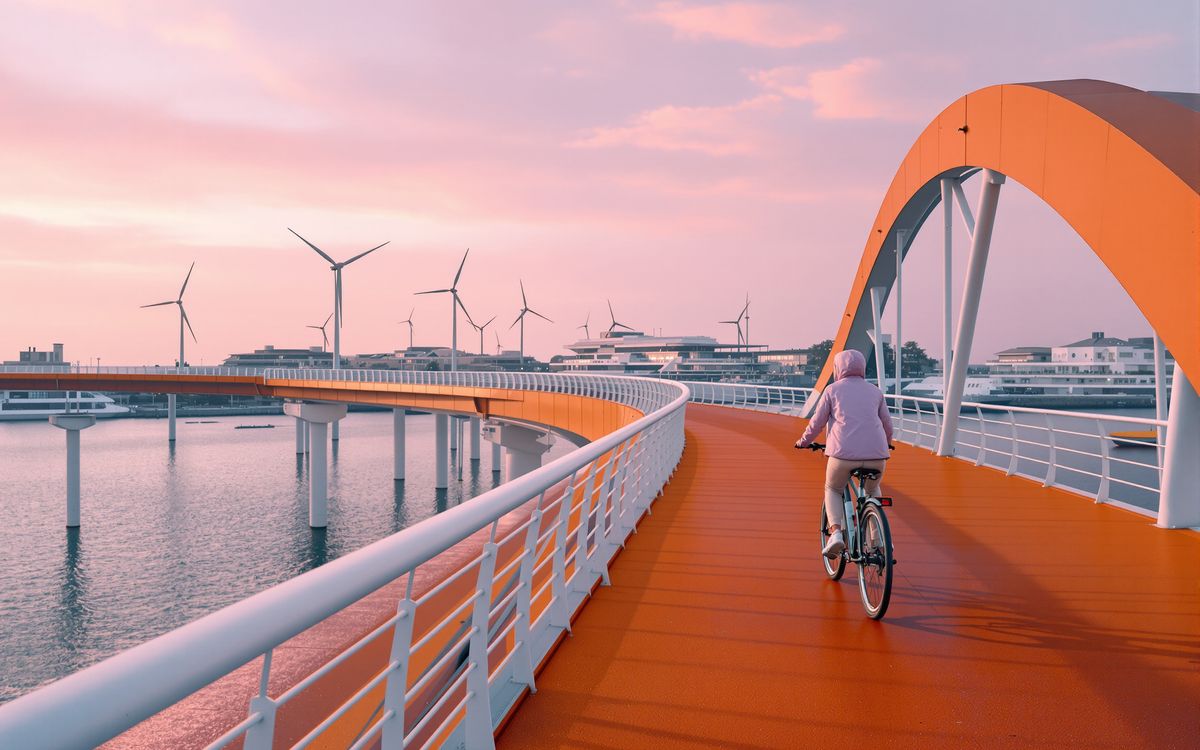
Copenhagen, the vibrant capital of Denmark, has set an ambitious goal to become carbon neutral by 2025. This commitment has spurred significant investment in renewable energy sources, including wind and solar power. The city is dotted with wind turbines, contributing substantially to its electricity supply. Solar panels adorn rooftops, capturing the sun's energy to power homes and businesses. Copenhagen's dedication to green transportation is evident in its extensive network of bike lanes, encouraging residents and visitors alike to cycle rather than drive. The Cykelslangen ('Bicycle Snake') bridge is a prime example of bike-friendly infrastructure, providing a dedicated elevated path for cyclists, making commuting by bicycle safer and more enjoyable. The city also promotes electric vehicles through various incentives and charging infrastructure.
Copenhagen is also a leader in organic food sales, reflecting a commitment to sustainable agriculture and healthy living. Farmers' markets and organic grocery stores are readily accessible, offering a wide array of locally sourced, eco-friendly produce. Furthermore, the city boasts a state-of-the-art waste-to-energy power plant, which efficiently converts waste into electricity and heat, reducing landfill waste and reliance on fossil fuels. This plant exemplifies Copenhagen's innovative approach to waste management, turning a potential environmental problem into a valuable energy resource.
The city's commitment extends to retrofitting buildings to improve energy efficiency and reduce overall energy consumption. These efforts collectively contribute to Copenhagen's vision of combining growth, development, and a higher quality of life with a substantial reduction in CO2 emissions.
Local Tip: Explore Copenhagen by bike to fully appreciate its commitment to green transportation. Rent a bike and cycle along the extensive network of bike lanes, discovering hidden gems and enjoying the city's vibrant atmosphere.

Amsterdam's Green Transportation Network
Amsterdam, the Netherlands, is renowned for its prioritization of sustainability and green transportation. The city's extensive network of bike lanes and waterways reflects its commitment to eco-friendly commuting and transportation. Bicycles are ubiquitous in Amsterdam, with more bikes than residents, and cycling is a way of life for many. The city promotes cycling over driving through bike-sharing programs and comprehensive cycling infrastructure. Initiatives for preserving and restoring natural ecosystems are also a key focus, with numerous green spaces and parks enhancing the city's biodiversity.
Amsterdam's canals, a UNESCO World Heritage site, are not only picturesque but also serve as important transportation routes. Electric boats and ferries navigate the waterways, reducing traffic congestion and air pollution. The city is continuously expanding its electric vehicle infrastructure, with numerous charging points available throughout the city. Amsterdam aims to make all transport emissions-free by 2030, further solidifying its commitment to sustainability. Public transport is efficient, with trams, buses and metros powered by green electricity.
Local Tip: Take a canal tour on an electric boat to experience Amsterdam from a unique perspective while minimizing your environmental impact. Enjoy the scenic views of the city's historic architecture and vibrant atmosphere.

Vancouver's Renewable Energy Target and Eco-Density
Vancouver, Canada, is deeply committed to protecting the environment and has set a goal of becoming carbon neutral by 2050. The city is expanding its network of bike lanes and promoting sustainable transportation through various initiatives. Vancouver's eco-density approach to urban design focuses on vertical development, maximizing green spaces and reducing urban sprawl. This innovative approach allows for higher density living while preserving natural areas and promoting a more sustainable lifestyle.
Vancouver's Tap Map app helps residents and visitors find water refill stations, reducing the need for single-use plastic bottles. The city has also implemented a ban on organic materials in landfills, encouraging composting and reducing waste. Vancouver's commitment to renewable energy is evident in its efforts to transition to clean energy sources, with a focus on hydropower and other sustainable alternatives. The city also promotes energy efficiency in buildings and homes, reducing overall energy consumption and carbon emissions.
Hidden Gem: Visit the VanDusen Botanical Garden, a 55-acre oasis in the heart of Vancouver, showcasing diverse plant species and sustainable gardening practices. Explore themed gardens, walking trails, and educational exhibits, immersing yourself in nature and learning about biodiversity.

Portland's Sustainable Transportation Focus
Portland, Oregon, has long held a reputation as a green city, with a strong focus on sustainable transportation and environmental stewardship. The city promotes public transit, biking, and walking through numerous initiatives. Portland's extensive network of bike lanes and pedestrian-friendly streets encourages residents to choose active transportation options. The city is also converting streetlights to LED technology, reducing energy consumption and improving visibility.
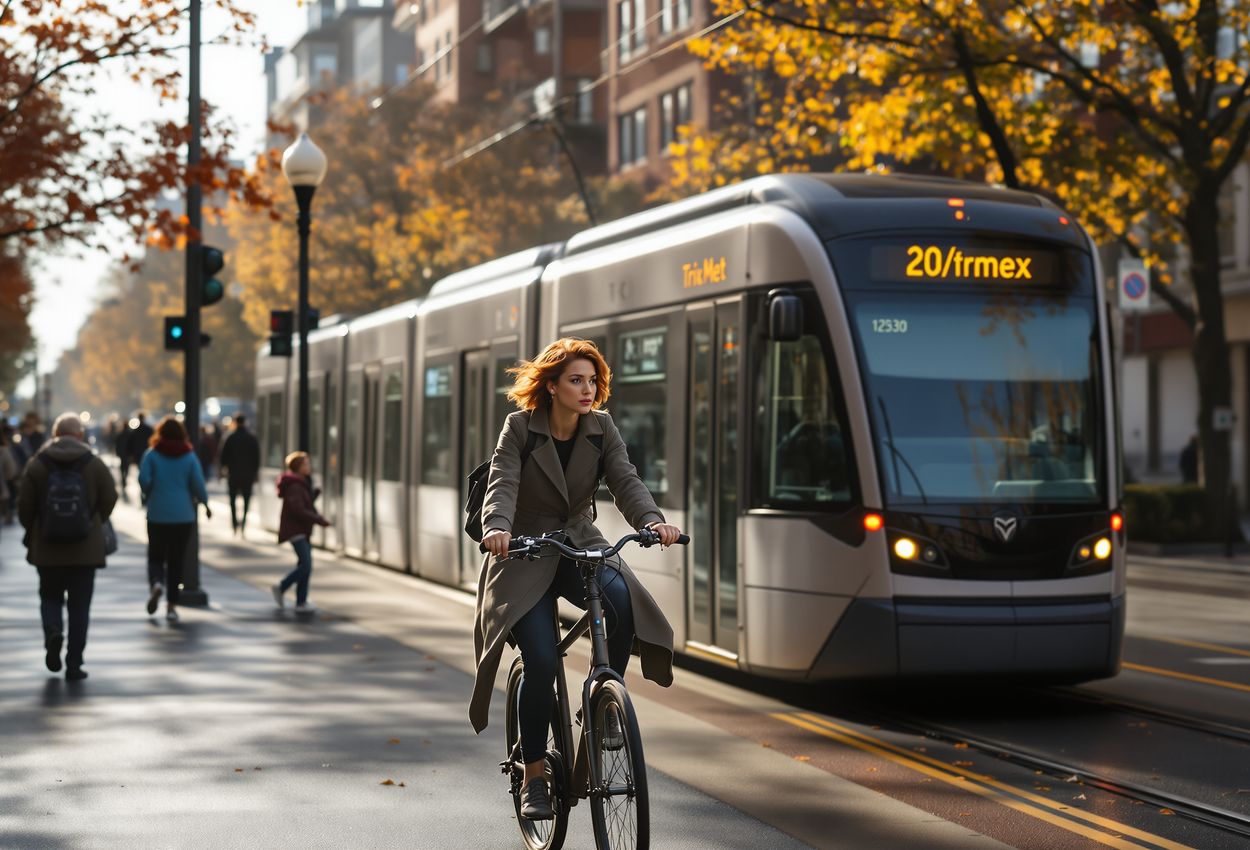
Portland's waste recovery efforts are commendable, with a high rate of recycling and composting. The city is committed to reducing its carbon footprint and promoting a circular economy. Portland has developed over 92,000 acres of green spaces, with a connected system of trails and parks ideal for walking and biking. TriMet, Portland's public transportation agency, is planning on having only zero-emission buses by 2040 and has a goal to have net zero operations by 2050.
Local Tip: Explore Portland's many food cart pods, offering diverse culinary options with a focus on local and sustainable ingredients. Sample delicious dishes while supporting local businesses and reducing your environmental impact.
Singapore's 'City in Nature' Vision
Singapore has set an ambitious target to become a 'City in Nature' by 2030, investing significantly in enhancing biodiversity, improving air and water quality, and promoting sustainable housing. The Supertree Grove at Gardens by the Bay exemplifies green infrastructure, showcasing vertical gardens and solar energy harvesting. Singapore's commitment to integrating green infrastructure in public housing and community-centric amenities reflects its holistic approach to urban sustainability.
The city-state is expanding its nature park network, intensifying nature in gardens and parks, and restoring nature into the urban landscape. Singapore aims to create a green, liveable, and sustainable home for its residents, addressing challenges like climate change and increasing urbanization. NParks aims to complete 300 km of Nature Ways by 2030, aspiring to make every road a Nature Way in the longer term.
Hidden Gem: Explore the Rail Corridor, a 24-kilometer green pathway that follows the route of a former railway line. Walk, cycle, or jog along this scenic trail, immersing yourself in nature and discovering hidden pockets of greenery in the heart of Singapore.

Stockholm's Eco-District and Green Initiatives
Stockholm, Sweden, is deeply committed to the planet and was recognized as Europe's Green Capital in 2010. The eco-district in Hammarby Sjöstad showcases renewable energy sources and sustainable building materials. Stockholm has an extensive network of bike lanes and promotes ecological tourism. The city aims to be climate positive by 2030 and fossil fuel-free by 2040, setting ambitious targets for reducing its environmental impact.
Stockholm's Climate Action Plan 2030 outlines the city's goals, including reducing emissions from energy use and transport by 80% by 2030, becoming fossil-free by 2040, and halving consumption-based emissions by 2030. The city is also implementing carbon capture and storage technologies. Since 1990, Stockholm has reduced per capita greenhouse gas emissions by 70%.
Local Tip: Visit the Hammarby Sjöstad eco-district to witness sustainable urban development in action. Explore the area's green buildings, renewable energy systems, and innovative waste management solutions, gaining insights into Stockholm's commitment to environmental stewardship.

Oslo's Zero-Emissions Goal and Green Spaces
Oslo, Norway, aims to become a zero-emissions city by 2030, investing heavily in electric cars and sustainable transportation. The city encourages sustainable transportation through various measures and uses renewable energy to power public transport. Oslo is also committed to preserving green spaces, with a significant portion of the city dedicated to parks and natural areas.
Oslo's initiatives focus on reducing vehicular air quality pollutants and GHG emissions by reducing vehicle access and incentivizing zero-emission vehicle adoption for personal and commercial vehicle use. The city has added over 1,000 charge points for EVs, created exemptions on toll roads, and allowed EVs to use restricted-access vehicle lanes. Oslo aims to reduce emissions by 95% by 2030.
Hidden Gem: Explore Ekebergparken Sculpture Park, a unique outdoor art space offering stunning views of Oslo. Wander through the park's forested trails, discovering contemporary sculptures and enjoying the natural beauty of the surrounding landscape.

Reykjavik's Geothermal and Hydroelectric Energy
Reykjavik, Iceland, is one of the most sustainable cities in the world, leveraging its unique natural resources for sustainable power. The city utilizes geothermal and hydroelectric energy to meet its electricity and heating needs. Reykjavik meets all of its electricity and heating needs from hydroelectric and geothermal sources. For heating, geothermal energy provides almost all of Reykjavik's needs.
Some 95% of buildings are connected to a district heating system, which has a geothermal power station as a source of energy. The electricity is produced almost entirely by renewables. Reykjavik has pioneered the use of geothermal power for citywide district heating.
Local Tip: Visit the Hellisheidi Geothermal Power Plant, one of the world's largest geothermal power plants, to learn about the process of harnessing geothermal energy. Take a guided tour, explore interactive exhibits, and gain insights into Reykjavik's commitment to sustainable power.

San Francisco's Waste Diversion and Clean Energy
San Francisco, California, is a leader in sustainability and environmental stewardship, with a high waste diversion rate achieved through recycling and composting programs. The city's CleanPowerSF initiative promotes sustainable transportation and clean energy. San Francisco has set a goal of 75% diversion by 2010 and a long-term goal of zero waste.
San Francisco implemented an innovative three-stream citywide residential and commercial collection program , with separate bins for recyclables, compostables, and trash. The city's Mandatory Recycling and Composting Ordinance requires everyone in San Francisco keep recyclables, compostables and trash separated. In 2018, San Francisco updated its zero waste commitments to reducing solid waste generation 15% and disposal to landfill or incineration again 50% by 2030.
Hidden Gem: Visit the San Francisco Botanical Garden, a 55-acre urban oasis showcasing diverse plant collections from around the world. Explore themed gardens, walking trails, and educational exhibits, immersing yourself in nature and learning about plant conservation.

Munich's Clean Electricity Generation Target
Munich, Germany, aims to generate 100% clean electricity by 2025, requiring city businesses to invest in renewable energies. The Green City initiative focuses on returning the city to the people. Munich is making significant progress in decarbonizing its power, with renewables expected to provide for 90% of the city's energy.
The municipal utility Stadtwerke Muenchen (SWM) operates about 60 renewable energy facilities that generate roughly 6.3 billion kWh of electricity, including solar, wind, geothermal, hydropower and biomass plant. This will cover 90% of the city's power needs, including all trams, e-buses, and subway operations. Munich's energy transformation began in 2009, when the municipal decided to phase out conventional power sources and expand renewable energy.
Local Tip: Explore the Englischer Garten, one of the world's largest urban parks, offering green spaces, walking trails, and recreational activities. Rent a bike and cycle through the park, enjoying the natural beauty and vibrant atmosphere of Munich.

These ten cities exemplify the global movement towards sustainable urban development, demonstrating that with vision, commitment, and innovative strategies, a greener, more sustainable future is within reach.