Embark on an unforgettable gastronomic adventure at Noma 2.0 in Copenhagen, where New Nordic cuisine is redefined through innovation, sustainability, and a deep connection to the surrounding environment.
Located on the outskirts of the vibrant and alternative community of Christiania, Noma 2.0 isn't just a restaurant; it's a culinary ecosystem that reflects Copenhagen's commitment to sustainability and cutting-edge gastronomy. From its architectural design to its innovative dishes, every aspect of Noma 2.0 tells a story of local ingredients, environmental consciousness, and a passion for pushing the boundaries of flavor.
Stepping into Noma's World: A Sensory Prelude
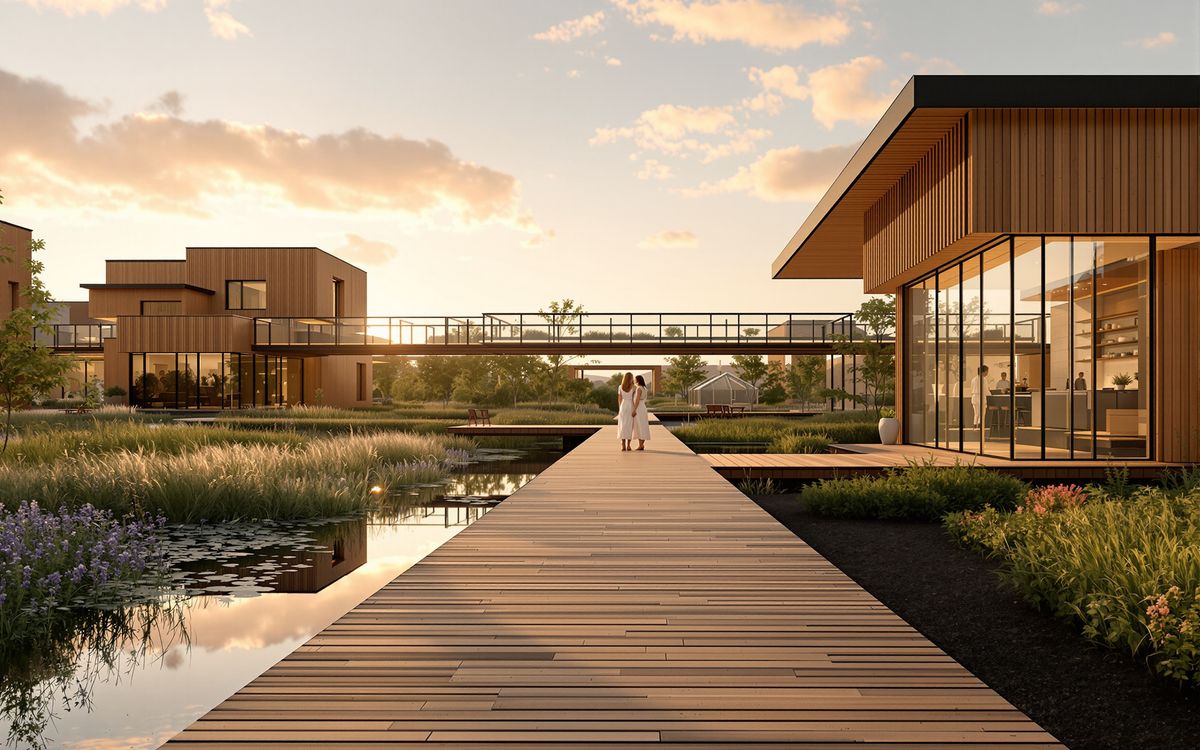
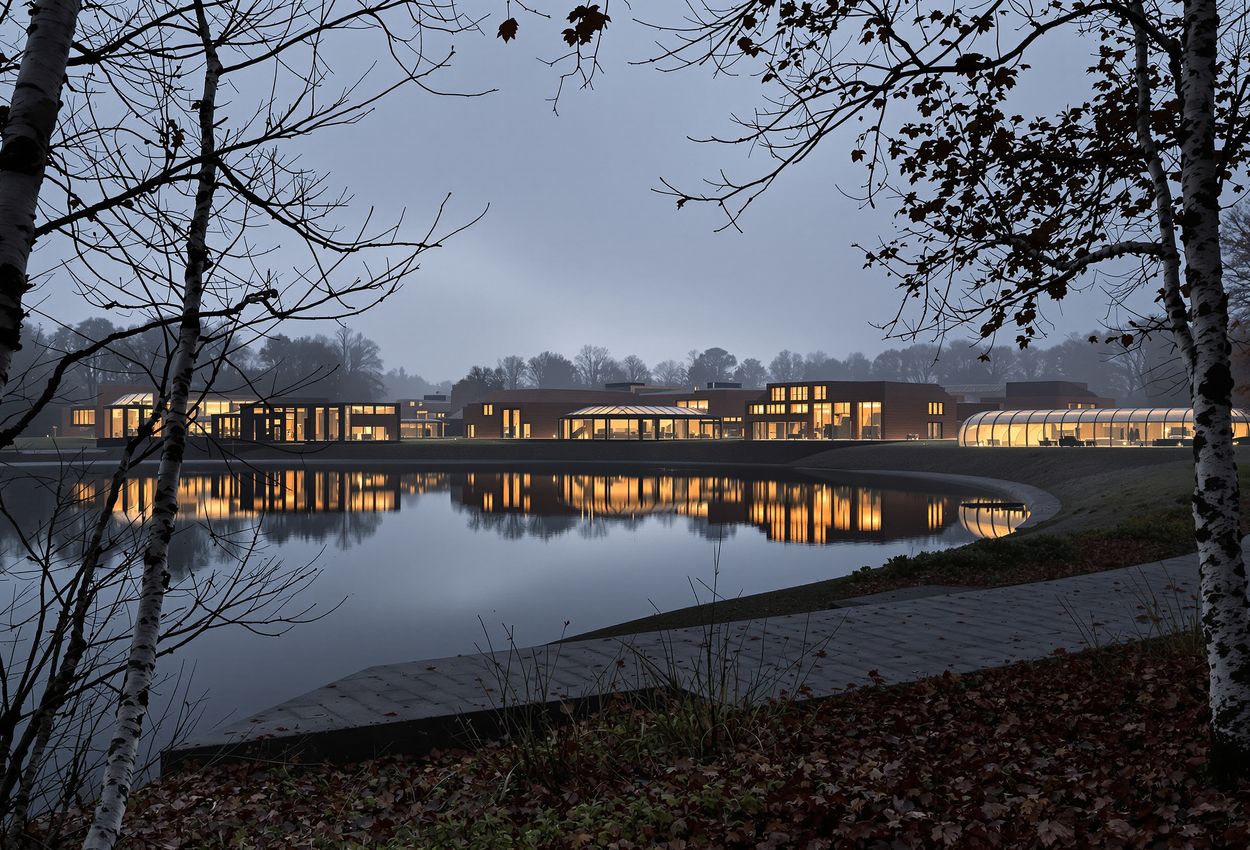
Arriving at Noma 2.0 is like stepping into a different world. The restaurant is situated on the site of a former naval ammunition depot on the outskirts of Christiania. The setting itself provides a unique juxtaposition—a refined dining experience adjacent to an autonomous, alternative district. The architectural design, masterminded by BIG (Bjarke Ingels Group), immediately captures the attention. The concept is that of a 'culinary village,' where interconnected pavilions house different aspects of the dining experience.
The buildings are constructed from natural materials such as wood, brick, and glass, creating a harmonious blend with the surrounding landscape. As you approach, the scent of the permaculture garden, designed by Piet Oudolf, fills the air, mingling with the subtle aroma of the nearby lakes. The sound of gravel crunching underfoot adds to the sensory experience, creating a sense of anticipation. The visual harmony of the buildings against the backdrop of the water creates a serene and inviting atmosphere. The location was once used to store mines for the Royal Danish Navy. The raw shell of the historic warehouse is preserved and used for back-of-house functions, including the prep kitchen, fermentation labs, fish tanks, terrarium, and break-out areas for staff.
The interconnected pavilions are linked by glass walkways, which allow diners and chefs alike to observe the changing weather, daylight, and seasons, making the natural environment an integral part of the culinary journey. This design seamlessly integrates the restaurant with its environment, blurring the lines between indoors and out. The intention is to dissolve the traditional idea of a restaurant and reassemble its constituent parts, placing the chefs at the heart of the experience.
The architectural style of Bjarke Ingels Group (BIG) is characterized by technically innovative and visually striking designs. Ingels seeks to create a harmonious balance between nature and human technology, often incorporating sustainable elements into his projects. The design of Noma 2.0 reflects this philosophy, creating a space that is both functional and aesthetically pleasing.

A Philosophy on a Plate: Decoding New Nordic Cuisine
At the heart of Noma's culinary identity lies the New Nordic cuisine movement. This culinary approach, formalized in a 2004 manifesto, emphasizes purity, simplicity, and ethical considerations. The manifesto was created in November 2004 by Nordic chefs, food writers, and other food professionals who gathered to discuss the potential for developing a new Nordic food culture. Noma's commitment to local, seasonal, and foraged ingredients is a cornerstone of this philosophy.
Sustainability and ethical practices are paramount. The restaurant actively seeks to minimize its environmental impact through responsible sourcing, waste reduction, and energy-efficient operations. This dedication extends to animal welfare and the promotion of sound production processes in both cultivated and wild landscapes.
Claus Meyer and René Redzepi are the key figures in the New Nordic movement, championing its principles and inspiring chefs worldwide. Their vision extends beyond the plate, aiming to create a cuisine that reflects the region's identity and promotes a sustainable food system. The New Nordic Cuisine is considered the strongest and most important culinary revolution ever in the Nordic region.
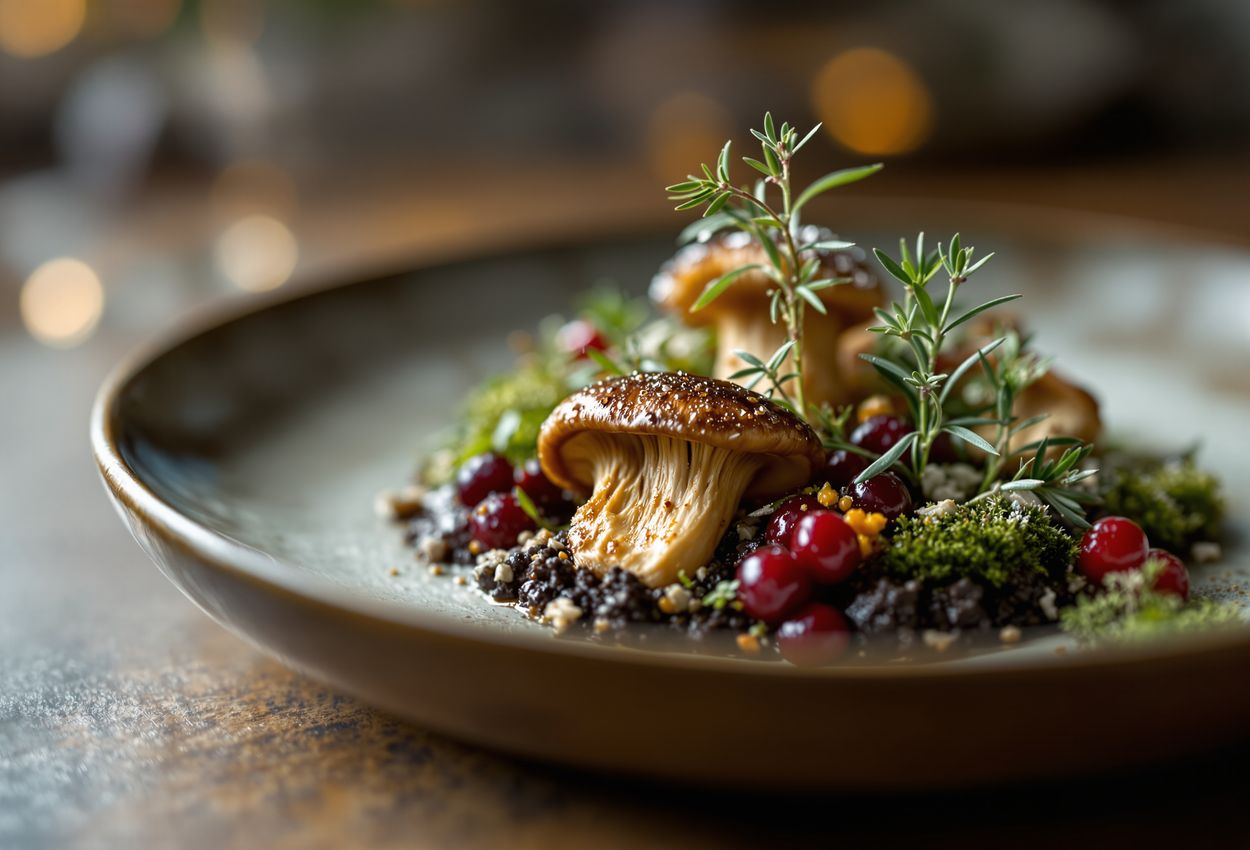
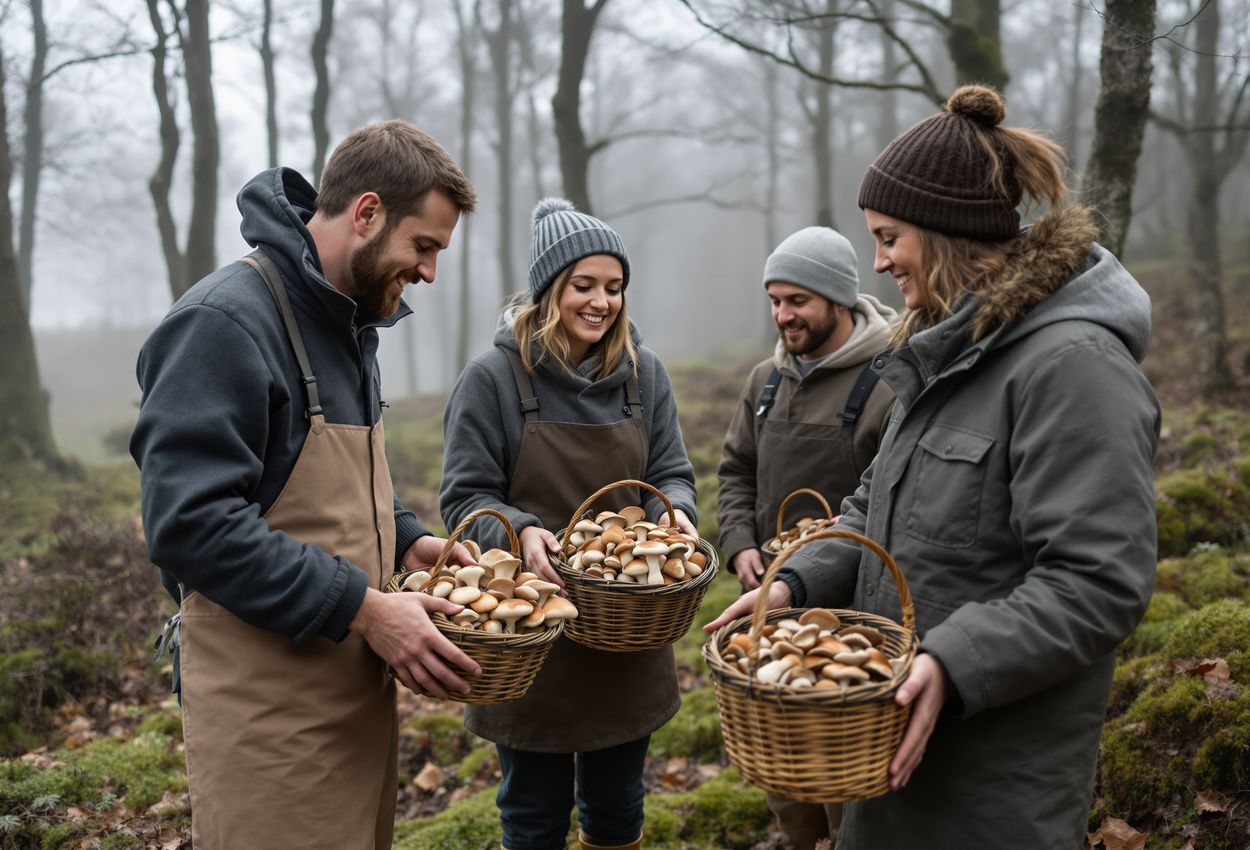
These principles are evident in every dish served at Noma. The restaurant's menus are dictated by the seasons, showcasing the freshest and most flavorful ingredients available at any given time. Foraging plays a crucial role, with chefs venturing into the surrounding landscape to gather wild herbs, berries, and other unique ingredients. This direct connection to nature informs the creativity and innovation that define Noma's culinary style.
The Seasons on Display: A Tasting Menu Unveiled
The tasting menu at Noma is an ever-evolving reflection of the seasons. Each season brings a new array of ingredients and flavors, resulting in a constantly changing culinary experience. During seafood season, the menu celebrates the bounty of the North Sea and surrounding waters.
One standout dish might feature sea urchin, its briny sweetness balanced by the richness of cream and the subtle crunch of pumpkin seeds. The taste is an explosion of oceanic flavors, a testament to the freshness of the ingredients. Another creation could showcase the unique texture of squid, transformed into a delicate 'jellyfish' that melts in the mouth. Fermentation techniques are used to enhance and transform ingredients, unlocking hidden flavors and creating complex profiles.
The aroma of roasted kelp ice cream is both intriguing and enticing. The taste is a surprising combination of smoky, salty, and sweet, a testament to the restaurant's ability to push culinary boundaries. The artistic presentation of each dish is also noteworthy, with careful attention paid to color, texture, and composition. Each plate is a work of art, designed to engage all the senses.
The tasting menu is not merely a collection of dishes; it is a narrative, a journey through the Nordic landscape and its culinary traditions. It is an experience that challenges perceptions and expands the understanding of what food can be. Noma's accolade is a testament to Chef Redzepi's and his team's unerring focus on unusual seasonal ingredients brought to life in creative and complex ways on the plate.
More Than a Meal: The Noma Experience
Dining at Noma 2.0 transcends the traditional restaurant experience. The open kitchen concept allows guests to witness the chefs in action, creating a sense of transparency and connection. The interaction between chefs and guests is encouraged, with opportunities to ask questions and learn about the ingredients and techniques used. This creates a more intimate and engaging dining atmosphere.
The staff is attentive and knowledgeable, providing detailed explanations of each dish and its components. They are passionate about the food and eager to share their expertise, enhancing the overall dining experience. Wine or juice pairings are available, carefully selected to complement the flavors of each course. The beverages are chosen to enhance the meal, creating a harmonious balance of taste and aroma.
The atmosphere is one of understated elegance. Natural light floods the space, highlighting the minimalist décor and creating a sense of calm. The connection to nature is ever-present, with views of the surrounding landscape visible from every angle. The overall effect is a dining experience that is both sophisticated and inviting, a true reflection of Copenhagen's culinary scene.
Sustainability in Action: Noma's Eco-Conscious Practices
Noma's commitment to sustainability extends far beyond its menu. The restaurant operates with a deep respect for the environment, implementing a range of eco-conscious practices. Foraging is a key component of this approach, with chefs sourcing wild ingredients directly from the surrounding landscape. This minimizes the need for transportation and supports local ecosystems.
Strong relationships with local farmers and fishermen are essential. Noma works closely with producers who share its values, ensuring that ingredients are sourced responsibly and ethically. The restaurant also utilizes food scraps and by-products in its fermentation lab, minimizing waste and creating new and innovative flavors. Zero-waste initiatives are also in place, with the restaurant striving to reduce its environmental footprint in every aspect of its operation. Copenhagen's broader commitment to sustainability is reflected in its culinary scene, with many restaurants adopting similar practices.
The city has a comprehensive climate plan with specific targets for reducing carbon emissions, including those related to food production and consumption. Initiatives like promoting plant-based diets and reducing food waste are integral to these efforts. Copenhagen also has a strong focus on organic food, which makes up a large percentage of the total food sale in the city.
A Village Within a City: Exploring Noma's Unique Architecture
The architectural design of Noma 2.0, crafted by Bjarke Ingels Group (BIG), is a testament to innovation and sustainability. The interconnected pavilions, each serving a specific function, create a village-like atmosphere that reflects the restaurant's culinary philosophy. The dining room, lounge, and fermentation lab each have their own distinct space, yet are seamlessly connected to create a cohesive experience.
Glass walkways connect the buildings, integrating the natural environment into the dining experience. The permaculture garden, designed by Piet Oudolf, plays a vital role in the restaurant's ecosystem, providing fresh herbs and vegetables. Sustainable building materials and design features are incorporated throughout the structure, minimizing its environmental impact. The design dissolves the traditional idea of a restaurant into its constituent parts and reassembles them to put the chefs at the heart of the restaurant.
Bjarke Ingels's signature style of architecture is characterized by technically innovative and visually striking designs. He aims to transform fictional ideas into everyday reality, using technology and knowledge to create surreal spaces. Ingels believes that architecture should shape the world around life, rather than the other way around.
The Fermentation Lab: Unlocking Hidden Flavors
Noma's fermentation lab is a hub of culinary innovation, where chefs experiment with ancient techniques to create unique and complex flavors. Fermentation is the process of using microorganisms to transform food, enhancing its flavor, texture, and nutritional value. The lab utilizes a range of unusual ingredients and techniques, from koji to kombucha, to create a diverse array of fermented products.
Kenneth Foong Kin Meng is the current Head of Fermentation at Noma. The fermentation lab contributes to Noma's sustainability efforts by minimizing waste. Food scraps and by-products are used to create new ingredients, reducing the restaurant's environmental footprint. The lab's creations are integral to Noma's culinary identity, adding depth and complexity to its dishes.
David Zilber formerly headed the fermentation lab at Noma. Zilber co-authored *The Noma Guide to Fermentation* with René Redzepi, bringing ancient methods of food preservation into avant-garde cuisine.

Noma's Impact: Shaping the Future of Nordic Cuisine
Noma has had a profound influence on the culinary world, particularly in promoting New Nordic cuisine. The restaurant has popularized local, seasonal, and sustainable ingredients, inspiring chefs worldwide to adopt similar practices. Noma has received numerous awards and accolades, solidifying its position as a leader in the culinary industry.
These include being ranked as the World's Best Restaurant multiple times by *Restaurant* magazine. Noma topped the list in 2010, 2011, 2012, 2014, and 2021. The restaurant has also earned three Michelin stars, a testament to its exceptional quality and innovation. By focusing on local ingredients and innovative techniques, Noma has inspired other restaurants and chefs to embrace sustainability and regional culinary traditions.
Christiania's Neighbor: The Unique Setting of Noma 2.0
The location of Noma 2.0 on the outskirts of Christiania adds another layer of intrigue to the dining experience. Christiania is a unique autonomous district in Copenhagen, known for its alternative culture and history. The contrast between the restaurant's refined atmosphere and Christiania's bohemian vibe creates a sense of juxtaposition.
The site itself has a rich history, having served as a naval ammunition depot. The proximity to the lakes and natural surroundings adds to the restaurant's appeal, creating a sense of tranquility and connection to nature. The building is an ex-military warehouse called Søminedepotet, constructed in 1917 and once used to store mines for the Royal Danish Navy. Before this, the wider area was part of the Greenlandic Trading Square and was the center for trade.
Beyond the Plate: Noma as a Cultural Experience
Dining at Noma is more than just a meal; it's a cultural experience that reflects Copenhagen's broader cultural identity. The restaurant's connection to Danish design, art, and craftsmanship is evident in every detail. Bespoke furniture and lighting create a sophisticated and inviting atmosphere.
Attention to detail is paramount, from the carefully chosen tableware to the impeccable service. Every aspect of the dining experience is designed to create a lasting impression. Noma embodies Copenhagen's commitment to innovation, sustainability, and culinary excellence.
Noma Through a Glass, Lightly: The Wine and Juice Program
The beverage program at Noma is an integral part of the dining experience, with carefully curated wine and juice pairings designed to complement the tasting menus. The selection process for wines emphasizes natural or biodynamic options, reflecting the restaurant's commitment to sustainability. The juice pairings are equally innovative, featuring unique ingredients and flavor combinations.
These beverages enhance the overall dining experience, creating a harmonious balance of taste and aroma. The creativity and innovation in the juice pairings are particularly noteworthy, showcasing the restaurant's ability to push boundaries in all aspects of its culinary offerings. The juice pairings often feature foraged ingredients and unusual flavor combinations, reflecting the restaurant's commitment to local and seasonal produce.

A Lasting Impression: Reflecting on the Culinary Journey
A meal at Noma 2.0 is more than just a dining experience; it's a culinary journey that leaves a lasting impression. The restaurant's commitment to innovation, sustainability, and New Nordic cuisine is evident in every aspect of its operation. From the sensory details to the artistic presentation of the dishes, every element is carefully considered to create a memorable and transformative experience.
The lasting impact of the meal extends beyond the plate, influencing one's perspective on food and dining. Noma 2.0 embodies Copenhagen's culinary spirit, showcasing the city's commitment to sustainability, innovation, and exceptional gastronomic experiences. The restaurant is expected to close at the end of 2024 and transform into a test kitchen, Noma Projects, for online ordering. The dining rooms will occasionally be open as a pop-up restaurant.