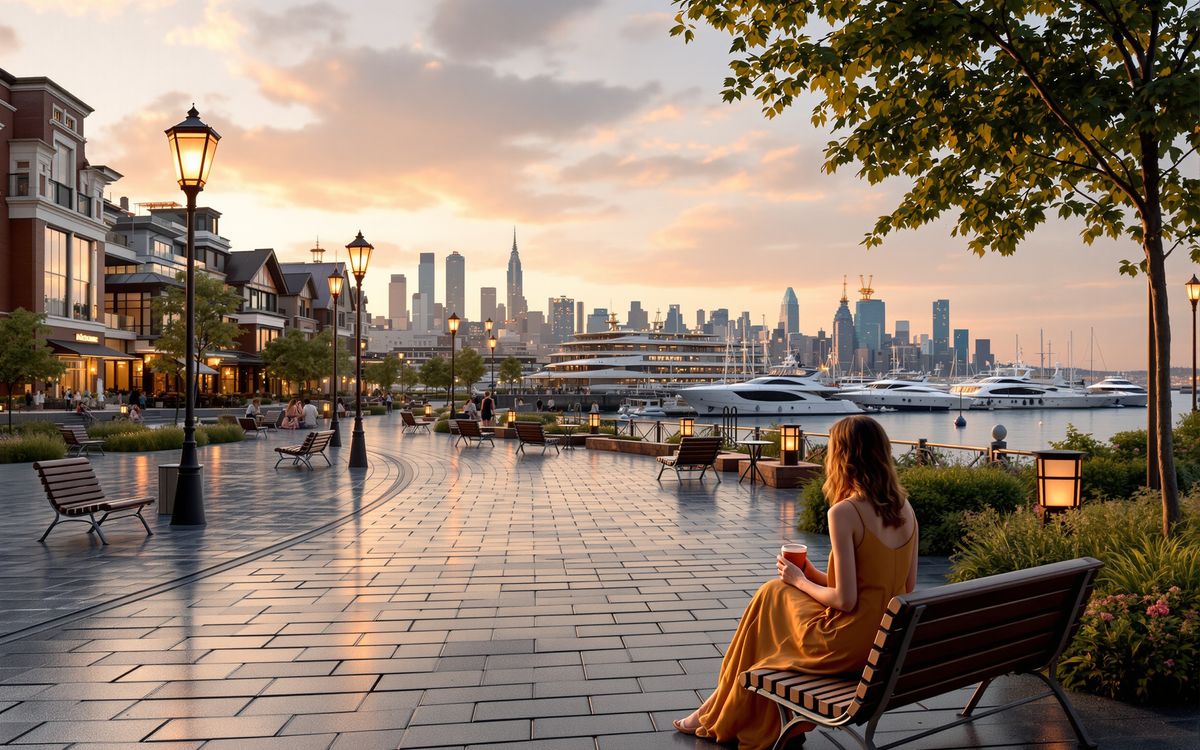
From abandoned industrial docks to bustling public spaces, the revitalization of urban waterfronts is reshaping cities around the globe. Discover how these transformative projects are driving economic growth, fostering community engagement, and creating sustainable environments for future generations.
For centuries, waterfronts have served as vital arteries for trade, transportation and cultural exchange. However, as industries shifted and urban landscapes evolved, many of these once-thriving areas fell into neglect, becoming blighted by derelict infrastructure and environmental degradation. Today, a global movement is underway to reclaim these forgotten spaces, transforming them into vibrant, mixed-use destinations that offer a wealth of economic, social, and environmental benefits.
This article explores the multifaceted phenomenon of urban waterfront revitalization, showcasing successful projects from around the world and examining the innovative strategies that are breathing new life into these valuable urban assets. From Barcelona's beachfront brilliance to Hamburg's ambitious HafenCity, discover how cities are turning their waterfronts into engines of growth, centers of community, and models of sustainability.
From Neglect to Neighborhood: The Waterfront Renaissance
Urban waterfront revitalization is more than just a cosmetic makeover; it's a strategic reimagining of how cities interact with their coastlines. Historically, waterfronts were the domain of industry, often cut off from the rest of the city by railways, warehouses, and factories. As these industries declined, the waterfronts became symbols of urban decay, contributing to economic stagnation and social isolation.
The shift towards revitalization began with a growing recognition of the untapped potential of these areas. Urban planners and developers saw the opportunity to create vibrant public spaces, attract tourism, and stimulate economic activity by transforming neglected waterfronts into attractive destinations. This transformation involves a complex interplay of factors, including environmental remediation, infrastructure upgrades, innovative design, and community engagement.
The economic benefits of waterfront revitalization are substantial. Redevelopment projects can attract significant investment, creating jobs in construction, hospitality, retail, and tourism. Increased property values and tax revenues further contribute to the economic vitality of the surrounding areas. Moreover, revitalized waterfronts can enhance a city's image, attracting businesses and residents and boosting its overall competitiveness.
Beyond the economic gains, waterfront revitalization offers significant social benefits. By creating accessible public spaces, these projects foster community engagement, promote healthy lifestyles, and enhance the quality of life for residents. Parks, promenades, and recreational facilities provide opportunities for social interaction, physical activity, and cultural expression. Revitalized waterfronts can also serve as catalysts for social equity, providing access to amenities and opportunities for underserved communities.
Finally, waterfront revitalization plays a crucial role in promoting environmental sustainability. Many projects incorporate green infrastructure, energy-efficient design, and climate change adaptation measures, reducing environmental impacts and increasing community resilience. Ecosystem restoration efforts, such as wetland creation and habitat restoration, can enhance biodiversity and improve water quality.
In essence, urban waterfront revitalization is a holistic approach to urban development that seeks to balance economic growth, social equity, and environmental protection. By transforming neglected industrial areas into vibrant public spaces, these projects are creating more livable, sustainable, and resilient cities for the future.
Barcelona's Beachfront Brilliance: A Case Study in Transformation
Before the 1992 Olympic Games, Barcelona's waterfront was a far cry from the vibrant destination it is today. The area was dominated by derelict industrial sites, polluted beaches, and a lack of public access. The city's leaders recognized the opportunity to transform the waterfront into a world-class attraction, leveraging the Olympic Games as a catalyst for change.
The revitalization project involved a comprehensive overhaul of the waterfront infrastructure, including the creation of new beaches, promenades, and public spaces. The Passeig Marítim, a scenic promenade stretching along the coastline, became a focal point for recreation and leisure. The Port Vell, the city's historic harbor, was transformed into a modern marina, attracting tourists and boosting the local economy.
One of the key elements of Barcelona's waterfront revitalization was the integration of modern design with the city's historical character. The project preserved many of the waterfront's historic buildings, repurposing them into restaurants, shops, and cultural venues. This blend of old and new created a unique sense of place, attracting visitors and fostering a sense of community.
The impact of the revitalization on tourism was dramatic. Barcelona became a top tourist destination, attracting millions of visitors each year. The waterfront became a hub of activity, with beaches, restaurants, and shops buzzing with life. The city's overall image was transformed, solidifying its reputation as a vibrant, modern metropolis.
The revitalization also had a positive impact on local businesses. The influx of tourists created new opportunities for entrepreneurs, leading to the growth of the hospitality and retail sectors. The waterfront became a magnet for investment, attracting both domestic and international companies.
Local Tip: For an authentic taste of Barcelona's culinary scene, head to the Barceloneta neighborhood and sample the fresh seafood at one of the many beachfront restaurants.

Hidden Gem: Escape the crowds and discover the Bogatell Beach, a quieter stretch of coastline with excellent swimming conditions and stunning views of the city skyline.
Hamburg's HafenCity: Rising from the Elbe
Hamburg's HafenCity is one of Europe's largest and most ambitious urban waterfront redevelopment projects. Situated on the banks of the Elbe River, this vast area was once a bustling port, but as shipping technologies evolved, it became increasingly obsolete. The city saw an opportunity to transform this underutilized space into a vibrant, mixed-use district, creating a new model for sustainable urban development.
One of the major challenges of building in HafenCity was the fact that it is located on a floodplain. To address this, the developers implemented innovative flood protection measures, including raising the ground level and constructing flood barriers. These measures not only protect the area from flooding but also create unique architectural features, such as elevated promenades and plazas.
HafenCity is designed to be a sustainable and environmentally responsible district. The project incorporates green building technologies, energy-efficient infrastructure, and a focus on reducing carbon emissions. Public transportation is prioritized, with a network of buses, trams, and ferries connecting HafenCity to the rest of Hamburg.
The district features a mix of residential, commercial, and cultural spaces, creating a vibrant and diverse community. Modern apartment buildings offer stunning views of the Elbe River, while office towers house a range of businesses and organizations. Cultural attractions, such as the Elbphilharmonie concert hall, draw visitors from around the world.
The architectural landmarks and public art installations in HafenCity enhance the area's appeal. The Elbphilharmonie, with its striking glass facade, has become an iconic symbol of Hamburg. Public art installations, such as sculptures and murals, add to the district's unique character and create a sense of place.
Local Tip: Take a ferry from HafenCity to explore the historic warehouse district of Speicherstadt, a UNESCO World Heritage Site with stunning brick architecture and canals.
Hidden Gem: Visit the International Maritime Museum, housed in Hamburg's oldest warehouse, to learn about the city's rich maritime history and see fascinating exhibits on shipbuilding, navigation, and seafaring.
Rotterdam's Climate-Resilient Coasts: Innovation in the Netherlands
Rotterdam, a city located in the low-lying Netherlands, has long been at the forefront of climate change adaptation. With a significant portion of the city lying below sea level, Rotterdam has developed innovative strategies for managing rising sea levels and extreme weather events. These strategies are not only protecting the city but also creating new opportunities for waterfront revitalization.
One of Rotterdam's key strategies is the use of floating structures. The city has pioneered the development of floating homes, offices, and parks, which can adapt to changing water levels. These structures are not only resilient to flooding but also offer a unique and sustainable way of living and working on the water.
Rotterdam has also implemented adaptive infrastructure solutions, such as permeable pavements and green roofs, to manage stormwater runoff and reduce the risk of flooding. These solutions not only protect the city but also enhance its aesthetic appeal and create green spaces for residents to enjoy.
The integration of green spaces and nature-based solutions is another key element of Rotterdam's approach to waterfront revitalization. The city has created parks, wetlands, and green corridors along the waterfront, enhancing biodiversity and creating harmonious spaces for people and wildlife. These green spaces also help to improve water quality and reduce the urban heat island effect.
Local Tip: Take a boat tour of Rotterdam's harbor to see the city's innovative flood protection measures and learn about its history as a major port.
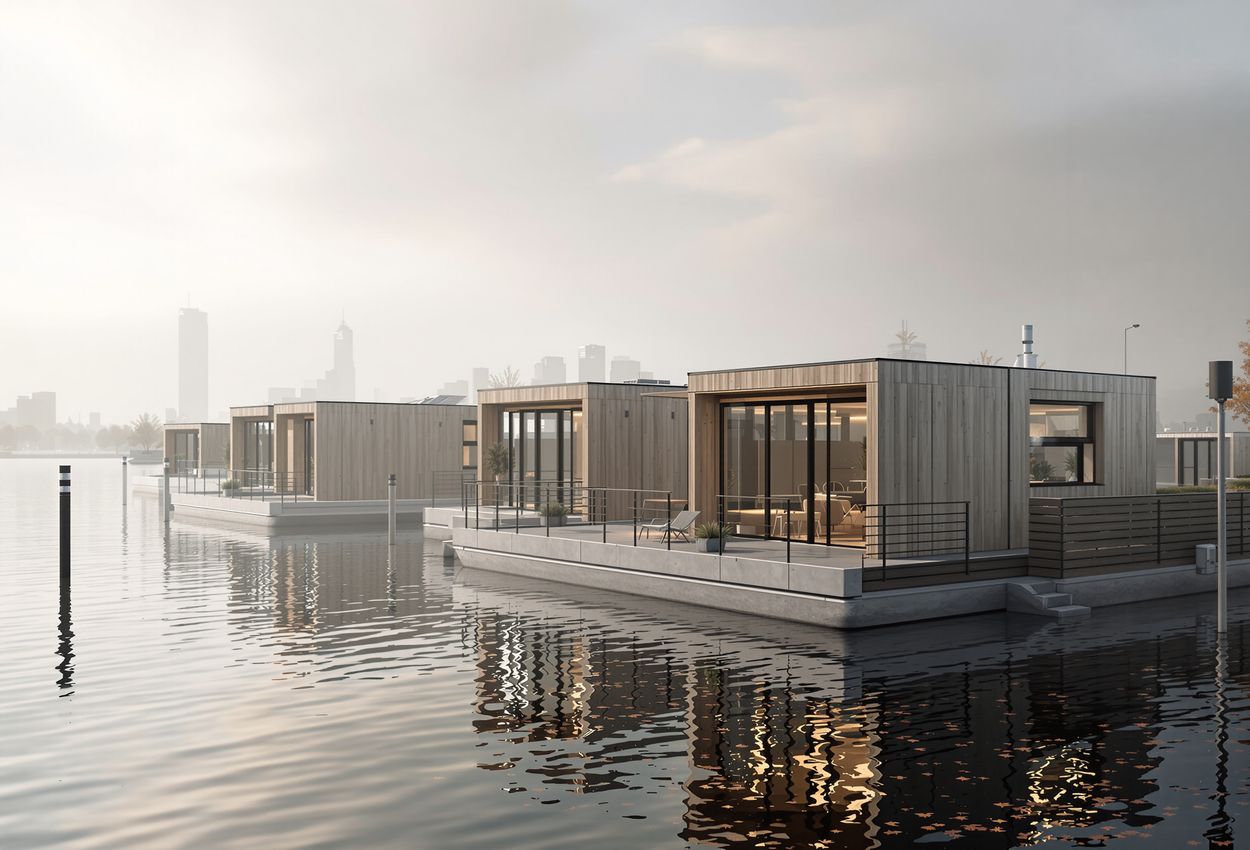
Hidden Gem: Visit the Delfshaven neighborhood, a historic port district with charming canals, traditional Dutch architecture, and a vibrant cultural scene.
Toronto's Waterfront: A Public-Private Partnership Success
Toronto's waterfront revitalization is a prime example of successful public-private collaboration. The project, known as Waterfront Toronto, was launched in 2001 with the goal of transforming a neglected industrial area into a vibrant, mixed-use community with public access to the waterfront.
Waterfront Toronto is a partnership between the federal, provincial, and municipal governments, as well as private developers. This collaboration has allowed the project to leverage a wide range of expertise and resources, ensuring its success.
The project's goals include creating a vibrant, mixed-use community with a mix of residential, commercial, and cultural spaces. It also aims to provide public access to the waterfront, with parks, promenades, and recreational facilities for residents and visitors to enjoy.
The economic benefits of the project are significant. Increased property values, job creation, and tourism revenue have all contributed to the economic vitality of the area. The project has also attracted significant investment, both domestic and international.
Working with multiple stakeholders has presented both challenges and opportunities. The project has required careful coordination and communication to ensure that all parties are aligned and working towards the same goals. However, the collaboration has also brought a wealth of expertise and resources to the table, allowing the project to achieve its ambitious goals.
Local Tip: Take a stroll along the Martin Goodman Trail, a scenic waterfront path that stretches for over 56 kilometers, offering stunning views of Lake Ontario and the city skyline.
Hidden Gem: Visit the Toronto Islands, a chain of islands just offshore from downtown Toronto, offering beaches, parks, and recreational activities.
Auckland's Viaduct Harbour: New Zealand's Maritime Marvel
Auckland's Viaduct Harbour is a shining example of how a commercial port can be transformed into a recreational and residential hub. Once a bustling industrial area, the harbor has been revitalized into a vibrant waterfront destination that celebrates its maritime history while embracing modern amenities.
The area's maritime history is preserved through the preservation of historic buildings and the display of maritime artifacts. The New Zealand Maritime Museum showcases the country's rich seafaring heritage, while the Viaduct Maritime Market offers a taste of the harbor's past with its fresh seafood and maritime-themed crafts.
The waterfront's attractions include a superyacht marina, restaurants, and event spaces. The marina attracts luxury yachts from around the world, while the restaurants offer a diverse range of culinary experiences. The event spaces host a variety of events, from concerts to festivals, drawing crowds from near and far.
The harbor has played a key role in hosting major international events, such as the America's Cup. These events have not only boosted the local economy but also enhanced Auckland's international profile.
Local Tip: Take a harbor cruise to see Auckland's skyline from the water and learn about the city's maritime history.
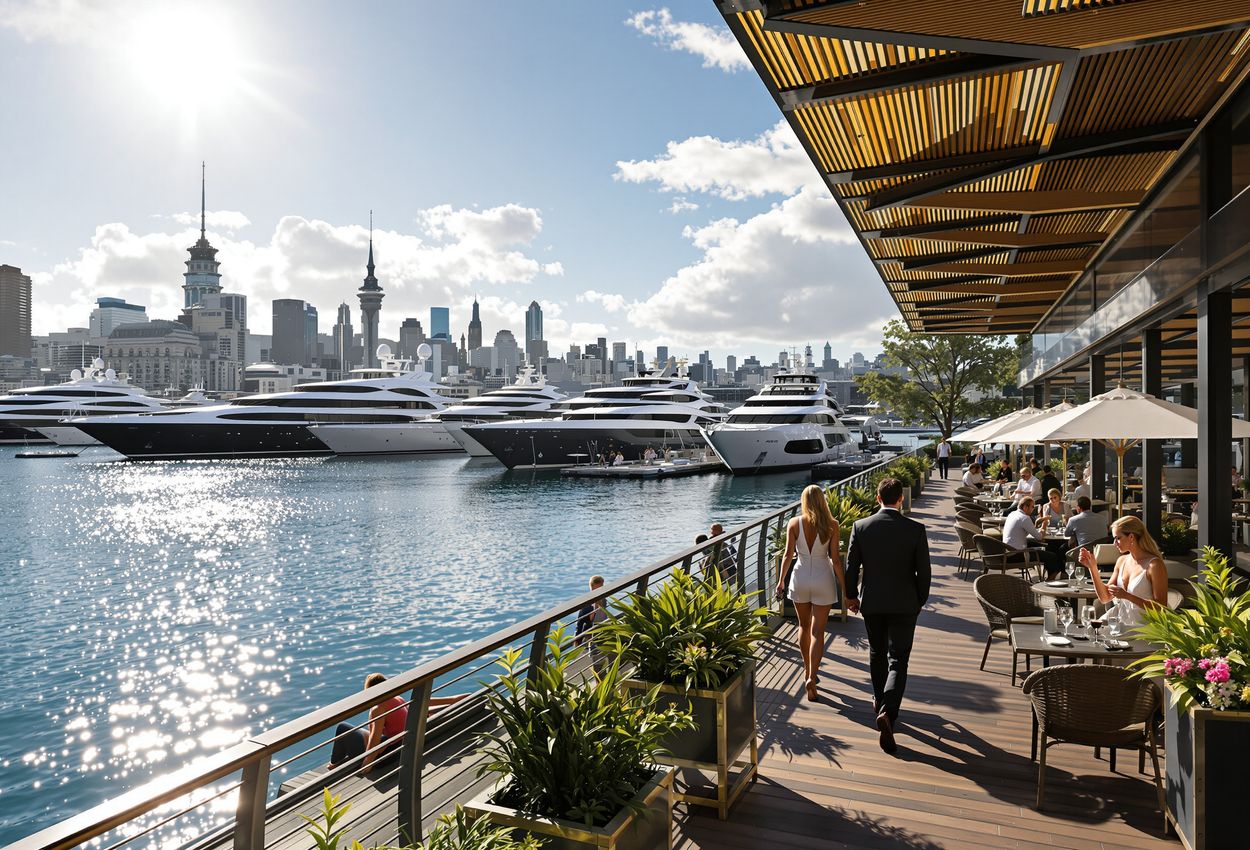
Hidden Gem: Visit the Wynyard Quarter, a revitalized industrial area with public art installations, parks, and a vibrant dining scene.
Rochester's Riverway: An American Transformation
The revitalization of the Genesee River waterfront in Rochester, New York, is a testament to the power of urban renewal. Faced with the challenges of a post-industrial economy, Rochester has transformed its waterfront into a tourism destination, attracting visitors and boosting the local economy.
The city faced significant challenges during its post-industrial phase, including declining population, job losses, and a shrinking tax base. The waterfront, once a hub of industrial activity, became a symbol of urban decay.
The strategies employed to transform the waterfront included environmental remediation, infrastructure upgrades, and the creation of new public spaces. The Genesee Riverway Trail, a scenic path along the river, has become a popular destination for walkers, bikers, and runners.
The project has focused on sustainability and community engagement, ensuring that the revitalization benefits all members of the community. Green infrastructure, energy-efficient design, and community outreach programs have all been key elements of the project.
Local Tip: Visit the High Falls, a spectacular waterfall in the heart of downtown Rochester, and learn about the city's industrial history at the High Falls Interpretive Center.
Hidden Gem: Explore the Neighborhood of the Arts, a vibrant cultural district with art galleries, theaters, and studios.
Buenos Aires' Puerto Madero: Argentina's Urban Icon
Buenos Aires' Puerto Madero stands as a striking example of how a derelict docklands area can be transformed into a modern urban district. Once a neglected industrial zone, Puerto Madero has been revitalized into a thriving hub of residential, commercial, and cultural activity.
The area was once a derelict docklands area, plagued by crime and poverty. The city saw an opportunity to transform the area into a modern urban district, attracting investment and boosting the city's international profile.
The architectural landmarks in Puerto Madero, such as the Puente de la Mujer, a striking pedestrian bridge designed by Santiago Calatrava, have become iconic symbols of Buenos Aires. The district also features a mix of residential, commercial, and cultural spaces, creating a vibrant and diverse community.
The project has played a key role in attracting investment and boosting the city's international profile. The district is home to luxury hotels, high-end restaurants, and corporate headquarters, attracting both domestic and international businesses.
Local Tip: Take a walk along the waterfront promenade and admire the modern architecture and stunning views of the city skyline.
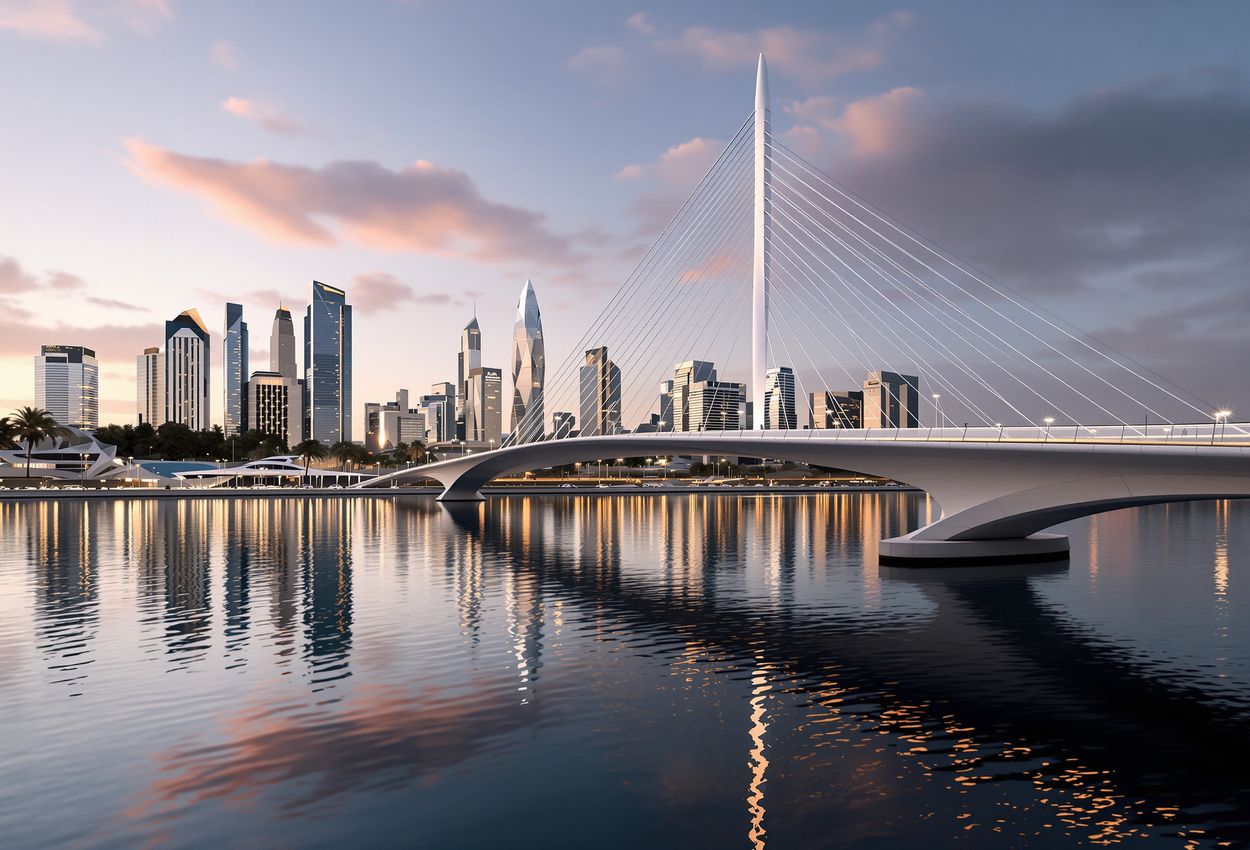
Hidden Gem: Visit the Fortabat Art Collection, housed in a modern building on the waterfront, to see a collection of Argentine and international art.
Integrating Nature: Ecosystem Restoration
As cities revitalize their waterfronts, it's crucial to integrate ecological considerations into the planning and development process. Ecosystem restoration efforts can enhance biodiversity, improve climate resilience, and increase recreational opportunities, creating more sustainable and livable urban environments.
Successful ecosystem restoration efforts include wetland creation, habitat restoration, and water quality improvement. Wetlands provide a range of ecosystem services, including flood control, water filtration, and habitat for wildlife. Habitat restoration can enhance biodiversity and create more resilient ecosystems. Water quality improvement can reduce pollution and make waterfronts more attractive for recreation.
The benefits of these efforts are numerous. Enhanced biodiversity creates more resilient ecosystems, which can better withstand the impacts of climate change. Improved climate resilience protects communities from flooding and other extreme weather events. Increased recreational opportunities enhance the quality of life for residents and attract tourists.
Local Tip: Visit a local nature center or park to learn about the importance of ecosystem restoration and how you can get involved.
Hidden Gem: Explore a local wetland or marsh and observe the diverse plant and animal life that it supports.
Challenges and Opportunities
Waterfront redevelopment is not without its challenges. Funding constraints, land use conflicts, and the potential displacement of existing communities are all issues that must be addressed. However, these challenges also present opportunities for innovation and collaboration.
Public-private partnerships can leverage the resources and expertise of both the public and private sectors, ensuring that projects are financially viable and meet the needs of the community. Community engagement can ensure that projects are responsive to the needs and concerns of local residents. Adaptive planning can allow projects to adjust to changing circumstances and ensure their long-term success.
Balancing economic development with social equity and environmental protection is crucial for ensuring that waterfront revitalization benefits all members of the community. By addressing the challenges and seizing the opportunities, cities can create waterfronts that are not only economically successful but also socially equitable and environmentally sustainable.
Community Engagement
Engaging the local community in the planning and development process is essential for ensuring the success of waterfront revitalization projects. Community involvement can increase support for projects, improve design outcomes, and foster a stronger sense of ownership.
Successful strategies for community engagement include public forums, workshops, and online surveys. These strategies provide opportunities for residents to share their ideas, concerns, and priorities. Community advisory boards can provide ongoing input and guidance throughout the project.
Local Tip: Attend a public forum or workshop to learn about waterfront revitalization projects in your community and share your ideas.
Hidden Gem: Volunteer with a local organization that is working to improve your community's waterfront.
Economic and Social Benefits
The economic and social benefits of waterfront revitalization are numerous. Increased property values, job creation, and tourism revenue can all contribute to the economic vitality of the area. Waterfronts can also attract businesses and residents, creating vibrant public spaces that enhance the quality of life for the community.
Ensuring that these benefits are shared equitably among all members of the community is crucial. Affordable housing, job training programs, and community development initiatives can help to ensure that everyone has the opportunity to benefit from waterfront revitalization.
Sustainability and Resilience
Sustainability and resilience are essential considerations in waterfront redevelopment. Projects that incorporate green infrastructure, energy-efficient design, and climate change adaptation measures can reduce environmental impacts, lower operating costs, and increase community resilience.
Green infrastructure, such as green roofs, permeable pavements, and rain gardens, can help to manage stormwater runoff and reduce the urban heat island effect. Energy-efficient design can reduce energy consumption and lower operating costs. Climate change adaptation measures, such as flood barriers and elevated structures, can protect communities from the impacts of rising sea levels and extreme weather events.
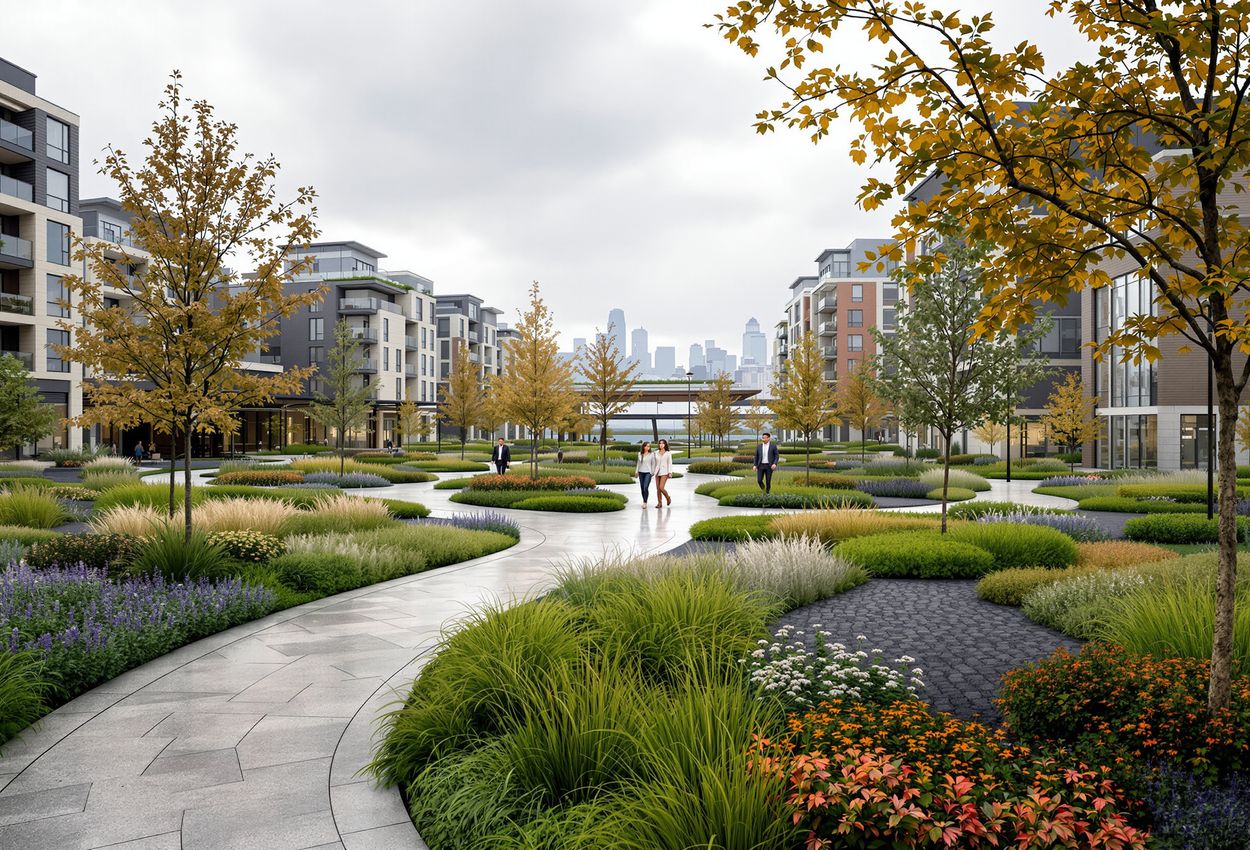
By prioritizing sustainability and resilience, cities can create waterfronts that are not only economically successful but also environmentally responsible and socially equitable. These approaches ensure reduced environmental impacts, lower operating costs, and increased community resilience.
As urban waterfronts continue to evolve, the principles of sustainability and resilience will become increasingly important. By embracing these principles, cities can create waterfronts that are not only beautiful and vibrant but also environmentally sound and socially equitable, ensuring a brighter future for generations to come.