In the heart of the Netherlands, a phoenix has risen from the ashes of war. Rotterdam, a city once defined by devastation, now stands as a testament to human resilience and architectural innovation. This is a city that dared to reimagine itself, embracing modernity and sustainability with unwavering determination.
Rotterdam's story is not just about rebuilding; it's about redefining what a city can be. From its iconic skyline to its groundbreaking approach to urban planning, Rotterdam offers a compelling vision for the future of urban living.
From Rubble to Rebirth: Rotterdam's Defining Moment
The date was May 14, 1940. In a matter of hours, the heart of Rotterdam was reduced to smoldering ruins by relentless German bombing during World War II. The devastation was almost total; entire neighborhoods were flattened, and the city's historic core vanished in a sea of flames. The human cost was immense, with nearly a thousand lives lost and tens of thousands left homeless. The scale of destruction was so profound that it threatened to break the city's spirit. The initial reaction was one of shock and despair, as residents struggled to comprehend the magnitude of the loss. However, amidst the rubble, a spark of defiance ignited.
Even as the fires still burned, city leaders recognized that this tragedy presented an unprecedented opportunity. Rather than simply replicating the old city, they made a bold decision: to rebuild Rotterdam as a modern metropolis, a city that would embrace innovation and look towards the future. This decision was not without controversy, as some lamented the loss of the city's historical character. However, the prevailing sentiment was that Rotterdam could not afford to be chained to the past; it had to forge a new identity.
To truly grasp the scale of destruction and subsequent renewal, one need only visit Coolsingel, Rotterdam's main thoroughfare. Before the war, this bustling street was lined with historic buildings, a testament to the city's rich heritage. In the aftermath of the bombing, it was a scene of utter desolation, a gaping wound in the heart of the city. Today, Coolsingel is a symbol of Rotterdam's rebirth, a wide boulevard lined with modern skyscrapers and bustling shops. It embodies the city's transformation from a war-torn landscape to a vibrant, forward-looking urban center.
The Basic Plan: A Bold Vision Takes Shape
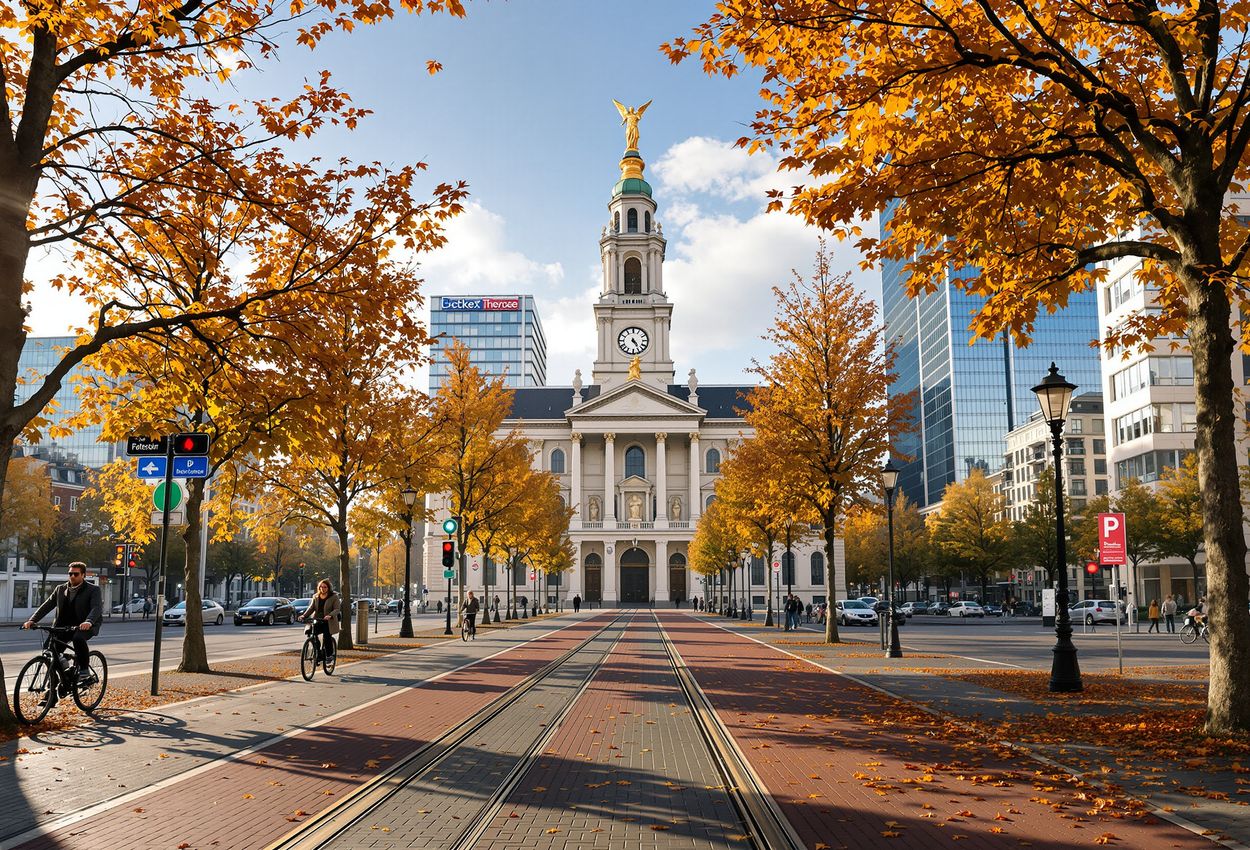
At the heart of Rotterdam's reconstruction was Cornelis van Traa's Basic Plan, a visionary blueprint that would fundamentally reshape the city's urban landscape. Van Traa, a prominent urban planner, recognized that the old city layout was ill-suited for the demands of a modern metropolis. His plan, adopted in 1946, proposed a radical departure from traditional Dutch city layouts, characterized by narrow streets and densely packed buildings.
The Basic Plan was based on the principle of separating functions, creating distinct zones for living, working, and recreation. This innovative approach aimed to improve the quality of life for Rotterdam's residents by reducing congestion and promoting a more balanced urban environment. Key elements of the plan included the creation of wide boulevards to facilitate traffic flow, the introduction of green spaces to enhance the city's livability, and the development of modern residential neighborhoods with ample amenities.
One of the most iconic examples of Van Traa's vision is the Lijnbaan, a pedestrianized shopping street that was one of the first of its kind in the world. The Lijnbaan was designed as a car-free zone, allowing shoppers to stroll and browse at their leisure. Its innovative design, featuring a mix of shops, restaurants, and public spaces, quickly made it a popular destination and a symbol of Rotterdam's modernity.
Van Traa's Basic Plan was not without its critics, who argued that it prioritized functionality over aesthetics. However, its impact on Rotterdam is undeniable. It laid the foundation for the city's transformation into a modern, efficient, and livable urban center, setting it apart from other Dutch cities with their more traditional layouts.
Architectural Icons Rise: Symbols of a New Era
As Rotterdam began to rebuild, a new generation of architects emerged, eager to express the city's forward-looking attitude through bold and innovative designs. These architects embraced modernism, a style characterized by clean lines, functional forms, and the use of new materials like steel and concrete. The result was a collection of architectural icons that not only reshaped Rotterdam's skyline but also symbolized its economic revival and cultural dynamism.
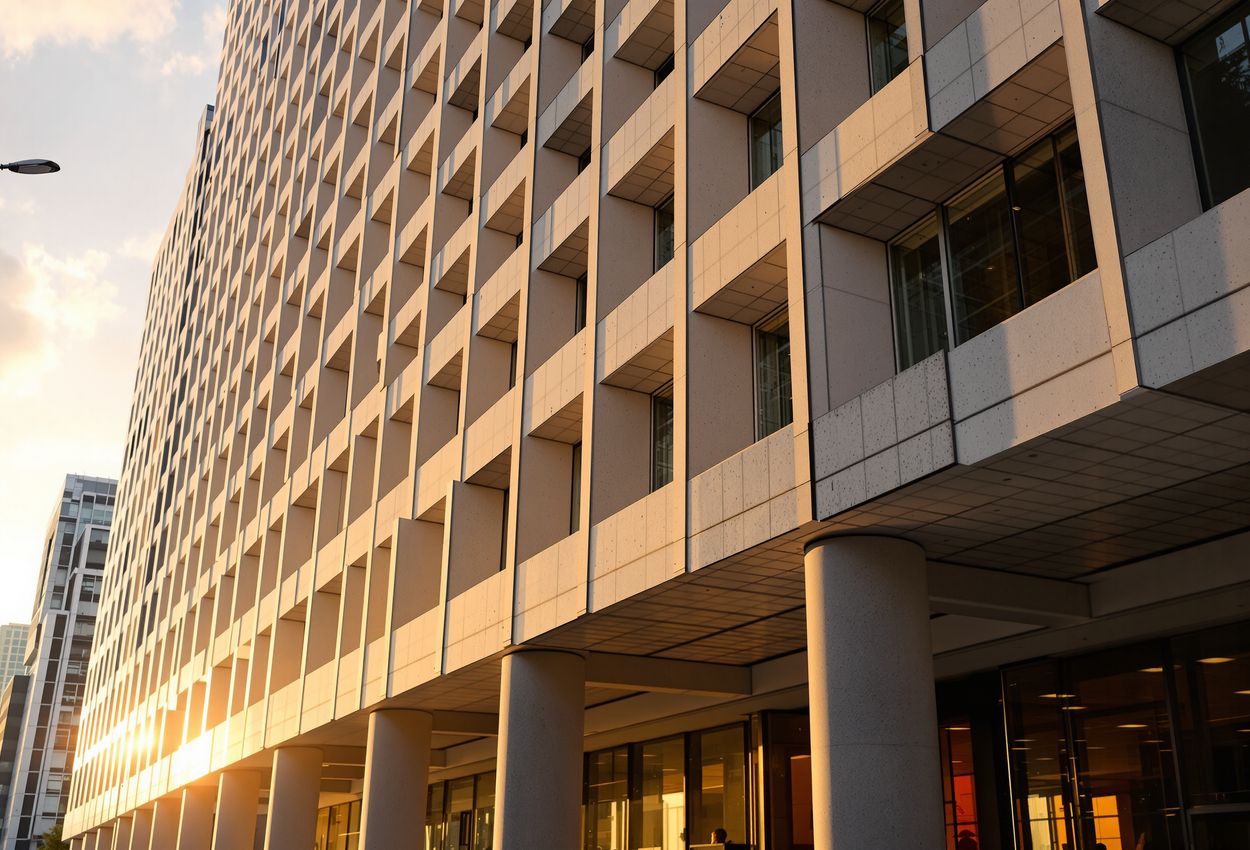
One of the most prominent examples of this new era of architecture is the Groothandelsgebouw, a massive office building that became a symbol of Rotterdam's economic resurgence. Completed in 1953, the Groothandelsgebouw was one of the largest buildings in Europe at the time, providing much-needed office space for businesses eager to establish themselves in the rebuilt city. Its modernist design, featuring a grid-like facade and a prominent central tower, reflected Rotterdam's ambition to become a major international trading hub.
Another key building from the reconstruction period is the Bijenkorf department store, designed by architect Marcel Breuer. The Bijenkorf was not only a place to shop but also a symbol of Rotterdam's renewed consumer culture. Its modernist design, characterized by its sleek lines and large windows, reflected the city's embrace of modernity and its optimism for the future.
Living Laboratories: Innovative Housing Solutions
Rotterdam didn't just rebuild its commercial and administrative infrastructure; it also pioneered new approaches to housing, seeking to create vibrant and sustainable residential communities. This innovative spirit led to the development of several experimental housing projects that challenged conventional notions of urban living.
Perhaps the most iconic example of Rotterdam's pioneering approach to housing is the Cube Houses (Kubuswoningen), designed by architect Piet Blom. These unconventional homes, tilted at a 45-degree angle and perched atop concrete pillars, were conceived as an attempt to create a village within a city. Blom's concept was to maximize space and create a sense of community, offering residents a unique and engaging living experience.
Another notable example of Rotterdam's innovative housing solutions is the Justus van Effen complex, a large residential building that features a communal courtyard and a range of shared facilities. The Justus van Effen complex was designed to promote social interaction and a sense of community among its residents, offering a model for sustainable urban living.
Bridging the Divide: The Erasmus Bridge and Kop van Zuid
The Erasmus Bridge (Erasmusbrug), an architectural marvel designed by Ben van Berkel, is a symbol of Rotterdam's ambition and its commitment to connecting its past with its future. Completed in 1996, the bridge spans the Nieuwe Maas River, linking the city center with the redeveloped Kop van Zuid docklands. Its sleek, modern design and soaring pylon have made it an icon of the city, earning it the nickname 'The Swan'.
More than just a transportation link, the Erasmus Bridge represents Rotterdam's transformation from a port city to a modern metropolis. It has facilitated the redevelopment of the Kop van Zuid, a former docklands area that had fallen into disuse. Today, the Kop van Zuid is a thriving residential and business district, home to modern apartment buildings, office towers, and cultural attractions.
One of the most striking buildings in the Kop van Zuid is De Rotterdam, designed by Rem Koolhaas. This massive mixed-use complex, consisting of three interconnected towers, is a vertical city in itself, housing offices, apartments, a hotel, and a range of amenities. De Rotterdam is a testament to Rotterdam's ambition and its ability to attract world-class architectural talent.

A Market Hall Like No Other: The Markthal Experience
The Markthal, designed by the architectural firm MVRDV, is more than just a marketplace; it's a vibrant social hub and a symbol of Rotterdam's culinary diversity. Opened in 2014, the Markthal's unique architectural design and its function as both a marketplace and a residential building have made it a must-see destination for locals and tourists alike.
The Markthal's most striking feature is its massive interior artwork, a colorful mural that covers the entire ceiling. This artwork, created by Arno Coenen and Iris Roskam, depicts a vibrant array of fruits, vegetables, and other food items, celebrating the abundance and diversity of the marketplace.
Beneath the artwork, a bustling marketplace offers a wide variety of food vendors, selling everything from fresh produce to artisanal cheeses to international delicacies. The Markthal has become a popular gathering place for Rotterdam's residents, a place to shop, eat, and socialize. It exemplifies Rotterdam's commitment to creating vibrant public spaces that enhance the quality of life for its citizens.
Sustainable City: Green Initiatives Take Root
Rotterdam is not only a city of modern architecture but also a leader in sustainability, committed to creating a livable and environmentally responsible urban environment. This commitment is reflected in a range of green initiatives that are transforming the city's landscape and improving the quality of life for its residents.
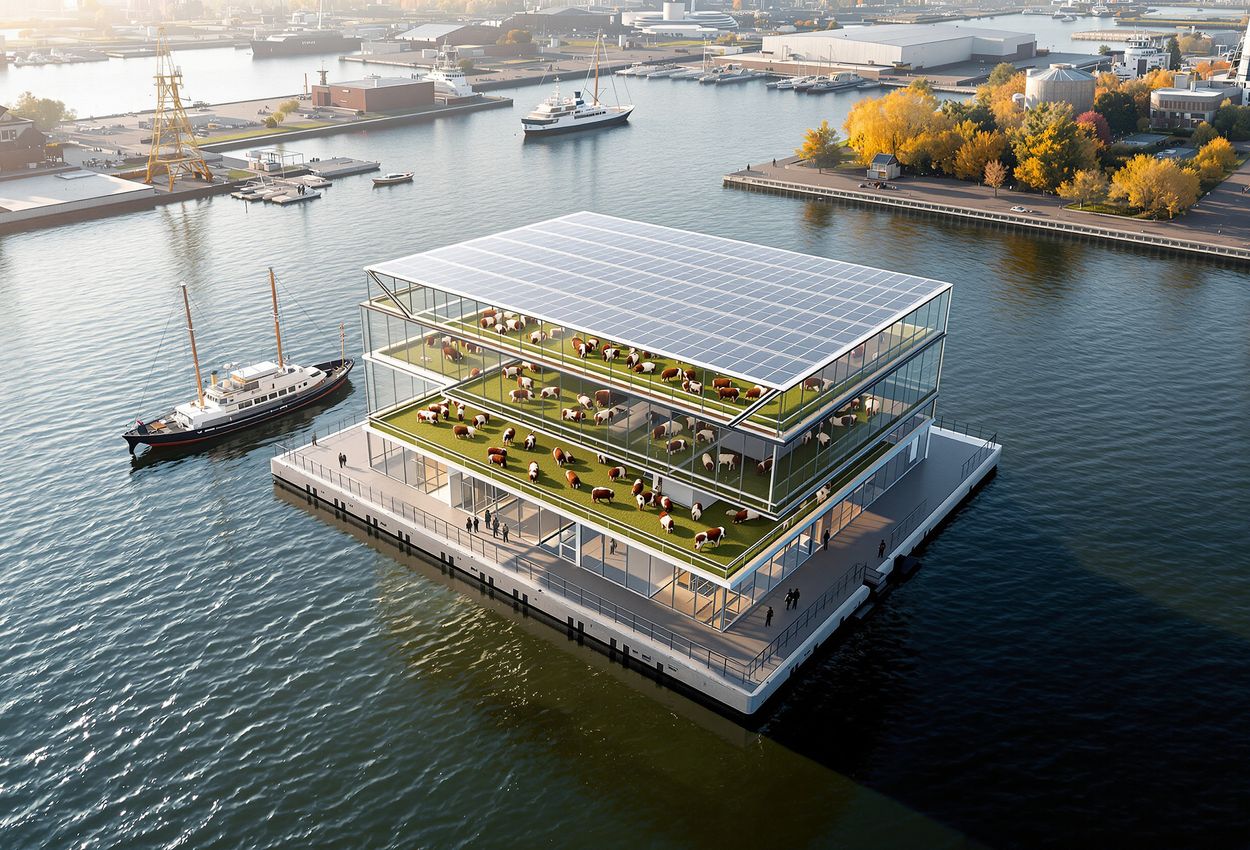
One of the most innovative examples of Rotterdam's commitment to sustainability is the Floating Farm, a unique agricultural project that aims to produce food in a sustainable and climate-resilient way. The Floating Farm, located in the Merwehaven port area, is a three-story structure that houses dairy cows, allowing them to graze and produce milk in an urban environment. The farm is designed to be self-sufficient, using solar panels for energy and rainwater for irrigation.
Another notable example of Rotterdam's green initiatives is the Dakpark, a large roof park built atop a shopping center. The Dakpark provides a green oasis in a densely populated area, offering residents a place to relax, exercise, and enjoy nature. It also helps to reduce the urban heat island effect and improve air quality.
Water Management: Adapting to a Changing Climate
As a city located in a low-lying delta, Rotterdam has always had to contend with the challenges of water management. However, with climate change increasing the risk of flooding and sea-level rise, the city has taken a proactive approach to adapting to these challenges, developing innovative strategies to manage water and protect its residents.
One of the most innovative examples of Rotterdam's water management strategies is the Benthemplein water square, a public space that doubles as a stormwater buffer. The Benthemplein is designed to collect and store rainwater during periods of heavy rainfall, preventing flooding and providing a recreational space for residents during dry weather.
The water square is just one of many projects that demonstrate Rotterdam's commitment to climate adaptation, showcasing how the city is repurposing water challenges into opportunities, creating stormwater buffers and recreational spaces. These initiatives highlight the importance of climate adaptation in Rotterdam's urban planning, ensuring that the city remains resilient in the face of a changing climate.
Cultural Canvas: Art and Design Flourish
Rotterdam's cultural scene is as dynamic and innovative as its architecture, with a thriving arts community that reflects the city's diverse population and its forward-looking spirit. From world-class museums to vibrant street art, Rotterdam offers a rich cultural landscape that is constantly evolving.
Key museums like Museum Boijmans Van Beuningen and Kunsthal Rotterdam showcase a wide range of artistic styles and periods, from Old Masters to contemporary works. The Kunsthal, designed by Rem Koolhaas, is an architectural icon in itself, its innovative design reflecting Rotterdam's commitment to modernism.
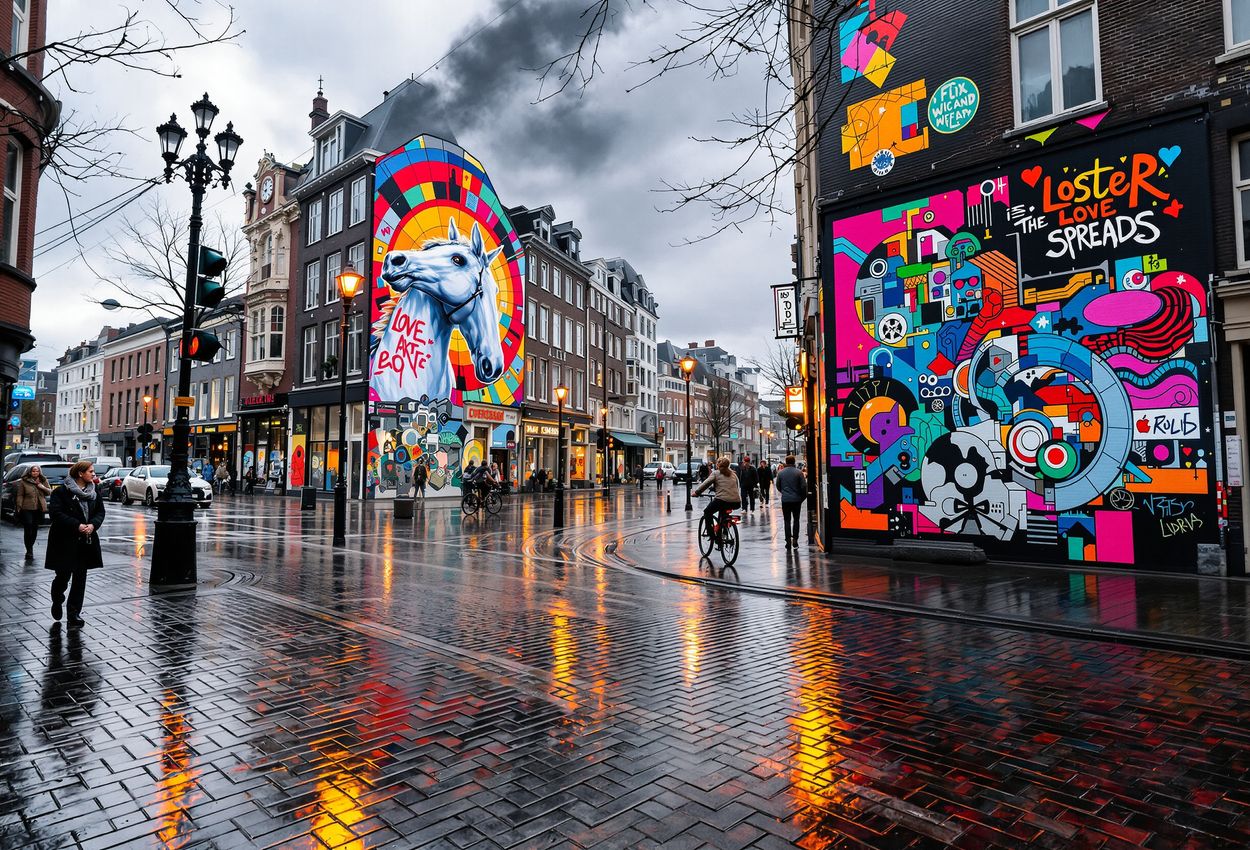
Beyond its museums, Rotterdam is also known for its vibrant street art scene, with colorful murals and graffiti art adorning buildings throughout the city. This street art reflects Rotterdam's diverse cultural influences and its embrace of artistic expression in all its forms. The city also hosts the Rotterdam Film Festival, an internationally recognized event that showcases independent and experimental films from around the world.
Port of the Future: Innovation on the Water
The Port of Rotterdam is not only a major economic driver but also a leader in sustainable innovation, committed to reducing its environmental impact and creating a climate-neutral future. As one of the largest ports in the world, the Port of Rotterdam recognizes its responsibility to address the challenges of climate change and to promote sustainable practices throughout its operations.
The port has implemented a range of initiatives to reduce carbon emissions, including the use of renewable energy sources, the development of smart logistics systems, and the promotion of sustainable shipping practices. It is also investing in innovative technologies to improve efficiency and reduce waste.
The Port of Rotterdam's commitment to sustainability extends beyond its own operations, as it also works to promote sustainable practices throughout the maritime industry. It collaborates with other ports, shipping companies, and research institutions to develop and implement new technologies and strategies to reduce the environmental impact of shipping.
Urban Planning 2.0: Rotterdam's Management of the Future
Rotterdam's approach to urban management is characterized by a focus on integration, collaboration, and sustainability, seeking to create a livable and resilient city for all its residents. The city recognizes that effective urban management requires a holistic approach, integrating design, planning, and management in public spaces.
One example of Rotterdam's integrated approach to urban management is the '7 Stadsprojecten' (7 City Projects) urban development program. This program aims to improve the quality of life in Rotterdam's neighborhoods by investing in public spaces, promoting social cohesion, and supporting local businesses.
The city is also rethinking the role of city departments, encouraging collaboration and innovation to create a more sustainable and livable environment. Rotterdam's urban management model serves as an example for other cities seeking to create more resilient and sustainable urban environments.

The Witte Huis: A Historic Skyscraper Survives
Amidst Rotterdam's modern architectural landscape, the Witte Huis (White House) stands as a reminder of the city's rich history and its architectural innovation. Built in 1898, the Witte Huis was Europe's first skyscraper, a testament to Rotterdam's ambition and its embrace of new technologies.
Designed in the Art Nouveau style, the Witte Huis features intricate detailing, graceful lines, and the use of reinforced concrete, an innovative material for the time. Its survival through the WWII bombings, when much of the city was destroyed, has made it a symbol of Rotterdam's resilience and its connection to the past.
Today, the Witte Huis is a national monument, a protected landmark that serves as a reminder of Rotterdam's architectural heritage and its enduring spirit. Its presence amidst the modern skyscrapers of Rotterdam is a testament to the city's ability to blend the old with the new, creating a unique and compelling urban landscape.
Interview with a Visionary: Shaping Rotterdam's Tomorrow
In this fictional interview, we speak with Eva Meulen, a leading architect from Basic City, a firm known for its innovative and sustainable urban designs. Eva shares her insights on Rotterdam's unique character and her vision for the city's future.
Interviewer: Eva, Rotterdam is often described as a city of the future. What makes it so unique?
Eva: Rotterdam is unique because it has been forced to reinvent itself. The destruction of the war gave the city a blank slate, allowing it to embrace modernism and experiment with new urban forms. But it's not just about the architecture; it's about the people. Rotterdam has a diverse and resilient population that is open to new ideas and willing to take risks.
Interviewer: What is your vision for Rotterdam's future?
Eva: I believe Rotterdam can become a model for sustainable urban living. We need to continue to invest in green spaces, promote sustainable transportation, and develop innovative solutions to address the challenges of climate change. But we also need to preserve the city's unique character and its sense of community. It's about finding a balance between progress and preservation.
Rotterdam's Enduring Spirit: A Model for Urban Innovation
Rotterdam's journey from a bombed city to a modern metropolis is a testament to the power of human resilience and the transformative potential of urban planning. The city's bold approach to reconstruction, its commitment to sustainability, and its vibrant cultural scene have made it a model for urban innovation, inspiring cities around the world.
Rotterdam's story is not just about rebuilding; it's about reimagining what a city can be. It's a story of daring to challenge conventions, embracing new ideas, and creating a city that is both functional and beautiful. As Rotterdam continues to evolve, it will undoubtedly remain a source of inspiration for urban planners, architects, and anyone who believes in the power of cities to shape a better future.
From its iconic skyline to its groundbreaking approach to water management, Rotterdam offers a compelling vision for the future of urban living. It is a city that has learned from its past, embraced the present, and is boldly shaping its future, serving as a beacon of hope and innovation for cities worldwide.