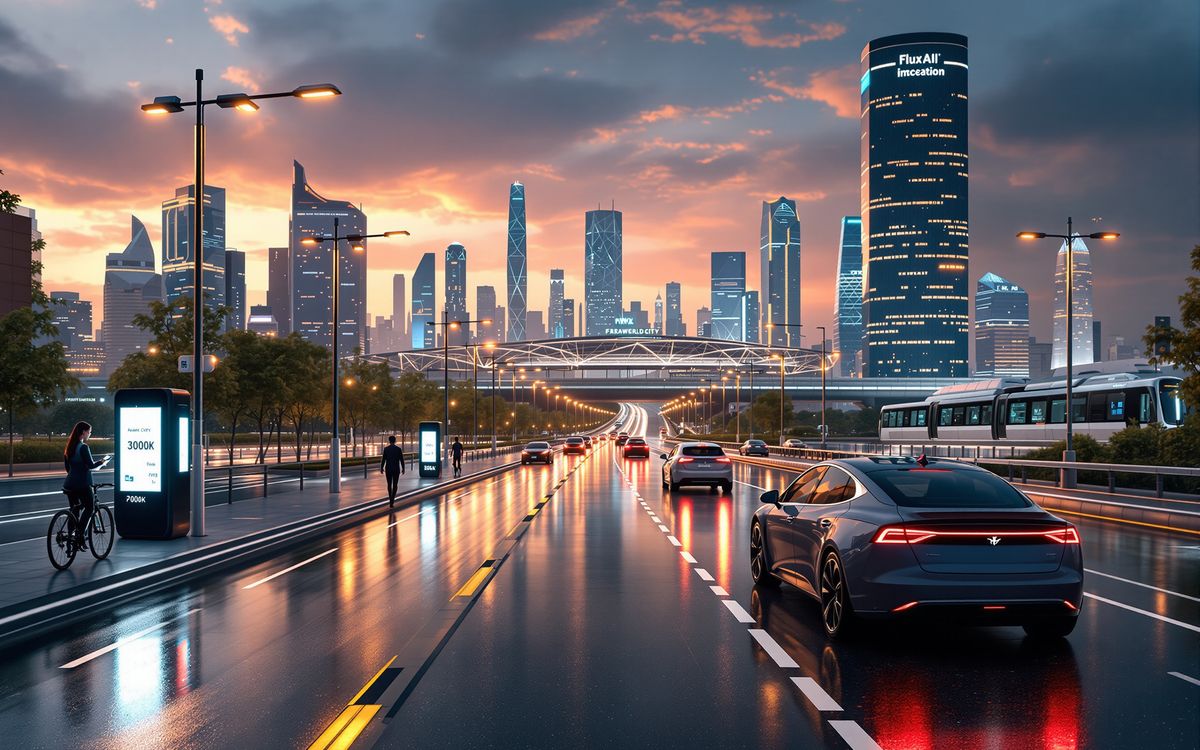
In an era defined by rapid urbanization and technological advancements, the concept of the smart city has emerged as a beacon of innovation, promising to revolutionize urban living.
From intelligent transportation systems to smart energy grids and public safety networks, smart city initiatives are leveraging data and connectivity to address urban challenges and enhance the quality of life for residents and visitors alike. This article explores the core components of smart cities, showcases successful implementations around the world, and examines the challenges and opportunities that lie ahead as we navigate the future of urban development.

Smart City Vision: A Tech-Driven Urban Renaissance
At its core, a smart city is an urban center that utilizes technology and data to improve the efficiency of services, sustainability, and overall quality of life. It's about creating a connected ecosystem where various systems and infrastructures communicate with each other to optimize resource allocation and enhance citizen experiences. The primary goals of a smart city are to improve efficiency, promote sustainability, and enhance the quality of life for its inhabitants. This involves leveraging data and connectivity to address a wide range of urban challenges, from traffic congestion and energy consumption to waste management and public safety.
Key elements of smart cities include the Internet of Things (IoT), artificial intelligence (AI), and data analytics. IoT devices, such as sensors and cameras, collect real-time data on various aspects of urban life, while AI algorithms analyze this data to identify patterns and trends. Data analytics then transforms these insights into actionable strategies for improving city services and infrastructure. For example, Barcelona's smart parking system uses sensors embedded in parking spaces to detect availability, reducing traffic congestion and helping drivers find parking more efficiently. This not only saves time and fuel but also reduces emissions, contributing to a more sustainable urban environment.

Intelligent Transportation: Navigating the Future of Urban Mobility
Intelligent Transportation Systems (ITS) are revolutionizing urban mobility by employing advanced technologies to manage traffic flow, reduce congestion, and enhance public transportation. These systems leverage real-time data to optimize traffic signal timings, provide commuters with up-to-date information, and even pave the way for autonomous vehicles. Smart traffic lights, for instance, use sensors and cameras to monitor traffic patterns and adjust signal timings accordingly, reducing wait times and minimizing traffic jams. This not only improves the flow of vehicles but also reduces emissions, contributing to cleaner air and a healthier environment.
Connected public transport systems provide commuters with real-time information on arrival times, seat availability, and potential delays. This enables passengers to make informed decisions about their journeys, optimizing their travel time and reducing stress. In Chicago, a mobile app allows residents to make online payments and track public transit in real-time, enhancing the overall commuting experience. Furthermore, the integration of autonomous vehicles into urban transportation networks promises to further revolutionize mobility, offering safer, more efficient, and more sustainable transportation options.

Smart Energy: Powering Sustainable and Efficient Cities
Smart energy solutions are essential for creating sustainable and efficient cities. Smart grids and energy management systems promote efficient energy consumption and the integration of renewable energy sources. Smart streetlights, for example, adjust their brightness based on pedestrian or vehicle presence, reducing energy waste and saving municipalities money. These lights can also be equipped with sensors to monitor air quality, traffic flow, and other environmental factors, providing valuable data for urban planning and management.
Smart buildings utilize IoT sensors to monitor and control HVAC systems, lighting, and other energy-consuming devices. This allows building managers to optimize energy usage based on occupancy patterns and environmental conditions, reducing energy waste and lowering utility bills. Austin's updated electric grid incorporates renewable energy sources, making it easier to integrate solar and wind power into the city's energy mix. This not only reduces the city's carbon footprint but also enhances its energy independence and resilience.

Waste Management: Cleaning Up Urban Environments with Tech
Smart waste management systems are critical for maintaining clean and sustainable urban environments. These systems employ a range of technologies to optimize waste collection, reduce landfill waste, and promote recycling. Automated waste sorting systems use AI and robotics to separate recyclable materials from general waste, increasing recycling rates and reducing the burden on landfills. These systems can also identify valuable materials that can be repurposed or sold, generating revenue for municipalities.
Waste-to-energy technologies convert waste into renewable energy, reducing landfill use and generating clean power. These plants use incineration or other advanced processes to convert waste into heat, electricity, or fuel, providing a sustainable alternative to traditional waste disposal methods. Sweden's waste management system is a prime example, with less than 1% of rubbish going to landfill. The country recycles 50% of its annual waste, and the other 50% is used for energy recovery, with the heat from incineration plants used to power homes.

Public Safety: Tech as the Guardian of Urban Security
Smart city technologies play a crucial role in enhancing public safety and security. Real-time monitoring and surveillance systems, utilizing cameras, sensors, and IoT devices, provide valuable data for law enforcement and emergency responders. These systems can detect suspicious activity, monitor traffic flow, and provide situational awareness during emergencies. The integration of IoT and wearable devices for emergency responders enhances their ability to communicate, coordinate, and respond to incidents effectively. Body-worn camera systems used by law enforcement agencies provide a transparent record of interactions with the public, promoting accountability and improving community relations.
Smart emergency response systems automatically dispatch the nearest units to the scene of an incident, reducing response times and improving outcomes. These systems use GPS technology and real-time data to identify the closest available units and provide them with the fastest route to the location. By improving emergency response times and reducing crime rates, smart city technologies contribute to safer and more secure urban environments.

Citizen Engagement: Amplifying Voices in the Digital City
Digital platforms and citizen-centric applications are essential for encouraging active participation in governance and fostering a sense of community. Open data portals provide access to city information, empowering citizens to make informed decisions and hold their government accountable. These portals provide data on a wide range of topics, from crime statistics and budget information to environmental data and transportation schedules.
E-governance platforms improve transparency and accountability by providing citizens with online access to government services and information. These platforms allow residents to apply for permits, pay bills, report issues, and track the status of their requests online. Mobile apps enable citizens to report issues, such as potholes or graffiti, and track the responses from city officials. Collaborative technologies enable greater collaboration between urban communities and governments, fostering a sense of shared responsibility and promoting innovative solutions to urban challenges.

Urban Planning: Designing the Smart Cities of Tomorrow
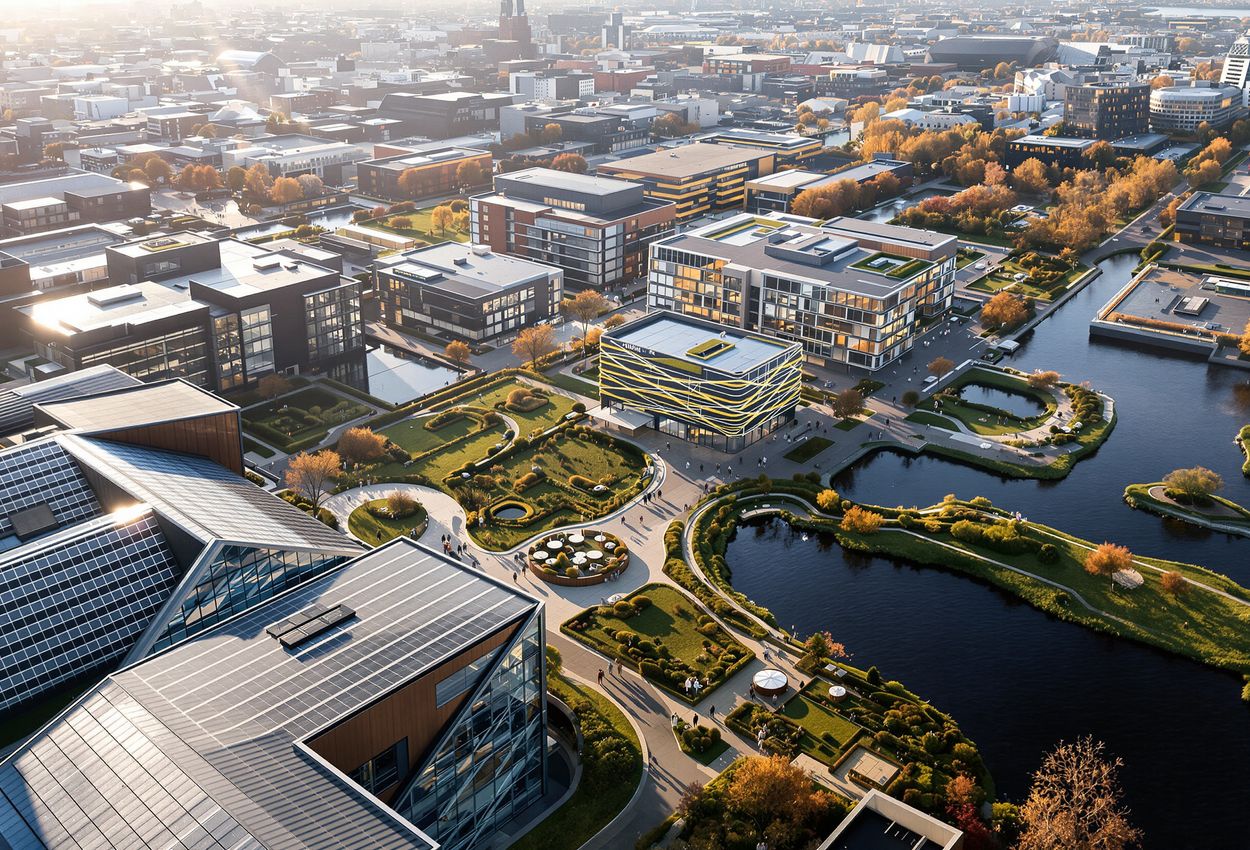
Smart cities integrate ICT to manage assets, services, and resources efficiently, using data analytics to make informed decisions and predict trends. Sustainable urban planning strategies prioritize environmental conservation and resource efficiency, incorporating green infrastructure and transportation systems. Green infrastructure, such as parks, green roofs, and urban forests, provides a range of environmental benefits, including improved air quality, reduced stormwater runoff, and enhanced biodiversity.
Transportation systems that prioritize walking, cycling, and public transit reduce congestion, emissions, and reliance on private vehicles. The Stockholm Royal Seaport integrates energy-efficient buildings and smart grids, showcasing a commitment to sustainable urban development. This project demonstrates how smart city technologies can be integrated into urban planning to create more livable, sustainable, and resilient communities.
Challenges and Opportunities: Navigating the Smart City Landscape
Implementing smart city initiatives presents several challenges, including financial limitations, technical obstacles, and privacy concerns. Data security and cybersecurity measures are essential for protecting sensitive information and preventing cyberattacks. The digital divide, which refers to the gap between those who have access to digital resources and those who do not, must be addressed to ensure equitable access to the benefits of smart city technologies.
However, smart city initiatives also offer significant opportunities for economic development and job creation. The development and deployment of smart city technologies require a skilled workforce, creating new jobs in areas such as software development, data analytics, and engineering. Collaboration between government, industry, and academia is essential for driving innovation and ensuring that smart city initiatives meet the needs of residents and businesses.

Global Smart City Spotlights: Success Stories from Around the World
Several cities around the world have successfully implemented smart city initiatives, serving as models for others to follow. Songdo International Business District in South Korea is a prime example of futuristic urban planning and sustainable development. The city is designed from the ground up with smart technologies, including a waste collection system that eliminates the need for trash trucks and a network of sensors that monitor everything from traffic flow to energy consumption.
Copenhagen's initiatives have led to substantial reductions in carbon emissions and energy consumption. The city has invested heavily in renewable energy, cycling infrastructure, and smart grid technologies, making it a leader in sustainability. Singapore's Smart Nation initiative integrates IoT and AI across various systems, from transportation to healthcare. The city-state is using technology to improve the efficiency of government services, enhance the quality of life for residents, and promote economic growth. Freiburg, Germany, known as the “Green City,” is a leader in sustainability and renewable energy. The city has implemented a range of initiatives to reduce its environmental impact, including promoting energy-efficient buildings, expanding public transportation, and investing in renewable energy sources.

The Future is Now: Emerging Trends in Smart City Technology
Several emerging trends are shaping the future of smart cities. AI and machine learning are playing an increasing role in urban systems, enabling cities to optimize resource allocation, predict trends, and automate tasks. 5G connectivity supports real-time data processing, enabling new applications such as autonomous vehicles and remote healthcare. The development of digital twins for urban planning and simulation allows cities to test new ideas and policies in a virtual environment before implementing them in the real world. Blockchain technology is being used for energy trading and decentralized platforms, enabling peer-to-peer energy sharing and promoting renewable energy adoption. Citizen-centric design and community involvement are essential for ensuring that smart city initiatives meet the needs of residents and foster a sense of ownership and participation.

Expert Insights: Interviews with Leaders in Smart City Innovation
To gain deeper insights into the world of smart cities, we spoke with several technology experts, urban planners, and government officials. These leaders shared their perspectives on the benefits of smart city initiatives for residents and visitors, the challenges and opportunities of implementing these initiatives, and the importance of data-driven decision-making and responsive governance. They emphasized the need for collaboration between the public and private sectors to test and implement new technologies, ensuring that smart city initiatives are tailored to the specific needs and priorities of each community. They highlighted the importance of investing in education and training to prepare the workforce for the jobs of the future, and they stressed the need for ongoing monitoring and evaluation to ensure that smart city initiatives are achieving their intended outcomes. By embracing innovation, fostering collaboration, and prioritizing the needs of citizens, cities can unlock the full potential of smart city technologies and create more livable, sustainable, and resilient communities for all.