


Explore Nara Your Way – Personalized Private Walking Tour
 Nara, JP
 100% of travellers recommend this


Highlights
- Customize Your Itinerary to fit your travel desires
- Private VIP Tour with your own tour guide
- Receive recommendations and assistance from our team
- Flexibility to change itinerary even on the day
- Explore famous destinations with a personalized touch
-
Private VIP Tour
-
Customize Your Itinerary
-
Duration 8 hours
-
English and Thai Guide
-
Extra charges for overtime
-
Wheelchair accessible
Experience the enchanting city of Nara like never before with the Private VIP Tour. This exclusive tour allows you to "Customize Your Itinerary" and create a personalized adventure that fits your travel desires and special requests. With your own private tour guide for approximately 8 hours, you can explore famous destinations such as Todai-ji Temple, Nara Park, Horyu-ji Temple, Kasuga Taisha shrine, Kofuku-ji Temple, and the Nara National Museum. And the best part? You can always change the itinerary even on the day of the tour, allowing for ultimate flexibility and spontaneity. Our team will assist you every step of the way, providing recommendations, making reservations, and ensuring a seamless experience. Immerse yourself in Nara's rich history and cultural heritage with this unforgettable walking tour. Don't miss out on the opportunity to create your own Nara adventure!
At a Glance
-
 Free cancellation
-
 8 hours
-
 Instant Confirmation
-
 Available in English, Thai
-
 Wheelchair accessible
-
 Mobile voucher
-
 Private Tour
-
 Guided
-
 Family friendly

Featured Reviews

Experience Nara like never before with a customizable walking tour led by expert guides fluent in English and Thai, tailored to your preferences.
Included
-
 OtherTour Guide
Excluded
-
 Private transportationPrivate transportation
 -
OtherPublic Transportation
-
MealsMeals
What to expect
Todai-ji Temple
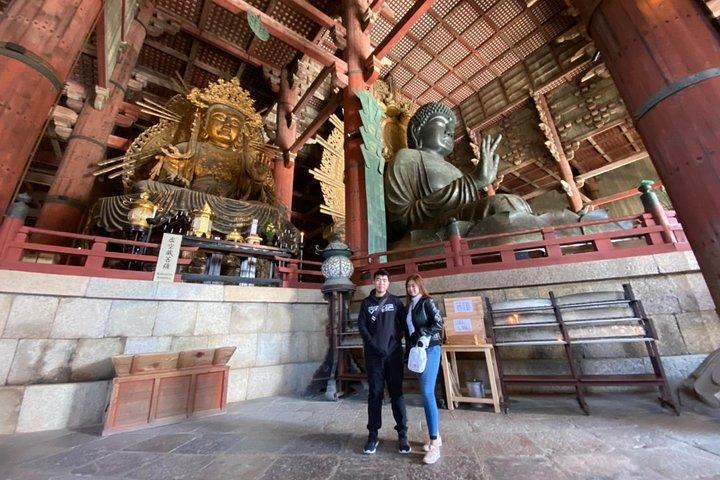
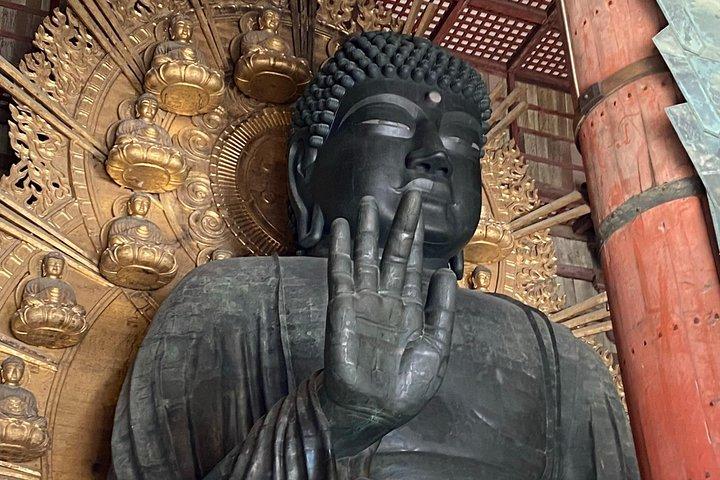
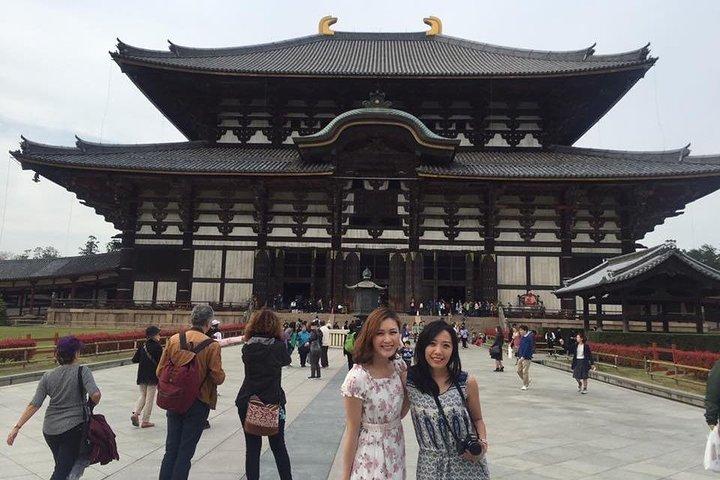
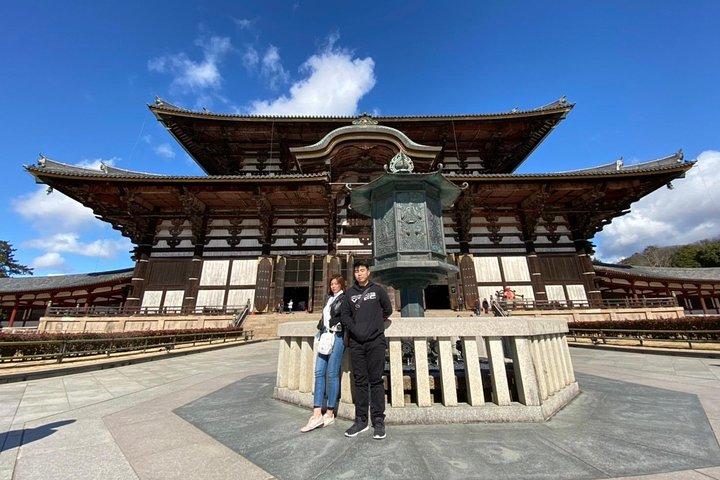
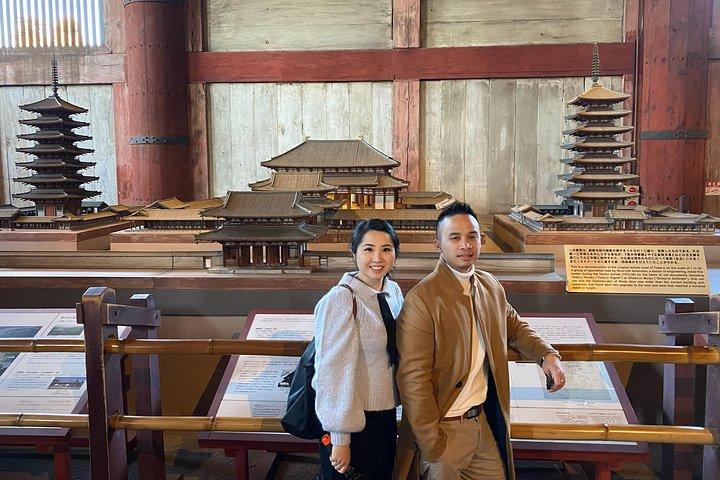
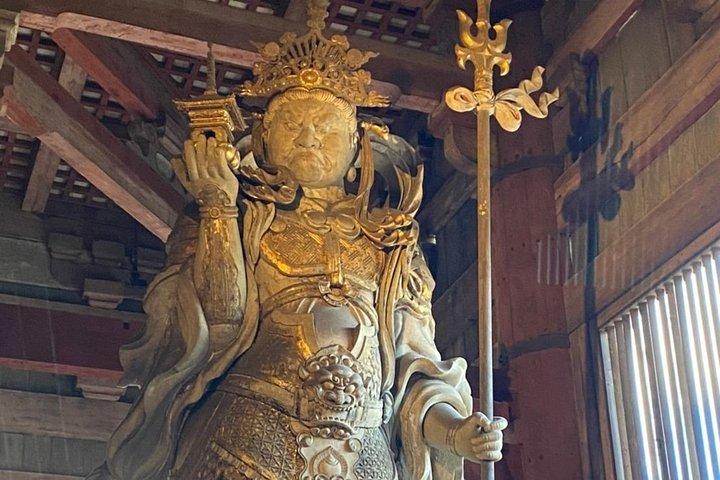
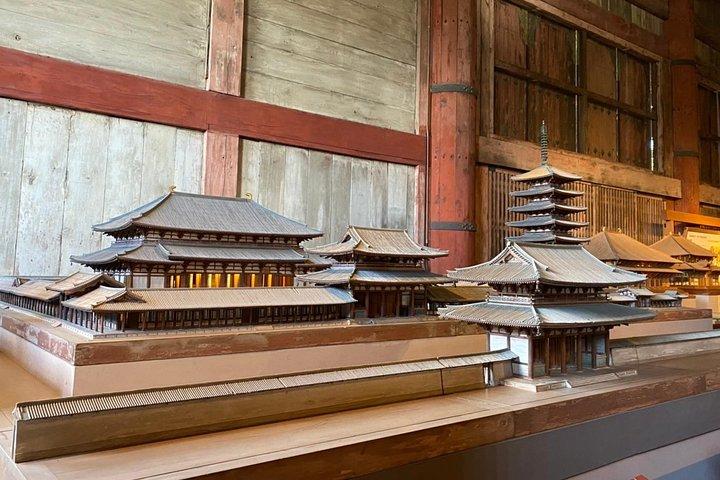
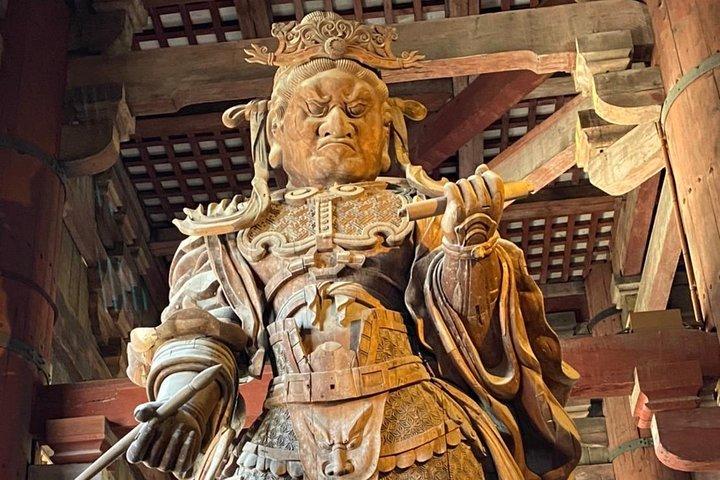
Todaiji (Tōdaiji, "Great Eastern Temple") is one of Japan's most famous and historically significant temples and a landmark of Nara. The temple was constructed in 752 as the head temple of all provincial Buddhist temples of Japan and grew so powerful that the capital was moved from Nara to Nagaoka in 784 in order to lower the temple's influence on government affairs. Todaiji's main hall, the Daibutsuden (Big Buddha Hall) is the world's largest wooden building, despite the fact that the present reconstruction of 1692 is only two thirds of the original temple hall's size. The massive building houses one of Japan's largest bronze statues of Buddha (Daibutsu). The 15 meters tall, seated Buddha represents Vairocana and is flanked by two Bodhisattvas.
60 minutes
 Admission Not Included
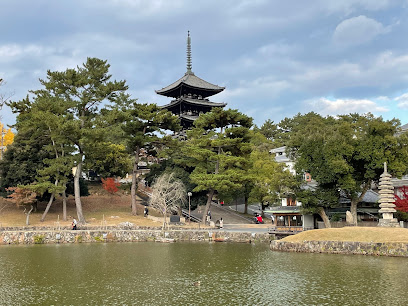
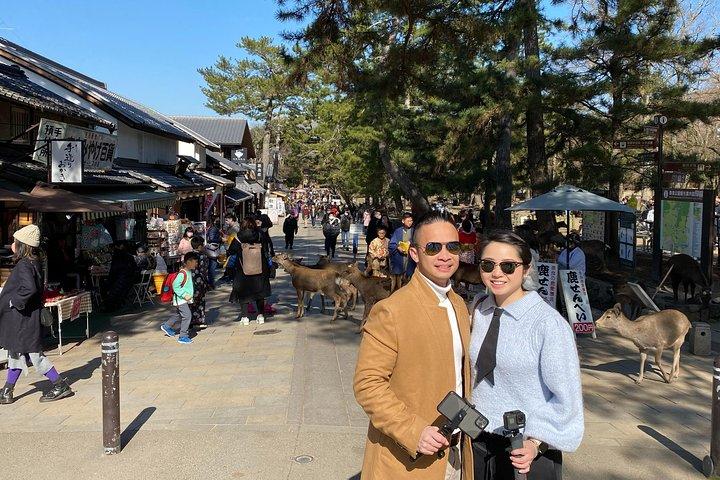
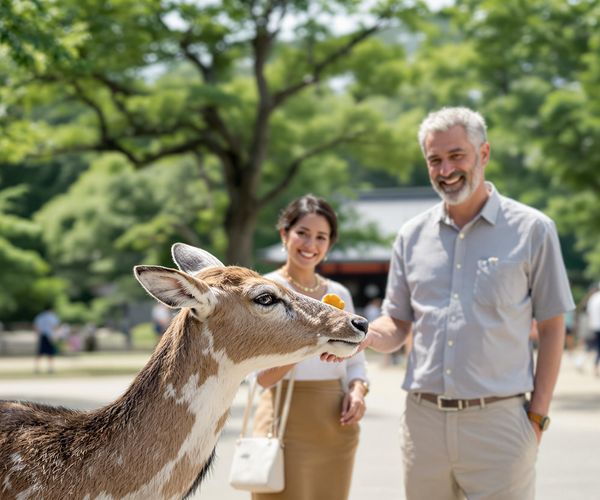
Nara Park (Nara Kōen) is a large park in central Nara. Established in 1880, it is the location of many of Nara's main attractions including Todaiji, Kasuga Taisha, Kofukuji and the Nara National Museum. It is also home to hundreds of freely roaming deer. Considered the messengers of the gods, Nara's over 1000 deer have become a symbol of the city and have even been designated as a natural treasure. Deer crackers are for sale around the park, and some deer have learned to bow to visitors to ask to be fed. Nara's deer are surprisingly tame, although they can be aggressive if they think you will feed them, so make sure not to tease them with food.
60 minutes
Heijo Palace Museum
During most of the Nara Period (710-794), Nara served as the capital of Japan and was known as Heijo-kyo. The Heijo Palace extended about one kilometer wide and one kilometer long and served as the site of the emperor's residence and government offices. For its great historical and cultural importance, the palace site is included as one of the UNESCO World Heritage Sites of Nara. Although the palace once stood as the majestic center of the ancient capital, all of its original buildings were eventually lost, with the exception of a single hall that was moved in the 8th century and now stands at Toshodaiji Temple. When the capital was moved away from Heijo-kyo in 784, Heijo Palace and a large part of the city were abandoned as officials and other citizens flocked to the new capital. The temples on the outskirts of the former capital, however, retained their importance, and the city of Nara eventually resumed its growth around these temples, while the palace grounds were used for nothing but rice fields.
60 minutes
Admission Not Included
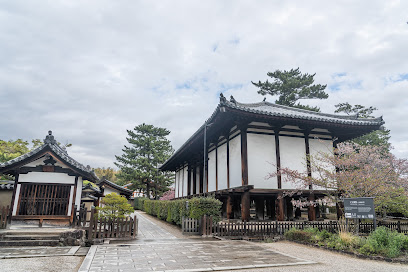
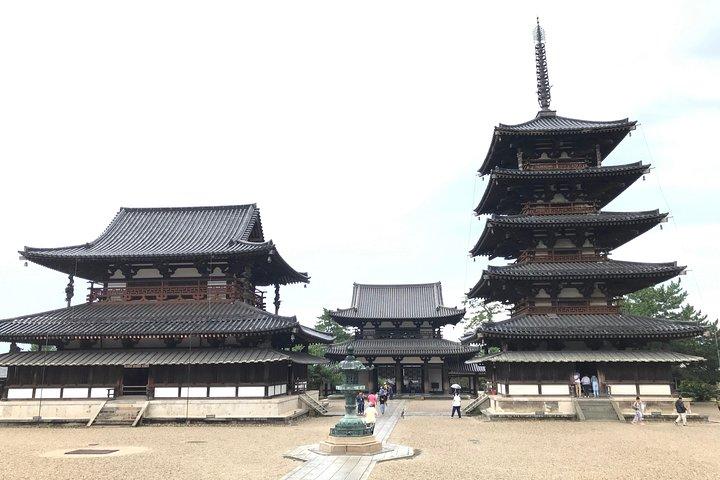
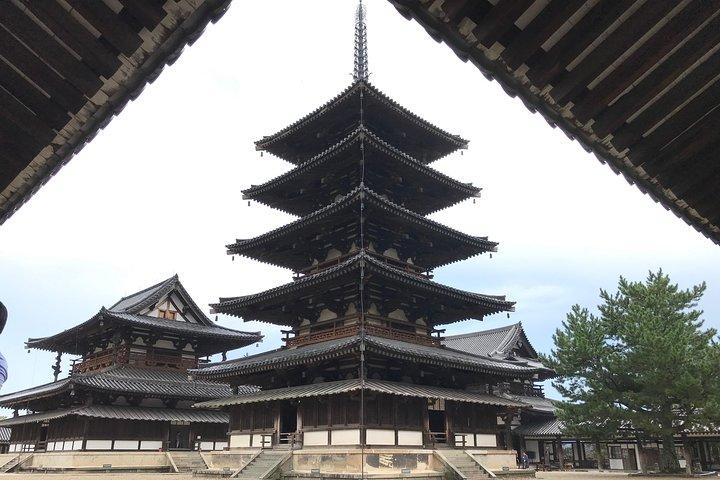
Horyuji Temple (Hōryūji) was founded in 607 by Prince Shotoku, who is credited with the early promotion of Buddhism in Japan. Horyuji is one of the country's oldest temples and contains the world's oldest surviving wooden structures. It was designated a world heritage site in 1993. Horyuji's temple grounds are spacious and separated into two main precincts, the Western Precinct (Saiin Garan) and the Eastern Precinct (Toin Garan).
60 minutes
Admission Not Included
Kasuga Taisha Museum
Kasuga Taisha is Nara's most celebrated shrine. It was established at the same time as the capital and is dedicated to the deity responsible for the protection of the city. Kasuga Taisha was also the tutelary shrine of the Fujiwara, Japan's most powerful family clan during most of the Nara and Heian Periods. Like the Ise Shrines, Kasuga Taisha had been periodically rebuilt every 20 years for many centuries. In the case of Kasuga Taisha, however, the custom was discontinued at the end of the Edo Period. Beyond the shrine's offering hall, which can be visited free of charge, there is a paid inner area which provides a closer view of the shrine's inner buildings. Furthest in is the main sanctuary, containing multiple shrine buildings that display the distinctive Kasuga style of shrine architecture, characterized by a sloping roof extending over the front of the building.
30 minutes
Admission Not Included
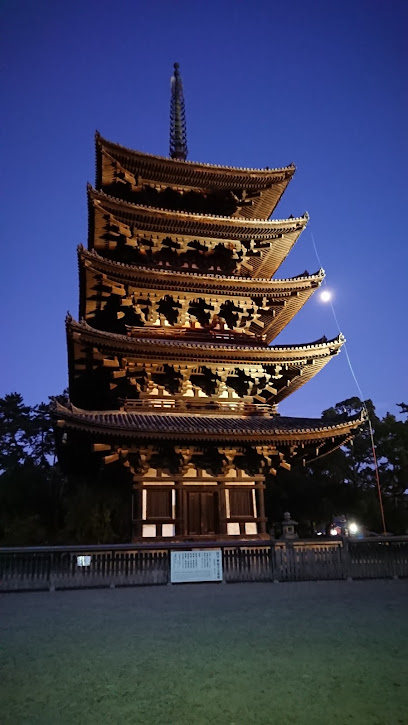
Kofukuji (興福寺, Kōfukuji) used to be the family temple of the Fujiwara, the most powerful aristocratic clan during much of the Nara and Heian Periods. The temple was established in Nara at the same time as the capital in 710. At the height of Fujiwara power, the temple consisted of over 150 buildings.
30 minutes
Admission Not Included
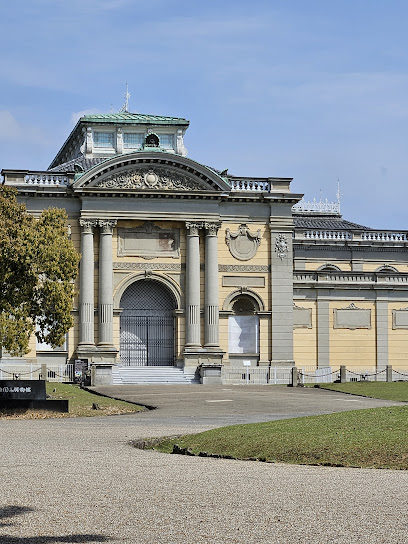
The Nara National Museum (奈良国立博物館, Nara Kokuritsu Hakubutsukan), located in Nara Park, is an art museum which primarily displays Japanese Buddhist art. Established in 1889, the museum retains its original building and is joined by a new wing that is connected to the original building by an underground passage.
30 minutes
Admission Not Included

The Nigatsudo Hall is a short walk on the hill east of the Daibutsuden Hall and offers nice views of the city from its balcony. The hall is the site of the spectacular Omizutori ceremonies, held in March every year.
30 minutes
Hasedera Temple
Hasedera Temple (長谷寺) is located in the mountains east of central Sakurai. The temple was founded in 686, and now serves as the head temple of the Bunzan school of Shingon Buddhism. Situated in a valley, Hasedera has over 30 buildings built up along the hillside that visitors can spend a long time exploring. The main hall is at the very top and offers a great view of the surroundings from its balcony, particularly during the cherry blossom (sakura) and autumn color (koyo) seasons.
60 minutes
Admission Not Included
The experience can be subject to change due to bad weather or unforseen circumstances. We always endeavour to give you the best possible experience.
Additional Information
-
 Infants and small children can ride in a pram or stroller
 -
Infants are required to sit on an adult’s lap
-
Not recommended for pregnant travelers
-
Not recommended for travelers with poor cardiovascular health
-
Not recommended for travelers with spinal injuries
-
Public transportation options are available nearby
-
Suitable for all physical fitness levels
-
Wheelchair accessible
What our experts say
-
 Try the deer crackers in Nara Park.
 -
Visit Todai-ji early to avoid crowds.
-
Explore nearby cafes for lunch options.
-
Check the seasonal events at Kasuga Taisha.
-
Bring a camera for stunning temple views.

More About this Experience
Introduction
Experience the beauty and history of Nara like never before with the NARA Walking Tour. This private VIP tour allows you to customize your itinerary and explore the city at your own pace. With your own dedicated tour guide, you'll have approximately 8 hours to visit the famous destinations and hidden gems of Nara.What to expect?
During the NARA Walking Tour, you can expect a one-of-a-kind experience that caters to your travel desires and special requests. Whether you are interested in exploring ancient temples, strolling through picturesque parks, or immersing yourself in Japanese culture, this tour can be tailored to meet your specific interests. From the iconic Todai-ji Temple, home to the world's largest bronze Buddha statue, to the tranquil Nara Park where hundreds of deer roam freely, you'll have the opportunity to immerse yourself in the rich history and natural beauty of Nara.Who is this for?
The NARA Walking Tour is perfect for anyone seeking a personalized and immersive experience in Nara. Whether you are a history enthusiast, nature lover, or simply looking for a unique travel experience, this tour caters to a wide range of interests. Solo travelers, couples, families, and small groups can all benefit from the flexibility and customization options offered by this tour. No matter your age or travel preferences, this tour ensures that you can enjoy Nara to the fullest.Why book this?
Book the NARA Walking Tour for a truly unforgettable journey through this ancient capital of Japan. With your own private guide, you'll have the opportunity to explore Nara's famous landmarks while also discovering hidden gems that are off the beaten path. The ability to customize your itinerary ensures that you can focus on the aspects of Nara that interest you the most, creating a personalized and meaningful experience. From the moment you step foot in Nara until the end of your tour, our team will be there to assist you, provide recommendations, and ensure that your trip is seamless and memorable.Good to know
During the NARA Walking Tour, you have the flexibility to make changes to your itinerary even on the day of the tour. Our experienced tour guide and dedicated team are always available to offer recommendations and assistance. It's important to note that extra charges may apply for overtime service. With a total duration of 480 to 600 minutes, this tour allows you to immerse yourself in Nara's history, culture, and natural beauty.Reviews
Customers who have experienced the NARA Walking Tour rave about the personalized and customized nature of the tour. They praise the knowledgeable and friendly tour guides who make the experience truly memorable. Travelers appreciate the flexibility to explore at their own pace and the ability to discover hidden gems in Nara. Whether you're interested in ancient temples, breathtaking parks, or cultural landmarks, the NARA Walking Tour has exceeded the expectations of many travelers, leaving them with a deep appreciation for the beauty and history of Nara.Journals from our explorers at this location
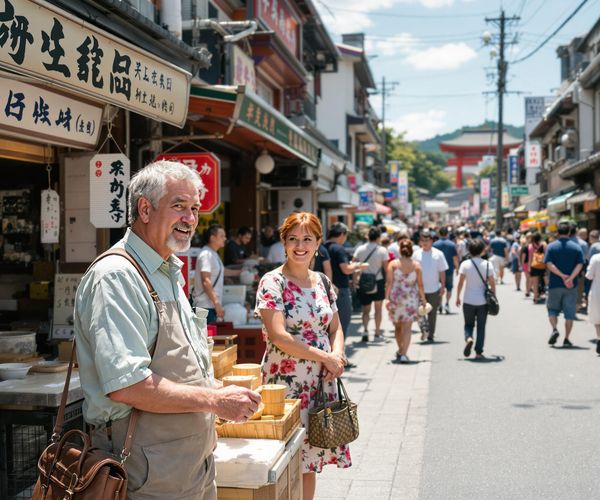





Your all‑in‑one travel companion app
Explore expert travel guides, compare and book tours, experiences, hotels, and more—all from the palm of your hand. Download now for seamless trip planning wherever your wanderlust takes you.


This is a popular product and the date you are looking for just sold out. Next available date is
