Best Landmarks in Kabul
Planning a trip to Kabul? Discover the best landmarks in Kabul with history, expert tips, and routes. Free on web or the Evendo app.


The best landmarks in Kabul
Kabul, the capital city of Afghanistan, offers visitors a unique blend of history, culture, and stunning architecture. From the majestic Darul Aman Palace to the bustling Kabul Bazaar, there is something for everyone to explore. The ancient Babur Gardens provide a tranquil retreat from the city's hustle and bustle, while the National Museum of Afghanistan offers a glimpse into the country's rich heritage. Don't miss the iconic Kabul National Stadium, where you can catch a game of buzkashi, Afghanistan's national sport. Whether you're interested in history, art, or simply soaking up the vibrant atmosphere of the city, Kabul has something for every traveler to enjoy.
- Top rated
- Closest to the centre
- A–Z
38 landmarks
-
Park4.4★1,055 reviews
Babur Garden
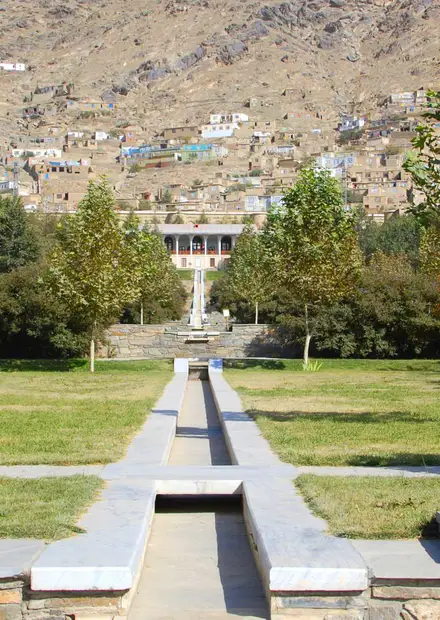
Bagh-e Babur, a historic garden in Kabul established in 1528 by the first Mughal Emperor Babur, serves as his final resting place [4, 17]. This terraced garden, reflecting Islamic and Timurid architectural styles, offers a tranquil escape with its landscaped gardens, water features, and historical monuments [17].
Daily 8:00–16:00
-
Zoo4.0★1,174 reviews
Kabul Zoo
Kabul Zoo, established in 1967, has been a popular attraction for locals and tourists. Despite facing immense challenges during the civil war, it has recovered to house over 600 animals, offering a place for recreation and education.
Daily 8:00–16:30
-
Garden4.5★743 reviews
Chehelseton Garden
Chehelseton Garden, meaning 'Forty Columns,' is a historic palace and garden in Kabul, Afghanistan. Built in 1796 by Emperor Zaman Shah Durrani, it has served as a royal retreat, state guesthouse, and government media hub. After suffering damage during the civil war, it was restored and reopened in 2019, offering a tranquil escape for residents and tourists alike [3].
Daily 8:00–16:00
-
Mosque4.4★771 reviews
Pul-e Kheshti Mosque
Pul-e Kheshti Mosque, the largest in Kabul, is a historic landmark with a striking blue dome. Originally built in the late 18th century, it has been renovated and restored, standing as a symbol of resilience and Afghan cultural heritage.
Daily 3:30–21:30
-
Hotel4.3★665 reviews
Safi Landmark Hotel
The Safi Landmark Hotel, a four-star establishment in the heart of Kabul, offers a blend of modern luxury and Afghan hospitality. Opened in 2005, it provides a comfortable and convenient base for exploring the city, with easy access to key government, business, and cultural sites [7, 5].
-
Castle4.5★592 reviews
DarulAman Palace
Darul Aman Palace, meaning 'Abode of Peace,' is a neoclassical palace located 16 kilometers southwest of Kabul. Built in the 1920s by King Amanullah Khan as part of his modernization efforts, the palace has witnessed Afghanistan's turbulent history, serving various purposes and suffering extensive damage before being restored to its former glory [2, 3, 10].
Open 24 hours
-
Museum4.5★585 reviews
The National Museum of Afghanistan
The National Museum of Afghanistan in Kabul stands as a symbol of the country's rich cultural heritage and resilience [5, 9]. Founded in 1919, the museum houses artifacts spanning millennia, from prehistoric relics to Islamic art, showcasing Afghanistan's diverse history as a crossroads of civilizations [3, 4, 11]. Despite facing destruction and looting during periods of conflict, the museum continues to preserve and exhibit the nation's treasures [3, 4, 10].
-
Tourist attraction4.3★505 reviews
عمارت باغ بالا Baghe Bala Building and pool
Baghe Bala, meaning 'High Garden,' is a former royal palace built in 1893 by Emir Abdur Rahman Khan as a summer residence. Perched on a hilltop in the Karte Parwan area, it offers panoramic views of Kabul and the surrounding mountains, providing a tranquil escape with historical significance [3, 6].
-
Shopping mall4.1★526 reviews
Kabul City Center
Kabul City Center, opened in 2005, stands as a symbol of modernization in the heart of Kabul [2, 7, 15, 16]. As the first indoor shopping mall in the city, it offers a contemporary shopping and dining experience for locals and tourists alike [2, 5, 7]. With a wide array of shops, restaurants, and entertainment options, it's a vibrant hub where tradition meets modernity [5, 14].
Daily 8:00–18:00
-
Hotel4.5★225 reviews
Zohak Village
Zohak Village is a serene hotel located in the Deh Sabz area of Kabul, Afghanistan, offering a peaceful escape from the city's hustle. With comfortable accommodations and a welcoming atmosphere, it provides a unique blend of hospitality and cultural exploration [10, 11].


Shah e Du shamshira Mosque
The Shah e Du Shamshira Mosque, or 'Mosque of the King of Two Swords,' stands as a vibrant testament to Kabul's cultural heritage. Built in the 1920s during King Amanullah Khan's reign, it uniquely fuses Islamic and European Baroque architectural styles, drawing inspiration from Istanbul's Ortaköy Mosque [3, 4, 6]. Its bright yellow facade and intricate stucco detailing create a striking landmark along the Kabul River [4, 6].
Daily 4:00–22:00

Sakhi Shrine
Sakhi Shrine, or Ziarat-e Sakhi Shah Mardan, is a revered mosque in Kabul, Afghanistan, significant for Shia Muslims who believe it to be the final resting place of Hazrat Ali [2, 3]. The shrine's architecture showcases a blend of neo-Safavid Persian styles, attracting pilgrims and tourists alike [2, 5].
Open 24 hours

City park
City Park in Kabul offers a refreshing escape from the city's hustle, with green spaces, flowerbeds, and walking paths. Opened in 2014, it provides a family-friendly environment with various rides and attractions, making it a popular social hub for locals and tourists alike.
Open 24 hours

Maranjan Hill
Maranjan Hill, also known as Tepe Maranjan, is a historically significant site in Kabul, Afghanistan, offering panoramic views of the city. Once a Buddhist monastic site dating back to the 4th century AD, it later served as a strategic military outpost and the final resting place of King Nadir Shah [2, 3]. Today, it's a public park where visitors can explore remnants of ancient structures and reflect on Afghanistan's rich heritage [5].

Kabul
Kabul, the capital of Afghanistan, is a city with a history stretching back over 3,500 years [3, 23]. Situated in a valley of the Hindu Kush mountains, it has served as a crucial hub on the Silk Road, connecting East and West [3, 5]. Despite enduring periods of conflict, Kabul retains its historical gardens, bustling bazaars, and resilient spirit [5, 9].

Qargha Reservoir
Escape the bustle of Kabul at Qargha Reservoir, a man-made lake west of the city. Originally built for irrigation in the 1930s, it blossomed into a popular recreational spot in the 1950s, offering boating, restaurants, and scenic views.

Qale'H-Ye-Balahissar
Qale'H-Ye-Balahissar, or Bala Hissar ('High Fort'), is an ancient fortress in southern Kabul, Afghanistan, believed to have been constructed around the 5th century AD [6, 16]. Perched at the tail end of the Kuh-e-Shēr Darwāzah mountain, it offers commanding views of the city and has served as a strategic and symbolic location throughout its long and turbulent history [5, 6].

بند برق شاه و عروس
The Shah wa Arus Dam, located in Hosayn Knt, Afghanistan, is a popular destination for both locals and tourists. Constructed to provide irrigation and hydroelectric power, the dam offers breathtaking views, leisurely walks, and a peaceful ambiance, making it an ideal spot for relaxation and recreation
Open 24 hours
تالار عروسی ماریوت (Marriot Wedding Hall)
Marriot Wedding Hall in Kabul is a popular venue for weddings and celebrations, blending contemporary design with Afghan traditions. Located in the Kart-e-Char district, it offers a spacious and elegant setting for large gatherings, showcasing Afghan culture through joyous celebrations and cuisine [5].

OMAR Mine ERW War Museum
The OMAR Mine ERW War Museum in Kabul offers a sobering look at the impact of landmines and explosive remnants of war (ERW) in Afghanistan. Established in 1994 by the Organization for Mine Clearance and Afghan Rehabilitation (OMAR), the museum displays a collection of mines, unexploded ordnance, and other military hardware, educating visitors about the dangers and the ongoing efforts to clear these deadly devices [9, 16].
Mon–Thu 8:00–16:00 · Sun 8:00–16:00

مسجد جامع سفید زاخیل ها
The White Mosque of Zakhil, or Masjid-e-Jami-Sefid Zakhilha, is located in the Karte Naow district of Kabul, Afghanistan. Its bright white facade offers a tranquil presence in the busy city [2, 7]. The mosque showcases Islamic architectural design with local and broader Islamic artistic elements [2].

Syah Koh Wal Castle - سیاه کوه وال قلعه
Syah Koh Wal Castle, also known as Qala-e Syah Koh Wal, is a historical castle in Kabul, Afghanistan, offering a glimpse into the region's past. Its architecture reflects the artistic skills and cultural influences of its time [11].
Open 24 hours

Tomb of Timur Shah Durani
The Tomb of Timur Shah Durani in Kabul is the final resting place of Timur Shah, the second ruler of the Durrani Empire and son of Ahmad Shah Durrani. Built in 1815, the mausoleum stands as a significant historical landmark, reflecting the Moghul and Afghan architectural styles. Restored in 2012, it serves as a cultural and educational center, surrounded by a peaceful garden [3, 5, 6].

Kabul Fortress
The Kabul Fortress, also known as Bala Hissar ('High Fort'), is an ancient citadel with origins tracing back to the 5th century AD. Situated on a strategic hill, it has served as a royal palace, military stronghold, and focal point for Afghan history [2, 3]. Though largely destroyed in 1880, it remains a significant historical site [2, 3, 12].

Sakhi Tomb
Discover the spiritual heart of Kabul at Sakhi Tomb, a revered shrine significant to Shia Muslims and respected by Sunnis. Adorned with intricate designs and serene gardens, it offers a glimpse into Afghanistan's rich heritage and a place of unity and reflection [3].

بتخاک څلورلاری Buthkhak roundabout
Buthkhak Roundabout in Kabul is more than just a traffic circle; it's a vibrant landmark where the city's pulse is palpable [3]. Located in the Ahmad Shah Baba Meena neighborhood, it offers a glimpse into the daily lives and resilience of the Afghan people [3].

Nadir Shah Tomb
The Nadir Shah Tomb in Kabul stands as a reminder of Afghanistan's complex history. Dedicated to King Nadir Shah, who ruled in the 18th century, the tomb offers visitors a glimpse into the life of a ruler who played a crucial role in shaping modern Afghanistan [3, 12]. Despite suffering damage from conflict, the tomb remains an imposing structure with a large metal dome [3, 4].
زنبق څلورلارې
زنبق څلورلارې (Zanbaq Square), also known as Zanbaq Chawlarai, is a monument in Kabul, Afghanistan, located in the Wazir Akbar Khan area [17, 18]. It stands as a testament to Afghan artistry, showcasing intricate craftsmanship and reflecting the region's history and culture [17]. The square is a reminder of the resilience and creativity of the Afghan people [17].
دیوار زمبورگ شاه
The Zamburak Shah Wall, a historical monument in Kabul, stretches across the Sher Darwaza mountains, offering a glimpse into Afghanistan's rich and often turbulent past. Believed to be around 1400 years old, the wall is a testament to the rulers who sought to protect the city from invaders [3, 5].
Kabul Afghanistan
Kabul, the capital and largest city of Afghanistan, is a city steeped in history, having served as a central hub for political, economic, and cultural activities for over 3,500 years [3]. Despite enduring periods of conflict, Kabul is undergoing reconstruction, blending its ancient heritage with modern aspirations [12, 16].
Old Taimani Square
Old Taimani Square is a vibrant hub in Kabul, Afghanistan, reflecting the city's enduring spirit. It has served as a central gathering place for generations, witnessing Kabul's cultural evolution and the resilience of its people. Renovated in 2011 and 2024, it remains a bustling center of daily life, surrounded by shops and cafes [2].

Abdur Rahman Mausoleum
Located in Kabul's Zarnegar Park, the Abdur Rahman Khan Mausoleum offers a glimpse into Afghanistan's royal past. Built as a palace by Amir Abdur Rahman Khan (1880-1901), it was later converted into his mausoleum, featuring a distinctive red dome and intricate minarets [4, 19]. Although the mausoleum is closed to visitors, its exterior and the surrounding park provide a serene escape in the city's heart [4].
AOUB KHAN MINA ایوب خان مینه
Ayoub Khan Mina, located in Kabul, Afghanistan, is a historical landmark in the Ayoub Khan Meena neighborhood [3]. While specific details are limited, its existence reflects Kabul's layered history and Afghanistan's enduring cultural identity [3].
Kabul-Afghanistan
Kabul, the capital of Afghanistan, is a city steeped in history and resilience, now undergoing significant redevelopment. Despite decades of conflict, it retains a unique charm, blending ancient traditions with modern aspirations. Visitors can explore historic gardens, bustling bazaars, and museums showcasing the nation's rich cultural heritage.
Afghanistan
Afghanistan, a country steeped in history and known for its stunning landscapes, is slowly opening to tourism after decades of conflict. From the bustling capital of Kabul to the ancient cities of Herat and Mazar-i-Sharif, Afghanistan offers a unique travel experience for the adventurous [7, 9, 11]. Despite ongoing challenges, the warmth and hospitality of the Afghan people, coupled with the country's rich cultural heritage, make it a compelling destination [7].

Clock Tower
The Clock Tower in Kabul's Shahre Naow district stands as a testament to the city's enduring spirit. Built in the late 19th century, it has witnessed Kabul's evolution through modernization, conflict, and renewal, blending local craftsmanship with colonial influences [8].
کوچه آغاصاحب ها
کوچه آغاصاحب ها (Kochah Aghasahib Ha) is a historical alleyway in the heart of Kabul, Afghanistan [4]. It showcases Kabul's rich cultural heritage and traditional urban design, offering a glimpse into the past with its architectural styles and community layouts [4]. Walking through its narrow paths allows visitors to experience the atmosphere of old Kabul [4].

Zarnegar park
Zarnegar Park, located in the heart of Kabul, is a cherished urban park offering a peaceful escape from the city's hustle. Known for its green hill, trees, and flowers, the park features the mausoleum of Emir Abdur Rahman Khan, adding historical significance to its recreational appeal [6, 9].
Explore Kabul on the map
A handpicked selection of must-see spots in Kabul, mapped for you.
More about Kabul
Kabul travel guide
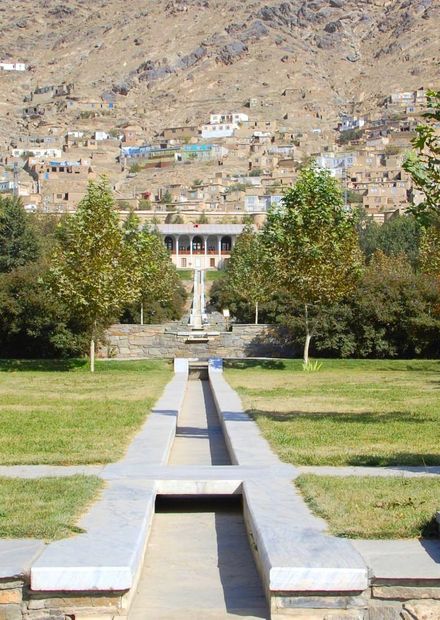
Kabul reveals Afghanistan's layered history through Babur's Gardens, historic shrines, museums, mountain views, lively bazaars and enduring craft traditions.
Tell me more about KabulMore to explore in Kabul

 Best attractions in Kabul

 Best shops in Kabul

 Best bars in Kabul

 Best restaurants in Kabul

 Best nightclubs in Kabul

 Best experiences in Kabul

 Best hotels in Kabul

 All neighbourhoods in Kabul
Explore more

Explore more of Afghanistan
Discover Afghanistan's rich history, stunning landscapes, and diverse cultures. From ancient cities to breathtaking nature, this Central Asian gem offers a unique travel experience.
Explore Afghanistan
Getting your guide ready…
We are putting together a fresh copy of the Kabul guide. This can take up to a minute.
This can take a few moments. If your browser asks, choose Allow so the download can start. You'll find the guide in your Downloads folder.
Nothing happened? Download it again
Sorry, the guide is taking longer than usual. Please try again in a minute, or get it by email instead.