

Free Cahaba Valley Travel Guide & Mobile App
Explore Cahaba Valley with free travel guides. Discover regional history, expert tips, proposed trips, and audio guides on web or mobile app.


Cahaba Valley, Alabama, pairs a biodiverse river corridor with wooded trails, historic communities, outdoor recreation and Birmingham-area dining.
Read more about Cahaba Valley
Getting to and around Cahaba Valley
How to get there
Transportation
Destinations in Cahaba Valley
Resorts, valleys and scenic spots worth a trip of their own.
-

-

-


Swipe for more destinations
Best attractions in Cahaba Valley
Cahaba Valley's attractions combine river ecology, preserved woodland, suburban recreation and small-town heritage. The Cahaba River Walk in Helena provides an approachable riverside setting for walking, wildlife observation and seasonal community activity, while the river's shoals and banks offer a sense of the watershed's botanical and aquatic importance. In Hoover, Moss Rock Preserve is known for its trails, exposed boulders, forest and changing elevations, with routes suited to both short walks and more active outings. Pelham provides access to Oak Mountain State Park, the largest state park in Alabama, where visitors can find lakes, forest roads, hiking and cycling trails, horseback-riding facilities and varied ridge scenery. Helena's historic centre and Buck Creek add a more settled cultural dimension, while the region's restaurants, cinemas, sporting facilities and concert venues reflect its metropolitan setting. Birmingham's museums and larger attractions lie outside Cahaba Valley but are nearby additions rather than regional attractions. Because distances between sites are substantial, outdoor visits are best planned around one community or park at a time.
-
Museum of space history
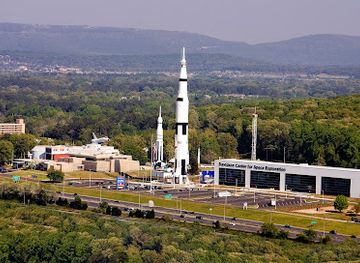
U.S. Space & Rocket Center
Explore the wonders of space at the U.S. Space & Rocket Center in Huntsville, Alabama, home to iconic rockets, interactive exhibits, and the renowned Space Camp program.
-
Zoo
Birmingham Zoo
Discover wildlife from around the globe at the Birmingham Zoo, Alabama's premier zoological park committed to conservation and education.
-
Museum
Vulcan Park and Museum
Discover Birmingham's history and breathtaking views at Vulcan Park and Museum, home to the world's largest cast-iron statue.
-
Science museum
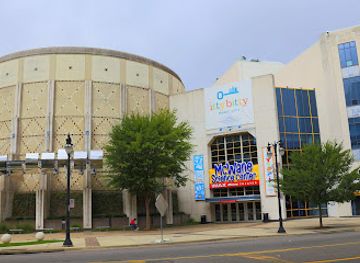
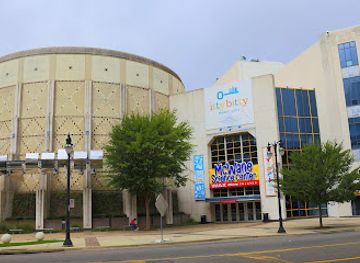
McWane Science Center
Explore interactive science exhibits, an aquarium, and an IMAX Dome Theater at Birmingham's leading science center.

Best landmarks in Cahaba Valley
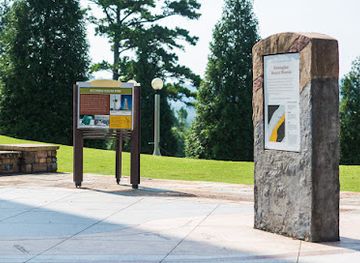
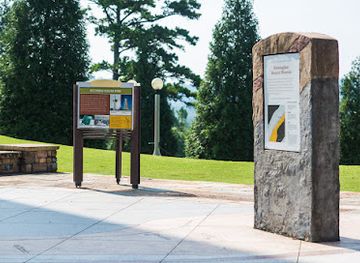
The Cahaba River is Cahaba Valley's defining natural landmark, winding through limestone country and wooded banks that help explain the region's name and ecological significance. The river is particularly evocative at public access points and along the Cahaba River Walk in Helena, where water, woodland and traces of settlement meet. Moss Rock Preserve in Hoover is a notable geological and visual landmark, its boulder fields and exposed rock creating a strong contrast with the surrounding suburban ridges. Helena's historic centre and the structures associated with Buck Creek form an important cultural landmark, preserving the scale of an older mill and trading community amid modern development. Oak Mountain's forested ridges and lakes provide a larger landscape landmark in the Pelham area, with changing views that show how quickly the valley rises from river corridors into upland terrain. These places matter not simply as scenic stops but as physical evidence of the natural systems, transport history and settlement patterns that shaped central Alabama.
-
Museum
Vulcan Park and Museum
Discover Birmingham's history and breathtaking views at Vulcan Park and Museum, home to the world's largest cast-iron statue.
-
Historical landmark
Fort Morgan State Historic Site
Explore a historic military fort, witness the beauty of the Alabama coast, and discover the rich history of Fort Morgan in Gulf Shores.
-
Science museum
McWane Science Center
Explore interactive science exhibits, an aquarium, and an IMAX Dome Theater at Birmingham's premier science center. A world of discovery awaits!
-
State park
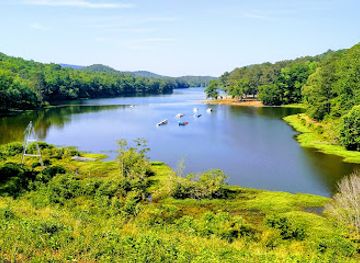
Oak Mountain State Park
Explore Alabama's largest state park near Birmingham: hiking, biking, lakes, wildlife, and endless outdoor adventures await at Oak Mountain!

Explore Cahaba Valley on the map
Plan your trip on one map. See where the top cities, national parks and sights are, and book hotels and experiences in a few clicks.
Best hotels in Cahaba Valley
Best restaurants in Cahaba Valley
Dining in Cahaba Valley reflects central Alabama's mixture of Southern tradition, metropolitan growth and suburban convenience. Barbecue, fried or grilled catfish, biscuits, greens, seasonal vegetables and generous sandwiches are common regional reference points, while restaurants in Hoover, Pelham and the US 280 corridor also offer Mexican, Asian, Mediterranean and other international cooking. Helena and the surrounding communities provide cafés, bakeries, casual restaurants and locally oriented gathering places, with more extensive choice along the larger commercial roads. After a day outdoors, visitors can find pubs, breweries and contemporary American menus alongside longstanding family-style establishments. Farmers' markets and farm stands, where operating arrangements vary by season, are useful for Alabama produce and locally made goods rather than a guaranteed daily dining option. Sweet tea is a familiar non-alcoholic accompaniment, and craft beer has a visible place in the wider Birmingham-area food culture. Tipping follows customary United States practice, and menus generally list prices before sales tax.
-
Sports bar
Twin Peaks
Discover Twin Peaks in Hoover, Alabama – where thrilling sports meet delicious American cuisine in an inviting lodge atmosphere.
-
Steak
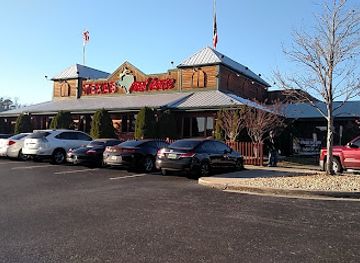
Texas Roadhouse
Savor the authentic taste of America at Texas Roadhouse in Pelham—where every bite is a celebration of flavor!
-
American
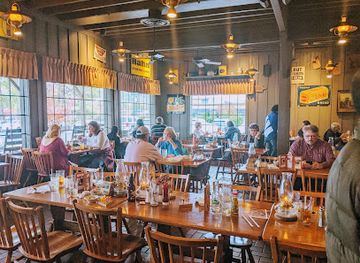
Cracker Barrel Old Country Store
Discover Southern comfort food and unique gifts at Cracker Barrel Old Country Store in Pelham, Alabama – where every meal feels like home.
-
American
Big Whiskey's American Restaurant & Bar
Discover delectable American cuisine at Big Whiskey's Restaurant & Bar in Hoover - where every bite tells a story!


Best bars in Cahaba Valley
Evening life in Cahaba Valley is centred more on restaurants, pubs, breweries, live music and community events than on a concentrated nightclub district. Hoover and Pelham have the broadest range of bars and entertainment venues, while Helena offers a smaller-scale setting around its historic centre and seasonal outdoor programming. The US 280 corridor contains numerous suburban dining and drinking options, though venues are spread along major roads rather than grouped in a walkable quarter. Sports bars, craft-beer establishments, cocktail-oriented restaurants and occasional concert events provide the main evening choices, with schedules changing according to venue and season. Birmingham, outside Cahaba Valley to the north-west, has the area's larger and more varied nightlife scene, including additional live music and late-evening venues. Visitors should arrange a reliable return journey, as public transport is limited in outlying areas and American alcohol-service rules are enforced by venue and state law.
-
Live music bar
Tin Roof
Experience the vibrant nightlife of Birmingham at Tin Roof, a live music bar featuring great food, drinks, and unforgettable performances.
-
Restaurant
Walk-On's Sports Bistreaux - Hoover (Greystone) Restaurant
Discover the ultimate sports dining experience at Walk-On's Sports Bistreaux in Hoover, where delicious food meets an exciting atmosphere.
-
Grill
Black Market Bar+Grill (280)
Savor the best of Birmingham at Black Market Bar+Grill, where great food and a lively atmosphere meet.
-
Gastropub
Carrigan's Public House [21+ Only]
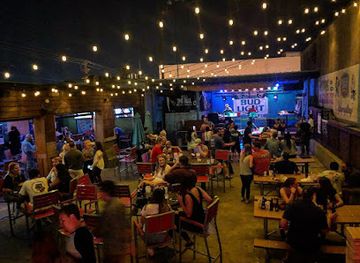
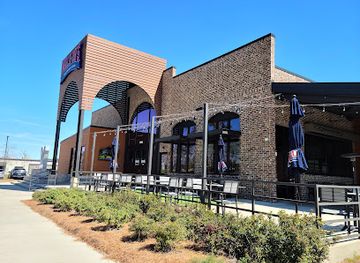
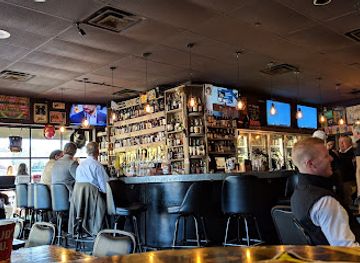
Carrigan's Public House: Where Culinary Creativity Meets a Lively Bar Scene in Birmingham.
![Carrigan's Public House [21+ Only]](https://media.evendo.com/locations-resized/BarImages/360x263/1b3310c8-693c-4bf5-a7d6-f031ca1dc1e5)
Best nightclubs in Cahaba Valley
Evening life in Cahaba Valley is centred more on restaurants, pubs, breweries, live music and community events than on a concentrated nightclub district. Hoover and Pelham have the broadest range of bars and entertainment venues, while Helena offers a smaller-scale setting around its historic centre and seasonal outdoor programming. The US 280 corridor contains numerous suburban dining and drinking options, though venues are spread along major roads rather than grouped in a walkable quarter. Sports bars, craft-beer establishments, cocktail-oriented restaurants and occasional concert events provide the main evening choices, with schedules changing according to venue and season. Birmingham, outside Cahaba Valley to the north-west, has the area's larger and more varied nightlife scene, including additional live music and late-evening venues. Visitors should arrange a reliable return journey, as public transport is limited in outlying areas and American alcohol-service rules are enforced by venue and state law.
-
Lounge
V lounge The Vault Bar and Lounge
Experience the vibrant nightlife at V Lounge The Vault Bar and Lounge, where comfort meets style in the heart of Birmingham.
-
Cocktail bar
The Onyx of Birmingham
Discover The Onyx of Birmingham – a vibrant cocktail bar serving creative drinks in a stylish atmosphere perfect for socializing.
-
Gay night club
The Quest Club
Discover Birmingham's lively gay nightlife at The Quest Club, a hub for dancing, drinks, and community in the heart of the city.
-
Adult entertainment club
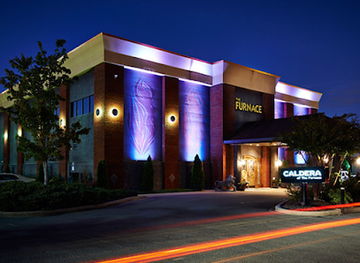
The Furnace
Discover the dynamic nightlife of Birmingham at The Furnace, where adult entertainment meets an energetic bar atmosphere for an unforgettable experience.


Best shops in Cahaba Valley
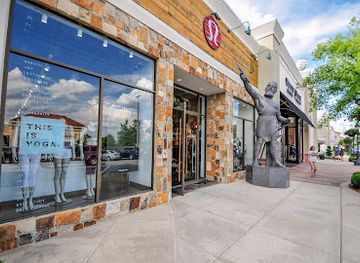
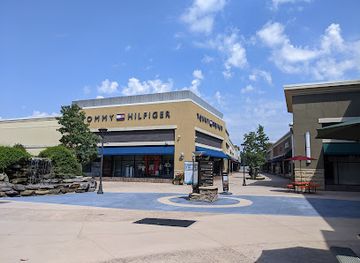
Shopping in Cahaba Valley is predominantly suburban, with the greatest concentration of stores, restaurants and services in Hoover, Pelham and the US 280 corridor. Large retail areas provide practical shopping and national brands, while restored or older commercial streets in Helena offer a more local-scale experience with independent shops, cafés, gifts and occasional antiques. Farm stands and seasonal markets can be useful for produce, baked goods and locally made items, but dates and vendors vary and should be checked before travelling. Regional souvenirs are more likely to consist of Alabama food products, barbecue-related goods, books, pottery, artwork and craft items than a single distinctive Cahaba Valley handicraft tradition. Outdoor retailers are particularly relevant for visitors planning hiking, cycling or river activities. For specialist galleries, extensive antiques or a broader independent retail scene, Birmingham outside the valley is the nearest larger urban option.
-
Shopping mall
Riverchase Galleria
Experience the ultimate shopping and dining destination at Riverchase Galleria, Hoover's vibrant shopping mall with something for everyone.
-
Shopping mall
The Summit Birmingham
Discover The Summit Birmingham: A vibrant shopping mall with diverse stores, delightful dining options, and entertainment for an unforgettable experience.
-
Outlet mall
The Shops of Grand River
Discover unbeatable deals and a vibrant atmosphere at The Shops of Grand River, your ultimate shopping destination in Leeds, Alabama.
-
Antique store
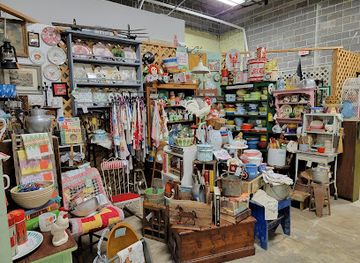
Brass Bear Antiques
Explore the charm and history of Brass Bear Antiques, a treasure trove of vintage finds in Hoover, Alabama, perfect for collectors and casual shoppers alike.

Get your free copy of our complete guide to Cahaba Valley, delivered straight to you.
Everything on this page, from attractions and restaurants to essentials and local phrases, in one PDF you can read offline, print or share.
Already have an account? Sign in
Your Cahaba Valley guide is ready.
We'll send it to · Not you? Sign out

Getting your guide ready…
We are putting together a fresh copy of the Cahaba Valley guide. This can take up to a minute.
This can take a few moments. If your browser asks, choose Allow so the download can start. You'll find the guide in your Downloads folder.
Nothing happened? Download it again
Sorry, the guide is taking longer than usual. Please try again in a minute, or get it by email instead.
Cahaba Valley essentials
Currency and Payment
Safety
Emergency Situations
Do's and Don'ts
Local Tips
From Eve
Local phrases worth knowing
You don't need to get them perfect. A few words go a long way, and locals appreciate the effort.
Basics
| English | Local | Say it |
|---|---|---|
| Hello | Hey | [Hay] |
| Goodbye | See ya | [See yah] |
| Yes | Yep | [Yep] |
| No | Nope | [Nope] |
| Please/You're welcome | Please/No problem | [Pleez/No prob] |
| Thank you | Thanks | [Thangs] |
| Excuse me/Sorry | Excuse me/Sorry 'bout that | [Ex-kyoos mee/Sor-ree 'bout that] |
| How are you? | How ya doin'? | [How ya doin'?] |
| Fine. And you? | I'm good. And you? | [I'm good. And you?] |
| Do you speak English? | You speakin' English? | [You speakin' English?] |
| I don't understand | I ain't gettin' it | [I ain't gettin' it] |
Eating & Drinking
| English | Local | Say it |
|---|---|---|
| I'd like to see the menu, please | Can I see the menu, please? | [Can I see the menu, pleez?] |
| I don't eat meat | I don't do meat | [I don't do meat] |
| Cheers! | Cheers! | [Cheers!] |
| I would like to pay, please | Can I pay, please? | [Can I pay, pleez?] |
Emergencies
| English | Local | Say it |
|---|---|---|
| Help! | Help! | [Help!] |
| Go away! | Leave me alone! | [Leave me alone!] |
| Call the Police! | Call the cops! | [Call the cops!] |
| Call a doctor! | Get a doctor! | [Get a doctor!] |
| I'm lost | I'm kinda lost | [I'm kinda lost] |
| I'm ill | I'm feelin' bad | [I'm feelin' bad] |
Shopping
| English | Local | Say it |
|---|---|---|
| I'd like to buy... | I wanna buy... | [I wanna buy...] |
| I'm just looking | Just lookin' | [Just lookin'] |
| How much is it? | How much's this? | [How much's this?] |
| That's too expensive | That's way too pricey | [That's way too pricey] |
| Can you lower the price? | Can ya bring it down? | [Can ya bring it down?] |
Time & Numbers
| English | Local | Say it |
|---|---|---|
| What time is it? | What time's it? | [What time's it?] |
| It's one o'clock | It's one o'clock | [It's one o'clock] |
| Half past (10) | Half past ten | [Half past ten] |
| Morning | Mornin' | [Mornin'] |
| Afternoon | Afternoon | [Afternoon] |
| Evening | Evenin' | [Evenin'] |
| Yesterday | Yesterday | [Yesterday] |
| Today | Today | [Today] |
| Tomorrow | Tomorrow | [Tomorrow] |
| 1 | One | [One] |
| 2 | Two | [Two] |
| 3 | Three | [Three] |
| 4 | Four | [Four] |
| 5 | Five | [Five] |
| 6 | Six | [Six] |
| 7 | Seven | [Seven] |
| 8 | Eight | [Eight] |
| 9 | Nine | [Nine] |
| 10 | Ten | [Ten] |
Transport & Directions
| English | Local | Say it |
|---|---|---|
| Where's a/the...? | Where's the...? | [Where's the...?] |
| What's the address? | What's the address? | [What's the address?] |
| Can you show me (on the map)? | Can ya show me on the map? | [Can ya show me on the map?] |
| When's the next (bus)? | When's the next bus? | [When's the next bus?] |
| A ticket (to ....) | A ticket to... | [A ticket to...] |
History of Cahaba Valley
Indigenous Settlement and the Cahaba Watershed
The Cahaba River valley has a long human history predating Alabama's statehood. Indigenous peoples used the river, tributary valleys and upland routes for travel, hunting, fishing and settlement, while the wider central Alabama region was connected to complex Mississippian-era societies. Later, Creek and neighbouring Indigenous communities maintained relationships with the landscape before forced removal and the rapid expansion of United States settlement. Archaeological evidence across the broader watershed is an important reminder that the valley's history did not begin with roads, railways or Birmingham's industrial growth.
Territorial Settlement and Statehood, Early Nineteenth Century
After the Creek-American wars, federal land policies and the removal of Indigenous peoples opened central Alabama to intensified Euro-American settlement. Alabama became a state in 1819, and farms, mills, roads and small communities developed along waterways and over the ridges south of the future Birmingham. The Cahaba River was useful for local movement and water power, although its irregular course and seasonal conditions limited large-scale navigation. The pattern of scattered settlements and crossroads established during this period helped shape the valley's later communities.
Coal, Iron and Birmingham's Industrial Rise
The discovery and exploitation of coal, iron ore and limestone in central Alabama transformed the region during the late nineteenth century. Birmingham, founded in 1871 north-west of the valley, became the centre of an integrated iron and steel district, attracting railways, workers, investment and timber interests. Communities along the Cahaba corridor were drawn into this expanding economic system through agriculture, extraction, transport and trade. Although the valley was not simply an industrial town, its roads, land values and settlement patterns were increasingly influenced by Birmingham's furnaces, mines and commercial growth.
Railways, Roads and Suburban Communities
Industrial transport and later automobile travel changed the relationship between Birmingham and the Cahaba Valley. Rail lines connected central Alabama's industrial centres with markets and sources of raw material, while improved highways eventually encouraged residential development beyond Birmingham's older core. Communities including Hoover, Pelham and Helena grew in different ways, combining older settlement patterns with post-war subdivisions, schools, retail corridors and public facilities. This transition from a largely rural landscape to a network of suburban municipalities remains one of the defining historical changes visible in the valley today.
Helena and the Preservation of Local Heritage
Helena retains an especially legible connection with the valley's earlier community history. Its historic centre developed around transportation, local commerce and the water-powered mills associated with Buck Creek, a tributary of the Cahaba River. The survival and interpretation of older buildings, streetscapes and mill-related features provide a counterpoint to the region's newer commercial development. Helena's heritage is not an isolated museum piece: it remains part of a living municipality where historic spaces, community events and nearby river landscapes coexist with suburban growth.
Cahaba River Conservation and Modern Regional Identity
During the twentieth and twenty-first centuries, increasing development, water use and pollution concerns brought greater attention to the Cahaba River's ecological importance. Conservation organisations, local authorities and residents have worked to protect river corridors, improve water quality and preserve access to natural areas. The river is recognised for its unusual biological diversity, including rare aquatic plants and fish found in the Cahaba system. Today, conservation is central to the valley's identity, balancing suburban expansion with the protection of forests, wetlands, shoals and the communities that depend on the watershed.
Cahaba Valley in Photos
Browse through our photo collection highlighting the charm and character of the destination.
Neighbouring regions of Cahaba Valley
The closest regions to Cahaba Valley, if you have time for more than one.
-

-

-

-

-


Swipe for more regions
Explore more

Explore more of Alabama
Discover Alabama: A Southern state rich in history, culture, and natural beauty, offering unforgettable experiences from vibrant cities to serene beaches and majestic mountains.
Explore Alabama