

Free Hill Country Travel Guide & Mobile App
Explore Hill Country with free travel guides. Discover regional history, expert tips, proposed trips, and audio guides on web or mobile app.


Explore Alabama's Hill Country for Appalachian ridges, waterfalls, forests, industrial heritage, Civil Rights history and welcoming small-town food culture.
Read more about Hill Country
Getting to and around Hill Country
How to get there
Transportation
Top city travel guides in Hill Country
The cities of Hill Country, and the easiest places to base yourself.
-

-

-

-

-

-


Swipe for more cities
Destinations in Hill Country
Resorts, valleys and scenic spots worth a trip of their own.
-

-

-

-

-

-


Swipe for more destinations
Best attractions in Hill Country
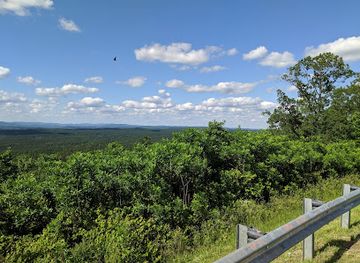
Hill Country's attractions combine Appalachian-foothill scenery with unusually substantial industrial and civic history. Cheaha State Park is the region's signature mountain destination, offering views, woodland trails and access to Alabama's highest summit. Talladega National Forest extends the outdoor possibilities with hiking, camping, streams and scenic drives, while Little River Canyon National Preserve in the north-east protects one of the South's most dramatic sandstone gorges. Oak Mountain State Park, close to Birmingham, provides lakes, trails and wildlife habitat without requiring a long journey from the city. History is equally important: Sloss Furnaces National Historic Landmark explains Birmingham's iron-making past, and the Birmingham Civil Rights Institute presents the city's role in the national movement for racial justice. Noccalula Falls Park near Gadsden adds a waterfall, walking routes and local interpretation, while the Barber Vintage Motorsports Museum in Leeds appeals to visitors interested in motorcycle design and racing history. Around Anniston and Oxford, military heritage, local museums and access to mountain landscapes create a different combination of experiences. The region is best approached as a network of contrasting landscapes and stories rather than a single attraction corridor.
-
Tourist attraction
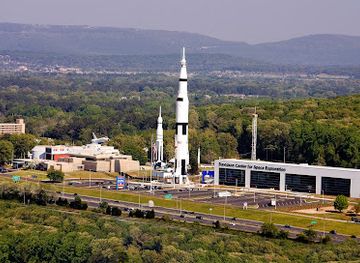
U.S. Space & Rocket Center
Explore the wonders of space at the U.S. Space & Rocket Center, home to iconic rockets, interactive exhibits, and astronaut training experiences.
-
Tourist attraction
Cheaha State Park
Discover Alabama's highest point at Cheaha State Park: panoramic views, historic landmarks, and outdoor adventures await in this mountain paradise.
-
Tourist attraction
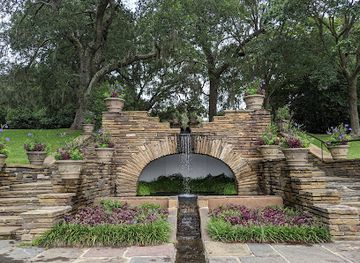
Bellingrath Gardens & Home
Experience the beauty and history of Bellingrath Gardens & Home, a 65-acre Southern estate with stunning gardens and a historic mansion in Theodore, AL.
-
Tourist attraction
Talladega National Forest
Discover Alabama's natural beauty in the Talladega National Forest: hiking, camping, scenic drives, and abundant wildlife await!


Best landmarks in Hill Country
Cheaha Mountain is Hill Country's most recognisable natural landmark and the highest point in Alabama, rising above the surrounding ridges within Cheaha State Park. The forested slopes and long views express the region's Appalachian geography more clearly than any single townscape. Little River Canyon, cut into Lookout Mountain in the north-east, is another defining feature, with cliffs, overlooks and a river landscape that changes dramatically with weather and season. Noccalula Falls near Gadsden is a prominent local landmark where water drops over a limestone edge into a wooded gorge. In Birmingham, Sloss Furnaces stands as a powerful industrial monument: its blast-furnace structures document the city’s rise as an iron centre. The Sixteenth Street Baptist Church and the surrounding Civil Rights District are important civic and historical landmarks, linked to the 1963 campaign and the wider fight against segregation. Historic courthouse squares, railway corridors and mill-era buildings in communities such as Talladega, Anniston and Oxford add a more intimate architectural layer to the region's landscape.
-
Historical landmark
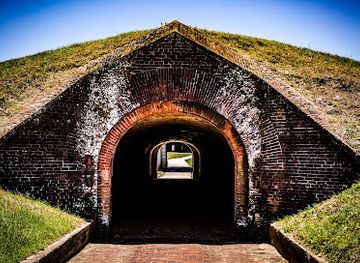
Fort Morgan State Historic Site
Explore a historic fortress, discover military artifacts, and witness breathtaking coastal views at Fort Morgan State Historic Site in Gulf Shores, Alabama.
-
Tourist attraction
Talladega National Forest
Discover Alabama's natural beauty in Talladega National Forest: hiking, camping, scenic drives, and rich history await!
-
Tourist attraction
Bankhead National Forest
Explore Alabama's 'Land of a Thousand Waterfalls': Hiking, camping, and natural beauty await in Bankhead National Forest.
-
Tourist attraction
Moss Rock Preserve
Explore waterfalls, boulder fields, and rare plant species at this 349-acre nature preserve in Hoover, Alabama. Hiking, climbing, and natural beauty await!
Explore Hill Country on the map
Plan your trip on one map. See where the top cities, national parks and sights are, and book hotels and experiences in a few clicks.
Best hotels in Hill Country
Best restaurants in Hill Country
Dining in Hill Country reflects Alabama's broader Southern food culture while drawing on the region's towns, farms and industrial-era communities. Barbecue, fried catfish, chicken, greens, cornbread and peach-based desserts are widely encountered, with styles and recipes varying between restaurants and family traditions. Birmingham has the broadest choice, from long-established barbecue and meat-and-three cooking to contemporary Southern restaurants, international food and chef-led menus. Smaller towns such as Anniston, Oxford, Gadsden, Talladega and Sylacauga offer cafés, diners, bakeries and locally oriented restaurants rather than a single formal culinary district. Farmers' markets and farm stands can provide seasonal fruit, vegetables, preserves and baked goods, especially in warmer months. Rural restaurants and old-style lunch counters remain useful places to encounter everyday local cooking, while restaurants near the parks cater to visitors seeking practical meals after hiking. Alabama craft beer and regional soft drinks are also widely available, subject to local licensing rules.
-
Southern
Lambert's Cafe
Experience Southern hospitality at Lambert's Cafe in Foley - home of the famous throwed rolls and hearty traditional dishes.
-
Seafood
Felix's Fish Camp Restaurant
Experience exquisite seafood dining with stunning waterfront views at Felix's Fish Camp Restaurant in Spanish Fort, Alabama.
-
Seafood
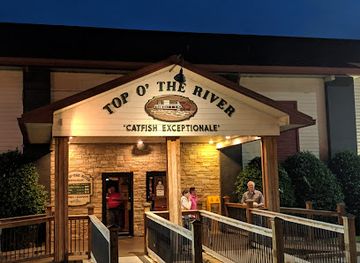
Top O' The River
Experience authentic Southern seafood dining with breathtaking views at Top O' The River in Guntersville.
-
Greek
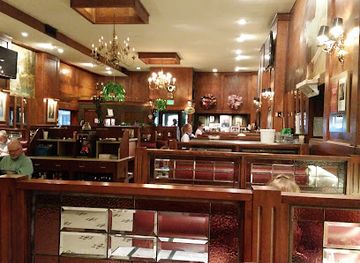
Bright Star Restaurant
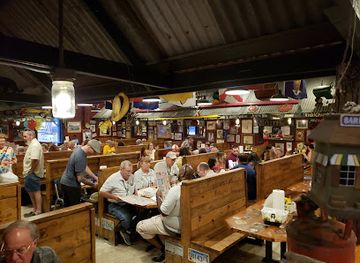
Experience the rich flavors of Greece at Bright Star Restaurant in Bessemer, AL – where culinary tradition meets modern taste.
Best bars in Hill Country
Evening life varies sharply across Hill Country. Birmingham is the region's principal centre for bars, live music, breweries, cocktail rooms, restaurants and late-night entertainment, with the greatest concentration of venues in its central districts and surrounding neighbourhoods. Anniston, Oxford and Gadsden offer a smaller selection of pubs, bars, live music and casual dining, while Talladega and Sylacauga tend towards locally oriented venues rather than a large club scene. In rural mountain areas, the evening usually centres on a restaurant, traditional pub, cabin or campsite rather than nightlife. Brewery taprooms and music events provide alternatives to conventional bars, but opening arrangements and alcohol regulations differ between municipalities. Visitors should plan transport in advance, particularly outside Birmingham, and should not expect a continuous nightlife district between towns.
-
Seafood
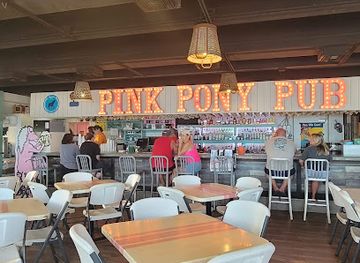
Pink Pony Pub
Explore the vibrant flavors of seafood at Pink Pony Pub, a must-visit restaurant in Gulf Shores, Alabama, with stunning beach views.
-
Bar
Rattlesnake Saloon
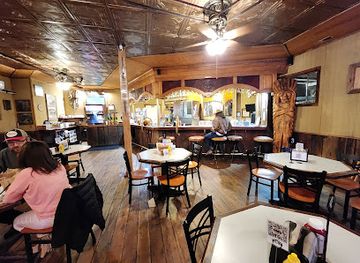
Discover the charm of Rattlesnake Saloon in Tuscumbia, Alabama, where great food meets live music in a unique setting.
-
Grill
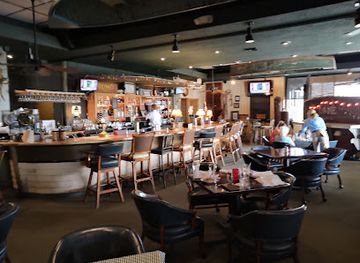
Furniture Factory Bar & Grill
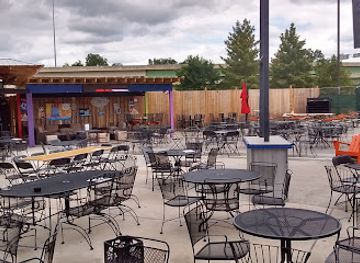
Discover hearty American cuisine in a vibrant atmosphere at Huntsville's favorite grill, the Furniture Factory Bar & Grill.
-
Bar
Perfect Note
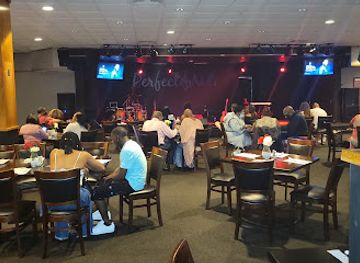
Discover Perfect Note, a lively bar and live music venue in Hoover, Alabama, offering delicious food, refreshing drinks, and unforgettable performances.
Best nightclubs in Hill Country
-
Nature preserve
Little River Canyon National Preserve
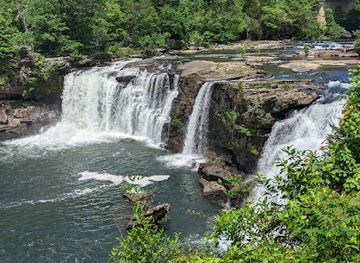
Explore the breathtaking landscapes and outdoor adventures at Little River Canyon National Preserve, Alabama's premier nature sanctuary.
-
Steak
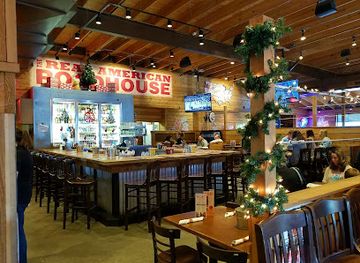
Logan's Roadhouse
Discover the vibrant flavors of American cuisine at Logan's Roadhouse, where every meal is a celebration of taste and tradition.
-
Fast Food
Jack's Family Restaurant
Experience the heart of Southern cuisine at Jack's Family Restaurant, where every meal is served with warmth and flavor in Lincoln, Alabama.
-
Live Music
Saturn
Immerse yourself in the dynamic music scene at Saturn, Birmingham's premier live music venue for unforgettable performances and vibrant atmosphere.


Best shops in Hill Country
Shopping in Hill Country is concentrated in Birmingham and the principal regional towns, with a practical rather than resort-style character. Birmingham offers the widest range of independent shops, galleries, booksellers, food retailers and contemporary goods, alongside larger commercial areas outside the centre. In Anniston, Oxford, Gadsden, Talladega and Sylacauga, historic downtowns and traditional high streets provide locally owned clothing, antiques, gifts, homewares and cafés, although individual shop hours vary. Farmers' markets and seasonal farm stands are useful for produce, preserves, baked goods and other Alabama food products; check local schedules before making a special journey. Around the mountain and forest areas, visitor centres and park shops are more likely to sell maps, books, clothing and nature-themed souvenirs than extensive craft collections. Visitors seeking regionally meaningful purchases should look for locally made pottery, artwork, handmade goods, books on Alabama history and food products, while avoiding assumptions that every rural shop operates daily.
-
Outlet mall
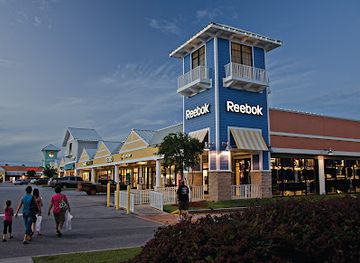
Tanger Outlets Foley
Discover unbeatable deals and a delightful shopping experience at Tanger Outlets Foley, where brand-name savings await every visitor.
-
Shopping mall
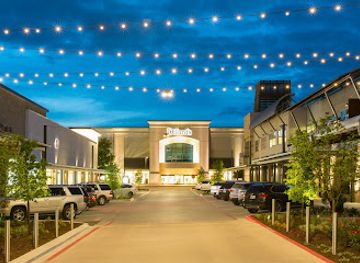
Hill Country Galleria
Discover Texas charm at Hill Country Galleria, a lively shopping and dining destination with unique shops and entertainment options.
-
Grocery store
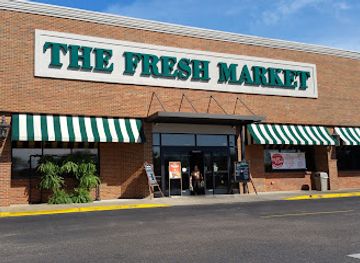
The Fresh Market
Explore The Fresh Market in Montgomery, AL, for a unique grocery shopping experience featuring gourmet foods, fresh produce, and artisanal delights.
-
Shopping mall
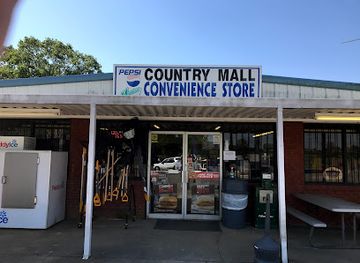
Country Mall Convenience & Hardware
Explore the best local shopping at Country Mall Convenience & Hardware in Crane Hill, Alabama, where community meets convenience.
Get your free copy of our complete guide to Hill Country, delivered straight to you.
Everything on this page, from attractions and restaurants to essentials and local phrases, in one PDF you can read offline, print or share.
Already have an account? Sign in
Your Hill Country guide is ready.
We'll send it to · Not you? Sign out

Getting your guide ready…
We are putting together a fresh copy of the Hill Country guide. This can take up to a minute.
This can take a few moments. If your browser asks, choose Allow so the download can start. You'll find the guide in your Downloads folder.
Nothing happened? Download it again
Sorry, the guide is taking longer than usual. Please try again in a minute, or get it by email instead.
Hill Country essentials
Currency and Payment
Safety
Emergency Situations
Do's and Don'ts
Local Tips
From Eve
Local phrases worth knowing
You don't need to get them perfect. A few words go a long way, and locals appreciate the effort.
Basics
| English | Local | Say it |
|---|---|---|
| Hello | Hey | [Hay] |
| Goodbye | Bye now | [Bye now] |
| Yes | Yep | [Yep] |
| No | Nah | [Nah] |
| Please/You're welcome | Y'all come back now | [Y'all kum bak naw] |
| Thank you | Thank ya | [Thank ya] |
| Excuse me/Sorry | Pardon me | [Pardon me] |
| How are you? | How y'all doin'? | [How y'all doin'?] |
| Fine. And you? | I'm good. And you? | [I'm gud. And y'all?] |
| Do you speak English? | Can ya speak English? | [Can ya speek Ing-lish?] |
| I don't understand | I don’t get it | [I don’t git it] |
Eating & Drinking
| English | Local | Say it |
|---|---|---|
| I’d like to see the menu, please | Can I see the menu, please? | [Can I see thuh men-yoo, pleez?] |
| I don't eat meat | I ain't eatin' meat | [I ain't eatin' meet] |
| Cheers! | Cheers! | [Cheers!] |
| I would like to pay, please | Can I pay up, please? | [Can I pay up, pleez?] |
Emergencies
| English | Local | Say it |
|---|---|---|
| Help! | Help! | [Help!] |
| Go away! | Get on outta here! | [Git on outta here!] |
| Call the Police! | Call the law! | [Call thuh law!] |
| Call a doctor! | Call a doc! | [Call a doc!] |
| I'm lost | I’m lost | [I’m lost] |
| I'm ill | I ain't feelin' well | [I ain't feelin' wel] |
Shopping
| English | Local | Say it |
|---|---|---|
| I’d like to buy... | I wanna buy... | [I wanna buy...] |
| I’m just looking | Just lookin' | [Just lookin'] |
| How much is it? | How much fer it? | [How much fer it?] |
| That's too expensive | That’s too high | [That’s too hi] |
| Can you lower the price? | Can ya bring down the price? | [Can ya bring down thuh price?] |
Time & Numbers
| English | Local | Say it |
|---|---|---|
| What time is it? | What time is it? | [What time is it?] |
| It's one o'clock | It's one o'clock | [It's one o'clock] |
| Half past (10) | Half past ten | [Half past ten] |
| Morning | Mornin' | [Mornin'] |
| Afternoon | Afternoon | [Afternoon] |
| Evening | Evenin' | [Evenin'] |
| Yesterday | Yesterday | [Yesterday] |
| Today | Today | [Today] |
| Tomorrow | Tomorrow | [Tomorrow] |
| 1 | One | [One] |
| 2 | Two | [Two] |
| 3 | Three | [Three] |
| 4 | Four | [Four] |
| 5 | Five | [Five] |
| 6 | Six | [Six] |
| 7 | Seven | [Seven] |
| 8 | Eight | [Eight] |
| 9 | Nine | [Nine] |
| 10 | Ten | [Ten] |
Transport & Directions
| English | Local | Say it |
|---|---|---|
| Where's a/the...? | Where's a...? | [Where's a...?] |
| What's the address? | What’s the address? | [What’s thuh ad-dress?] |
| Can you show me (on the map)? | Can ya show me on the map? | [Can ya show me on thuh map?] |
| When's the next (bus)? | When's the next bus? | [When's thuh next bus?] |
| A ticket (to ....) | A ticket to... | [A ticket to...] |
History of Hill Country
Indigenous Landscapes Before European Settlement
The uplands and river valleys of present-day Hill Country Alabama were used by Indigenous peoples for hunting, farming, travel and trade long before the arrival of European settlers. Mississippian communities left archaeological evidence across the wider Alabama interior, while historic Creek and Cherokee communities maintained strong connections with the region and its waterways. European-American expansion, treaties and forced removal in the nineteenth century profoundly altered these communities. Their history remains part of the region's deeper geographic story, even where visible archaeological remains are limited or interpreted through museums and cultural institutions.
Frontier Settlement and Removal in the Early Nineteenth Century
After the United States expanded control over Alabama, roads and settlements spread through the upland valleys. The period was marked by conflict, land dispossession and the forced removal of many Indigenous people, including the Cherokee and Muscogee peoples, to lands west of the Mississippi. New farms, mills and trading communities developed along rivers and transport routes. Some place names and landscape features preserve traces of earlier Indigenous geography, while the region's later town networks reflect the political and economic changes imposed during Alabama's territorial and early statehood years.
Iron, Coal and the Growth of Birmingham
The discovery and exploitation of coal, iron ore and limestone in and around north-central Alabama enabled Birmingham's rapid growth after its founding in 1871. Railways connected furnaces, mines and markets, and the surrounding uplands became one of the South's important industrial districts. Birmingham's development depended on Black and white labour, migration and difficult working conditions, while company towns and segregated institutions shaped everyday life. Sloss Furnaces, preserved in the city, helps visitors understand the scale and technology of the iron industry and its influence on the region's economy.
Civil War and Reconstruction
The upland Alabama region was drawn into the upheavals of the American Civil War and Reconstruction. Railways, furnaces and agricultural supplies had strategic importance, while communities experienced military disruption and economic loss. The post-war era brought new political arrangements, industrial investment and intense racial conflict. The expansion of Birmingham's industries occurred alongside the establishment of segregation and unequal access to education, housing and civic power. These forces shaped the urban and rural communities whose institutions and landscapes visitors encounter today.
The Great Depression and New Deal Conservation
The Great Depression exposed the vulnerability of the region's industrial and agricultural economies, while New Deal programmes brought employment and public works to Alabama. The Civilian Conservation Corps helped develop roads, trails, cabins and recreational infrastructure in upland forests, including areas now associated with Cheaha State Park and Talladega National Forest. These projects connected conservation with public access and left a durable imprint on Alabama's state-park landscape. They also formed part of a wider national effort to respond to unemployment, soil erosion and economic crisis.
The Civil Rights Movement
Birmingham became a major site of the Civil Rights Movement during the 1950s and 1960s. Campaigns against segregation, including the 1963 Birmingham Campaign, brought national attention to police violence, mass protest and the demand for equal rights. The Sixteenth Street Baptist Church bombing in 1963 killed four girls and became one of the defining tragedies of the movement. The Birmingham Civil Rights Institute and the Civil Rights District interpret these events within the broader struggle led by local activists and national organisations. Their legacy is central to the region's modern identity.
From Heavy Industry to a Diversified Economy
During the late twentieth and early twenty-first centuries, traditional iron, steel and manufacturing employment declined, though industry remained important in parts of the region. Birmingham expanded its roles in healthcare, education, finance and culture, while Anniston, Oxford and other communities developed more varied economies. Recreation and heritage tourism grew around state parks, national forest landscapes, historic sites and museums. The result is a region where industrial memory, civil rights interpretation, university and medical institutions, motorsport and outdoor travel coexist rather than replacing one another completely.
Hill Country in Photos
Browse through our photo collection highlighting the charm and character of the destination.
Neighbouring regions of Hill Country
The closest regions to Hill Country, if you have time for more than one.
-

-

-

-

-


Swipe for more regions
Explore more

Explore more of Alabama
Discover Alabama: A Southern state rich in history, culture, and natural beauty, offering unforgettable experiences from vibrant cities to serene beaches and majestic mountains.
Explore Alabama