Gaineswood, Hill Country Travel Guide
Explore Gaineswood, a beautifully preserved Greek Revival mansion in Demopolis, AL, offering a unique glimpse into 19th-century plantation life.
Gaineswood is a stunning example of Greek Revival architecture in Demopolis, Alabama. Built between 1843 and 1861 by Nathan Bryan Whitfield, this National Historic Landmark offers a glimpse into 19th-century plantation life with its elaborate interior, original furnishings, and beautiful gardens.
A brief summary to Gaineswood
- 805 S Cedar Ave, Demopolis, Alabama, 36732, US
- Click to display
- Click to display
- Tuesday 10 am-4 pm
- Wednesday 10 am-4 pm
- Thursday 10 am-4 pm
- Friday 10 am-4 pm
- Saturday 10 am-4 pm

Know before you go
Hi, I'm Eve. Here are a few practical things to know before exploring Gaineswood.
- Visit during the week for a less crowded experience and a more intimate tour of the mansion.
- Check the Gaineswood website or call ahead to confirm tour times and special event schedules.
- Wear comfortable shoes to explore the house and grounds, including the gardens and outdoor areas.
Do you manage this location?
Take control to get all the benefits, like improved information, better appearance, and stronger visibility across AI-powered discovery. Learn more about listing your business on Evendo
Activate your presenceOther nearby places you may find interesting
The closest places of the same kind, if this one is not quite what you had in mind.



Explore Gaineswood on the Map
A handpicked selection of must-see spots near Gaineswood, mapped for you.
Getting There
-
Driving
Gaineswood is located at 805 S Cedar Ave, Demopolis, AL. From Highway 80, turn onto Cedar Avenue. The mansion will be on the right after three blocks. There is no fee for parking.
-
Walking
From downtown Demopolis, head south on Cedar Avenue. Walk for approximately 10-15 minutes. Gaineswood will be on the right. There are sidewalks along Cedar Avenue.
Discover more about Gaineswood













Your all‑in‑one travel companion app
Explore expert travel guides, compare and book tours, experiences, hotels, and more—all from the palm of your hand. Download now for seamless trip planning wherever your wanderlust takes you.


Explore More of Hill Country
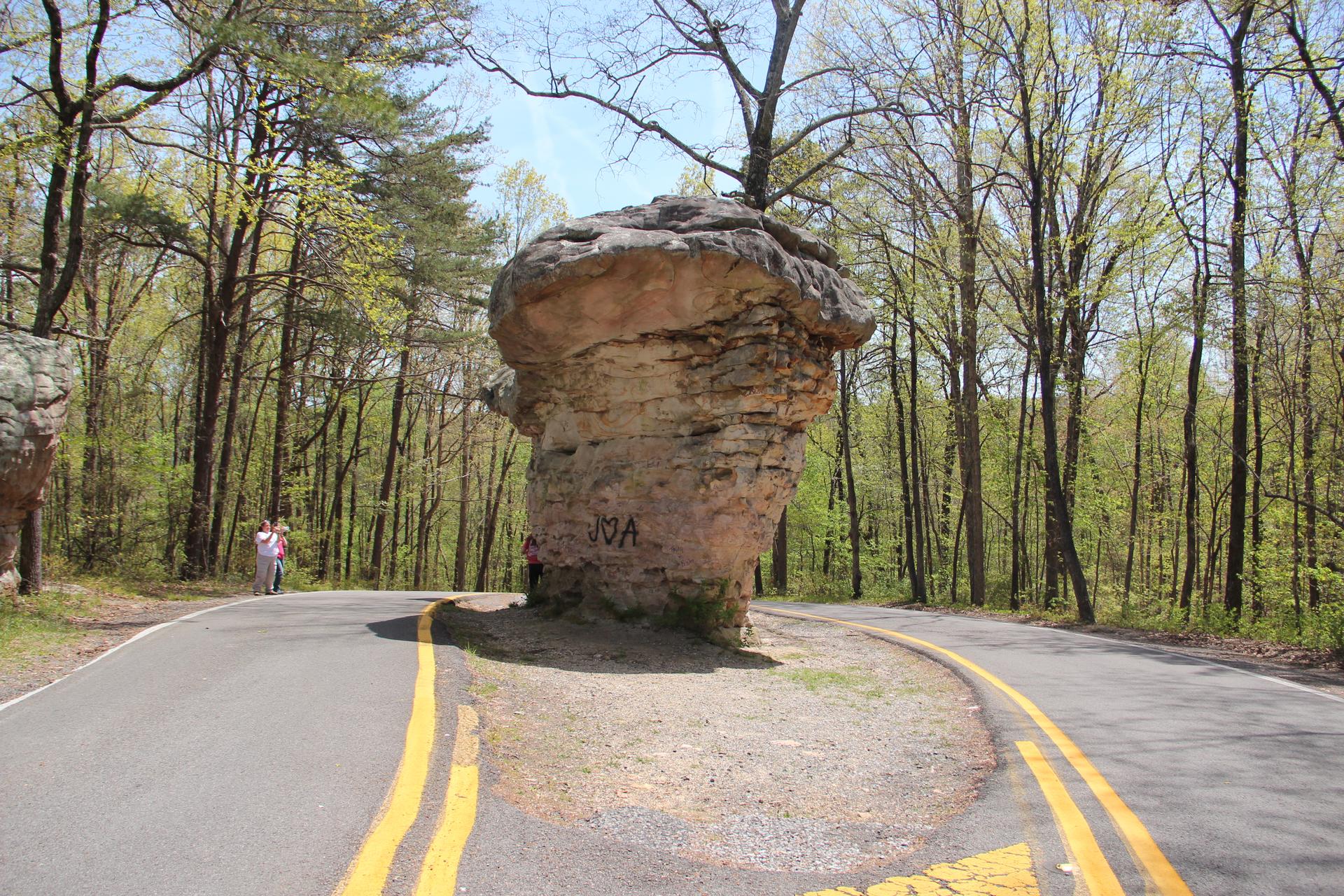
Looking beyond Gaineswood? Discover Hill Country for broader travel guides, local hot-spots, and regional highlights.
Explore Hill Country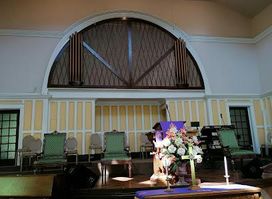
Visit Tabernacle Baptist Church in Selma, a historic landmark and pivotal site in the Civil Rights Movement, showcasing courage and resilience.
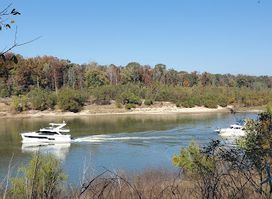
Experience the beauty and power of nature at Spillway Falls - Lower Pool, a unique park in Demopolis, Alabama, offering hiking, birdwatching, and scenic views.