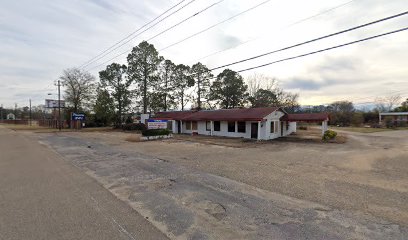
Thornhill Plantation: A Glimpse into Antebellum Alabama
Experience the grandeur and complex history of an Alabama cotton plantation at Thornhill, a preserved example of Greek Revival architecture.
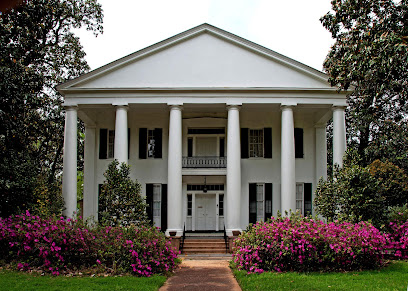
Thornhill Plantation, near Forkland, Alabama, is a historic site showcasing Greek Revival architecture. Built in 1833 by James Innes Thornton, it offers a glimpse into the lives of a prominent planter family and the enslaved people who worked the land. While the main house is not regularly open for tours, its exterior can be viewed from the road.
A brief summary to Thornhill Plantation
- Co Rd 20, Forkland, Alabama, 36740, US
Local tips
- Respect that Thornhill is privately owned; viewing is limited to the exterior from the road.
- Combine your visit with nearby historical sites like Rosemount Plantation and Gaineswood for a broader perspective.
- Consider visiting during the spring or fall for pleasant weather and optimal viewing conditions.

Getting There
-
Driving
From Demopolis, AL, take US-80 W/AL-8 W towards Forkland. Continue for approximately 10 miles. Turn left onto Co Rd 19. Thornhill Plantation will be on your right. Note that parking is extremely limited, and visitors can only view the house from the road.
-
Taxi/Ride-Share
From Demopolis, a taxi or ride-share to Thornhill Plantation is a viable option. The ride is approximately 11 miles and takes about 15 minutes. Expect to pay between $30-$45 for a one-way trip. Be sure to arrange for a return trip, as ride-share availability in Forkland is limited.
-
Public Transport
While public transportation options directly to Thornhill Plantation are limited, Greene County Transit Authority provides bus services throughout Forkland and its surrounding areas, connecting it to nearby towns such as Greensboro. From Greensboro, you may need to take a taxi to the Plantation. A one-way trip costs $4.00.
Discover more about Thornhill Plantation
Iconic landmarks you can’t miss

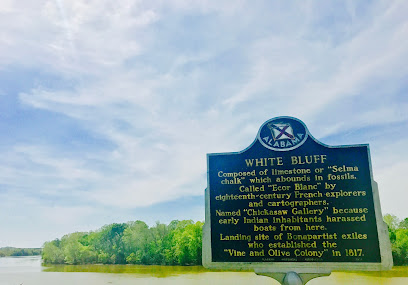
White Bluff Historical Marker
20.4 km
Discover the captivating history of White Bluff in Demopolis, where geology, Native American heritage, and French Bonapartist legacy converge.
Marengo County History & Archives Museum
20.9 km
Discover the rich history of Marengo County at the History & Archives Museum in Demopolis, Alabama, where every artifact tells a story.
Everhope
24.1 km
Experience Southern charm at Everhope Plantation, a beautifully restored 1853 Greek Revival home near Eutaw, Alabama. History, elegance, and hospitality await.

Gainesville Historic District
25.5 km
Discover Gainesville Historic District: A preserved Alabama town showcasing 19th-century architecture and river port history.
Kenworthy Hall
54.6 km
Explore the historical splendor of Kenworthy Hall in Marion, Alabama - a captivating journey through Southern heritage and architecture.
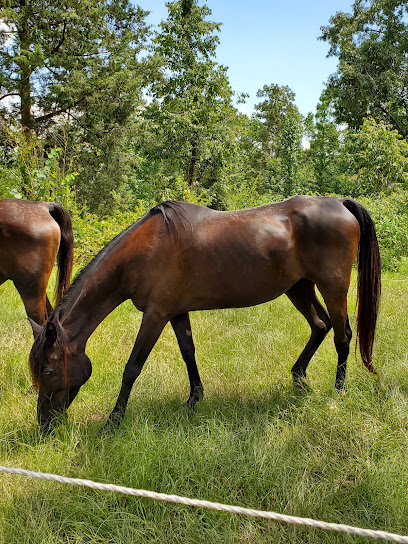
CMX Hollywood 16 & IMAX
64.3 km
Experience the ultimate in cinema at CMX Hollywood 16 & IMAX: stadium seating, cutting-edge technology, and a wide selection of movies!
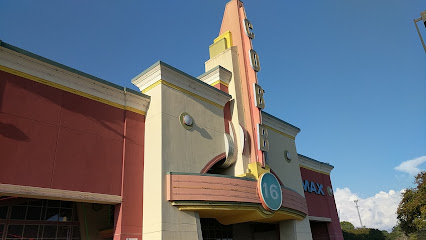
Historic Drish House
66.4 km
Discover the Historic Drish House, a timeless venue in Tuscaloosa, Alabama, celebrated for its stunning architecture and rich cultural heritage.
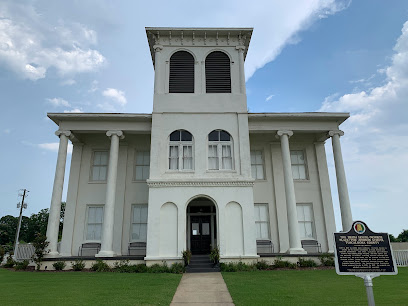
Historic Alabama Capitol 1826-1846
66.8 km
Discover the Historic Alabama Capitol, a stunning example of Greek Revival architecture in Tuscaloosa, steeped in rich political history and charm.
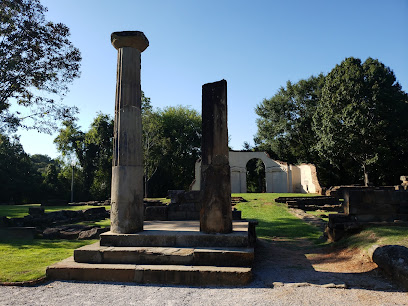
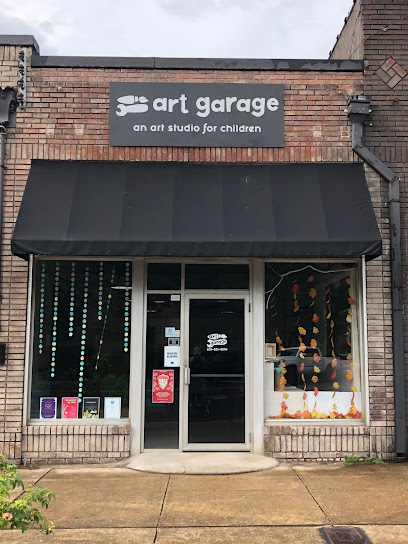
Art Garage
67.1 km
Explore your creativity at Art Garage: Tuscaloosa's mobile art studio offering classes, workshops, and artistic experiences for all ages and skill levels.
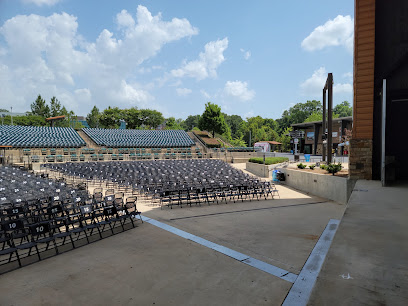
Mercedes-Benz Amphitheater
67.2 km
Discover unforgettable live music experiences at the Mercedes-Benz Amphitheater in Tuscaloosa, Alabama, where entertainment meets scenic beauty.
The Alamite, Tuscaloosa, a Tribute Portfolio Hotel
67.2 km
Experience Southern elegance at The Alamite in Tuscaloosa, where luxury meets hospitality in a stylish setting perfect for any traveler.
Alcove
67.2 km
Tuscaloosa's first smoke-free bar, offering a wide selection of craft beers, cocktails, and a cozy, art-filled atmosphere for a relaxed night out.
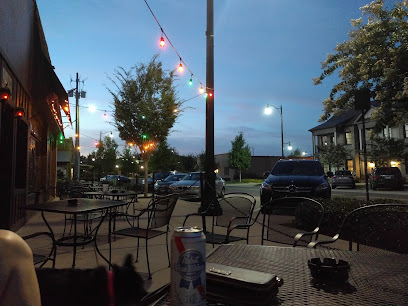
Mugshots Grill and Bar - Tuscaloosa, AL
67.2 km
Discover the taste of America at Mugshots Grill and Bar in Tuscaloosa, where delicious burgers and a lively atmosphere await every visitor.
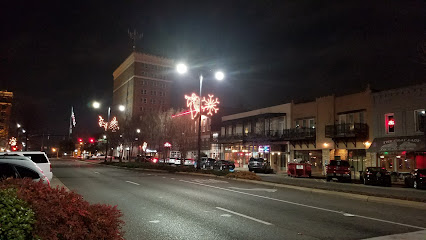
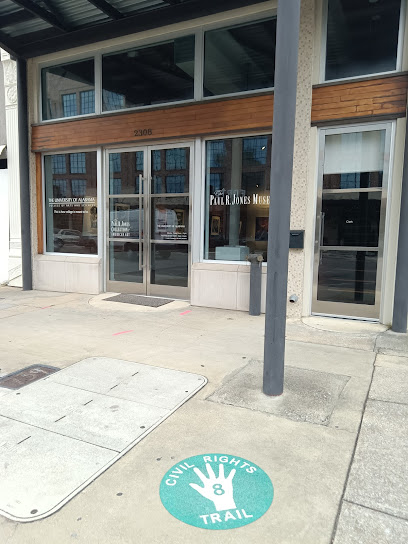
Paul R. Jones Museum
67.3 km
Explore a remarkable collection of African American art at the Paul R. Jones Museum in Tuscaloosa, showcasing history, culture, and artistic expression.
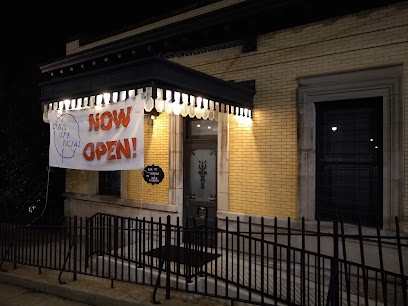
Druid City Social
67.4 km
Discover the lively ambiance, delicious food, and local music scene at Druid City Social in Tuscaloosa, Alabama, a must-visit for nightlife enthusiasts.
Unmissable attractions to see

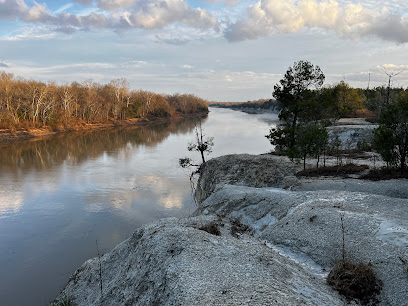
White Cliffs of Epes
17.3 km
Alabama's White Cliffs of Epes: A stunning natural wonder mirroring the famous White Cliffs of Dover, offering a unique geological experience.
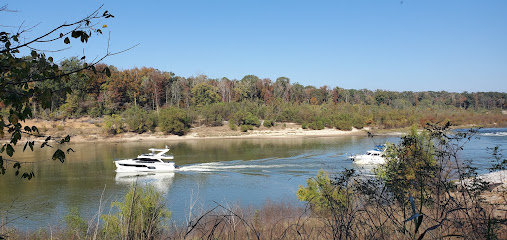
Spillway Falls - Lower Pool
19.0 km
Experience the beauty and power of nature at Spillway Falls - Lower Pool, a unique park in Demopolis, Alabama, offering hiking, birdwatching, and scenic views.
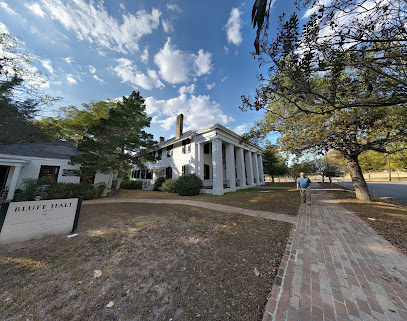
Bluff Hall
20.5 km
Step back in time at Bluff Hall in Demopolis, AL, and experience the elegance of a preserved antebellum mansion with Greek Revival architecture.
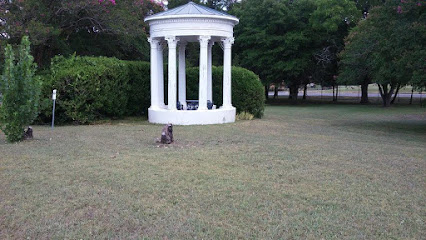
Gaineswood
21.9 km
Explore Gaineswood, a beautifully preserved Greek Revival mansion in Demopolis, AL, offering a unique glimpse into 19th-century plantation life.
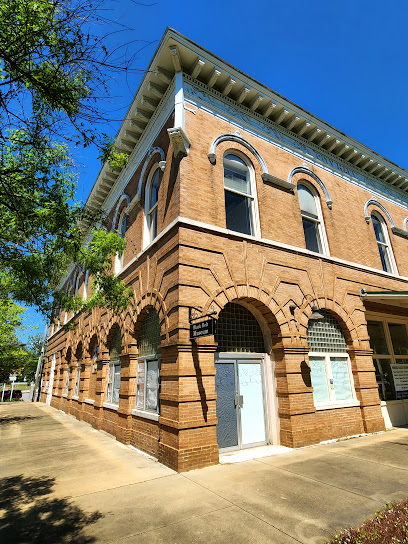
Black Belt Museum
26.7 km
Discover the captivating history and natural wonders of Alabama's Black Belt region at this unique museum.
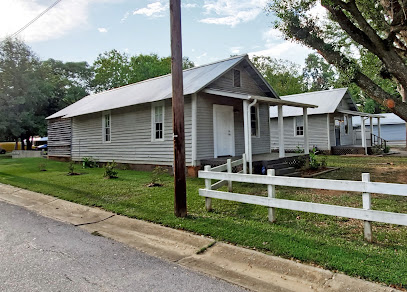
Safehouse Black History Museum
30.2 km
Discover a hidden chapter of the Civil Rights Movement at the Safe House Black History Museum in Greensboro, Alabama.
Magnolia Grove
30.3 km
Step back in time at Magnolia Grove, a Greek Revival mansion and former home of Richmond Pearson Hobson, in Greensboro, Alabama.
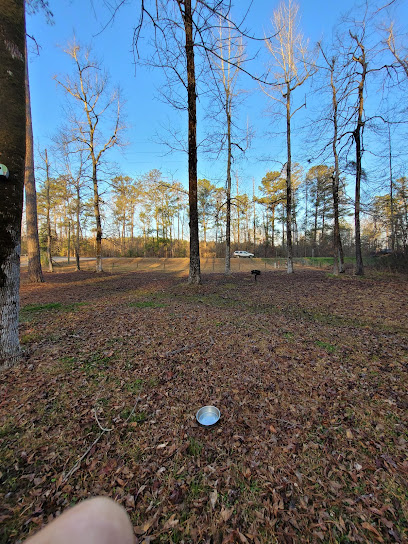
Chickasaw State Park
38.9 km
Discover Alabama's natural beauty at Chickasaw State Park: camping, wildlife, and outdoor adventures in the heart of the Black Belt region.
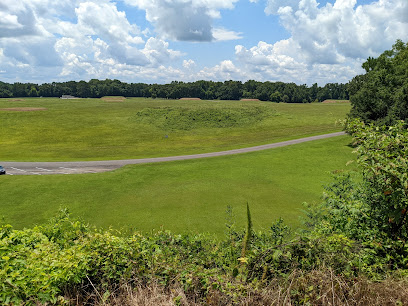
Moundville Archaeological Park
45.1 km
Discover the fascinating history and culture of the Mississippian people at this well-preserved archaeological site in Moundville, Alabama.
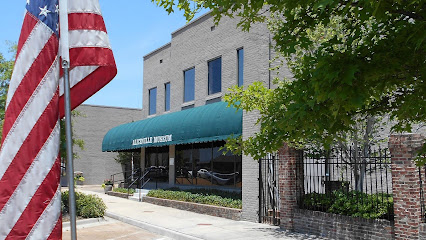
Aliceville Museum
53.1 km
Explore local and WWII history at the Aliceville Museum, home to the largest collection of Camp Aliceville artifacts in the U.S.
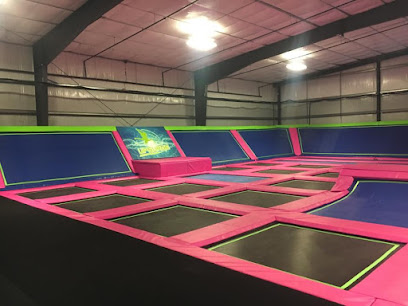
UpSurge Trampoline Park
64.0 km
Tuscaloosa's premier trampoline park: jump, bounce, and flip into fun with open jump areas, obstacle courses, and exciting activities for all ages!
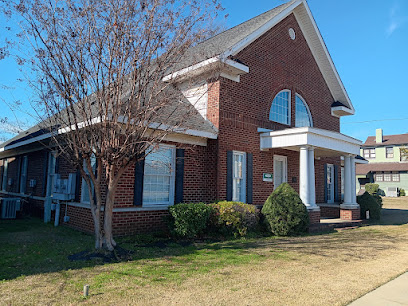
Murphy-Collins House
66.7 km
Explore the legacy of Tuscaloosa's African American community at the historic Murphy-Collins House, now a captivating museum.
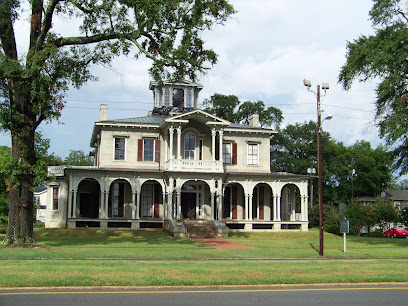
Jemison-Van De Graaff Mansion
66.7 km
Explore Tuscaloosa's rich history and architectural beauty at the Jemison-Van de Graaff Mansion, a landmark of the pre-Civil War South.
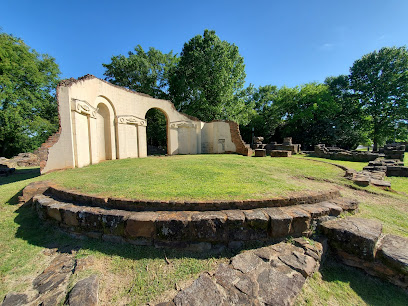
Capitol Park
66.8 km
Explore the ruins of Alabama's former state capitol in a peaceful downtown Tuscaloosa park, offering a glimpse into the state's rich history.
Battle-Friedman House & Gardens
66.8 km
Explore Tuscaloosa's history at the Battle-Friedman House & Gardens, a preserved 19th-century home with period furnishings and antebellum gardens.
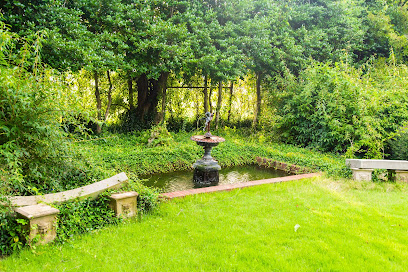
Essential places to dine

Nick's Original Filet House
62.1 km
Experience mouthwatering steaks in a family-friendly atmosphere at Nick's Original Filet House in Tuscaloosa.
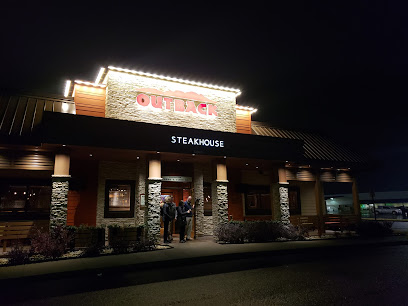
Outback Steakhouse
64.0 km
Experience authentic Australian flavors at Outback Steakhouse in Tuscaloosa – where every meal feels like an adventure!
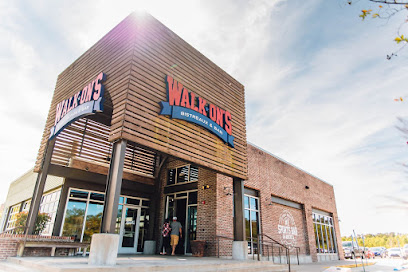
Walk-On's Sports Bistreaux - Tuscaloosa Restaurant
64.1 km
Experience vibrant dining at Walk-On's Sports Bistreaux in Tuscaloosa - where Louisiana flavors meet sports enthusiasm.
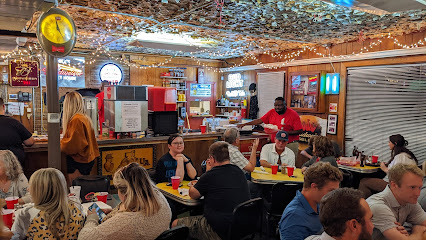
RONJOE'S
64.2 km
Experience authentic Southern cuisine at RonJoe's in Tuscaloosa—where tradition meets flavor in every dish.
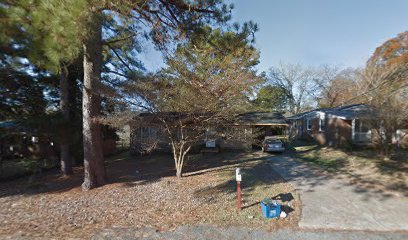
Waysider
66.4 km
Discover The Waysider in Tuscaloosa: A cozy American breakfast spot offering delicious meals and friendly service in an inviting atmosphere.
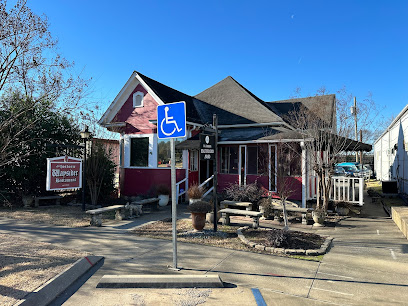
King's Kitchen
67.1 km
Experience authentic Southern cuisine at King's Kitchen in Tuscaloosa - where every meal tells a story.
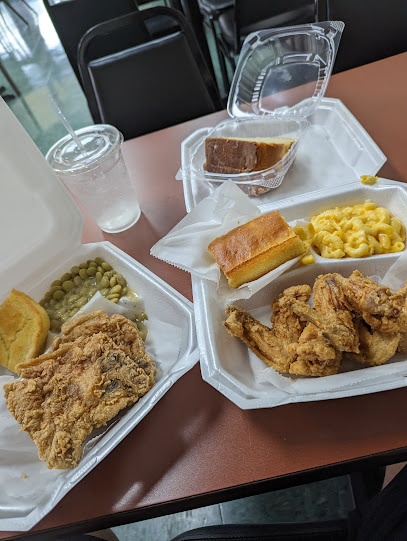
Chuck's Fish
67.2 km
Experience exceptional seafood at Chuck's Fish in Tuscaloosa - where fresh ingredients meet delightful culinary artistry.
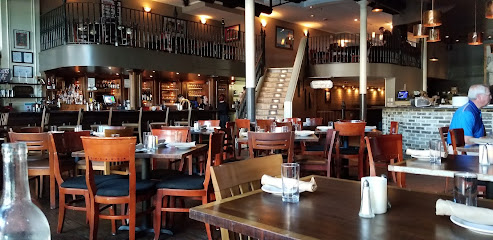
Central Mesa
67.2 km
Experience the vibrant culinary scene at Central Mesa in Tuscaloosa - a delightful fusion of flavors and craft cocktails await you!
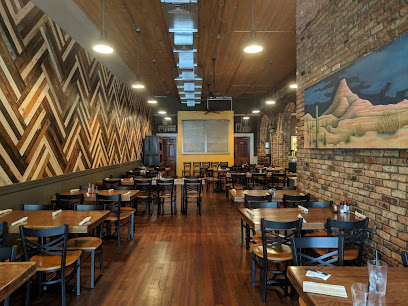
FIVE Tuscaloosa
67.2 km
Experience delightful American cuisine at FIVE Tuscaloosa - your go-to spot for breakfast, brunch, and vibrant bar scenes.
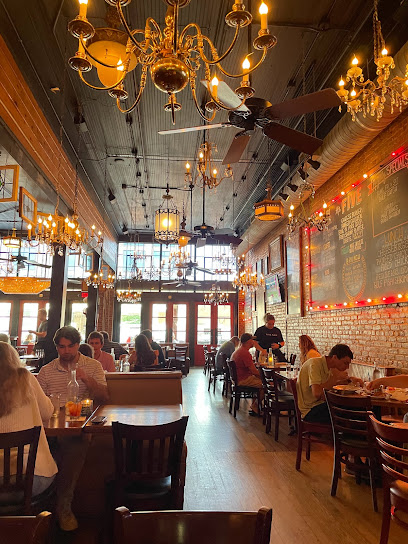
Side by Side Kitchen & Cocktails
67.2 km
Experience American culinary delights and handcrafted cocktails at Side by Side Kitchen & Cocktails in Tuscaloosa.
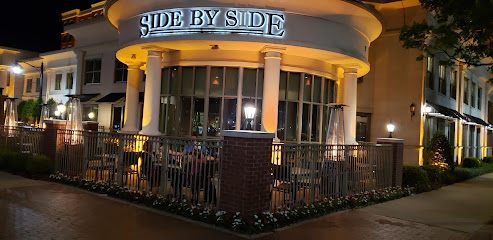
Half Shell Oyster House
67.3 km
Experience the best seafood dining at Half Shell Oyster House in Tuscaloosa - where fresh flavors meet Southern charm.
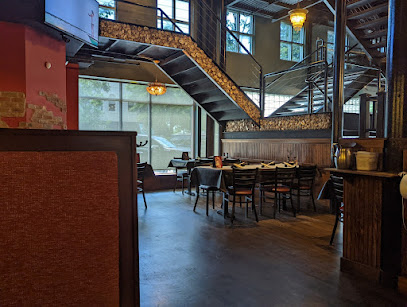
Urban Bar & Kitchen
67.3 km
Discover Urban Bar & Kitchen: Where modern American cuisine meets handcrafted cocktails in Tuscaloosa's vibrant dining scene.
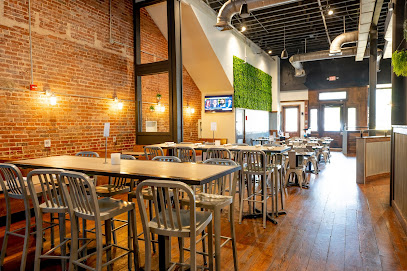
The 205
67.3 km
Experience the best of Southern cuisine at The 205 in Tuscaloosa, where flavor meets hospitality in an inviting atmosphere.
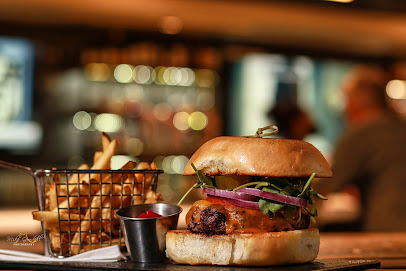
DePalma's Italian Cafe
67.4 km
Experience authentic Italian cuisine at DePalma's Italian Cafe in Tuscaloosa - perfect for pizza lovers and pasta enthusiasts alike.
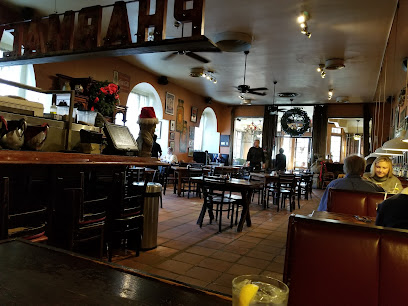
Dillard’s Chophouse
67.4 km
Experience exceptional steak dining at Dillard’s Chophouse in Tuscaloosa - where quality meets sophistication.
Markets, malls and hidden boutiques

Lake Martin Design
34.2 km
Explore Lake Martin Design for exquisite home goods and handcrafted furniture that showcase local artistry and timeless elegance.
Ziggy Zelda
44.3 km
Explore Ziggy Zelda, a charming gift shop in Linden, Alabama, offering unique souvenirs and local craftsmanship for every traveler.
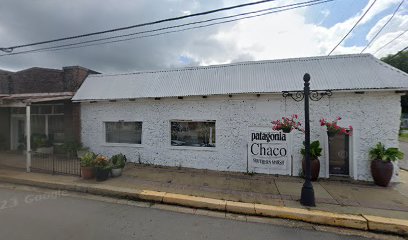
Two Sisters Boutique
57.9 km
Explore Two Sisters Boutique in Marion, AL for stylish women's clothing, unique gifts, and fashionable shoes in a charming shopping setting.
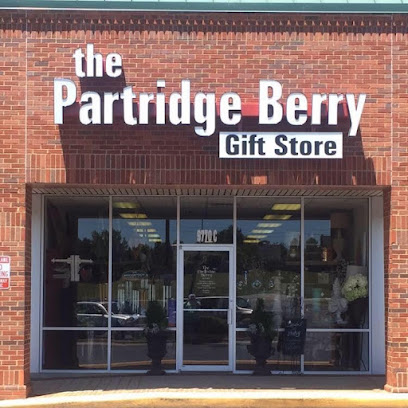
The Partridge Berry
59.5 km
Explore the charm of Tuscaloosa at The Partridge Berry, where unique gifts and local crafts await every traveler.
Skyland Antique Mall
64.5 km
Explore the charming Skyland Antique Mall in Tuscaloosa, Alabama, for a delightful vintage shopping experience filled with unique treasures and friendly service.
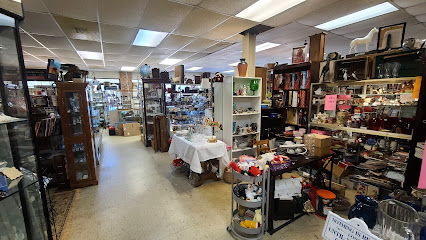
Curry's Country Store
66.2 km
Discover local flavors and Southern hospitality at Curry's Country Store in Magnolia, Alabama, a must-visit grocery store experience.
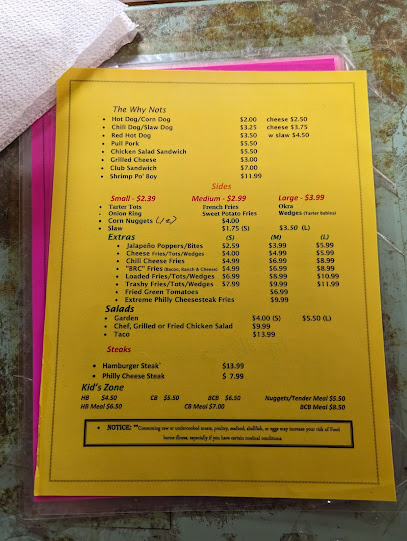
Thrifty Charm Boutique
66.8 km
Explore unique clothing and local handmade accessories at Thrifty Charm Boutique in Tuscaloosa, the perfect stop for every fashion lover.
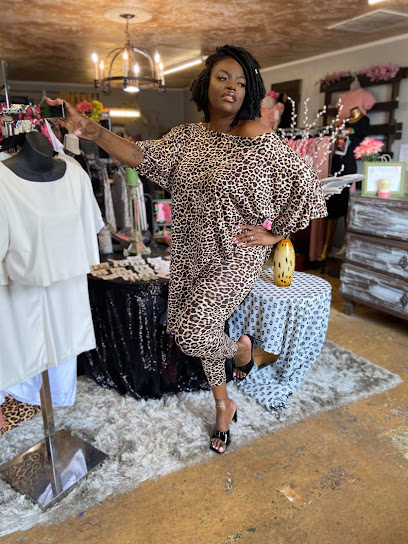
McFarland Plaza
67.0 km
Discover the diverse shopping and dining experiences at McFarland Plaza, Tuscaloosa's premier shopping destination.
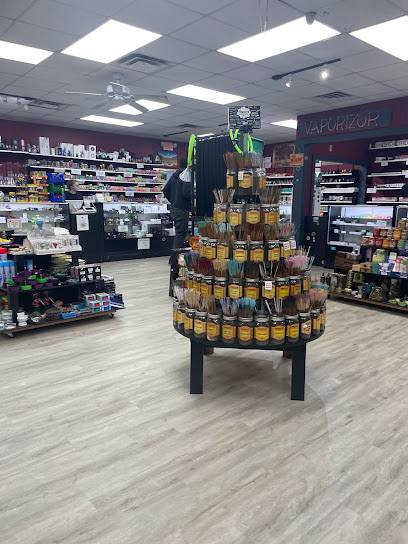
The Trunk
67.2 km
Explore The Trunk, Tuscaloosa’s charming gift shop offering unique treasures and stylish apparel that reflect Alabama’s local culture.
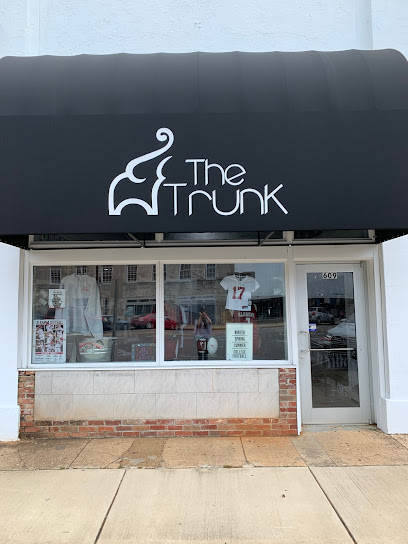
swag.
67.2 km
Explore Swag in Tuscaloosa for unique gifts, custom t-shirts, and local artistry that celebrate the spirit of Alabama.
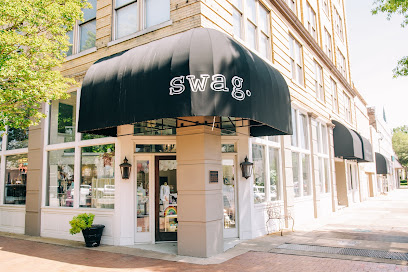
The Shirt Shop
67.2 km
Explore stylish men's clothing and sportswear at The Shirt Shop in Tuscaloosa, a fashion hub for every occasion.
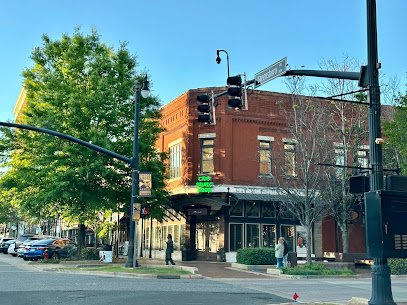
Magical Moments
67.3 km
Explore Magical Moments in Tuscaloosa for stunning formal dresses that make every occasion special with personalized service and elegant styles.
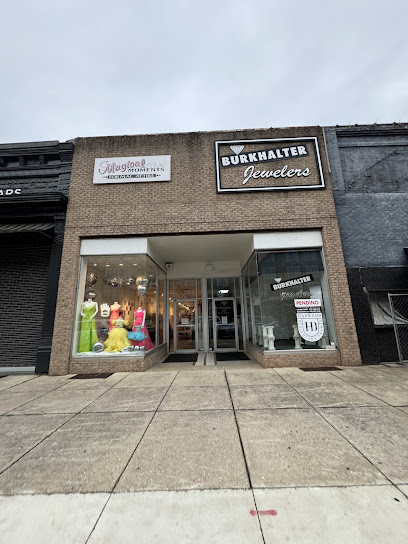
Zaria
67.3 km
Explore Zaria in Tuscaloosa for unique fashion finds and a delightful shopping experience in a charming boutique setting.
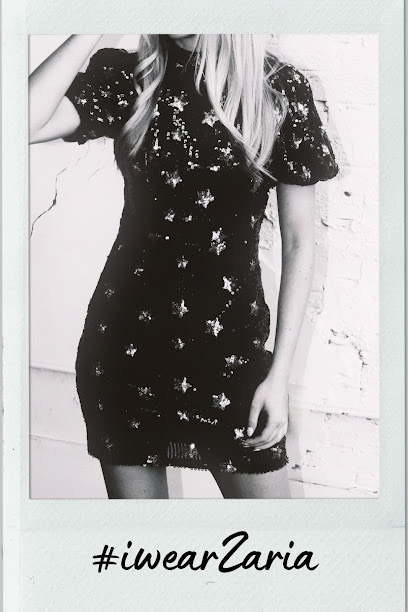
Pause Boutique
67.3 km
Discover a world of stylish fashion and local flair at Pause Boutique in Tuscaloosa, Alabama, where every piece tells a story.
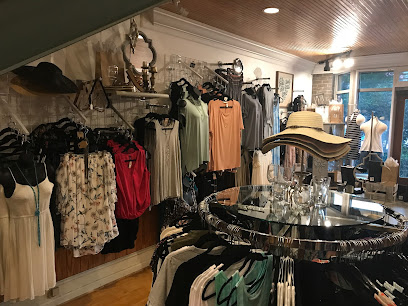
Twice As Nice Consignment Shop
67.3 km
Explore Twice As Nice Consignment Shop in Tuscaloosa for unique clothing and home decor treasures while enjoying sustainable shopping.
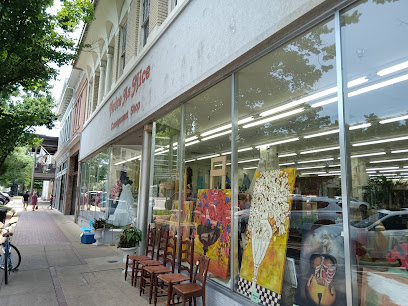
Essential bars & hidden hideouts

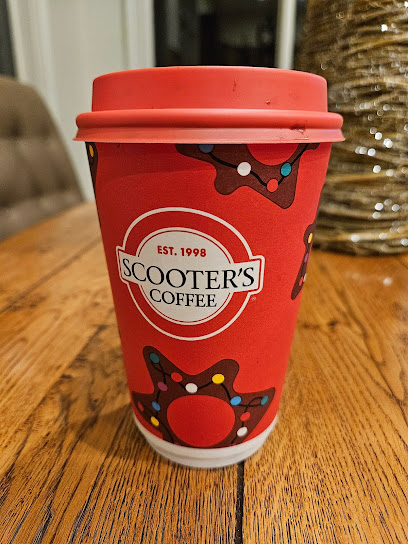
Scooter's
65.0 km
Scooter's Bar in Tuscaloosa offers a lively atmosphere and affordable drinks, perfect for unwinding and enjoying local nightlife.
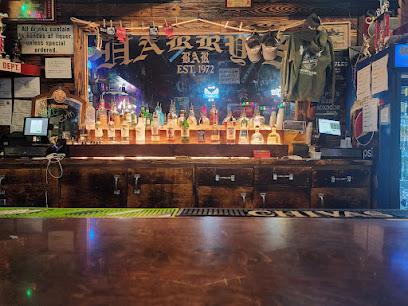
Harry's Bar
66.3 km
Experience the lively atmosphere and delightful drinks at Harry's Bar in Tuscaloosa, Alabama, a must-visit for any traveler seeking local flavor.
Jackie's Lounge
67.1 km
Discover the vibrant atmosphere of Jackie's Lounge, a must-visit sports bar in Tuscaloosa, perfect for food, drinks, and game day excitement.
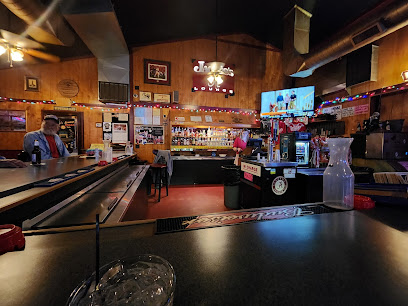
Catch 22
67.2 km
Experience the vibrant atmosphere and innovative cocktails at Catch 22, a must-visit cocktail bar in Tuscaloosa, Alabama.
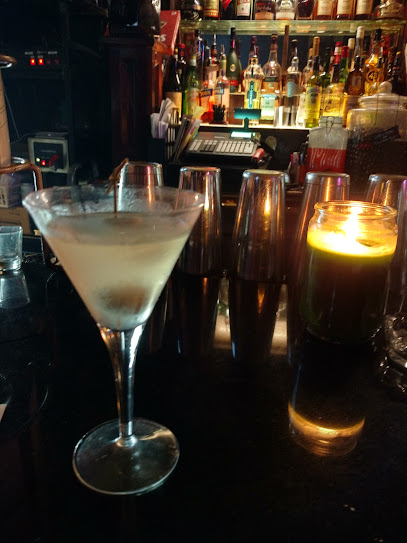
The Gray Lady
67.2 km
Discover The Gray Lady, a vibrant Tuscaloosa bar known for its creative cocktails, craft beers, and lively trivia nights in a welcoming atmosphere.
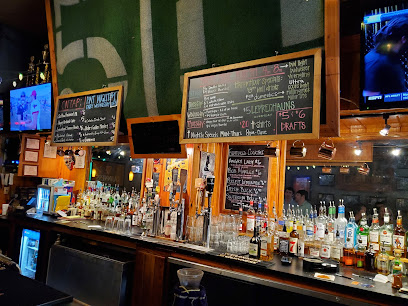
Brown's Corner
67.3 km
Experience the best cocktails and vibrant nightlife at Brown's Corner in Tuscaloosa, where every sip is a celebration.
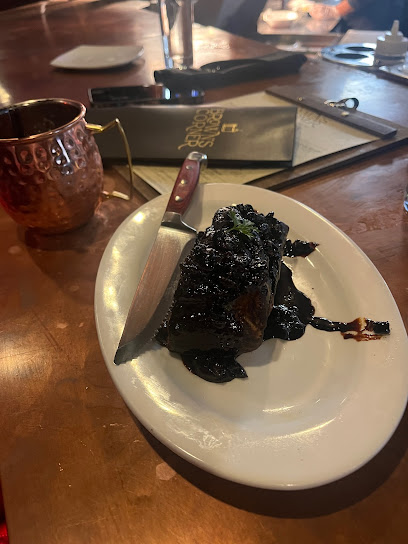
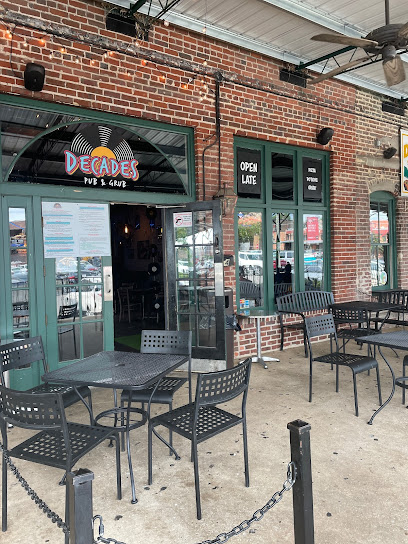
Decades Pub and Grub
67.4 km
Experience the perfect blend of comfort food and vibrant atmosphere at Decades Pub and Grub in Tuscaloosa, Alabama.
Top Shelf Tavern
67.4 km
Experience the authentic Southern bar scene at Top Shelf Tavern in Tuscaloosa, where great drinks and a friendly atmosphere await every visitor.
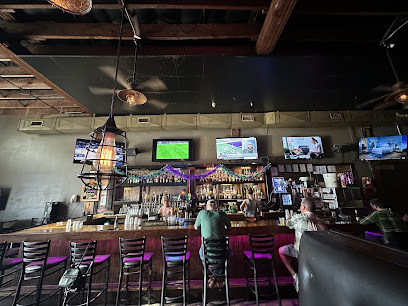
Tavern 1831
67.4 km
Experience the vibrant nightlife of Tuscaloosa at Tavern 1831, a lively bar with an extensive drink selection and entertainment options.
Nocturnal Tavern
67.5 km
Experience the vibrant nightlife of Tuscaloosa at Nocturnal Tavern, where craft cocktails and local brews meet an inviting atmosphere.
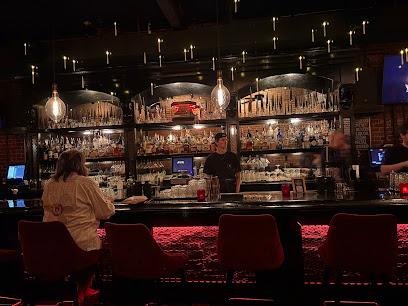
World of Beer
67.5 km
Discover a vibrant gastropub in Tuscaloosa with an extensive craft beer selection and gourmet food, perfect for any beer lover's palate.
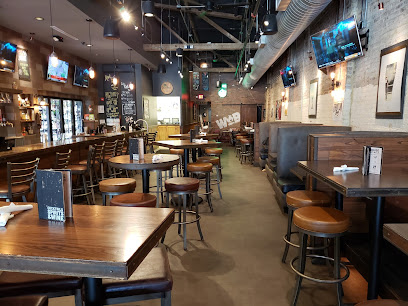
Innisfree Irish Pub
67.7 km
Discover the heart of Irish culture at Innisfree Irish Pub, a Tuscaloosa gem offering delicious food and a vibrant atmosphere.
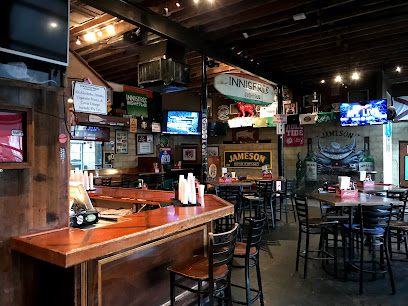
Loosa Brews
67.7 km
Discover the vibrant craft beer scene at Loosa Brews, a popular bar in Tuscaloosa offering a vast selection of brews and a welcoming atmosphere.
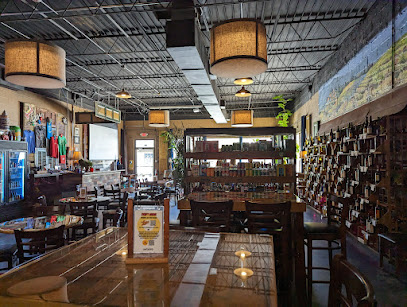
Sideline Bar
68.0 km
Discover the lively and vibrant atmosphere of Sideline Bar in Tuscaloosa, Alabama, a must-visit nightlife destination for tourists.
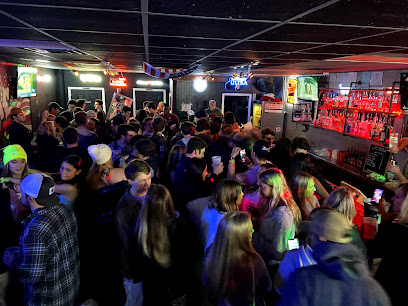
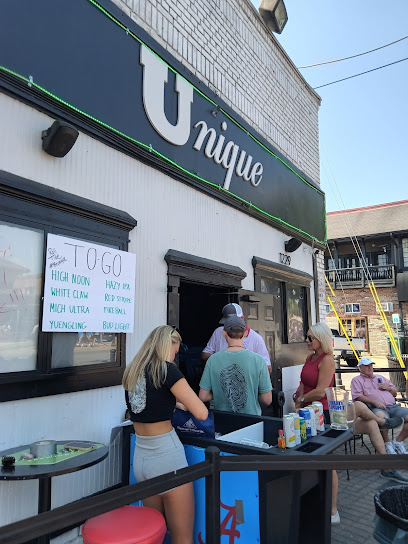
Unique
68.0 km
Discover the lively Unique Bar in Tuscaloosa, offering a vibrant atmosphere, craft drinks, and a perfect start to your night out.
Nightclubs & after hour spots

Club 205 Lounge
65.9 km
Experience the vibrant nightlife at Club 205 Lounge in Tuscaloosa – where music, dancing, and fun come together for an unforgettable night out.
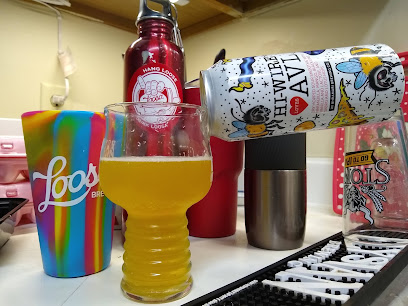
Rhythm & Brews
67.4 km
Discover the heartbeat of Tuscaloosa's nightlife at Rhythm & Brews, where live music and vibrant energy create unforgettable experiences.
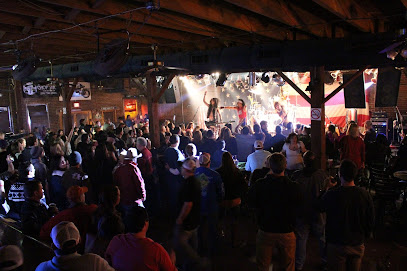
Copper Top
67.4 km
Discover Copper Top in Tuscaloosa, AL - a lively live music bar perfect for enjoying local bands and vibrant nightlife without straining your budget.
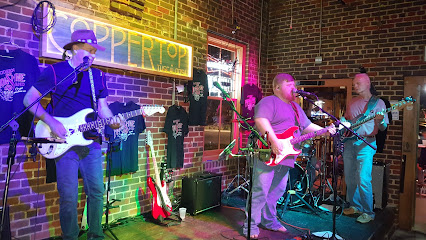
The Red Shed
68.0 km
Experience the vibrant nightlife of Tuscaloosa at The Red Shed, a classic bar known for its affordable drinks and lively atmosphere.
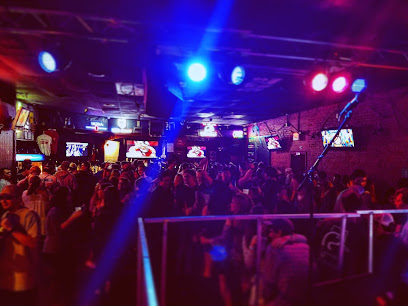
Twelve25 Sports Bar
68.0 km
Discover the lively energy of Twelve25 Sports Bar in Tuscaloosa, where sports, dining, and nightlife converge for an unforgettable experience.
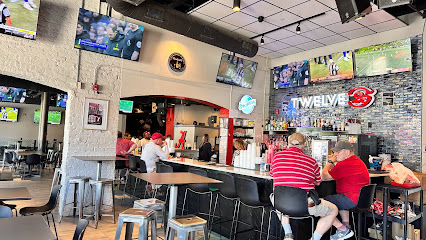
Rounders
68.0 km
Discover the lively nightlife at Rounders in Tuscaloosa, a vibrant bar offering drinks, live music, and a fun atmosphere for all visitors.
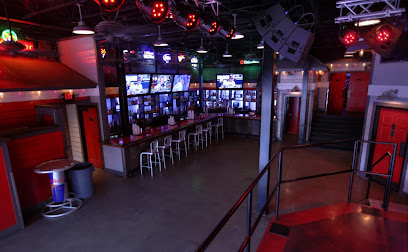
The One Club Spot #2
89.6 km
Discover an electrifying nightlife experience at The One Club Spot #2, where vibrant music and lively ambiance meet for unforgettable nights.
The One Club
90.2 km
Discover the vibrant nightlife at The One Club in Selma, Alabama, where music and excitement create unforgettable moments.
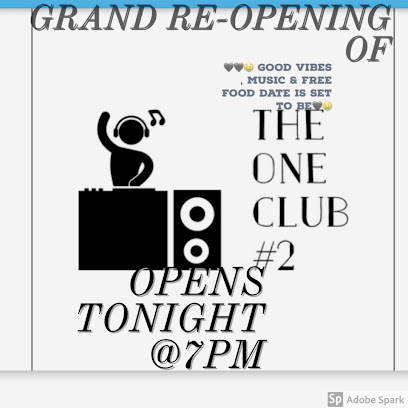
Goddess Hookah Bar
91.0 km
Discover the tranquil oasis of Goddess Hookah Bar in Selma, Alabama, where an extensive selection of flavors meets a cozy, inviting atmosphere.
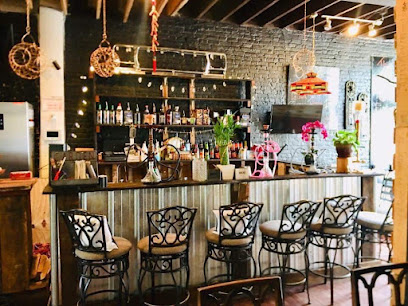
Roger's Lounge
92.6 km
Discover the lively nightlife at Roger's Lounge in Selma, Alabama, where great music and a vibrant atmosphere await your arrival.
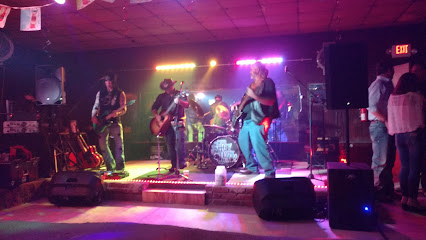
Jerryco Hall
93.3 km
Discover the vibrant nightlife of Selma at Jerryco Hall, where music, dancing, and unforgettable memories await you.