

Prairie Belt, Alabama Travel Guide
Discover the Prairie Belt in Alabama: A serene escape filled with natural beauty, rich history, and Southern hospitality.
Nestled in the heart of Alabama, the Prairie Belt is a treasure trove of natural beauty and Southern charm. This region is known for its vast expanses of prairie grasslands, dotted with wildflowers and teeming with diverse wildlife. Visitors can enjoy tranquil walks through these open landscapes, where the serene environment offers a perfect escape from the hustle and bustle of city life. The Prairie Belt is also rich in history and culture. The small towns scattered across the region are home to historic buildings, museums, and friendly locals who are always willing to share stories of the past. Many of these towns host annual festivals celebrating everything from local cuisine to traditional music, giving tourists a chance to experience the local way of life. Outdoor enthusiasts will find plenty to do in the Prairie Belt. The area boasts numerous parks and nature reserves, ideal for hiking, bird watching, and picnicking. For those interested in fishing or boating, the nearby rivers and lakes provide ample opportunities. Whether you're looking to relax and unwind or explore and adventure, the Prairie Belt offers something for everyone.

Know before you go
Hi, I'm Eve. Here are a few practical things to know before exploring Prairie Belt.
- Visit in spring or fall for the best weather and to see the wildflowers in full bloom.
- Bring binoculars for bird watching; the area is home to many unique species.
- Check local town websites for information on annual festivals and events.
- Pack a picnic and enjoy a meal in one of the many scenic parks.
- Wear comfortable shoes for walking through the prairie grasslands.
Top City Travel Guides in Prairie Belt
The cities of Prairie Belt, and the easiest places to base yourself.


Destinations in Prairie Belt
Resorts, valleys and scenic spots worth a trip of their own.


Explore Prairie Belt: Things to Do, Places to Eat, Hotels & More
Handpicked recommendations for top attractions, local dining, accommodations, and more

Top Attractions & Sightseeing in Prairie Belt
Top-rated picks
Best Attractions

Fort Morgan State Historic Site
Explore a historic military fort on the Alabama Gulf Coast, offering a blend of history, architecture, and natural beauty.

Neversink Cave Preserve
Discover the breathtaking beauty of Neversink Cave Preserve in Alabama, a unique geological wonder with stunning views and thrilling caving opportunities.

Tuskegee Institute National Historic Site
Explore the legacy of Booker T. Washington and George Washington Carver at this historic center for African American education and innovation.

Old Cahawba Archaeological Park
Discover Alabama's first capital, now a captivating archaeological park with historic ruins and natural beauty.

Best landmarks in Prairie Belt
Top-rated picks
Best Landmarks

Fort Morgan State Historic Site
Explore the historic Fort Morgan State Historic Site in Gulf Shores, Alabama, where military history meets stunning coastal landscapes for an unforgettable experience.

Colonial Fort Condé
Discover the rich history of Mobile, Alabama, at Colonial Fort Condé, where the past comes alive through engaging exhibits and reenactments.

Cornwall Furnace Memorial Park
Discover the historical Cornwall Furnace Memorial Park in Cedar Bluff, Alabama, where nature meets fascinating industrial history.

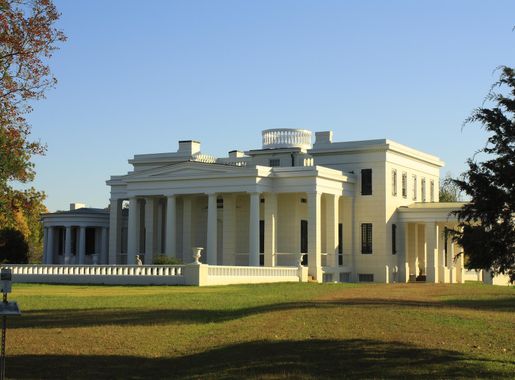
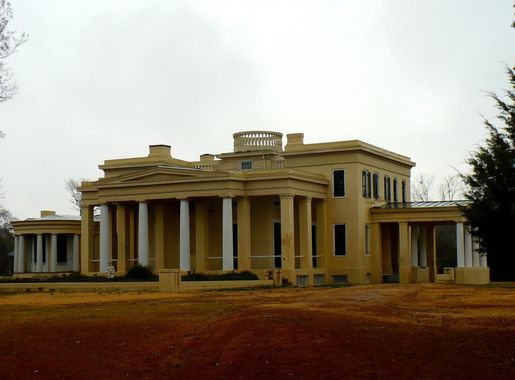
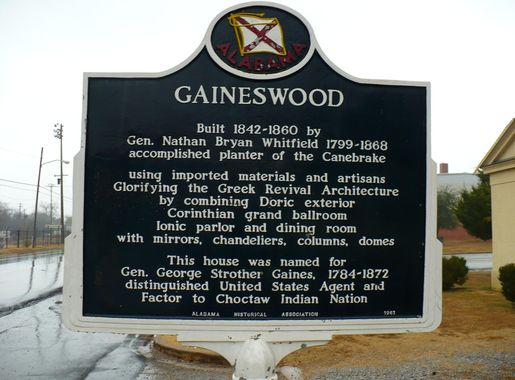
Gaineswood
Explore Gaineswood, an antebellum mansion in Demopolis, Alabama, showcasing exquisite architecture and the rich history of the South.

Best restaurants in Prairie Belt
Top-rated picks
Best Restaurants

Felix's Fish Camp Restaurant
Discover culinary excellence at Felix's Fish Camp Restaurant - where fresh seafood meets stunning waterfront views in Spanish Fort.

BLUEGILL Restaurant
Experience delicious seafood dining with breathtaking waterfront views at BLUEGILL Restaurant in Spanish Fort, Alabama.

Freight House Restaurant
Discover delightful American cuisine in a charming railroad-themed setting at Freight House Restaurant in Hartselle, Alabama.

The Rougaroux
Experience authentic Cajun flavors at The Rougaroux in Birmingham—where every dish is a celebration of Louisiana's rich culinary heritage.

Best bars in Prairie Belt
Top-rated picks
Best Bars

Flora-Bama
Experience the vibrant atmosphere of Flora-Bama, a premier bar and live music venue on Florida's stunning Perdido Key.

Perfect Note
Perfect Note: Experience Culinary Excellence and Live Music in Hoover, Alabama - The Ultimate Destination for Food and Entertainment.

The Beer Hog
Explore a diverse selection of craft beers at The Beer Hog, Pelham's premier bar for beer enthusiasts and social gatherings.

BIG STAR TAVERN
Experience vibrant nightlife at BIG STAR TAVERN in Prattville, a hotspot for karaoke, live music, and unforgettable fun.

Best nightclubs in Prairie Belt
Top-rated picks
Best Nightclubs

1048 Jazz & Blues
Explore the vibrant atmosphere of 1048 Jazz & Blues in Montgomery, where live music and a welcoming vibe create unforgettable nights.

The Quest Club
Discover Birmingham's vibrant nightlife at The Quest Club, a welcoming gay night club offering unforgettable entertainment and community spirit.

El Sol nightclub
Discover the electrifying nightlife at El Sol Nightclub in Birmingham, Alabama – where music, dance, and good vibes come together.

Best shops in Prairie Belt
Top-rated picks
Best Shops

Souvenir City
Explore Souvenir City for unique gifts and local treasures that capture the essence of Gulf Shores, Alabama.

Alvin's Island - Orange Beach #22
Discover the vibrant charm of Alvin's Island in Orange Beach, offering unique souvenirs, swimwear, and surf gear for the perfect beach getaway.

Alvin's Island - Gulf Shores #19
Discover a vibrant shopping experience at Alvin's Island in Gulf Shores, where beach clothing, souvenirs, and surf gear await every beach lover.

Tallulah's Treasures
Explore Tallulah's Treasures in Orange Beach for unique gifts and souvenirs that capture the essence of Alabama's coastal charm.

Explore Prairie Belt on the Map
A handpicked selection of must-see spots in Prairie Belt, mapped for you.
Prairie Belt Essentials
-
The Prairie Belt in Alabama is accessible via several major highways. If you're flying, the closest major airport is Birmingham-Shuttlesworth International Airport (BHM), located about 90 miles north of the region. From there, you can rent a car or take a shuttle service to your destination. Alternatively, you can drive from nearby cities such as Montgomery or Mobile. For those preferring train travel, Amtrak offers services to nearby cities like Birmingham, from where you can rent a car.
-
Once in the Prairie Belt, renting a car is the most convenient way to get around, as public transportation options are limited. There are a few local taxi services and ride-sharing options like Uber and Lyft. Biking can also be a pleasant way to explore the smaller towns and countryside. Check local listings for bike rentals.
-
The official currency is the US Dollar (USD). Credit and debit cards are widely accepted in most hotels, restaurants, and shops. However, it's advisable to carry some cash, especially if you plan to visit rural areas or small local businesses that may not accept cards. ATMs are available in larger towns and cities.
-
The Prairie Belt is generally safe for tourists, but like any travel destination, it's important to stay vigilant. Avoid walking alone at night in unfamiliar areas and keep an eye on your belongings in crowded places. Some areas in larger cities like Birmingham might have higher crime rates; it's best to research specific neighborhoods beforehand.
-
In case of emergency, dial 911 for immediate assistance. Local hospitals and medical facilities are available in the region, including DCH Regional Medical Center in Tuscaloosa and Vaughan Regional Medical Center in Selma. It's advisable to have travel insurance that covers medical emergencies. For minor health issues, pharmacies are available in most towns.
-
Fashion: Do dress comfortably and according to the weather, but avoid overly flashy attire. Religion: Do respect local religious customs, especially if visiting churches or historical religious sites. Public Transport: Do be courteous and patient, as public transport options can be limited. Greetings: Do greet people with a friendly 'hello' or 'good day.' Eating & Drinking: Do try local Southern cuisine and be polite in accepting food offerings. Don’t be overly critical of local dishes, as it may be considered impolite.
-
To experience the Prairie Belt like a local, visit farmers markets and local diners to sample authentic Southern cuisine. Engage with locals, who are often friendly and willing to share stories about their community. Don't miss exploring the historical sites and natural reserves. For a unique experience, consider attending a local festival or event, such as the Selma Bridge Crossing Jubilee or a college football game at the University of Alabama.
When is the best time to visit Prairie Belt?
Useful Local Phrases for Prairie Belt
You don't need to speak the language perfectly. Even learning a few simple words can make conversations warmer—and locals usually appreciate the effort.
— Eve

Here are the phrases I use most often in Prairie Belt. Try a few—you'll be surprised how far they go! 😊
❤️
-
- HelloHowdy
[Hau-dee] - GoodbyeSee ya later
[See ya lay-ter] - YesYep
[Yep] - NoNope
[Nope] - Please/You're welcomePlease / No problem
[Pleez / No prob-lem] - Thank youThank ya
[Thank ya] - Excuse me/SorryExcuse me / Sorry 'bout that
[Ex-cuse me / Sor-ree 'bout that] - How are you?How y'all doin'?
[How y'all do-in'?] - Fine. And you?I'm good. How 'bout you?
[I'm good. How 'bout you?] - Do you speak English?Do ya speak English?
[Do ya speek Ing-lish?] - I don't understandI ain't followin'
[I ain't fol-lo-win']
- HelloHowdy
-
- I'd like to see the menu, pleaseCan I see the menu, please?
[Can I see the men-oo, pleez?] - I don't eat meatI don't eat no meat
[I don't eat no meet] - Cheers!Cheers!
[Cheers!] - I would like to pay, pleaseI wanna pay, please
[I wanna pay, pleez]
- I'd like to see the menu, pleaseCan I see the menu, please?
-
- Help!Help!
[Help!] - Go away!Get on outta here!
[Get on outta here!] - Call the Police!Call the cops!
[Call the cops!] - Call a doctor!Get a doctor!
[Get a doc-tor!] - I'm lostI done got lost
[I done got lost] - I'm illI ain't feelin' good
[I ain't feelin' good]
- Help!Help!
-
- I'd like to buy...I wanna buy...
[I wanna buy...] - I'm just lookingJust lookin' around
[Just look-in' a-round] - How much is it?How much is it?
[How much is it?] - That's too expensiveThat's too high
[That's too high] - Can you lower the price?Can ya bring down the price?
[Can ya bring down the price?]
- I'd like to buy...I wanna buy...
-
- What time is it?What time is it?
[What time is it?] - It's one o'clockIt's one o'clock
[It's one o'clock] - Half past (10)Half past ten
[Half past ten] - MorningMorning
[Mornin'] - AfternoonAfternoon
[Afternoon] - EveningEvenin'
[Evenin'] - YesterdayYesterday
[Yes-ter-day] - TodayToday
[To-day] - TomorrowTomorrow
[To-mor-row] - 1One
[One] - 2Two
[Two] - 3Three
[Three] - 4Four
[Four] - 5Five
[Five] - 6Six
[Six] - 7Seven
[Seven] - 8Eight
[Eight] - 9Nine
[Nine] - 10Ten
[Ten]
- What time is it?What time is it?
-
- Where's a/the...?Where's a...?
[Where's a...?] - What's the address?What’s the address?
[What’s the ad-dress?] - Can you show me (on the map)?Can ya show me on the map?
[Can ya show me on the map?] - When's the next (bus)?When's the next bus?
[When's the next bus?] - A ticket (to ....)A ticket to...
[A tick-et to...]
- Where's a/the...?Where's a...?
History of Prairie Belt
-
Before European settlers arrived, the Prairie Belt in Alabama was home to various Native American tribes, including the Choctaw and Creek. These tribes thrived on the fertile lands and left behind a legacy that includes intricate pottery, mounds, and a rich oral history. The area was a hub of trade routes and ceremonial sites, contributing significantly to the cultural mosaic of the region.
-
In the early 19th century, European settlers began to move into the Prairie Belt, attracted by the fertile soil ideal for cotton farming. The influx of settlers led to the forced removal of Native American tribes, culminating in the Trail of Tears. Despite this tragic history, the European settlers established towns and infrastructure that would become the bedrock of the region's development.
-
The Prairie Belt became a significant part of the Cotton Kingdom in the antebellum South. The area's fertile black soil was perfect for cotton cultivation, which led to an agricultural boom. Large plantations dominated the landscape, and the economy became heavily dependent on slave labor. The wealth generated from cotton farming had a profound impact on the culture and architecture of the region, with many antebellum homes still standing today.
-
The Prairie Belt was deeply affected by the Civil War. Many plantation owners and young men from the region joined the Confederate forces. The war brought significant hardship to the area, including battles, skirmishes, and the eventual emancipation of slaves. The end of the war marked a period of reconstruction and significant social change, as the region adapted to a new economic reality without slave labor.
-
The Reconstruction Era brought both challenges and opportunities to the Prairie Belt. Freedmen sought to establish their own communities and farms, while the Southern economy struggled to rebuild. This period saw the rise of sharecropping and tenant farming systems, which replaced the old plantation economy. It was also a time of significant political and social upheaval as the region grappled with issues of race and equality.
-
In the early 20th century, the boll weevil infestation devastated cotton crops throughout the Prairie Belt. This agricultural disaster forced many farmers to diversify their crops and seek alternative sources of income. The event marked a significant shift in the region's agricultural practices and led to the development of more varied and resilient farming techniques.
-
The Prairie Belt, like much of Alabama, was a significant battleground during the Civil Rights Movement. Activists and local residents participated in boycotts, marches, and other forms of protest to challenge segregation and racial injustice. The movement brought national attention to the region and led to significant changes in laws and social practices, contributing to the broader struggle for civil rights in America.
-
Today, the Prairie Belt is experiencing a cultural renaissance. Efforts to preserve and celebrate the region's rich history are evident in numerous museums, historical sites, and festivals. The area is also home to a growing arts community, with local artists drawing inspiration from the region's unique heritage and landscape. This blend of history and modern culture makes the Prairie Belt a fascinating destination for travelers.
Neighbouring Regions of Prairie Belt
The closest regions to Prairie Belt, if you have time for more than one.



Your all‑in‑one travel companion app
Explore expert travel guides, compare and book tours, experiences, hotels, and more—all from the palm of your hand. Download now for seamless trip planning wherever your wanderlust takes you.


Explore More of Alabama

Looking beyond Prairie Belt? Discover Alabama for broader travel guides, local hot-spots, and regional highlights.
Explore AlabamaPrairie Belt in Photos
Browse through our photo collection highlighting the charm and character of the destination.




Prairie Belt: Alabama's Hidden Gem
Nestled in the heart of Alabama, the Prairie Belt is a treasure trove of natural beauty and Southern charm. This region is known for its vast expanses of prairie grasslands, dotted with wildflowers and teeming with diverse wildlife. Visitors can enjoy tranquil walks through these open landscapes, where the serene environment offers a perfect escape from the hustle and bustle of city life. The Prairie Belt is also rich in history and culture. The small towns scattered across the region are home to historic buildings, museums, and friendly locals who are always willing to share stories of the past. Many of these towns host annual festivals celebrating everything from local cuisine to traditional music, giving tourists a chance to experience the local way of life. Outdoor enthusiasts will find plenty to do in the Prairie Belt. The area boasts numerous parks and nature reserves, ideal for hiking, bird watching, and picnicking. For those interested in fishing or boating, the nearby rivers and lakes provide ample opportunities. Whether you're looking to relax and unwind or explore and adventure, the Prairie Belt offers something for everyone.