

Free Black Belt Travel Guide & Mobile App
Explore Black Belt with free travel guides. Discover regional history, expert tips, proposed trips, and audio guides on web or mobile app.


Explore Alabama’s Black Belt for civil-rights history, river towns, African American culture, fertile prairie landscapes and deeply rooted craft traditions.
Read more about Black Belt
Getting to and around Black Belt
How to get there
Transportation
Top city travel guides in Black Belt
The cities of Black Belt, and the easiest places to base yourself.
-

-

-

-

-

-


Swipe for more cities
Destinations in Black Belt
Resorts, valleys and scenic spots worth a trip of their own.
-

-

-

-

-

-


Swipe for more destinations
Best attractions in Black Belt
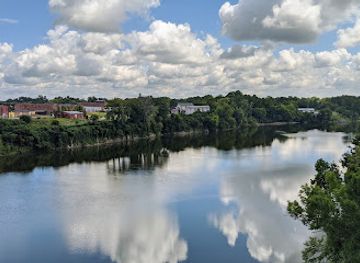
Attractions across Alabama’s Black Belt are defined by history, landscape and community rather than by a dense concentration of commercial entertainment. Selma is the principal destination for civil-rights interpretation, with the Edmund Pettus Bridge, Brown Chapel African Methodist Episcopal Church and museums tracing the voting-rights movement. Tuskegee combines the historic campus of Tuskegee University with the Tuskegee Institute National Historic Site and the Tuskegee Airmen National Historic Site. Old Cahawba Archaeological Park near Orrville presents the remains of Alabama’s first state capital in a riverine setting of roads, foundations and woodland. Demopolis adds historic architecture and Tombigbee River heritage, while Gee’s Bend in Wilcox County is associated with a remarkable quilting tradition and should be visited with advance planning. Rural scenery, birdlife, fishing, paddling and informal exploration of courthouse squares and historic churches complement the formal sites. The region’s museums and landscapes are often modest in scale but strong in context: a visit is most rewarding when time is allowed for interpretation, conversation and the distances between communities.
-
Park
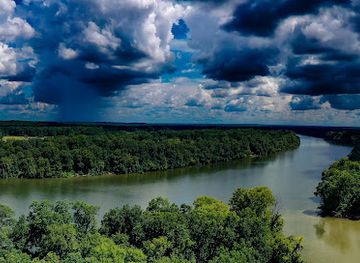
Old Cahawba Archaeological Park
Discover Alabama's first capital, a ghost town where history and nature converge. Explore ruins, trails, and mysteries at Old Cahawba.
-
Campground
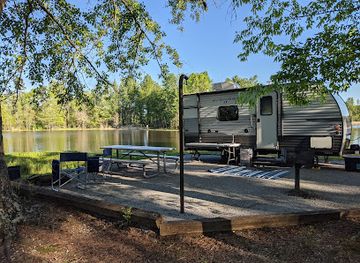
Millers Ferry Campground
Escape to Millers Ferry Campground for lakeside camping, fishing, and boating in the heart of Alabama's Black Belt region.
-
Campground
Chilatchee Creek Campground
Escape to the serene shores of Dannelly Reservoir at Chilatchee Creek Campground, offering outdoor adventures and peaceful relaxation in Alabama's Black Belt.
-
Park
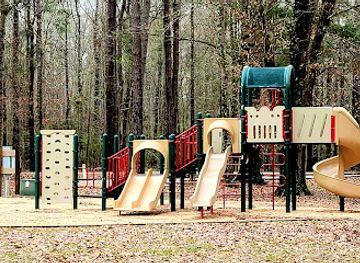
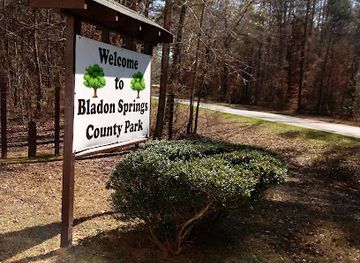
Bladon Springs County Park
Experience the tranquility of Bladon Springs County Park, a historic Alabama spa retreat with mineral springs and scenic beauty.
Best landmarks in Black Belt
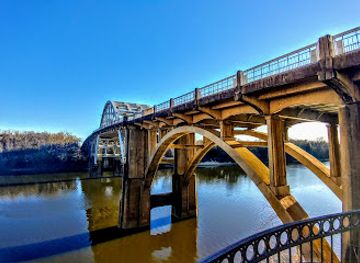
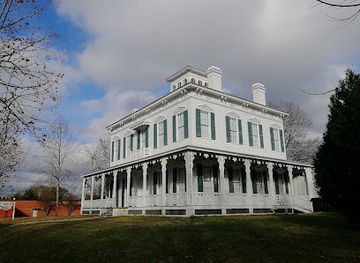
The Edmund Pettus Bridge in Selma is the Black Belt’s most recognisable civil-rights landmark. Crossing the Alabama River, it became nationally symbolic after the attack on voting-rights marchers on Bloody Sunday in 1965. Nearby Brown Chapel African Methodist Episcopal Church is an important movement landmark and architectural presence. Tuskegee University’s historic campus preserves buildings and spaces associated with African American education, while the Tuskegee Airmen National Historic Site commemorates the nearby wartime training of Black military aviators. Old Cahawba’s scattered archaeological remains mark Alabama’s first state capital and its later decline as river channels and political priorities changed. In Demopolis, the white-columned Bluff Hall reflects the architecture and social world of the antebellum river town, although that world depended on enslavement. The region’s most significant landmarks therefore include bridges, churches, campuses, archaeological ruins and civic buildings whose importance lies in the histories they represent as much as in their appearance.
-
Bridge
Edmund Pettus Bridge
Walk in the footsteps of history on the Edmund Pettus Bridge, a pivotal landmark of the Civil Rights Movement in Selma, Alabama.
-
Historical place
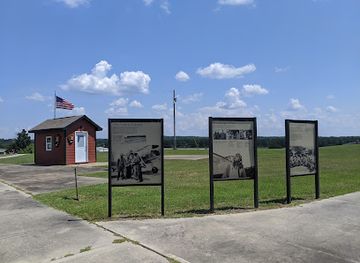
Tuskegee Airmen National Historic Site
Explore the inspiring legacy of the Tuskegee Airmen, the pioneering African American pilots of WWII, at Moton Field in Tuskegee, Alabama.
-
Tourist attraction
National Voting Rights Museum and Institute
Explore the pivotal history of the Voting Rights Movement at this Selma museum, honoring the courageous fight for equality and justice.
-
Historical landmark
Old Alabama Town
Experience 19th-century Alabama life in a living history museum in the heart of downtown Montgomery.
Explore Black Belt on the map
Plan your trip on one map. See where the top cities, national parks and sights are, and book hotels and experiences in a few clicks.
Best hotels in Black Belt
Best restaurants in Black Belt
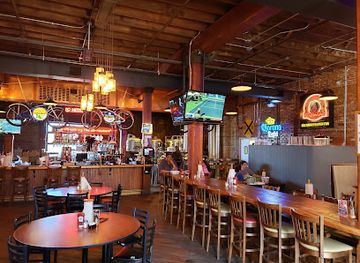
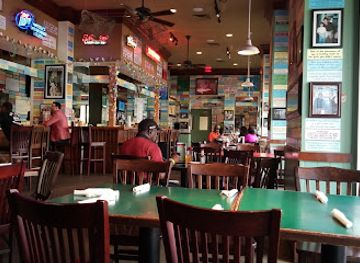
Black Belt dining reflects Alabama’s agricultural South, African American foodways and the region’s river and farming economies. Barbecue, fried or grilled catfish, chicken, greens, peas, okra, cornbread, sweet potatoes and seasonal vegetables appear in family restaurants, cafés and community gatherings, while desserts such as layer cakes, cobblers and pies remain familiar parts of local cooking. Selma, Tuskegee, Demopolis and other larger towns provide the broadest choice of diners, barbecue restaurants, cafés and full-service venues; in rural areas, opening patterns and options can be limited. Local produce is especially significant during the warmer growing season, and farm stands or informal markets may offer tomatoes, peaches, melons and other regional crops. Dining is often tied to place and occasion, so asking accommodation hosts or museum staff about current local options is sensible. Visitors should distinguish long-standing regional food traditions from dishes marketed simply as generic Southern cuisine.
-
Steak
Texas Roadhouse
Experience the best steaks and Southern hospitality at Texas Roadhouse in Montgomery – where every meal feels like a celebration.
-
Barbecue
Dreamland BBQ
Experience authentic Southern barbecue at Dreamland BBQ in Montgomery—where tradition meets flavor in every bite.
-
Oyster Bar
Wintzell's Oyster House
Experience the best seafood at Wintzell's Oyster House in Montgomery - where fresh Gulf Coast flavors meet Southern charm.
-
Restaurant
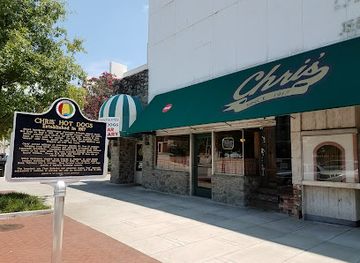
Chris' Famous Hotdogs
Discover Montgomery's culinary delight at Chris' Famous Hotdogs – where quality meets flavor in every bite.

Best bars in Black Belt
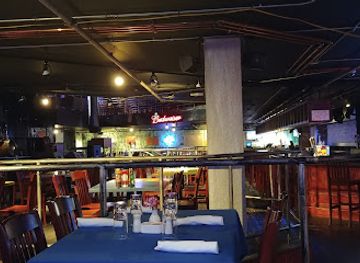
Nightlife in the Black Belt is generally low-key and community-centred rather than built around large club districts. Selma, Tuskegee and Demopolis have the widest choice of restaurants, bars, lounges and occasional live-music settings, while smaller towns tend to concentrate evening activity in locally oriented restaurants, traditional pubs or casual social venues. Some communities host music, arts or cultural events, but schedules are seasonal and changeable, so current local information is important. In rural areas, evenings are more likely to involve dining, family gatherings, church or community programmes, and quiet time at accommodation than late-night entertainment. Visitors should plan transport before drinking because distances are long, street lighting can be limited and ride-hailing availability is uneven. Alcohol is not central to every local social tradition, and respectful participation in community events matters more than seeking a conventional nightlife scene.
-
Grill
BB King's Blues Club
Discover BBQ delights and live blues music at BB King's Blues Club in Montgomery, Alabama, where every meal is a celebration of Southern culture.
-
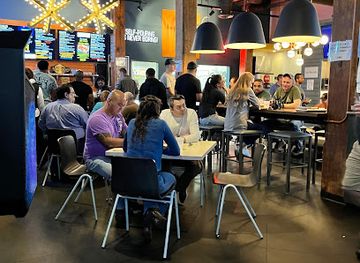
Beer hall
Tower Taproom
Discover the heart of Montgomery at Tower Taproom, where craft beer and gourmet burgers unite in a lively beer hall atmosphere.
-
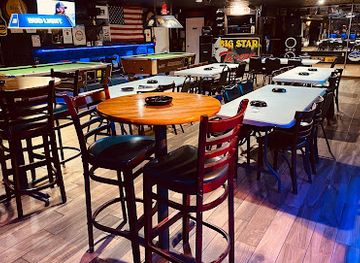
Bar
BIG STAR TAVERN
Big Star Tavern: A premier bar and live music venue in Prattville, offering karaoke, a lively atmosphere, and affordable drinks for an unforgettable night.
-
Bar
Leroy
Discover Leroy Lounge in Montgomery: a vibrant bar with expertly crafted cocktails and a warm atmosphere, perfect for unwinding in Old Cloverdale.

Best nightclubs in Black Belt
Nightlife in the Black Belt is generally low-key and community-centred rather than built around large club districts. Selma, Tuskegee and Demopolis have the widest choice of restaurants, bars, lounges and occasional live-music settings, while smaller towns tend to concentrate evening activity in locally oriented restaurants, traditional pubs or casual social venues. Some communities host music, arts or cultural events, but schedules are seasonal and changeable, so current local information is important. In rural areas, evenings are more likely to involve dining, family gatherings, church or community programmes, and quiet time at accommodation than late-night entertainment. Visitors should plan transport before drinking because distances are long, street lighting can be limited and ride-hailing availability is uneven. Alcohol is not central to every local social tradition, and respectful participation in community events matters more than seeking a conventional nightlife scene.
-
Bar
1048 Jazz & Blues
Experience the soulful sounds of jazz and blues at 1048 Jazz & Blues, Montgomery's vibrant bar for live music and great drinks.
-
Night club
Club G's
Dive into Montgomery's nightlife at Club G's, the go-to night club for vibrant music, great drinks, and unforgettable dance experiences.
-
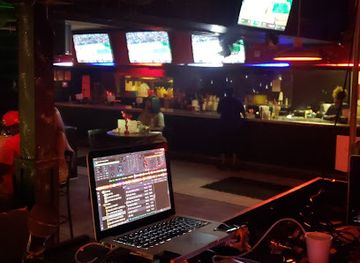
Night club
Cotton club
Discover the energetic nightlife at Cotton Club in Montgomery, Alabama, where live music and dancing create unforgettable experiences.

Best shops in Black Belt
Shopping in Alabama’s Black Belt is centred on local services, independent shops, antiques, food products and cultural work rather than large retail districts. Selma, Tuskegee, Demopolis, Greensboro and other county-seat towns have traditional high streets and courthouse-square areas where visitors may find books, gifts, furnishings, clothing and locally oriented souvenirs. Art galleries, museum shops and craft outlets are particularly useful for purchasing work connected to regional history and African American culture. Gee’s Bend quilts are the best-known creative product associated with the region, but availability, representation and visiting arrangements vary, so buyers should seek established local or community-linked outlets and ask about provenance. Farmers’ markets, roadside stands and seasonal produce sellers may offer fruit, vegetables, preserves, baked goods and other Alabama products. Rural retail hours can be limited, and many small businesses do not operate like urban shops; planning stops during daytime and carrying cash remains sensible.
-
Shopping mall
Tiger Town Outdoor Shopping Center
Experience the vibrant shopping and dining at Tiger Town Outdoor Shopping Center in Opelika, AL - a perfect destination for tourists.
-
Gift shop
Souvenir City
Discover a world of unique gifts and local treasures at Souvenir City, Gulf Shores' favorite destination for memorable souvenirs.
-
Sporting goods store
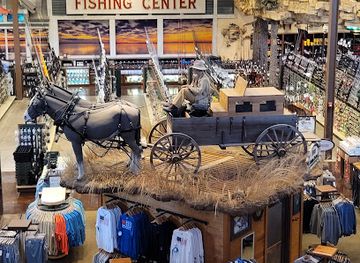
Bass Pro Shops
A haven for outdoor enthusiasts, Bass Pro Shops offers an extensive range of gear for fishing, hunting, and camping in an immersive nature-themed environment.
-
Shopping mall
Midtown Plaza
Discover shopping, dining, and entertainment at Midtown Plaza, Montgomery's premier shopping destination for visitors and locals alike.

Get your free copy of our complete guide to Black Belt, delivered straight to you.
Everything on this page, from attractions and restaurants to essentials and local phrases, in one PDF you can read offline, print or share.
Already have an account? Sign in
Your Black Belt guide is ready.
We'll send it to · Not you? Sign out

Getting your guide ready…
We are putting together a fresh copy of the Black Belt guide. This can take up to a minute.
This can take a few moments. If your browser asks, choose Allow so the download can start. You'll find the guide in your Downloads folder.
Nothing happened? Download it again
Sorry, the guide is taking longer than usual. Please try again in a minute, or get it by email instead.
Black Belt essentials
Currency and Payment
Safety
Emergency Situations
Do's and Don'ts
Local Tips
From Eve
Local phrases worth knowing
You don't need to get them perfect. A few words go a long way, and locals appreciate the effort.
Basics
| English | Local | Say it |
|---|---|---|
| Hello | Howdy | [Hau-dee] |
| Goodbye | See ya later | [See ya lay-ter] |
| Yes | Yep | [Yep] |
| No | Naw | [Naw] |
| Please/You're welcome | Please/No problem | [Pleez/No prob-lem] |
| Thank you | Thank ya | [Thank ya] |
| Excuse me/Sorry | Excuse me/Sorry 'bout that | [Ex-kyoos me/Sor-ree 'bout that] |
| How are you? | How ya doin'? | [How ya doin'?] |
| Fine. And you? | I'm good. And you? | [I'm good. An' you?] |
| Do you speak English? | Can ya speak English? | [Can ya speak In-glish?] |
| I don't understand | I ain't gettin' it | [I ain't gettin' it] |
Eating & Drinking
| English | Local | Say it |
|---|---|---|
| I'd like to see the menu, please | Can I see the menu, please? | [Can I see the men-yoo, pleez?] |
| I don't eat meat | I don't eat no meat | [I don't eat no meet] |
| Cheers! | Cheers! | [Cheers!] |
| I would like to pay, please | Can I pay, please? | [Can I pay, pleez?] |
Emergencies
| English | Local | Say it |
|---|---|---|
| Help! | Help! | [Help!] |
| Go away! | Git on outta here! | [Git on outta here!] |
| Call the Police! | Call the cops! | [Call the cops!] |
| Call a doctor! | Call a doc! | [Call a doc!] |
| I'm lost | I’m lost | [I’m lost] |
| I'm ill | I ain't feelin' good | [I ain't feelin' good] |
Shopping
| English | Local | Say it |
|---|---|---|
| I'd like to buy... | I wanna buy... | [I wanna buy...] |
| I'm just looking | Just lookin' | [Just lookin'] |
| How much is it? | How much that cost? | [How much that cost?] |
| That's too expensive | That’s too high | [That’s too high] |
| Can you lower the price? | Can ya lower the price? | [Can ya lower the price?] |
Time & Numbers
| English | Local | Say it |
|---|---|---|
| What time is it? | What time is it? | [What time is it?] |
| It's one o'clock | It's one o'clock | [It's one o'clock] |
| Half past (10) | Half past ten | [Half past ten] |
| Morning | Mornin' | [Mornin'] |
| Afternoon | Afternoon | [Afternoon] |
| Evening | Evenin' | [Evenin'] |
| Yesterday | Yesterday | [Yesterday] |
| Today | Today | [Today] |
| Tomorrow | Tomorrow | [Tomorrow] |
| 1 | One | [One] |
| 2 | Two | [Two] |
| 3 | Three | [Three] |
| 4 | Four | [Four] |
| 5 | Five | [Five] |
| 6 | Six | [Six] |
| 7 | Seven | [Seven] |
| 8 | Eight | [Eight] |
| 9 | Nine | [Nine] |
| 10 | Ten | [Ten] |
Transport & Directions
| English | Local | Say it |
|---|---|---|
| Where's a/the...? | Where's the...? | [Where's the...?] |
| What's the address? | What's the address? | [What's the address?] |
| Can you show me (on the map)? | Can ya show me on the map? | [Can ya show me on the map?] |
| When's the next (bus)? | When's the next bus? | [When's the next bus?] |
| A ticket (to ....) | A ticket to... | [A ticket to...] |
History of Black Belt
Mississippian Mound-Building Cultures
Long before Alabama became a state, Indigenous societies across the region farmed, traded and built large earthen monuments. Moundville, on the Black Warrior River north of the core Black Belt, was one of the most important Mississippian centres in the American Southeast from approximately the eleventh to the sixteenth centuries. Its platform mounds, plaza and archaeological collections illuminate a complex society connected to a wide trading world. Other Indigenous sites and traditions across the Black Belt form part of the deeper historical landscape, even where visible earthworks have not survived.
Indigenous Nations and Forced Removal
The Black Belt was shaped by the presence of Muscogee and other Indigenous peoples before and during the expansion of the United States. Treaties, land cessions and the forced removal policies of the nineteenth century displaced many communities westward, while some Indigenous people remained in Alabama. European-American settlement and changing political boundaries then reorganised the region around plantations, river transport and county seats. This history remains essential to understanding the region’s place names, archaeological heritage and the loss of Indigenous land and sovereignty.
Cotton Plantations and Enslaved Labour
The region’s dark prairie soils were highly suited to cotton, and during the nineteenth century plantation agriculture became the foundation of its wealth. Enslaved African Americans performed the overwhelming majority of agricultural labour, while river landings and towns such as Demopolis, Selma and Greensboro developed as commercial centres. Wealth accumulated in a small planter class and was expressed through houses, churches and civic buildings, but the system depended on coercion and the denial of freedom. The region’s later economic and social structures cannot be separated from this plantation history.
Statehood, Civil War and Reconstruction
Alabama entered the Union in 1819, and the Black Belt became politically influential as cotton production expanded. During the Civil War, Alabama joined the Confederacy, and the region experienced military disruption, emancipation and the collapse of the slave economy. Reconstruction brought constitutional change and new African American political participation, but federal withdrawal in 1877 was followed by the entrenchment of segregation, disenfranchisement and racial violence. Historic courthouses, cemeteries, churches and former plantation landscapes provide reminders of these upheavals, although interpretation varies from place to place.
Tuskegee Education and African American Leadership
Founded in 1881, Tuskegee Institute became one of the most influential African American educational institutions in the United States. Booker T. Washington led the school from 1881 until his death in 1915, developing programmes in industrial education and teacher training while navigating the restrictions of the Jim Crow era. The campus, now Tuskegee University, also became associated with figures such as George Washington Carver. Its buildings, collections and historic landscape illustrate the importance of education, institution-building and professional training in Black communities across the South.
Civil Rights and Voting-Rights Campaigns
The Black Belt was a central arena in the twentieth-century struggle against segregation and voter suppression. In Selma, local activists, students, clergy and organisations challenged discriminatory registration practices, culminating in the 1965 Selma to Montgomery voting-rights campaign. The Edmund Pettus Bridge became an enduring symbol after the violence of Bloody Sunday, while Lowndes County became associated with grassroots organising and the formation of the Lowndes County Freedom Organization. The Voting Rights Act of 1965 transformed national law, although the movement’s local history remains grounded in sustained community activism.
Military Aviation and the Tuskegee Airmen
During the Second World War, African American pilots were trained at the Tuskegee Army Air Field in Macon County, alongside the mechanics, instructors and support personnel essential to military aviation. The pilots became known as the Tuskegee Airmen and served with distinction despite the United States military’s segregation. The Tuskegee Airmen National Historic Site preserves the story of their training and service, while the wider legacy is connected to the eventual desegregation of the armed forces and the broader fight for equal citizenship.
Quilting, Community and Cultural Continuity
African American makers in the Black Belt have sustained creative traditions that developed through family, church and neighbourhood networks. The quilts of Gee’s Bend, or Boykin, became internationally known for their bold improvisational designs, distinctive geometry and use of recycled cloth. Their recognition has drawn attention to a much wider history of labour, resourcefulness and artistic expression in rural Alabama. Today, quilting, storytelling, music, foodways and religious traditions continue to connect the region’s past with contemporary community life.
Black Belt in Photos
Browse through our photo collection highlighting the charm and character of the destination.
Neighbouring regions of Black Belt
The closest regions to Black Belt, if you have time for more than one.
-

-

-

-
-


Swipe for more regions
Explore more

Explore more of Alabama
Discover Alabama: A Southern state rich in history, culture, and natural beauty, offering unforgettable experiences from vibrant cities to serene beaches and majestic mountains.
Explore Alabama