

Tombigbee River Valley, Alabama Travel Guide
Discover the serene beauty and rich history of the Tombigbee River Valley in Alabama – a perfect blend of outdoor adventure and cultural exploration.
Nestled in the heart of Alabama, the Tombigbee River Valley is a serene and historic destination that offers a unique blend of natural beauty and cultural heritage. The valley, with its gently flowing river, lush forests, and diverse wildlife, is a haven for nature lovers and outdoor enthusiasts. Whether you're kayaking along the Tombigbee River, hiking through picturesque trails, or simply enjoying a peaceful picnic by the water, the valley's natural charm is sure to captivate you. The Tombigbee River Valley is also steeped in history, with numerous sites that tell the story of the region's past. From ancient Native American mounds to historic plantations and museums, visitors can explore a variety of landmarks that provide insight into the area's rich cultural tapestry. The valley's small towns are filled with Southern hospitality, offering a warm welcome to all who visit. The Tombigbee River Valley is not just a destination; it's an experience that combines the tranquility of nature with the depth of history. Whether you're looking for adventure, relaxation, or a journey through time, this hidden gem in Alabama has something for everyone.

Know before you go
Hi, I'm Eve. Here are a few practical things to know before exploring Tombigbee River Valley.
- Bring insect repellent, especially during the warmer months, to protect yourself from mosquitoes.
- Visit the historical sites early in the day to avoid crowds and enjoy a more peaceful experience.
- Pack a picnic and enjoy the scenic riverbanks or one of the many parks in the area.
- Check the local event calendar for festivals and cultural events that often take place in the valley.
- Wear comfortable shoes if you plan to hike, as some trails can be uneven.
Top City Travel Guides in Tombigbee River Valley
The cities of Tombigbee River Valley, and the easiest places to base yourself.


Destinations in Tombigbee River Valley
Resorts, valleys and scenic spots worth a trip of their own.



Explore Tombigbee River Valley: Things to Do, Places to Eat, Hotels & More
Handpicked recommendations for top attractions, local dining, accommodations, and more

Top Attractions & Sightseeing in Tombigbee River Valley
Top-rated picks
Best Attractions

Lake Lurleen State Park
Discover Alabama's natural beauty at Lake Lurleen State Park: camping, fishing, hiking, and lakeside fun await in this scenic Tuscaloosa County retreat.

Moundville Archaeological Park
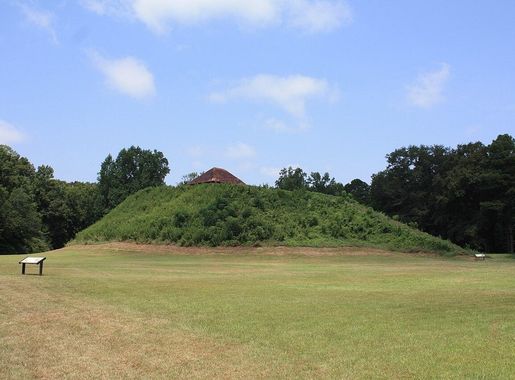
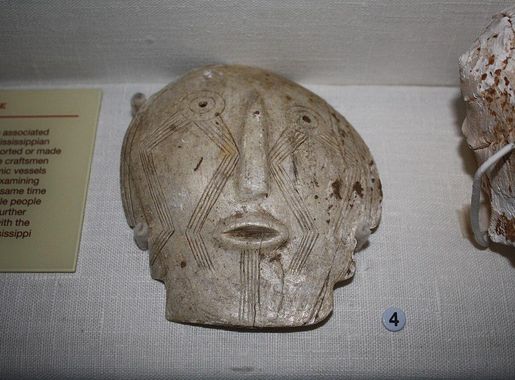
Discover the fascinating history and culture of the Mississippian people at this significant archaeological site with impressive mounds and informative museum.

Lake Lurleen North Trailhead
Discover scenic hiking and biking trails at Lake Lurleen North Trailhead, your gateway to outdoor adventure in Tuscaloosa County.

White Cliffs of Epes
Discover Alabama's White Cliffs of Epes: A stunning geological formation with breathtaking views along the Tombigbee River.

Best landmarks in Tombigbee River Valley
Top-rated picks
Best Landmarks

Moundville Archaeological Park
Explore ancient Mississippian culture at Moundville Archaeological Park, a premier Native American heritage site on the Black Warrior River.

White Bluff Historical Marker
Explore White Bluff in Demopolis, AL: where ancient geology, Native American history, and French settlement converge on the banks of the Tombigbee River.

Best restaurants in Tombigbee River Valley


Explore Tombigbee River Valley on the Map
A handpicked selection of must-see spots in Tombigbee River Valley, mapped for you.
Tombigbee River Valley Essentials
-
The Tombigbee River Valley in Alabama is accessible by various means of transportation. The nearest airports are Birmingham-Shuttlesworth International Airport (BHM) and Mobile Regional Airport (MOB). From these airports, you can rent a car or take a shuttle service to the Tombigbee River Valley. The area is also accessible by car via major highways such as I-20, I-59, and US-43. Additionally, Amtrak services the region with a station in Birmingham, providing an alternative for those preferring rail travel.
-
Once in the Tombigbee River Valley, the most convenient way to get around is by car. Rental services are available at nearby airports and in major towns. For those who prefer public transportation, local buses and taxis are available, though they may not cover all areas. Bicycling is also a popular option for exploring the scenic routes along the river. For a unique experience, consider taking a boat tour on the Tombigbee River.
-
The official currency is the US Dollar (USD). Credit and debit cards are widely accepted in most hotels, restaurants, and shops. However, it is advisable to carry some cash, particularly in more rural areas where card payment options may be limited. ATMs are readily available in towns and cities within the valley.
-
The Tombigbee River Valley is generally a safe destination for tourists. However, it is wise to take standard precautions. Avoid walking alone at night in unfamiliar areas and keep an eye on your belongings, especially in crowded places. Certain neighborhoods in larger towns and cities may have higher crime rates, so it's best to research and avoid these areas. Always stay vigilant and aware of your surroundings.
-
In case of emergency, dial 911 for immediate assistance. Medical facilities and hospitals are available in major towns within the Tombigbee River Valley. It is highly recommended to have travel insurance that covers medical emergencies. For minor health issues, there are pharmacies where you can purchase over-the-counter medications. Always know the location of the nearest medical facility relative to where you are staying.
-
Fashion: Do dress comfortably for outdoor activities, but avoid overly casual attire in finer dining establishments. Religion: Do respect local religious customs and dress modestly when visiting churches. Public Transport: Do be courteous and give up your seat to elderly passengers. Don't play loud music or eat on public transport. Greetings: Do greet people with a friendly 'hello' or 'hi.' A firm handshake is also common. Eating & Drinking: Do try local Southern cuisine and be polite when offered food. Don't refuse hospitality, as it is considered impolite.
-
To experience the Tombigbee River Valley like a local, visit the local farmers' markets for fresh produce and handmade goods. Engage with residents, who are often eager to share stories and local history. Don't miss the chance to explore the river itself, either by kayaking, fishing, or taking a scenic boat tour. Also, consider visiting historical sites such as the Moundville Archaeological Park and the various Civil War battlefields scattered throughout the valley.
When is the best time to visit Tombigbee River Valley?
Useful Local Phrases for Tombigbee River Valley
You don't need to speak the language perfectly. Even learning a few simple words can make conversations warmer—and locals usually appreciate the effort.
— Eve

Here are the phrases I use most often in Tombigbee River Valley. Try a few—you'll be surprised how far they go! 😊
❤️
-
- HelloHowdy
[Ha-dee] - GoodbyeSee ya later
[See ya lay-ter] - YesYep
[Yep] - NoNah
[Nah] - Please/You're welcomePlease / No problem
[Please / No prob-lem] - Thank youThank ya
[Thank ya] - Excuse me/SorryExcuse me / Sorry 'bout that
[Ex-cuse me / Sorry 'bout that] - How are you?How ya doin'?
[How ya doin'?] - Fine. And you?I’m good. How 'bout you?
[I’m good. How 'bout you?] - Do you speak English?You speakin' English?
[Yoo speakin' English?] - I don't understandI don’t get it
[I don’t get it]
- HelloHowdy
-
- I'd like to see the menu, pleaseCan I see the menu, please?
[Can I see the menu, please?] - I don't eat meatI don’t eat no meat
[I don’t eat no meat] - Cheers!Cheers!
[Cheers!] - I would like to pay, pleaseCan I get the check, please?
[Can I get the check, please?]
- I'd like to see the menu, pleaseCan I see the menu, please?
-
- Help!Help!
[Help!] - Go away!Get outta here!
[Get outta here!] - Call the Police!Call the cops!
[Call the cops!] - Call a doctor!Get a doctor!
[Get a doctor!] - I'm lostI’m lost
[I’m lost] - I'm illI’m feelin' sick
[I’m feelin' sick]
- Help!Help!
-
- I'd like to buy...I wanna buy...
[I wanna buy...] - I'm just lookingJust lookin' around
[Just lookin' around] - How much is it?How much's this?
[How much's this?] - That's too expensiveThat’s a bit pricey
[That’s a bit pricey] - Can you lower the price?Can ya bring down the price?
[Can ya bring down the price?]
- I'd like to buy...I wanna buy...
-
- What time is it?What time is it?
[What time is it?] - It's one o'clockIt's one o'clock
[It's one o'clock] - Half past (10)Half past ten
[Half past ten] - MorningMornin'
[Mornin'] - AfternoonAfternoon
[Afternoon] - EveningEvenin'
[Evenin'] - YesterdayYesterday
[Yesterday] - TodayToday
[Today] - TomorrowTomorrow
[Tomorrow] - 1One
[One] - 2Two
[Two] - 3Three
[Three] - 4Four
[Four] - 5Five
[Five] - 6Six
[Six] - 7Seven
[Seven] - 8Eight
[Eight] - 9Nine
[Nine] - 10Ten
[Ten]
- What time is it?What time is it?
-
- Where's a/the...?Where’s the...?
[Where’s the...?] - What's the address?What’s the address?
[What’s the address?] - Can you show me (on the map)?Can ya show me on the map?
[Can ya show me on the map?] - When's the next (bus)?When’s the next bus?
[When’s the next bus?] - A ticket (to ....)I need a ticket to...
[I need a ticket to...]
- Where's a/the...?Where’s the...?
History of Tombigbee River Valley
-
The Tombigbee River Valley has been home to Native American tribes for thousands of years. The Choctaw, Chickasaw, and Creek tribes were among the most prominent groups inhabiting the area. These tribes utilized the river for transportation, trade, and sustenance. Archaeological sites along the river reveal a rich tapestry of cultural artifacts, including pottery, tools, and ceremonial mounds.
-
In the early 16th century, Spanish explorers such as Hernando de Soto ventured into the Tombigbee River Valley. Their expeditions brought them into contact with local Native American tribes, leading to a complex interplay of cultures and often violent confrontations. These early encounters set the stage for future European exploration and colonization.
-
By the late 17th and early 18th centuries, the French had established a presence in the Tombigbee River Valley. They built forts and trading posts, including Fort Tombecbe, which became a significant center for trade and military activity. The French influence is still evident in the region’s place names and cultural heritage.
-
During the American Revolution, the Tombigbee River Valley was a contested region. Following the war, American settlers began to move into the area, leading to conflicts with Native American tribes. The establishment of the Mississippi Territory in 1798 and subsequent treaties with Native American tribes facilitated increased settlement and development.
-
The advent of steamboat travel in the early 19th century transformed the Tombigbee River Valley into a bustling corridor of commerce. Steamboats transported goods such as cotton, timber, and agricultural products, fostering economic growth and connecting the region to broader markets. Historic river towns like Demopolis and Columbus thrived during this period.
-
The Tombigbee River Valley played a significant role during the Civil War. The river served as a strategic route for Confederate supply lines, and several battles and skirmishes took place in the region. After the war, the area faced the challenges of Reconstruction, including rebuilding infrastructure and integrating freed African Americans into the social and economic fabric.
-
In the 20th century, the Tombigbee River Valley underwent significant changes with the construction of the Tennessee-Tombigbee Waterway, completed in 1985. This massive engineering project connected the Tombigbee River to the Tennessee River, enhancing navigation and economic opportunities. Efforts to balance development with environmental conservation have led to initiatives to protect the river’s natural habitats and historical sites.
Neighbouring Regions of Tombigbee River Valley
The closest regions to Tombigbee River Valley, if you have time for more than one.


Your all‑in‑one travel companion app
Explore expert travel guides, compare and book tours, experiences, hotels, and more—all from the palm of your hand. Download now for seamless trip planning wherever your wanderlust takes you.


Explore More of Alabama

Looking beyond Tombigbee River Valley? Discover Alabama for broader travel guides, local hot-spots, and regional highlights.
Explore AlabamaTombigbee River Valley in Photos
Browse through our photo collection highlighting the charm and character of the destination.





Tranquil Beauty and Rich History: Tombigbee River Valley
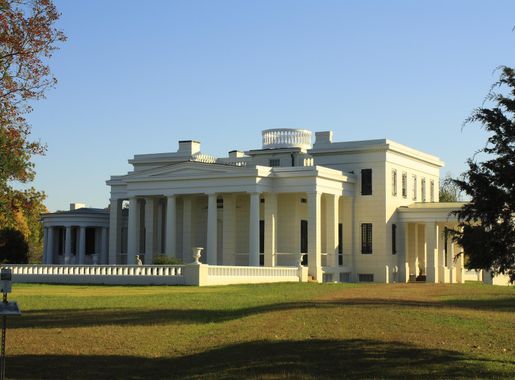
Nestled in the heart of Alabama, the Tombigbee River Valley is a serene and historic destination that offers a unique blend of natural beauty and cultural heritage. The valley, with its gently flowing river, lush forests, and diverse wildlife, is a haven for nature lovers and outdoor enthusiasts. Whether you're kayaking along the Tombigbee River, hiking through picturesque trails, or simply enjoying a peaceful picnic by the water, the valley's natural charm is sure to captivate you. The Tombigbee River Valley is also steeped in history, with numerous sites that tell the story of the region's past. From ancient Native American mounds to historic plantations and museums, visitors can explore a variety of landmarks that provide insight into the area's rich cultural tapestry. The valley's small towns are filled with Southern hospitality, offering a warm welcome to all who visit. The Tombigbee River Valley is not just a destination; it's an experience that combines the tranquility of nature with the depth of history. Whether you're looking for adventure, relaxation, or a journey through time, this hidden gem in Alabama has something for everyone.