
Gaineswood, Prairie Belt Travel Guide
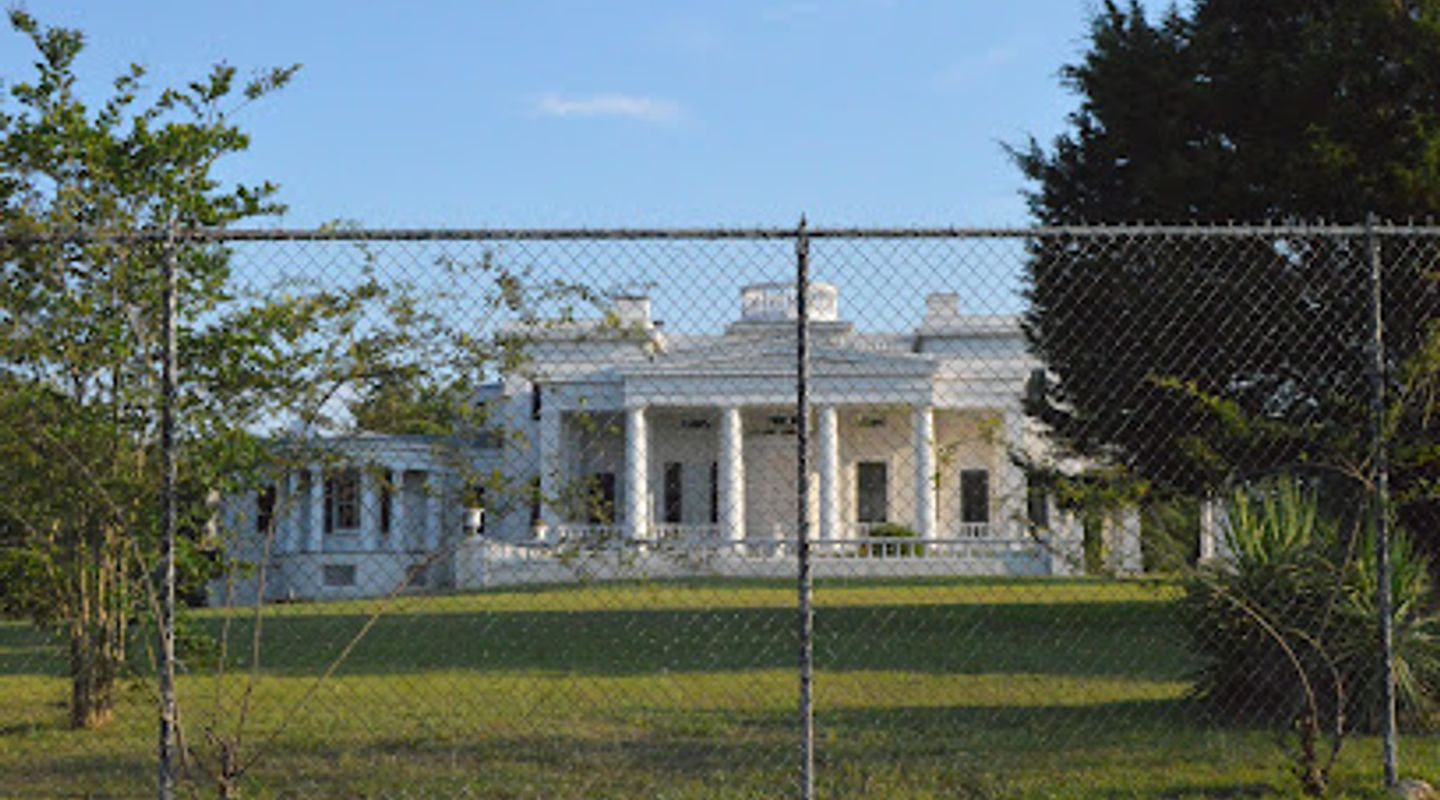
Explore Gaineswood, a stunning Greek Revival mansion and National Historic Landmark, offering a glimpse into 19th-century plantation life in Alabama.
Gaineswood, a National Historic Landmark in Demopolis, Alabama, is a stunning example of Greek Revival architecture. Built between 1843 and 1861 by Nathan Bryan Whitfield, this plantation house offers a glimpse into 19th-century life with its elaborate interior, original furnishings, and beautiful gardens.
A brief summary to Gaineswood
- 805 S Cedar Ave, Demopolis, Alabama, 36732, US
- Click to display
- Click to display
- Tuesday 10 am-4 pm
- Wednesday 10 am-4 pm
- Thursday 10 am-4 pm
- Friday 10 am-4 pm
- Saturday 10 am-4 pm

Know before you go
Hi, I'm Eve. Here are a few practical things to know before exploring Gaineswood.
- Wear comfortable shoes, as you'll be doing a fair amount of walking both inside the mansion and in the gardens.
- Check the operating hours before you go, as Gaineswood is closed on Sundays and Mondays.
- Consider visiting between Memorial Day and Labor Day for free admission if you are an active duty military personnel or a family member.
Do you manage this location?
Take control to get all the benefits, like improved information, better appearance, and stronger visibility across AI-powered discovery. Learn more about listing your business on Evendo
Activate your presenceOther nearby places you may find interesting
The closest places of the same kind, if this one is not quite what you had in mind.
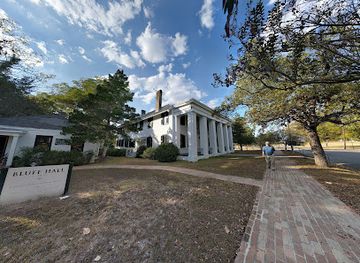
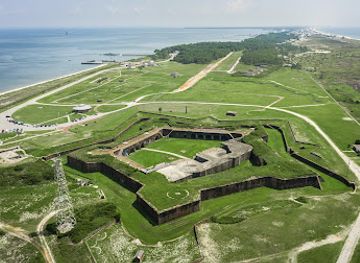
Explore Gaineswood on the Map
A handpicked selection of must-see spots near Gaineswood, mapped for you.
Getting There
-
Driving
Gaineswood is located at 805 S Cedar Ave, Demopolis, AL. From Highway 80, turn onto Cedar Avenue. Gaineswood will be on the right after three blocks. Parking is available on-site.
-
Walking
From downtown Demopolis, head south on Cedar Avenue. Gaineswood is located approximately a 10-15 minute walk from the heart of downtown. Look for the historic mansion on the right side of the street.
Discover more about Gaineswood













Your all‑in‑one travel companion app
Explore expert travel guides, compare and book tours, experiences, hotels, and more—all from the palm of your hand. Download now for seamless trip planning wherever your wanderlust takes you.


Explore More of Prairie Belt
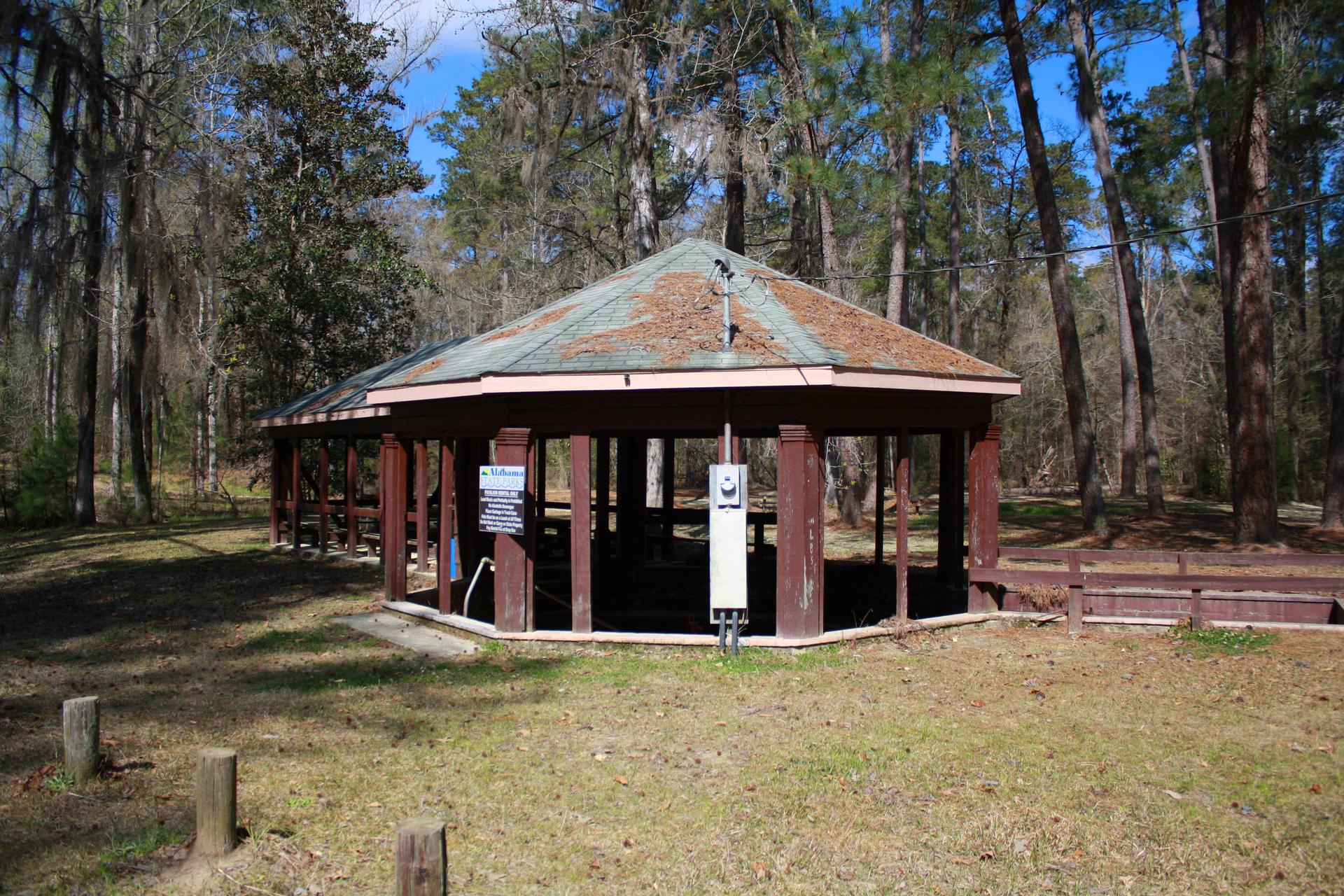
Looking beyond Gaineswood? Discover Prairie Belt for broader travel guides, local hot-spots, and regional highlights.
Explore Prairie Belt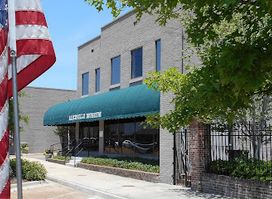
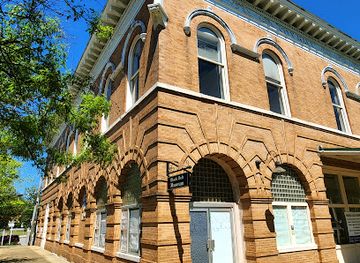
Explore local and WWII history at the Aliceville Museum, home to the largest collection of Camp Aliceville artifacts in the U.S.
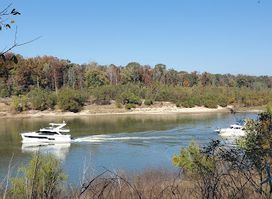
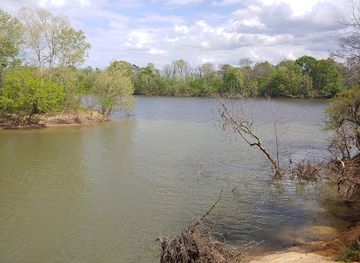
Experience the beauty and power of nature at Spillway Falls - Lower Pool, a unique park in Demopolis, Alabama, offering hiking, birdwatching, and scenic views.
