

Free Northern Albania Travel Guide & Mobile App
Explore Northern Albania with free travel guides. Discover regional history, expert tips, proposed trips, and audio guides on web or mobile app.


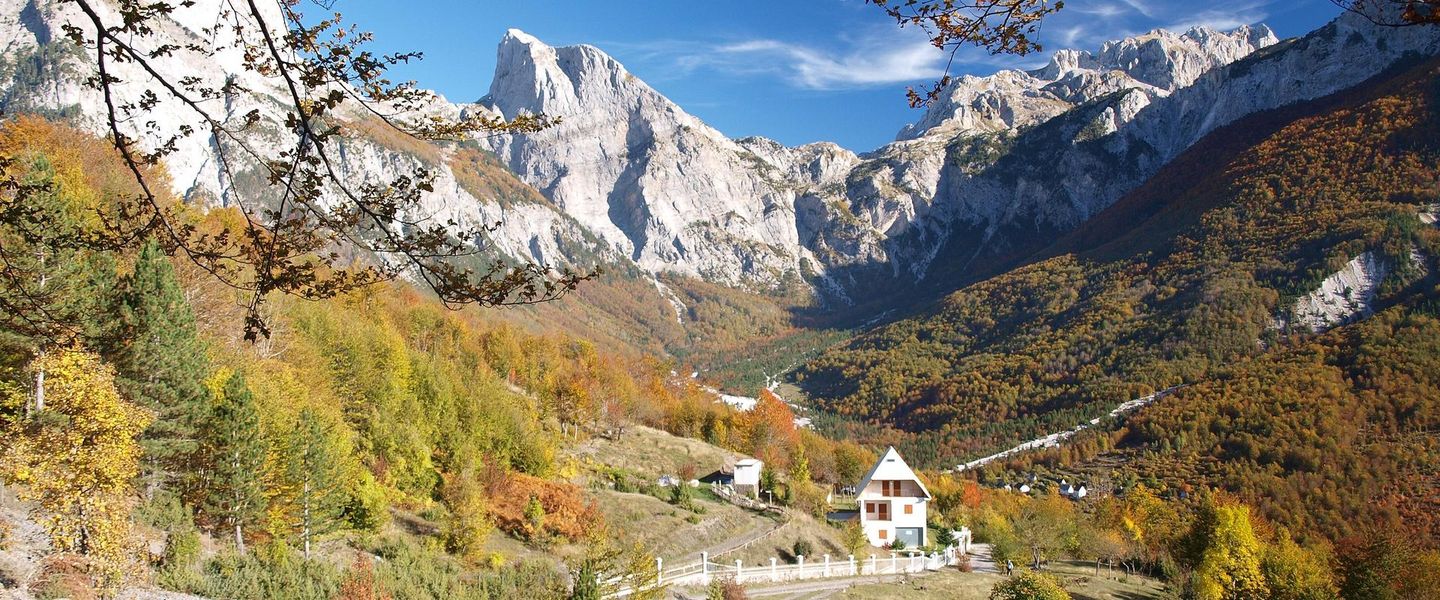


Discover Northern Albania: A land of rugged mountains, pristine rivers, and charming villages, where adventure and cultural heritage await around every corner.
Read more about Northern Albania
When is the best time to visit Northern Albania?
Best: June–July, September · 25–29°C| Month | High (°C) | Rainfall (mm) |
|---|---|---|
| January | 9 | 100 |
| February | 10 | 90 |
| March | 14 | 80 |
| April | 17 | 70 |
| May | 23 | 60 |
| June (best) | 27 | 50 |
| July (best) | 29 | 40 |
| August | 29 | 40 |
| September (best) | 25 | 50 |
| October | 20 | 60 |
| November | 15 | 70 |
| December | 10 | 90 |
Getting to and around Northern Albania
How to get there
Transportation
Top city travel guides in Northern Albania
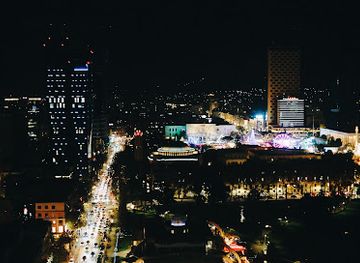
The cities of Northern Albania, and the easiest places to base yourself.
-

-

-
-

-

-


Swipe for more cities
Destinations in Northern Albania
Resorts, valleys and scenic spots worth a trip of their own.
-

-

-

-

-

-


Swipe for more destinations
Best attractions in Northern Albania
Northern Albania offers a captivating blend of untouched natural beauty and rich cultural heritage, perfect for adventurous travelers and history enthusiasts alike. Explore the breathtaking Albanian Alps, where rugged peaks and verdant valleys create a paradise for hikers and nature lovers. Wander through the ancient city of Shkodra, with its impressive Rozafa Castle and vibrant local bazaars that echo centuries of history. Discover the serene beauty of Lake Koman, often compared to Norwegian fjords, on a boat trip that reveals hidden waterfalls and picturesque villages. Delve into the traditional life of the region by visiting the remote and charming village of Theth, where time seems to stand still amidst stone houses and pristine landscapes. Northern Albania is a treasure trove of experiences waiting to be uncovered, from its dramatic landscapes to its storied past.
-
Nature preserve
White Drin Waterfall
Experience the majestic White Drin Waterfall in Kosovo: a stunning natural wonder offering breathtaking views and a refreshing escape in the Accursed Mountains.
-
Tourist attraction
Buna River - Velipoja
Discover the unspoiled beauty of Albania's Buna River where diverse ecosystems meet the Adriatic Sea, offering tranquility and adventure.
-
Museum
The cold war tunnel
Explore Gjirokastra's Cold War Tunnel: A subterranean journey into Albania's communist past and a hidden chapter of the Cold War.
-
National park
Tomorri Mountain National Park
Discover dramatic landscapes, diverse wildlife, and sacred traditions in Albania's Tomorri Mountain National Park.


Best landmarks in Northern Albania
Northern Albania offers an enchanting blend of natural beauty and rich history that will captivate any visitor. In the heart of the region lies the Valbona Valley National Park, where dramatic mountain peaks and crystal-clear rivers provide a paradise for hikers and nature enthusiasts. The ancient city of Shkodra, with its imposing Rozafa Castle, reveals layers of history from Illyrian times through the Ottoman era. Meanwhile, the traditional stone houses and cobbled streets of Theth village offer a glimpse into the region’s enduring cultural heritage. Lake Koman, often compared to Norwegian fjords, offers breathtaking boat trips through steep canyon walls and emerald waters. For a touch of mystique, the Accursed Mountains, or Bjeshkët e Nemuna, stand as a majestic backdrop, inviting adventurers to explore their rugged trails and uncover age-old legends.
-
National park
Butrint National Archaeological Park
Discover Butrint National Park: Where ancient civilizations meet stunning natural beauty in Albania's UNESCO World Heritage Site.
-
Nature preserve
The Blue Eye
Discover the enchanting Blue Eye of Albania: a natural spring with mesmerizing colors, rich legends, and refreshing tranquility.
-
Tourist attraction
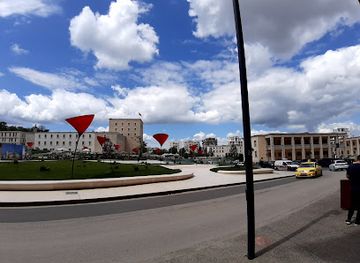
Skanderbeg Square
Discover Albania's heart at Skanderbeg Square in Tirana, a vibrant hub of history, culture, and modern life, surrounded by iconic landmarks.
-
Castle
Castle of Gjirokastra
Explore a massive Balkan fortress with a military museum, Cold War history, and stunning views in the UNESCO city of Gjirokastra, Albania.
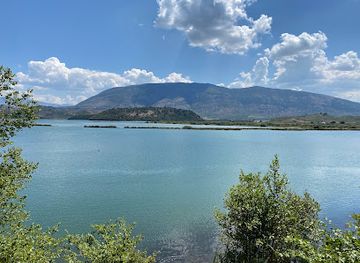
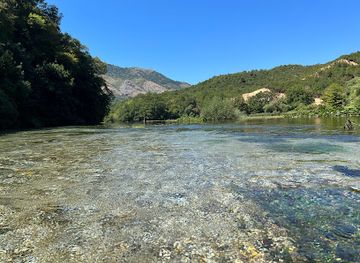
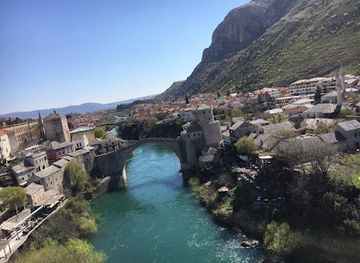
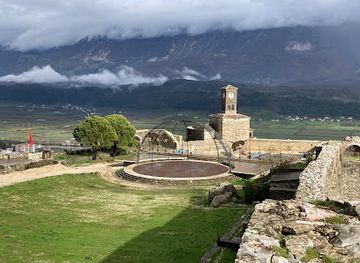
Explore Northern Albania on the map
Plan your trip on one map. See where the top cities, national parks and sights are, and book hotels and experiences in a few clicks.
Best hotels in Northern Albania
Best restaurants in Northern Albania
Northern Albania's dining scene is a vibrant tapestry of rich flavors, time-honored recipes, and welcoming hospitality, offering visitors a truly immersive culinary experience. Expect to savor hearty mountain dishes like flija, a layered pastry cooked over open flames, and tave kosi, a savory lamb and yogurt casserole. Freshly caught fish from the pristine rivers and lakes, such as trout from Lake Shkodra, are often on the menu, prepared with simple yet exquisite techniques. The region is also known for its unique dairy products, including creamy goat cheeses and tangy kefir. Rustic taverns and family-run establishments serve these local delights alongside homemade raki, a potent fruit brandy that locals proudly brew. Each meal is a celebration of the region's agricultural bounty, with an emphasis on fresh, seasonal ingredients sourced from the surrounding fertile lands and lush pastures.
-
Restaurant
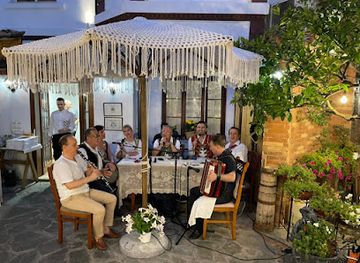
Odas Garden
Discover authentic Albanian cuisine at Odas Garden, where tradition meets flavor in a beautiful garden setting.
-
Traditional restaurant
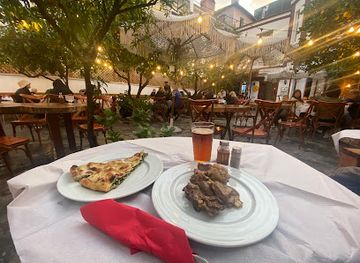
Oda - Traditional Albanian Restaurant
Experience authentic Albanian flavors at Oda Restaurant in Tirana - where tradition meets taste.
-
Steak
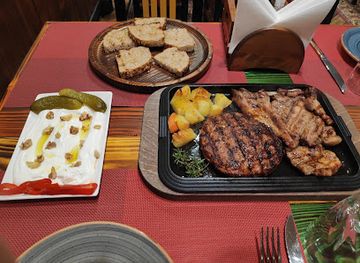
Smoke House Bar & Grill
Experience the best steaks and grill specialties at Smoke House Bar & Grill in Tirana—where tradition meets flavor!
-
Restaurant
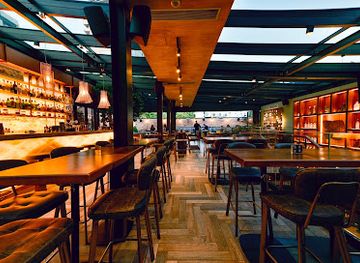
Salt Tirana
Experience exquisite dining and creative cocktails at Salt Tirana—where Albanian flavors meet modern cuisine in an elegant setting.
Best bars in Northern Albania
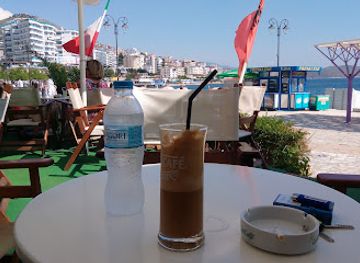
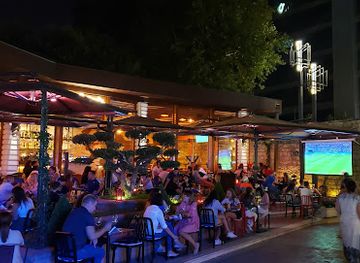
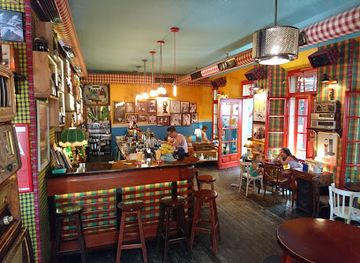
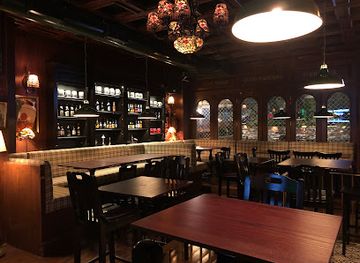
The nightlife scene in Northern Albania is a captivating blend of traditional charm and modern vibrancy, offering an eclectic mix of experiences for visitors. In cities like Shkodra and Lezha, you'll find an array of lively bars and nightclubs that come alive with music, dance, and local flavors as soon as the sun sets. Traditional Albanian taverns, known as 'konaks,' invite you to savor local wines and raki while enjoying live folk music and dance performances that offer a glimpse into the region's rich cultural heritage. For those seeking a more contemporary vibe, trendy lounges and rooftop bars provide stunning views of the surrounding landscapes, perfect for sipping cocktails under the starlit sky. Whether you're looking to immerse yourself in the local culture, dance the night away, or simply relax with a drink in hand, Northern Albania's nightlife promises an unforgettable experience.
-
Cocktail bar
Jericho Cocktail Bar
Experience the vibrant nightlife and exquisite cocktails at Jericho Cocktail Bar in Sarandë, where the Ionian Sea meets unforgettable moments.
-
Bar
Oping's Cocktails & Beer
Discover the vibrant atmosphere of Oping's Cocktails & Beer in Tirana, where delicious drinks and delightful dining await every visitor.
-
Cocktail bar
Radio bar Tirana
Discover the vibrant atmosphere and diverse cocktail menu at Radio Bar Tirana, a must-visit for nightlife enthusiasts.
-
Irish pub
New Irish Pub
Discover the vibrant atmosphere of New Irish Pub in Tirana, where live music, karaoke, and delightful cuisine create an unforgettable experience.
Best nightclubs in Northern Albania
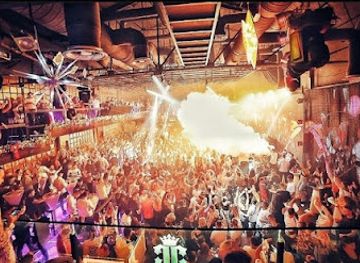
The nightlife scene in Northern Albania is a captivating blend of traditional charm and modern vibrancy, offering an eclectic mix of experiences for visitors. In cities like Shkodra and Lezha, you'll find an array of lively bars and nightclubs that come alive with music, dance, and local flavors as soon as the sun sets. Traditional Albanian taverns, known as 'konaks,' invite you to savor local wines and raki while enjoying live folk music and dance performances that offer a glimpse into the region's rich cultural heritage. For those seeking a more contemporary vibe, trendy lounges and rooftop bars provide stunning views of the surrounding landscapes, perfect for sipping cocktails under the starlit sky. Whether you're looking to immerse yourself in the local culture, dance the night away, or simply relax with a drink in hand, Northern Albania's nightlife promises an unforgettable experience.
-
Night club
Cinco Cavalli Premium Club
Discover the electrifying nightlife at Cinco Cavalli Premium Club in Sauk, Albania, where music and fun come alive.
-
Night club
Sky Club
Discover the vibrant nightlife at Sky Club in Tirana, where electrifying music meets stunning city views for an unforgettable evening.
-
Adult entertainment club
Lust Night Club ( Strip )
Discover Tirana's vibrant nightlife at Lust Night Club, where unforgettable entertainment and exciting performances await every night.
-
Night club
Cinco Cavalli Summer Club
Dive into Durrës' nightlife at Cinco Cavalli Summer Club, where music meets the Mediterranean for an unforgettable party experience.


Best shops in Northern Albania
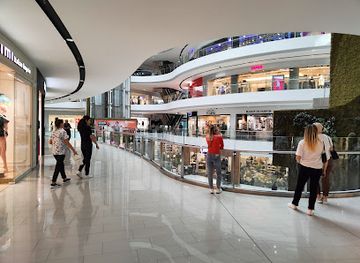
Northern Albania offers an eclectic and vibrant shopping experience that reflects its rich cultural tapestry and historical heritage. Visitors can explore bustling bazaars where traditional artisans sell handwoven textiles, intricate filigree jewelry, and beautifully crafted woodwork. The markets are a feast for the senses, with stalls brimming with aromatic spices, locally produced olive oil, and honey. In quaint village shops, you can find unique souvenirs such as hand-painted ceramics and traditional Albanian garments like the colorful Xhubleta skirts. For those interested in contemporary fashion, boutique stores in towns like Shkodra showcase the latest Albanian designs, blending modern styles with traditional motifs. The shopping scene here is not just about purchasing items; it's an immersive journey into the heart of Albanian culture and craftsmanship.
-
Shopping mall
Toptani
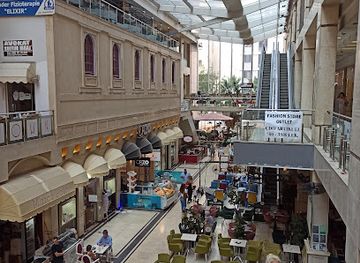
Experience the best of shopping and dining at Toptani, Tirana's bustling shopping mall, blending local culture with international brands.
-
Shopping mall
Arena Center
Discover the heart of Tirana at Arena Center, a vibrant shopping mall featuring a variety of stores, delicious dining, and exciting entertainment options.
-
Shopping mall
Galeria Lounge Tirane
Experience the vibrant shopping scene at Galeria Lounge Tirane, a hub for fashion, electronics, and local delights in the heart of Albania's capital.
-
Gift shop
Memories Shop at Tirana Airport
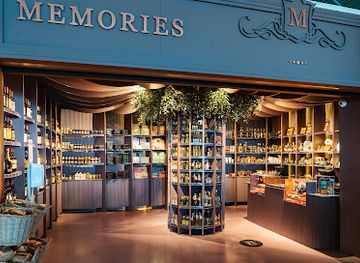
Explore a rich variety of authentic Albanian souvenirs at Memories Shop in Tirana International Airport - the perfect place to find your travel mementos.
Get your free copy of our complete guide to Northern Albania, delivered straight to you.
Everything on this page, from attractions and restaurants to essentials and local phrases, in one PDF you can read offline, print or share.
Already have an account? Sign in
Your Northern Albania guide is ready.
We'll send it to · Not you? Sign out

Getting your guide ready…
We are putting together a fresh copy of the Northern Albania guide. This can take up to a minute.
This can take a few moments. If your browser asks, choose Allow so the download can start. You'll find the guide in your Downloads folder.
Nothing happened? Download it again
Sorry, the guide is taking longer than usual. Please try again in a minute, or get it by email instead.
Northern Albania essentials
Currency and Payment
Safety
Emergency Situations
Do's and Don'ts
Local Tips
From Eve
Local phrases worth knowing
You don't need to get them perfect. A few words go a long way, and locals appreciate the effort.
Basics
| English | Local | Say it |
|---|---|---|
| Hello | Përshëndetje | [Për-shën-de-tje] |
| Goodbye | Mirupafshim | [Mi-ru-paf-shim] |
| Yes | Po | [Po] |
| No | Jo | [Jo] |
| Please/You're welcome | Të lutem | [Të lu-tem] |
| Thank you | Faleminderit | [Fa-le-min-der-it] |
| Excuse me/Sorry | Më falni | [Më fal-ni] |
| How are you? | Si je? | [Si je?] |
| Fine. And you? | Mirë. Ti? | [Mirë. Ti?] |
| Do you speak English? | A flisni anglisht? | [A flis-ni an-glisht?] |
| I don't understand | Nuk kuptoj | [Nuk kup-toj] |
Eating & Drinking
| English | Local | Say it |
|---|---|---|
| I'd like to see the menu, please | Do doja të shihja menunë, të lutem | [Do do-ja të shi-hja me-nu-në, të lu-tem] |
| I don't eat meat | Nuk ha mish | [Nuk ha mish] |
| Cheers! | Gëzuar! | [Gë-zu-ar!] |
| I would like to pay, please | Do doja të paguaja, të lutem | [Do do-ja të pa-gu-a-ja, të lu-tem] |
Emergencies
| English | Local | Say it |
|---|---|---|
| Help! | Ndihmë! | [Ndi-hmë!] |
| Go away! | Shko larg! | [Shko larg!] |
| Call the Police! | Thirrni policinë! | [Thir-rni po-li-ci-në!] |
| Call a doctor! | Thirrni një doktor! | [Thir-rni një dok-tor!] |
| I'm lost | Jam humbur | [Jam hum-bur] |
| I'm ill | Jam i sëmurë | [Jam i së-murë] |
Shopping
| English | Local | Say it |
|---|---|---|
| I'd like to buy... | Do doja të blija... | [Do do-ja të bli-ja...] |
| I'm just looking | Po shoh vetëm | [Po sho-h ve-tëm] |
| How much is it? | Sa kushton? | [Sa kushton?] |
| That's too expensive | Kjo është shumë e shtrenjtë | [Kjo është shumë e shtrenj-të] |
| Can you lower the price? | A mund të ulni çmimin? | [A mund të ul-ni ç-mi-min?] |
Time & Numbers
| English | Local | Say it |
|---|---|---|
| What time is it? | Sa është ora? | [Sa është o-ra?] |
| It's one o'clock | Është një orë | [Është një o-rë] |
| Half past (10) | Pjesë pas (10) | [Pje-se pas (10)] |
| Morning | Mëngjes | [Mëng-jes] |
| Afternoon | Pasdite | [Pas-di-te] |
| Evening | Mbrëmje | [Mbrëm-je] |
| Yesterday | Dje | [Dje] |
| Today | Sot | [Sot] |
| Tomorrow | Nesër | [Ne-sër] |
| 1 | Një | [Një] |
| 2 | Dy | [Dy] |
| 3 | Tre | [Tre] |
| 4 | Katër | [Ka-tër] |
| 5 | Pesë | [Pe-së] |
| 6 | Gjashtë | [Gjashtë] |
| 7 | Shtatë | [Shta-të] |
| 8 | Tetë | [Te-të] |
| 9 | Nëntë | [Nën-të] |
| 10 | Dhjetë | [Dhi-e-të] |
Transport & Directions
| English | Local | Say it |
|---|---|---|
| Where's a/the...? | Ku është një...? | [Ku është një...?] |
| What's the address? | Cila është adresa? | [Ci-la është a-dre-sa?] |
| Can you show me (on the map)? | A mund të më tregoni (në hartë)? | [A mund të më tre-go-ni (në har-të)?] |
| When's the next (bus)? | Kur është autobusi tjetër? | [Kur është au-to-bu-si tje-tër?] |
| A ticket (to ....) | Një biletë (për ....) | [Një bi-le-të (për ....)] |
History of Northern Albania
The Ancient Illyrians
Northern Albania was once inhabited by the ancient Illyrians, a group of tribes known for their warrior culture and maritime prowess. The Illyrians were among the earliest settlers in the region, dating back to the Bronze Age. They established fortified settlements and engaged in trade with neighboring civilizations, leaving behind rich archaeological sites that offer insights into their sophisticated society.
The Roman Conquest
In the 2nd century BC, Northern Albania fell under Roman control following the Illyrian Wars. The Romans established the province of Illyricum, integrating the region into their expansive empire. They built significant infrastructure, including roads, bridges, and fortifications, some of which still stand today. The city of Scodra (modern-day Shkodër) became an important Roman center, influencing the area's development for centuries.
Medieval Struggles and the Rise of Shkodër
During the medieval period, Northern Albania experienced significant turmoil due to invasions by Goths, Huns, and Slavs. Shkodër emerged as a key stronghold and cultural hub, resisting numerous sieges. The city was a focal point of the Byzantine Empire and later the Serbian Kingdom, showcasing a blend of architectural styles and cultural influences from these dominant powers.
The Ottoman Era
The late 14th century saw the rise of the Ottoman Empire in Northern Albania. The Ottomans ruled the region for over four centuries, leaving a lasting impact on its culture, architecture, and social structure. Many mosques, bridges, and public baths from this era remain preserved, reflecting the Ottoman architectural style. The Kanun of Lekë Dukagjini, a set of traditional Albanian laws, also gained prominence during this period.
The Albanian National Awakening
The 19th century marked the beginning of the Albanian National Awakening, a period of intense cultural and political revival aimed at establishing an independent Albanian state. Northern Albania played a crucial role in this movement, with figures like Pashko Vasa and the League of Prizren advocating for national unity and resistance against Ottoman rule. This period saw a resurgence in Albanian literature, education, and the promotion of national identity.
The Balkan Wars and World War I
During the early 20th century, Northern Albania was embroiled in the Balkan Wars and subsequently World War I. These conflicts brought significant changes to the region, including the establishment of Albania as an independent nation in 1912. The area witnessed fierce battles and shifting alliances, profoundly affecting its demographic and political landscape.
Communist Era and Isolation
Post-World War II, Northern Albania, like the rest of the country, came under communist rule led by Enver Hoxha. This period was marked by severe isolation, economic hardship, and strict government control. Despite the oppressive regime, the region maintained its cultural heritage through traditional music, dance, and folklore, which remain integral to its identity today.
Transition to Democracy
The fall of communism in the early 1990s ushered in a new era for Northern Albania. The transition to democracy was turbulent, marked by economic struggles and social upheaval. However, it also opened the region to the world, leading to significant development in tourism and infrastructure. The rich history and culture of Northern Albania began to attract international attention, highlighting its unique heritage and natural beauty.
Northern Albania in Photos
Browse through our photo collection highlighting the charm and character of the destination.
Neighbouring regions of Northern Albania
The closest regions to Northern Albania, if you have time for more than one.
-

-

-

-

-


Swipe for more regions
Explore more

Explore more of Albania
Discover Albania: A land of untamed beauty, rich history, and warm hospitality, offering stunning beaches, rugged mountains, and vibrant cities.
Explore Albania