

Dukagjin, Albania Travel Guide
Discover the untouched beauty and rich cultural heritage of Dukagjin, Albania, where stunning landscapes and ancient traditions await every curious traveler.
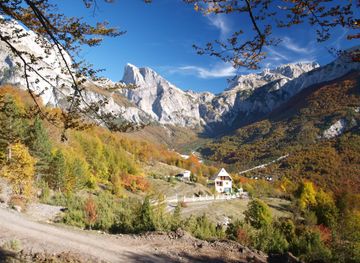
Nestled in the rugged mountains of Northern Albania, Dukagjin is a destination that offers a captivating blend of natural beauty, rich history, and traditional culture. This remote region is perfect for those who seek adventure and tranquility away from the bustling cities. The landscape is characterized by dramatic cliffs, deep valleys, and crystal-clear rivers, providing a breathtaking backdrop for outdoor enthusiasts. Dukagjin is also steeped in history. The area is dotted with ancient ruins, old stone houses, and centuries-old churches that tell the story of its past. Visiting these sites gives you a glimpse into the life of the people who have inhabited this region for generations. The locals are known for their hospitality and are always eager to share stories about their heritage and traditions. One of the highlights of visiting Dukagjin is the opportunity to experience the local culture. Traditional music, dance, and food are an integral part of life here. You can enjoy local delicacies, such as freshly made cheese and hearty meat dishes, at family-run restaurants or during village festivals. The region's unspoiled nature also provides numerous opportunities for hiking, fishing, and exploring hidden caves. Whether you are an adventurer or a history buff, Dukagjin has something unique to offer.

Know before you go
Hi, I'm Eve. Here are a few practical things to know before exploring Dukagjin.
- Visit during the summer months for the best weather and outdoor activities.
- Bring cash, as many local establishments do not accept credit cards.
- Hire a local guide to explore the region’s hidden gems and learn about its history.
- Try the local cheese and meat dishes, which are specialties of the region.
- Pack comfortable hiking shoes for exploring the rugged terrain.
Top City Travel Guides in Dukagjin
The cities of Dukagjin, and the easiest places to base yourself.

Destinations in Dukagjin
Resorts, valleys and scenic spots worth a trip of their own.



Explore Dukagjin: Things to Do, Places to Eat, Hotels & More
Handpicked recommendations for top attractions, local dining, accommodations, and more

Top Attractions & Sightseeing in Dukagjin
Top-rated picks
Best Attractions

Theth National Park
Discover dramatic peaks, traditional villages, and thrilling hikes in the heart of the Albanian Alps at Theth National Park.

Valbona Valley National Park
Discover the breathtaking landscapes and rich biodiversity of Valbona Valley National Park, a national treasure in the heart of Albania.

Blue Eye Kaprre
Discover the mesmerizing Blue Eye of Kaprre in the Albanian Alps: a natural spring with crystal-clear turquoise waters, perfect for hiking and nature lovers.

Waterfall Grunas - Theth
Discover the breathtaking Grunas Waterfall in Theth National Park, a natural monument offering a refreshing escape in the Albanian Alps.

Best landmarks in Dukagjin
Top-rated picks
Best Landmarks

Butrint National Archaeological Park
Discover ancient civilizations and natural beauty at Butrint National Park, a UNESCO World Heritage site on the Albanian Riviera.

The Blue Eye
Discover the enchanting Blue Eye of Albania: a natural spring with mesmerizing blue waters and lush forest surroundings, a must-see on the Albanian Riviera.

Skanderbeg Square
Discover the vibrant heart of Tirana at Skanderbeg Square, where history, culture, and local life blend seamlessly in a stunning urban setting.

Castle of Gjirokastra
Explore Gjirokastra Castle, a Balkan fortress with a rich history, stunning views, and Cold War relics in a UNESCO World Heritage city.

Best restaurants in Dukagjin
Top-rated picks
Best Restaurants

Mullixhiu
Discover authentic Albanian cuisine at Mullixhiu in Tirana – where tradition meets flavor by the beautiful Artificial Lake.

Uka Farm - Traditional Albanian Restaurant & Agrotourism
Savor authentic Albanian cuisine at Uka Farm - where tradition meets taste in a charming agrotourism setting.

Taverna Paidhaqe DAJKUA
Discover authentic Albanian cuisine at Taverna Paidhaqe DAJKUA in Tirana – where tradition meets flavor.

King House Restorant
Experience the taste of Albania at King House Restaurant in Tirana—where tradition meets modern dining in an inviting atmosphere.

Best bars in Dukagjin
Top-rated picks
Best Bars

Oping's Cocktails & Beer
Experience the vibrant nightlife of Tirana at Oping's Cocktails & Beer, a must-visit bar with excellent drinks and a lively atmosphere.

Radio bar Tirana
Discover the lively ambiance and creative cocktails at Radio Bar Tirana, a must-visit cocktail bar in the heart of Albania's capital.

Hemingway Bar Tirana
Discover the heartbeat of Tirana at Hemingway Bar, where live jazz meets a vibrant social atmosphere for an unforgettable night out.

Meduza Irish Pub & Restaurant
Discover the cozy atmosphere and delicious Irish cuisine at Meduza Irish Pub & Restaurant in Tirana, where every meal is a celebration of flavors.

Best nightclubs in Dukagjin
Top-rated picks
Best Nightclubs

Magic Club
Discover the electrifying nightlife of Tirana at Magic Club, where music meets vibrant energy and unforgettable memories await.

MAD Summer Club
Dance the night away at MAD Summer Club, the ultimate nightlife destination in Shiroka, Albania, offering unforgettable music and vibrant atmosphere.

Checkpoint Club
Join the electrifying nightlife at Checkpoint Club in Tirana for an unforgettable night of music, dance, and fun.

Night Club Alcatraz
Discover the electrifying nightlife at Night Club Alcatraz, the ultimate disco club in Lezhë-shengjin, Albania, perfect for dancing and socializing.

Best shops in Dukagjin
Top-rated picks
Best Shops

Unic_brand_outlet_vlore
Explore Unic Brand Outlet in Vlorë for exclusive women's clothing, blending Italian elegance with vibrant styles for all occasions.

Dea Souvenir Main Shop
Explore Dea Souvenir Main Shop in Tirana for authentic Albanian souvenirs, handcrafted treasures, and a taste of local culture.

Marigo - sklep z pamiątkami
Explore Marigo in Durrës for unique souvenirs and local crafts that capture the essence of Albanian culture.

Souvenir Albania
Explore Souvenir Albania in Tirana for unique handcrafted gifts that celebrate the rich culture and traditions of Albania.

Explore Dukagjin on the Map
A handpicked selection of must-see spots in Dukagjin, mapped for you.
Dukagjin Essentials
-
Dukagjin is located in northern Albania, nestled within the Albanian Alps. The nearest international airport is Tirana International Airport (TIA), approximately 120 kilometers away. From Tirana, you can reach Dukagjin by renting a car, hiring a taxi, or taking a bus. The journey by car or taxi typically takes around 3 to 4 hours, while buses may take slightly longer. It is advisable to check the road conditions in advance, especially during the winter months when snowfall can affect travel.
-
Transportation within Dukagjin is limited but manageable. The region is best explored via rental car, allowing you to navigate the mountainous terrain and visit remote villages at your own pace. Local taxis are available but may not be as frequent. Public buses connect the main towns and villages, but schedules can be irregular, so it's best to plan ahead. For those who enjoy hiking, many attractions are accessible on foot, offering breathtaking views of the landscape.
-
The official currency in Albania is the Albanian lek (ALL). Credit cards are accepted in some hotels, restaurants, and larger shops, but cash is preferred in smaller establishments and rural areas. ATMs are available in the larger towns, but it is advisable to carry sufficient cash, especially when traveling to more remote areas. Currency exchange services are available at the airport and in major cities, but rates may vary.
-
Dukagjin is generally a safe destination for tourists. However, it is always wise to take standard precautions. Avoid walking alone at night in unfamiliar areas and keep an eye on your belongings in crowded places. Some areas, especially those near the borders, may have higher crime rates, so it's best to stay informed and consult local advice. Always be cautious when hiking or traveling in remote areas and consider hiring a local guide.
-
In case of emergency, dial 112 for immediate assistance. Dukagjin has local police stations and medical facilities, but services may be limited in more remote areas. It is strongly recommended to have travel insurance that covers medical emergencies and evacuation. For minor health issues, pharmacies are available in the larger towns where you can purchase over-the-counter medications.
-
Fashion: Do dress modestly, particularly in rural areas and religious sites. Avoid wearing overly revealing clothing. Religion: Do respect local customs and traditions. When visiting mosques or churches, cover your head and dress conservatively. Public Transport: Do be respectful and considerate. Offer your seat to the elderly or those in need. Avoid loud conversations and eating on public transport. Greetings: Do greet people with a handshake and a smile. Albanians value politeness and courtesy. Eating & Drinking: Do try local dishes and accept food and drink offerings graciously. Refusing hospitality may be considered impolite. Don't overconsume alcohol in public spaces.
-
To experience Dukagjin like a local, visit the traditional markets where you can buy fresh produce and handmade crafts. Engage with locals, who are often very hospitable and eager to share stories about their culture and history. Take part in local festivals and events to immerse yourself in the regional customs. Don't miss the opportunity to hike in the stunning Albanian Alps and explore the picturesque villages scattered throughout the region.
When is the best time to visit Dukagjin?
History of Dukagjin
-
The Dukagjin region was once the heartland of the Dukagjin Principality, a significant medieval Albanian state. Founded in the 14th century by the noble Dukagjin family, the principality played a crucial role in resisting Ottoman expansion. The Dukagjin family were known for their military prowess and strategic alliances with other Albanian principalities and European powers.
-
Gjergj Kastrioti, better known as Skanderbeg, is Albania's national hero and his resistance against the Ottoman Empire had a notable impact on Dukagjin. In the 15th century, Skanderbeg united several Albanian noble families, including the Dukagjins, to form a formidable resistance. Dukagjin served as a strategic location for military campaigns and refuge during his 25-year revolt.
-
The Kanun of Lekë Dukagjini is a set of traditional Albanian laws that governed social behavior in the Dukagjin region. Compiled by Lekë Dukagjini in the 15th century, the Kanun covers various aspects of life, including family, property, and honor. Although its influence has waned, elements of the Kanun still persist in the cultural fabric of the region.
-
The Dukagjin region fell under Ottoman rule in the late 15th century, leading to significant cultural and architectural changes. The Ottomans established administrative centers and built mosques, bridges, and other infrastructure. Despite Ottoman control, the region maintained a degree of autonomy, with local leaders continuing to exert influence.
-
During World War II, Dukagjin was a hotspot of partisan resistance against both Italian and German occupiers. The rugged terrain provided a natural advantage for guerrilla warfare. Local fighters, inspired by nationalistic fervor and the legacy of resistance, played a crucial role in the broader Albanian struggle for liberation.
-
Dukagjin is rich in cultural heritage, with traditions that date back centuries. Folklore, music, and dance are integral to the region's identity. The traditional ‘Valle’ dance and the soulful melodies of the ‘lahuta’ (a one-stringed musical instrument) are particularly noteworthy. Festivals and community gatherings often feature these cultural expressions, keeping the region's history alive.
-
Today, Dukagjin is a blend of historical legacy and modern development. The region has seen significant investment in infrastructure and tourism, attracting visitors interested in its rich history and natural beauty. Efforts to preserve historical sites and promote cultural tourism have made Dukagjin an emerging destination for history enthusiasts and travelers alike.
Neighbouring Regions of Dukagjin
The closest regions to Dukagjin, if you have time for more than one.



Your all‑in‑one travel companion app
Explore expert travel guides, compare and book tours, experiences, hotels, and more—all from the palm of your hand. Download now for seamless trip planning wherever your wanderlust takes you.


Explore More of Albania

Looking beyond Dukagjin? Discover Albania for broader travel guides, local hot-spots, and regional highlights.
Explore AlbaniaDukagjin in Photos
Browse through our photo collection highlighting the charm and character of the destination.


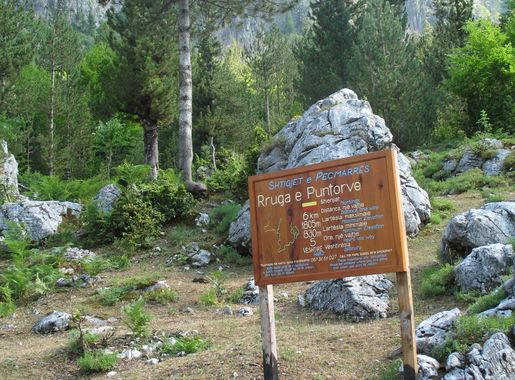


Dukagjin: Albania's Hidden Gem
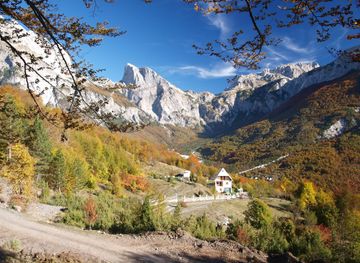
Nestled in the rugged mountains of Northern Albania, Dukagjin is a destination that offers a captivating blend of natural beauty, rich history, and traditional culture. This remote region is perfect for those who seek adventure and tranquility away from the bustling cities. The landscape is characterized by dramatic cliffs, deep valleys, and crystal-clear rivers, providing a breathtaking backdrop for outdoor enthusiasts. Dukagjin is also steeped in history. The area is dotted with ancient ruins, old stone houses, and centuries-old churches that tell the story of its past. Visiting these sites gives you a glimpse into the life of the people who have inhabited this region for generations. The locals are known for their hospitality and are always eager to share stories about their heritage and traditions. One of the highlights of visiting Dukagjin is the opportunity to experience the local culture. Traditional music, dance, and food are an integral part of life here. You can enjoy local delicacies, such as freshly made cheese and hearty meat dishes, at family-run restaurants or during village festivals. The region's unspoiled nature also provides numerous opportunities for hiking, fishing, and exploring hidden caves. Whether you are an adventurer or a history buff, Dukagjin has something unique to offer.