

Free Kukës Region Travel Guide & Mobile App
Explore Kukës Region with free travel guides. Discover regional history, expert tips, proposed trips, and audio guides on web or mobile app.


Kukës Region combines Valbona’s alpine valleys, Drin reservoirs, mountain villages and cross-border heritage in northeastern Albania.
Read more about Kukës Region
When is the best time to visit Kukës Region?
Best: June–August · 24–26°C| Month | High (°C) | Rainfall (mm) |
|---|---|---|
| January | 5 | 70 |
| February | 6 | 60 |
| March | 10 | 65 |
| April | 15 | 75 |
| May | 19 | 80 |
| June (best) | 24 | 60 |
| July (best) | 26 | 40 |
| August (best) | 26 | 45 |
| September | 22 | 50 |
| October | 16 | 60 |
| November | 11 | 70 |
| December | 5 | 75 |
Getting to and around Kukës Region
How to get there
Transportation
Top city travel guides in Kukës Region
The cities of Kukës Region, and the easiest places to base yourself.

Swipe for more cities
Destinations in Kukës Region
Resorts, valleys and scenic spots worth a trip of their own.
-

-

-

-

-

-


Swipe for more destinations
Best attractions in Kukës Region
Kukës Region’s attractions are primarily landscapes and outdoor experiences rather than dense collections of built sights. Valbona Valley National Park is the principal draw, offering hiking routes through a dramatic limestone valley, forested slopes and high mountain scenery. In Tropojë, the area around Bajram Curri provides access to rural villages, upland paths and the wider Albanian Alps. The Gashi River reserve, included within the UNESCO-listed Ancient and Primeval Beech Forests of the Carpathians and Other Regions of Europe, adds an important conservation dimension, although access may require local arrangements. Around Kukës, the broad waters of Fierza Lake and the surrounding mountains create opportunities for scenic drives, viewpoints and quiet lakeside observation. Has offers a less developed landscape of hills, pasture and border-country roads. Historic and cultural interest is concentrated in Kukës itself, whose planned post-1970s city reflects the dramatic relocation caused by the reservoir project. Walking, photography, birdwatching and visits to family-run guesthouses are more characteristic here than conventional sightseeing circuits.
-
Monastery
Monastery Visoki Decani
Discover the serene beauty and historical significance of the Monastery of Visoki Decani, a UNESCO World Heritage site in the heart of Kosovo.
-
Monastery
Pećka Patrijaršija
Discover Pećka Patrijaršija, a UNESCO site and spiritual heart of the Serbian Orthodox Church, adorned with stunning frescoes and rich history.
-
Tourist attraction
Mirusha Waterfalls
Experience the breathtaking beauty of Mirusha Waterfalls, a natural wonder in Klina, perfect for adventure and relaxation amidst stunning scenery.
-
Hiking area
Gamti Mountain
Hike Gamti Mountain near Kruje for panoramic views, diverse trails, and a peaceful escape into Albania's natural beauty. A must-visit for nature lovers!


Best landmarks in Kukës Region
The most recognisable landmark in Kukës Region is the new city of Kukës, whose planned layout and elevated position embody the twentieth-century transformation of the Drin valley. Below it, Fierza Reservoir occupies the former site of the old town and forms one of the region’s defining geographical features. In Tropojë, the high limestone walls and long valley of Valbona are both a natural landmark and a visual symbol of the Albanian Alps. The mountain passes and forested slopes around the valley explain the area’s importance as a route through northern Albania. The Gashi River forests represent another landmark of environmental significance, protected as part of the UNESCO-listed Ancient and Primeval Beech Forests of the Carpathians and Other Regions of Europe. Around Has and the eastern approaches to Kukës, broad mountain horizons and the Pashtrik area give the landscape a pronounced borderland character. These places are significant less for monumental architecture than for the way geology, state planning and rural history remain visible together.
-
Tourist attraction
Afrim Cenaj/Kukës Underground
Explore Kukës Underground: A unique war museum offering a glimpse into Albania's communist past and the secrets hidden beneath the city.
-
City park
Kukës City
Relax and unwind in Kukës City Park, a green oasis in the heart of the Albanian Alps, offering tranquility and scenic views.
-
Tourist attraction
Ura e Drinit t’bardh
Discover Ura e Drinit t’bardh in Kukës, Albania: a stunning bridge offering scenic views, cultural experiences, and natural beauty.
-
Prison
Burgu i Kukësit
Explore Burgu i Kukësit: A haunting reminder of Albania's past, echoing tales of political prisoners and resilience.


Explore Kukës Region on the map
Plan your trip on one map. See where the top cities, national parks and sights are, and book hotels and experiences in a few clicks.
Best hotels in Kukës Region
Best restaurants in Kukës Region
Dining in Kukës Region is closely connected to northern Albanian mountain cooking and the produce of small farms. Guesthouses in Valbona and Tropojë commonly serve filling home-style meals built around bread, seasonal vegetables, beans, potatoes, yoghurt, local cheeses and meat, with lamb and goat particularly associated with highland pastoral traditions. Cornmeal dishes, savoury pies and preserves may appear alongside honey and mountain herbs. Kukës and Bajram Curri offer the broadest choice of cafes, grills and everyday restaurants, while rural accommodation often provides the most distinctive meals by prior arrangement. Fish from rivers and reservoirs may be available, though it should not be assumed to be the defining food of the region. Visitors should expect simple, generous cooking rather than a formal restaurant circuit, and should ask hosts which products are locally made and in season. Coffee remains an important part of daily social life, especially in town cafes.
-
Restaurant
Lugina e Drinit Bar Restaurant
Experience authentic Albanian cuisine at Lugina e Drinit Bar Restaurant in Kukës - where delicious flavors meet stunning views.
-
Restaurant
Ura e Drinit të Zi
Experience authentic Albanian cuisine amidst breathtaking landscapes at Ura e Drinit të Zi in Kukës.
-
Restaurant
Bar Restaurant Xhamlliku
Experience authentic Albanian cuisine at Bar Restaurant Xhamlliku in Kukës – a culinary treasure offering local flavors in a warm atmosphere.
-
Restaurant
Bar Restorant "Kulla e Lumës"
Experience authentic Albanian cuisine at Bar Restorant 'Kulla e Lumës' in Kukës - where tradition meets flavor in a warm and inviting setting.


Best bars in Kukës Region
Nightlife in Kukës Region is modest and concentrated in Kukës, Bajram Curri and the larger villages. Evening social life usually centres on cafes, restaurants, hotel terraces and traditional-style bars rather than dedicated nightclub districts. Kukës has the widest selection of places for a late coffee, a beer or a casual meal, while Bajram Curri provides a practical stop before or after travelling into Valbona. In the mountain valleys, guesthouses are more important than commercial nightlife, and evenings often end with conversation, local food and views of the surrounding slopes. Summer brings more activity in accommodation areas, but this is seasonal and relatively low-key. Visitors should not expect extensive late-night transport or regular club programming in remote parts of the region, and should arrange their return journey before settling in for the evening.
-
Cocktail bar
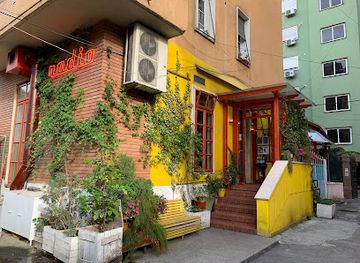
Radio bar Tirana
Experience the essence of Tirana's nightlife at Radio Bar, where creative cocktails and a vibrant atmosphere await.
-
Jazz
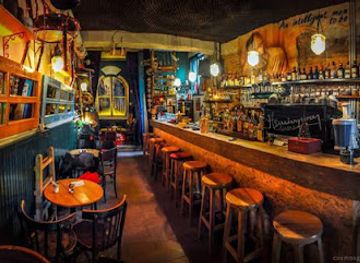
Hemingway Bar Tirana
Experience the vibrant jazz scene at Hemingway Bar Tirana, where music, cocktails, and a lively atmosphere come together to create unforgettable nights.
-
Restaurant
Lugina e Drinit Bar Restaurant
Experience the authentic flavors of Albania at Lugina e Drinit Bar Restaurant in Kukës, where stunning views meet delightful cuisine.
-
Cocktail bar
Mimoza Bar & Cocktails
Experience the best cocktails in Tirana at Mimoza Bar & Cocktails, where vibrant ambiance meets exquisite flavors.

Best nightclubs in Kukës Region
Nightlife in Kukës Region is modest and concentrated in Kukës, Bajram Curri and the larger villages. Evening social life usually centres on cafes, restaurants, hotel terraces and traditional-style bars rather than dedicated nightclub districts. Kukës has the widest selection of places for a late coffee, a beer or a casual meal, while Bajram Curri provides a practical stop before or after travelling into Valbona. In the mountain valleys, guesthouses are more important than commercial nightlife, and evenings often end with conversation, local food and views of the surrounding slopes. Summer brings more activity in accommodation areas, but this is seasonal and relatively low-key. Visitors should not expect extensive late-night transport or regular club programming in remote parts of the region, and should arrange their return journey before settling in for the evening.
-
Jazz
Hemingway Bar Tirana
Discover the enchanting blend of live jazz and vibrant social atmosphere at Hemingway Bar Tirana, a top nightlife destination in Albania.
-
Night club
Cinco Cavalli Premium Club
Discover the electrifying nightlife of Cinco Cavalli Premium Club in Sauk, Albania, where music and excitement never stop!
-
Night club
Whisky Bar Tirana
Discover the vibrant nightlife of Tirana at Whisky Bar, a must-visit spot for whisky lovers and party-goers alike, offering great music and a lively atmosphere.
-
Night club
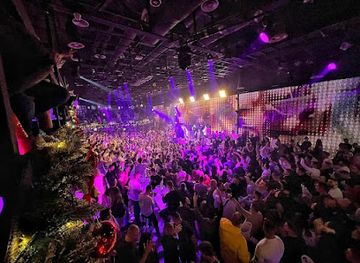
Sky Club
Discover the vibrant nightlife at Sky Club in Tirana, featuring stunning city views, electrifying music, and an unforgettable atmosphere for all party lovers.


Best shops in Kukës Region
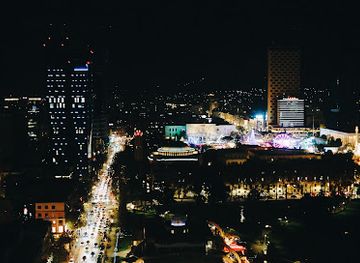
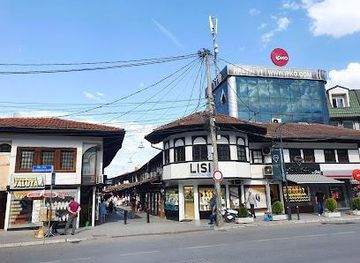
Shopping in Kukës Region is practical and local rather than centred on major retail centres. Kukës and Bajram Curri have the broadest selection of everyday shops, supermarkets, bakeries, cafes and small market stalls, while smaller settlements provide basic supplies rather than specialist shopping. Visitors can look for mountain honey, cheeses, herbal products, preserves and other farm-made foods through guesthouses or local producers, although availability depends on season and supply. Handmade textiles, knitted goods and simple craft items may also be found in rural communities, but the choice is less predictable than in Albania’s larger tourist centres. Market activity is most useful for buying provisions for walks and road journeys. When purchasing food directly from producers, ask about ingredients, storage and transport, and carry cash in Albanian lek. The most meaningful souvenirs are usually regional produce and small locally made items rather than mass-produced Albanian memorabilia.
-
Shopping mall
Toptani
Discover Toptani Shopping Mall in Tirana: Your go-to destination for shopping, dining, and entertainment with European flair.
-
Shopping mall
QTU - Qendra Tregtare Univers
Explore QTU - Qendra Tregtare Univers, Tirana's premier shopping mall offering a blend of international brands, dining, and entertainment.
-
Bazar
Bazaar of Peja
Discover the vibrant Bazaar of Peja, where local crafts, delicious food, and rich culture come together to create an unforgettable experience.
-
Restaurant
Lugina e Drinit Bar Restaurant
Experience the authentic taste of Albania at Lugina e Drinit Bar Restaurant in Kukës, where quality meets tradition in every dish.



Get your free copy of our complete guide to Kukës Region, delivered straight to you.
Everything on this page, from attractions and restaurants to essentials and local phrases, in one PDF you can read offline, print or share.
Already have an account? Sign in
Your Kukës Region guide is ready.
We'll send it to · Not you? Sign out

Getting your guide ready…
We are putting together a fresh copy of the Kukës Region guide. This can take up to a minute.
This can take a few moments. If your browser asks, choose Allow so the download can start. You'll find the guide in your Downloads folder.
Nothing happened? Download it again
Sorry, the guide is taking longer than usual. Please try again in a minute, or get it by email instead.
Kukës Region essentials
Currency and Payment
Safety
Emergency Situations
Do's and Don'ts
Local Tips
From Eve
Local phrases worth knowing
You don't need to get them perfect. A few words go a long way, and locals appreciate the effort.
Basics
| English | Local | Say it |
|---|---|---|
| Hello | Përshëndetje | [Për-shen-deh-tje] |
| Goodbye | Mirupafshim | [Mee-roo-paf-sheem] |
| Yes | Po | [Poh] |
| No | Jo | [Yoh] |
| Please/You're welcome | Të lutem/Për atë | [Tuh loo-tem/Pur aht] |
| Thank you | Faleminderit | [Fah-leh-min-deh-reet] |
| Excuse me/Sorry | Më falni/Më vjen keq | [Muh fal-nee/Muh vyen kehch] |
| How are you? | Si jeni? | [See yeh-nee] |
| Fine. And you? | Mirë. Dhe ju? | [Meer. Dhe yoh?] |
| Do you speak English? | A flisni anglisht? | [Ah flees-nee ahn-glisht] |
| I don't understand | Nuk kuptoj | [Nook koop-toy] |
Eating & Drinking
| English | Local | Say it |
|---|---|---|
| I'd like to see the menu, please | Do doja të shoh menunë, të lutem | [Doh doh-yah tuh shoh meh-noon-eh, tuh loo-tem] |
| I don't eat meat | Nuk ha mish | [Nook hah meesh] |
| Cheers! | Gëzuar! | [Guh-zoo-ar] |
| I would like to pay, please | Do doja të paguaj, të lutem | [Doh doh-yah tuh pah-goo-igh, tuh loo-tem] |
Emergencies
| English | Local | Say it |
|---|---|---|
| Help! | Ndihmë! | [Ndeem] |
| Go away! | Shkoni! | [Shkoh-nee] |
| Call the Police! | Thirrni policinë! | [Theer-nee poh-lee-chee-neh] |
| Call a doctor! | Thirrni një mjek! | [Theer-nee nyuh myek] |
| I'm lost | Jam i humbur | [Yahm ee hoom-bur] |
| I'm ill | Jam i sëmurë | [Yahm ee sehm-oor-eh] |
Shopping
| English | Local | Say it |
|---|---|---|
| I'd like to buy... | Do doja të blej... | [Doh doh-yah tuh bleh...] |
| I'm just looking | Po shikoj vetëm | [Poh shee-koy veht-em] |
| How much is it? | Sa kushton? | [Sah koosh-ton] |
| That's too expensive | Kjo është shumë e shtrenjtë | [Kyo esht shoom eh shtren-jt] |
| Can you lower the price? | Mund të ulni çmimin? | [Moond tuh ool-nee chmee-min] |
Time & Numbers
| English | Local | Say it |
|---|---|---|
| What time is it? | Sa është ora? | [Sah esht oh-rah] |
| It's one o'clock | Është një orë | [Esht nyuh oh-rah] |
| Half past (10) | Gjashtë e pesë | [Jash-teh eh peh-seh] |
| Morning | Mëngjes | [Muhn-jes] |
| Afternoon | Pasdite | [Pahs-dee-teh] |
| Evening | Mbrëmje | [M-brehm-yeh] |
| Yesterday | Dje | [J-eh] |
| Today | Sot | [Sot] |
| Tomorrow | Nesër | [Neh-sher] |
| 1 | Një | [Nyuh] |
| 2 | Dy | [Dih] |
| 3 | Tre | [Tre] |
| 4 | Kater | [Kah-ter] |
| 5 | Pesë | [Pe-seh] |
| 6 | Gjashtë | [Jash-teh] |
| 7 | Shtatë | [Sh-tah-teh] |
| 8 | Tetë | [Teh-teh] |
| 9 | Nëntë | [Nuhn-teh] |
| 10 | Dhjetë | [Dhee-teh] |
Transport & Directions
| English | Local | Say it |
|---|---|---|
| Where's a/the...? | Ku është një...? | [Koo esht nyuh...?] |
| What's the address? | Cila është adresa? | [Tsee-lah esht ah-dreh-sah] |
| Can you show me (on the map)? | Mund të më tregoni (në hartë)? | [Moond tuh meh treh-goh-nee (nuh hahr-tay)?] |
| When's the next (bus)? | Kur është autobuzi i radhës? | [Koorr esht ow-toh-boo-zee ee rah-dh-ehs?] |
| A ticket (to ....) | Një biletë (për....) | [Nyuh bee-leh-tuh (pur....)] |
History of Kukës Region
Dardanian and Illyrian Borderlands
The northeastern Albanian mountains formed part of the wider ancient cultural zone associated with Illyrian and Dardanian communities. Settlement was influenced by valleys, upland pasture and routes linking the interior Balkans with the Adriatic lands. Archaeological evidence in the broader Kukës area points to long-standing occupation, although the region’s difficult terrain means that many ancient sites remain less developed for tourism than those in coastal Albania. The frontier character of the area continued through later centuries, as mountain routes connected communities across modern Albania, Kosovo and North Macedonia.
Roman and Medieval Routes
Roman authority brought the northeastern Balkans into a wider imperial system of roads, administration and trade, even though the high valleys around modern Kukës were never transformed into a densely urbanised landscape. In the medieval period, local settlements and fortified positions were linked to changing Albanian and Balkan political powers. Churches, village traditions and traces of defensive architecture reflect the region’s position between larger centres of influence. Mountain passes remained economically important because they connected pastoral communities and market routes across the interior.
Ottoman Rule and Highland Society
The Kukës area became part of the Ottoman Empire during the late medieval period and remained within its political sphere for several centuries. Ottoman administration coexisted with strong local customary structures, particularly in the northern highlands, where clan relationships, pastoral movement and customary law shaped community life. Islam became established alongside older Christian traditions, producing a varied religious landscape. Trade and seasonal migration continued across the mountains, while the relative remoteness of the area helped preserve distinctive forms of highland social organisation.
The Albanian National Movement
The northeastern highlands played a significant role in the political and cultural developments that led to Albanian independence in 1912. Figures and movements associated with northern Albania opposed outside control and promoted the use of Albanian language and institutions. The region’s proximity to Kosovo gave its politics an especially sensitive cross-border dimension. During the late Ottoman and early national periods, local resistance, religious networks and customary authority all influenced how ideas of Albanian identity were expressed in mountain communities.
War, Borders and State Socialism
The twentieth century brought major political and social changes. The area was affected by the Balkan Wars, the First World War and the shifting borders that separated communities in Albania from those in Kosovo and elsewhere. Under communist rule after the Second World War, the state expanded roads, electrification, collective agriculture and industrial projects into the northeast. This period also brought strict controls on movement and religion. The construction of the Fierza hydropower project transformed the Drin valley and required the original town of Kukës to be relocated.
The New Kukës and Fierza Reservoir
The original Kukës stood at the confluence of the Black Drin and White Drin before the Fierza dam created a large reservoir in the 1970s. The town was rebuilt on higher ground as a planned modern settlement, with apartment blocks and broad civic spaces characteristic of the period. The flooding altered transport routes, agriculture and the visual geography of the region, while the new city became an administrative and commercial centre. The reservoir remains one of the clearest examples of how Albania’s twentieth-century hydroelectric development reshaped an entire community.
Post-Communist Mobility and Mountain Tourism
After the end of communist rule, improved roads and the opening of Albania’s borders changed Kukës Region’s relationship with the rest of the country and with Kosovo. Cross-border movement, remittances and small-scale private enterprise became increasingly important. In the twenty-first century, Valbona and the wider Albanian Alps gained international attention for hiking and nature travel, while protected areas such as the Gashi River reserve highlighted the value of the region’s forests. Tourism remains seasonal and unevenly distributed, with infrastructure developing alongside long-standing rural livelihoods.
Kukës Region in Photos
Browse through our photo collection highlighting the charm and character of the destination.
Neighbouring regions of Kukës Region
The closest regions to Kukës Region, if you have time for more than one.
-
-

-

-
-


Swipe for more regions
Explore more

Explore more of Albania
Discover Albania: A land of untamed beauty, rich history, and warm hospitality, offering stunning beaches, rugged mountains, and vibrant cities.
Explore Albania